Cantabria has PDO status for its cheeses (Queso Nata de Cantabria, Quesucos de Liébana and Picón Bejes-Tresviso) and for Liébana honey, and PGI status for the sobao pasiego, Carne de Cantabria and its wines. This guide explains what each label guarantees and how to recognise it on the packaging.
A cheese labelled “artisan” or a sobao labelled “pasiego” doesn't mean the same as a protected designation. PDOs and PGIs are labels recognised by the European Union: the product comes from a specific area and is made according to a set of specifications. In Cantabria they are coordinated by ODECA, the regional government's Food Quality Office, which also runs its own label, Calidad Controlada. Here we go through the products that do have a recognised label, so you know what you're buying.
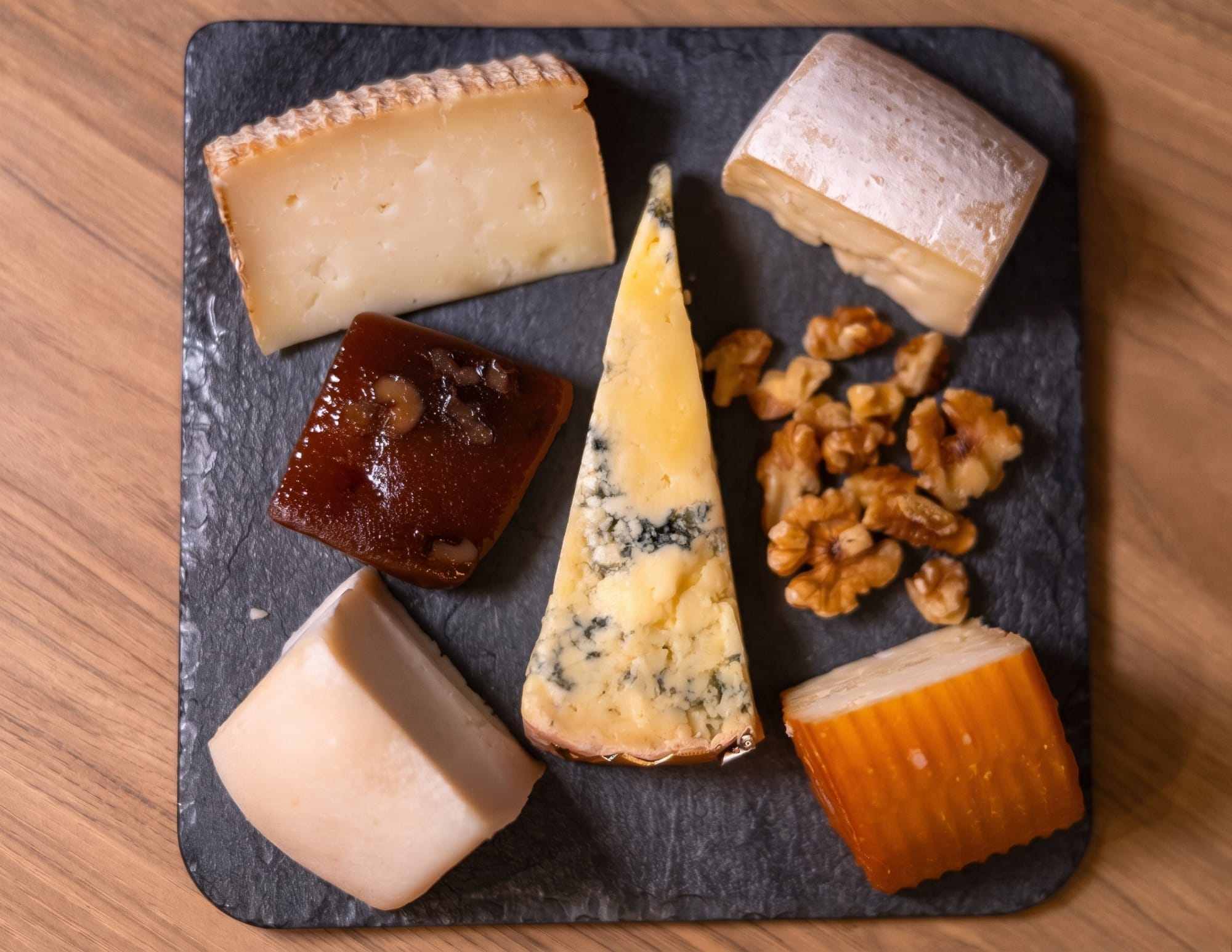
Designation of origin in Cantabria: PDO, PGI and Calidad Controlada
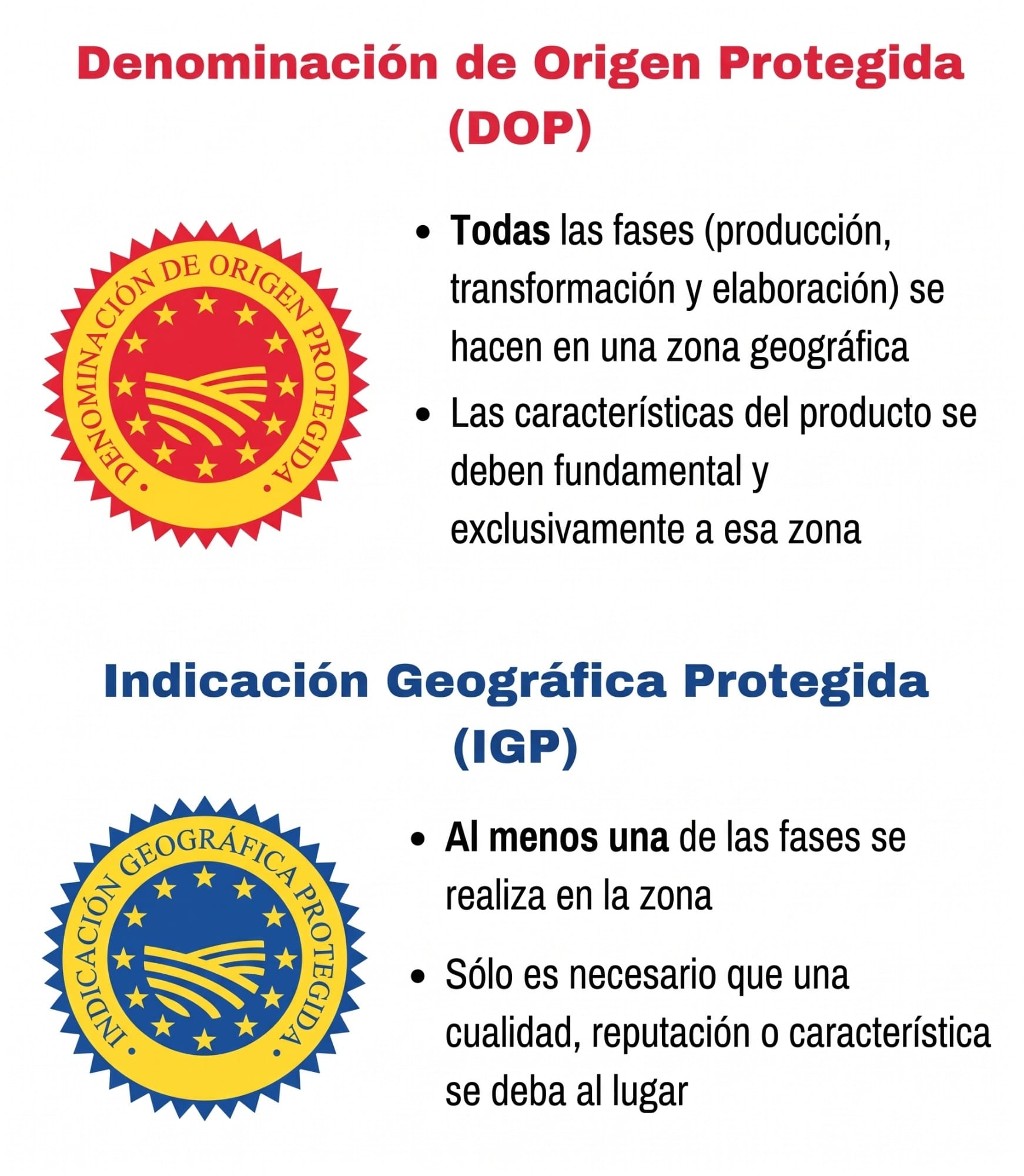
The difference between the two European labels lies in how much happens inside the area. In a PDO, production, processing and preparation all take place in the delimited territory; in a PGI, it is enough for one of those stages to happen there. Calidad Controlada is not a European label: it is a regional mark certifying that the raw material and the preparation exceed a quality level set by ODECA.
The three PDO cheeses
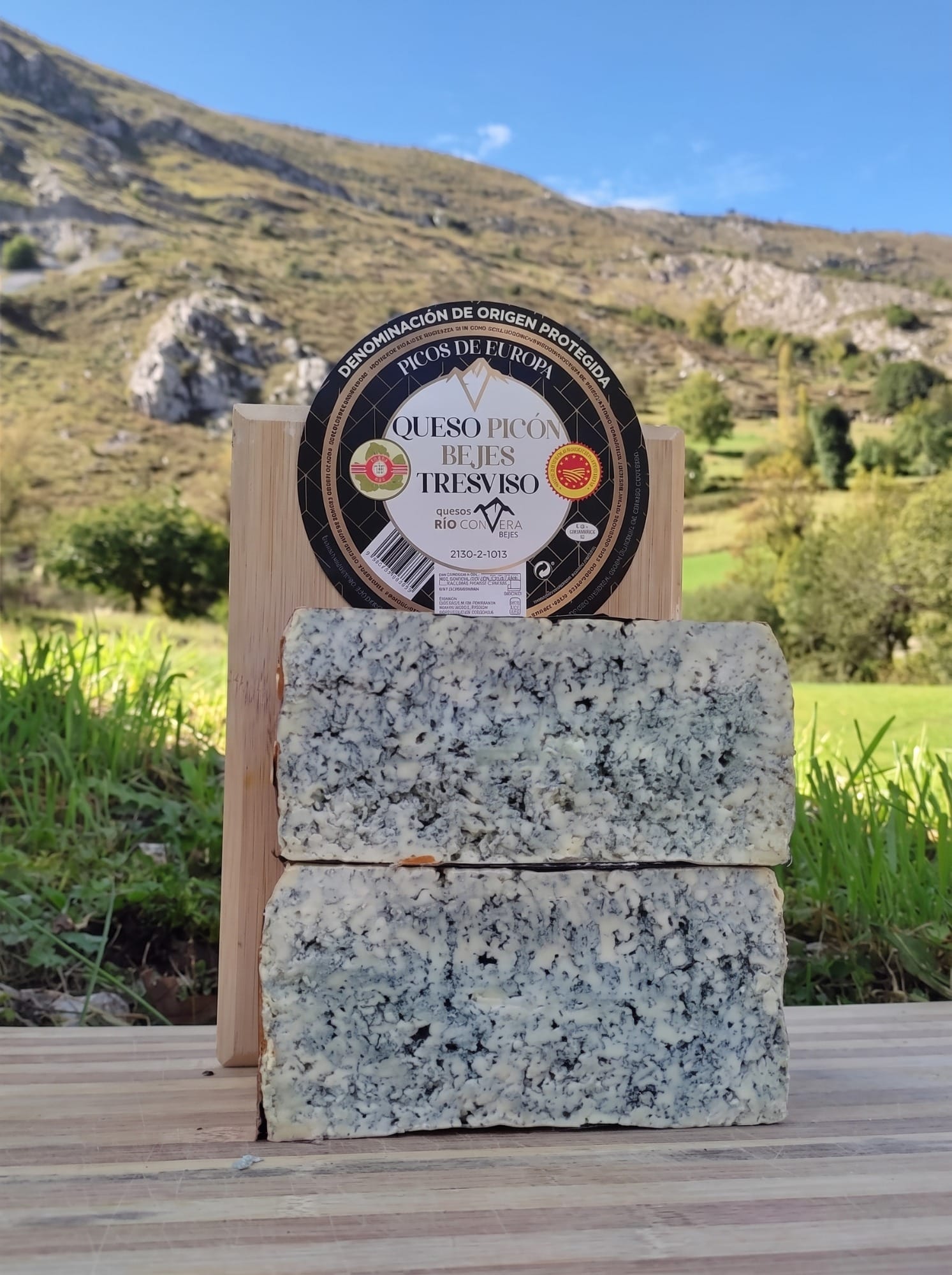
Queso Nata de Cantabria is the soft cow's-milk cheese, creamy in texture and mild in flavour, the easiest one for first-timers. Quesucos de Liébana are small cheeses from the Liébana area, and Picón Bejes-Tresviso is the blue cheese matured in the caves of Bejes and Tresviso, in the Picos de Europa, with an intense character. All three are produced in small quantities and are found mostly in cheese dairies, markets and local-product shops rather than in big supermarkets. None needs a complicated accompaniment: bread, a seasonal fruit and, with the Picón, a sweet wine or a cider. For the details, there is the guide to Picón cheese and the one on cheese dairies you can visit.
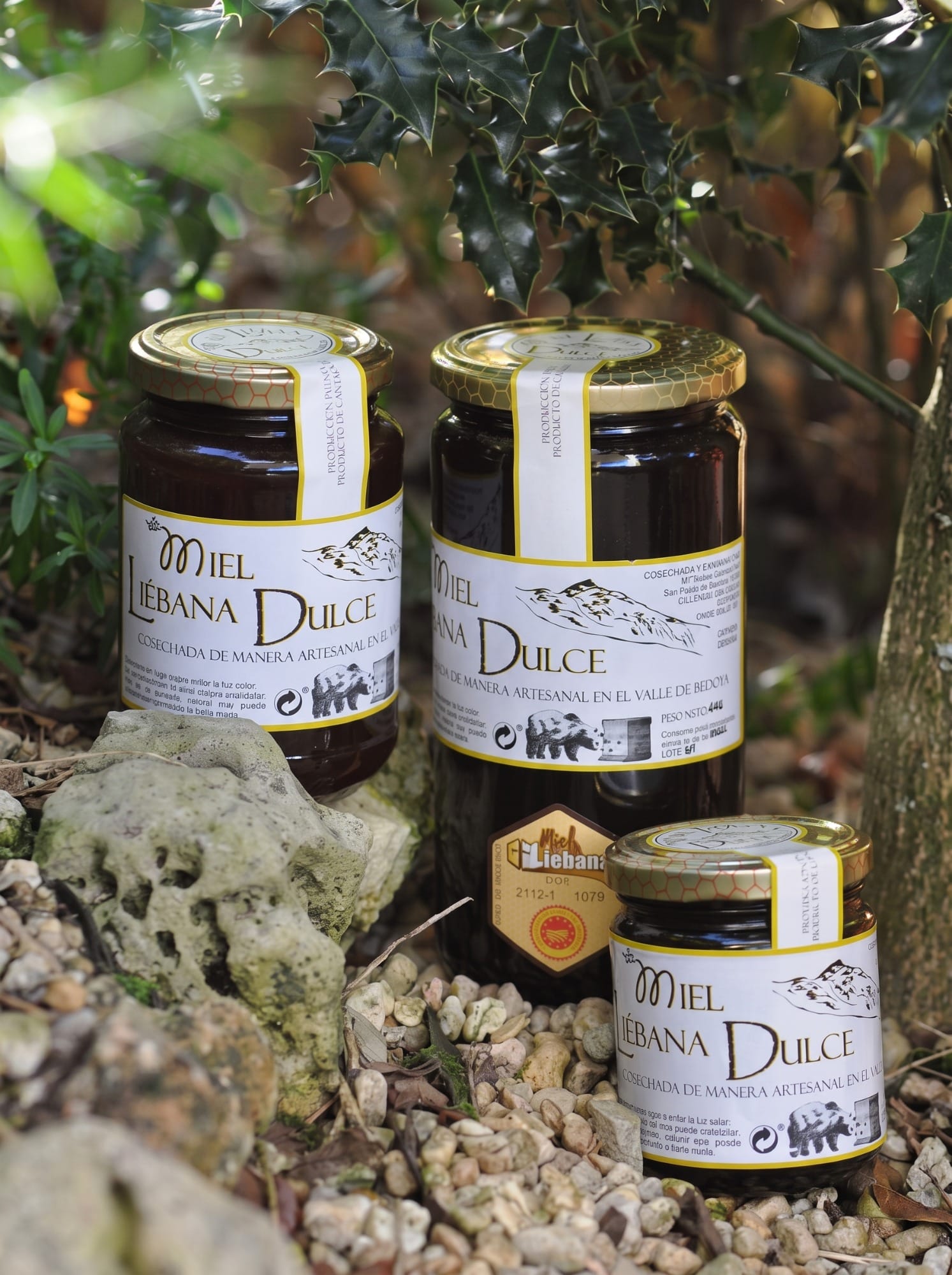
Liébana honey
Miel de Liébana also has PDO status and comes from the area of the same name, a mountain valley with a very varied flora. At the market, check that the jar states the origin and the beekeeper; mountain honey can crystallise in the cold, and that is not a defect. If you want to know which honeys to look for and how to tell them apart, the guide to Cantabrian honey explains it more calmly.
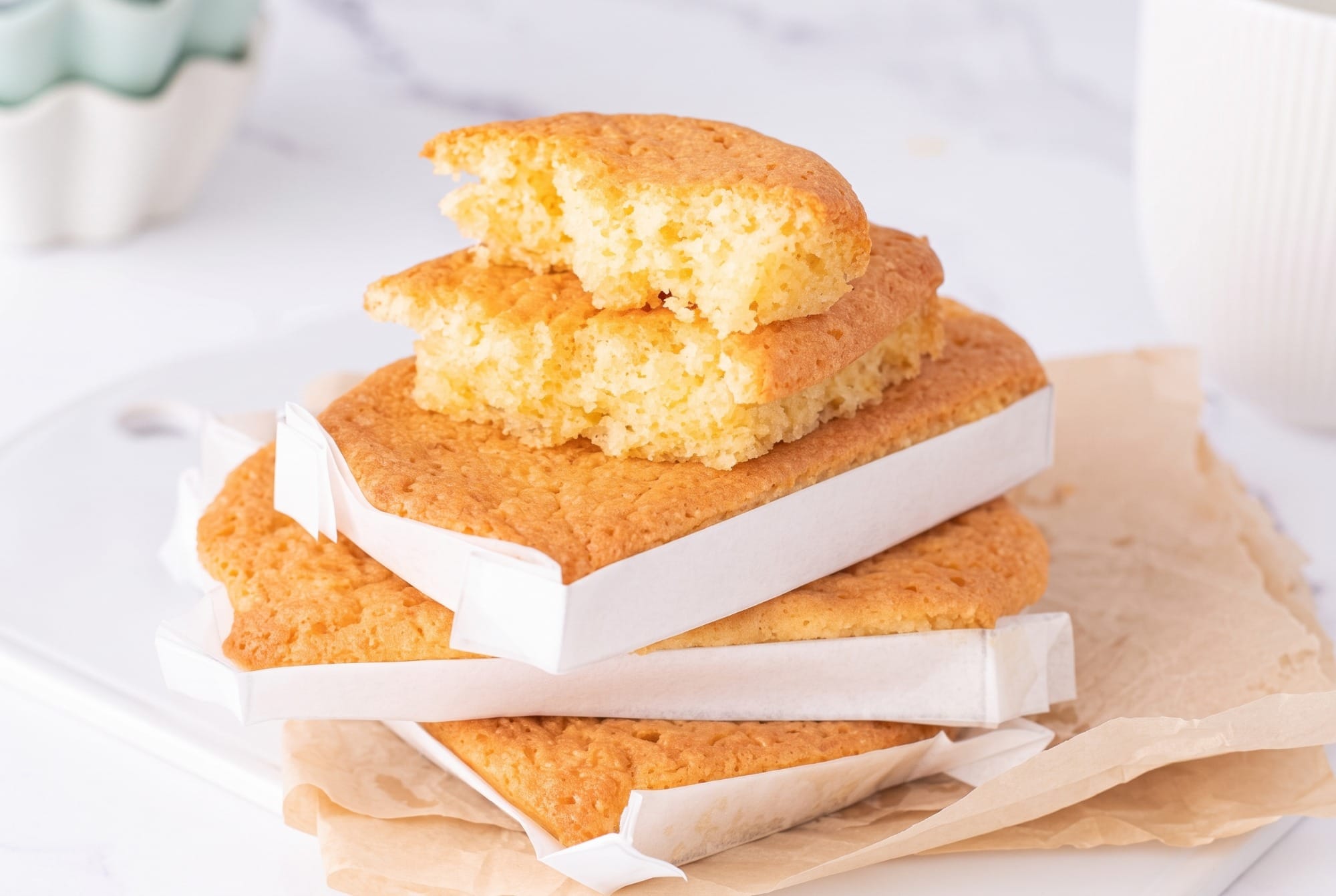
Sobao pasiego and Carne de Cantabria, with PGI
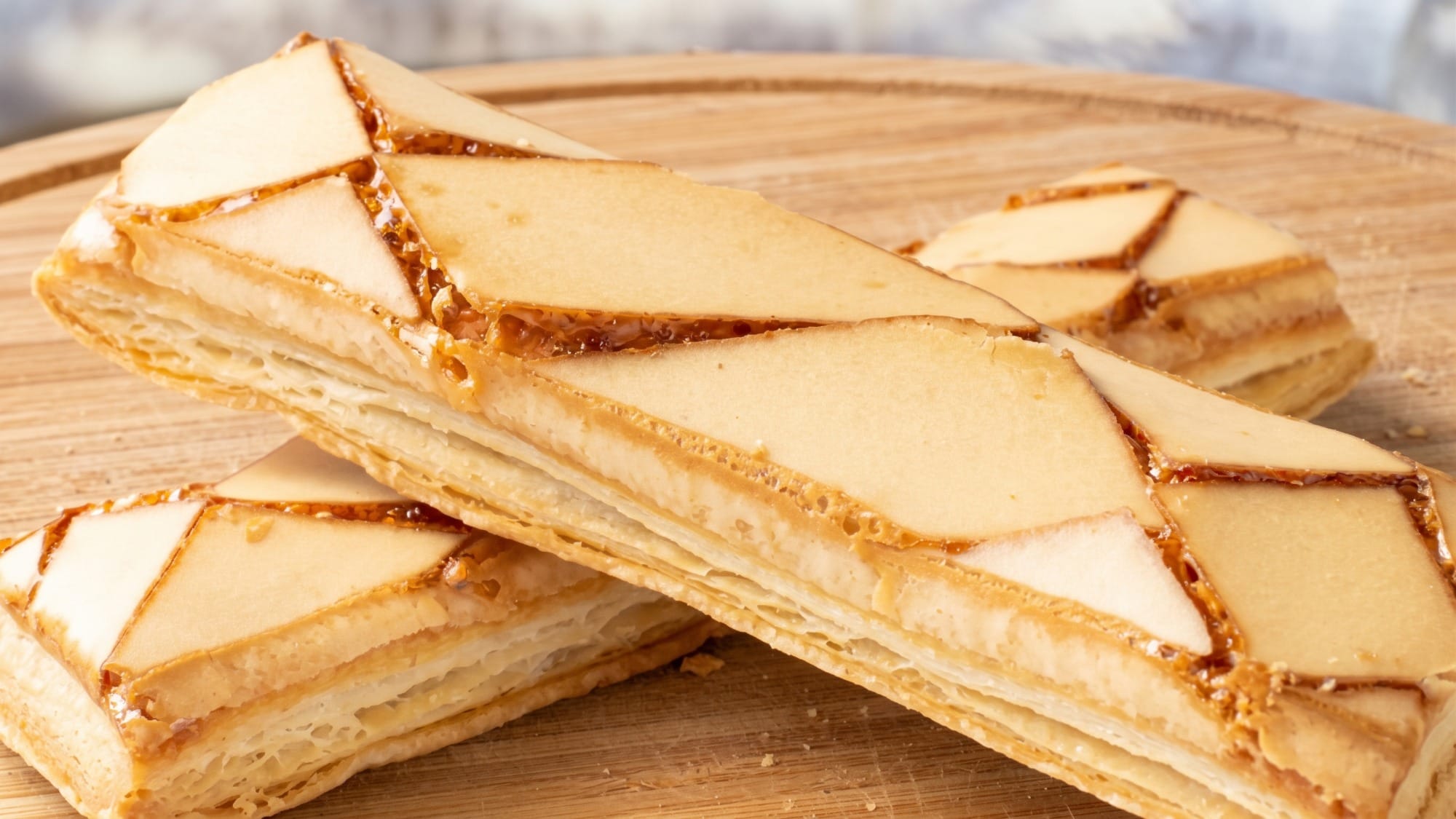
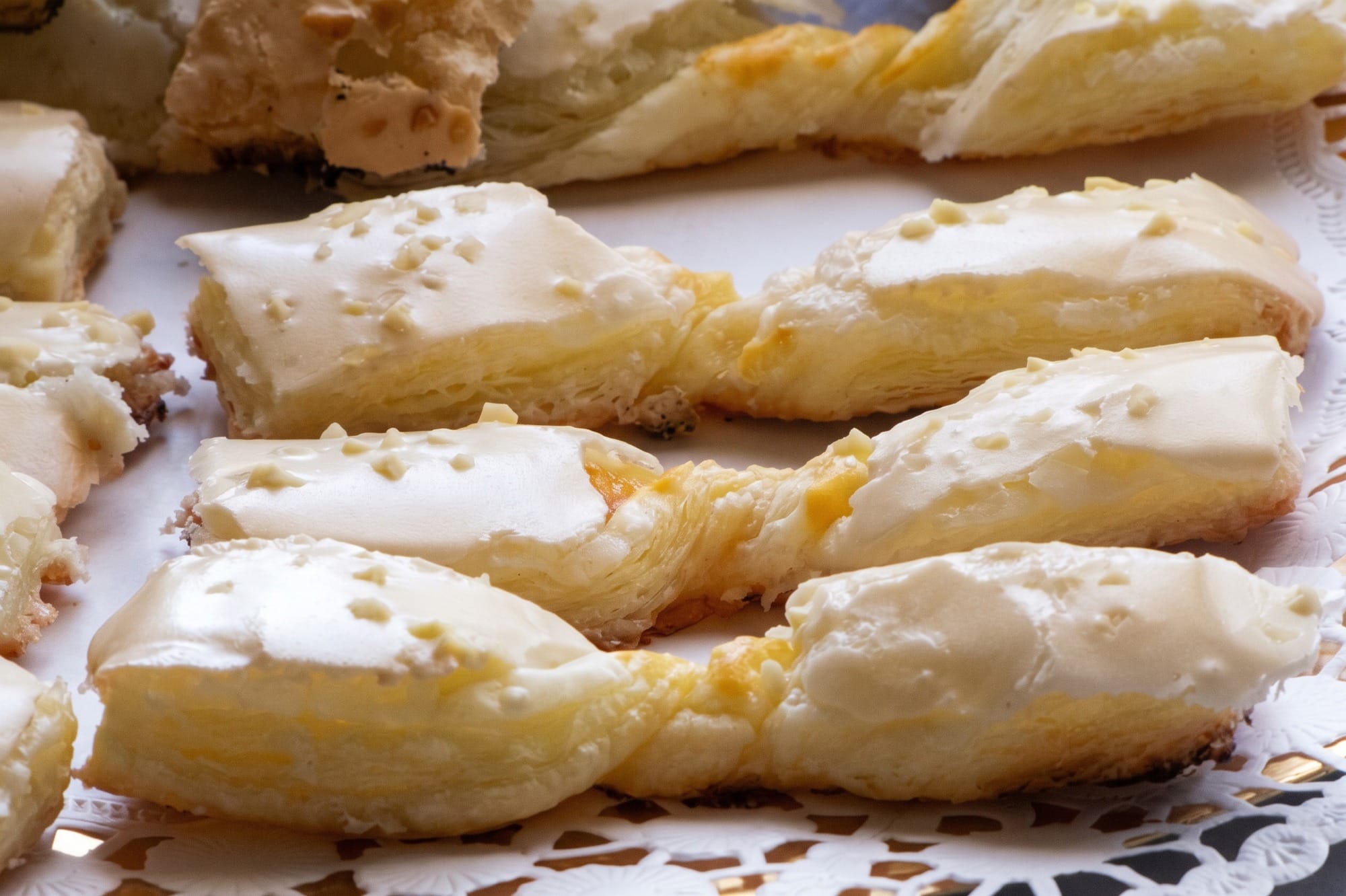
The sobao pasiego is the butter sponge cake of the Pas Valleys tradition, with PGI status, and it is the sweet people take home from Cantabria most often. A sobao with PGI contains butter: if you see oil or margarine among the ingredients, it isn't what it seems; the criteria for choosing a good sobao are in the guide to the best sobaos in Cantabria. Carne de Cantabria is the PGI for the region's beef, and you'll see it on the menus of the grill restaurants: the guide to where to eat meat in Cantabria lists where to try it.
Wines of the coast and of Liébana
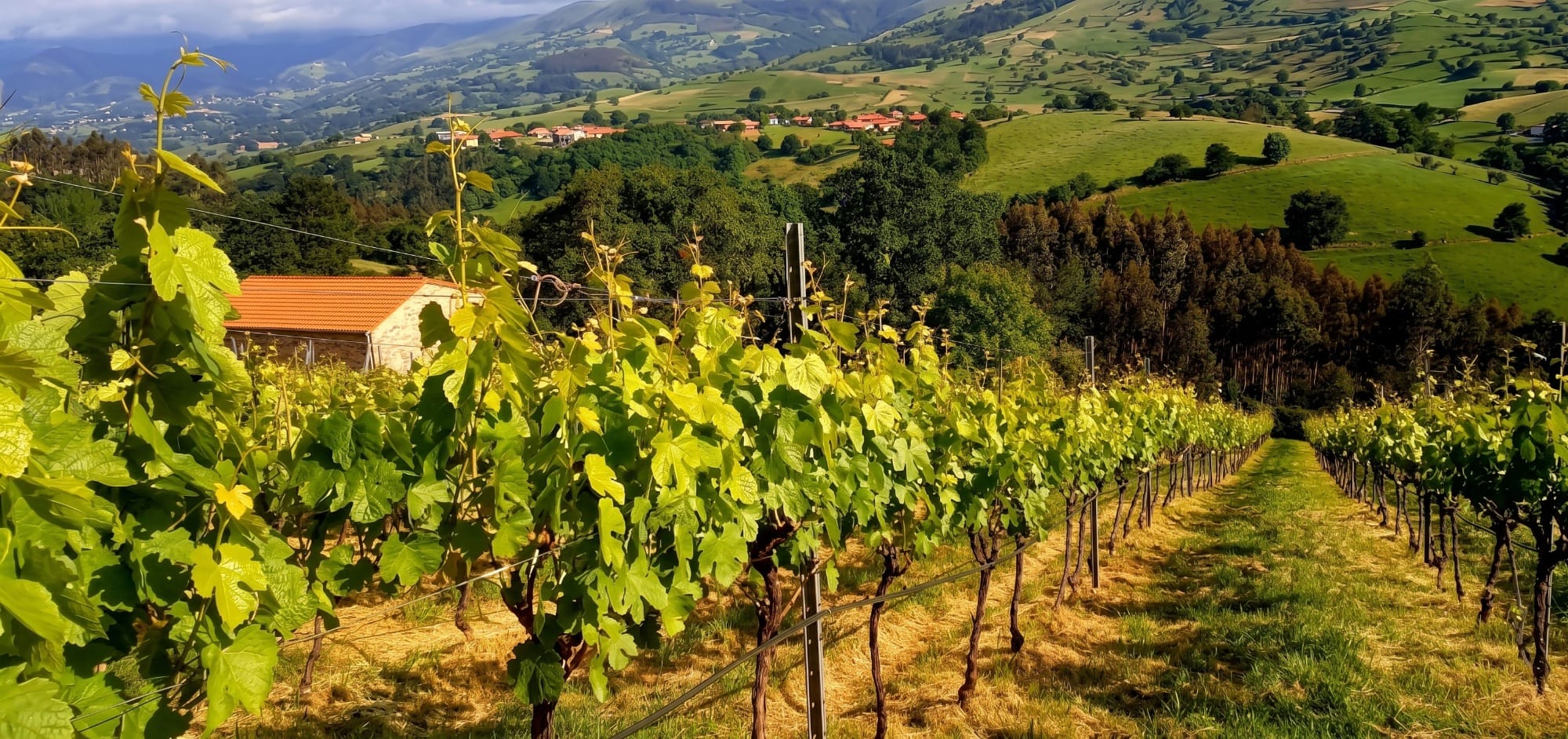
Cantabria has two wines with PGI: Vinos de la Tierra de Liébana and Vino de la Tierra Costa de Cantabria. They are small productions, meant to be tasted at the winery itself or in restaurants in the area rather than found in any supermarket. At the winery, always ask about the vintage and the grape variety. If you want to include a tasting in your getaway, start with the wineries near Bareyo.
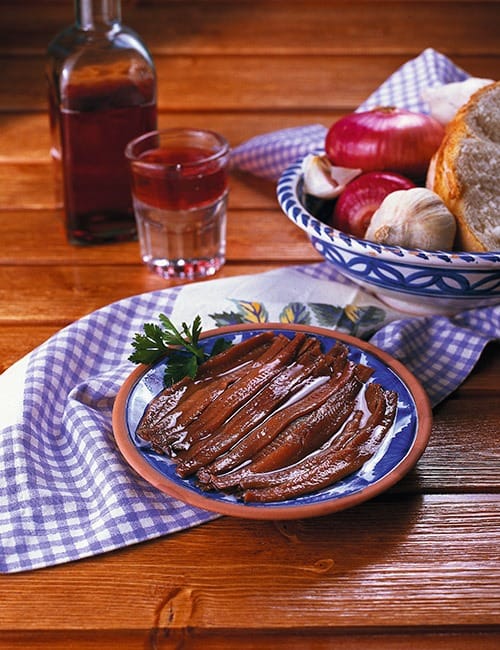
Anchovies, orujo and vegetables: the Calidad Controlada label
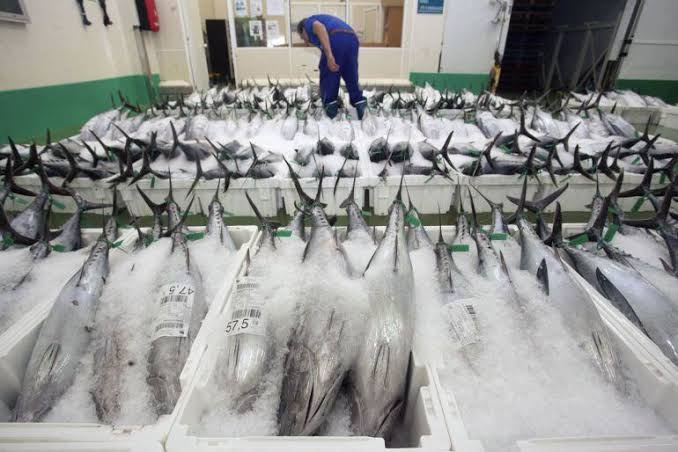
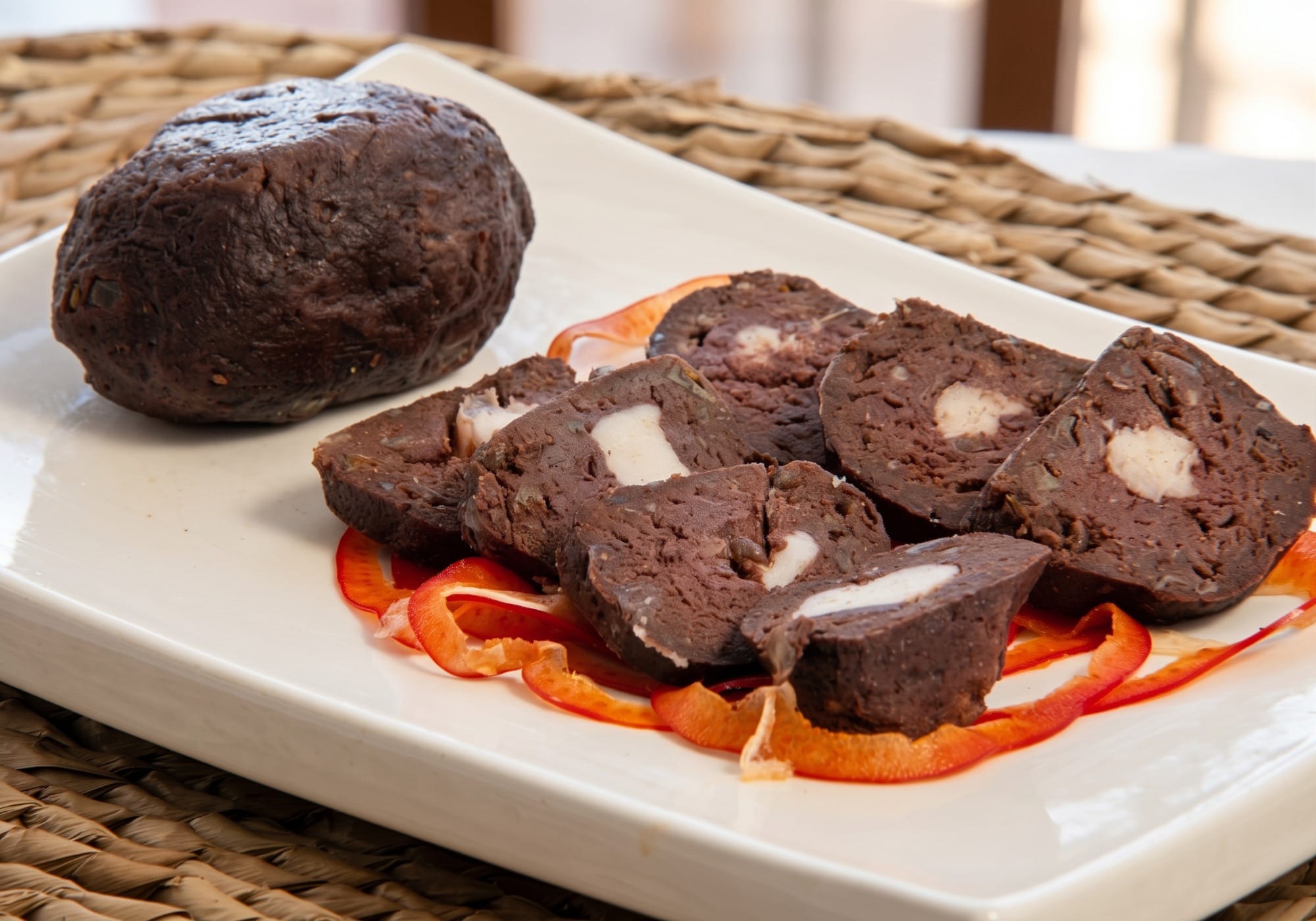
Products with Calidad Controlada include anchovies, orujo, peppers, tomatoes, cured sausages or sheep's cheese, according to ODECA's list. They are not PDO or PGI, but the label indicates a specific control. Santoña anchovies, for example, have their own guide on where to buy artisan anchovies, and the Isla peppers are a good example of Trasmiera's market gardens. It's worth checking ODECA's full list from time to time, because these lists are extended and revised over time, and a product that today only has Calidad Controlada may aspire to a European label later on.
What you need to know
Label: look for the European PDO or PGI logo, or the Calidad Controlada seal, and be wary of names that merely evoke Cantabria. Where to buy: at markets and street markets you can usually find producers selling directly; the weekly markets near Bareyo are a starting point. Checking: lists of protected products can change, so check the specific product on the ODECA website. Quantities: if you're travelling far, ask for the cheese to be vacuum-packed. Storage: cheeses and sobao travel well by car if you keep them in a cooler or in the shade.
“Having Cantabria written on the packaging doesn't mean the same as carrying a PDO or PGI label.”
Going home with a Liébana cheese, a sobao and a bottle of coastal wine is a simple way to stretch the trip. Villa Camino and Villa Monte, in Bareyo, are a good base for going from market to market and trying everything without hurry before deciding what to take home.