Borono is a traditional Cantabrian sausage, especially from Liébana, made with pig's blood, corn and wheat flour, onion and lard. It is boiled and eaten fried in slices, often for breakfast with very cold milk, or with chorizo, pancetta or sugar.
Among the products associated with Cantabria, sobao cakes and anchovies get all the fame. Borono stays in the background, even though it is one of the most characteristic of the region.
It resembles morcilla (blood sausage) but isn't the same thing: dark from the blood, thick, intense in flavour and with flour in the mix. People who try it for the first time usually have a clear opinion, for or against, and that's exactly why it's worth trying with some information in hand.
This guide explains what goes into it, how it is eaten, where it is made and where to look for it, separating what we've been able to verify from what you should confirm on the spot.
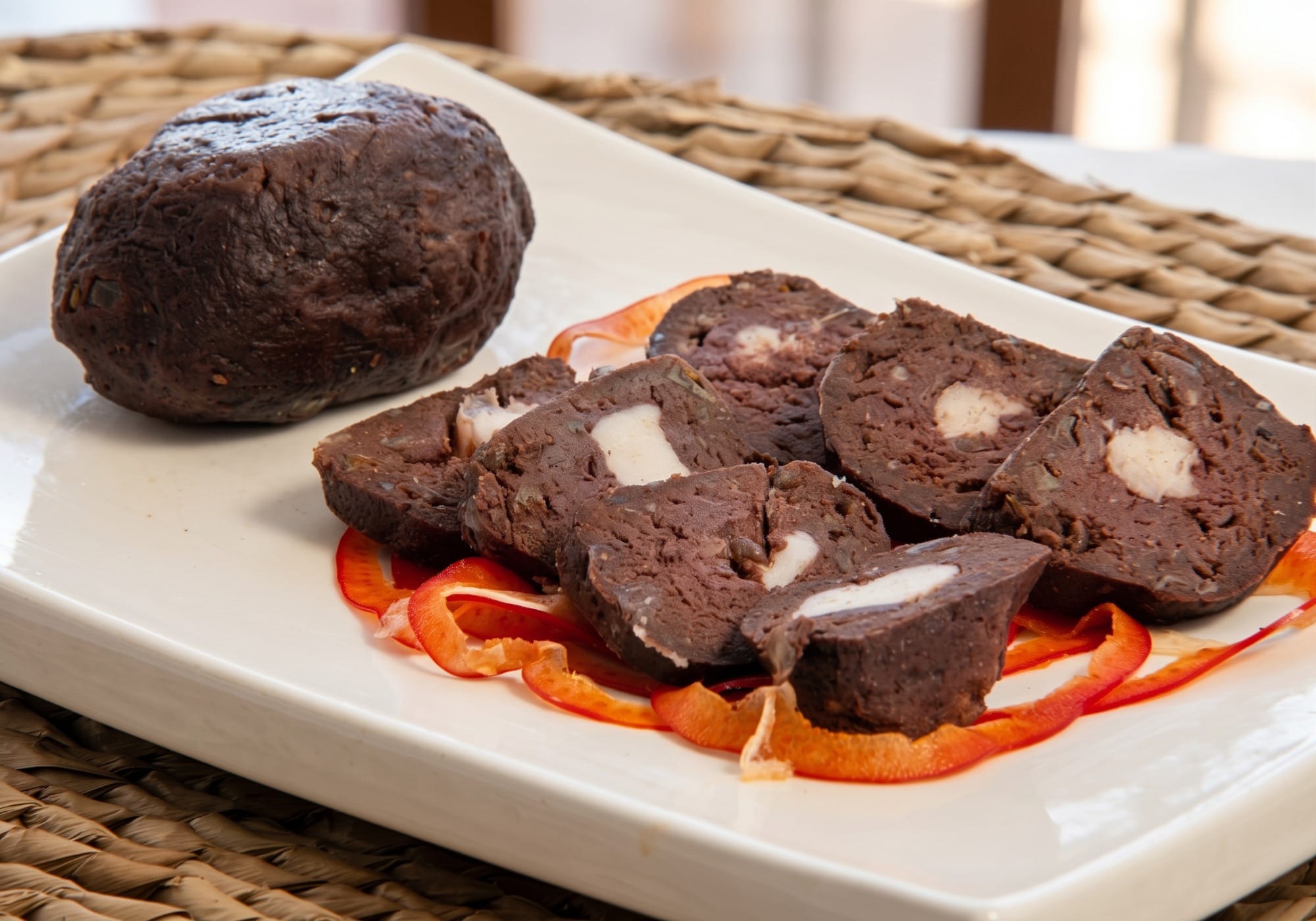
What borono is and what it's made of
Borono starts from pig's blood mixed with corn and wheat flour, onion, lard and salt, with spices that vary depending on who makes it; cumin and pepper are mentioned. That variation explains why it doesn't taste the same from one valley to the next: the ones from Potes and from Cervera, in Palencia, are said to taste quite different.
The dough is worked until it is firm, left to rest and boiled in water. Sources disagree on one detail: some speak of pork casing wrapped around the dough and others say it is made without. Every household and every workshop has its own formula. What they all share is the dark colour, from the blood, and an elongated ball shape, thicker than a morcilla.
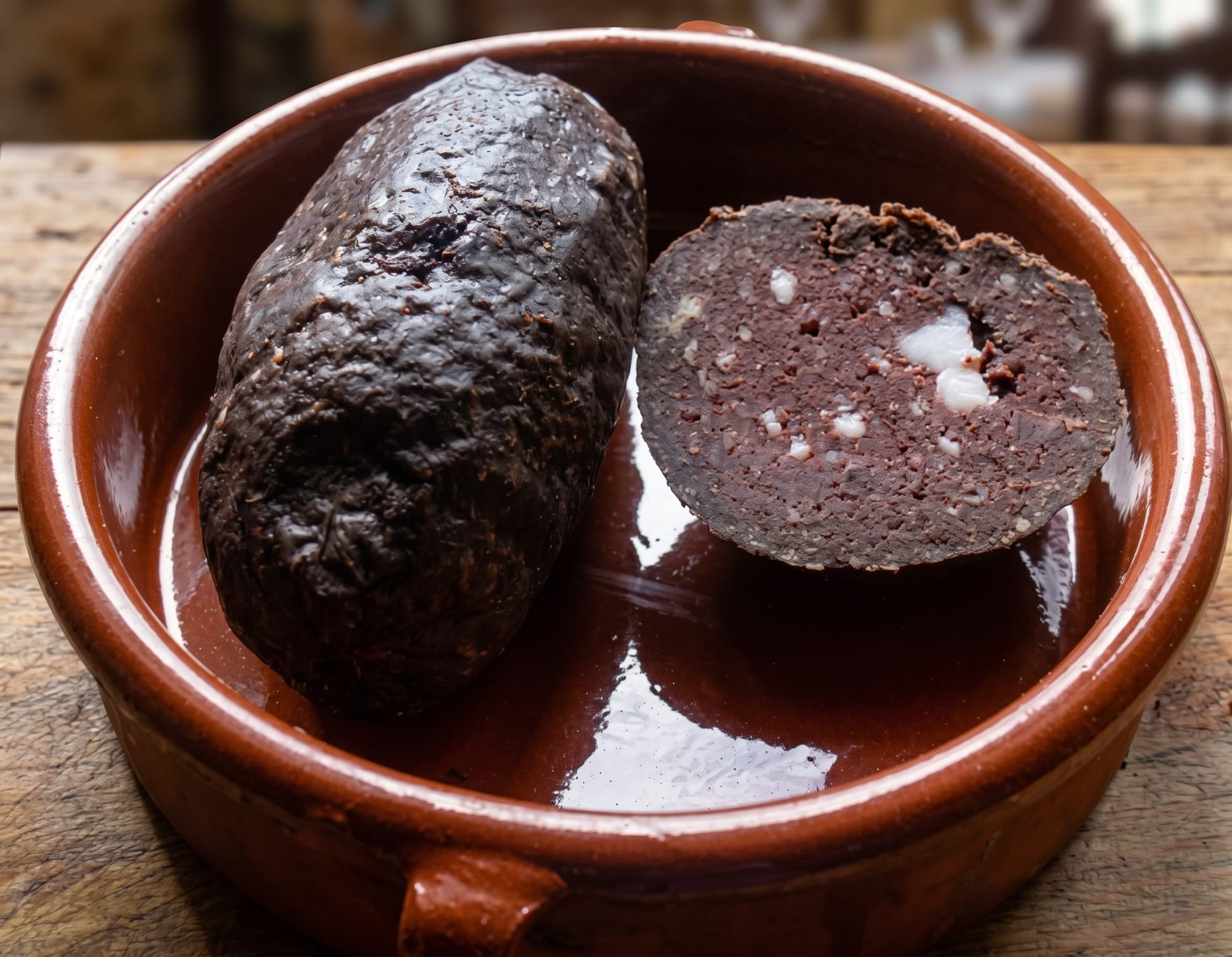
Where it is eaten: Liébana and beyond
It is typical of Cantabria, with particularly deep roots in Liébana, and it also appears in eastern Asturias and northern Palencia. In eastern Asturias it is called bolla, emberzao or pantrucu, depending on the place.
Borono has its day in the spotlight at the Fiesta del Cocido Montañés in Ucieda, which according to sources is held on the first Sunday of September: the night before the stew is prepared, the boronos are made there. If you want to go, confirm the date of that year's edition with the organisers before planning your trip.
From Bareyo, Liébana is on the other side of the region, about two hours by car. If you head that way, our guide to what to see in Liébana helps you plan the day.
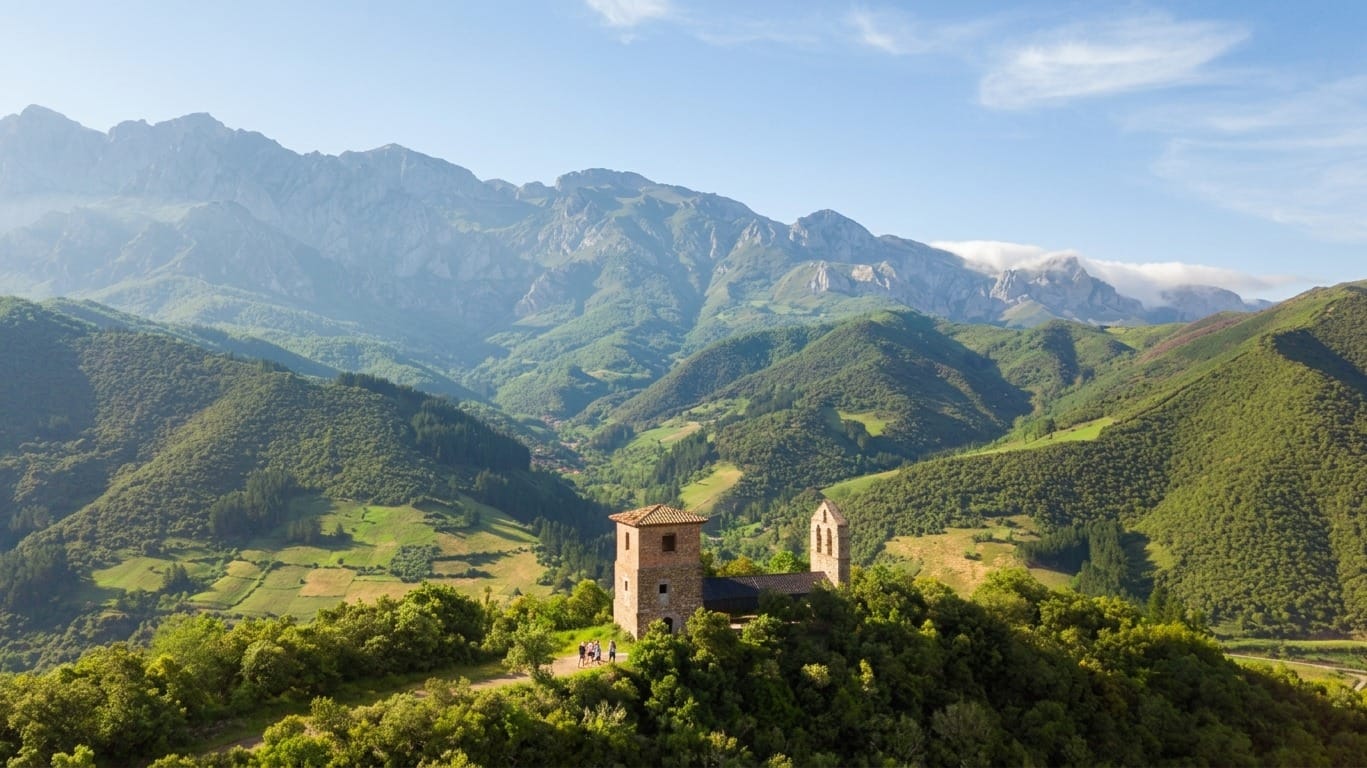
How borono is eaten
The most common way is to cut it into slices and fry it until golden. It can also be eaten freshly boiled, but hardly anyone does. At home, the custom is to have it fried at breakfast with a glass of very cold milk, a contrast that surprises visitors.
Sweet and savoury versions coexist: sprinkled with sugar, with fried apple (in Liébana, the repinalda apple), with fried potatoes, or alongside fried chorizo, pancetta or pork snout. If you order it at a restaurant, ask how it is served, because the accompaniment varies a lot from place to place.
The first time, go for a small portion to share. It's a strongly flavoured product and best discovered slowly.
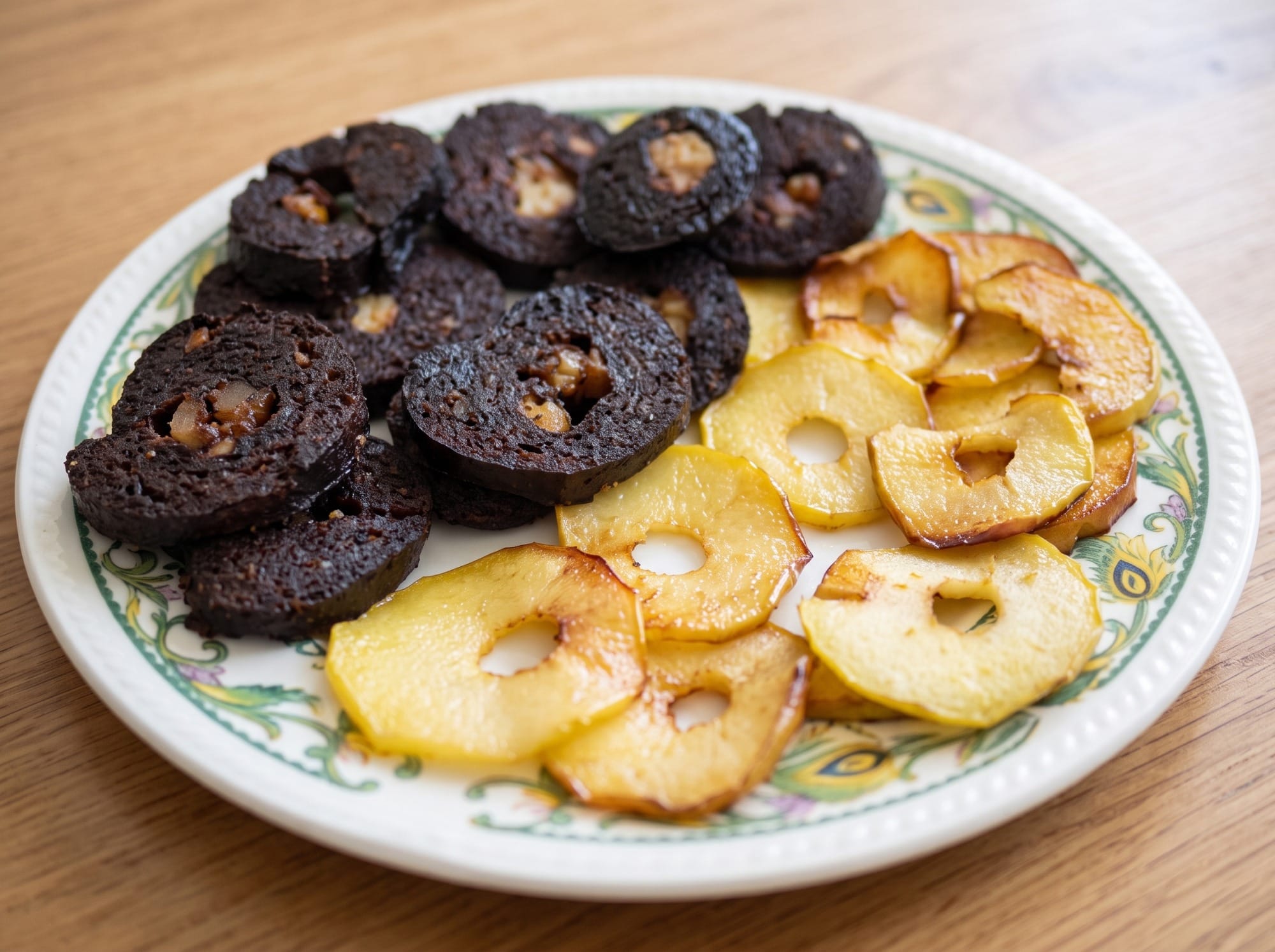
Where to try borono and how to buy it
We haven't found a reliable list of places that serve it all year round, and we'd rather not make one up. What we do know is where it makes sense to look: traditional butchers in Liébana and other valleys, where it's sold handmade, and producers who market it as borono lebaniego, some with online sales. According to one of the sources we consulted, there are also butchers in Cabezón de la Sal that make it by hand.
In restaurants, the clue is a menu of mountain Cantabrian cooking and places that take care over their cocido. Ask whether they have it that day before making the trip, because it isn't a dish that is always on the menu.
What you need to know
What's in it: pig's blood, corn and wheat flour, onion, lard, salt and spices.
How it's eaten: fried in slices, on its own or with sugar, fried apple, potatoes or chorizo.
Where to find it: traditional butchers and producers in Liébana; confirm availability before making the trip.
Flavour: intense and different depending on the area; start with a small portion.
Allergens: contains wheat flour (gluten) and pig's blood; not suitable for coeliacs or meat-free diets.
Ucieda: the Fiesta del Cocido Montañés is held on the first Sunday of September, according to sources; check the date.
Borono needs no frills: a frying pan, a little oil and a glass of cold milk.
Trying what is cooked in a valley is a good way to understand Cantabria. Back on the coast, the Ajo estuary and the meadows of Bareyo provide the counterpoint: another landscape, another table and the same land. From here you set out to discover it and come back unhurried.