What to see in Liébana from Bareyo: the La Hermida gorge, the Mozarabic church of Lebeña, Potes, the monastery of Santo Toribio, Santa María de Piasca, Mogrovejo and the Fuente Dé cable car. The valley is about two hours away by car and is best enjoyed spread over two days.
Liébana is a valley enclosed by mountains, with a climate and a rhythm different from the coast. That's why this list doesn't rank the stops from best to worst, but in the order in which it makes sense to visit them. We've left out places that demand long hikes or complicated bookings and picked seven that can be visited without much logistics and that, together, explain the valley: the landscape that protects it, the heritage that made it famous and the mountain that crowns it.
Each item has its place for what it adds to the route: first the entrance, then the history, then the base village and, at the end, the mountain. We already have a one-day guide for Potes and Fuente Dé; here we give you the rest of the valley to complete it.
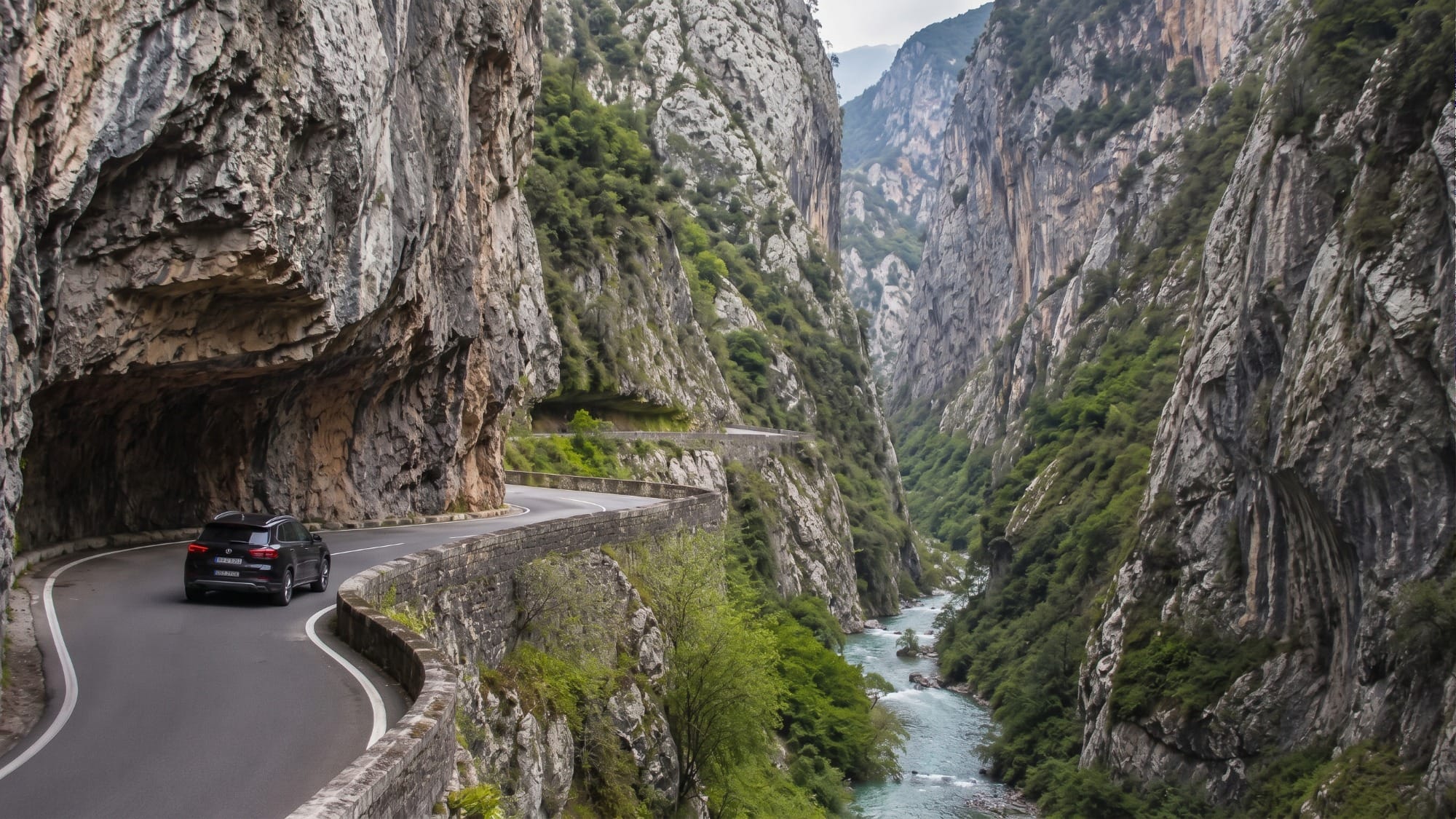
La Hermida gorge
Start before you even reach the valley. Between Unquera and Lebeña, the N-621 squeezes in beside the Deva river through a gorge of about 21 kilometres, with limestone walls that in places leave barely enough room for the road. It comes first purely for route logic: it's the gateway, and it's best driven slowly, in morning light and without the rush to get to Potes. Allow between half an hour and three quarters of an hour depending on traffic, not counting stops. There are small lay-bys to pull over and look; use them, because driving and looking at the same time is not a good idea. In heavy rain or fog the drive changes a lot, so check the road conditions before leaving Bareyo.
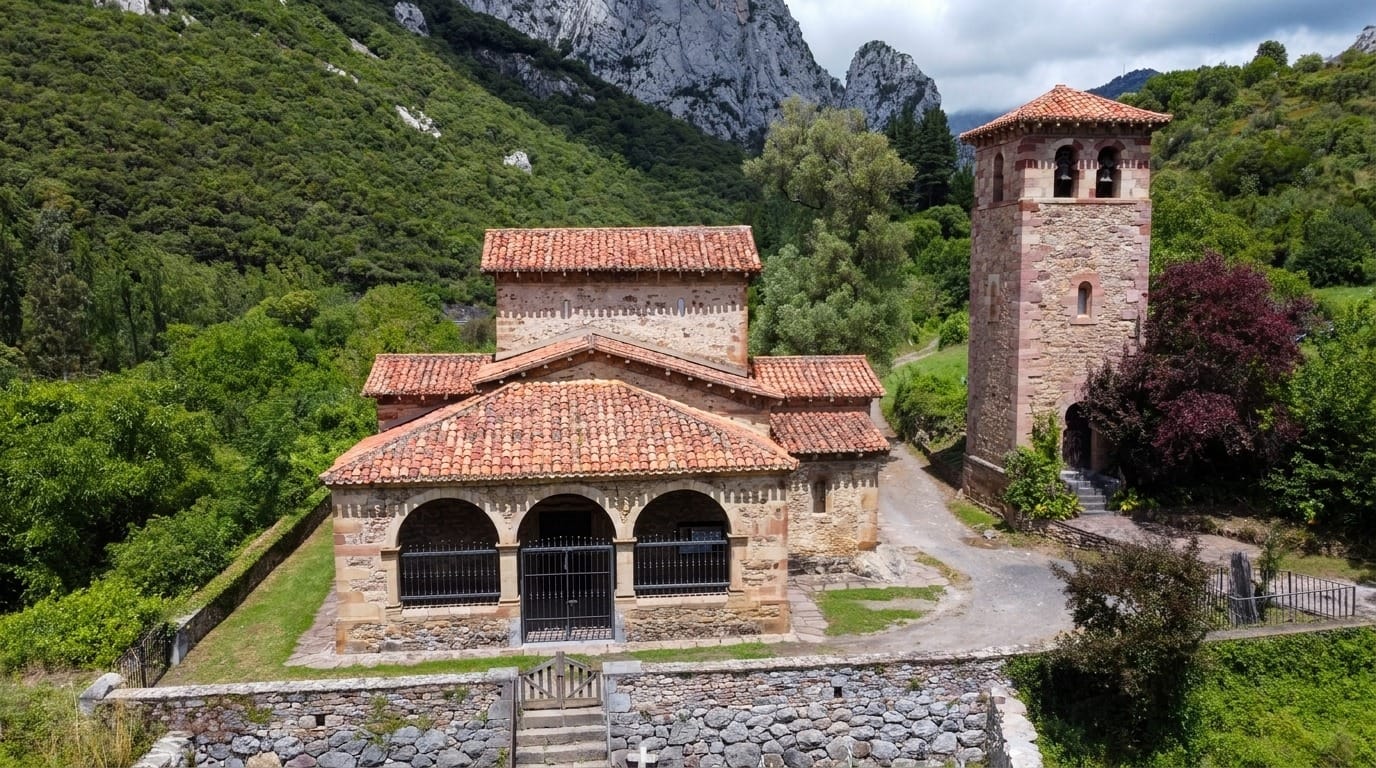
Church of Santa María de Lebeña
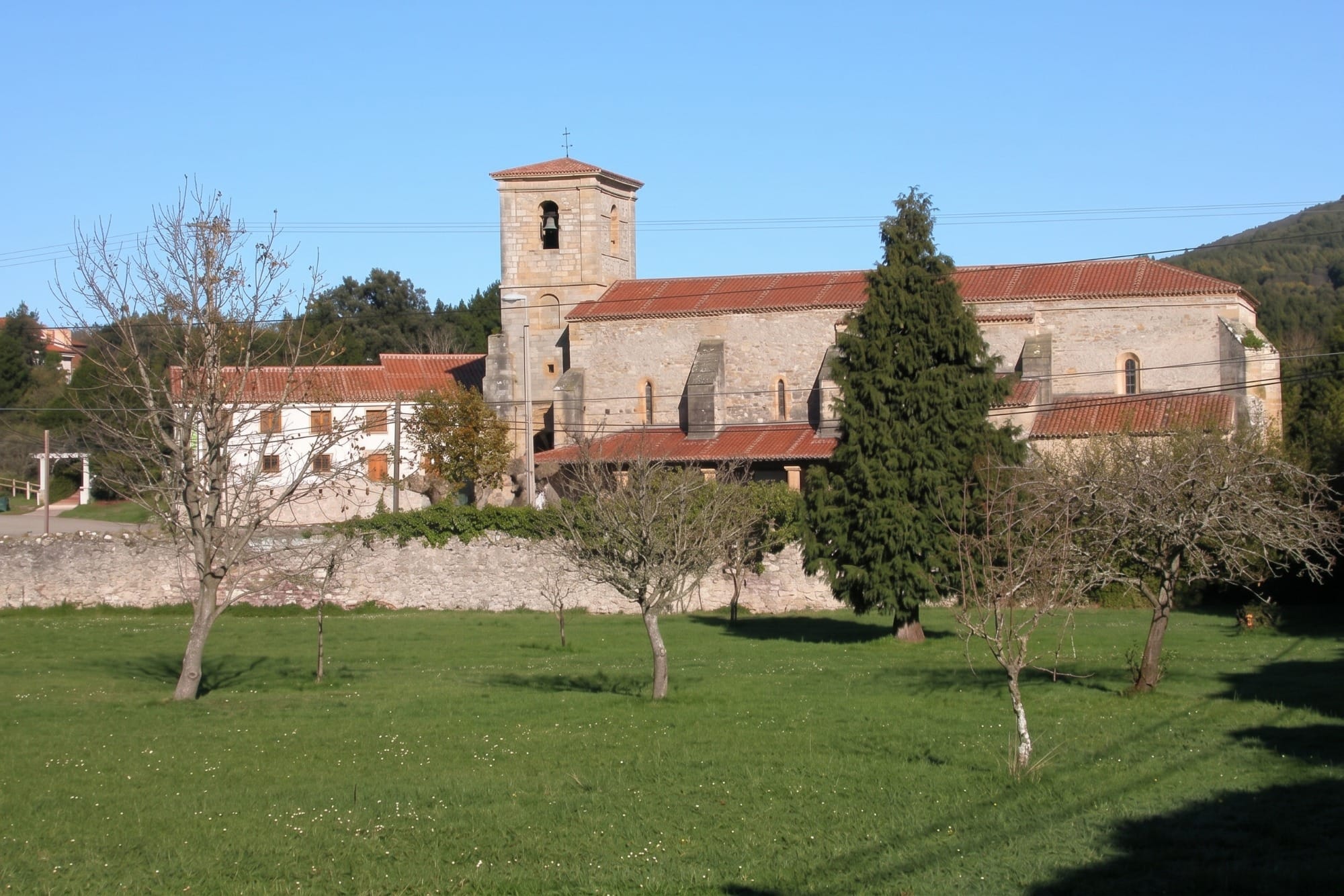
At the exit of the gorge appears Lebeña, a tiny village with a church that justifies the stop on its own. Santa María de Lebeña is a 10th-century Mozarabic church, built according to the sources by Count Alfonso and his wife Justa, and one of the jewels of Cantabrian pre-Romanesque art. It takes second place because it's the first encounter with the valley's history, just when the landscape has left you wanting to look slowly. The interior is small and takes a few minutes to walk through, but the sobriety of the arches and the light coming through the windows make the detour worthwhile. Entry is paid and opening hours change by season: confirm them before heading up to the valley, especially if you travel outside summer.
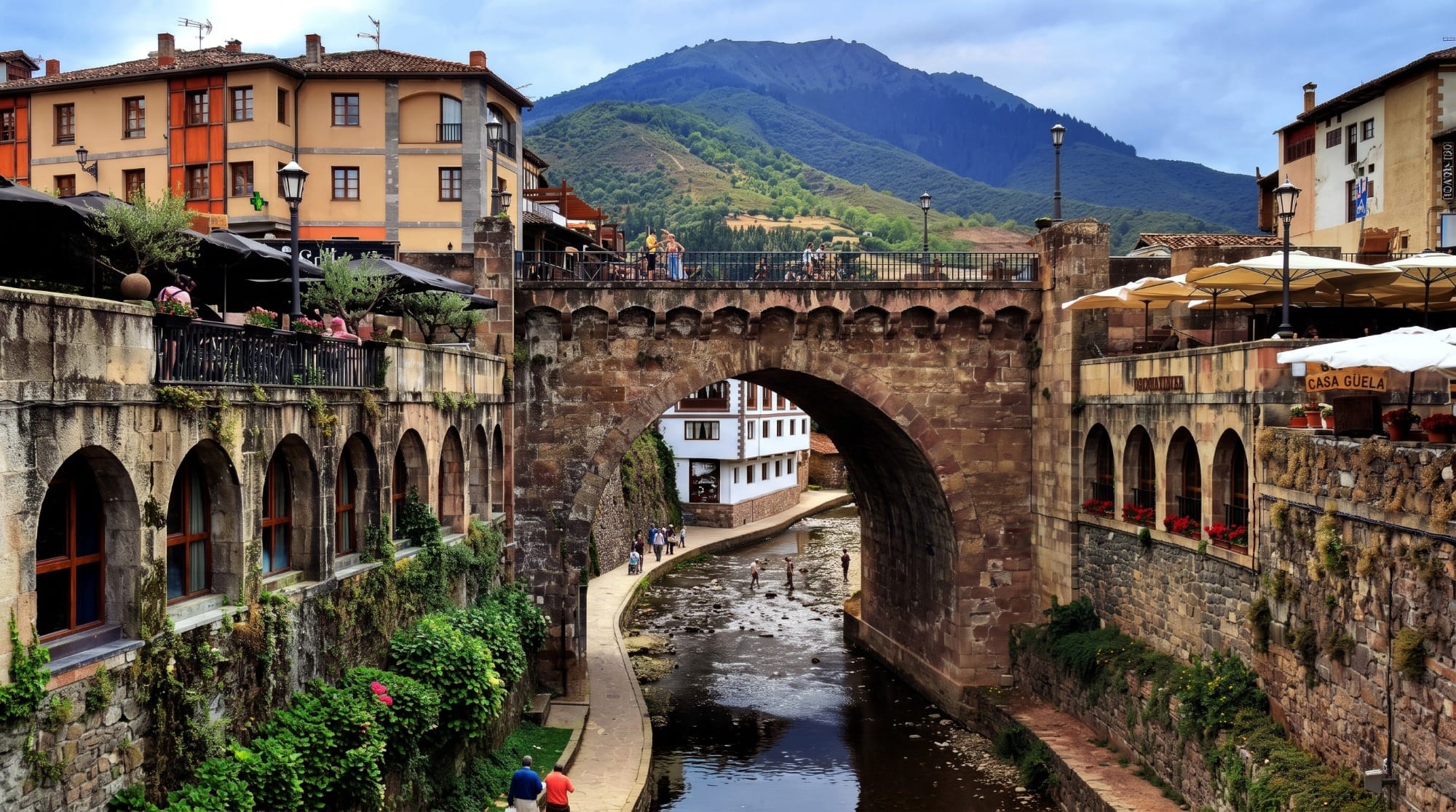
Potes
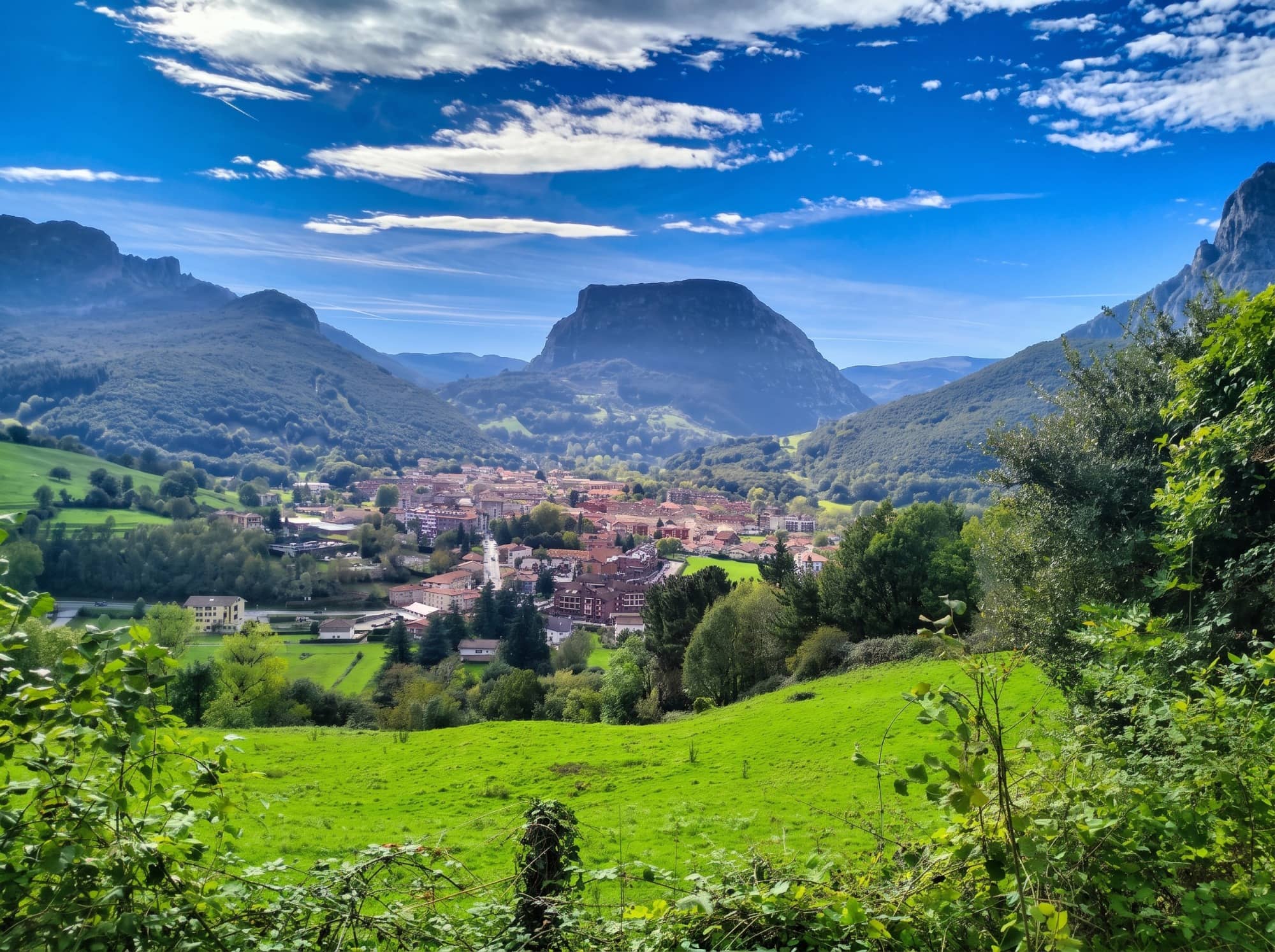
Capital of the comarca, Potes is the place to sleep, eat and refuel. The old town is declared a Historic Ensemble and takes a good hour to explore: the Torre del Infantado, the church of San Vicente and the bridges over the rivers that meet in the village. On Mondays there's a weekly market, with cheeses, honeys and orujos from the valley. It's third because, after the road and the church, it's time to slow down and eat: this is where a cocido lebaniego fits best, hearty and made for mountain days. If you have time left over, a walk along the riverbank is the best plan for the afternoon, and if you happen to be there on a Monday, set aside the morning for the market before the coaches of visitors arrive.
Monastery of Santo Toribio de Liébana
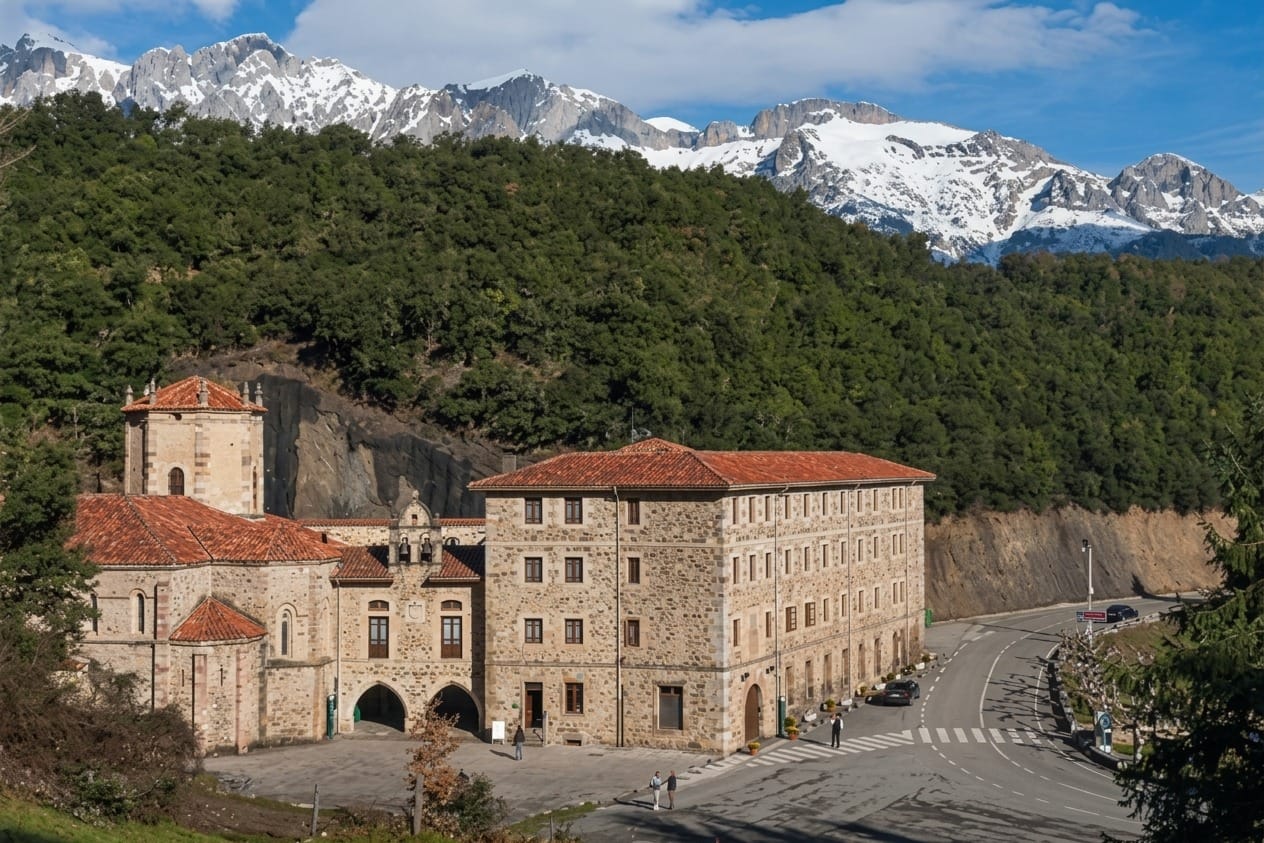
A few kilometres from Potes, in the municipality of Camaleño, stands one of the most important pilgrimage sites in Christianity. The Lignum Crucis, a fragment of the Cross of Christ, is venerated here, and this is where the Camino Lebaniego ends. The monk Beatus of Liébana also lived here, author in the 8th century of a commentary on the Apocalypse that was copied in many monasteries across Europe. The Door of Forgiveness only opens in a Jubilee Year, but the monastery can be visited all year round. It comes fourth because it asks for the calmest time of the day, and summer and winter opening hours are different: check before you go.
Santa María de Piasca
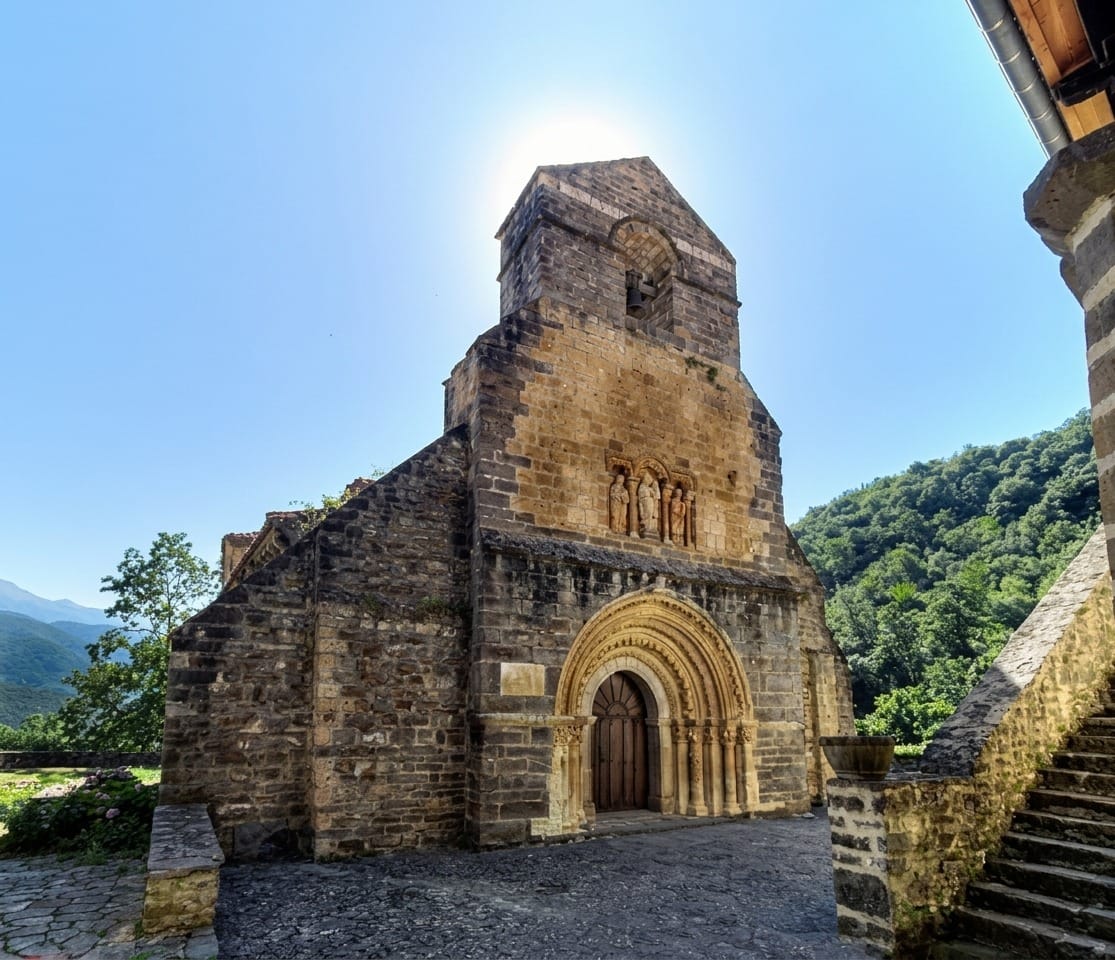
If Lebeña is the pre-Romanesque, Piasca is the valley's Romanesque. South of Potes, this church keeps a finely worked portal and capitals, best seen in the side light of mid-afternoon. It's the quietest stop on the list, with few people around even at weekends, and that's why we put it after the monastery: it's a counterpoint to the crowds of Potes and Santo Toribio, and a reminder that Liébana holds art from many periods scattered across its villages. To go in, ask about opening hours at the Potes tourist office, because they don't always match what the guidebooks say.
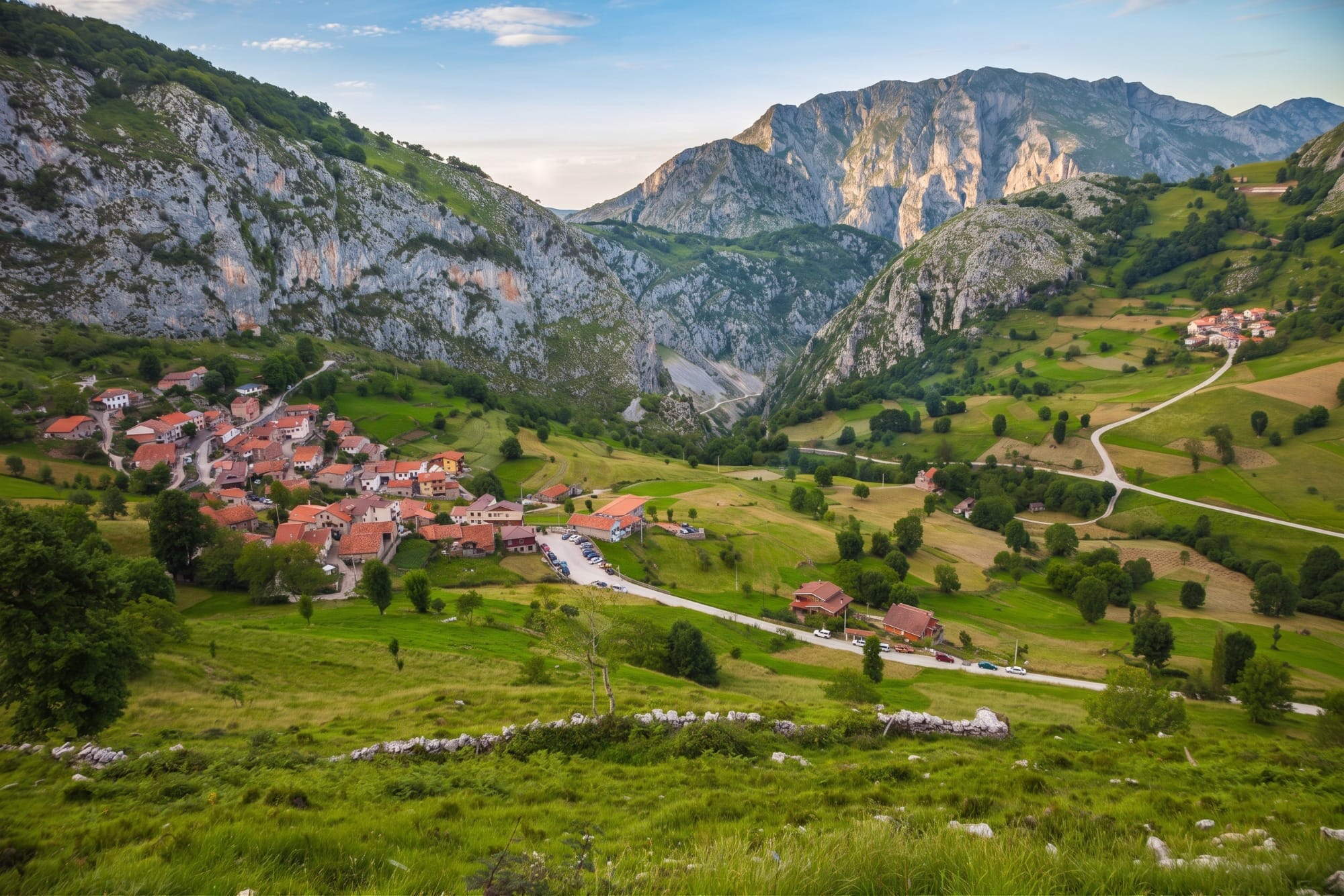
Mogrovejo
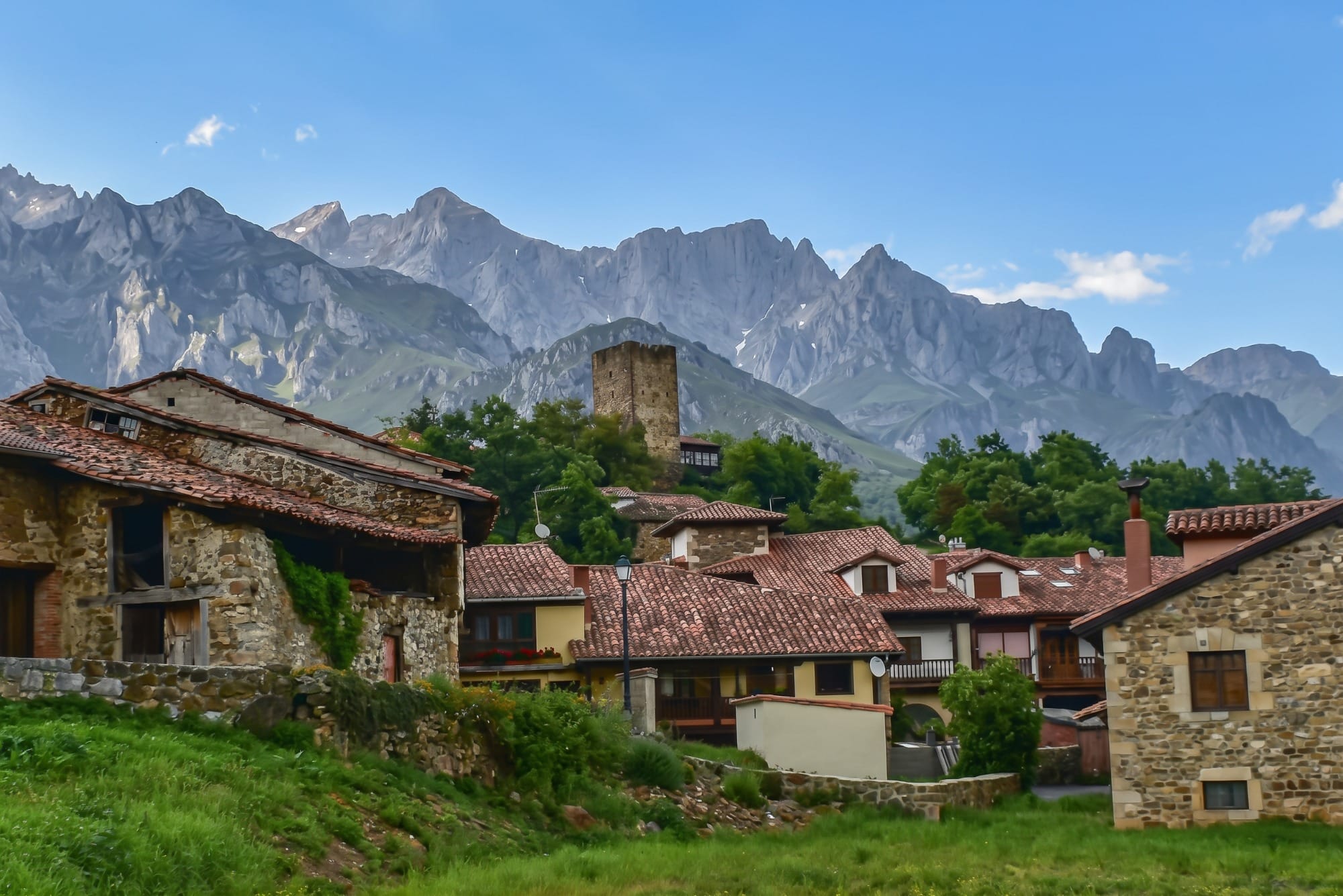
With stone and wood houses beneath the Picos de Europa and a medieval tower that dominates the hamlet, Mogrovejo is one of the most photographed villages in the comarca. It's not a monument but a place to wander with no plan: steep streets, wooden balconies, views toward the mountains. We put it sixth because it takes a bit more effort to reach, along a narrow road that branches off the one climbing to Fuente Dé, and because it rewards those who have already seen everything else. Leave the car at the entrance to the village, as the signs indicate, and walk up without hurry; with an hour's stroll and a coffee break along the way, you have a rounded visit.
Fuente Dé cable car
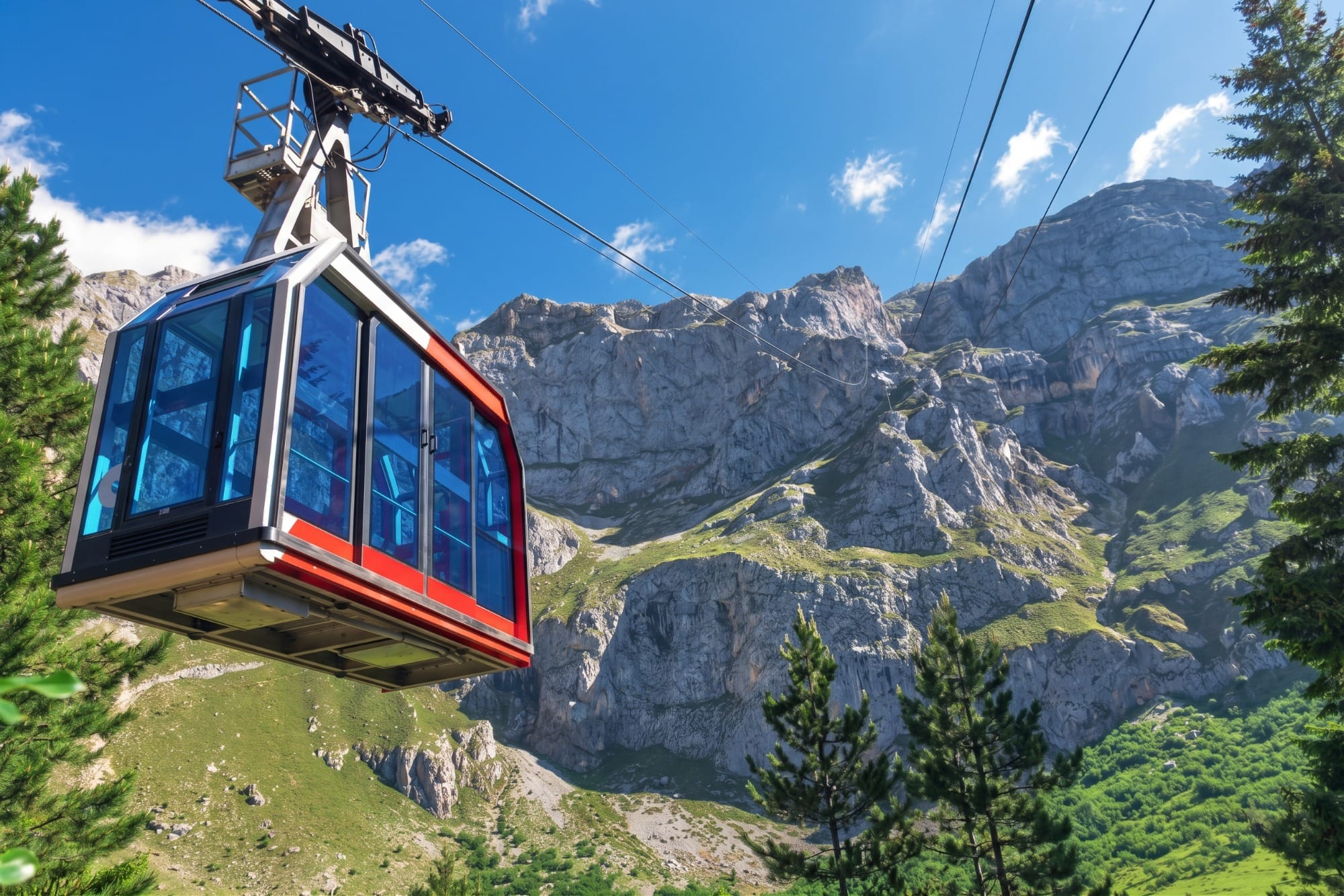
It closes the list because it's the natural end of the valley: after so much stone and so much river, up to the mountain. The cable car covers a height difference of 754 metres in about four minutes and drops you at the Mirador del Cable, with views of the Picos de Europa and high-mountain trails for those who want to walk. Even if it's a stop of only a few hours, go up with warm clothes: it gets quite a bit colder up there than in the valley. If the sky is overcast, the ride loses much of its point, so check the forecast before buying a ticket. We give low-season prices and opening hours in our guide to the Fuente Dé cable car, in case you want to go up in autumn.
What you need to know
What to see in Liébana with two days: sleep in Potes and spread out the valley. Day one can be La Hermida, Lebeña, Potes and Santo Toribio; day two, Piasca, Mogrovejo and Fuente Dé, starting early if you want to take the cable car. From Bareyo it's about two hours by car, along the A-8 to Unquera and then the N-621 towards Potes.
It's a mountain valley, with more rain and cold than the coast outside summer, so bring warm clothes. Opening hours of the churches and the monastery change by season and some monuments only open by appointment or at certain times. To confirm them and plan your trip, see the official Turismo de Cantabria website.
“Liébana is best travelled as a road, not a list: each stop explains the next.”
Liébana calls for calm and a quiet base to return to. It's part of what makes Bareyo a good starting point for getting to know Cantabria: from here you can reach valleys like this one and come back to a place to leave the car, have a leisurely dinner and rest.
Bareyo Residences is in the heart of that setting, with beaches, trails and villages full of history a short ride away.