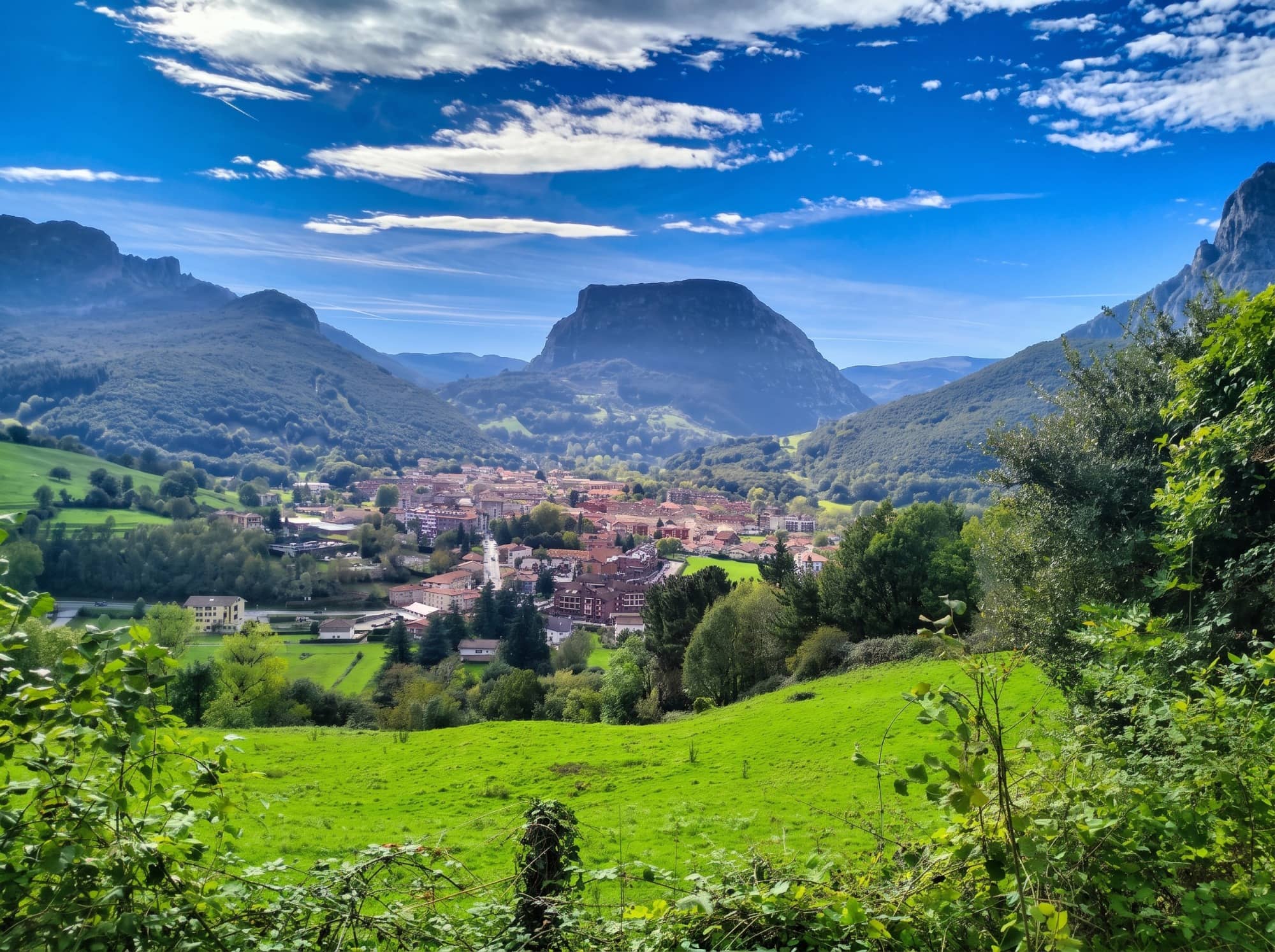
Ramales de la Victoria, in the Asón valley, is a one-day visit: the Covalanas cave (a World Heritage Site since 2008, by advance booking only and in small groups), the Cullalvera cave, an old town with an 18th-century palace and the waterfall at the source of the Asón. It is a little under an hour's drive from Bareyo.
Ramales de la Victoria is the gateway to the Asón valley and one of the least visited stops in eastern Cantabria, even though it packs in more heritage than fits into a morning. From Bareyo it takes a little under an hour to get there, and the landscape soon changes: you leave the coast behind and the limestone walls and mountain meadows take over.
What sets it apart is the combination. Within a few kilometres you get rock art thousands of years old, an old town with the houses of returned emigrants (indianos) and a natural park, Collados del Asón, which starts right behind the village. We recommend it for an autumn day, when a light drizzle won't spoil the plan and the caves make a good shelter.
We've ordered the visit from what needs planning to what you can improvise: caves first, because they have to be booked, then the village and the valley.
Covalanas cave: the red hinds
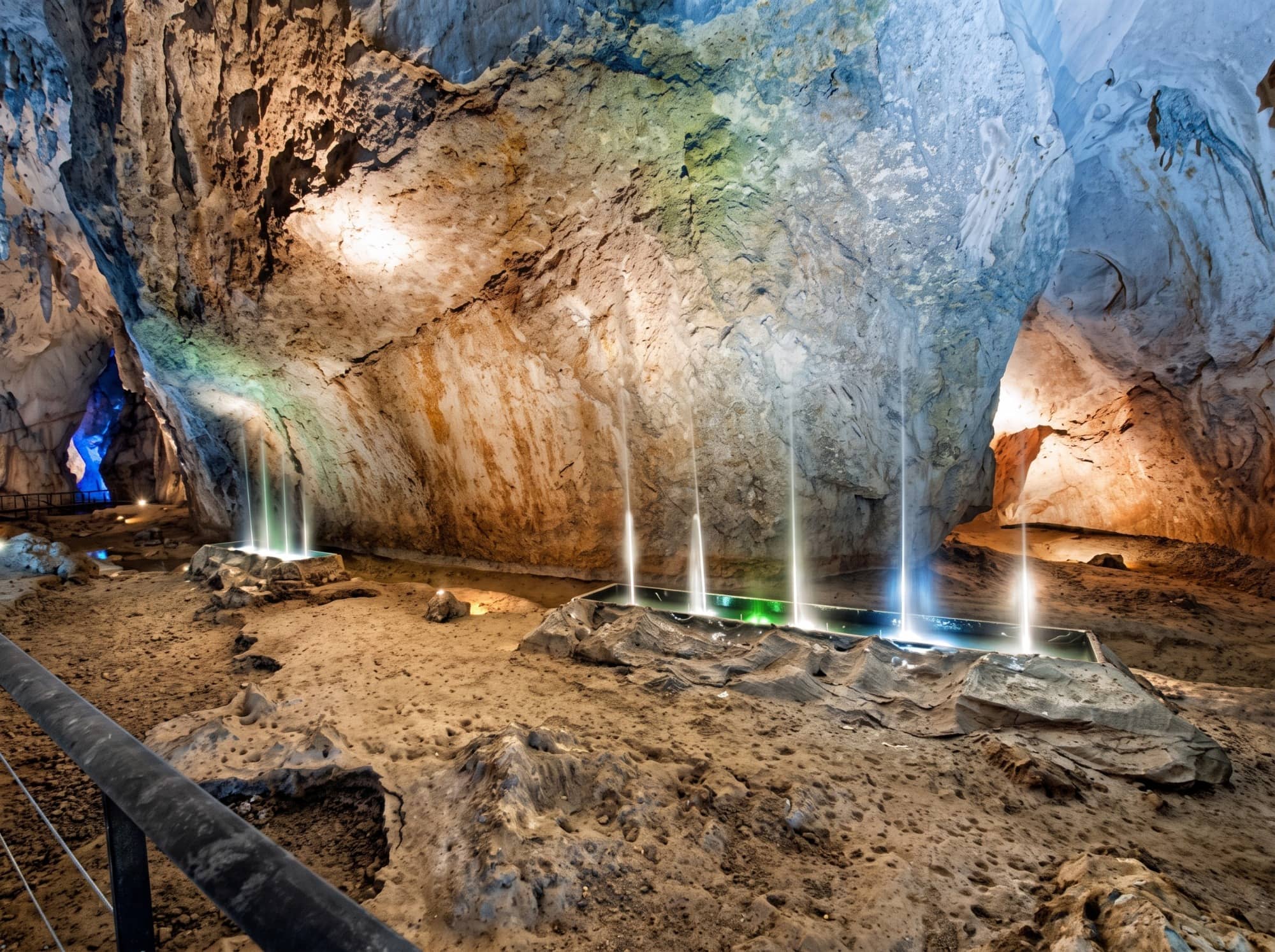
Covalanas is the visit that justifies the trip. Its walls hold a gallery of figures painted in red, mostly hinds, along with a horse or two and, according to some studies, possibly a reindeer and an aurochs. The sources we consulted mention about twenty figures; the exact number varies depending on who is counting. The cave is part of the group of caves with Palaeolithic art in northern Spain that UNESCO declared a World Heritage Site in 2008.
The most striking thing is the technique: the figures are outlined with a line of red dots, a style you recognise at once when you see it up close. The visit is guided, in small groups and lasts about 45 minutes according to published information. There is no free entry and no improvising: without a booking, you don't get in. That's why Covalanas comes first and the rest of the day is organised around it.
Cullalvera and the cave route
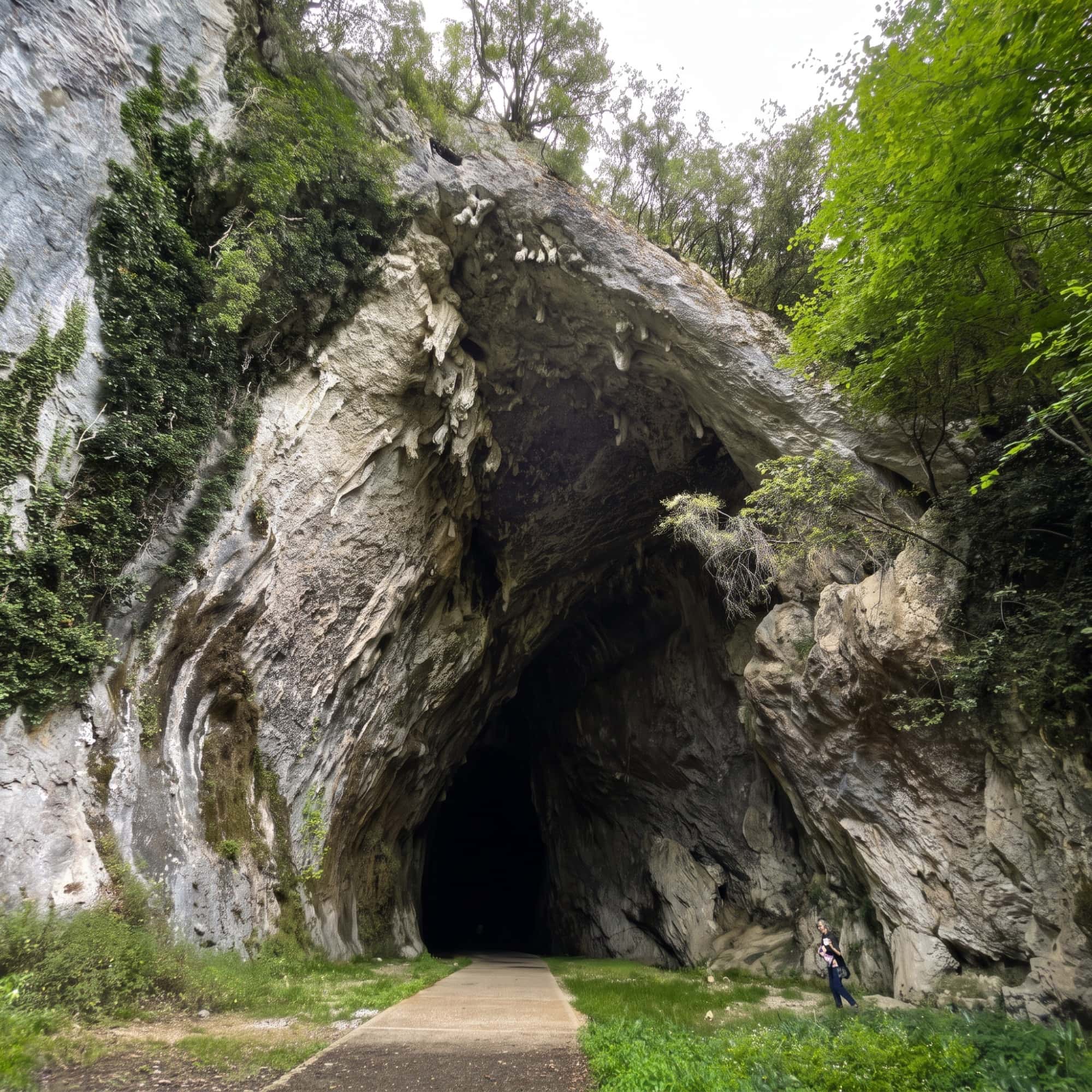
Cullalvera, in Guardamino, is the municipality's second cave and is also managed by Cultura de Cantabria. The visit begins with an audiovisual about the area, and tickets for both caves are sold at the Cullalvera ticket office. If you book both on the same day, leave at least two hours between the start of one visit and the other, according to the sources consulted.
If you prefer to walk, the surroundings have the PR-S 22 trail, known as the Ruta de las Cuevas, a circular route linking several points of the group. Before planning it, check its distance and condition with the local tourist information, because the data we found doesn't agree.
What to see in Ramales de la Victoria: the old town
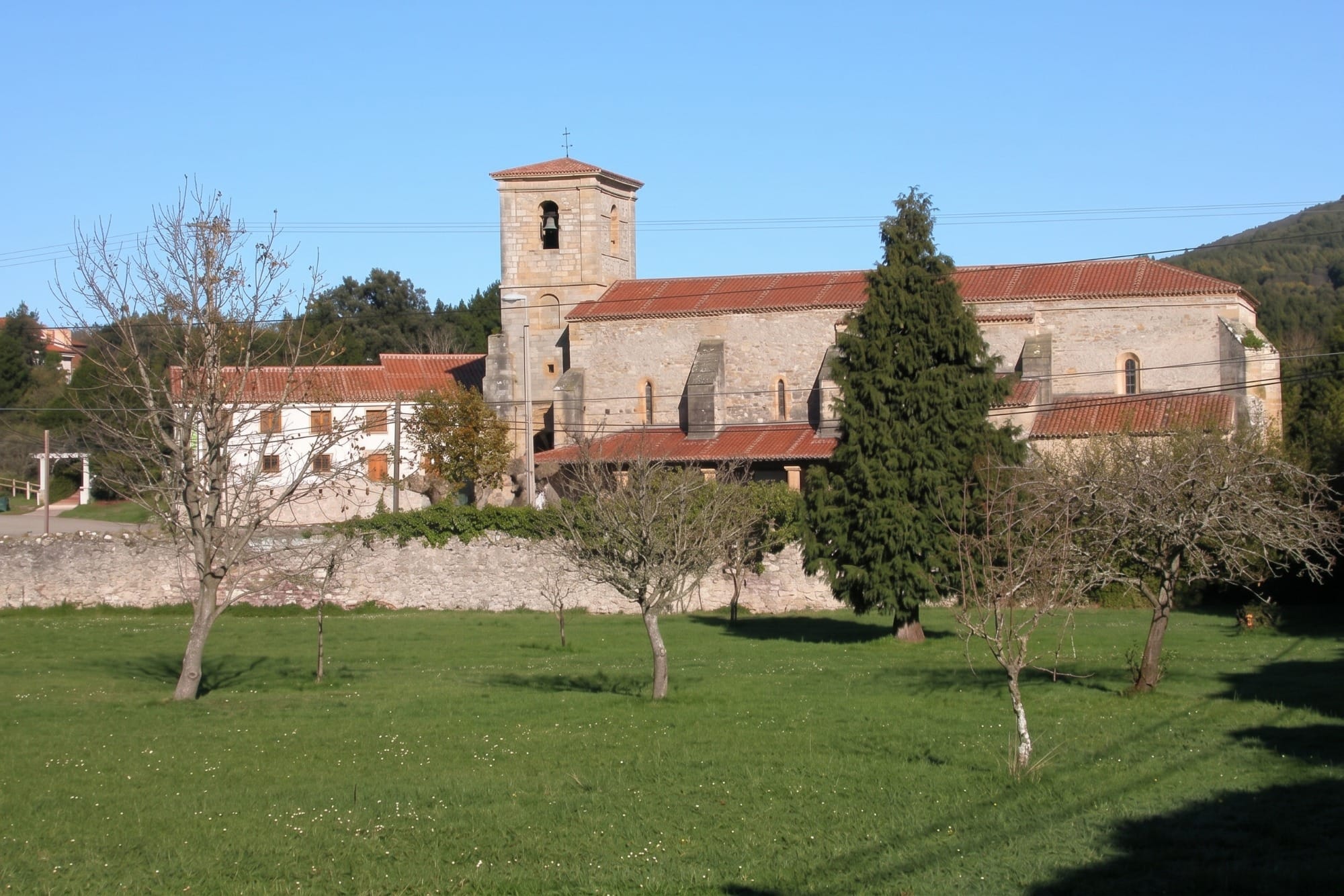
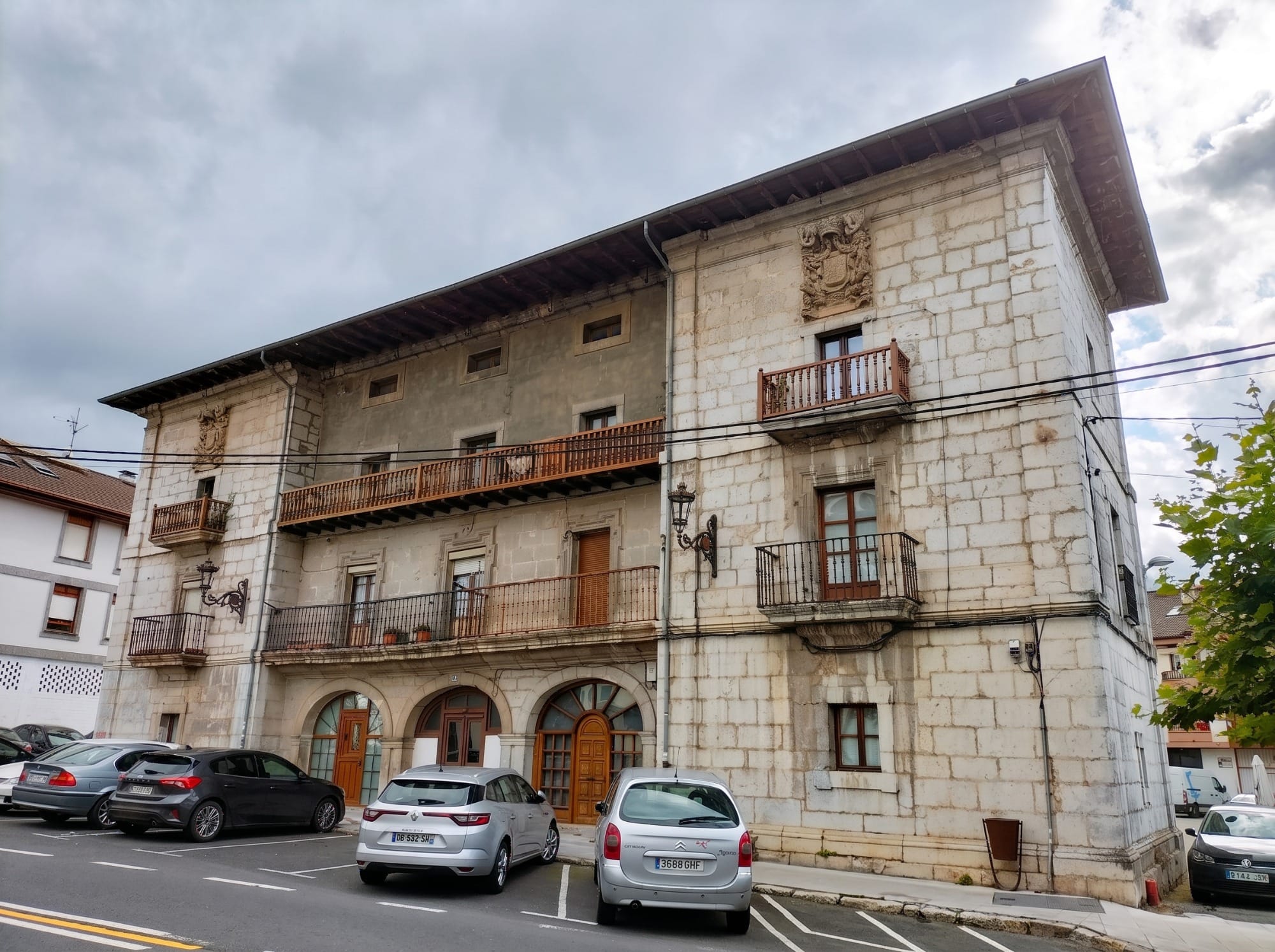
The centre is small and takes a good hour to walk around. The most representative sight is the Palacio de Revillagigedo, an 18th-century Baroque building that stands out among the indiano houses with their gardens and railings, a reminder of the emigrants who came back from America. The church of San Pedro stands in the main square.
In the neighbourhoods of the municipality there are other churches worth a stop if you have time to spare: San Emeterio y San Celedonio, in Gibaja, and Nuestra Señora, in Guardamino. Ramales is one of those villages where it pays to look up: the details are in the balconies, coats of arms and ironwork, not in a single monument.
The Asón valley: waterfall, via ferrata and canoeing
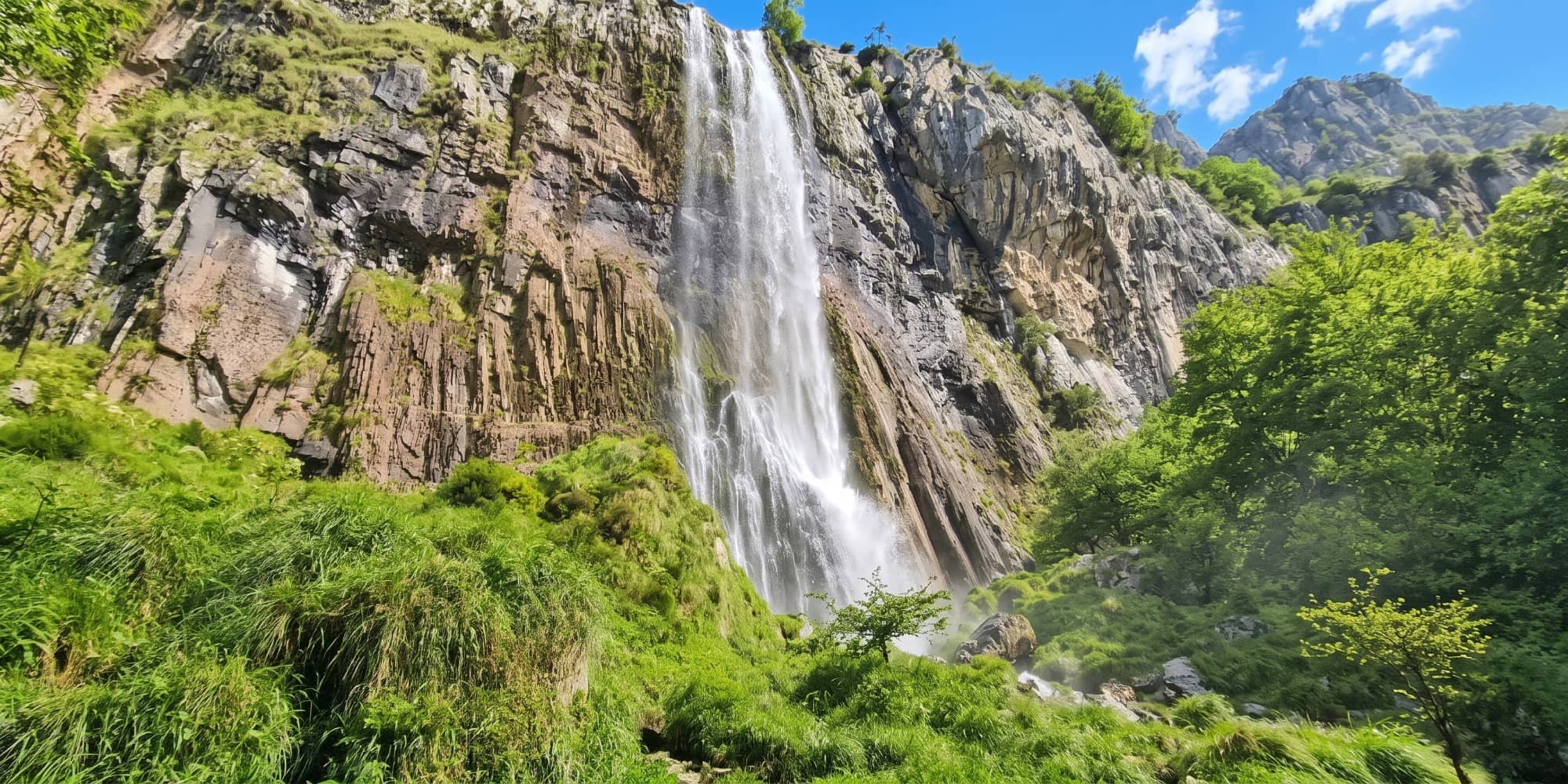
Behind the village begins the Collados del Asón Natural Park. At its heart the river rises in a waterfall of around 70 metres, with viewpoints beside the road. For a longer walk, see our guide to the route to the source of the Asón river.
If you're after some action, about twenty minutes' walk from the village you'll find the El Cáliz via ferrata, next to a climbing school, and in the middle stretch of the valley people go canoeing down the Asón. Both activities depend on water levels and conditions on the day, so check with a local company first.
What you need to know
Getting there: from Bareyo, a little under an hour by car. Booking: the caves are booked through the official website of the caves of Cantabria; check availability and current prices there, because they change. Covalanas: guided visit of about 45 minutes in small groups; you have to collect your ticket at least 15 minutes ahead and walk up from the car park, about 600 metres according to published information. It is not accessible for people with reduced mobility. Closures: according to the sources, it closes on 1 and 6 January and on 24, 25 and 31 December; confirm on the official website. What to bring: shoes with good grip and a layer for the cold of the cave. Time: a full day if you combine caves, village and waterfall.
Art thousands of years old, a village of grand houses and the head of the Asón, less than an hour from the coast.
Coming back from Ramales to the Trasmiera coast rounds off the day nicely: from the chill of the cave to a house with a garden and silence, a few minutes from the sea. The Bareyo Residences villas are on that same coast, a short step from everything you've just read about.