There are five wineries near Bareyo with their own production and organised tours: Boreal (10 min), Vidular (15-20 min) and Bahía de Santander (20-25 min) for a short outing, and Sel d'Aiz and Miradorio (around an hour) for a full day on Cantabria's wine route.
Cantabria isn't a wine region in the classic sense — there's no centuries-old designation of origin, nor a landscape blanketed in vineyards like La Rioja or the Duero. What it does have, since the start of this century, is a handful of small projects that decided to plant vines in a humid, Atlantic climate where nobody expected it — and that now open their doors to anyone who wants to see how it's done.
Of the more than thirty registered wineries in the region, we've selected five that meet three conditions: they make their own wine, they offer a guided tour and tasting by reservation, and they're within a reasonable distance of Bareyo. They're listed from closest to farthest — the first three fit into a morning, the last two call for the whole day.
The historical exception is Liébana, at the western edge of the region, where vines were never entirely abandoned — some wineries there work with century-old soleras. It's left off this list because of distance (over 90 minutes from Bareyo), but it's worth knowing it exists in case the route ever stretches toward the Picos de Europa.
Bodega Boreal, in San Miguel de Meruelo
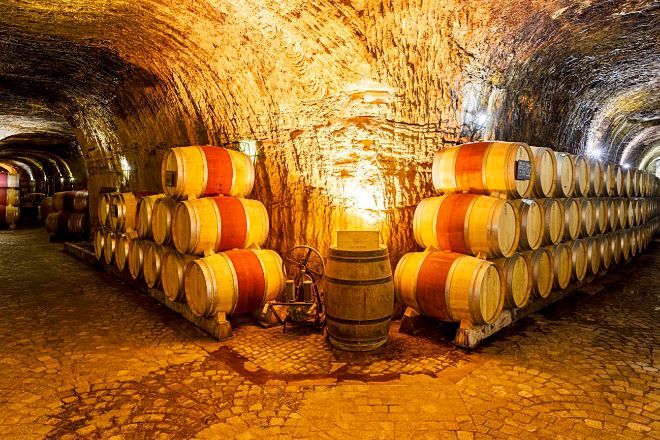
First on the list is also the closest: about 10 minutes from the villas, in San Miguel de Meruelo. Bodega Boreal bills itself as Spain's northernmost winery, and its vineyard borders almost directly onto Bareyo itself. Here they work with varieties uncommon in northern Spain: chenin blanc, gros manseng and sauvignon blanc among the whites, tannat, garnacha tintorera, cabernet franc and sangiovese among the reds.
Visits run year-round by prior reservation and combine a walk through the vineyard with a tasting of five wines paired with local produce, offered in Spanish, English, French and Romanian. Cantabria's tourist office manages part of the experience bookings, so it's worth checking there before calling directly. The setting, still lightly touristed, makes the visit feel more like a tip from a neighbour than a stop on a tour bus route.
Bodegas Vidular, in Bárcena de Cicero
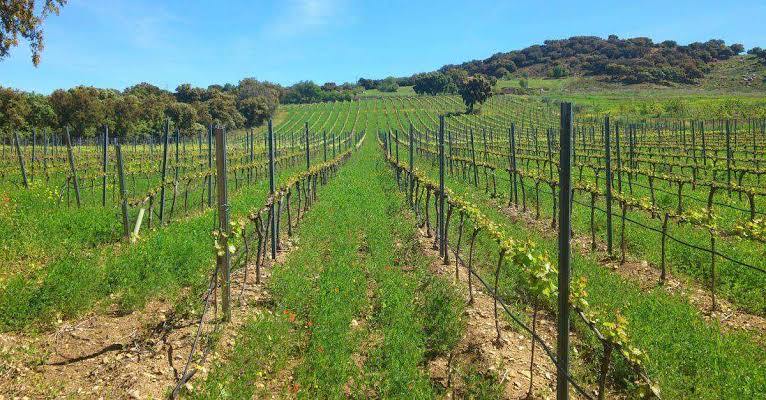
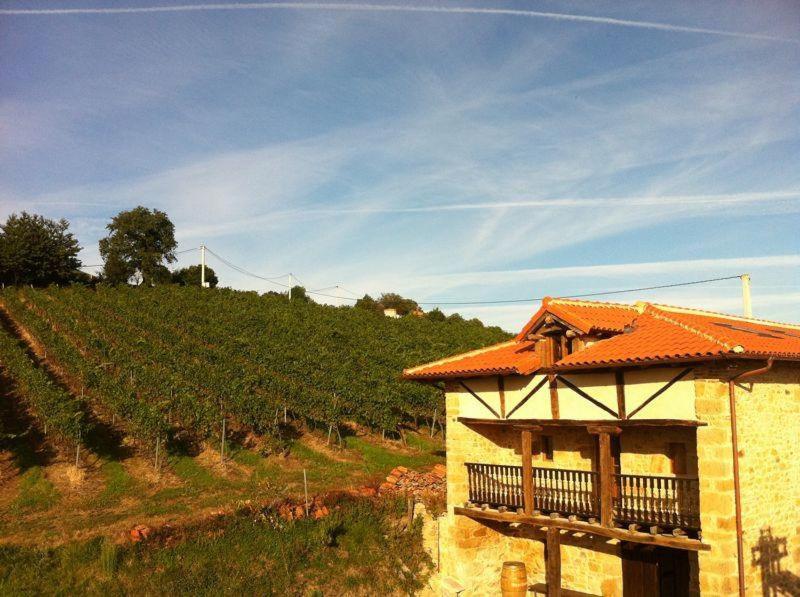
Fifteen minutes further on, in Bárcena de Cicero, Bodegas Vidular occupies a rustic 18th-century building restored by the family that has farmed it since 1999. Its five hectares of vineyard surround the house, and the guided visit, booked in advance, ends with a tasting that pairs wine with local cheese and cured meats, for €8 per person.
It's the only one of the five nearby wineries with its own accommodation: a five-room rural house among the vines, for anyone who wants to turn the visit into a full night's stay. If the plan is just an afternoon, the tasting and the walk through the vineyard are plenty. The result is a wine that doesn't try to resemble any other region's — more acidic, fresher, built for local shellfish and fish rather than for red meat.
Bodega Bahía de Santander, in Castanedo
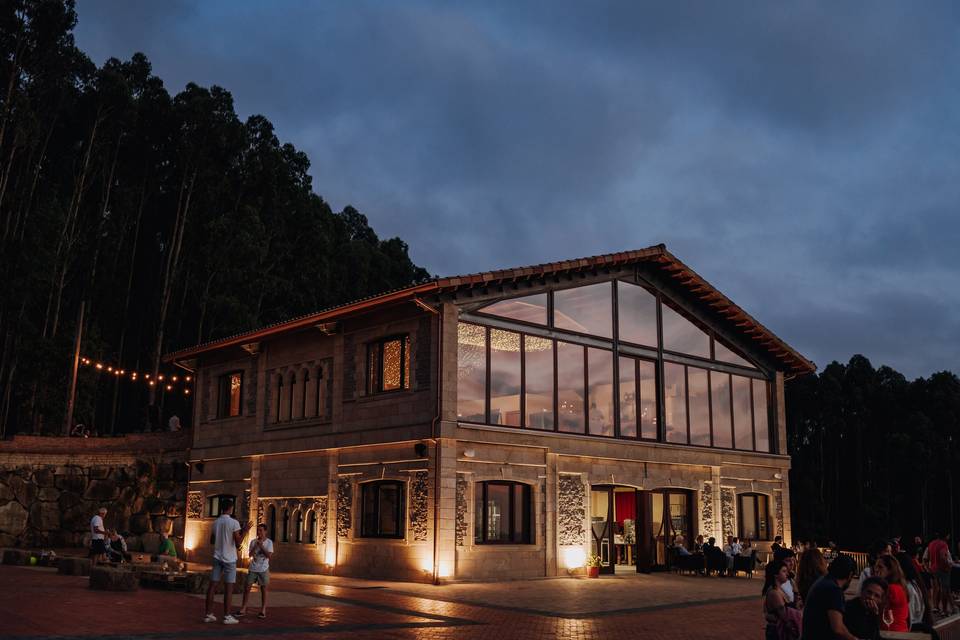
Twenty to twenty-five minutes away, in Castanedo, within the municipality of Ribamontán al Mar, Bodega Bahía de Santander looks literally out over the bay from its terrace. It's the youngest project on the list — it started in 2018 — and works with riesling and godello under the Santa Marina label, two varieties well suited to the Atlantic humidity.
The visit includes a walk through the vineyard and winery, with a final tasting, from €18 per person. The venue is also rented out for weddings and communions, so it's worth booking ahead on weekends: between tourist visits and private events, the schedule fills up faster than it seems. The bay's proximity also explains the label's name: Santa Marina refers to the chapel that crowns the hill right behind the vineyard.
Bodegas Sel d'Aiz, in the Valles Pasiegos
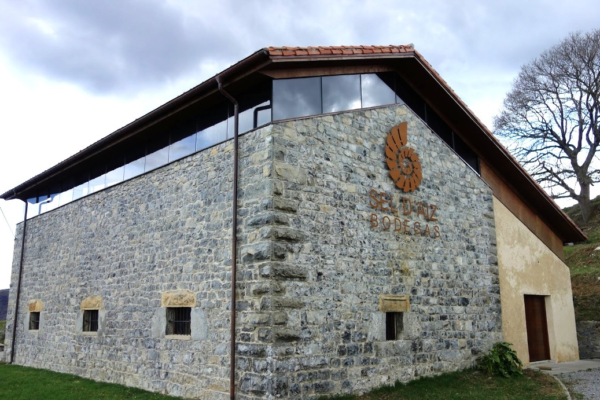
The last two require setting aside the whole day: Bodegas Sel d'Aiz is in the Valles Pasiegos, in Castillo Pedroso (Corvera de Toranzo), a little under an hour from Bareyo. It's a family project that started in 2009, when Asier and Miriam decided to plant riesling, albariño and godello in a valley known for its cows and cheese, not its wine — the wines are sold under the name Yenda.
They only open Saturdays and Sundays, from 11:00 to 18:00, so the visit has to fit into a weekend. The tasting includes at least three wines and a homemade snack, and anyone who can't make the trip has the option of buying directly from their online shop. The area, known as the Valles Pasiegos, is far more famous for its mountain dairy farming than for wine, which makes every bottle of Yenda a rarity even for people who live in Cantabria.
Bodegas Miradorio, in Ruiloba
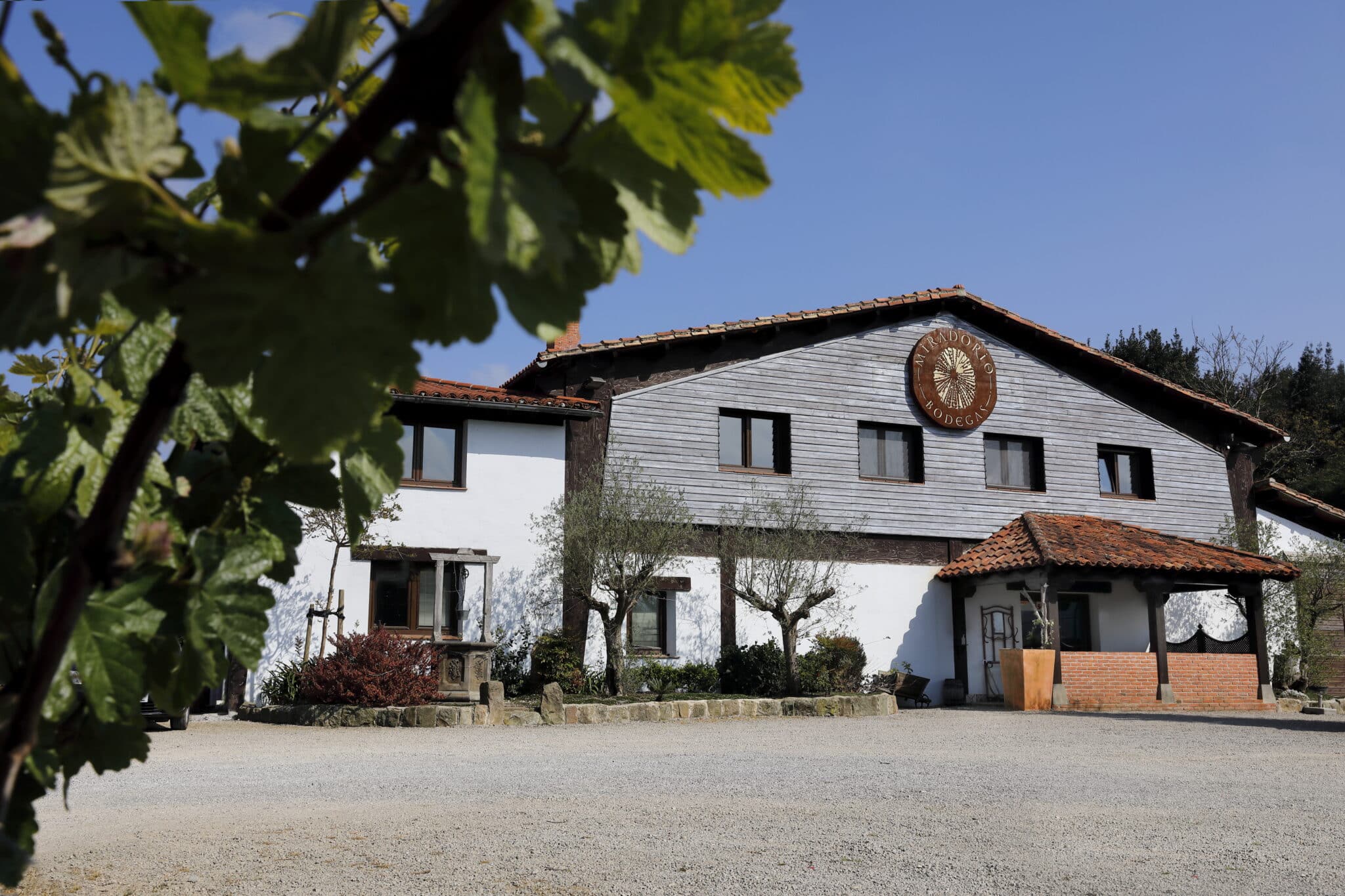
Last on the list is also the one best suited to a full day out: Bodegas Miradorio, in Ruiloba, a little over an hour from Bareyo. Worth clarifying one detail here — the two white wines made on the El Herbazoso estate are their own production, but the house red is covered by the DO Rioja, made with grapes brought from La Rioja Alavesa, not from Cantabria.
What makes Miradorio special isn't just the wine: it also has a restaurant and wine bar on site, with a tasting menu that includes the visit for €45, or the tasting alone from €15-18. They also offer one- or two-night packages for anyone who wants to turn the wine route into a full getaway. The combination of wine, food and valley views is why many local couples choose it for a celebration without having to organise anything themselves.
What you need to know
Before booking any of these wineries near Bareyo, keep in mind:
Advance booking: all five require it, and Sel d'Aiz only opens on weekends — it's the one that most easily runs out of slots if you leave it to the last minute.
Rough pricing: between €8 and €18 for a visit with tasting; Miradorio goes up to €45 if you add the tasting menu.
For staying overnight: Vidular and Miradorio have their own accommodation or package deals; the rest are visit-only.
Best season: spring through autumn, when the walk through the vineyard makes more sense — the tasting is still available in winter, but the outdoor tour loses some of its appeal.
Designation: four of the five wineries produce under the IGP Vino de la Tierra Costa de Cantabria, the seal that has protected the region's wine production since 2010.
In Cantabria, wine isn't a centuries-old tradition — it's the recent gamble of a handful of families who decided to plant vineyards where nobody expected it.
None of these five wineries is built for the passing tourist: they're small projects, almost all family-run, that open their doors by appointment because they don't have the infrastructure of a Rioja winery. That, precisely, is what makes them worth the visit.
The closest, Bodega Boreal, is ten minutes from Bareyo Residences. If you're also after somewhere to eat well in the area besides wine, our gastronomy of Cantabria guide covers the essential dishes. The villas will be available to book from September 2027.