Guisote is the category of Cantabrian spoon dishes that aren't cocido: stews of fish, meat, legumes with pork from the matanza, game or seafood. The olla ferroviaria is its best-known example. It competes alongside the cocido montañés in the Ruta de los Pucheros, the winter event of Cantabrian restaurants.
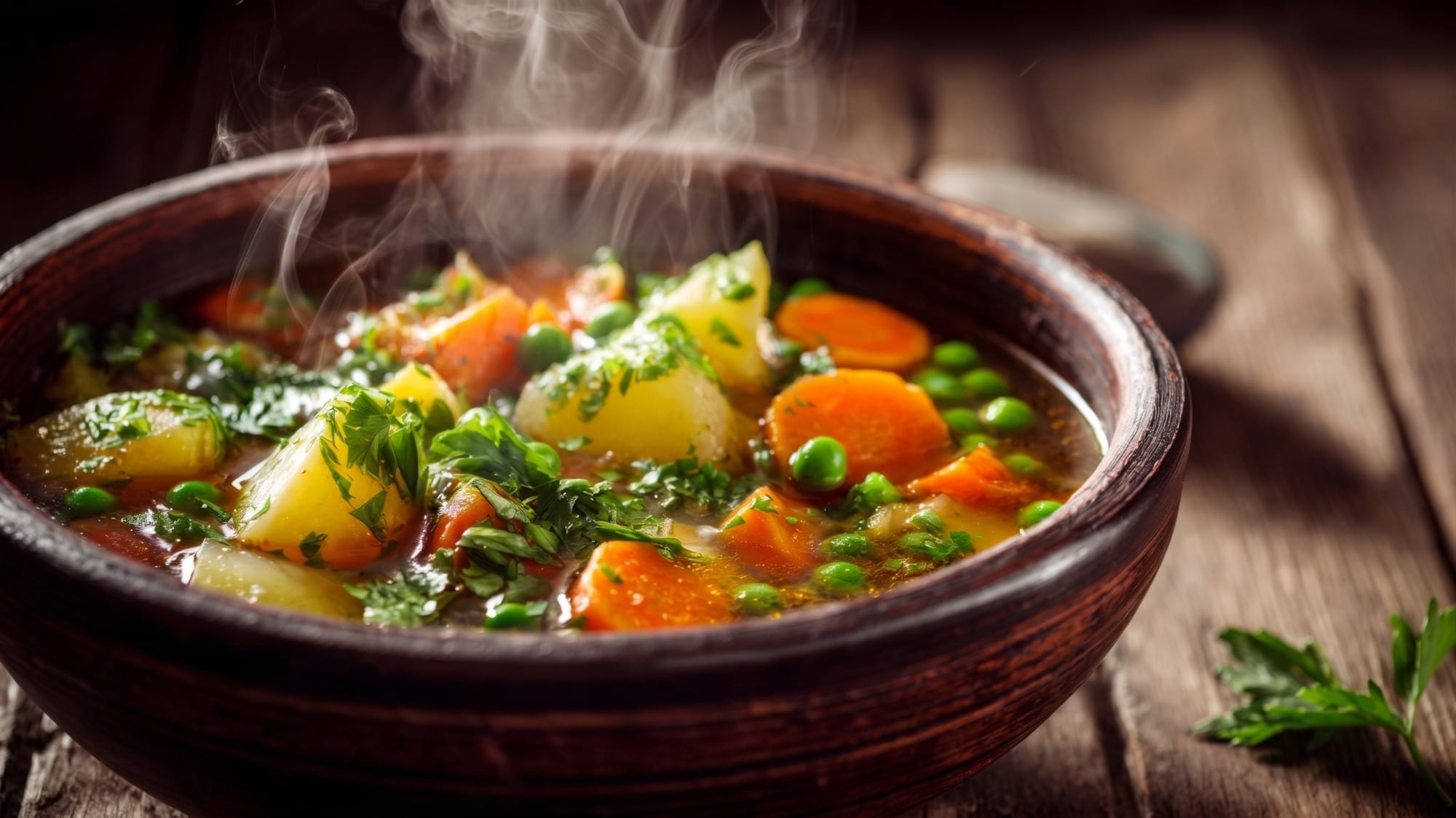
Ask about spoon dishes in Cantabria and you usually get a single answer: cocido. And it's true that the cocido montañés, with white beans, cabbage and compango, takes up almost the whole conversation. But the region's spoon cooking is broader than it seems, and the word that sums it up on menus is guisote.
The term is used for everything that is slowly stewed and doesn't fit a cocido: a fish stew, a meat one, legumes with pork products from the matanza, a game dish. That's why, when the cold arrives, restaurants put it on their menus next to the cocido.
We explain what guisote is, what makes the olla ferroviaria special and how it all fits into Cantabria's Ruta de los Pucheros.
What guisote is in Cantabria
Guisote doesn't refer to one specific recipe but to a group of dishes. According to the Ruta de los Pucheros, it covers stews of fish, meat, legumes with matanza, game and seafood. What they all share is the method: low heat, a casserole and a spoon.
That open character explains why restaurants use it to present their most personal dish. In editions of the Ruta, entries as different as beans with wild boar or pochas with boletus have appeared, showing how far the label stretches.
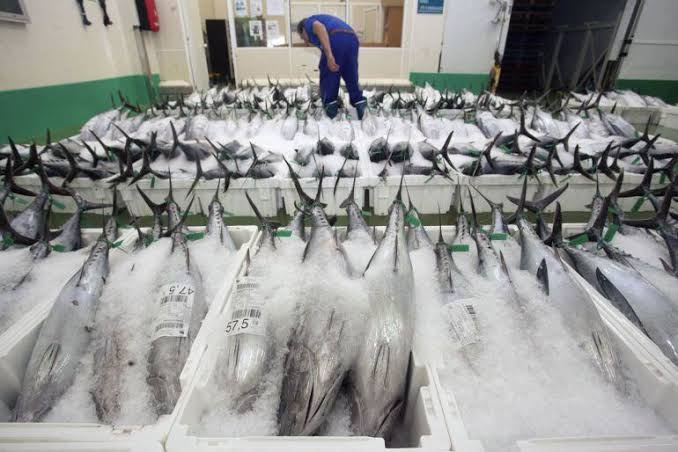
If you're after a seafaring stew, there's also a case with its own name in San Vicente de la Barquera: the sorropotún, made with bonito, potato and onion.
The olla ferroviaria: the railwayman's guisote
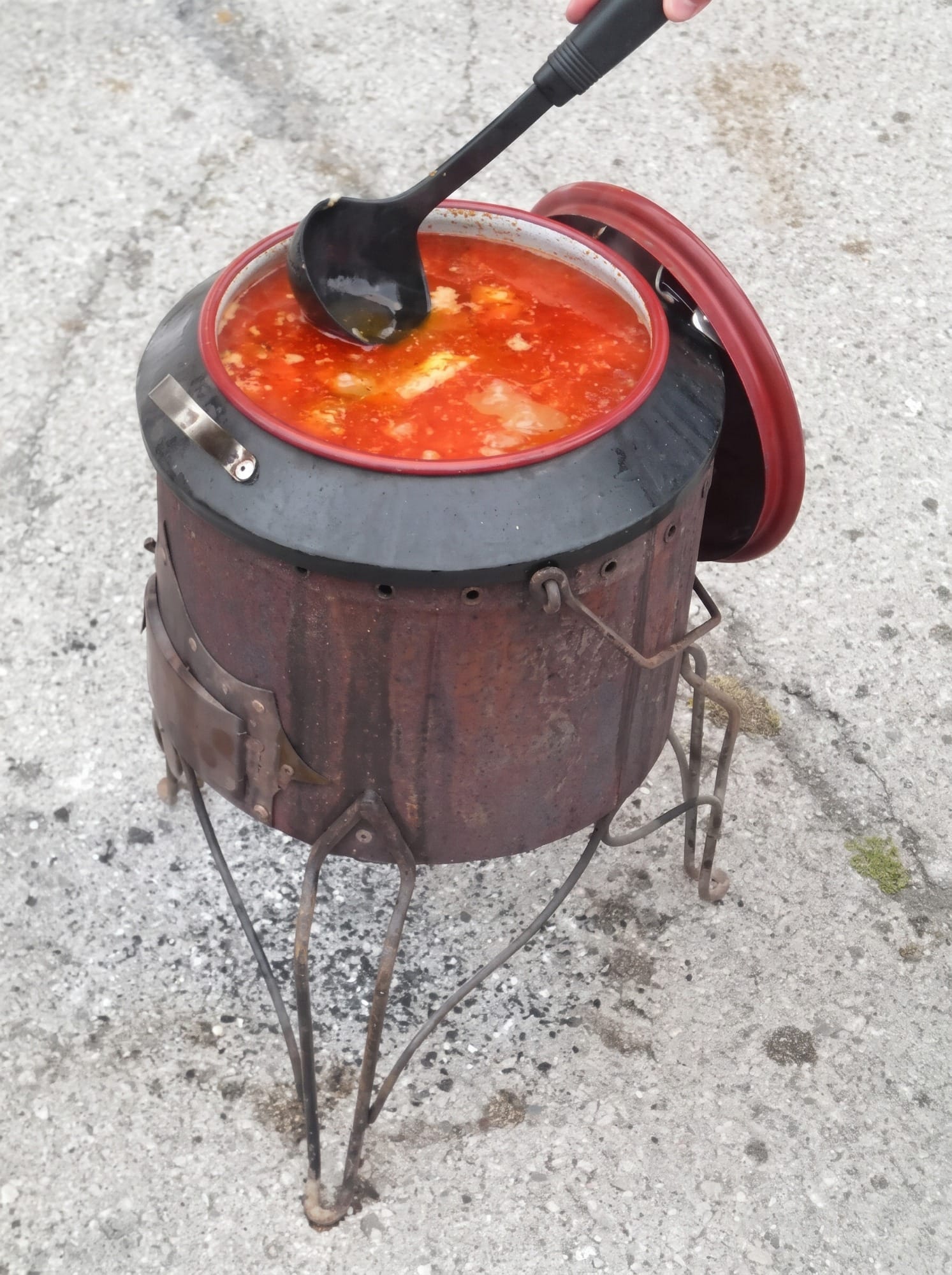
Of all the guisotes, the most recognisable is the olla ferroviaria. Its name comes from the railwaymen of the La Robla railway, who, according to tradition, used the heat of the steam engine to cook this simple stew.
Today it's prepared in its own special pot, with charcoal embers at the bottom to keep the heat. The usual ingredients are potato, veal (neck), onion, carrot, pepper and bay leaf. It is, therefore, a make-do dish: few ingredients, lots of time and slow cooking, with no secret beyond the cook's patience and the quality of the meat.
It's not a summer or beach dish. It makes sense when the evening closes in early and you want something that really warms you up.
Cocido montañés and cocido lebaniego: where the difference lies
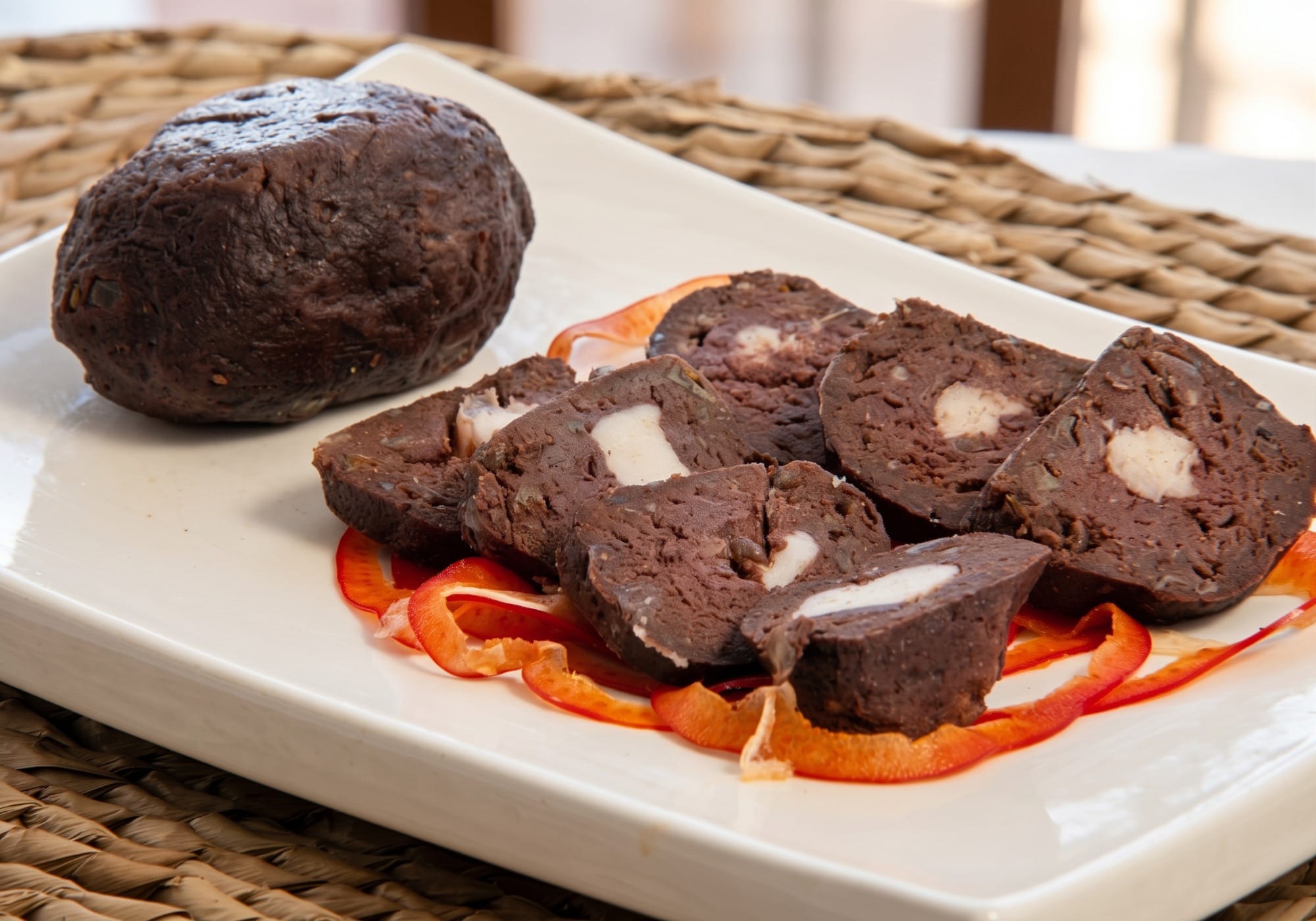
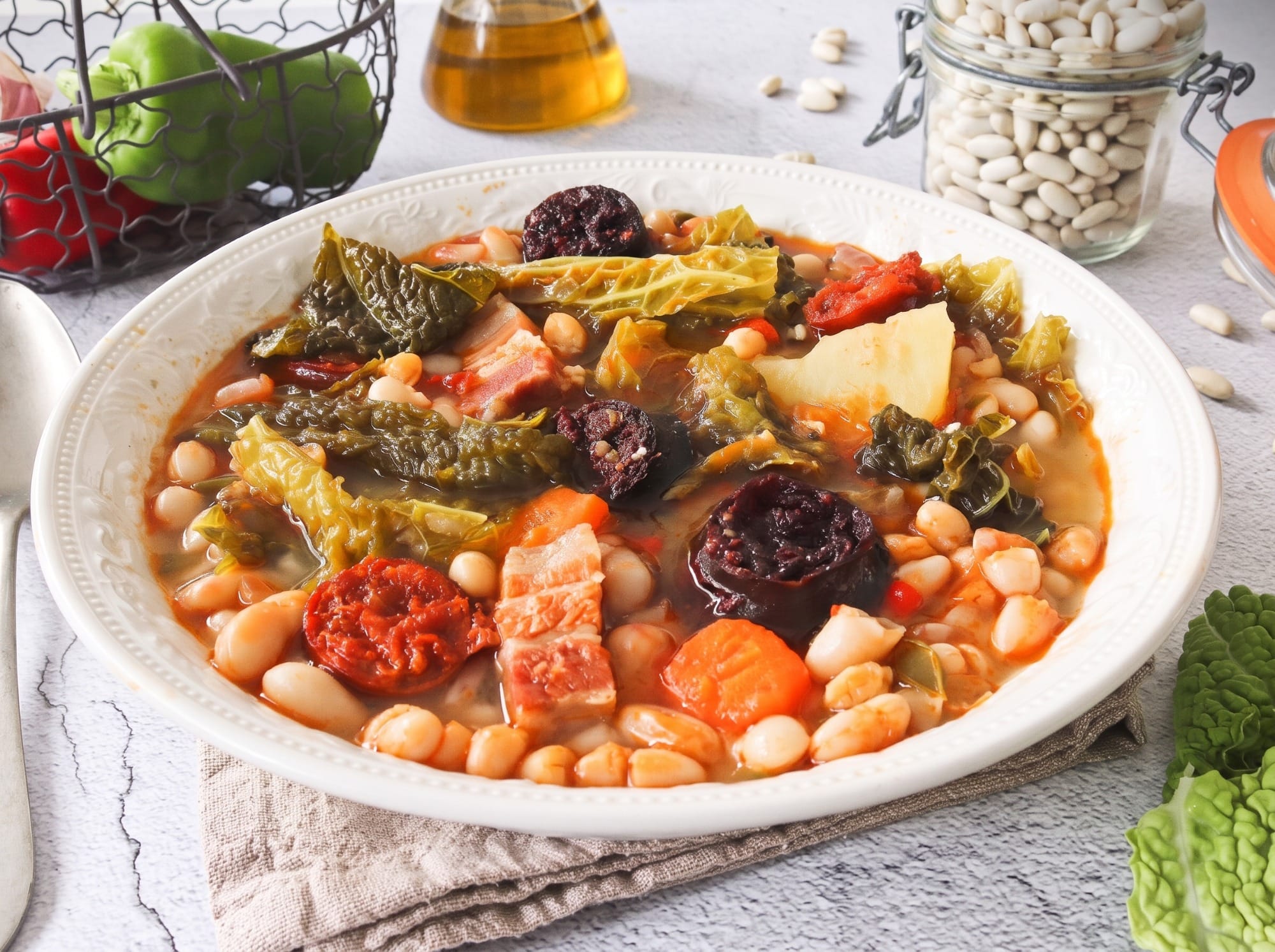
To place guisote, it helps to know what sets it apart from the cocidos. The montañés stars white beans and cabbage, accompanied by compango: bacon, ribs, morcilla and chorizo. The lebaniego, by contrast, is made with chickpeas.
If you want to compare, we have a guide on where to eat cocido montañés and another on cocido lebaniego. Read them before deciding: they'll show you better what the cocido has that guisote doesn't aim for, which is repeating a fixed recipe.
The Ruta de los Pucheros in Cantabria
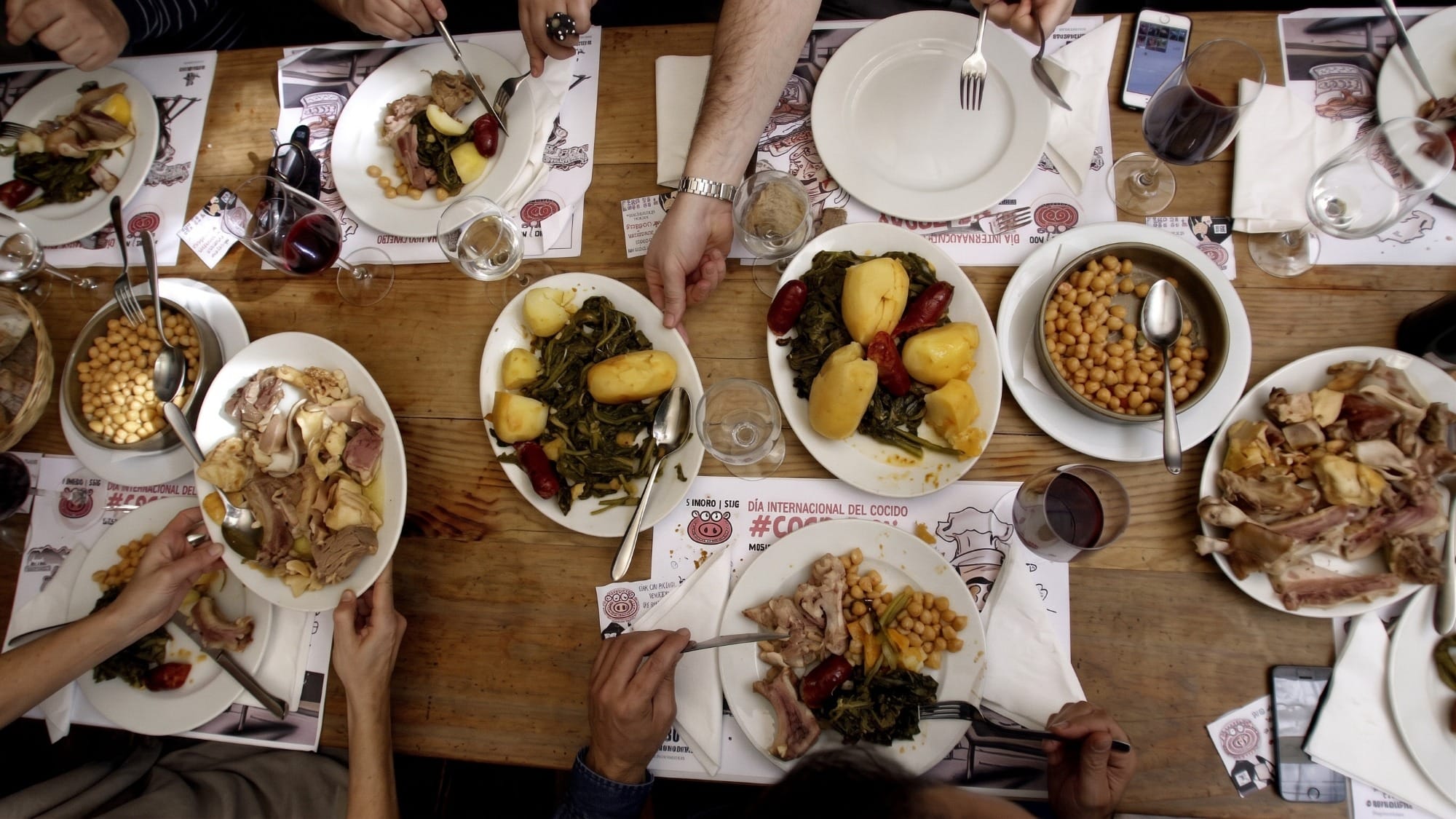
The Ruta de los Pucheros is an initiative of Cantabrian restaurants in which dozens of establishments compete for the best cocido and the best guisote. In its tenth edition, held from 27 January to 9 February 2025, 35 establishments from across the region took part.
The route began with three categories (cocido montañés, cocido lebaniego and olla ferroviaria) and guisote was added from the second edition. In the most recent edition we've found, the competition is organised in two: cocido montañés and guisote, and the olla ferroviaria competes within the latter.
We haven't found confirmed dates for the next edition (dates to be confirmed). The editions we've found took place between January and March, depending on the year; check the information from Cantabria's hospitality association before planning your visit.
What you need to know
What to order: if you're torn between cocido and guisote, the cocido is the safe choice; guisote is the way to try something different, and it's worth asking what it contains that day.
When: these are winter, cold-season dishes; some restaurants serve them only on certain days, so ask beforehand.
Booking: ask about availability, because they're cooked in portions and can run out.
Prices and opening hours: they vary from one place to another and from one edition of the Ruta to the next, so confirm them with the restaurant.
For more information on the region's food, see the Turismo de Cantabria website.
Cocido is Cantabria's well-known dish; guisote is the one almost nobody orders by name and almost everyone is grateful for.
A hot casserole is the best way to end a day out walking on the Trasmiera coast. After walking along the cliffs or the estuary, getting home with time to cook or heading out for a spoon dish is part of understanding how people live in this area when the weather turns.