Picón Bejes-Tresviso is a blue cheese with Protected Designation of Origin, made in the Picos de Europa from cow's, sheep's and goat's milk and matured for two to four months in natural limestone caves. You can buy it at dairies in Liébana and in specialist shops across Cantabria.
Some blue cheeses are made in controlled chambers, and others are made the way they have been for centuries: put in a real cave, with the humidity and temperature the mountain provides rather than a thermostat. Picón Bejes-Tresviso is one of the latter. It is made only in the municipalities of Liébana and Peñarrubia, right in the Picos de Europa massif, and has held Protected Designation of Origin status since 1994.
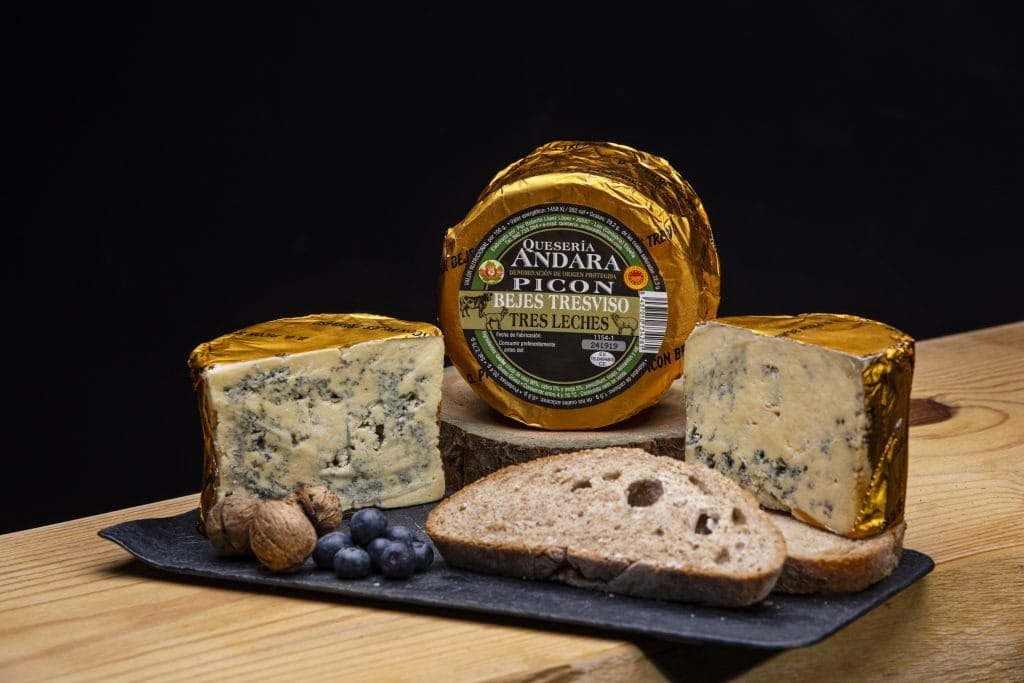
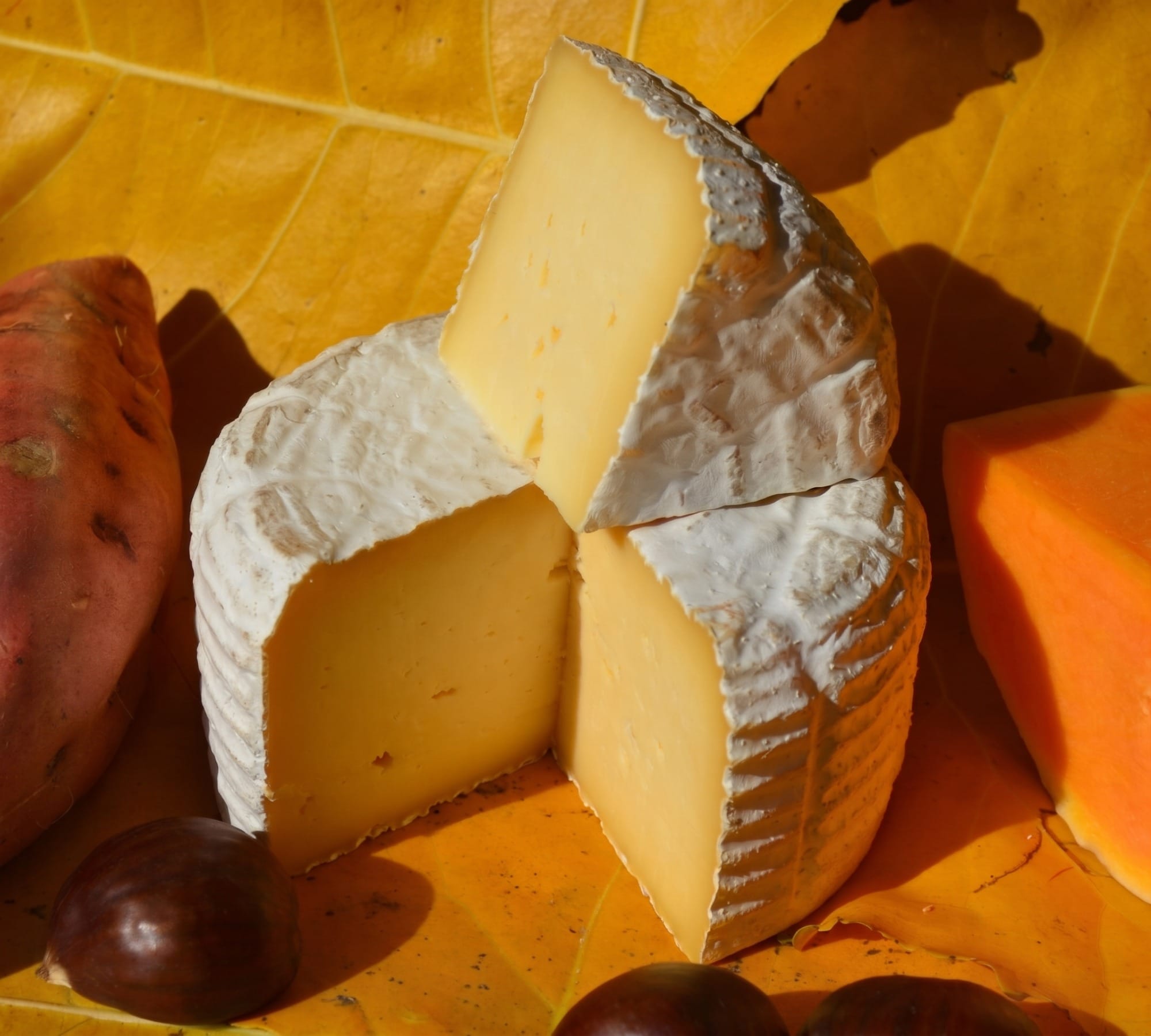
What sets it apart from other Spanish blue cheeses is precisely where it matures: natural limestone caves that are plentiful in the area, where the Penicillium mould develops spontaneously without needing to be added from outside. The result is a white paste with blue veining, a creamy texture and a sharp finish that varies with the cave and the length of curing.
What Picón Bejes-Tresviso is and why it's different
Picón is made with raw cow's, sheep's or goat's milk, or with mixtures of two or all three, which is unusual among blue cheeses with a designation of origin in Spain. The main cheesemaking centres are Bejes and Tresviso, two small villages tucked into the valley, where several families still make it by hand. The aroma is intense, with notes of butter and cave, and the sharpness comes at the end, stronger the longer it has matured. Production is limited: this is an artisan cheese, made by a small number of families, a long way from the large volumes of other industrial blues, which also explains its price, higher than a supermarket blue cheese. You can check the regulations and authorised producers on the official website of the Picón Bejes-Tresviso Protected Designation of Origin.
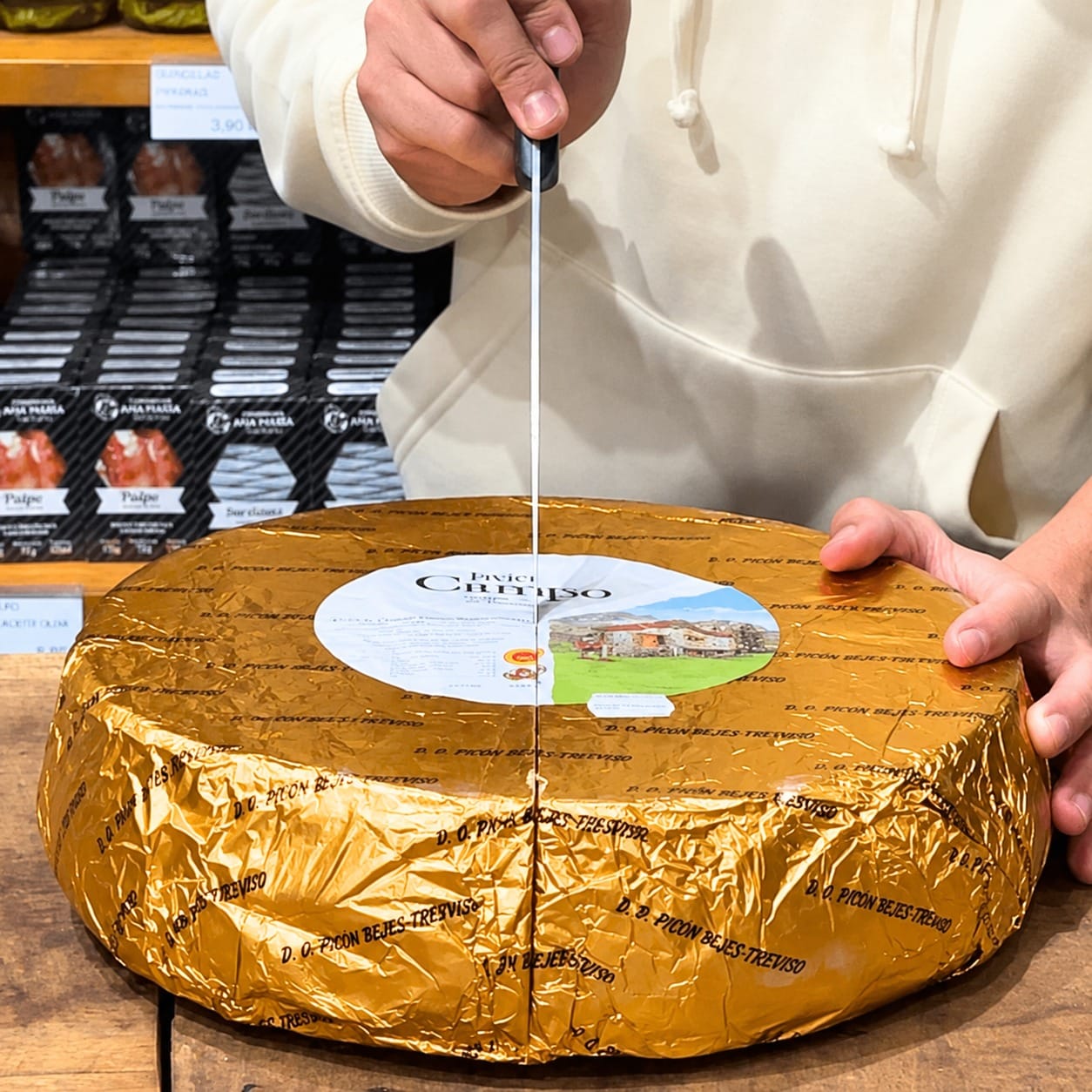
The maturing caves: the secret is in the limestone
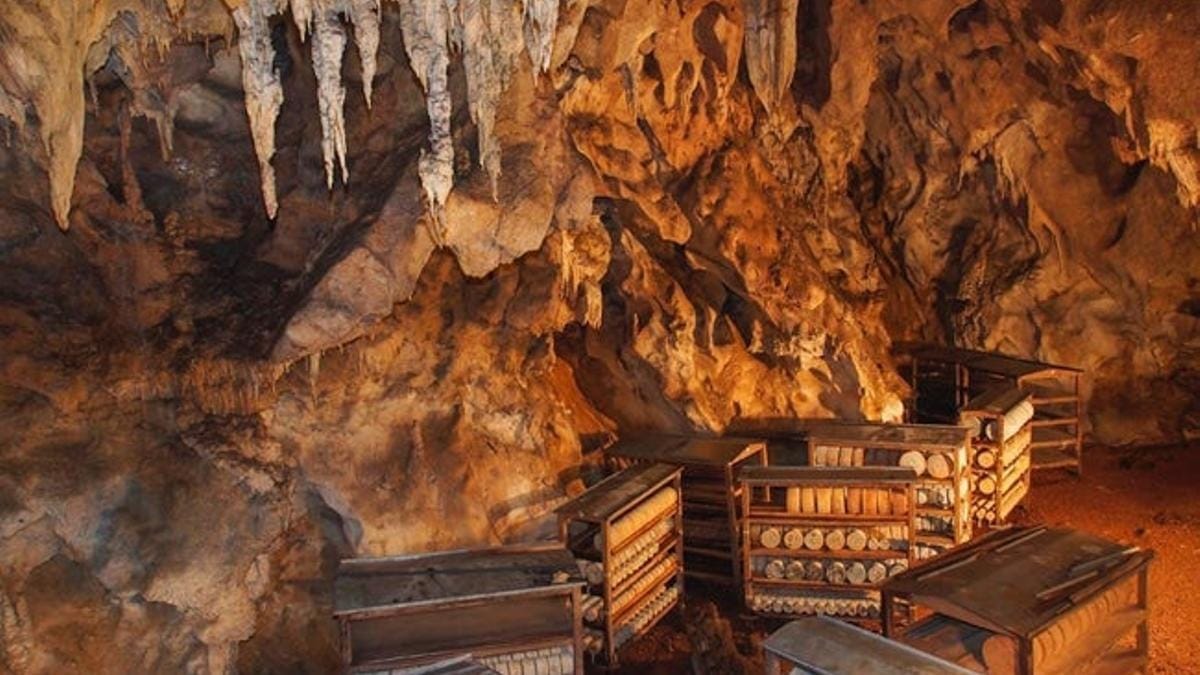
Maturation lasts a minimum of two months and can reach four, always in natural caves carved into the limestone of the Picos de Europa. The constant humidity and stable temperature of these caves are what allow the blue mould to form without being added artificially, which sets it apart from other industrial blue cheeses. Some dairies in Tresviso, such as Casa Campo, run guided visits that include a walk up to the maturing cave itself, with views of the Soba valley, so you can see the process up close.
Where to try it and buy it near Bareyo
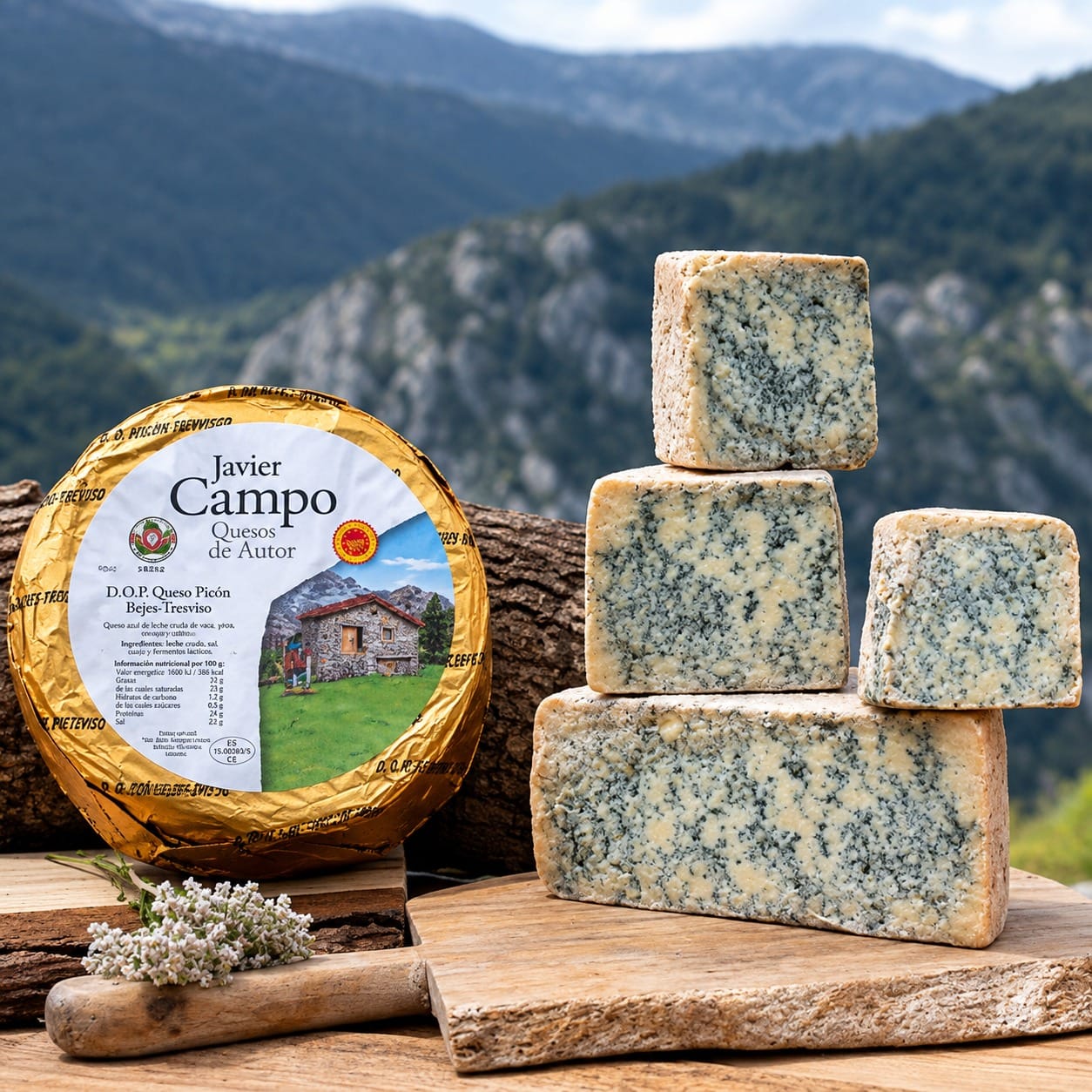
The most direct way to get to know Picón is to visit one of the dairies in Bejes or Tresviso, although it's more than two hours from Bareyo by mountain road. If the trip isn't on your plans, you can buy it at Cantabrian food shops in Santander and at several dairies that sell direct, and it's also served at restaurants in the capital such as Maremondo. Quesería Casa Campo, in Tresviso, offers two-hour guided visits with a walk through the maturing cave, with advance booking required. Book a few days ahead, especially on autumn weekends, when it coincides with hikers walking the routes of Liébana.
How to eat it: pairings and uses in the kitchen
The classic pairing is a little Liébana honey or quince paste, which softens the sharp finish, although in the region itself it's common to eat it on its own, spread on village bread. It also works melted into sauces to go with game or roast potatoes, and some restaurants in Santander put it on their menus as a cream or a spreadable mousse. If you've never tried it, start with a young wedge, with a shorter maturation: the sharpness is milder and lets you appreciate the other nuances better before moving on to the more cured cheeses.
What you need to know
Protected Designation of Origin since 1994. Production area: municipalities of Liébana and Peñarrubia (Cantabria). Permitted milks: cow, sheep, goat or mixtures. Maturation: 2 to 4 months in natural limestone caves. Where to buy it near Bareyo: Cantabrian food shops in Santander and direct sales at dairies in Bejes and Tresviso. Guided visits: Quesería Casa Campo, in Tresviso, with advance booking.
In Tresviso the cheese doesn't mature in a chamber: it matures in the same limestone cave that generations of cheesemaking families have used.
If Liébana's flavours have piqued your curiosity, don't miss our guide to cocido lebaniego, the other great dish of this Picos de Europa region. And for when you want to bring home a proper board of Cantabrian cheeses, the villas at Bareyo Residences have full kitchens so the after-dinner conversation can last as long as it needs to.