Quesucos de Liébana are small cheeses, 8 to 12 centimetres across, made in the Liébana district from cow's, sheep's or goat's milk, or a blend of them. They carry a Protected Designation of Origin, come plain or smoked over juniper wood, and are mostly bought in Potes and its cheese dairies.
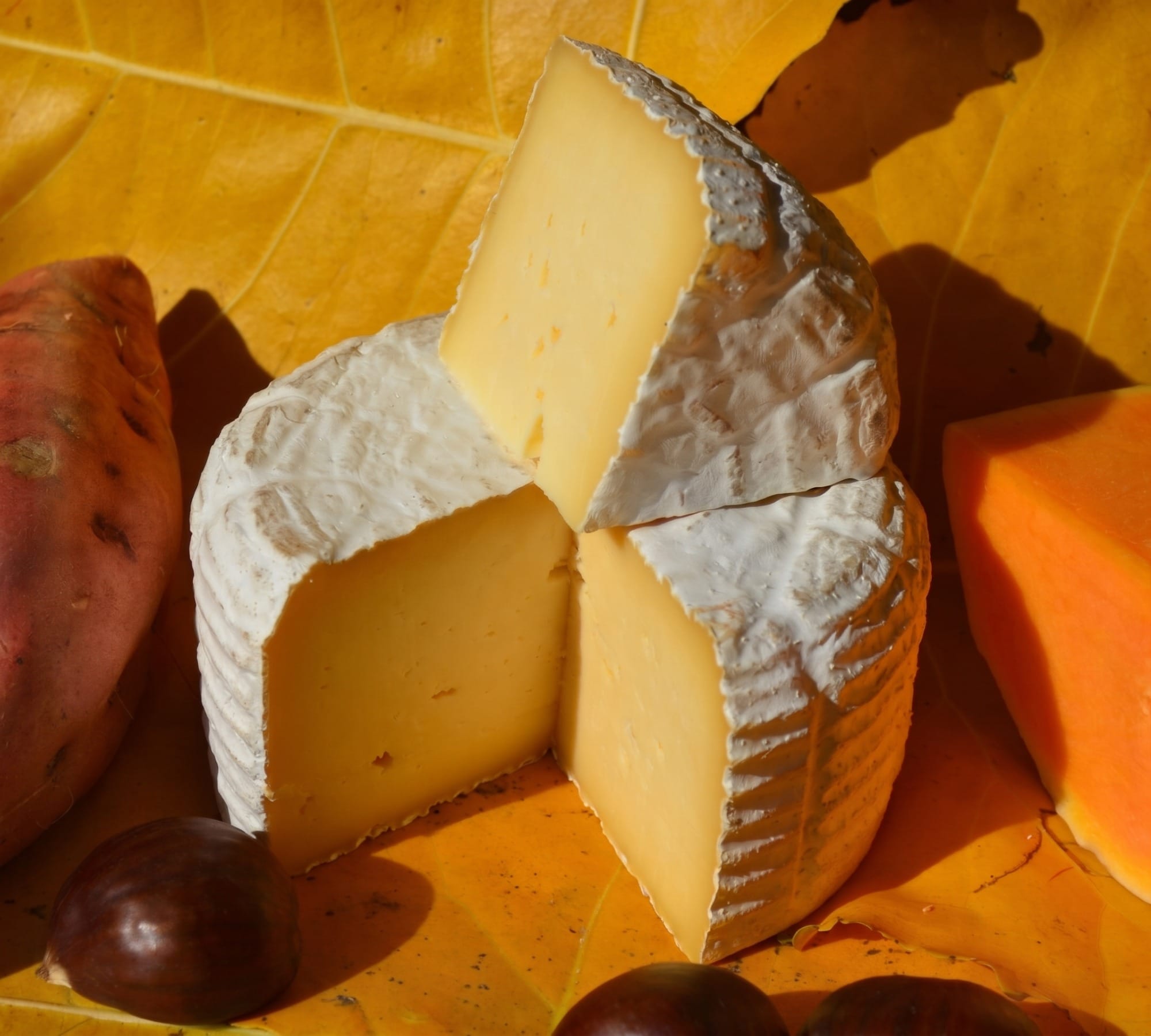
In Liébana, cheese isn't a gift-shop souvenir. It's a way of making the most of the milk that has survived for centuries in a valley walled in by the Picos de Europa. The quesuco, with that very Cantabrian diminutive, is the result: a cheese that fits in your hand, designed to cure quickly and keep well in the larder of a mountain home.
Outside the district it's hard to find, and it often gets mixed up with queso nata or picón, its fellow designations. This guide explains what sets it apart, how each variety is made and what to check on the label so you don't take home something else.
What quesucos de Liébana are and what the PDO protects
The designation of origin covers cheeses made in the municipalities of the Liébana district —Potes, Camaleño, Cillorigo de Liébana, Vega de Liébana, Cabezón de Liébana, Pesaguero and Tresviso— and in neighbouring Peñarrubia. The milk has to come from farms listed in the register of the Regulatory Council, which is based in Muriedas. The protection has been recognised by the European Union since 1996, the same year as queso nata's.
The cheese is cylindrical or disc-shaped, 3 to 10 centimetres high, and usually weighs between 400 and 600 grams. The paste is semi-hard, leaning creamy in the younger ones and firming up as it cures. The official PDO Quesucos de Liébana fact sheet, published by the Cantabrian Government's Food Quality Office, sets out the characteristics every cheese must meet.
Cow's, sheep's or goat's milk: the quesuco varieties
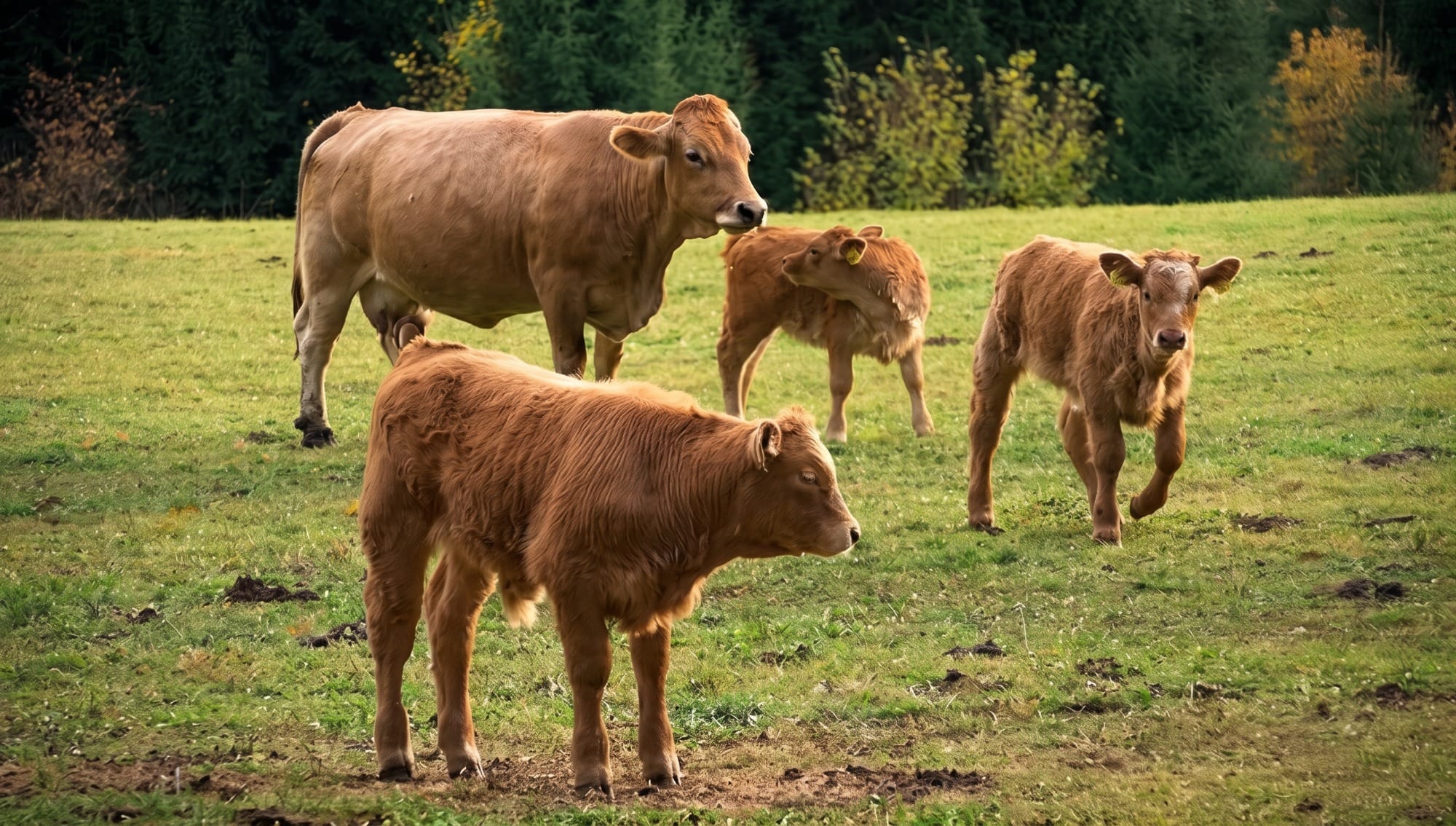
What surprises you most when you taste several quesucos in a row is how different they can be under the same name. The cow's milk comes from breeds such as Tudanca, Brown Swiss (pardo alpina) or Friesian, and makes the mildest, milkiest cheeses — the best fit if you're not used to strong cheese.
The sheep's milk ones, from Lacha sheep, are richer and have a longer finish. The goat's milk ones, from Pyrenean goats or the Picos de Europa goat, bring that unmistakable fresh, tangy note. Then there are the blends, where each cheesemaker adjusts the proportions depending on the milk they have that day: some dairies in the valley sell three-milk quesucos.
Smoked quesucos de Liébana: juniper smoke
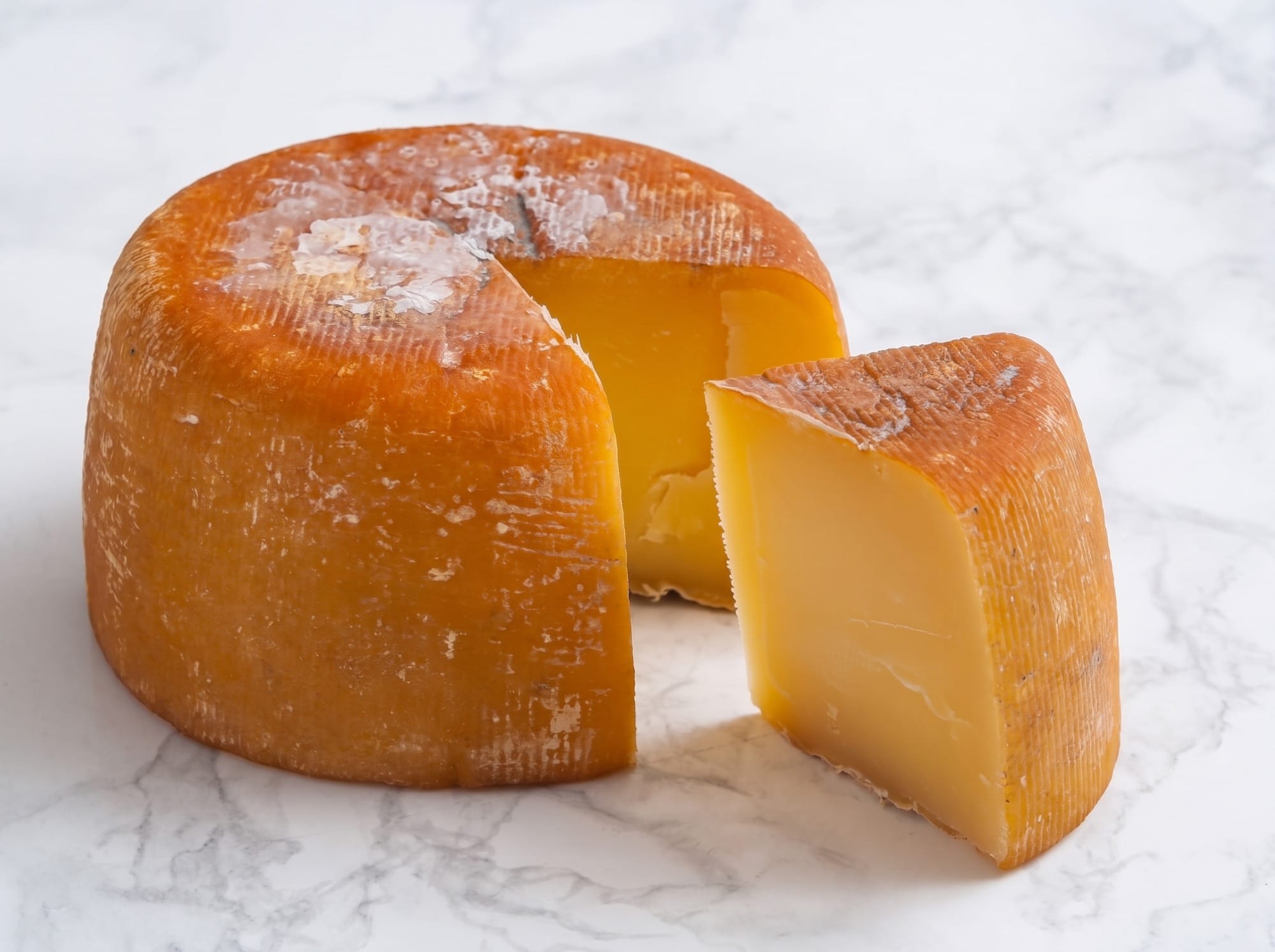
Smoking is the hallmark of the high villages of the Camaleño valley and the Áliva mountain pastures. The cheeses are placed in rooms set up for the purpose and smoked with local wood, preferably juniper, for a day or a day and a half. The smoke turns the rind a dark golden colour and leaves an aroma you notice as soon as you open the pack.
The result is a cheese with more character than the plain one, but without the punch of picón. It makes a good gift, because it travels well and because it isn't easy to find outside Cantabria.
«A quesuco fits in your hand, but behind it there's a whole valley deciding which milk each season gives.»
How to recognise an authentic quesuco de Liébana
The first check is the label: protected cheeses carry the protected designation of origin logo and explicitly say Quesucos de Liébana. A «Liébana-type» or «quesuco-style» cheese without that seal may be good, but it isn't the same thing.
Size helps too. A cheese weighing a kilo or more doesn't fit what the PDO describes. Also look at the milk stated on the label: if you're after a particular flavour, it's more useful than the brand name.
How to eat quesucos and what to pair them with
Keeping it simple works best: take the cheese out of the fridge a while beforehand, cut it into wedges and serve it with bread. Young cow's milk ones go well with quince paste or honey — and Liébana honey has its own designation too, so the pairing stays local. Goat's and sheep's milk ones stand up better to a tart fruit, such as apple.
To drink, in the valley they're served with a young wine or with tostadillo, Liébana's traditional sweet wine. The smoked one calls for something fuller-bodied, and it's also eaten hot: grilled on the griddle or melted over toast.
What you need to know about where to buy quesucos de Liébana
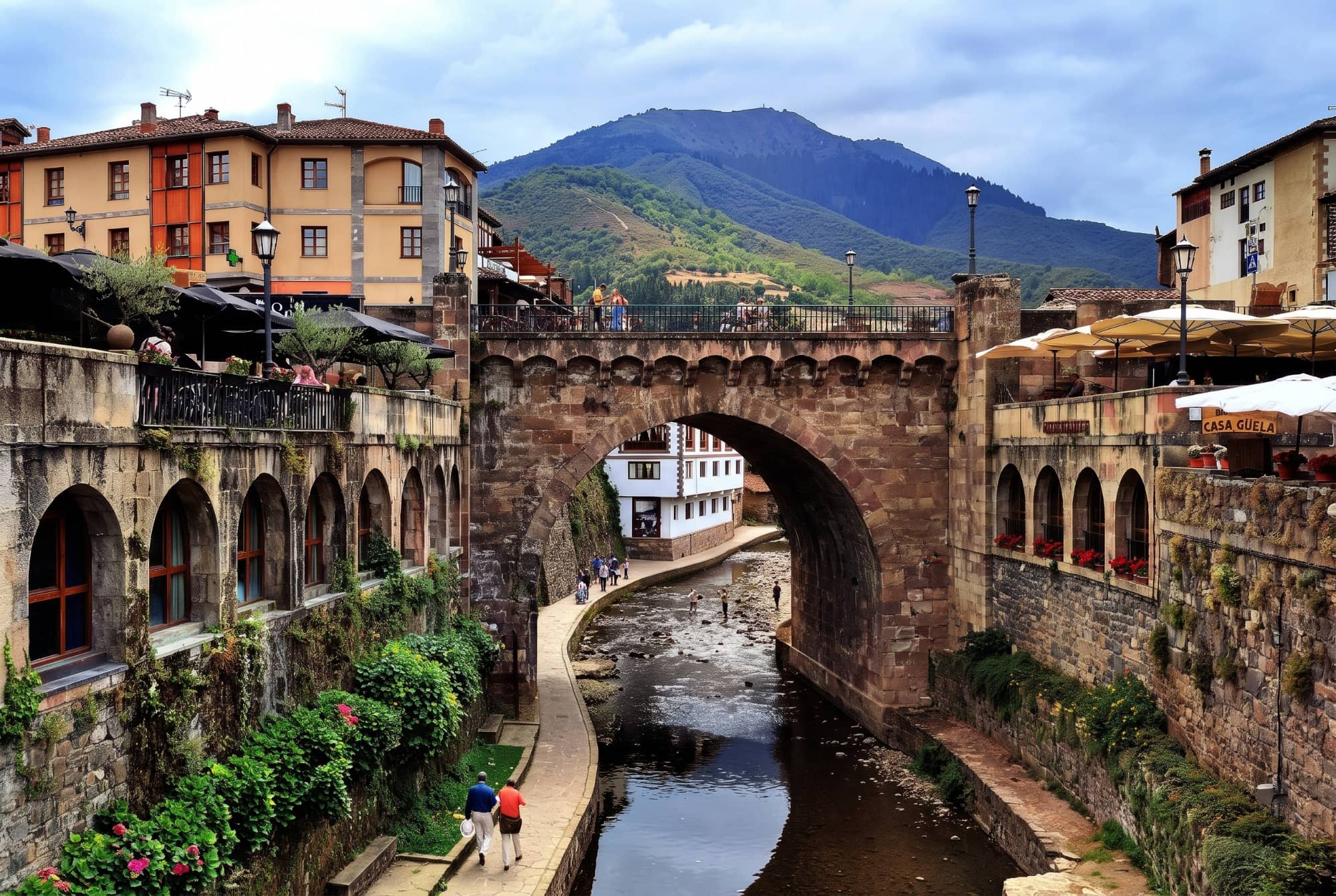
Potes is the district's shopping hub. Every Monday the old town hosts a market of Liébana produce where local cheeses have their place, and the village food shops stock quesucos all year round. Several dairies in the valley sell direct, and some let you visit their premises by appointment.
From Bareyo, Potes is about two hours by car via the Cantabrian motorway (autovía del Cantábrico) and the N-621, which enters Liébana through the La Hermida gorge. If you're travelling with the cheese, ask for it to be vacuum-packed and keep it in the least cold part of the fridge. To see what sets quesucos apart from their more widespread neighbour, read our guide to Cantabrian queso nata, which rounds out the region's cheese map nicely.
A cheese to take home
Coming back from Liébana with a couple of quesucos in your bag is almost a ritual for anyone heading up to the Picos de Europa. Back on the coast, they fit perfectly into a relaxed dinner: a board with a cow's milk cheese, a smoked one and a goat's one, fresh bread and a bottle of wine. From Bareyo Residences it's a trip you can do in a day and round off at home, with the table set and no rush to get up.