Nata de Cantabria is a cheese made from Friesian cow's milk, with Protected Designation of Origin status since 1996. It has a creamy paste with no holes, a soft bone-coloured rind, and ripens for at least seven days. The quesucos de Liébana, also PDO, are something else: small, made from cow's, sheep's or goat's milk, and often smoked.
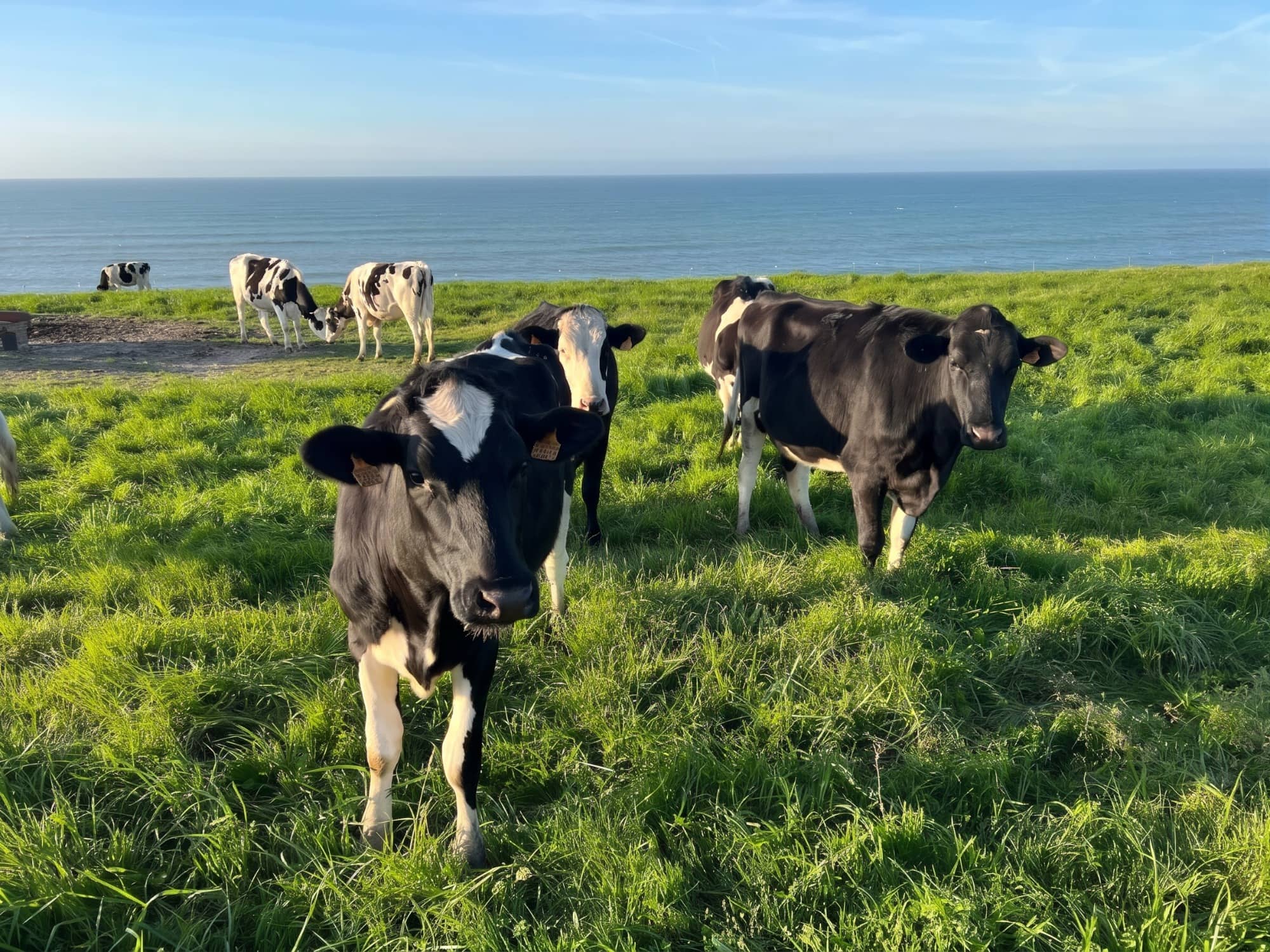
When people think of Cantabrian cheese they usually think of picón, the blue cheese of the Picos de Europa. That makes sense, but the region's most widespread cheese is another one, milder and far less known outside the area: queso nata. It is sold in almost every shop in Cantabria and is the one that ends up on the table in most homes.
This guide explains what it is, how to recognise a genuine one and what sets it apart from the quesucos de Liébana, the region's other big cheese PDO. For a trip to the Bareyo area, it's a good way to understand what lies behind the cheese board you'll see on any menu.
What Nata de Cantabria cheese is
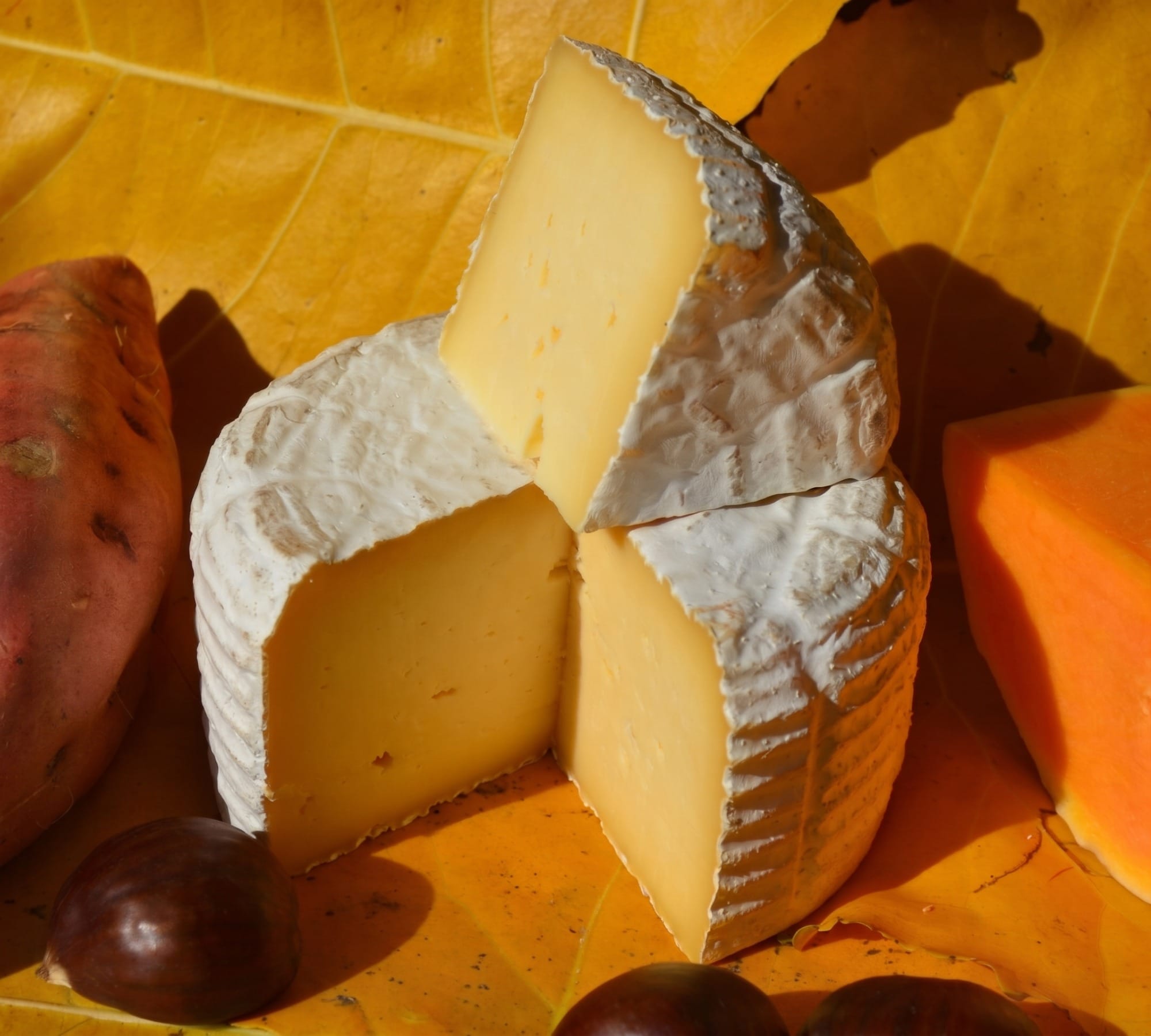
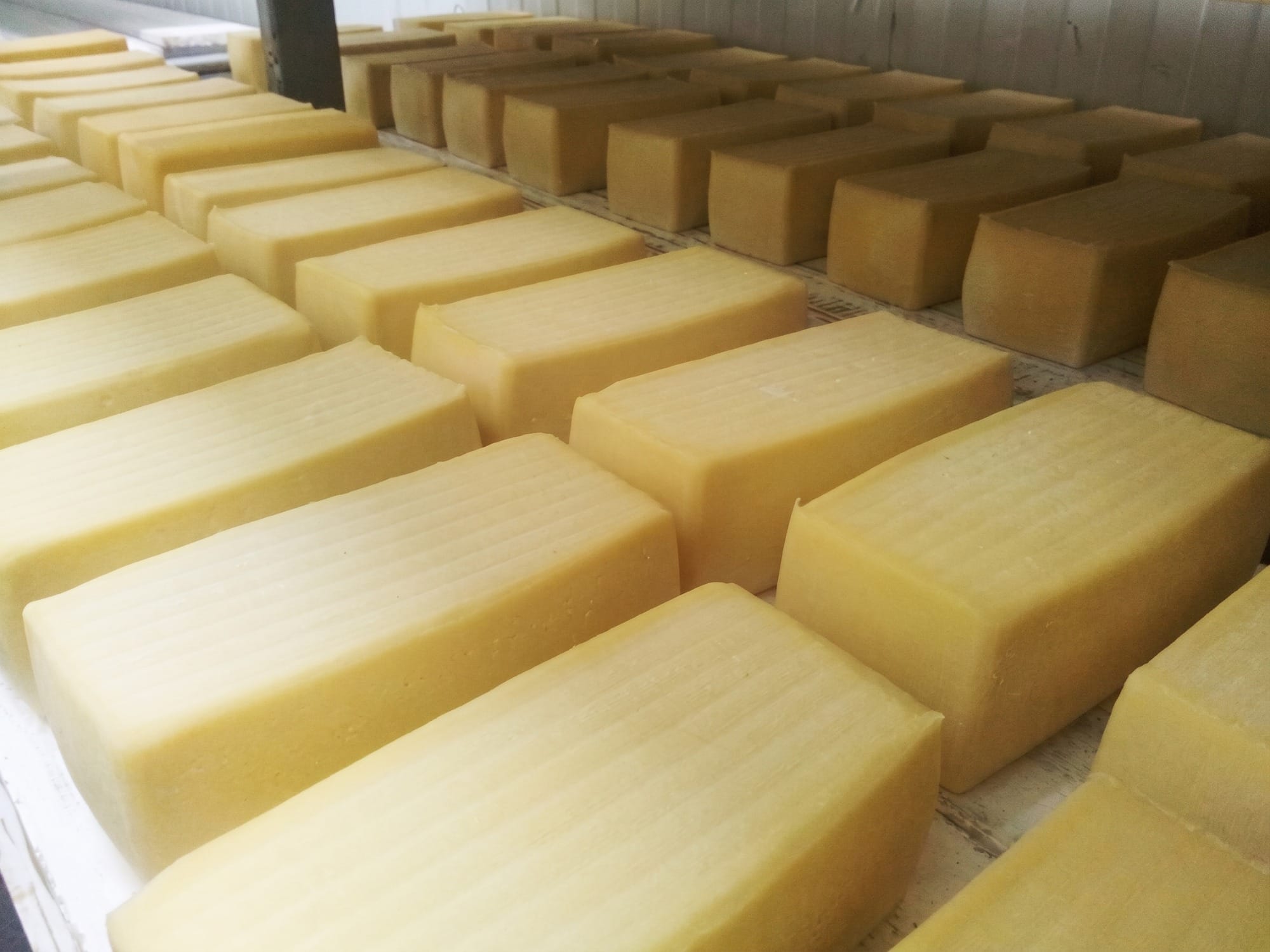
It is a pressed-curd cheese made with whole milk from Friesian cows, the black-and-white “pintas” of Cantabrian meadows. It is rich, with a minimum of 45% fat in dry matter, and ripens for at least seven days. Each piece weighs between 400 and 2,800 grams. The rind is soft and bone-coloured; the paste, the same colour, is firm and creamy and almost never has holes. The rennet, by the way, comes from suckling calves of the region's own cows.
History and designation of origin
Cheese from the Montaña is very old. The first written record is in the Cartulary of Santo Toribio de Liébana: on 15 May of the year 962 a piece of land is sold in exchange for several goods, among them seven cheeses, which shows how cheese stood in for money in barter. The designation of origin was recognised in 1985 under the name “Queso de Cantabria” and registered as a European PDO in 1996. In 2007 the name became “Queso Nata de Cantabria”, closer to how it had always been known.
Quesucos de Liébana, the other PDO cheese
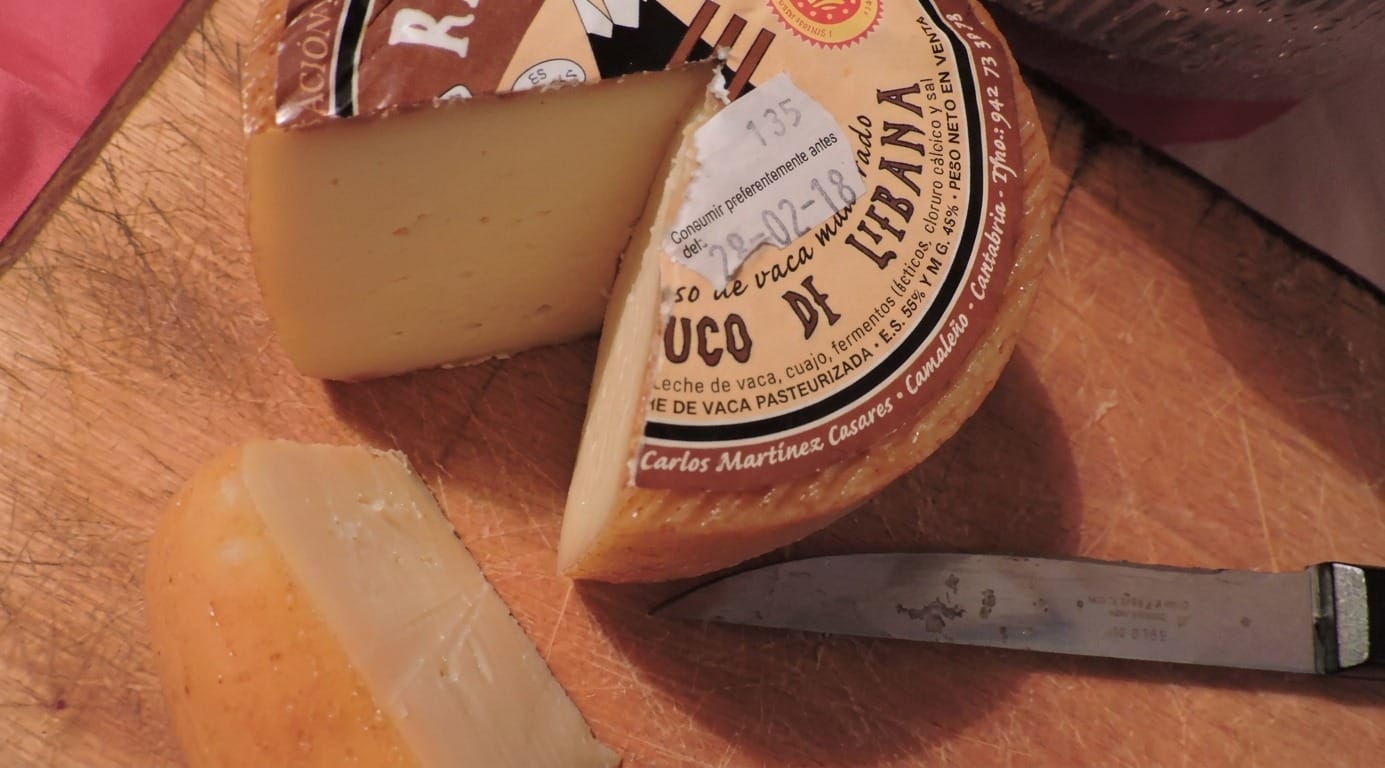
Quesucos are something else. They are small, between 8 and 12 centimetres in diameter and 3 to 10 high, with a semi-hard paste, and can be made from cow's, sheep's or goat's milk, or a mix of them. Some are smoked and some are not. In the smoked ones, typical of Áliva, Brez, Tanarrio and the Camaleño valley, juniper smoke acts for a day or a day and a half and leaves an intense flavour. They are made with milk from eight municipalities in Liébana, including Potes, Camaleño and Cillorigo de Liébana, and the Regulatory Council is based in Muriedas.
How to use them in the kitchen and what to drink with them
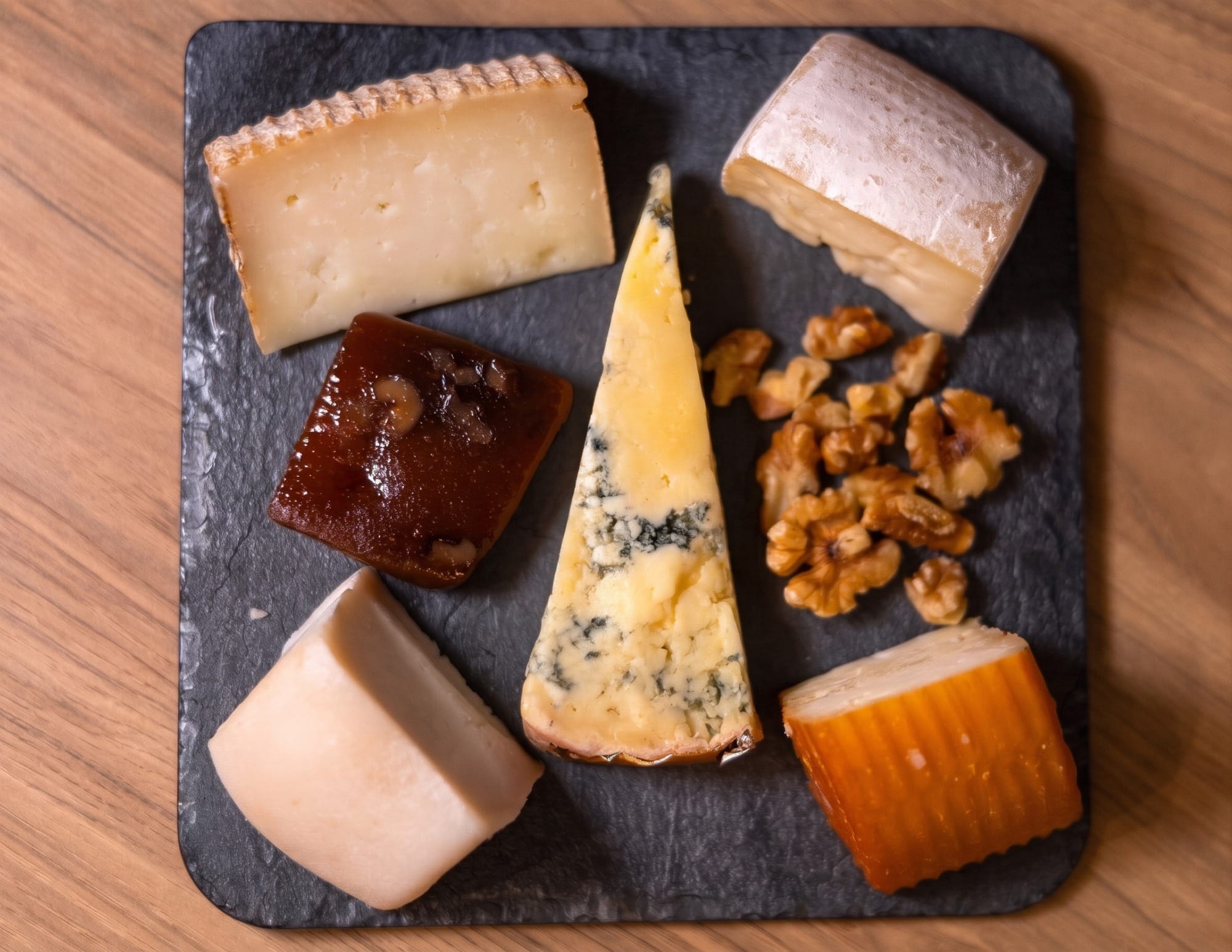
Nata melts well and is very versatile: it goes on a cheese board, in salads and in baking, and its mildness lets it go with both savoury and sweet dishes without taking over. Fresh quesucos are used in doughs and fillings, and the more cured ones for gratinéing. The smoked cheese from Áliva can be breaded and is eaten with wood-fired bread and green salad. As for drinks, quesucos go well with a fruity wine or with tostadillo, the typical wine of Liébana, and the smoked one with an aged red.
How to recognise it when buying
Look for the PDO seal on the label or on the piece itself. A soft, bone-coloured rind, a creamy paste with no holes and a weight within the usual range are good signs. If in doubt, ask the cheesemaker when it was made and from what milk. For more information on routes and products in the region, the Turismo de Cantabria website is also useful.
Good to know
Queso nata is available all year round and needs no booking or guided visit: just ask for a wedge. Quesucos de Liébana are harder to find outside the valley, so it's worth buying them there. Always ask for them to be vacuum-packed if you're going to travel with them, and keep them in the least cold part of the fridge. It's best to take them out a while before eating: at room temperature the flavour changes a lot. To find out which other quality labels to look for, see our guide to the designations of origin of Cantabria.
“The most Cantabrian cheese isn't the one that makes the most noise, but the one that's in every fridge.”
Trying a queso nata with good bread, after a day on the beach and the trails, is one of the easiest ways to bring Cantabria to your table. You don't need to go to a cheese dairy or book anything: a stop at a local shop and a bit of curiosity to ask what milk each piece comes from is enough. The villas at Bareyo Residences have a full kitchen to put that board together at your leisure, with whatever you pick up along the way.