Sacristanes are the signature sweet of Liérganes, a village in the Miera valley: long pieces of butter puff pastry, twisted into a bow shape, coated in sugar and very crunchy. You buy them at the pastry shops in the old town, such as Rego, and eat them on their own or with hot chocolate.
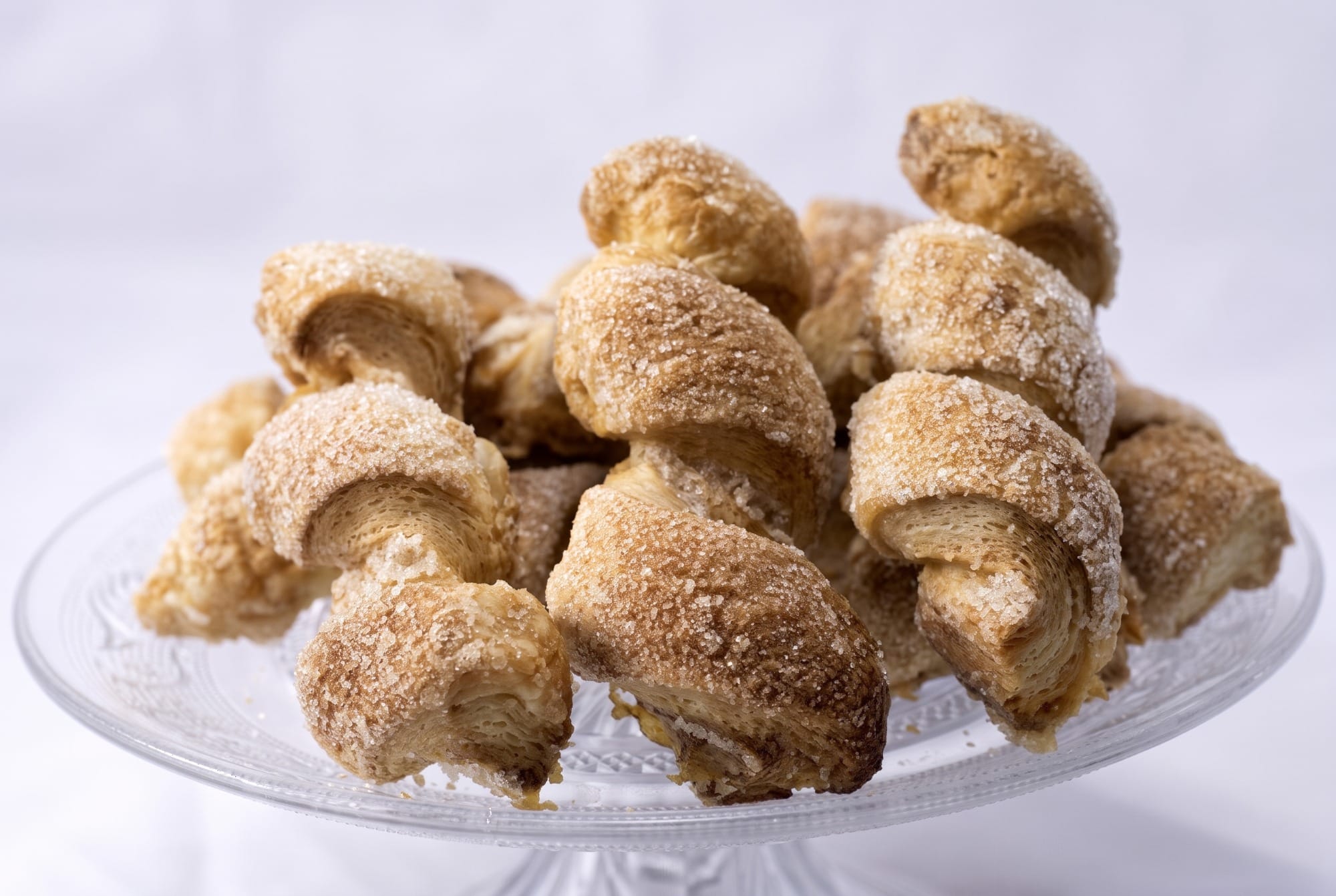
Cantabria has far more famous sweets, and almost everyone heads home with sobaos and quesadas in the boot. Sacristanes play in a different league: they're a village product, barely known outside Trasmiera and the Pas valleys, and most visitors discover them by chance, walking past a shop window in Liérganes.
That makes them a good excuse for a day out. Liérganes is just over half an hour from Bareyo, you can wander round it in a morning, and autumn, with the valley green and fewer people about, is a good time to go. Here's what they are exactly, what's said about their origin, where to buy them and how to fit them into your day.
What sacristanes de Liérganes are
The base is simple: puff pastry made with butter, sugar and a pinch of salt. What sets them apart is the shape and the bake. The dough is cut into strips, twisted on itself into a bow or a long cord, and baked until the sugar caramelises on the outside. The result shatters into flakes when you bite it and leaves your fingers shiny with butter. There's no filling or cream, which is exactly why they depend so much on the quality of the butter and the baker's hand: a badly made sacristán is just dry pastry, and a good one is gone before you reach the car. The village pastry shops usually sell them loose or by the tray, and they keep well for a couple of days in a closed box.
A recipe with a legend: the cannon factory
There's more oral tradition than written record about where they come from. The version you hear most in the village links the recipe to the Flemish and Walloon specialists who came to the area in the 17th century to work at the Real Fábrica de Artillería de Liérganes y La Cavada, the royal foundry that cast cannons for the Spanish Navy and brought the area a prosperity you can still see in its manor houses. According to that story, those northern European families brought their way of working butter puff pastry with them. The name has no settled explanation either: some say the shape recalls the cord or staff of a church sacristan, others simply put it down to the trade. Neither version is documented, but both are part of what you'll hear across the counter.
Where to buy sacristanes in Liérganes
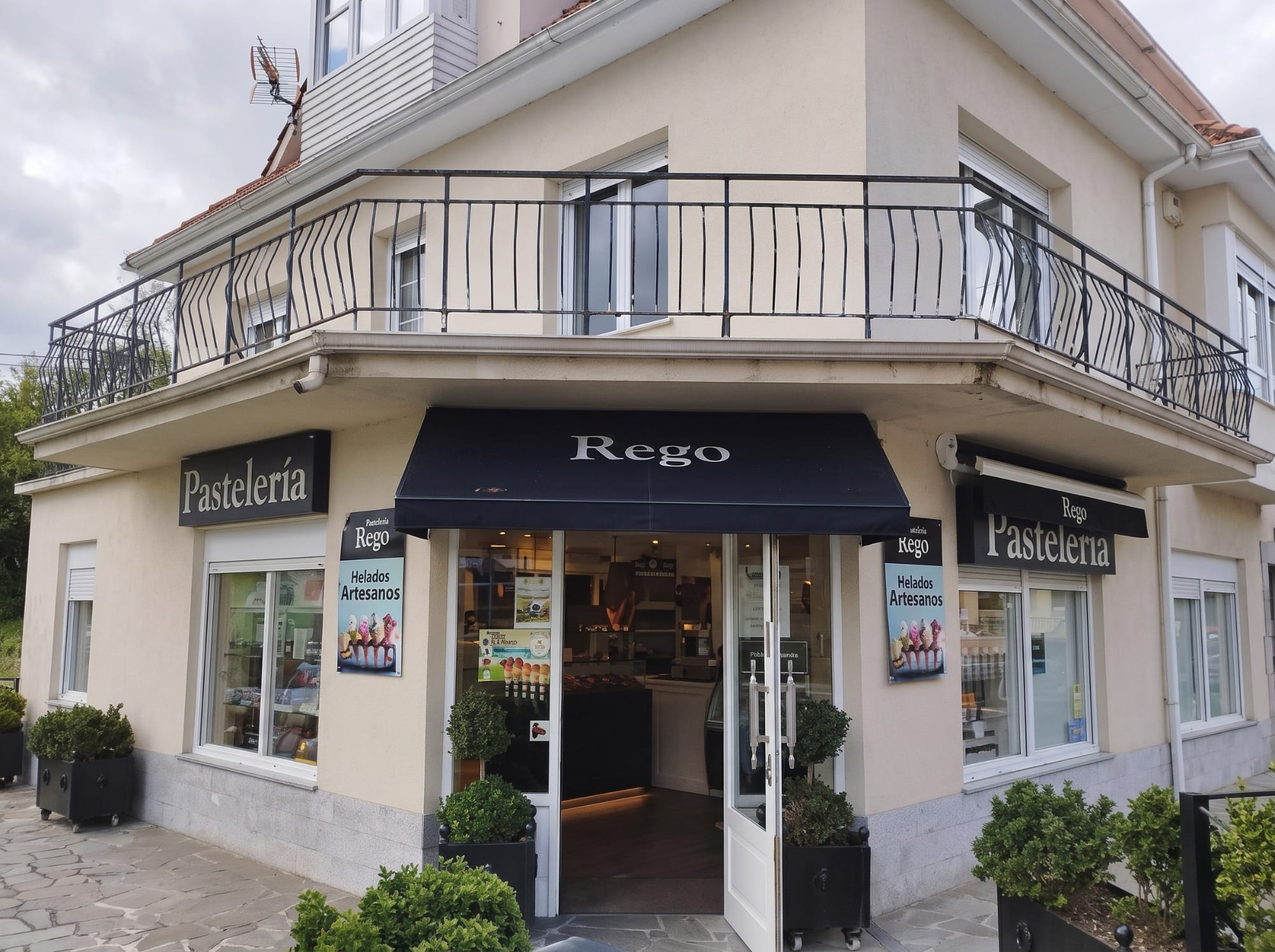
The go-to place is Pastelería Rego, on the Paseo del Hombre Pez, a few metres from the statue on the bridge. It's a family business that the regional press places in the old town since 1925, now with three generations at the helm, and its sacristanes have become something of a symbol of the municipality. Besides sacristanes, the bakery is well known for its puff pastries in general and for a sourdough panettone, and it ships outside Cantabria for anyone who wants a repeat at home. Go in the morning: at weekends and on bank holidays the sacristanes sell out before the afternoon.
Sacristanes and hot chocolate: the village's afternoon treat
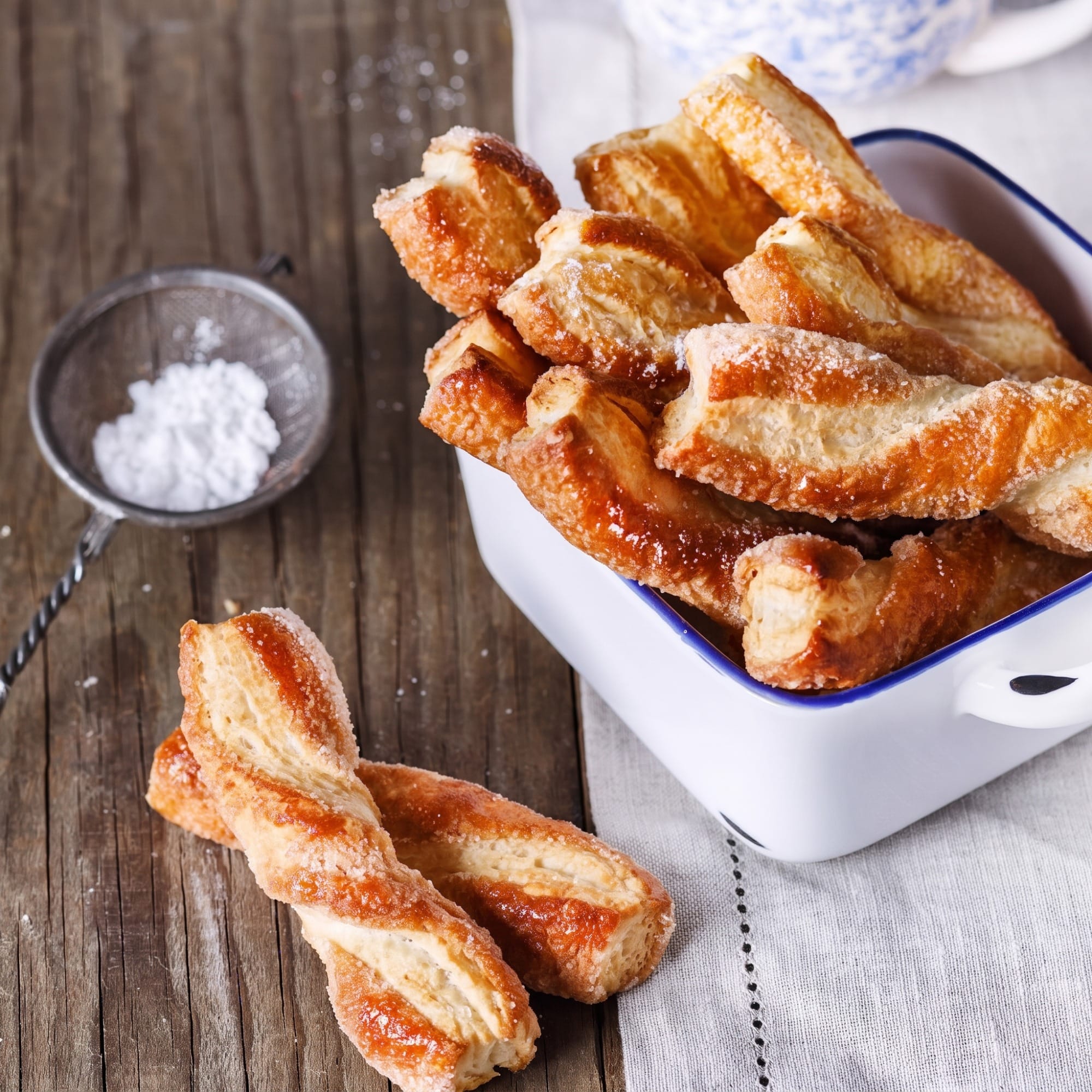
The Liérganes guide published by Turismo de Cantabria highlights the village's baking tradition, with sacristanes and corazones as its specialities and chocolate with churros as the classic afternoon snack. Combining them is easy: buy a tray of sacristanes, order a hot chocolate at one of the cafés on the Mercadillo square and your afternoon is sorted, especially on cold autumn and winter days. If this kind of plan appeals to you, our guide to traditional Cantabrian sweets beyond the sobao has other local treats worth trying on the same trip.
How to fit sacristanes into a visit to Liérganes
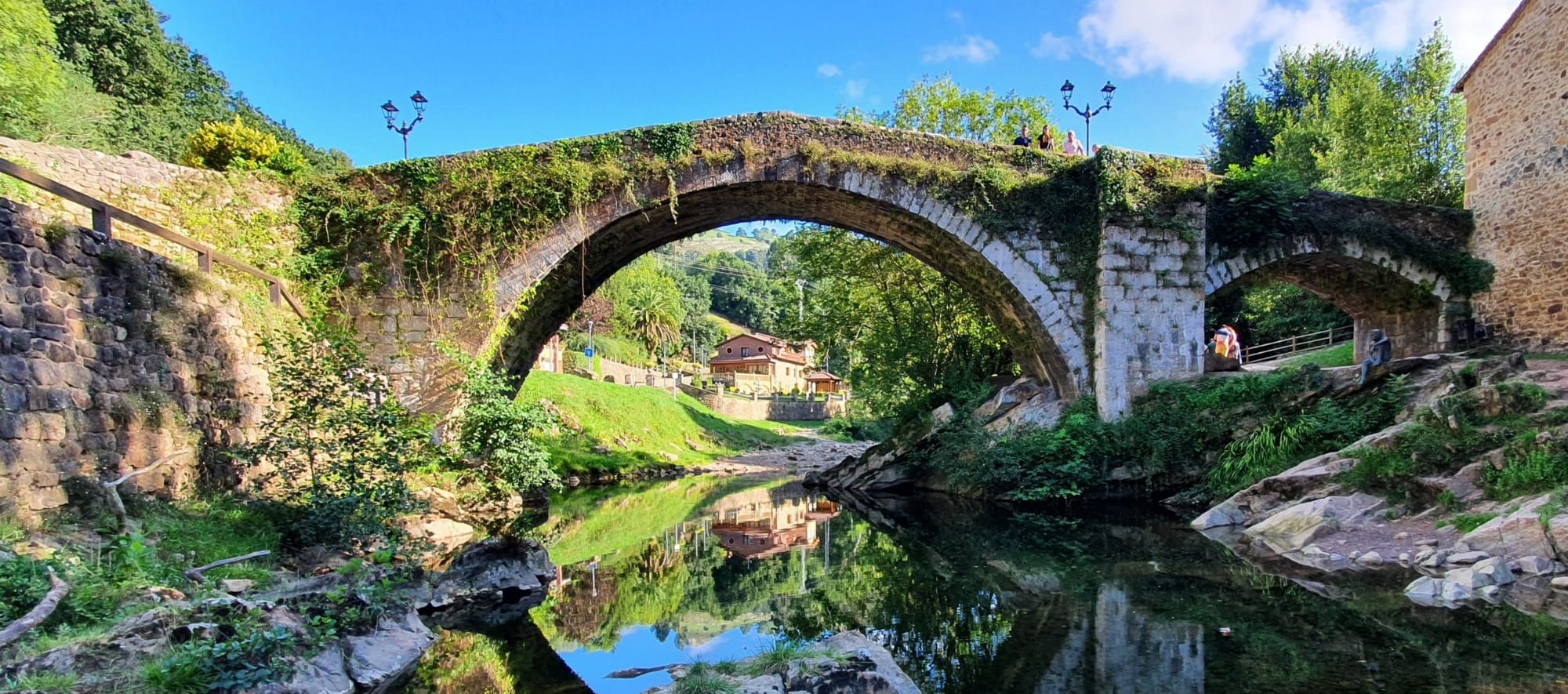
Buying sacristanes fits nicely at the end of a stroll through the old town, a listed historic-artistic site that takes a good hour to explore, between manor houses, the Puente Mayor bridge and the Fish Man Interpretation Centre. Before you go, check the opening hours of the Liérganes tourist office, which shares a building with the interpretation centre. If you want to make a day of it, Cabárceno park is about ten minutes away by car, or there's the walk up the Picos de Busampiro if the weather is good. And if you're travelling with kids, sacristanes work well as a reward at the end of the walk.
Good to know
What they are: twisted, sugar-coated butter puff pastry, with no filling. Where: Pastelería Rego, on the Paseo del Hombre Pez, and other pastry shops in the village. When: best in the morning, especially at weekends, on bank holidays and in summer. Storage: a couple of days in a closed box, away from damp, which kills the crunch. Getting there from Bareyo: just over half an hour by car via the A-8 and the CA-142. To take home: they travel well in the car, but not at the bottom of a backpack.
“A good sacristán is gone before you reach the car.”
Sacristanes sum up a way of travelling around Cantabria: leaving the coast for a few hours, heading into a valley, strolling through a village with history and coming back with something you won't find in any souvenir shop. From Bareyo, Liérganes is one of those short trips that fits into any afternoon, and a freshly bought tray of puff pastry is the best companion for your coffee back at the house.