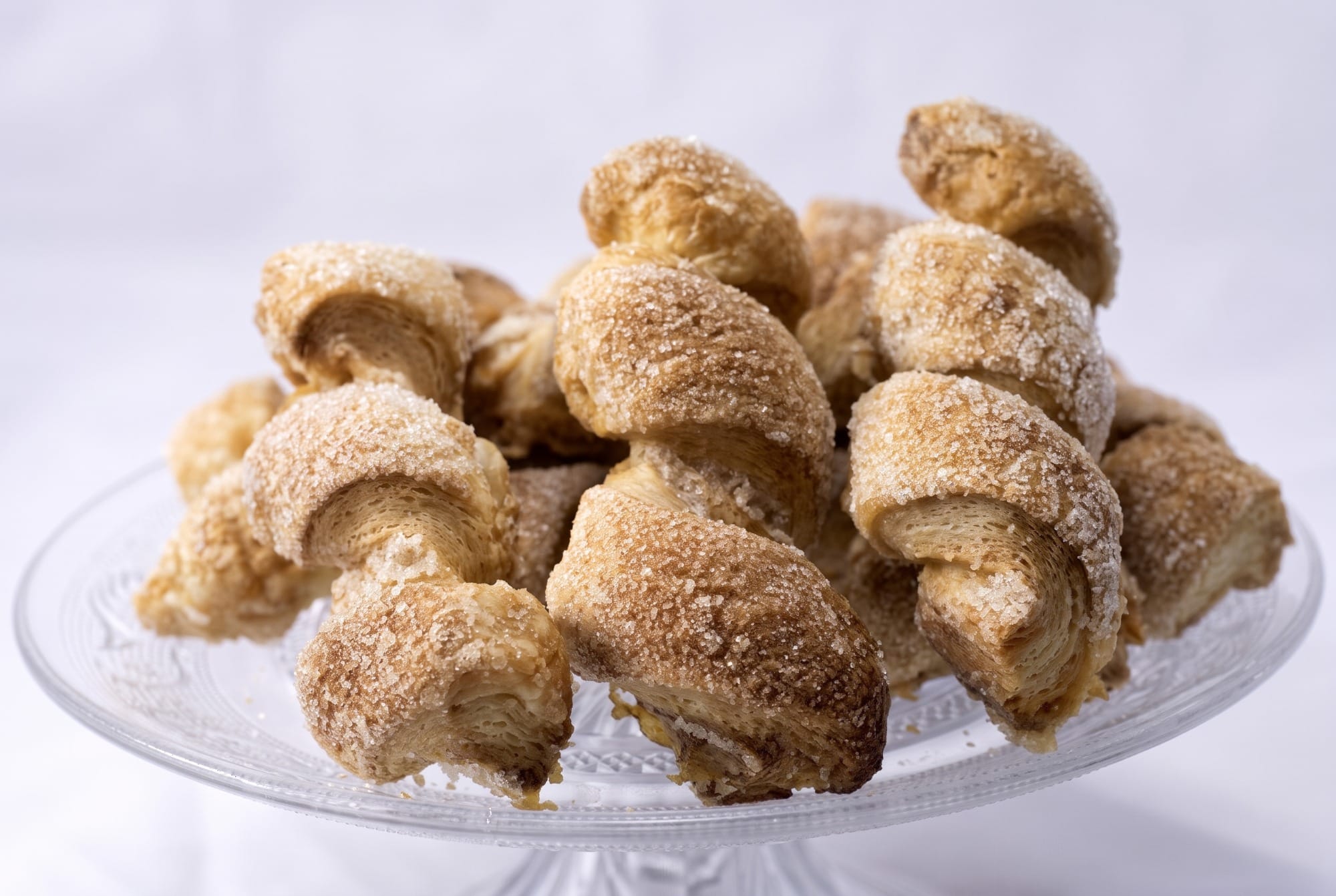
Beyond the sobao and the quesada, Cantabria has a little-known regional pastry tradition: frisuelos and canónigos from Liébana, corazones from Liérganes, palucos from Cabezón de la Sal, and tortos and pantortillas from Reinosa. These sweets are tied to the village they come from, and the best way to try them is to visit those villages.
When people talk about Cantabrian sweets, almost everyone thinks of sobaos, quesadas or the corbatas of Unquera, and rightly so: they are the best known and the best sellers. But the region's traditional pastry-making is much broader, and a good part of it has stayed in the districts where it was born, barely leaving them. That's why you won't see them in the shop windows on the coast.
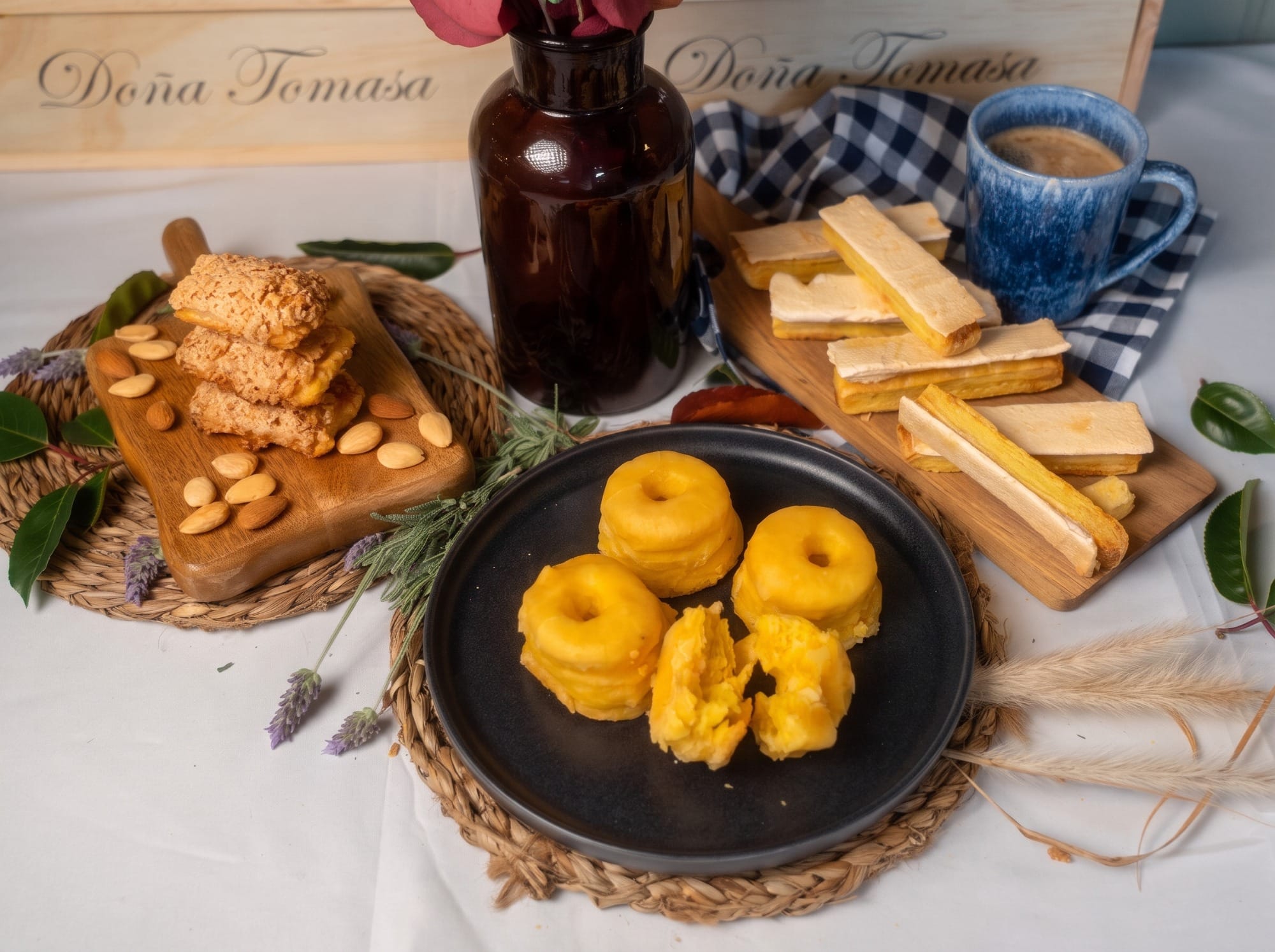
This guide covers five of those sweets that aren't the sobao, along with the village where you can find each one. It doesn't aim to be a closed catalogue or to give recipes: the available sources say little about how some of them are made, so we'd rather tell you where they come from and let each bakery tell you its own version.
Frisuelos and canónigos, the traditional sweets of Liébana
Liébana, the district in the south of Cantabria that you enter through Potes, is home to two of these sweets. Frisuelos are described as a kind of crêpe, and are one of the classic desserts of the district. Canónigos are a local sponge cake or pastry, also from Liébana. If you're already heading up to Liébana for its landscapes, for the cocido or for the Feria de los Santos, it's easy to add them to a meal or an afternoon snack in Potes. Ask each bakery about its own version: there is no single recipe, and the difference between one place and another is noticeable. Potes is also the centre of the district, with the Torre del Infantado and its historic quarter, so a sweet stop fits well into a stroll around the town.
Corazones from Liérganes
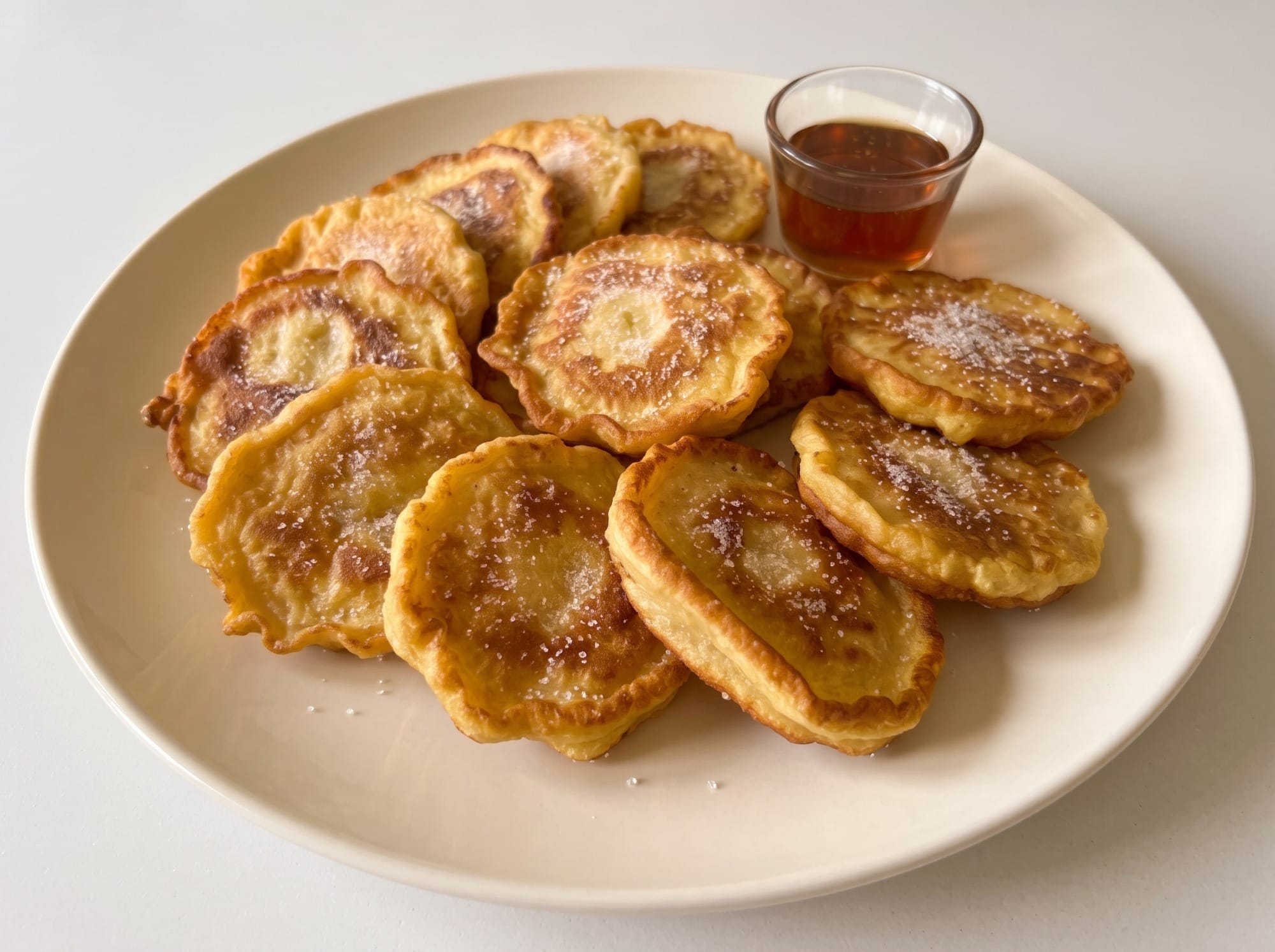
Corazones are associated with Liérganes, the village of the fish-man legend, and with the nearby area of La Cavada. It's a sweet you buy in its own village, and Liérganes has plenty of reasons for a relaxed visit: manor houses, a bridge over the Miera and streets you can walk in a morning. It's worth asking for them in the pastry shops of the old town and taking a few home for the way back. It is also the closest to Bareyo of the five destinations on this list, so it fits nicely into a short morning.
Palucos from Cabezón de la Sal
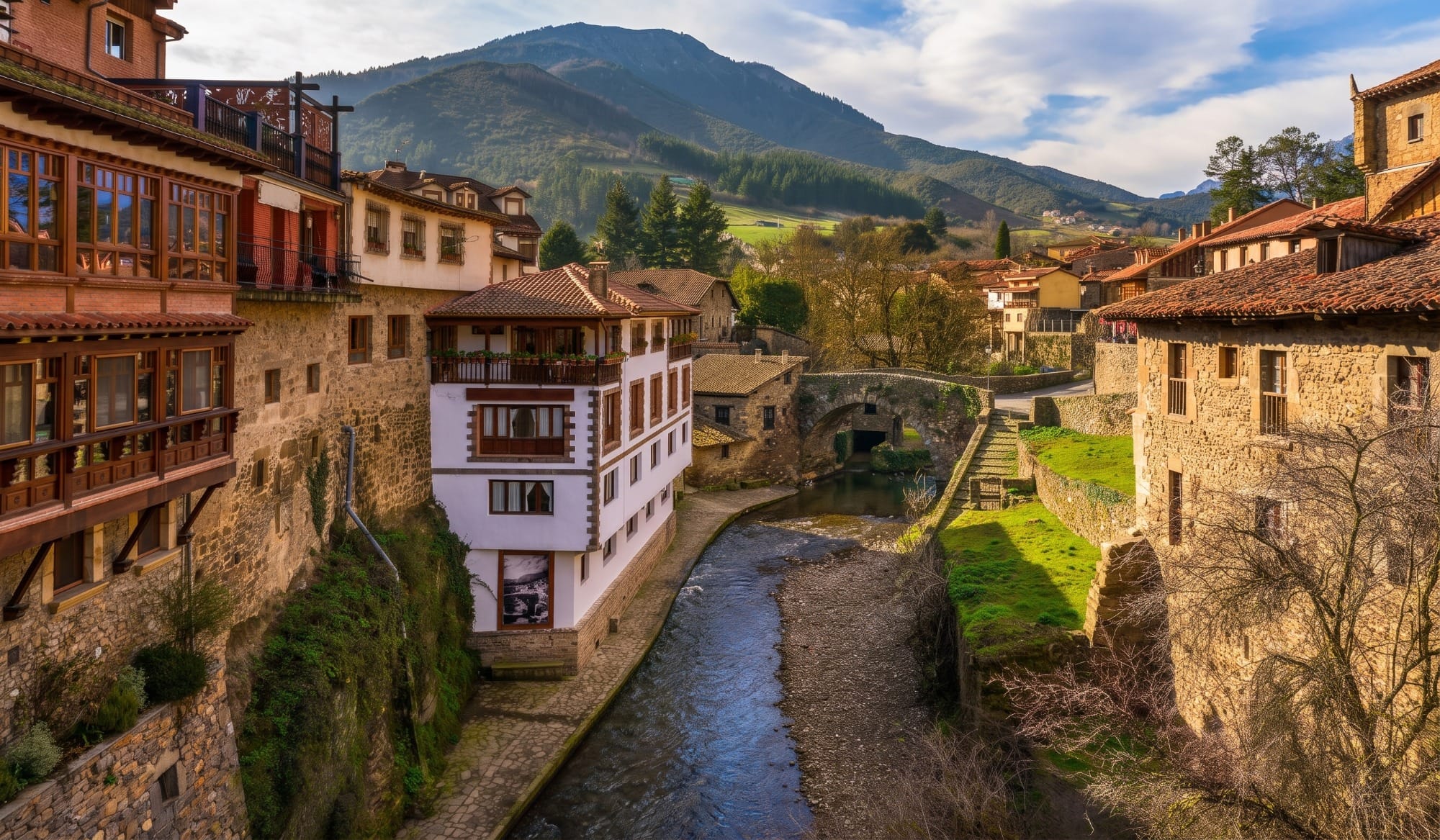
Cabezón de la Sal is the village of the palucos. It's also home to the Sequoia Park and to the Día de Cantabria festival, so if you go there are other reasons to stop besides the sweet. The paluco is a good excuse to stroll around the centre and buy something for the road. If you coincide with the festival, bear in mind that the village fills up and shops may change their opening hours.
Tortos and pantortillas from Reinosa
At the southern end of the region, in Reinosa and the Campoo district, you'll find tortos and pantortillas. It's a mountain area, far from the coast, so it's best to make the visit a full day: the old town, the Roman city of Julióbriga and the surroundings of the Ebro reservoir are enough to fill the day. The sweets, which you buy in the village itself, add a treat to a long outing. If you go in autumn or winter, check the weather first: in Campoo the cold arrives sooner and harder than on the coast, and it's wise to bring a coat.
How to plan a sweets route from Bareyo
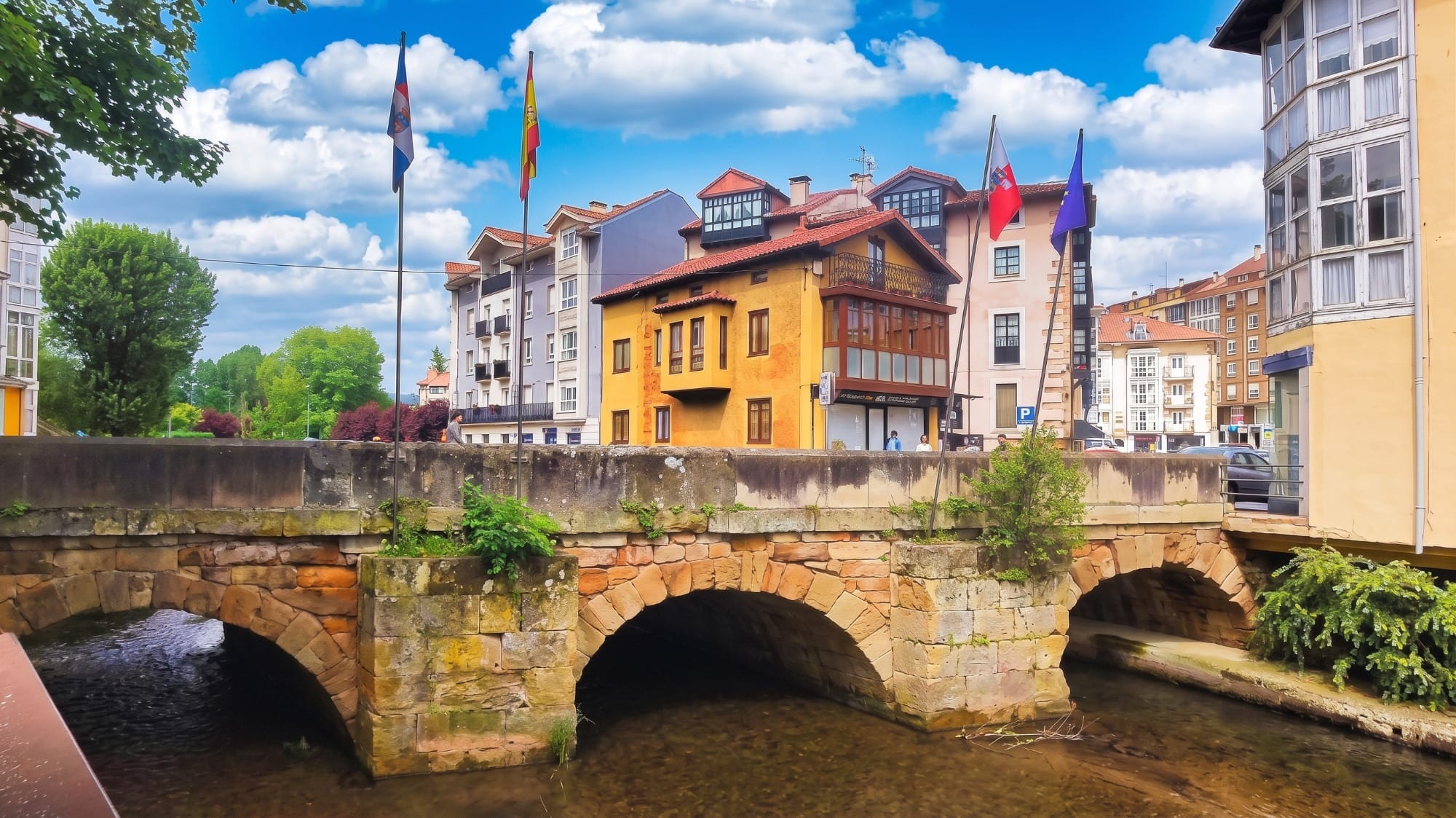
If you want to turn it into a plan, group by area. Liérganes and Cabezón de la Sal are in the central part of the region and can be combined in one day; Liébana and Campoo, because of the distance, each call for a day of their own. Set off early, start with the farthest village and leave the nearest for the way back. Bring a small cool box if you buy dairy products and book a place to eat nearby, because small bakeries don't always open at all hours.
What you need to know
None of these sweets is easy to find in just any pastry shop on the coast; the norm is to buy them in their village of origin. Bakeries change their hours and stock with the season and some close on public holidays, so it's best to call ahead. We don't give prices because they vary. Always ask about ingredients if you have allergies or intolerances. For an institutional reference on products and food routes, start with the Turismo de Cantabria website. Traditional Cantabrian sweets are better understood by going to their village than by buying them off a shelf.
«A sweet you can only find in its own village is a good reason to go there.»
An afternoon of sweets is a very good excuse to leave the coast and get to know villages that aren't on the beach circuit. From Bareyo Residences, any of these destinations fits into a day trip, and you come home with a box on the back seat. If you enjoyed this round-up, add our guide to the best pastry shops in Cantabria to your list.