Caricos are Cantabria's native red bean: a small, almost round bean that's very dark when dried, grown in family vegetable gardens all over the region. They're eaten stewed, after soaking overnight, with chorizo and a bit of pork. A spoon dish for autumn and winter.
In Cantabria, the most famous spoon dish is cocido montañés, with its white beans and cabbage. But in many homes across the region, when people talk about beans, the first one out of the pantry is a different one: the small, dark red bean everyone here calls carico.
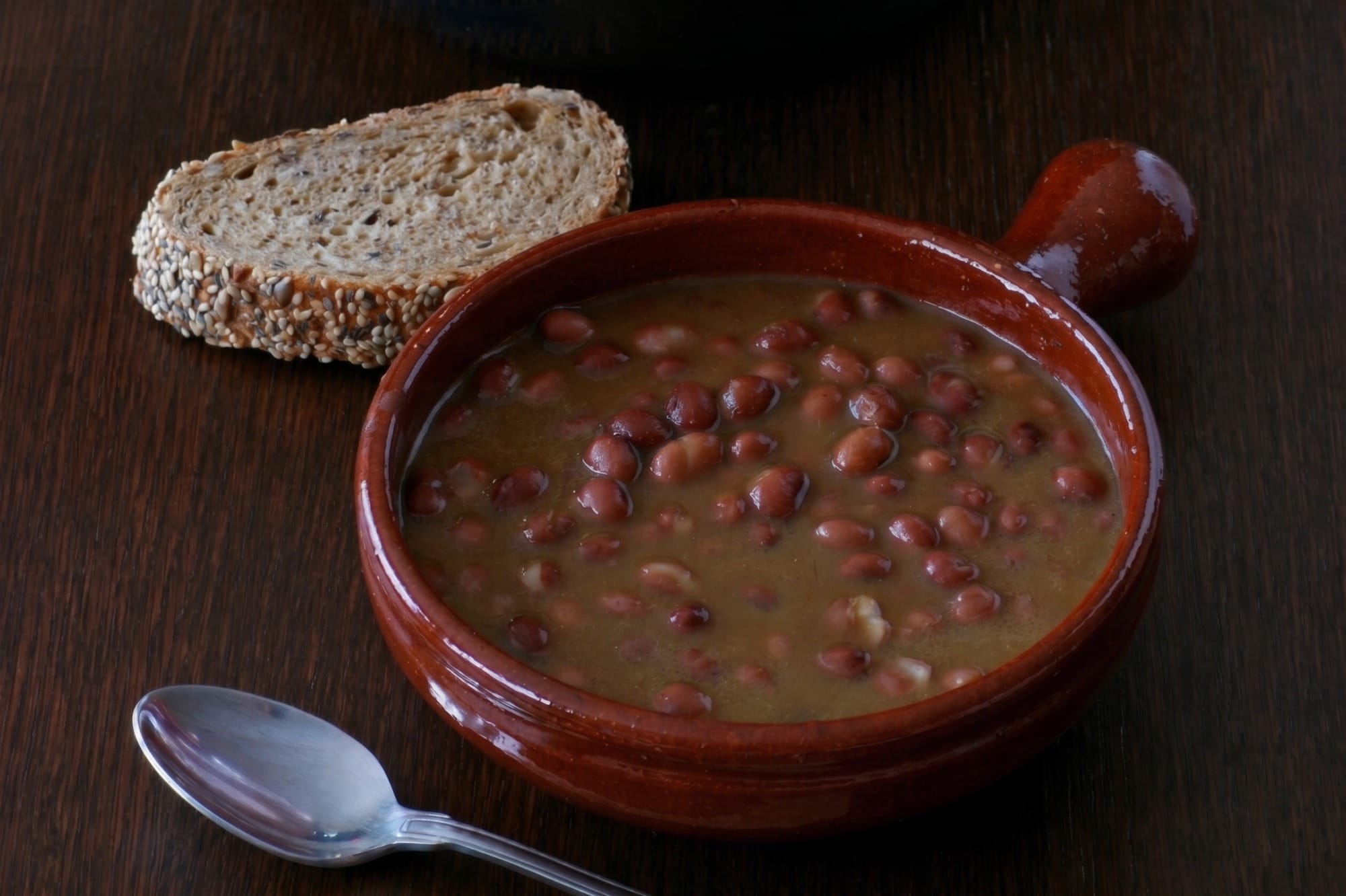
It's more of a vegetable-garden product than a market one. Turismo de Cantabria points out that the red bean is the native species and is planted in many family plots, so a good share of the caricos cooked in the region never go through a shop: they're sown, dried and stored at home for the winter.
Here we explain what they are, how they're cooked and where to find them. In every valley they'll tell you their recipe is the right one, but there are a few rules almost nobody argues with.
What caricos from Cantabria are and how they differ from other beans
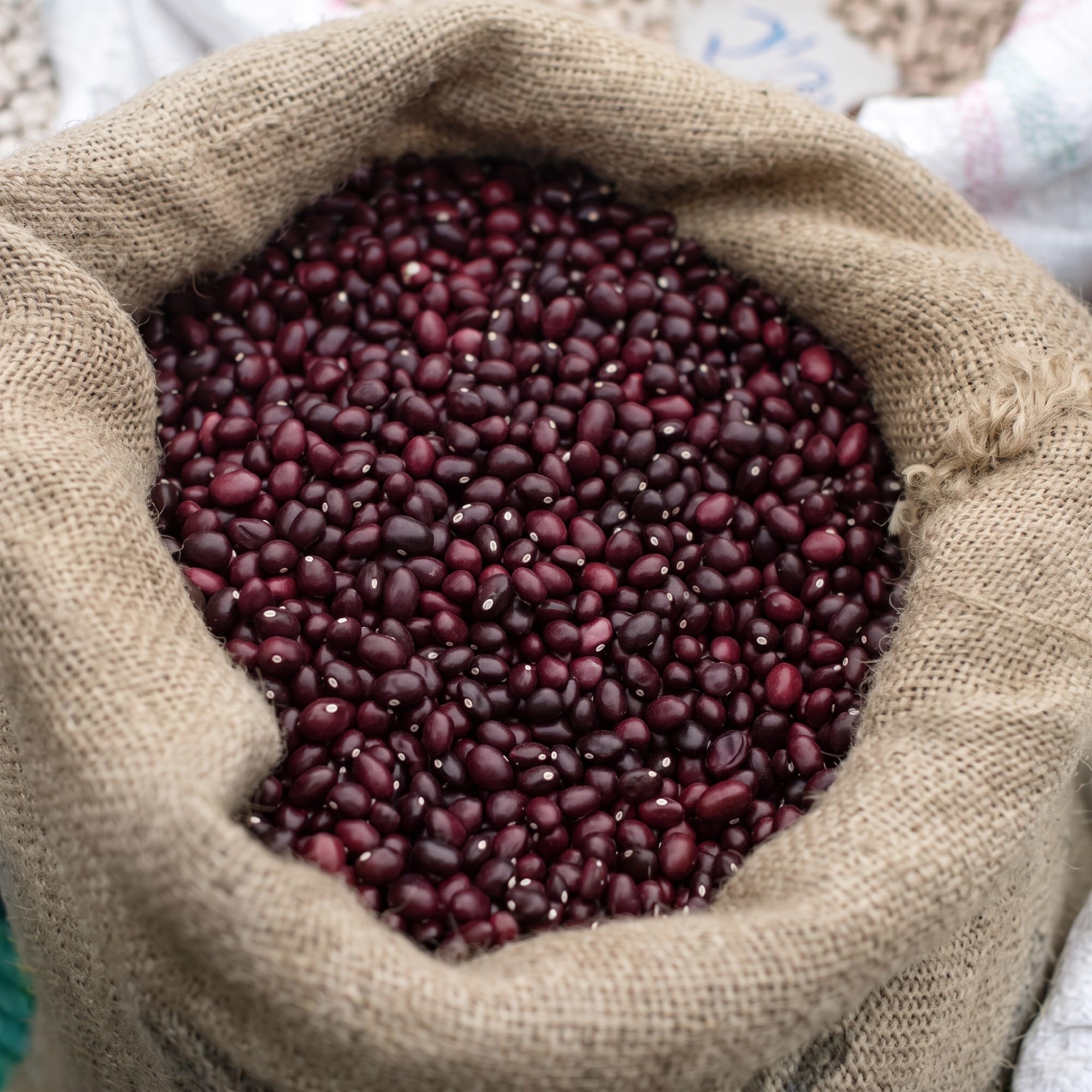
The carico is a small-grained red bean. Dried, it's very dark, somewhere between garnet and almost black, and nearly round; people seeing it for the first time tend to compare it to the Japanese azuki rather than to the big red kidney bean sold in any supermarket. Once cooked it changes completely: the skin turns thin and soft, and the inside becomes tender and creamy, to the point of thickening the broth without any flour or pounded garlic paste.
That texture is what sets it apart. Done well, the carico breaks down a little on the plate and gives a thick, dark stew. That's why it pays to be wary of packets that just say “red beans” without stating where they're from.
How caricos are cooked: the home recipe
The most common recipe is caricos estofados (stewed caricos). The first step is never skipped: soak the beans in cold water for about 12 hours, usually from the night before. Then they go on to cook, covered with cold water, together with a simple sofrito of onion, garlic and green pepper.
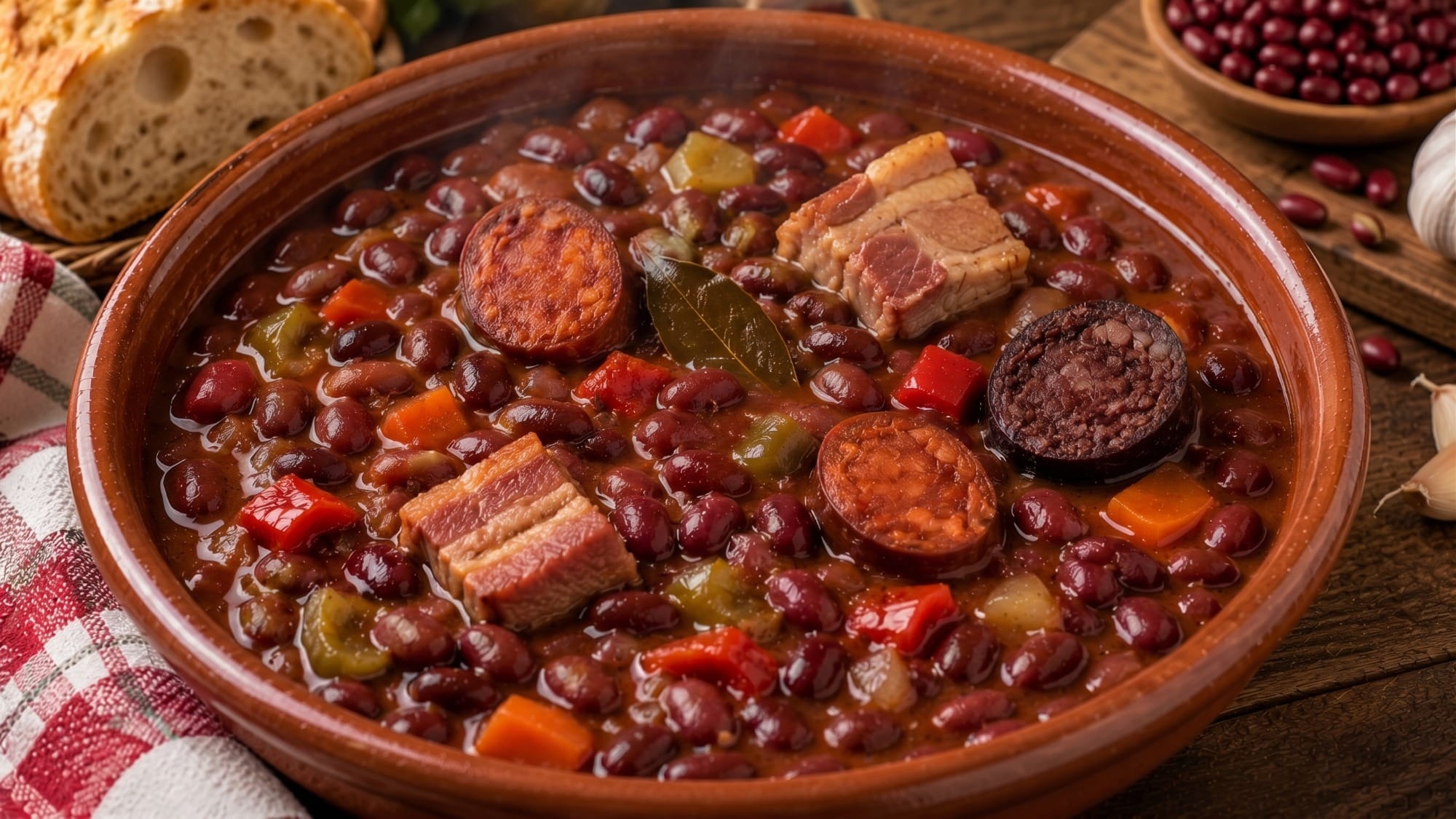
The most traditional way is to add chorizo and a little more pork, such as marinated ribs or a piece of ham. In many homes they “scare” the beans with a splash of cold water during cooking so the skins don't split, and the heat is kept low until the beans are tender. A pressure cooker cuts the time a lot, although purists swear by the traditional pot.
Like almost all bean stews, they get better overnight. If you make caricos at home, cook extra: the next day the broth will be thicker and the chorizo flavour will have spread through the whole dish.
Caricos and cocido montañés: red beans or white beans
This question comes up at every long Cantabrian lunch. The canonical version of cocido montañés has white beans, cabbage, salt pork, homemade chorizo, ribs and morcilla, all eaten together — unlike cocido lebaniego, which is served in courses. Even so, in many homes the carico goes into the cocido as an alternative to white beans, and the result is a darker, slightly denser dish.
There's no right answer. Cocido with white beans is what you'll find on most menus; caricos estofados, as a dish in their own right, turn up mainly on winter set lunch menus and in village casas de comidas.
Where to try caricos in Cantabria: fairs, contests and casas de comidas
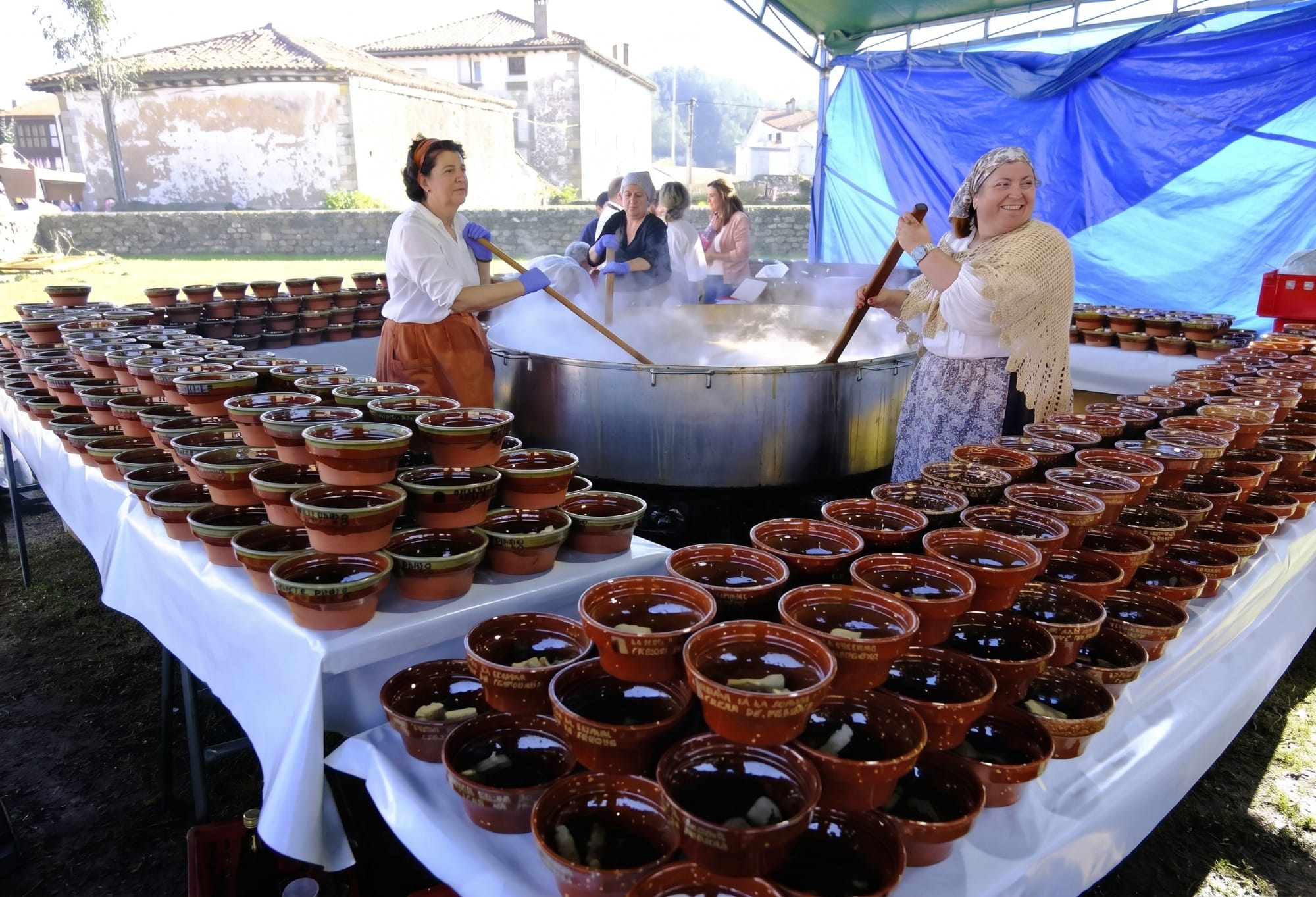
Being such a homegrown product, the best way to find them is to follow the calendar. The biggest event is the Feria de la Alubia y la Hortaliza in Casar de Periedo, in the municipality of Cabezón de la Sal, held every year in mid-November. It started in 2005 on the initiative of local residents, and its latest edition brought together around 160 producers and artisans, with pulses, vegetables, cheese, honey and cured meats made in Cantabria. It's the best place to buy freshly harvested caricos straight from the people who grow them.
Closer to Bareyo, in Secadura, in the municipality of Voto, a popular caricos contest is held during the Easter festivities: locals and groups of friends compete to cook the best pot, and the day also draws visitors from nearby villages.
Outside those dates, your best clue is the menú del día: in autumn and winter, that's where caricos most often appear among the starters. If you're still hungry for more spoon food, our guide to guisote de Cantabria and the olla ferroviaria takes you to another of the region's great winter dishes.
“The carico is sown in the vegetable garden, dried at home and stewed slowly: it's the bean Cantabria keeps for winter.”
Good to know
Caricos from Cantabria don't have a protected designation of origin, so the label guarantees nothing: if you want to take some home, buy them at fairs or from local producers, who'll tell you which harvest they're from. Look for small, dark, whole beans with no split skins.
At home, allow about 12 hours of soaking and slow cooking. In restaurants, look for them on set lunch menus from October to March; in summer they're hard to find on the menu. The Feria de la Alubia in Casar de Periedo falls in mid-November (dates for each edition to be confirmed with the town council) and the Secadura contest at Easter.
A plate of caricos after a rainy morning on the coast explains Cantabria better than any brochure. From Bareyo Residences, Trasmiera and the inland valleys are a short drive away, and the cooking in each town lets you do what people do here: buy caricos at a fair and stew them slowly.