The Isla pepper is the vegetable most closely tied to Trasmiera: it's grown in the village of Isla, in Arnuero, a short drive from Bareyo, and harvested at the end of summer. It's eaten fried, roasted or as «rabas de tierra», and the easiest way to try it is to order it in local restaurants while the season lasts.
When people talk about Cantabrian cooking, the sea almost always comes up: anchovies, bonito tuna, rabas. But a few kilometres from Bareyo, in the Trasmiera region, there's a garden product that locals defend with just as much pride, and that many visitors miss because they didn't know it existed.
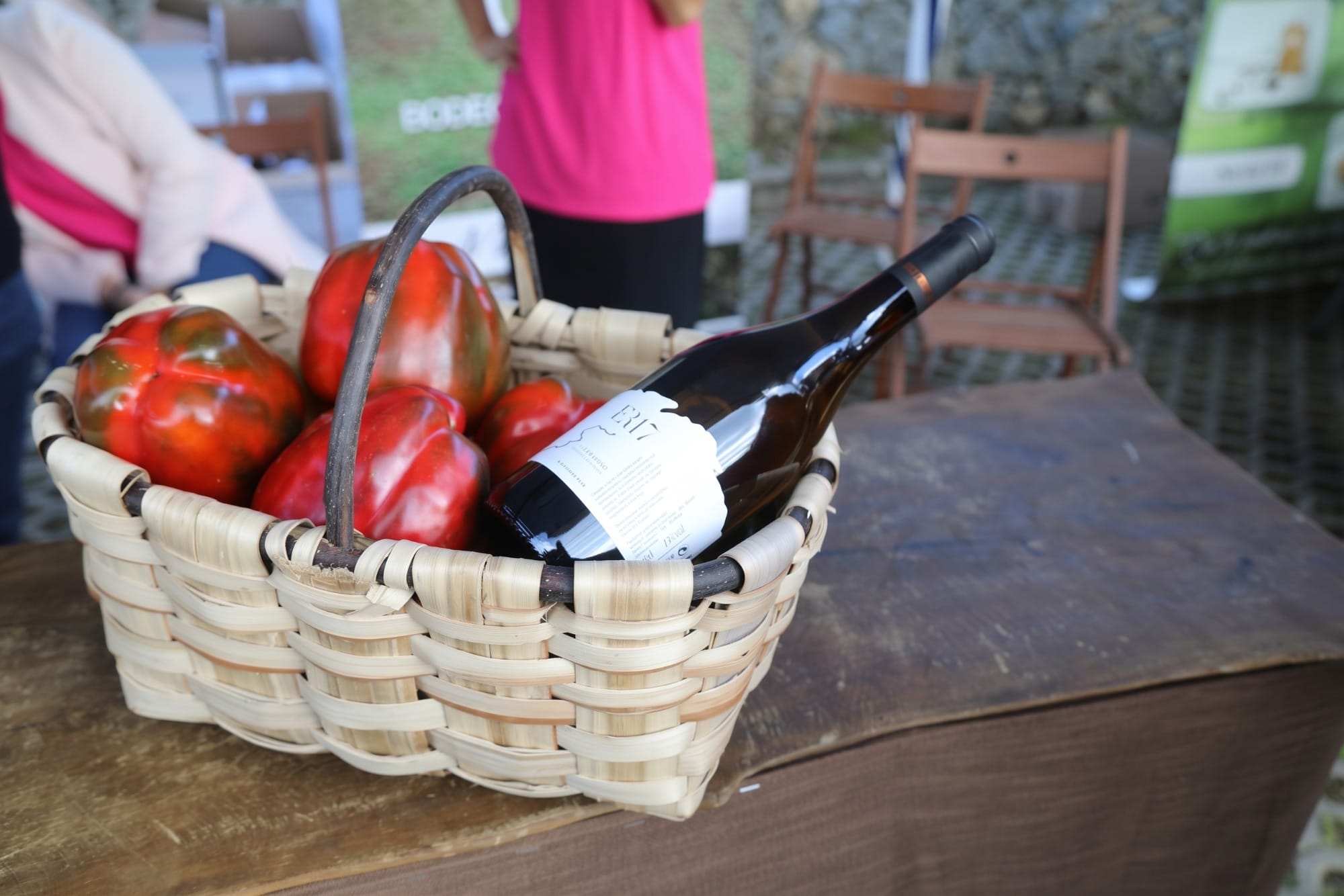
It's the Isla pepper. It doesn't have the fame of other products of the region, and perhaps that's why it tastes better here than on any menu elsewhere: barely processed, in season and cooked the way it has always been: with oil, salt and not much else. Here we tell you what it is, when you can find it and how to order it.
What Isla peppers are
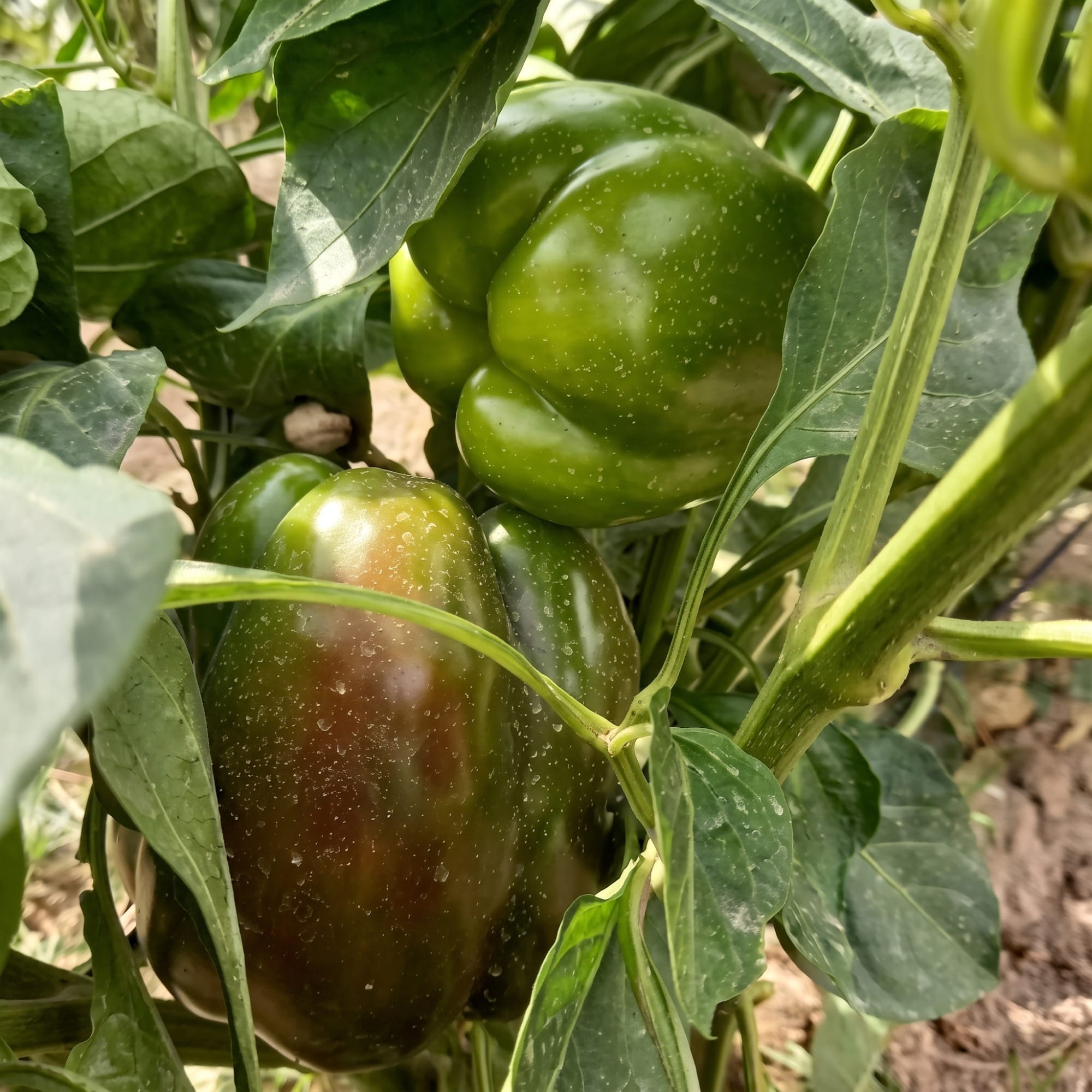
It may seem a minor detail, but where it comes from matters: an ordinary pepper isn't the same as one raised on this strip of coast. They have been grown in Trasmiera for centuries, right by the sea, and that closeness to the Cantabrian is what locals point to as the source of their character: large peppers with thick flesh and a sweet flavour, far from the watery greenhouse pepper. Isla is a village in the municipality of Arnuero, a neighbour of Bareyo, and much of the tradition of this crop is concentrated there. In the area, the Ecoparque de Trasmiera is part of that market-garden landscape. It's a flat, open landscape, where the gardens sit alongside the estuaries and the villages of the region, and it's easy to explore by bike or on foot if the weather helps.
When is the Isla pepper season
The harvest arrives at the end of summer and runs into the first weeks of autumn. September is the month when most of the activity happens: it's when the fair dedicated to the product is held in Isla and when restaurants in Arnuero put together menus where the pepper is the star. Dates change every year, so check the agenda of the Arnuero town council before planning your visit. If you go on those dates, book ahead at the participating restaurants, because they're the busiest days of the year in the village. After that peak, availability depends on each kitchen and on what's left in the gardens, so in October you can still find it but can no longer count on it.
How they're eaten: fried, roasted and rabas de tierra
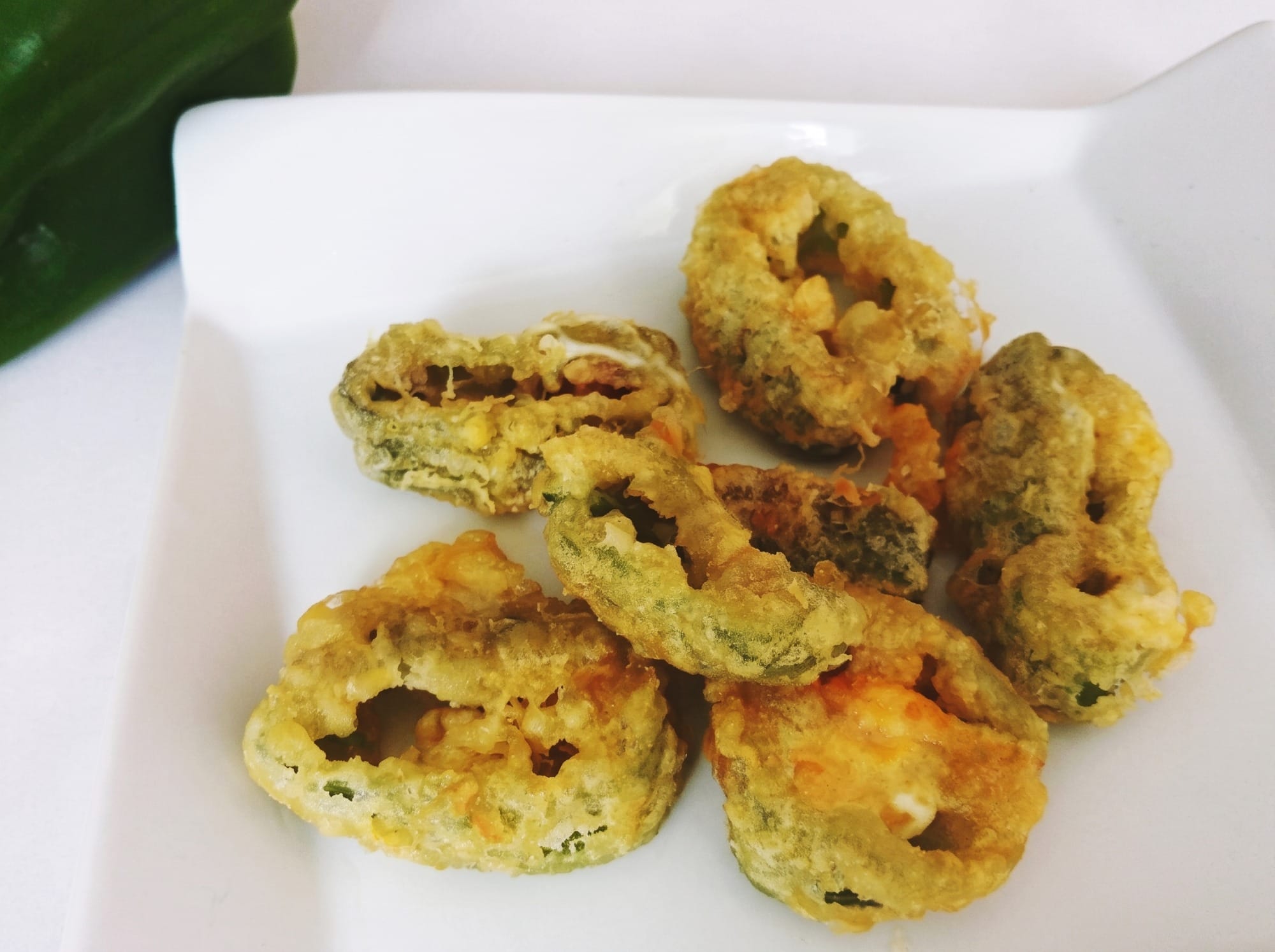
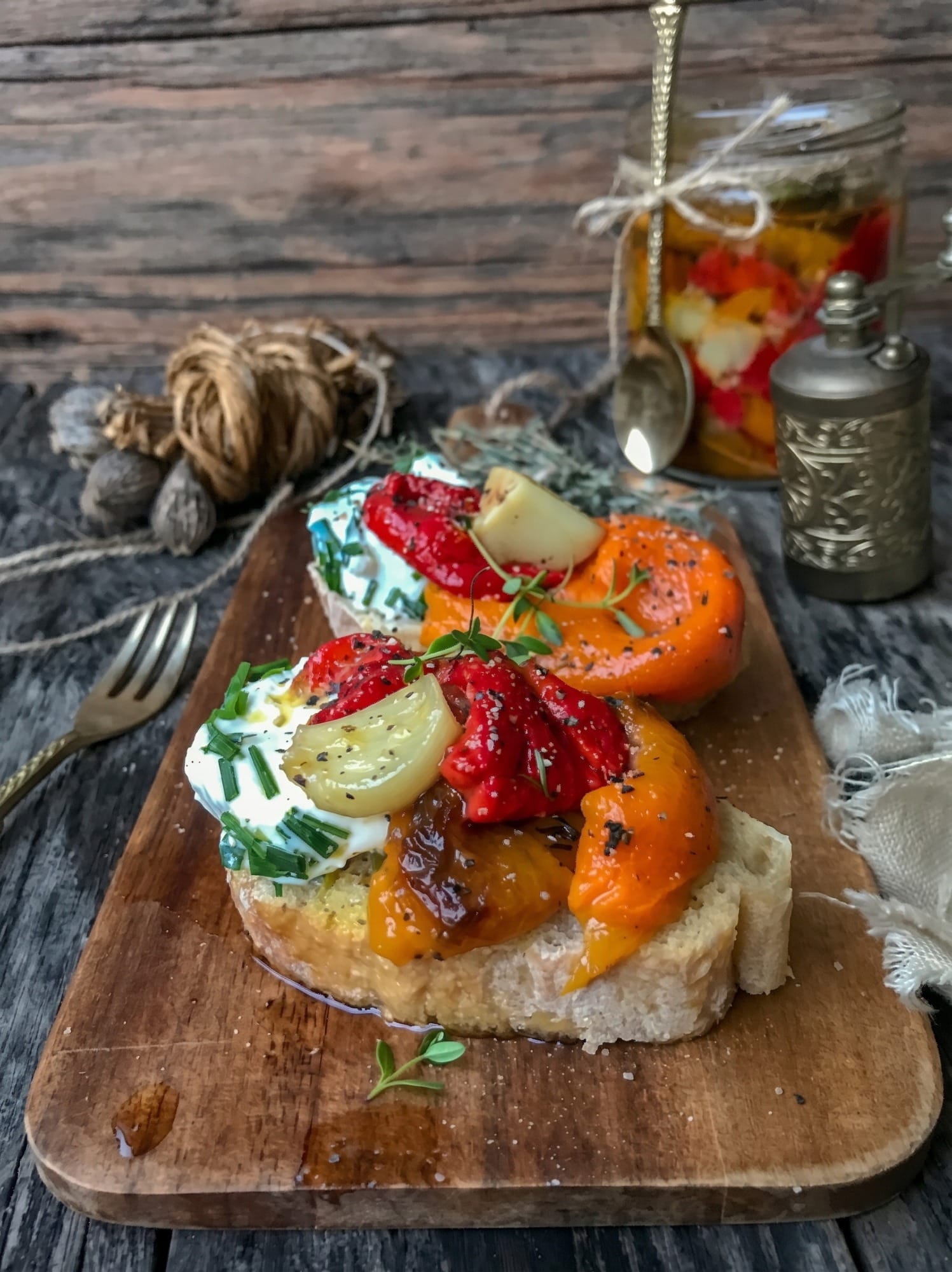
The easiest preparation to recognise is rabas de tierra: the pepper, cut into strips, dusted in flour and fried, with the same idea as squid rabas but with the sweetness of the garden. Roasted, with olive oil and a pinch of salt, it's perhaps the way that lets the product speak best. It's also stuffed, for example with meat or fish, and its thick flesh stands up to the heat without falling apart, so it goes well with grilled fish and meat. A very local and less obvious combination is to serve it alongside northern bonito, when they overlap on menus at the end of summer.
Where to try them and where to look near Bareyo
The safest bet is to ask in restaurants in Arnuero and the surrounding villages whether they have Isla pepper on the menu, because not all of them offer it all year. If you'd rather cook it yourself at the villa, it's worth asking about the product at local market gardens and at the weekly markets near Bareyo. When it coincides with the end of the beach season, it's also easy to combine it with a morning walk along the coast and a relaxed lunch in the area. Always ask about the origin: what's sold under that name should come from Isla, and whoever grows it will be able to tell you.
What you need to know
- Origin: Isla, in the municipality of Arnuero, next to Bareyo.
- Season: end of summer and start of autumn, with September as the peak month.
- To try it: rabas de tierra, roasted or stuffed peppers.
- Before you go: check the town council's agenda, because the fair dates vary.
- If you buy it: ask about the origin of the product and whether it's from the current harvest.
«The Isla pepper doesn't show off: it's cooked, fried and eaten, and that's enough.»
Between beach and trail, ending the day with a plate of Trasmiera garden produce is one of those local habits you appreciate more the longer you spend in the area. Villa Camino and Villa Monte, the villas of Bareyo Residences, are a few minutes from where it's grown, in the same corner of the Cantabrian coast that gives this product its name, and from there you can reach Isla on a short walk.