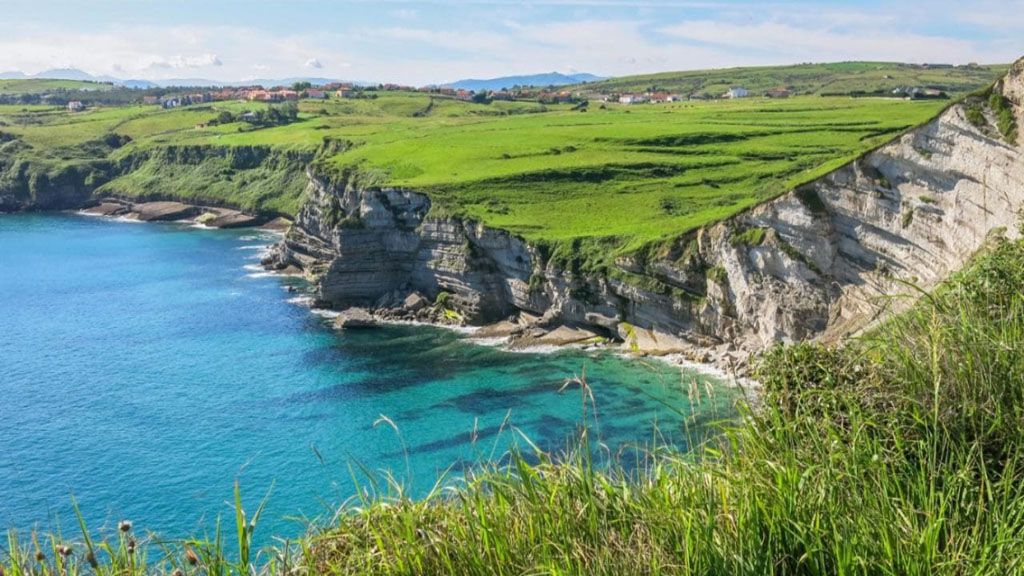
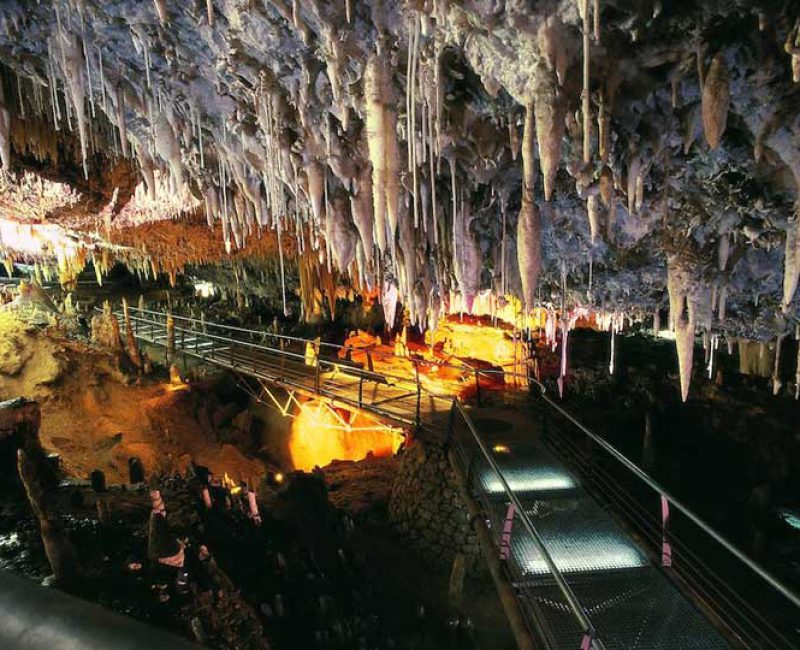
Santoña can be seen in a day: the Caballo Lighthouse and its more than 700 steps carved into Monte Buciero, three historic forts, the Santoña Marshes — the largest wetland in northern Spain — and the fishing port with the church of Santa María del Puerto. It's about 30 minutes by car from Bareyo.
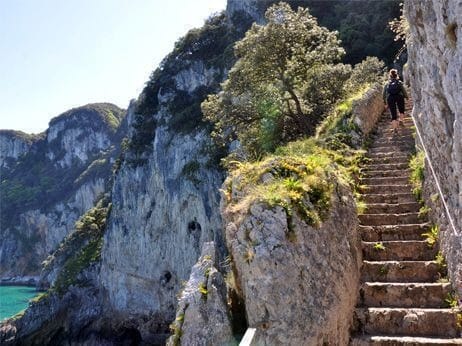
The first time you climb the steps up to the Caballo Lighthouse, almost no one makes it to the top without stopping a couple of times. There are more than 700 steps cut into the rock of Monte Buciero, and the reward — open views over the Cantabrian Sea with the fishing village at your feet — explains why Santoña has earned a reputation as a destination that surprises anyone expecting no more than a quick stop on the way to another beach.
Less than half an hour from Bareyo, Santoña packs an unusual combination into a small space: 19th-century cliffs and military forts, a port still alive with anchovy fishing, and one of Spain's most important wetlands right at the edge of the village. You can cover it all in a morning or stretch it into a full day by adding a walk through the marshes.
The Caballo Lighthouse and the cliffs of Monte Buciero
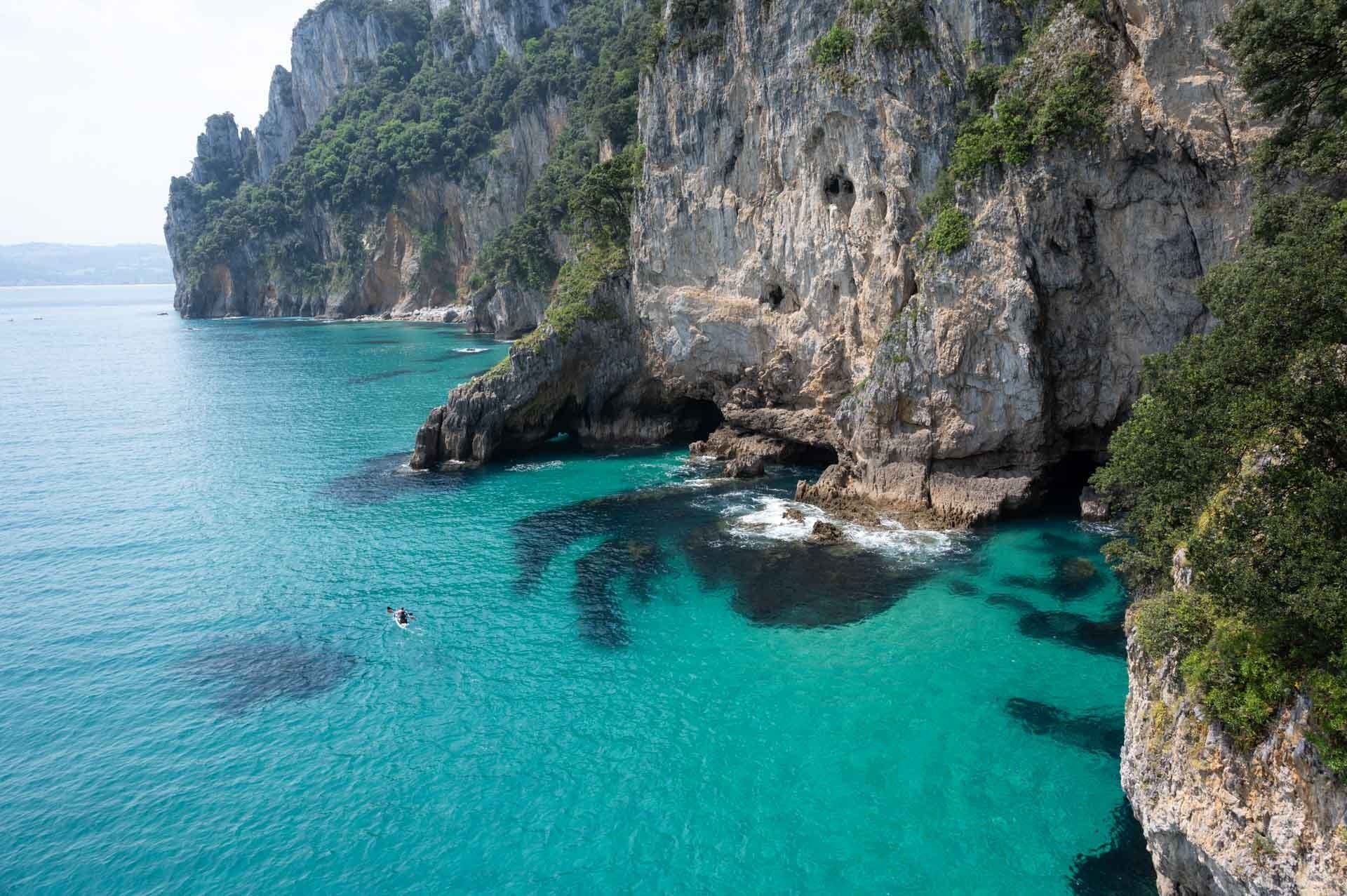
The Caballo Lighthouse, built in 1863, no longer works as one, but it's still Santoña's most photographed viewpoint. Getting there means going down — and then back up — a stone staircase carved into the cliff, with more than 700 steps descending to a rocky outcrop battered by the Cantabrian Sea. The climb is demanding and there's almost no shade along the way, so it's best avoided in the middle of the day when the sun is strong, and worth bringing water if you're going with children. Halfway up, the best views open over the bay and over Monte Buciero itself, one of the few stretches of Cantabrian coast where the cliff drops so sharply into the sea.
The three forts that defended the bay of Santoña
Santoña was a stronghold for centuries thanks to its strategic position at the mouth of the bay, and three structures remain from that defensive role that can all be visited in the same afternoon. Fuerte de San Martín, at the end of the seafront promenade, is the most accessible and the one that best preserves its original layout. Fuerte de San Carlos, closer to the harbour mouth, controlled ships entering the port. And Fuerte del Mazo, also known as Napoleon's fort for dating from the French occupation, crowns Monte Buciero and offers the most complete panorama of the whole area: the bay, the village and, on clear days, the coast as far as Laredo.
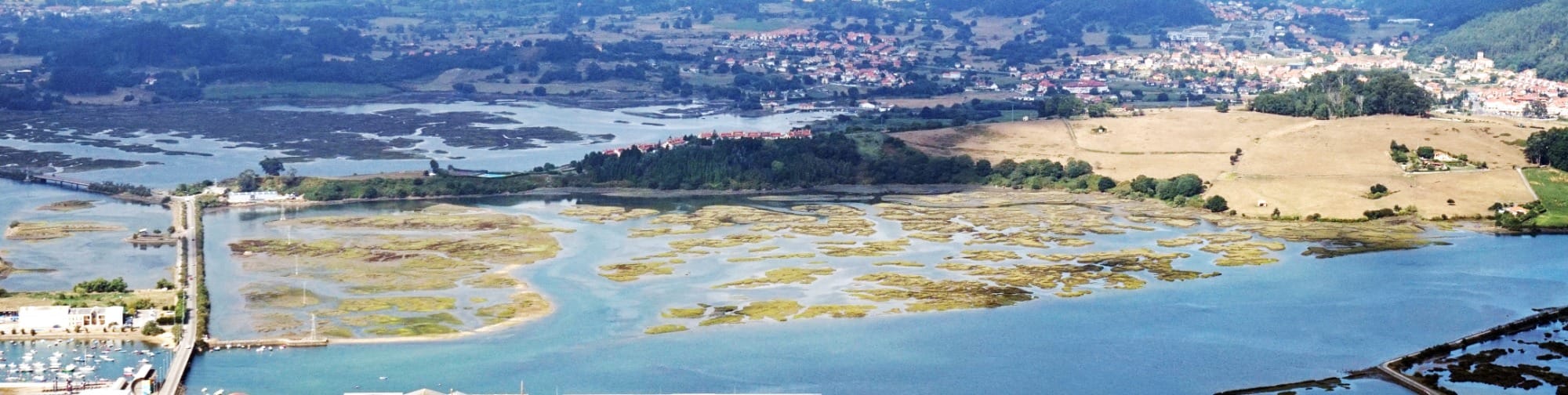
The Santoña Marshes, the great wetland of the north
At the foot of the village lies the Santoña, Victoria and Joyel Marshes Natural Park, more than 4,000 hectares of estuary that make up the largest wetland on the Cantabrian coast and one of Spain's biodiversity hotspots, with over 20,000 recorded birds from around 120 different species. The most popular route follows the dikes of the Bengoa marsh, north of the town centre, well signposted and suitable for the whole family. September and October are a good time to visit: they coincide with part of the migration season and the arrival of the first wintering waders. If you want to go deeper into which species you can see and when, our guide to bird-watching in the Santoña Marshes covers it in detail.
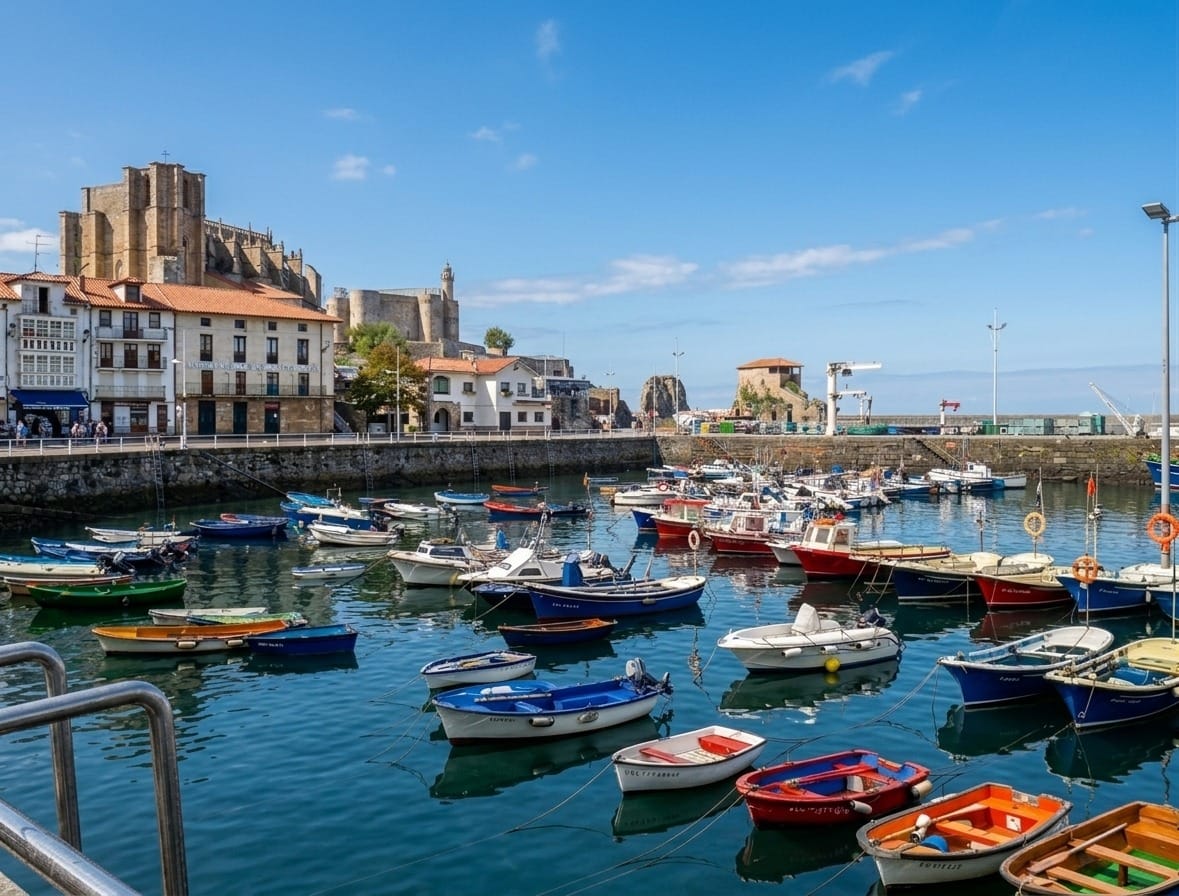
The port of Santoña, the church of Santa María del Puerto and the old town
Santoña's port remains one of Cantabria's busiest for anchovy and tuna fishing, and walking through its fish market and nearby streets — with the Palacio de los Duques de Santoña and the Palacio de los Marqueses de Chiloeches as landmarks — gives a sense of how commercially important the village once was. A few steps away, the church of Santa María del Puerto, of proto-Gothic origin and dating from the 13th century, is the oldest religious building in the town and deserves a stop even if a brief one. The old town can be walked unhurried in a little over an hour, with stops to browse the canning factories and buy anchovies directly from one of the village's producers.
What you need to know
From Bareyo, Santoña is about 30 minutes away via the N-634 and CA-141. There's free parking by the port and near the seafront promenade, though it's worth arriving early on summer weekends. All three forts can be visited freely and for free from the outside; for guided activities in the marshes, the Interpretation Centre, in the El Mirador de las Marismas building at the port, handles bookings on 942 67 17 24. The Caballo Lighthouse steps have no time restrictions, but they aren't suitable for wheelchairs or prams because of the slope and uneven stone surface. If you're eating out, the port has several seafood restaurants and anchovy bars with good value for money.
«Few villages in Cantabria pack a lighthouse, three forts and one of Europe's most important wetlands into such a small space»
Santoña sums up what this part of Cantabria has to offer: military history, protected nature and a working port life that's still real, not staged for tourists. It's one of those places we recommend without hesitation to anyone staying at Bareyo Residences who wants something different from a beach day, precisely because it's right on the doorstep and can be combined with any other plan along the Trasmiera coast. When Villa Camino and Villa Monte open in September 2027, Santoña will be one of the first excursions we suggest to our guests.