The Royal Artillery Factory of La Cavada, in Riotuerto, cast iron cannons for the Spanish Navy from the 17th to the 19th century. Today you can visit its museum, the Arch of Carlos III that once marked the entrance to the site, and the remains of the factory, listed as a Bien de Interés Cultural (a protected heritage site). It's about 35 minutes from Bareyo.
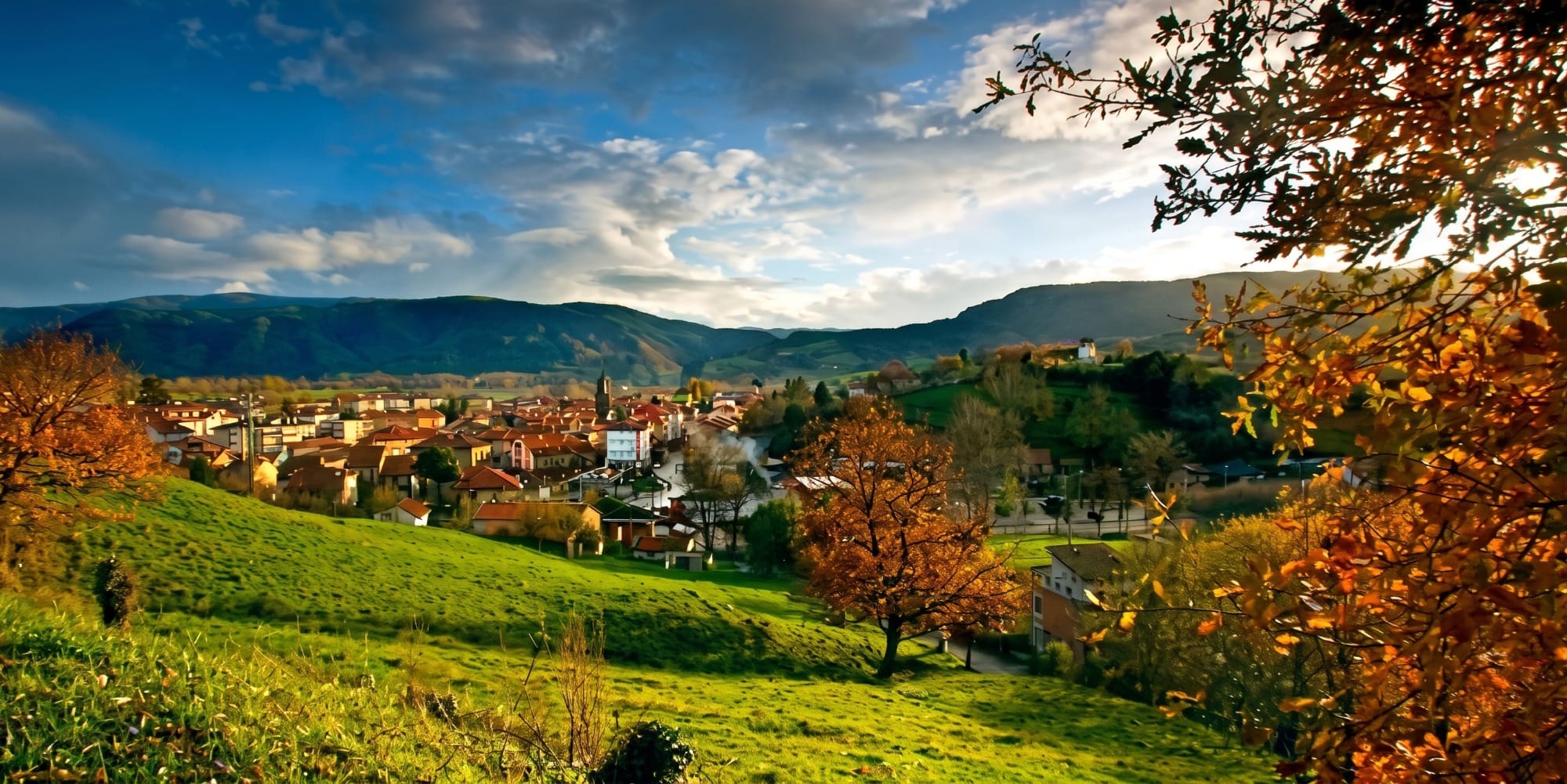
In the Miera valley, a stone's throw from Liérganes, there's a village that worked for the king for almost two centuries. Its furnaces turned out thousands of cast-iron artillery pieces that ended up on Navy warships and in fortifications across half an empire. The industry died out long ago, but it left a trail you can still read in the layout of La Cavada: a monumental arch in the middle of a park, stretches of the old perimeter wall, workers' houses and a small museum that makes the most of every inch.
It's a good fit for the colder months: the museum is indoors, the outdoor route is short and flat, and Liérganes is about 3 km away. You don't need to be a military history buff. The story here is how a rural valley became one of the first iron and steel complexes in Spain.
History of the Royal Artillery Factory of La Cavada
It all began in Liérganes in the early 17th century, when the Flemish entrepreneur Jean Curtius built the first blast furnaces there, with technicians brought in from northern Europe. The date most often given for the La Cavada factory is 1622, although sources disagree and some push it back to the following decade. What's clear is why they chose the spot: plenty of forest to make charcoal, iron ore in the nearby hills, the river Miera to drive bellows and trip hammers, and a reasonably short route to the sea.
The two factories ended up working as a single complex under the control of the Crown, with several blast furnaces split between the two villages. Their star product was cast-iron cannons, cheaper than bronze ones, which were test-fired right here before being shipped to the arsenals. Decline came as the forests ran out, other foundries competed and the wars of the early 19th century took their toll. Liérganes closed in the late 18th century and La Cavada stopped production in the first half of the 19th; the most common version puts the end in 1835, after a flood on the Miera wrecked the dams that powered the machinery.
The Arch of Carlos III, the gateway to the site
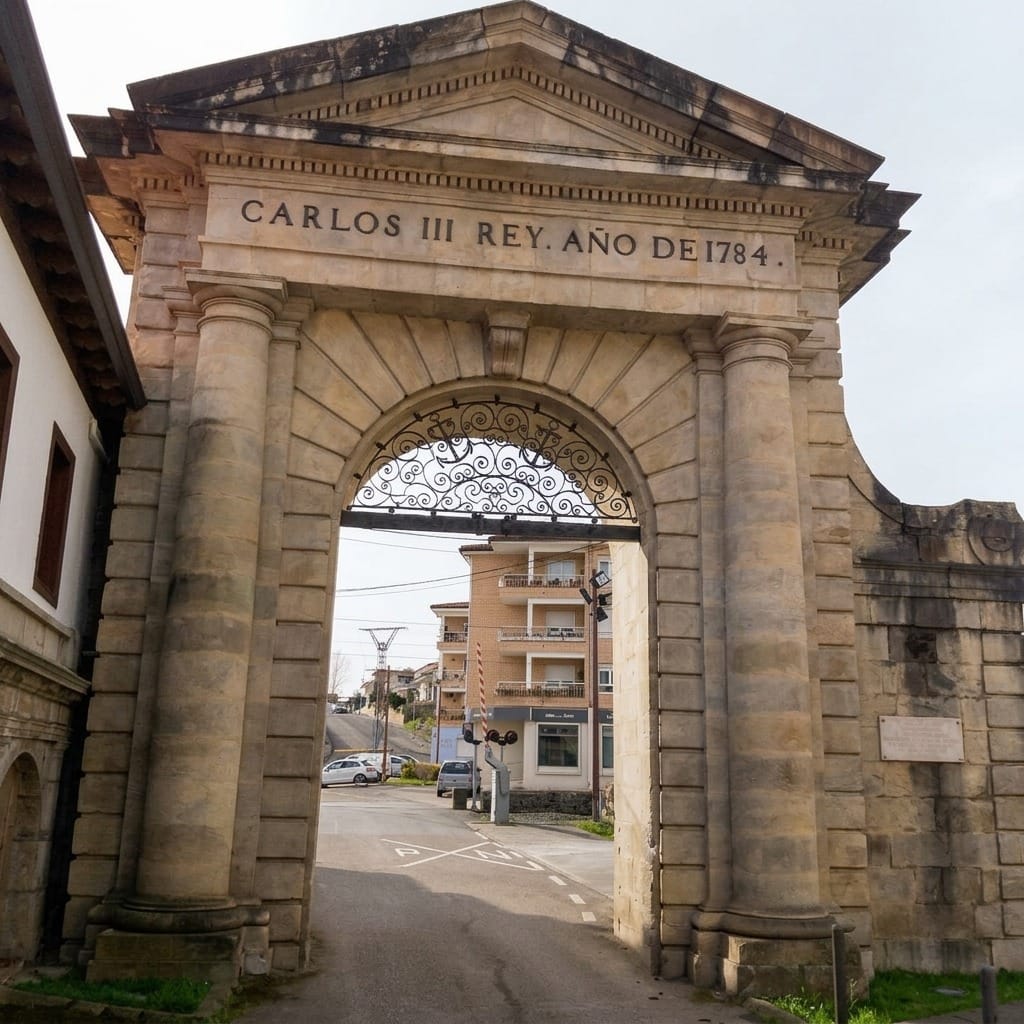
The Arch of Carlos III is the image everyone associates with La Cavada. It's a Baroque stone arch built between 1783 and 1784, attributed to the architect Francisco de Salcines, and it served as the grand entrance to the factory site. Today it stands in the park named after the king, surrounded by lawn. The park is also the natural starting point for exploring what's left of the factory.
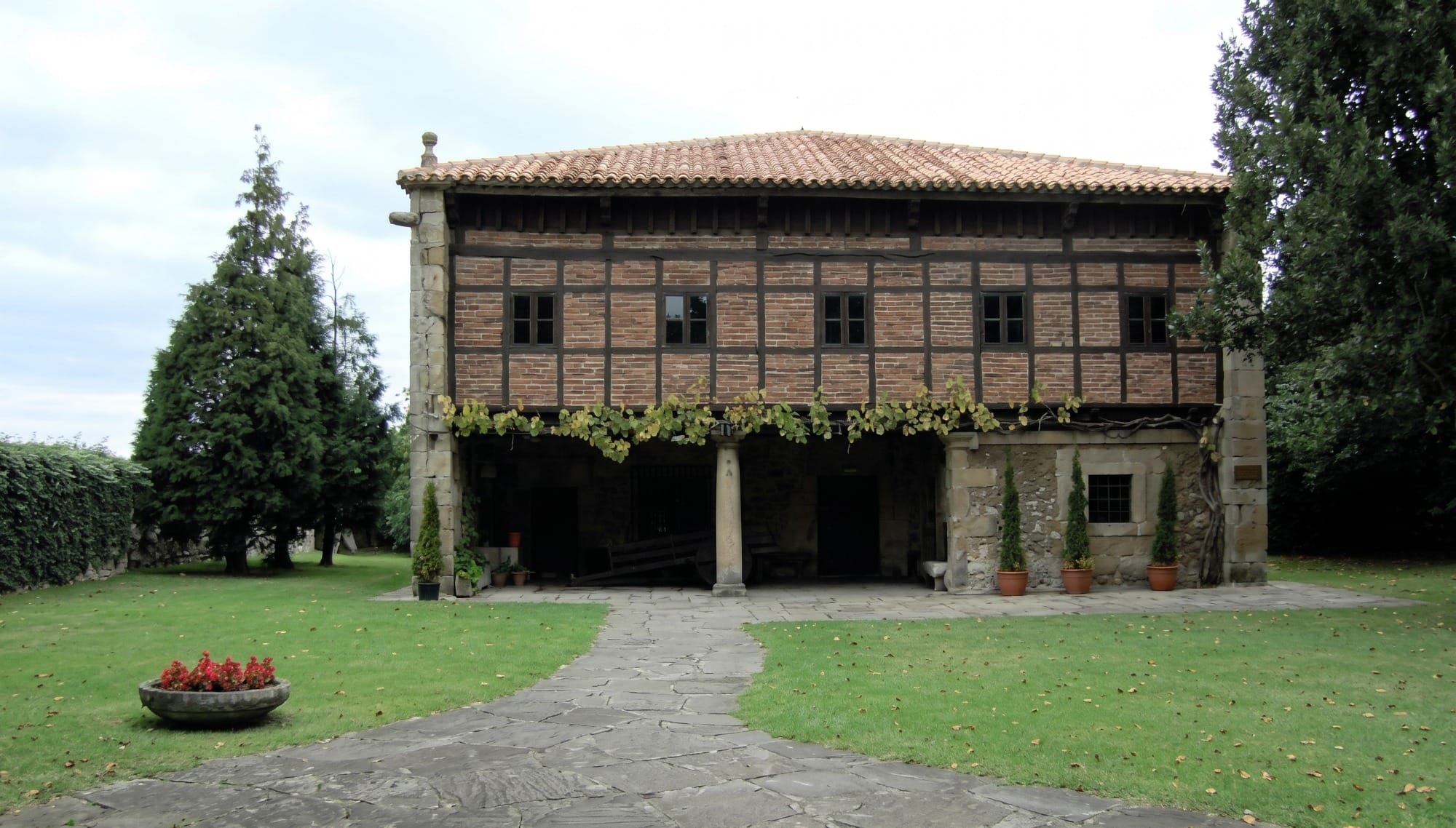
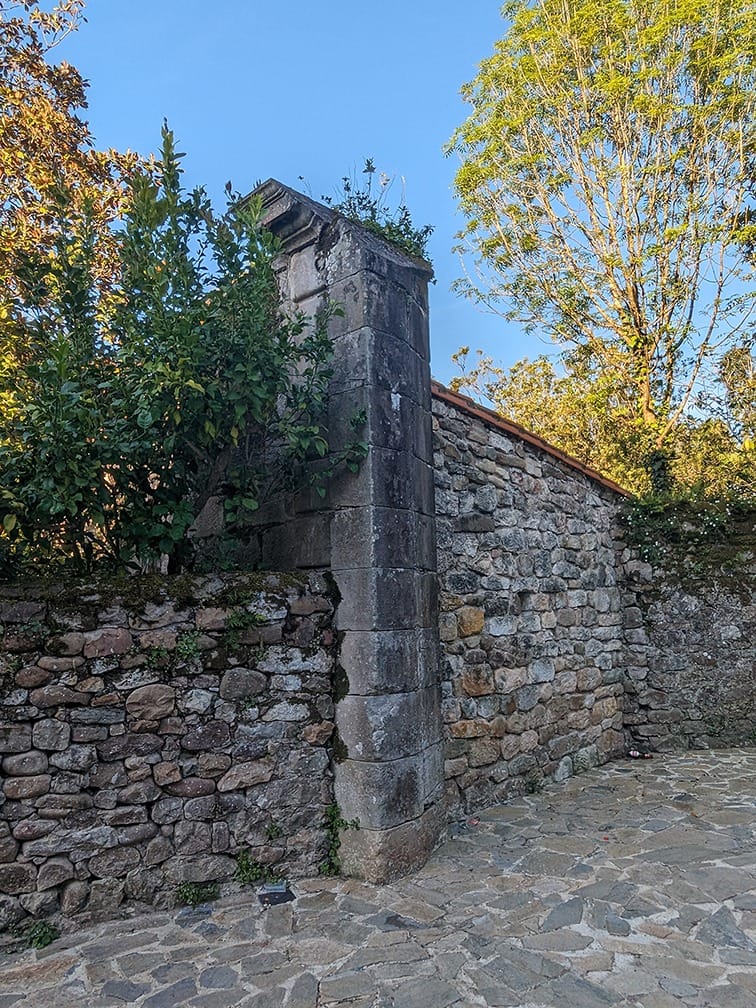
Around it, the old site still has remains of the wall that enclosed it, the chapel, traces of the smelting furnaces and the houses of managers and workers. In 2004 the whole complex was declared a Bien de Interés Cultural in the cultural site category, as set out in the resolution published in the BOE, Spain's official state gazette. Many of the remains are woven into the village, between houses and fields: the best way to see them is to wander at an easy pace.
What to see at the Royal Artillery Factory Museum of La Cavada
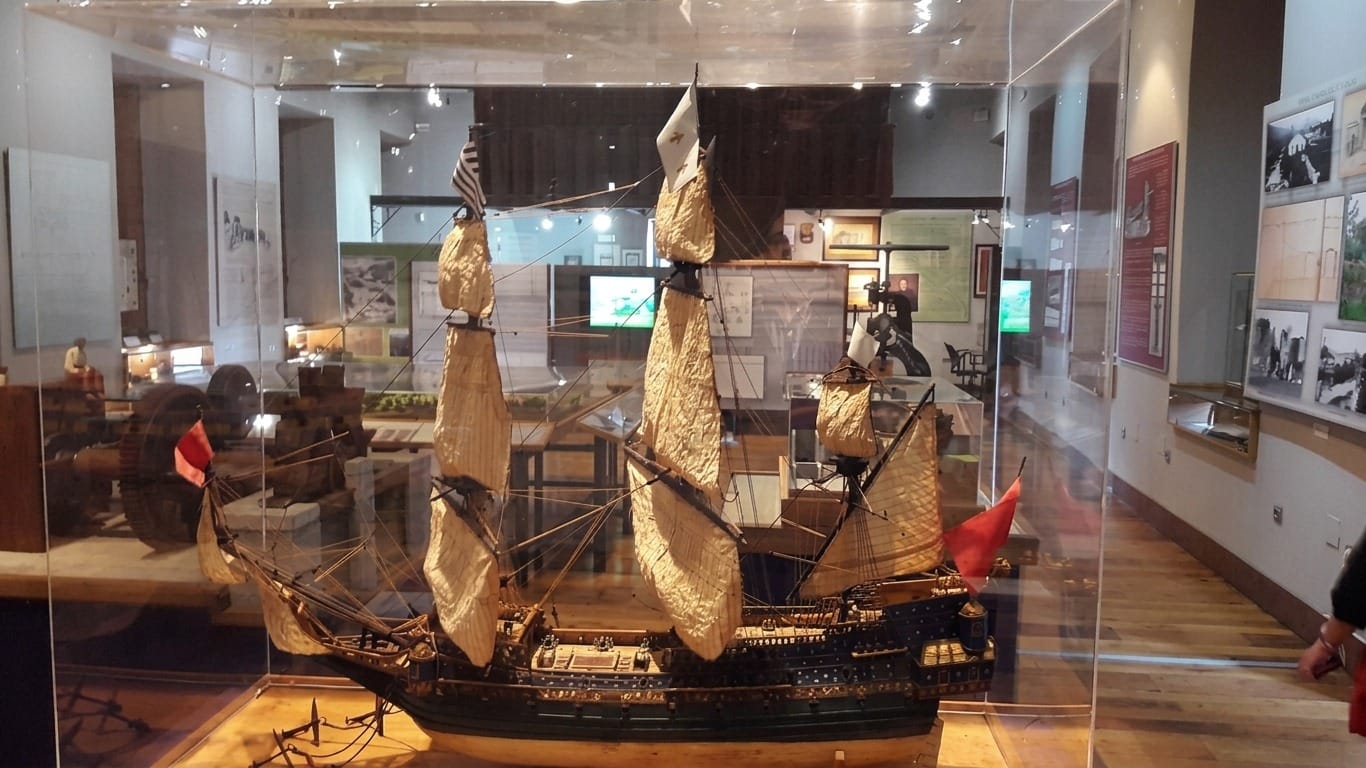
The museum is in a building on calle Leopoldo y Josefa del Valle and is backed by a friends' association. Its collection mixes original pieces from the factory itself with explanatory material: models of the installations and of ships from the period, noble coats of arms from the valley and panels that walk you through the whole process, from mining the ore and making charcoal in the hills to moulding and testing the cannons.
Among the pieces that stand out are a 48-pounder muzzle-loading cannon cast at La Cavada and an 18th-century frigate anchor. Standing in front of them, you get a sense of the scale of the work: pieces weighing several tonnes that had to be moved with nothing but oxen, carts and the estuary. The visit takes around an hour and works well with children too, because the models help you picture the smoke and noise the valley must have had.
How to combine La Cavada with Liérganes
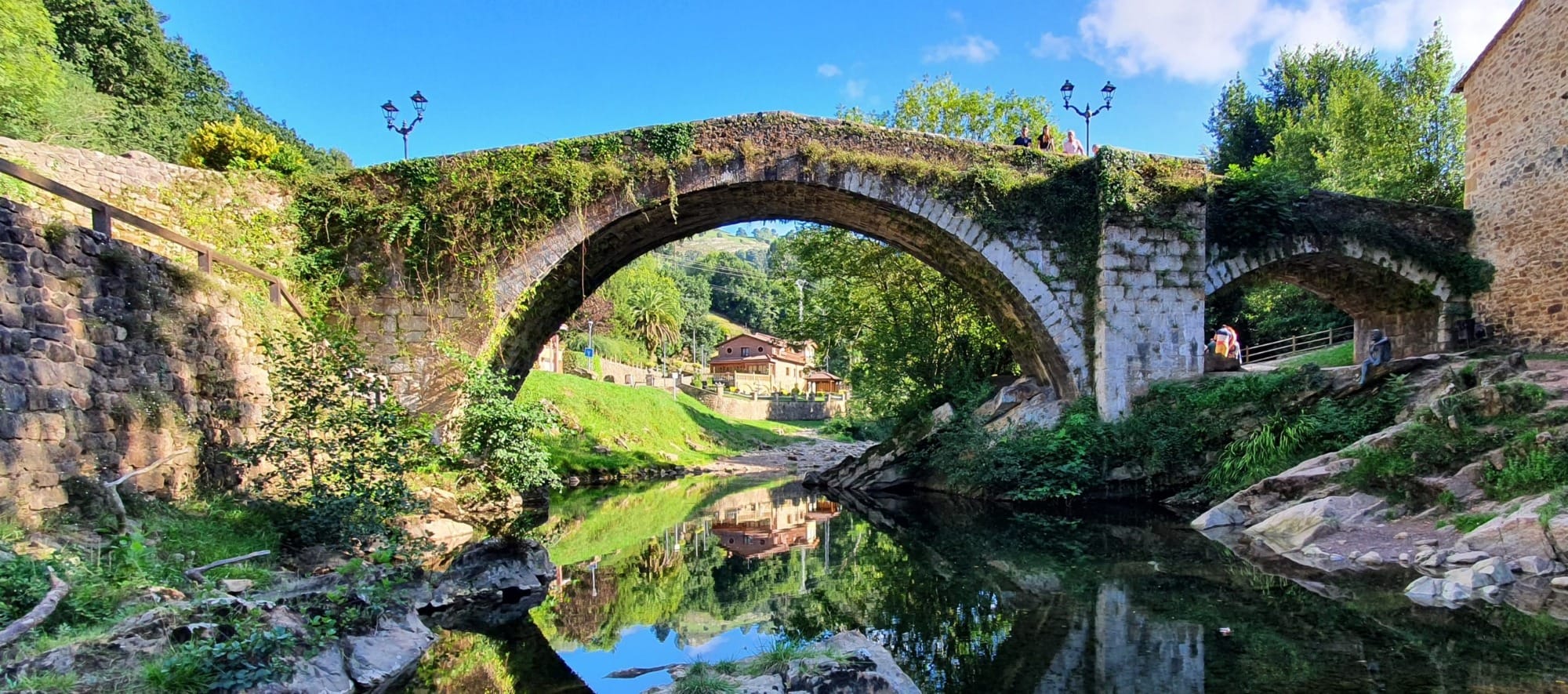
Liérganes is so close that it makes sense to pair the two visits. That's where the valley's iron-making story began, and where you'll still find the grand houses built by the people who grew rich from it. A good plan is to see the museum and the arch in the morning, have lunch in Liérganes and then stroll around El Mercadillo and the Puente Mayor. And if you enjoyed our guide to the sacristanes of Liérganes, now's the time to stop at one of the village's pastry shops: local tradition links that puff pastry to the Flemish families who came to work in these factories.
Good to know
Location: La Cavada, in the municipality of Riotuerto, in the Miera valley. From Bareyo: about 30 km, roughly 35 minutes by car via Hoznayo. Museum opening hours: the latest published information says it opens Tuesday to Sunday, from 11:00 to 14:00 and from 17:00 to 20:00, and closes on Mondays; check before you go by calling 942 539 412. Admission: token prices, around 3 euros for adults, with discounts for pensioners and under-14s, according to the latest published information. Guided tours: in summer, the museum's friends' association usually runs free tours of the site starting from the Arch of Carlos III. You can explore the outside freely, on flat ground.
“From this valley of meadows came the iron cannons that defended ships and fortresses across half the world.”
La Cavada is one of those places that changes the way you look at the Cantabrian landscape: behind the meadows and woods of the Miera there were furnaces, charcoal burners and founders for two hundred years. From Bareyo it's a short trip for a grey morning, the kind that leaves time to head back unhurried and keep talking about it at home.