In Cabezón de la Sal, it's worth seeing the old town, with the Baroque church of San Martín and the Palacio de la Bodega; the Carrejo manor house, home to the Museo de la Naturaleza de Cantabria; Casar de Periedo; and the redwood forest on Monte Cabezón. It's about 50 minutes from Bareyo on the A-8.
Plenty of people only know Cabezón de la Sal in passing: it's the motorway exit for the Cabuérniga valley, the car park for the redwoods, or the town that hosts Día de Cantabria in August. But the town and the villages around it make for an easy-going day out, with no queues and plenty of what defines inland Cantabria: manor houses, meadows and a history tied to a resource that's unusual in the region — salt.
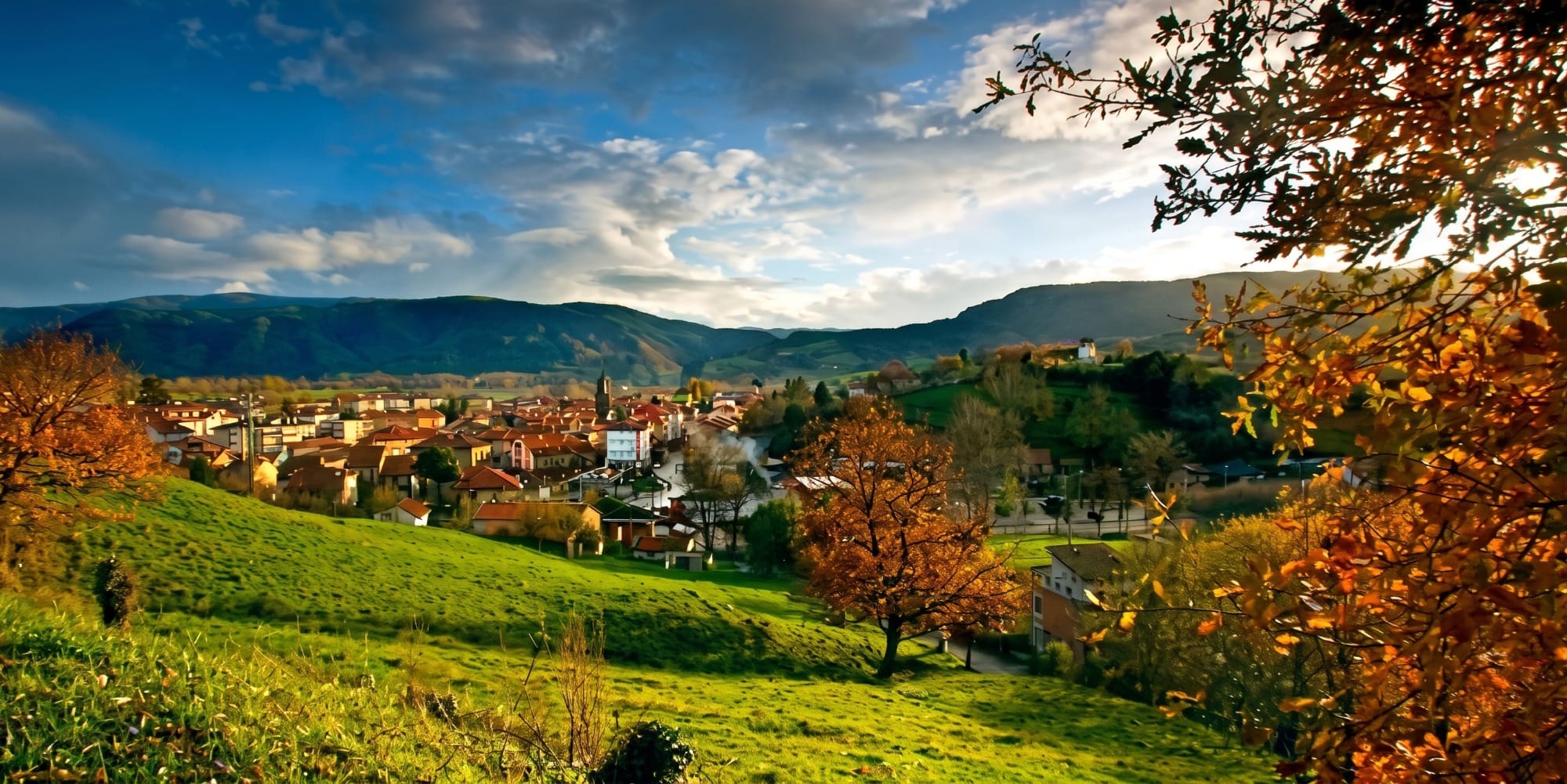
The municipality has just over 8,200 inhabitants spread across eleven villages, and its main town is about 44 kilometres from Santander. Everything we suggest here fits within a six-kilometre radius, so you can see it in a long morning, or in a full day if you add a walk.
Things to do in Cabezón de la Sal: the old town
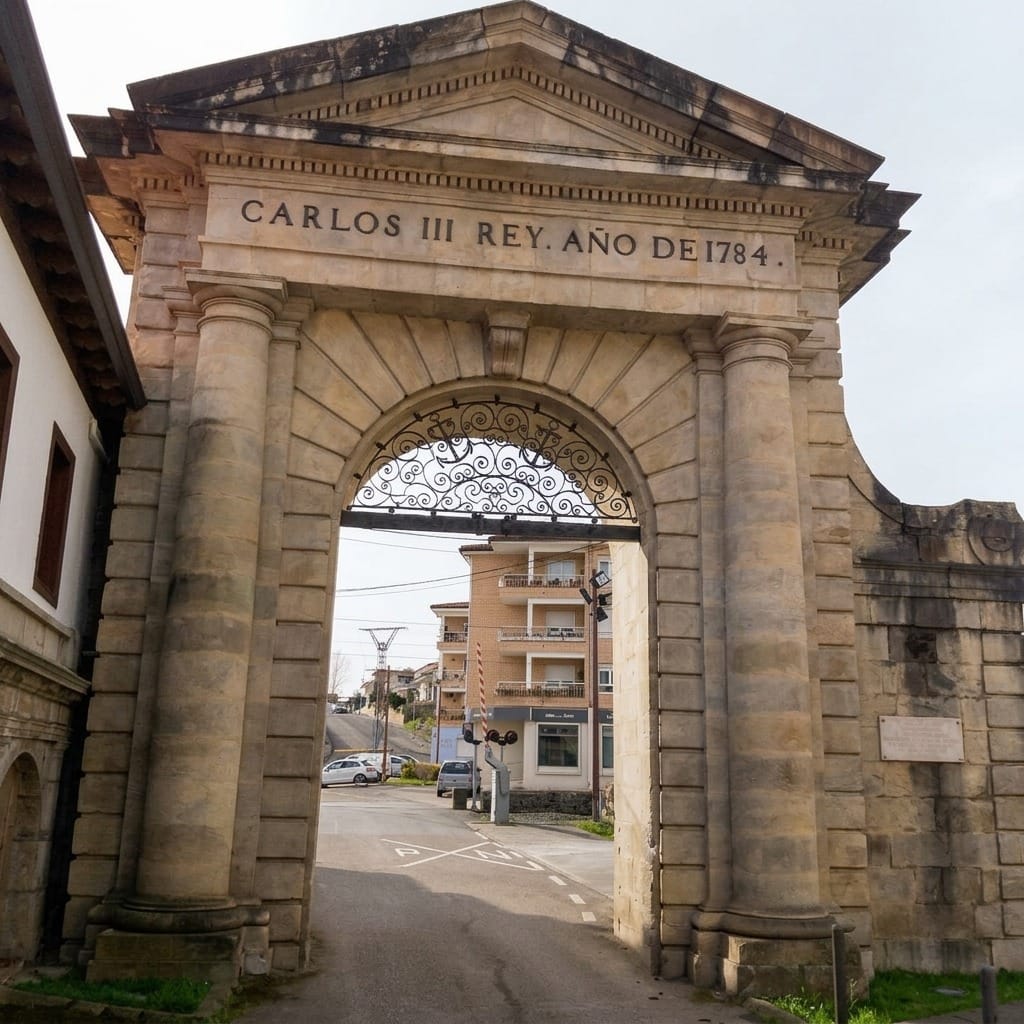
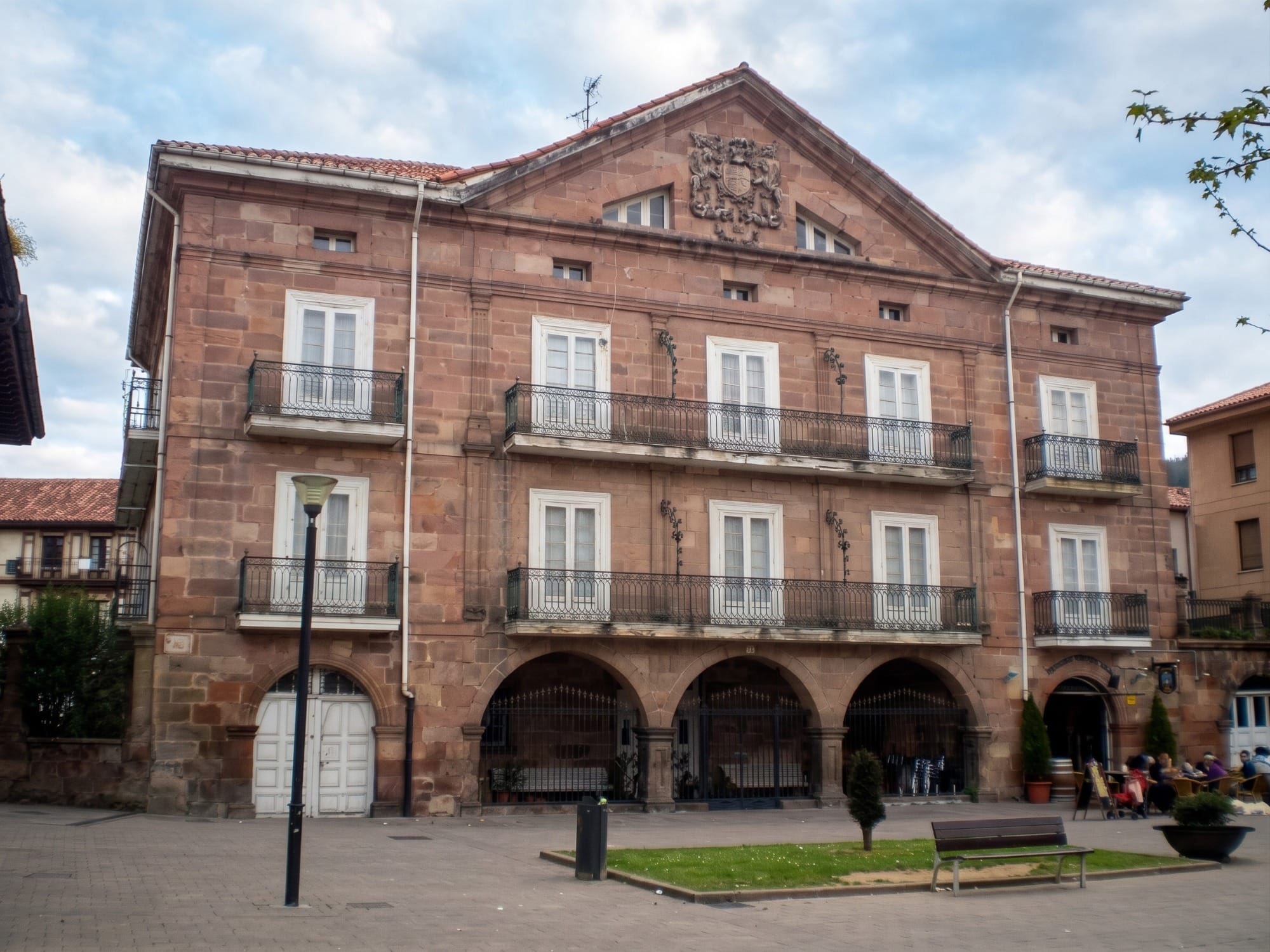
The centre of town revolves around the church of San Martín, a Baroque church built between the late 17th century and the 18th, in stone and with the restraint typical of Cantabrian mountain architecture. A few steps away are the Palacio de la Bodega, a neoclassical building that's easy to spot thanks to its six-arched portico, and the Conde de San Diego park, with the Casa de Cultura, where locals come out for their evening stroll.
It's not a picture-postcard historic centre, and that's exactly why it's pleasant to wander: long-standing local shops, bars serving pinchos at midday and the odd bakery where you can ask about palucos, the sweet associated with Cabezón.
The salt that gave Cabezón its name
The town's surname isn't just decoration. Beneath the municipality lies a salt diapir, one of the most important salt deposits in Spain, which was worked for centuries by injecting water underground and then boiling off the brine over a fire. According to the town's tourist office, the last extraction well closed in 1979.
Few visible traces of that activity remain, but there's one curious one: the ground subsidence caused by the extraction, listed as a site of geomorphological interest. It's a good example of how industry quite literally reshaped the valley's landscape.
Carrejo: the manor house of the Museo de la Naturaleza
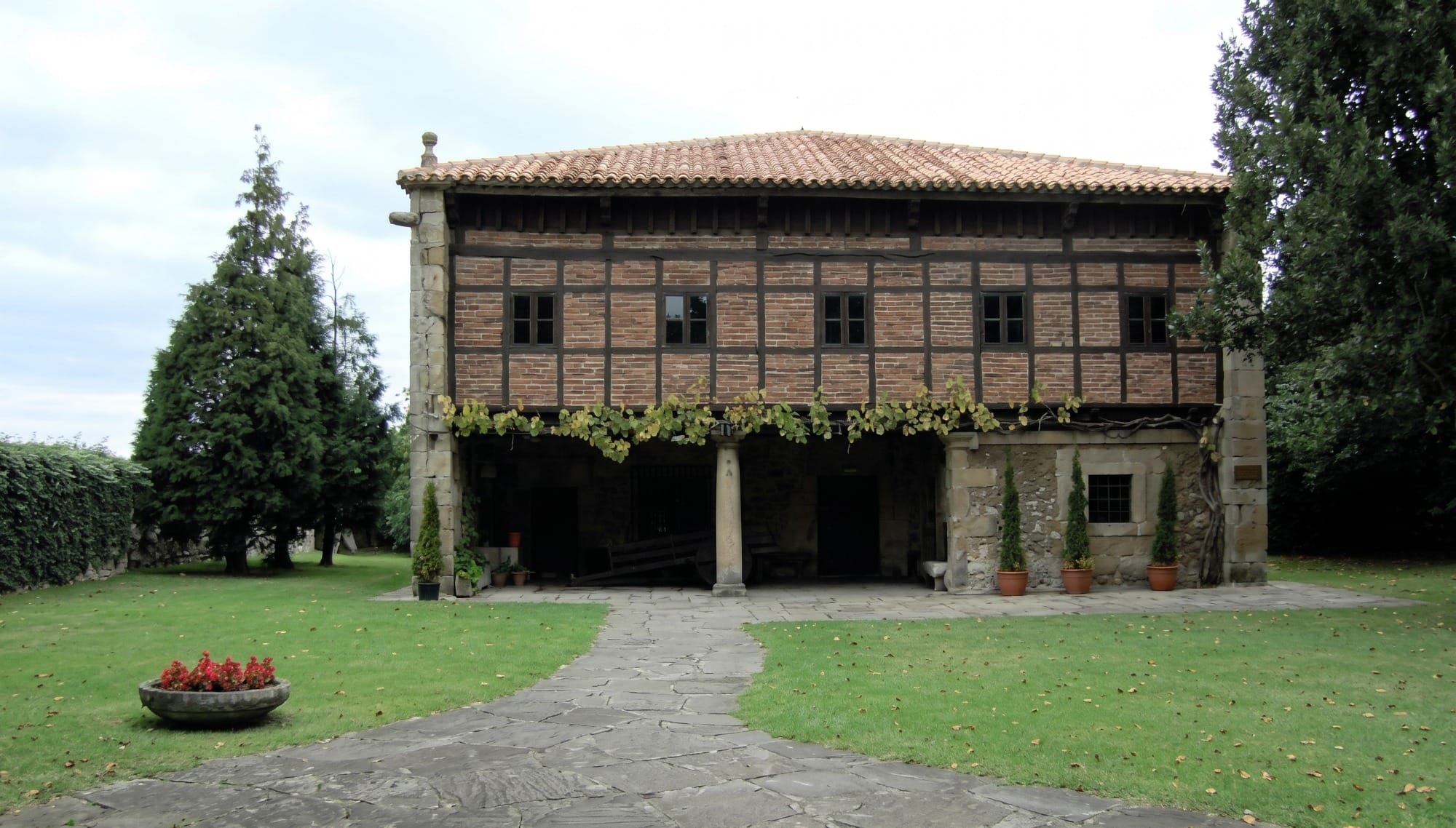
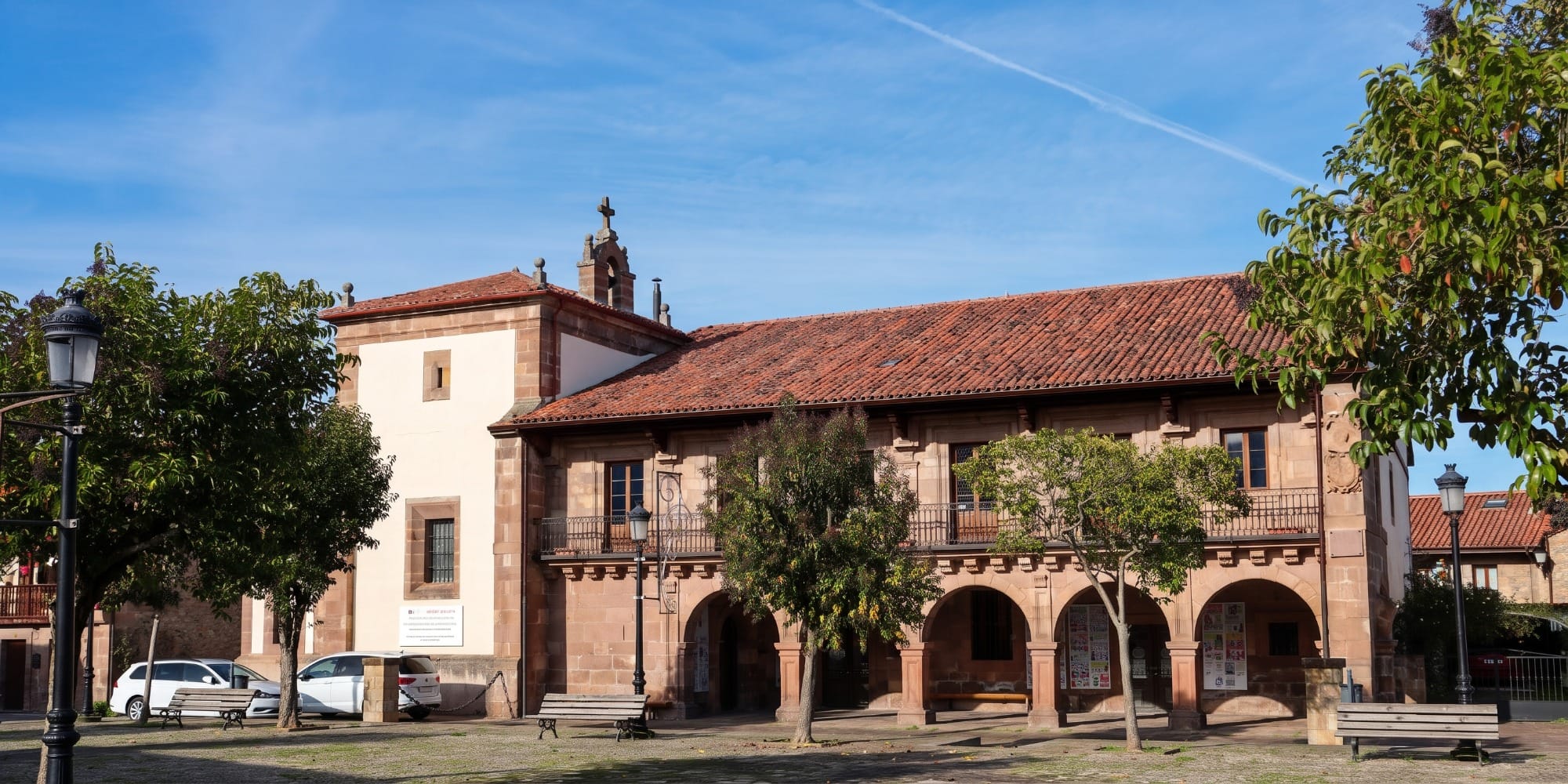
About five kilometres from the centre, Carrejo is the must-see stop outside the town. Its 18th-century manor house, listed as a Bien de Interés Cultural, houses the Museo de la Naturaleza de Cantabria, which recreates the region's main ecosystems, from the coast to the mountains. It's a short visit and very useful for making sense of what you'll later see from the car. If you're interested, our guide to the Museo de la Naturaleza de Cantabria in Carrejo has the details of the visit.
It's worth a stroll around the village afterwards: the portalada of the Haces is a fine example of the Cantabrian portalada, the monumental gateway that closed off the courtyards of noble houses, and the streets keep the rural feel the town centre has lost.
Casar de Periedo and the house of Jesús de Monasterio
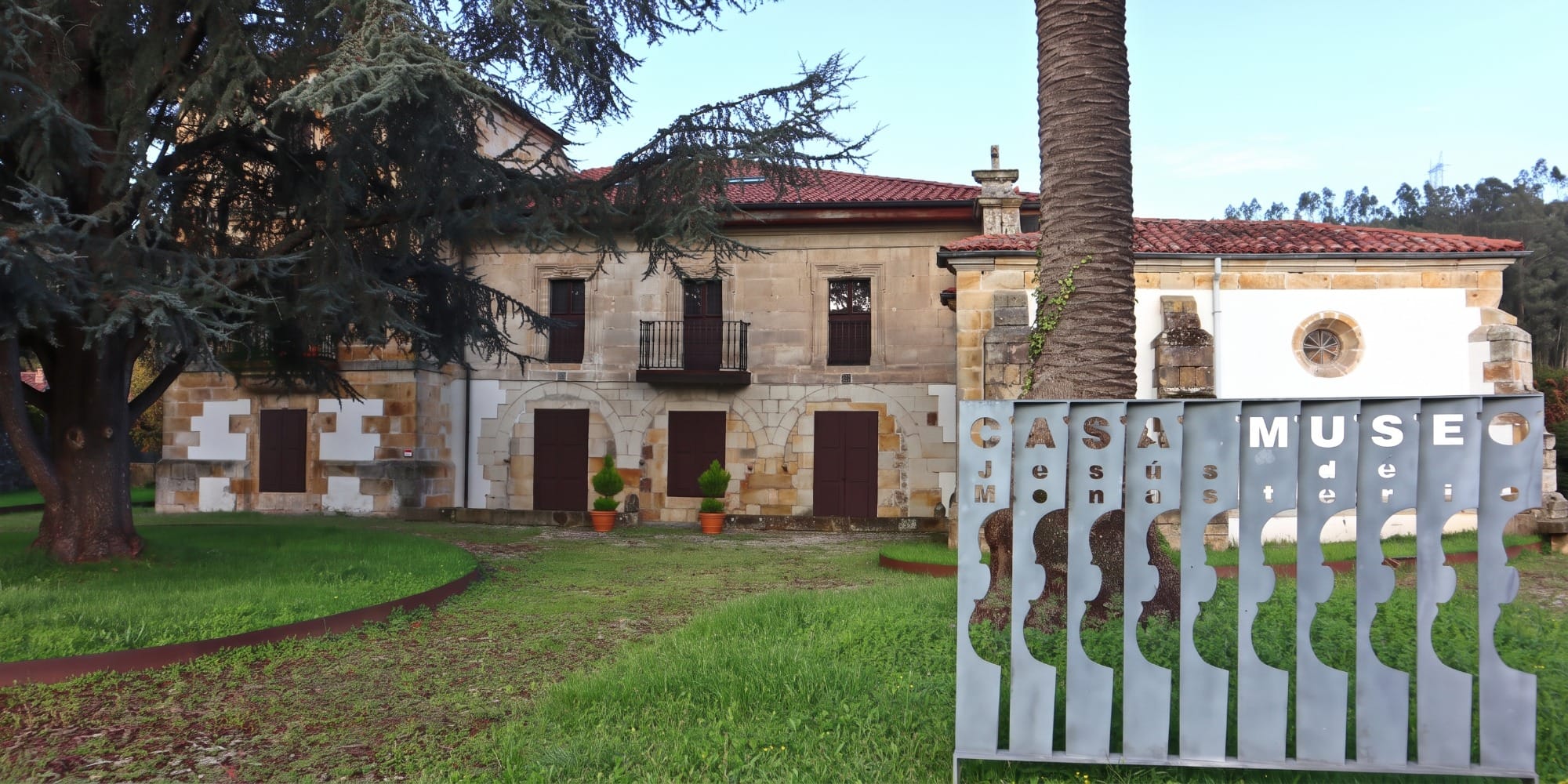
Casar de Periedo, six kilometres from the main town, is the most populated village after it and the one most closely linked to music. Here you'll find the manor house of the Monasterio family, built in the 18th century next to an earlier medieval tower, and the house of violinist and composer Jesús de Monasterio — born in Potes and one of the great musical figures of 19th-century Cantabria — who spent long spells in the village.
The village comes to life in mid-November, when it hosts the Feria de la Alubia y la Hortaliza (Bean and Vegetable Fair), with stalls from producers across the region and cocido for anyone who drops by.
The redwood forest of Monte Cabezón
The municipality's best-known visit is right next to the A-8: the Monumento Natural de las Secuoyas del Monte Cabezón, a post-war plantation that today numbers 848 trees over 30 metres tall. A circular trail of about two kilometres runs through the forest, entry is free and the full visit takes less than an hour.
The best time is first thing in the morning or late afternoon, when the light slants between the trunks and there are fewer people. On rainy days the ground gets muddy, so bring footwear that can handle it.

“You can't see Cabezón de la Sal from the motorway: you have to get off it, park and walk without hurrying.”
Good to know
Cabezón de la Sal is about 50 minutes from Bareyo by car on the A-8, with its own exit. The Cercanías commuter train from Santander also comes here — the town is one of the line's end stations. There's surface parking in the town centre, and the redwood park has a designated area next to the road.
To see Cabezón de la Sal at a relaxed pace, combine the old town, Carrejo and the redwoods in one morning and save Casar de Periedo for the way back. Opening hours at the Museo de la Naturaleza and the municipal venues change with the season, so check them beforehand with the Cabezón de la Sal tourist office. If you're after a fiesta, Día de Cantabria is held in August and the Feria de la Alubia in mid-November.
Cabezón de la Sal is one of those places you enjoy more without a fixed plan: a church, a walk under the redwoods and something sweet for the drive home. From Bareyo Residences, the motorway puts the Saja valley less than an hour away, and heading back to the coast in the afternoon is part of the plan.