The Cantabria Nature Museum (Museo de la Naturaleza de Cantabria) is in Carrejo, 1.5 km from Cabezón de la Sal, inside an 18th-century manor house. It shows the region's wildlife and plants by ecosystem: coast, mountain, valley, forest and wetland. A visit takes a good hour, and it's closed on Mondays.
Some museums you visit for the building, others for what's inside. Carrejo has both, plus an advantage that counts for a lot in Cantabria: it works just as well in sunshine as in rain. It's an indoor plan that doesn't mean giving up the countryside, because one of the region's most photographed forests is just a few kilometres away.
It's run by the Government of Cantabria, and it isn't a big science museum but a rural manor house turned into an exhibition space. That small scale is exactly what makes it easy with children or for a quiet morning: you go round without rushing or queuing, and you come out with a pretty clear idea of which animals and plants live in each corner of Cantabria.
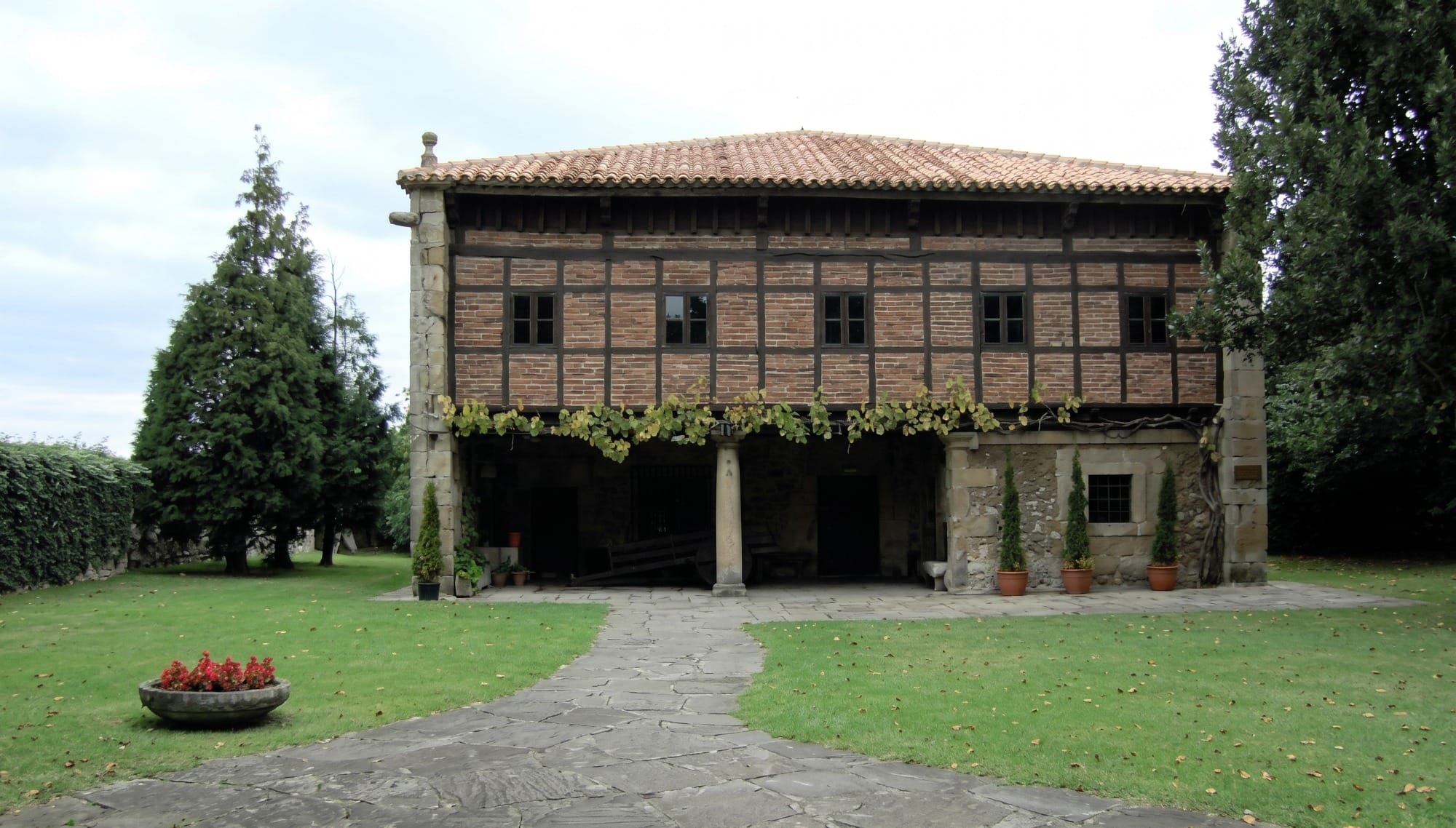
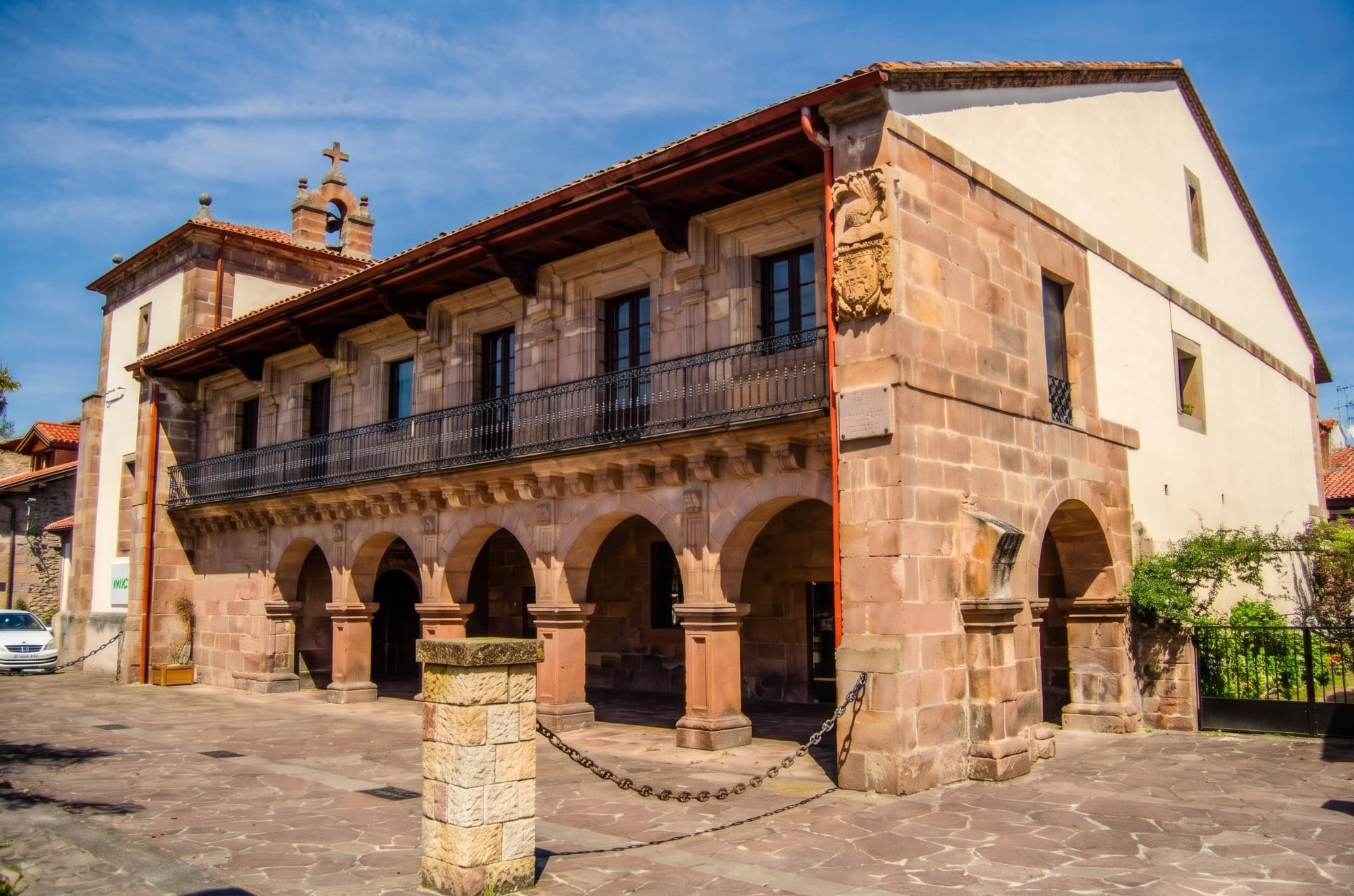
The manor house in Carrejo that holds the museum
The Cantabria Nature Museum occupies the Palacio de Ygareda, an 18th-century manor house in the small village of Carrejo, next to Cabezón de la Sal. The museum's information describes it as a building protected since 1984, with a chapel and garden, and the building alone is worth the stop: it's one of those noble houses dotted around the Saja valley.
Carrejo is a village of just a few streets, so it's worth a short stroll outside before or after your visit. The contrast between the manor house and the surrounding meadows says a lot about what you'll see inside: a museum about the land, built right in the middle of that same land.
What to see at the Cantabria Nature Museum
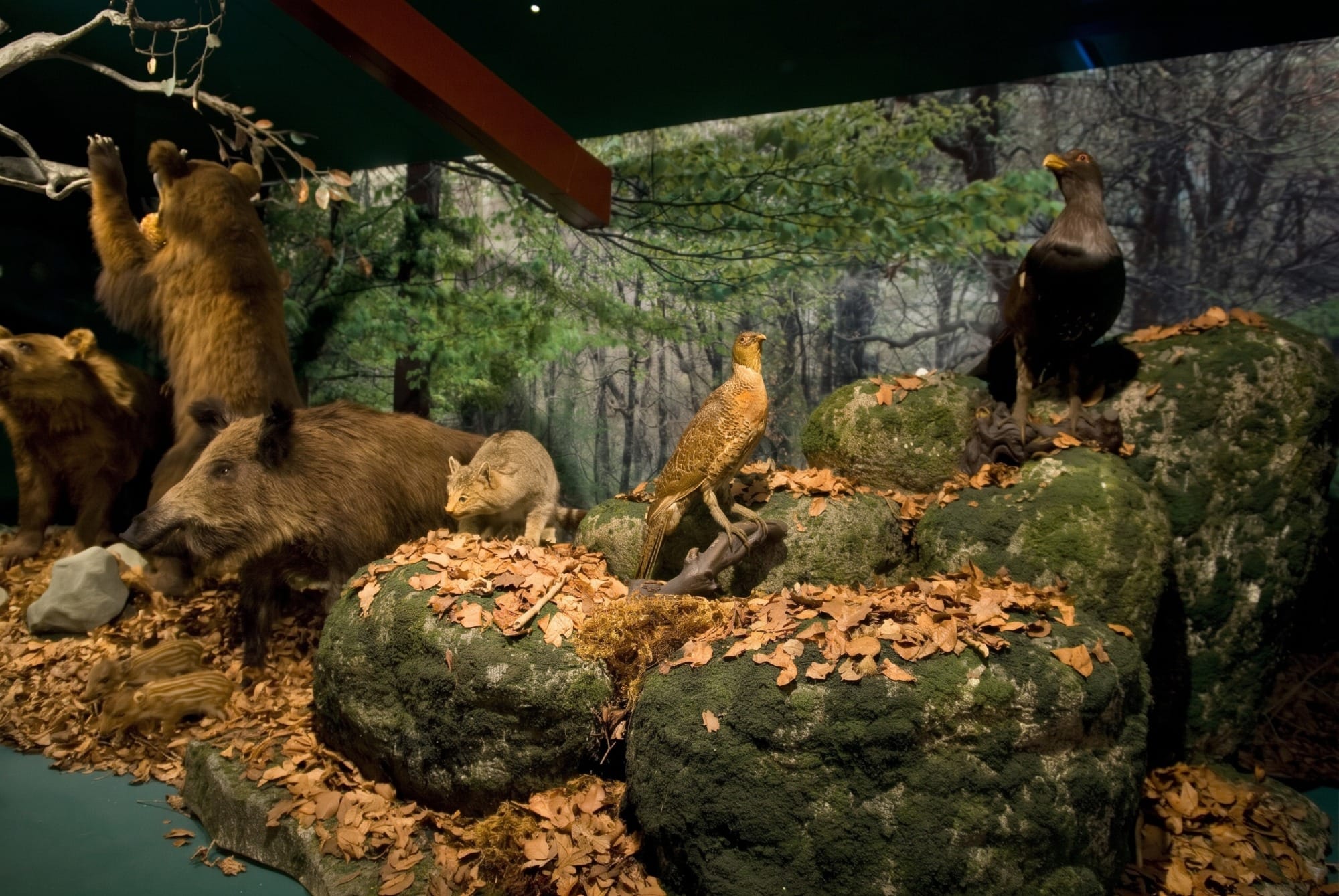
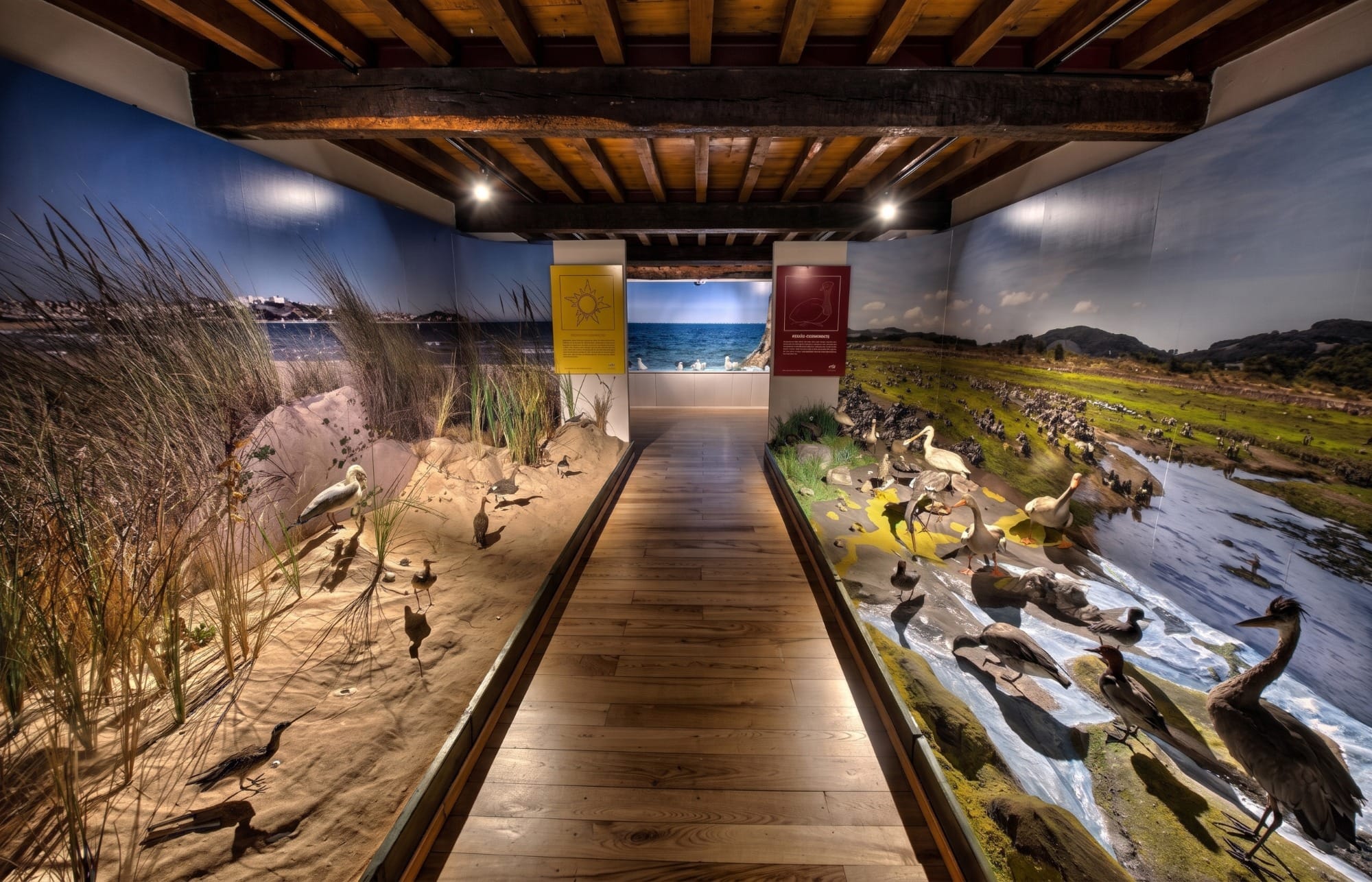
The route is organised by ecosystem. The rooms recreate Cantabria's great landscapes — the coast, the mountains, the valleys, the forest and the wetlands — and each one features the wildlife and plants of that environment, so you move from the shoreline to the high mountains without leaving the manor house. According to the guides, some pieces in the collection date back to 1913.
Besides the permanent exhibition, the museum has a space for temporary nature-themed shows that change through the year. It's a good idea to ask at the entrance what's on, because for anyone who already knows the permanent collection it's sometimes the most interesting part of the visit.
Visiting the museum with children
The Cantabria Nature Museum is an easy visit for families: the route is short, you can see the pieces up close and the landscape-based layout helps children connect what they see in the display cases with what they find outside, on the beach or in the hills. Allow between an hour and an hour and a half to see it at a relaxed pace.
A trick that works: before going in, decide together which kind of animal you want to find in each room — a bird, a mammal, a fish — and turn the visit into a treasure hunt. On a rainy day it's one of the most relaxed options in western Cantabria.
Nearby: the Monte Cabezón sequoias
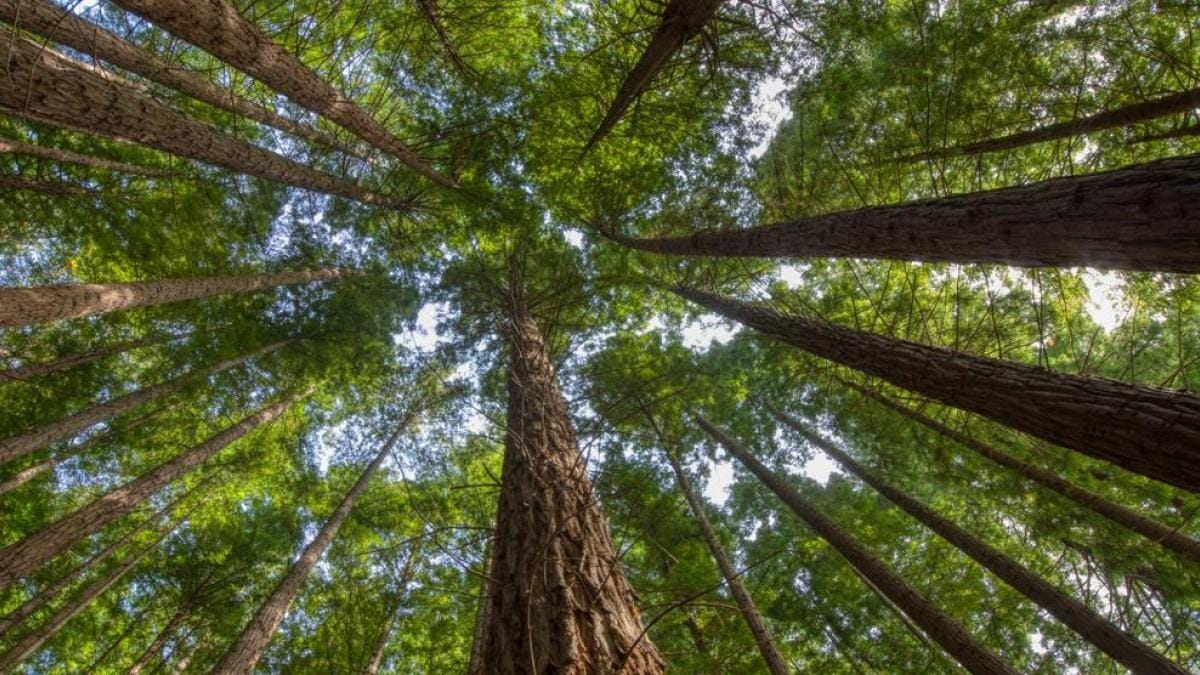
About 2 km from the museum is the Monte Cabezón Sequoias Natural Monument, a plantation of coast redwoods from the mid-20th century that today forms a forest of enormous trunks, quite unlike any native woodland. Combining the two visits fills a whole morning and is probably the best way to make the most of the trip from the eastern coast.
If you like the idea, our guide to the Sequoia Park in Cabezón de la Sal covers how to get there, where to park and how long it takes to walk round. The order hardly matters: if the morning starts dry, begin with the forest and save the museum for when the weather turns.
Need to know
Where: Cantabria Nature Museum, Palacio de Ygareda, Carrejo (Cabezón de la Sal), 1.5 km from the centre of Cabezón. Getting there from Bareyo: by car on the A-8 heading west; around an hour (estimate, depending on traffic). Opening hours: closed on Mondays and on some Christmas and Epiphany holidays. Hours differ between the summer season (May to September) and the winter season, when opening is reduced; check before you go on the Turismo de Cantabria page. Price: published rates are €3 general admission and €1.50 reduced, with free entry for children under 4. Check for changes. Guided tours: Turismo de Cantabria lists guided tours on Thursdays, Fridays and Saturdays at 12:00; groups must request the visit in advance. Contact: 942 701 808 and munat@gobcantabria.es. Duration: between an hour and an hour and a half. Combine with: the Monte Cabezón sequoias, 2 km away.
“A museum about Cantabria's nature, set in a manor house surrounded by meadows: what you see in the display cases carries on outside, as soon as you step through the door.”
From Bareyo, western Cantabria is an hour's drive away and has enough for full days without repeating a plan. Carrejo and Cabezón de la Sal make a good outing for when the sky isn't cooperating: a morning among display cases and sequoias, a hearty stew in the Saja valley and the drive back to the Ajo estuary with time to rest.