The Ethnographic Museum of Cantabria is in Casa Velarde in Muriedas (Camargo), about 7 km from Santander and around 30 minutes by car from Bareyo. Across nine rooms it brings together more than 800 objects from rural life in Cantabria, from the 17th century to the early 20th. Entry is free and it's closed on Mondays.
When it rains in November, which in Cantabria it does, indoor plans come in handy. The Ethnographic Museum is one of the easiest to fit in: it's half an hour away, costs nothing and you can see it in a good hour without rushing. But it's not just a fallback for grey days. It's the place where you best understand how people lived in Cantabria's valleys and on its coast before roads, electric light and tourism arrived.
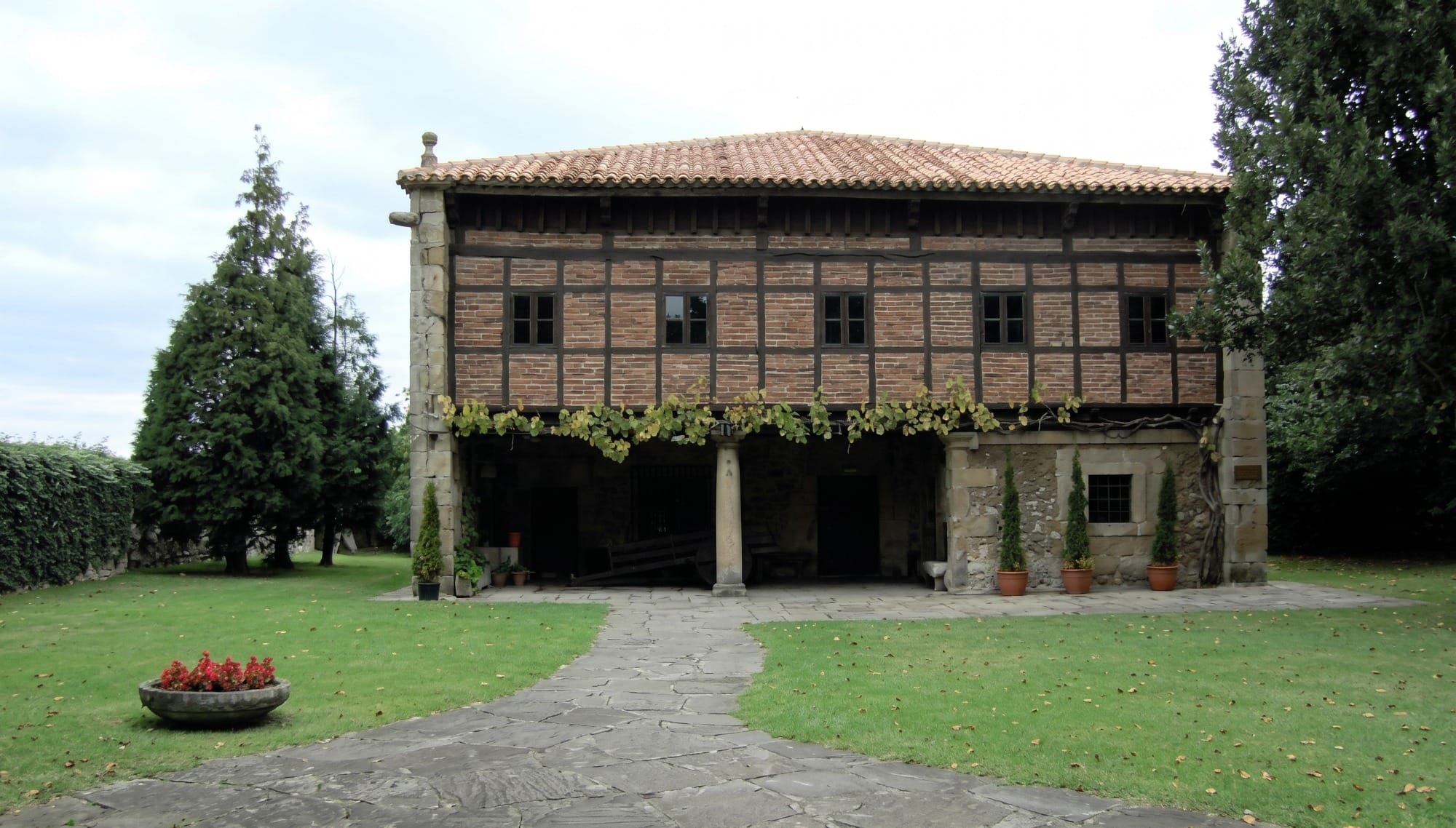
The house also has a history of its own. This is where Pedro Velarde was born, the artillery captain who died in Madrid on 2 May 1808, and he's still very much present in Muriedas. Visiting the museum means stepping into a well-preserved Cantabrian manor house and into one of the most remembered episodes in Spanish history at the same time.
Casa Velarde, home of the Ethnographic Museum of Cantabria
The museum occupies a 17th-century manor house surrounded by a large garden, with the layout and materials typical of traditional Cantabrian (montañesa) architecture. It was the Velarde family home and today belongs to the Government of Cantabria, which includes it in its network of regional museums. The building itself is part of the collection: its rooms help you picture how life was arranged in a well-off rural household.
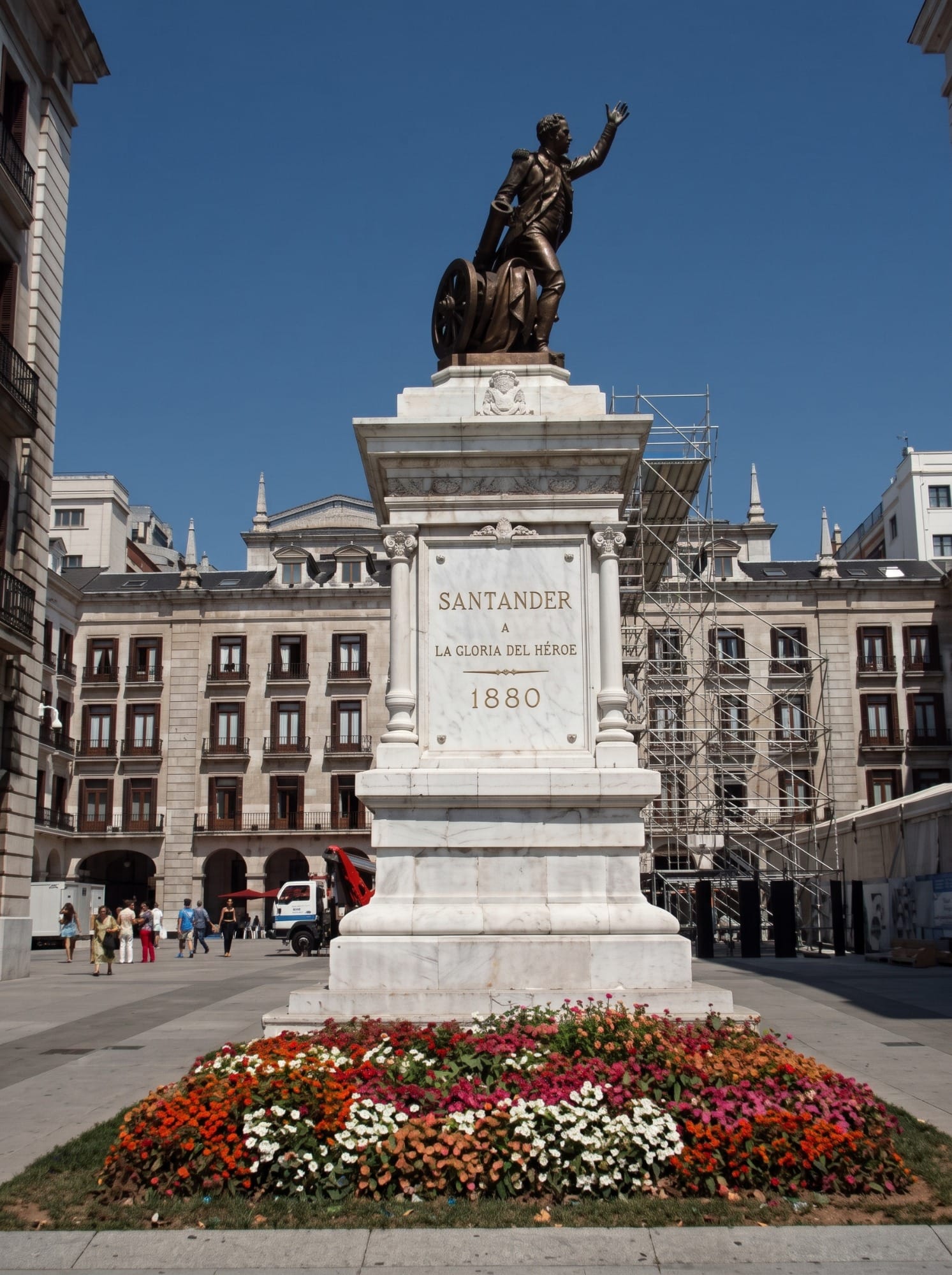
On the first floor are mementoes of Pedro Velarde, born in this house in 1779. Together with Luis Daoíz, he defended the Monteleón Artillery Park during the Madrid uprising against French troops, and both died there. There's also a bust in his memory on the grounds, and every 2 May Muriedas remembers its most famous son.
What to see at the Ethnographic Museum of Cantabria: more than 800 objects of rural life
The nine themed rooms hold furniture, household utensils and work tools gathered from different parts of the region. These are everyday objects, not luxury pieces: what people used to cook, store grain, work the land, spin or look after livestock. The time span runs from the 17th century to the early 20th, exactly the period when Cantabria's economy still revolved around the house, the meadow and the cowshed.
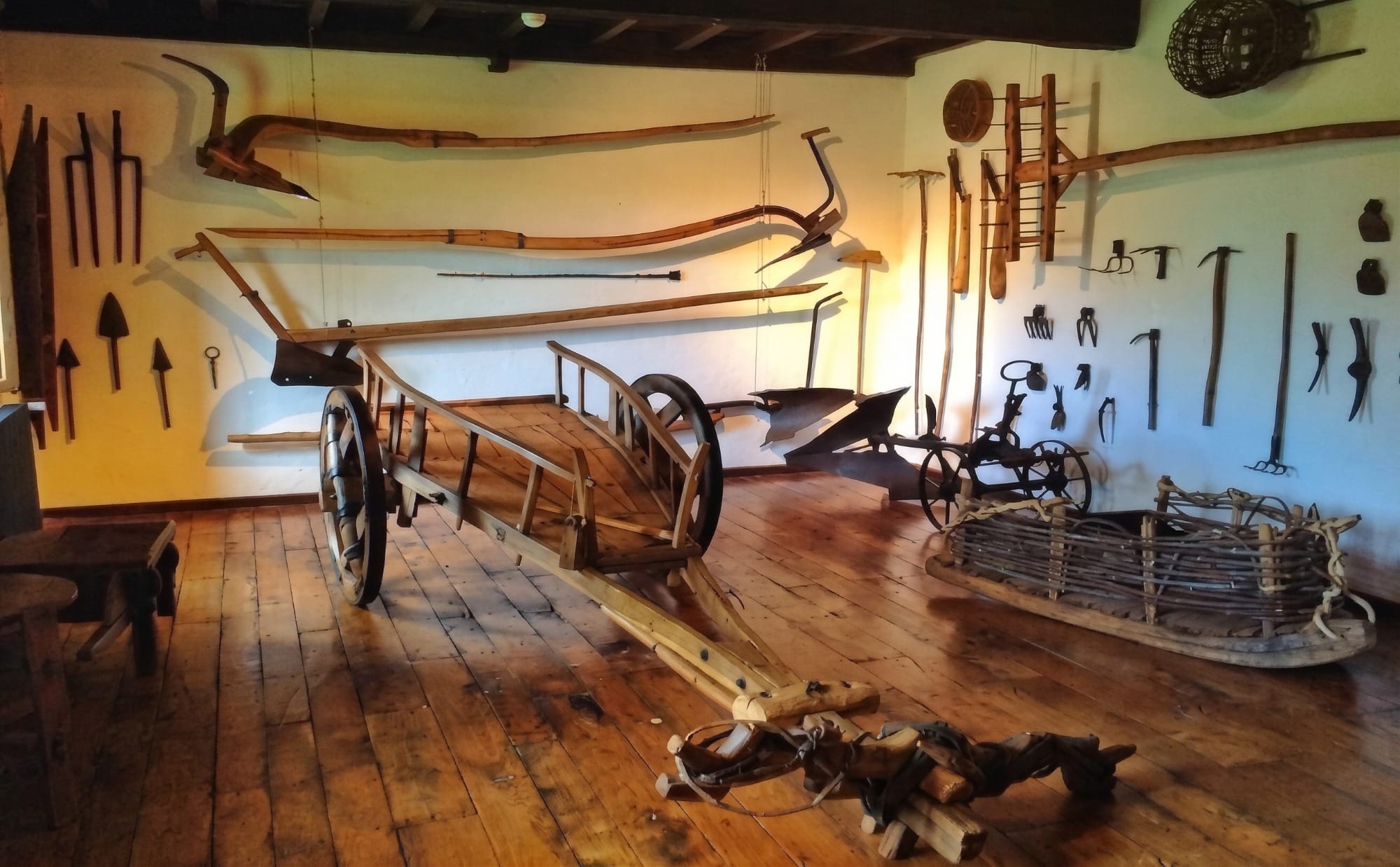
The real pleasure of the visit is recognising those same objects in the landscape afterwards. The pasiego cabins, the hórreos and the manor houses of the Trasmiera villages take on new meaning once you've seen how life was organised inside. If you're travelling with children, turn it into a game: have them guess what each object was for before reading the label. It's the quickest way for the museum to stop being “old stuff” and become a story.
The garden: hórreo and Cantabrian stele
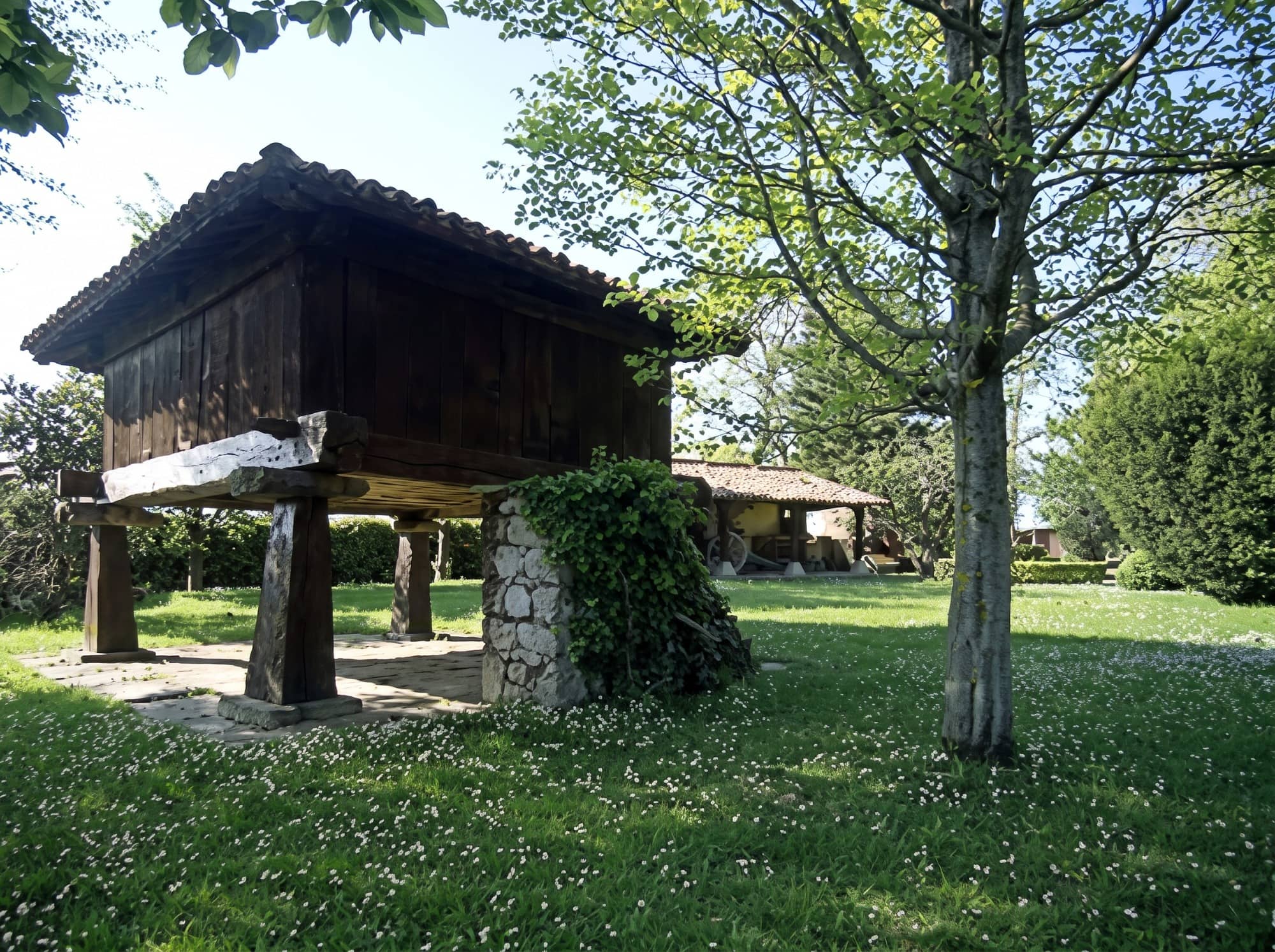
The visit continues outside. The Casa Velarde garden has an hórreo, the raised granary on pillars used in northern Spain to store grain and other food away from damp and rodents. They're far less common in Cantabria than in Asturias or Galicia, so seeing one up close is worthwhile. Next to it stands a Cantabrian stele, the type of stone monument with geometric decoration that has become one of the region's symbols.
How to visit the museum from Bareyo
From Bareyo, head towards Santander on the S-10 and take the Muriedas exit, in Camargo: it's about 35 km and 30 to 35 minutes by car. Entry is free and, since 2023, you can walk in without booking during opening hours; guided tours and groups do need to book. The museum opens Tuesday to Sunday, with morning and afternoon hours that differ between high season and the rest of the year, so check the Museos de Cantabria website before you set off.
Camargo is good for a well-rounded half day. A few kilometres away is the El Pendo cave, with cave paintings and a guided tour that's best booked ahead. If you enjoyed our guide to the El Pendo cave in Camargo, pairing it with the Ethnographic Museum is a complete way to cover thousands of years of Cantabrian history in a single morning. Check the opening times of both first so they fit together without a rush.
Good to know
Location: Casa Velarde, in Muriedas (Camargo), about 7 km from Santander. Distance from Bareyo: about 35 km, 30 to 35 minutes by car. Price: free entry. Booking: not needed for a self-guided visit; required for guided tours and groups. Opening days: Tuesday to Sunday; closed on Mondays. Hours: morning and afternoon, changing between summer and the rest of the year, so check before you go. Duration: between an hour and an hour and a half, including the garden. Ideal for: rainy days, travellers interested in rural culture and families with curious children.
“Before looking at Cantabria's landscape, it's worth seeing what was inside its houses: the Ethnographic Museum is that other half of the trip.”
Travelling through Cantabria is, to a large extent, travelling through its rural life: the meadows, the manor houses, the villages still organised around the church and the farmyard. After a morning in Muriedas, even the drive back looks different. And returning to a quiet house in Trasmiera, surrounded by that same landscape of meadows and stone, is a natural way to keep the conversation going.