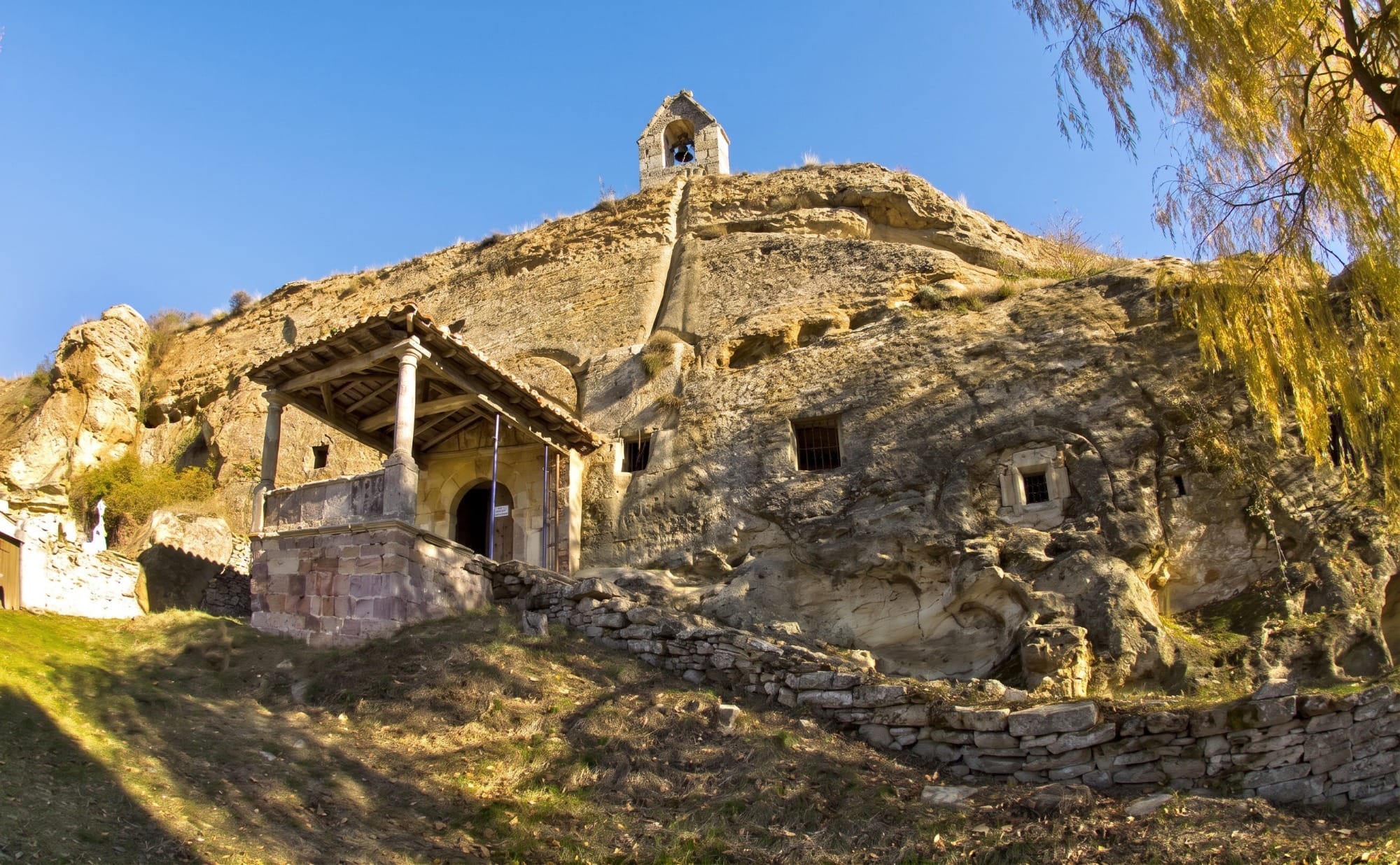
El Pendo cave is in Escobedo, in the municipality of Camargo, and holds a frieze of paintings around 20,000 years old, mostly hinds, as well as one of the most studied archaeological sequences on the peninsula. It's part of a UNESCO World Heritage site. Visits are managed through the Government of Cantabria's network of caves.
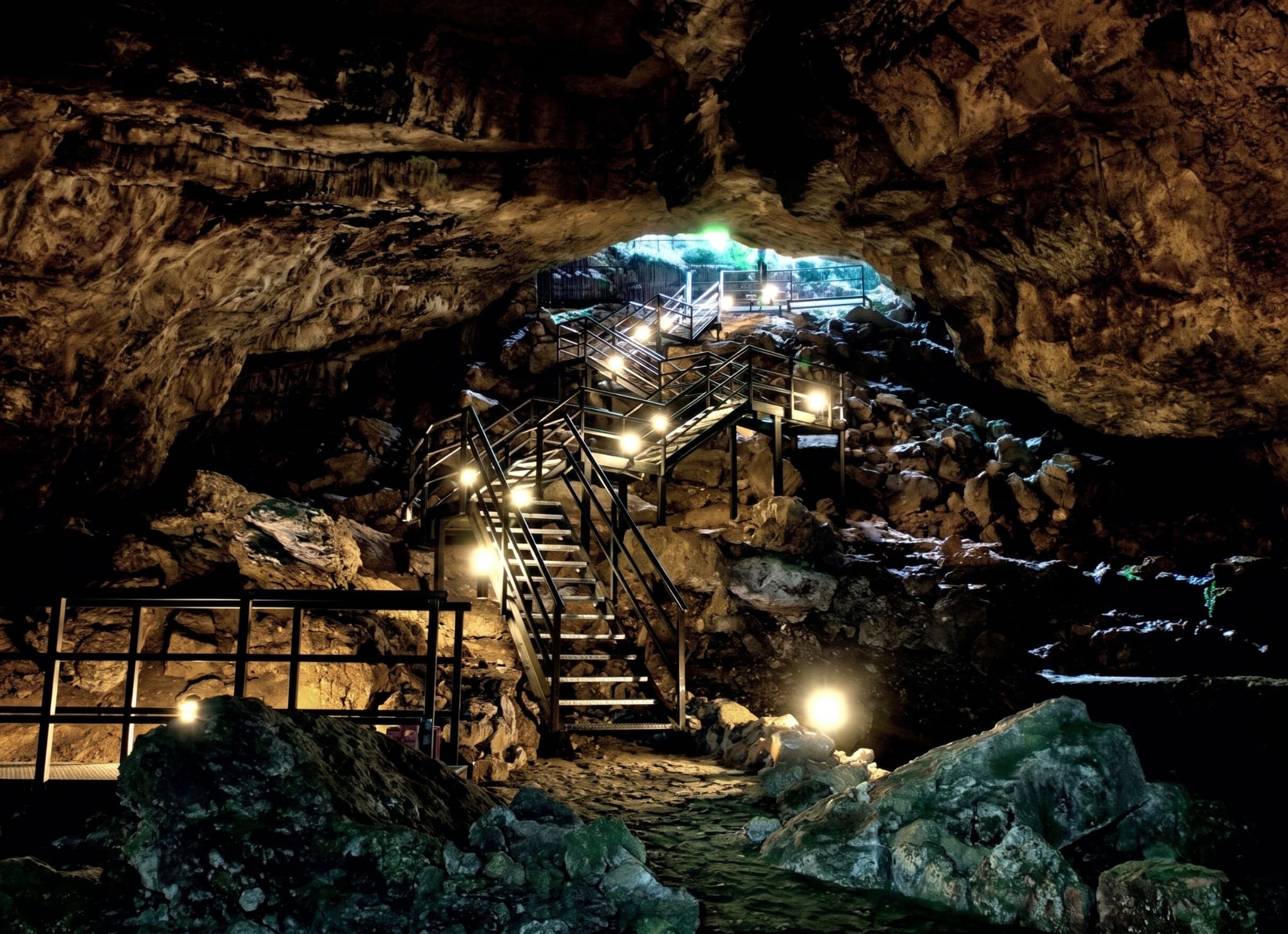
Cantabria shows off Altamira and El Castillo, but there's a third cave that explains just as well how Palaeolithic hunters lived and painted, and it's much closer to the Bay of Santander. El Pendo isn't the most famous, and that has its advantages if you're after a quiet winter outing.
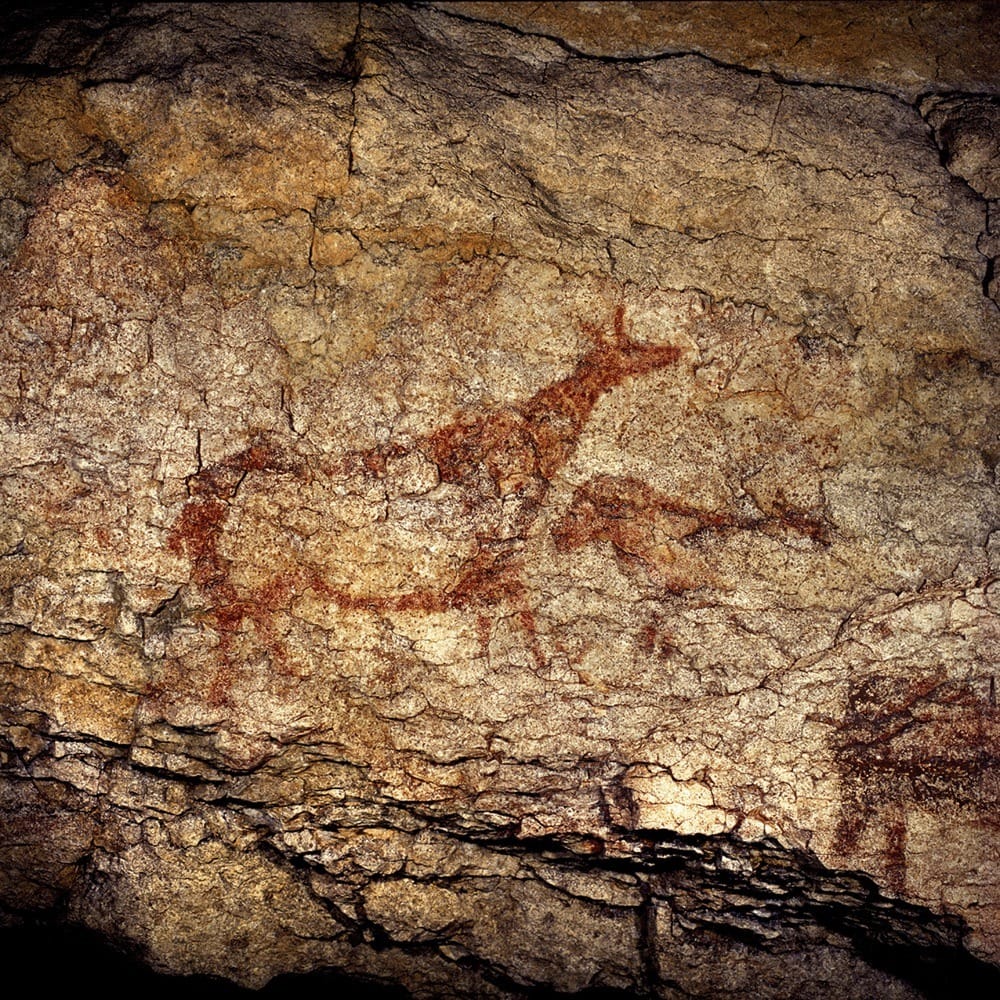
The intriguing part is that its paintings went unnoticed for centuries. They were found by chance in August 1997, when someone spotted a large frieze that had been hidden for millennia under a layer of grime.
Going in November makes sense for a practical reason: a cave keeps the same temperature inside regardless of the rain or storms outside. On days when the coast doesn't invite a walk, it's a plan that doesn't depend on the weather.
The combination works well: the cave in the morning, with its silence and darkness, and in the afternoon, heading back towards the coast, a relaxed stop in Santander to see at the MUPAC the pieces that came out of these very excavations. Two different chapters of the same journey into the past, and neither depends on the sky clearing.
What El Pendo cave is
El Pendo is in the El Churi neighbourhood of Escobedo de Camargo. Since 2016 it has been part of the Cuevas del Pendo-Peñajorao Area of Special Natural Interest (ANEI). Its importance comes from its archaeological deposits: excavations uncovered a long stratigraphy that includes the Middle Palaeolithic, which is why the cave is an essential reference for studying that period.
In Cantabrian archaeology it's mentioned in the same breath as the other great caves. And since 2008 it has been one of the caves included in UNESCO's "Cave of Altamira and Paleolithic Cave Art of Northern Spain" site.
What has been found at El Pendo
The story of its discoveries unfolds over a century. In 1907, Alcalde del Río found engravings at the back of the cave, traditionally dated to the Lower Magdalenian, thought to depict a bird and possibly a horse. Then came the excavation campaigns of Jesús Carballo, which recovered an important collection of portable art, including the famous perforated baton.
In the fifties there were new excavations, led by Martínez Santaolalla, and in 1955 the cave hosted the second International Field Archaeology Course. Between 1994 and 2000, Ramón Montes and Juan Sanguino went back to work on the oldest sequence. And in 1997, the paintings appeared.
That frieze is the reason to visit: mostly hinds, alongside a horse, a possible aurochs, a goat and several signs, painted in iron oxide using dabbing and flat colour. The Venus of El Pendo, a pendant carved from deer antler more than 17,000 years old, is kept at the Museum of Prehistory and Archaeology of Cantabria (MUPAC) in Santander.
How to visit El Pendo cave
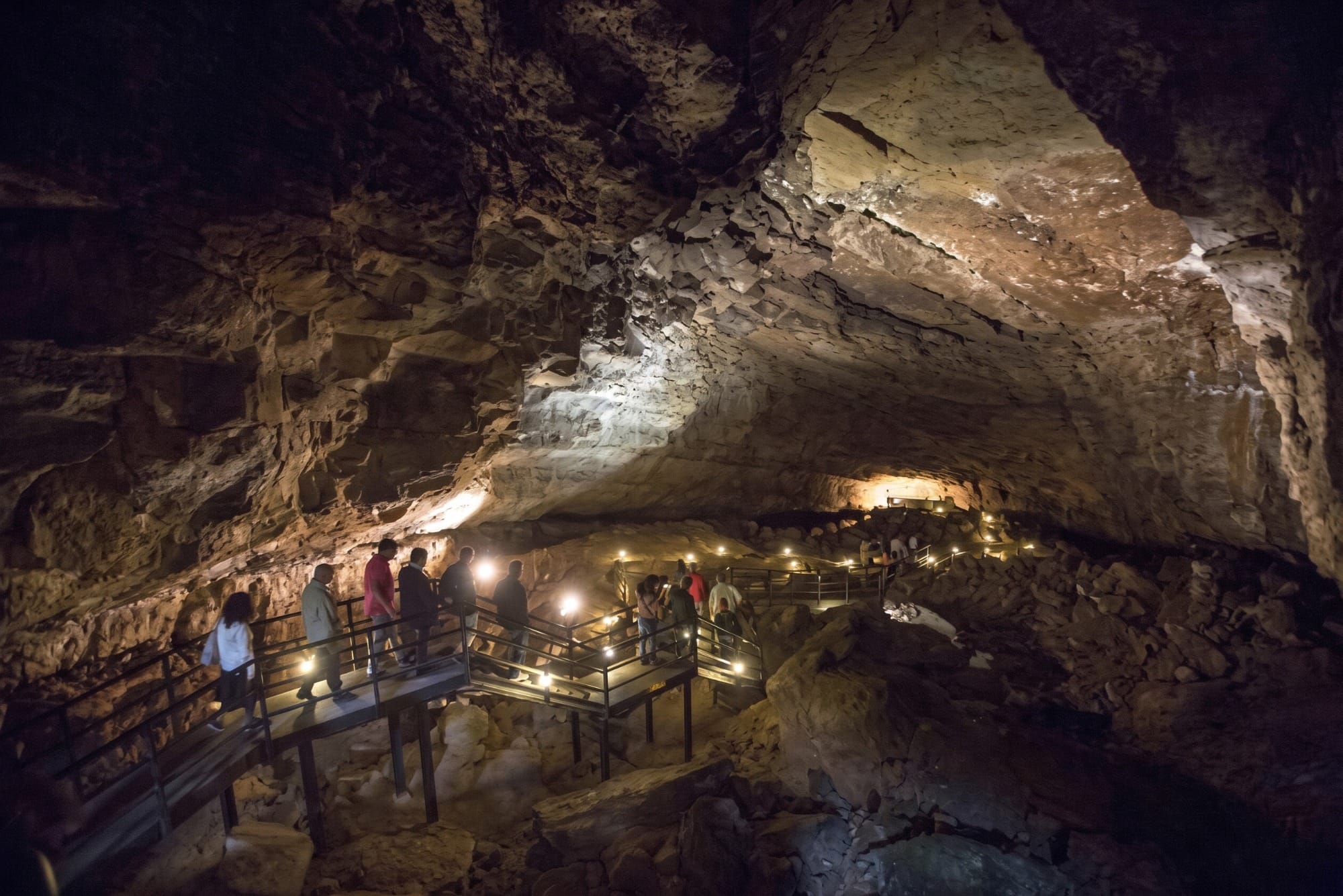
El Pendo is listed among the caves open to visitors on the official Cantabria caves website, along with Chufín, El Castillo, Las Monedas, Hornos de la Peña, Cullalvera and Covalanas. Tickets are handled through its bookings section, and the information phone number is 942 59 84 25.
We don't give opening times or prices here because they change by season and are worth confirming before you set off; the website itself keeps them up to date. We do recommend booking ahead, because the show caves work with limited capacity and sessions can sell out.
If this cave sparks your curiosity, our guide to the El Castillo and Las Monedas caves in Puente Viesgo makes a good follow-up for another day.
What you need to know
Where: El Churi neighbourhood, Escobedo, municipality of Camargo (Cantabria), around the Bay of Santander. From Bareyo: about three quarters of an hour by car, depending on traffic. Booking: official Cantabria caves website or phone 942 59 84 25; check opening times and prices before you go. What to bring: a light jacket, comfortable shoes and be on time. Round off the visit with the MUPAC in Santander, where the Venus of El Pendo is kept. Bear in mind that cave opening times vary by season and that they may close on public holidays.
"A cave doesn't change with the storm outside: that's why it's the best plan when the sea tells you to stay on land."
From Bareyo, the coast and inland Cantabria divide neatly into day trips. A morning of cave art in Camargo and a relaxed lunch back in Trasmiera is one of those plans that explains the region better than any viewpoint: where today there are roads and villages, 20,000 years ago someone was already looking at the same hills.