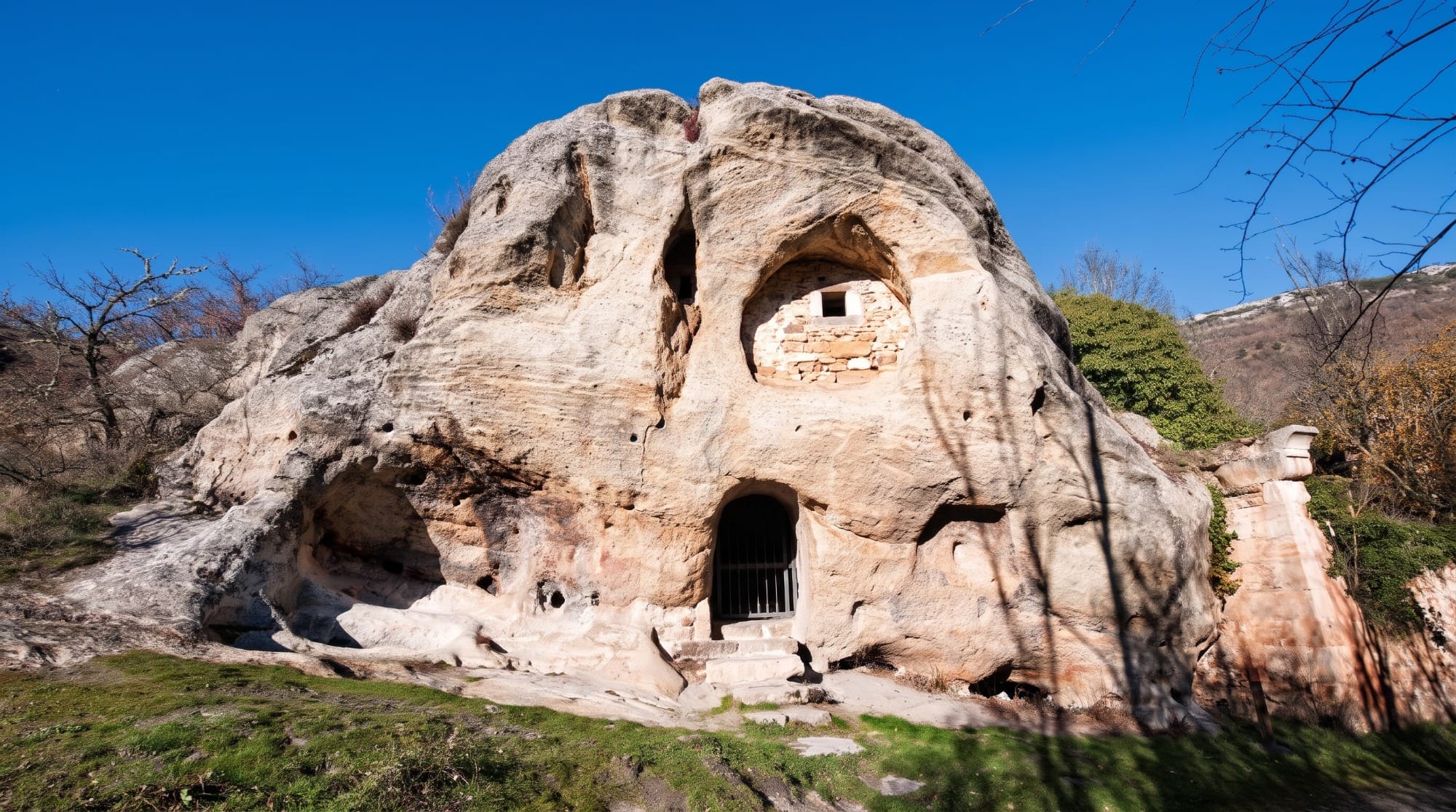
The rock-cut churches of Valderredible are temples and hermitages carved into the sandstone of the Ebro valley, in southern Cantabria, between the early Middle Ages and roughly the 10th century. The main ones are Santa María de Valverde, Campo de Ebro, Cadalso and Arroyuelos, and you can drive between them all in a single day.
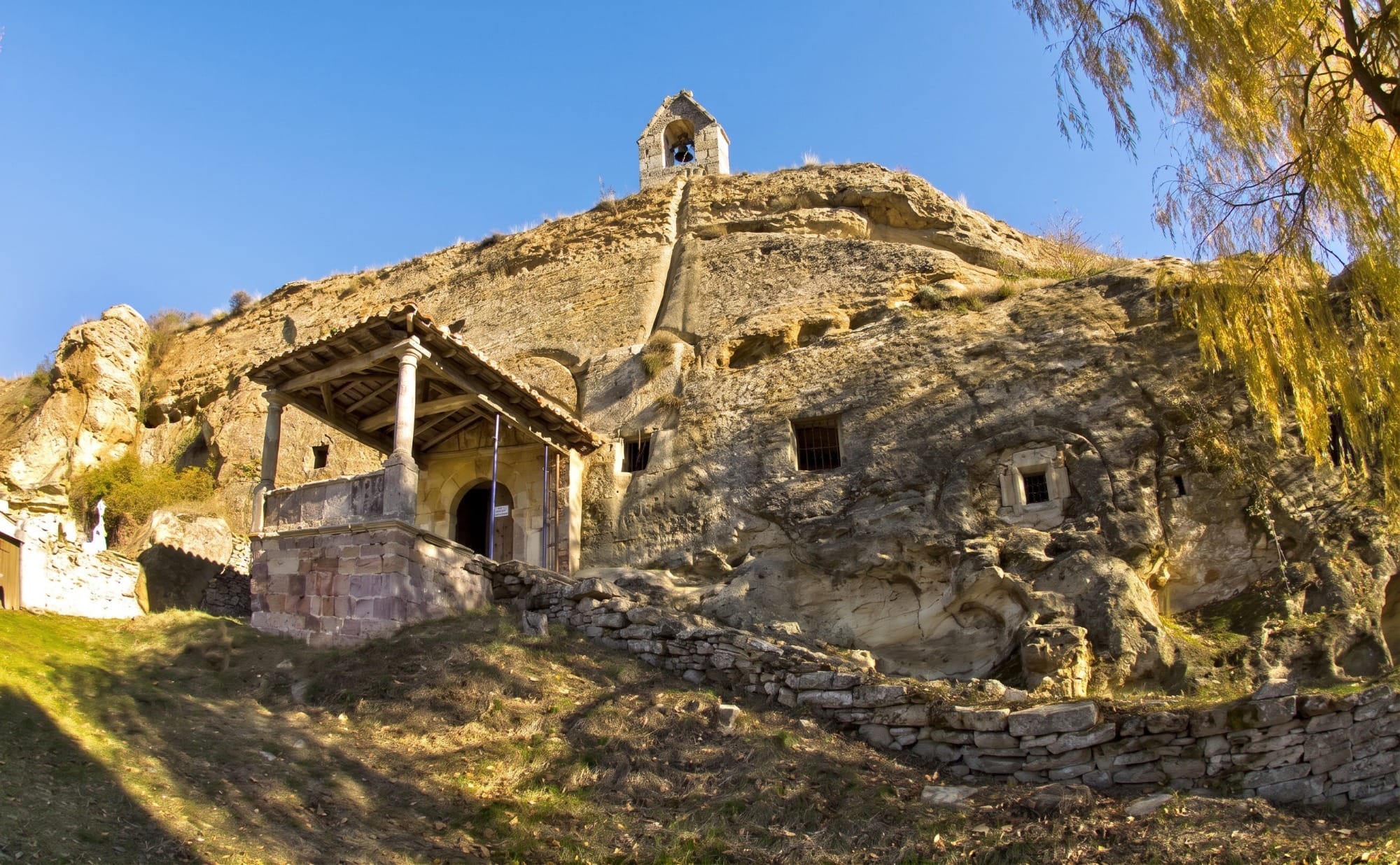
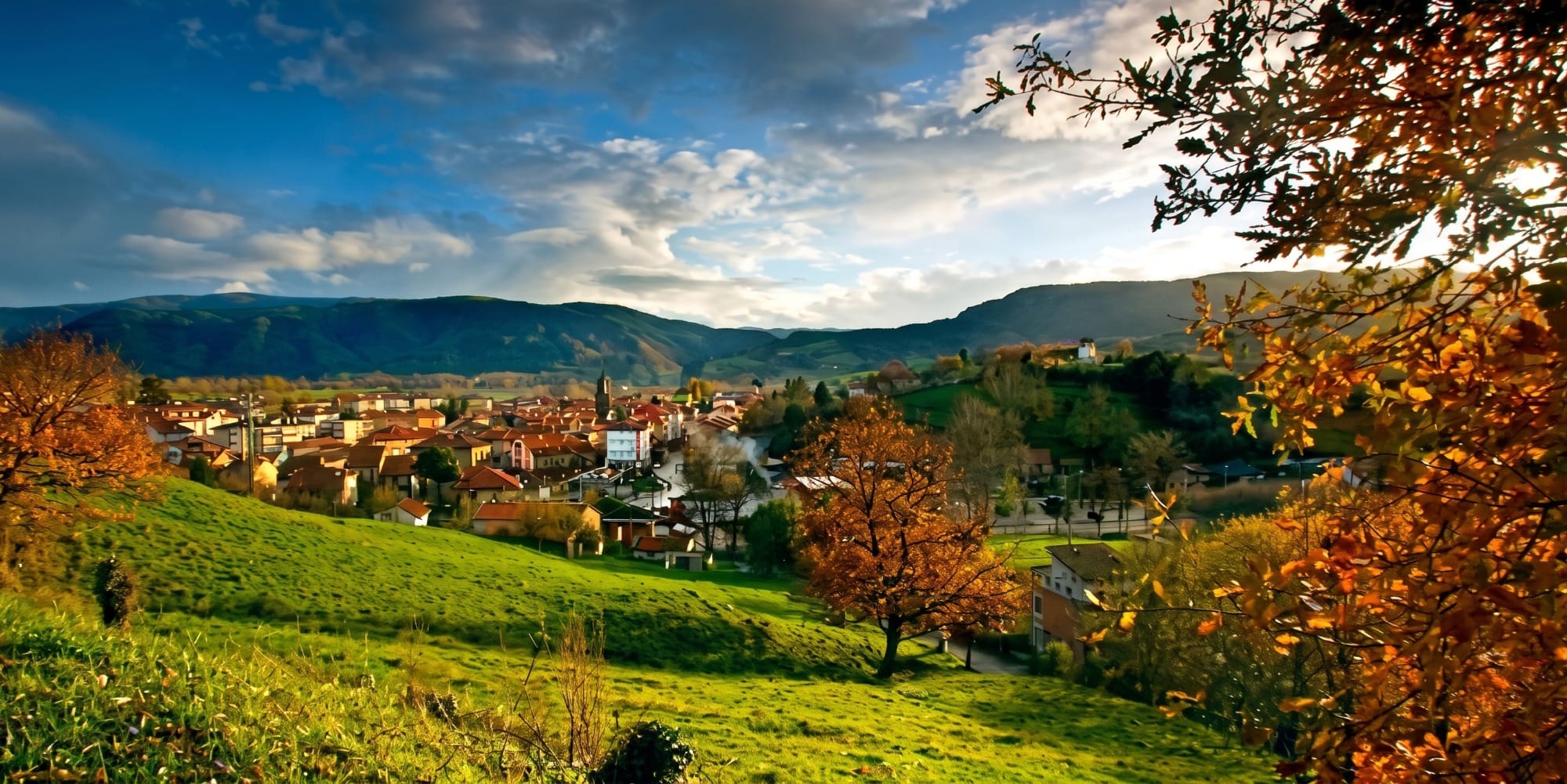
South of Reinosa, Cantabria changes face. The green coastal meadows give way to high moorland, poplar groves and sandstone outcrops that feel more like Castile than the Bay of Biscay. Here, in the Real Valle de Valderredible, lies one of the most unusual groups of rock-cut architecture in northern Spain: churches that weren't built, but hollowed out of the stone.
Autumn is a good time to go. The poplars along the Ebro turn yellow, the road is nearly empty and the low autumn light picks out every contour of the rock. It's cold and the days are short, so it pays to plan the route well: these are the must-see stops, in the order you reach them as you follow the valley.
Santa María de Valverde, the largest rock-cut church in Valderredible
This is the first stop and the most complete. Carved into a sandstone outcrop and topped by a Romanesque bell gable added centuries later, Santa María de Valverde is the largest of the valley's rock-cut churches. Its origins go back to the 10th century or earlier, and it was declared a Bien de Interés Cultural (a protected heritage site) in 1985.
What makes it special is that it isn't a ruin: it's still the village's working parish church. Stepping into a church whose interior is literally the rock gives you a far clearer sense of the whole phenomenon than any information panel.
Centro de Interpretación de la Arquitectura Rupestre
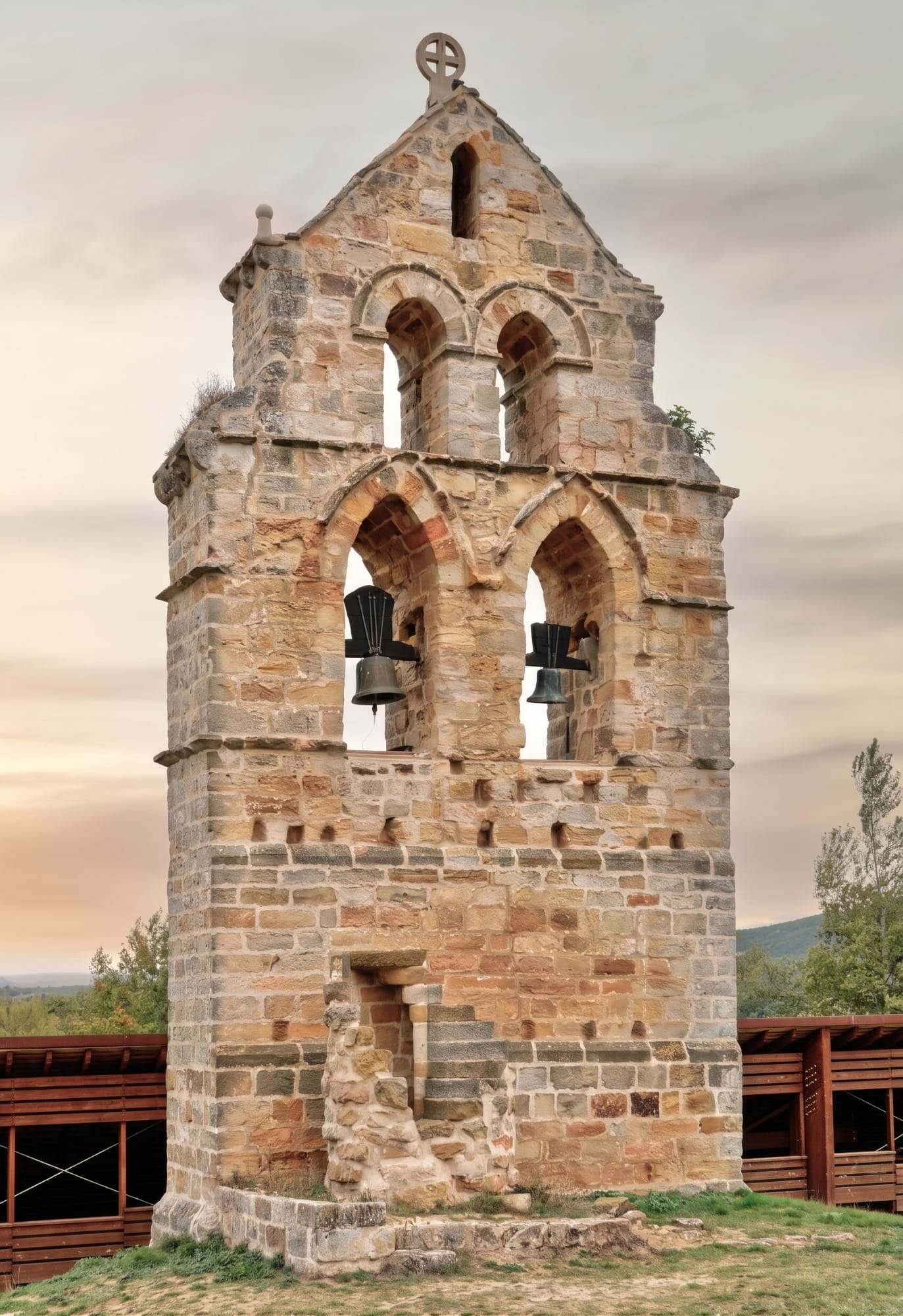
Next to the church is the Centro de Interpretación de la Arquitectura Rupestre, run by the Government of Cantabria. The exhibition explains how the region was Christianised, the hermit tradition, monastic life and the early medieval necropolises you'll find at almost every stop on the route.
It's worth seeing before you carry on: understanding why someone chose to live and pray inside a rock changes how you look at the hermitages that follow. Opening hours are seasonal and vary through the year, so call ahead (942 776 146), especially outside summer.
Campo de Ebro: a rock-cut hermitage next to the village church
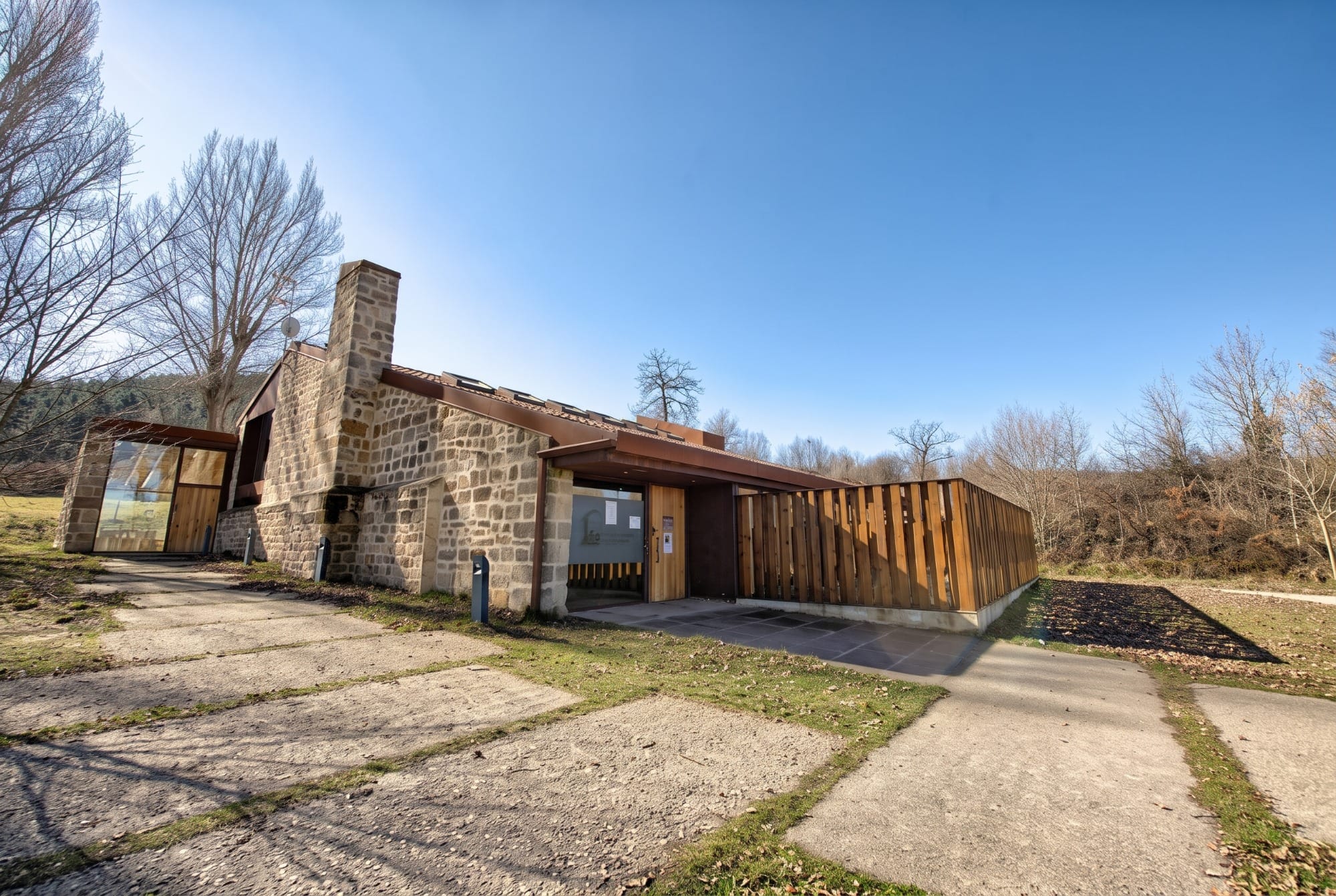
In Campo de Ebro the rock-cut hermitage stands alongside the parish church, so you can compare at a glance two ways of thinking about a place of worship, centuries apart. It's a small, single-nave cavity, and its date is still debated: some place it in the first Christianisation of the area, others in the 9th-century resettlement.
That uncertainty is part of the appeal of the whole route. No documents tell us who carved these churches or exactly when, and what we do know has been worked out from the stone itself and the graves around it.
“In Valderredible the churches weren't raised stone by stone: they were emptied out of the rock, hollow by hollow.”
Cadalso: the Virgen del Carmen hermitage by the roadside
Cadalso's is the most modest and also the easiest to see: it sits right by the road, no walking needed. Dedicated to the Virgen del Carmen, it was originally little more than a small cave fitted out as a hermitage. It has been a Bien de Interés Cultural since 1993 and still has a small rock-cut necropolis beside it.
Opposite stands a medieval tower with later additions, so the stop also shows how the valley remained inhabited and defended long after the age of the hermits.
Arroyuelos: the two-storey rock-cut church
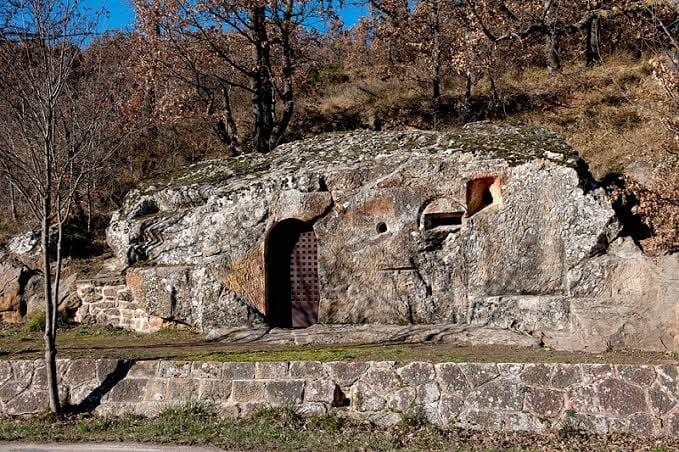
Arroyuelos holds the most original piece on the route. The church of San Acisclo y Santa Victoria fills the inside of a huge boulder and is the only rock-cut hermitage in Valderredible with two floors. You enter through a passage cut into the thick rock wall, and inside there are horseshoe arches that point to a date around the 10th century. It has been a Bien de Interés Cultural since 2003.
Around it is a necropolis of rock-cut graves, some anthropomorphic and others bathtub-shaped. Try to arrive in daylight: the setting is part of the visit, and in autumn and winter it gets dark early.
What to know about the Valderredible rock-cut churches route
The route is done by car along the valley road, with Polientes, the municipal capital, as a handy reference point halfway along. From Bareyo it's around 140 kilometres, about two hours on the motorway to Reinosa and then on local roads. Allow a full day if you want to go inside all four stops without rushing.
The interiors aren't always open: it depends on the visitor centre's hours and on the openings organised by the municipality. Turismo de Cantabria has a ruta por las ermitas rupestres de Valderredible with the stops and their background. From autumn to spring bring warm clothes and check the road conditions: the valley sits higher than the coast, and frost and fog are common in the mornings. And if you stay into the night, the valley has some of the darkest skies in the region: our guide to the Valderredible Astronomical Observatory is the perfect add-on for the same trip.
A day away from the sea
Valderredible is the other Cantabria, the one hardly anyone associates with the region and the one that best explains its oldest history. Getting there from the coast means an early start, but it's worth it: you come back feeling you've seen something that isn't on the postcards. Back at Bareyo Residences, the contrast between the morning's moorland and the murmur of the Cantabrian Sea at night is part of the journey.