San Vicente de la Barquera can be seen in a full day: the Castillo del Rey with its lookout over the estuary, the 28-arch Puente de la Maza, the Puebla Vieja with the church of Santa María de los Ángeles, and a stop by the Oyambre Natural Park, rounded off with a marmitako by the harbour.
A fishing town on Cantabria's western coast, San Vicente de la Barquera is built around its estuary and the headland where the kings of Castile raised a castle to watch over the harbour entrance. From Bareyo, the coastal road heading west leaves Santander behind and joins the A-8, completing the route in a little over an hour.

What sets this town apart from other villages on the Cantabrian coast is the combination: a historic quarter listed as a site of cultural interest, a medieval bridge you can still cross on foot or by car, and on the other side, almost without transition, the dunes and marshland of a natural park. In a single visit you go from Gothic cobblestones to sand. The town still lives off fishing — the harbour is active every morning — and it shows on the menu of any bar in the old quarter, not just in whichever restaurant is trending.
Castillo del Rey: the fortress overlooking the estuary
Built between the 13th and 14th centuries, the Castillo del Rey was part of the defensive belt that protected the town from the top of the headland. Since its restoration as a small museum, its rooms use panels and models to explain the history of the walled compound, but what really makes the climb worthwhile are its battlements: from there you look out over the Puente de la Maza, the fishing harbour and the marshland, with the Picos de Europa outlined in the distance on clear days.
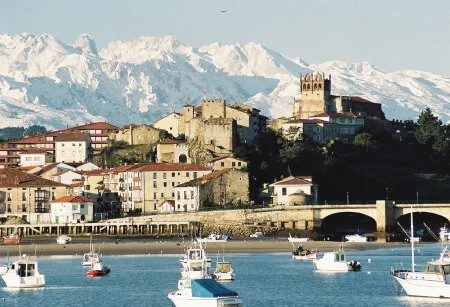
Puente de la Maza: 500 metres and 28 arches toward Oyambre
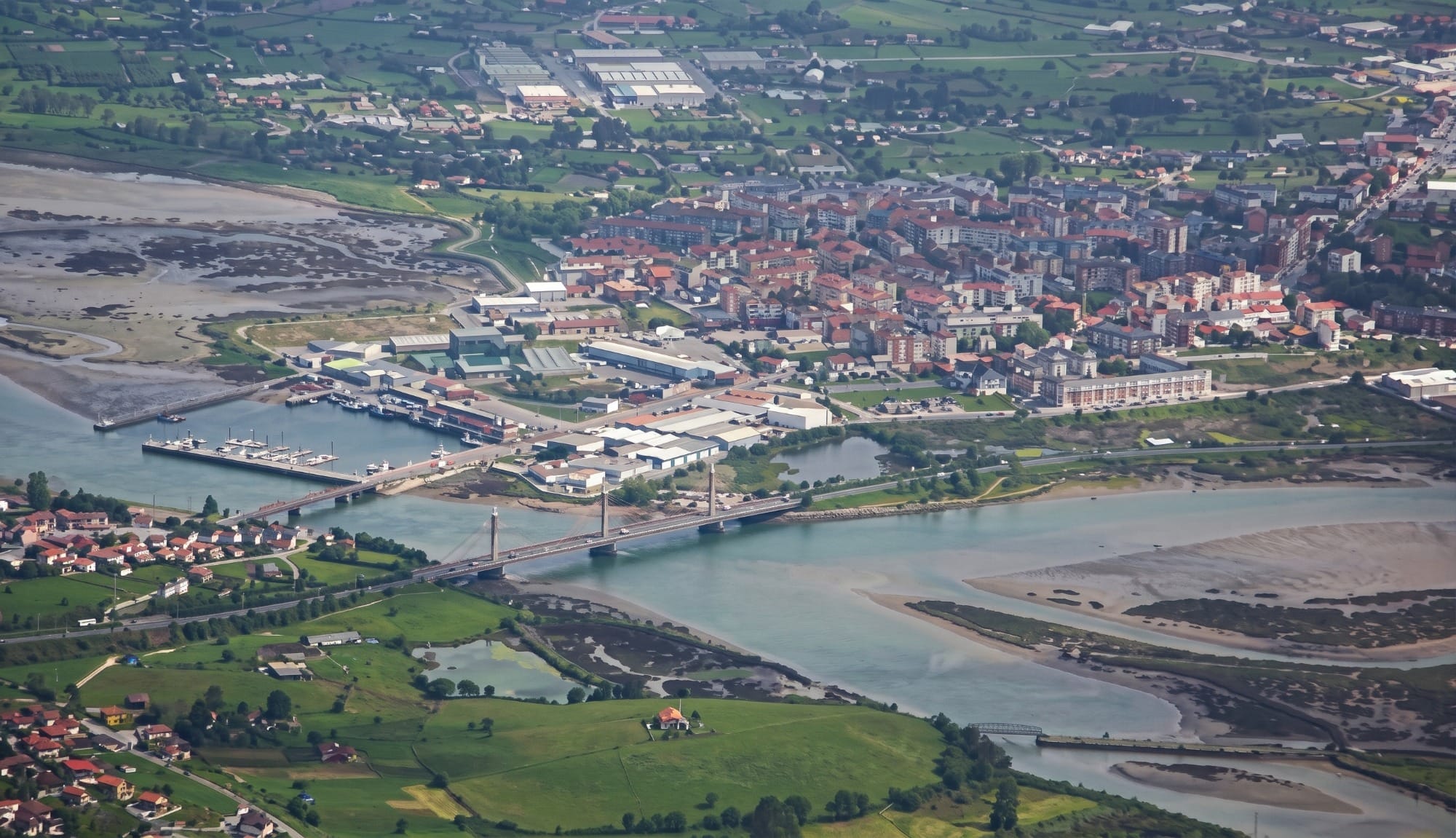
Commissioned by the Catholic Monarchs between the 15th and 16th centuries, the Puente de la Maza crosses the 500 metres of the estuary on 28 semicircular arches, linking the town with the natural park on the other side. It's the historic route into San Vicente from the west and, for anyone walking the Camino de Santiago del Norte, one of the longest crossings on the whole Cantabrian route: walking it on foot, with low tide exposing the sandbanks, gives a real sense of the scale of the estuary.
Puebla Vieja and the church of Santa María de los Ángeles
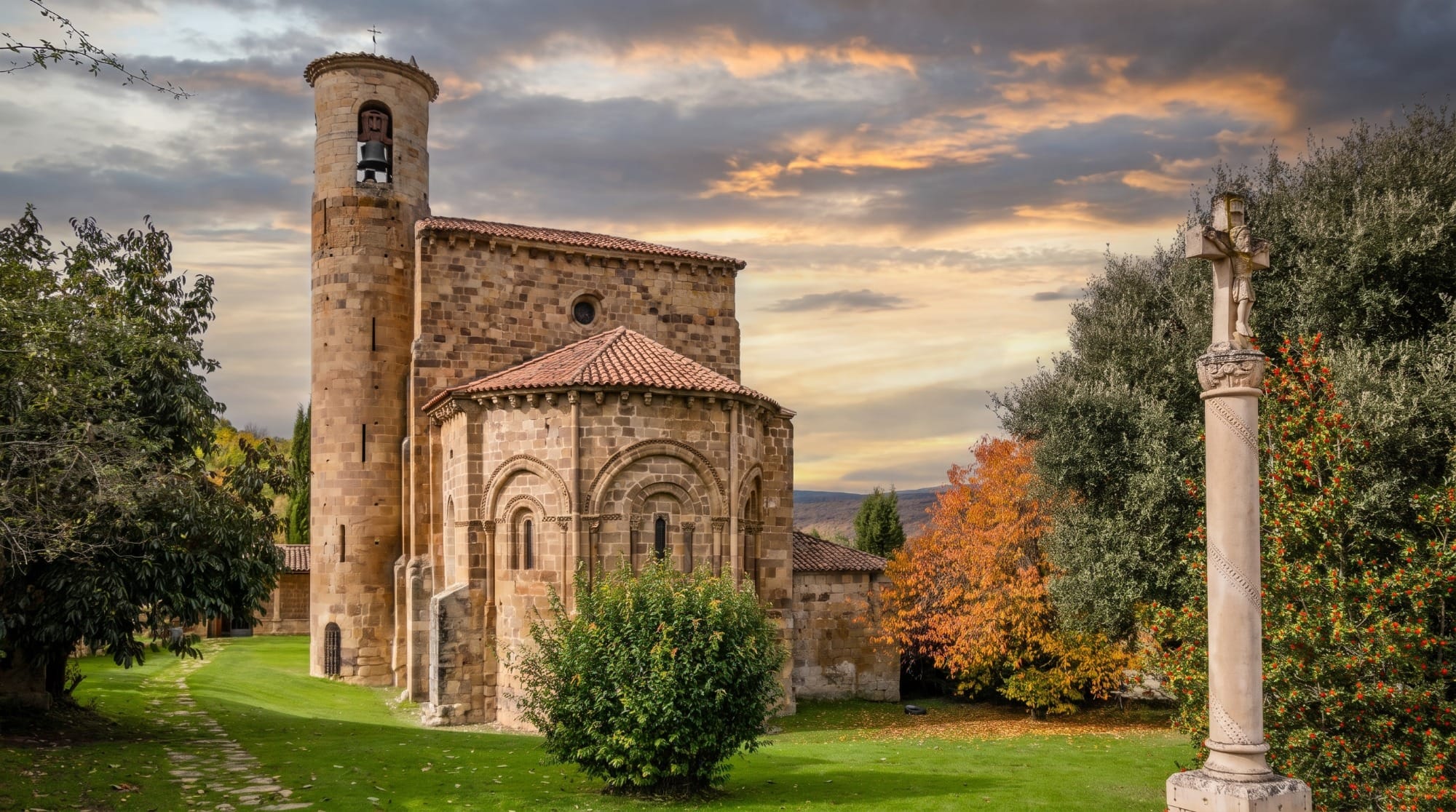
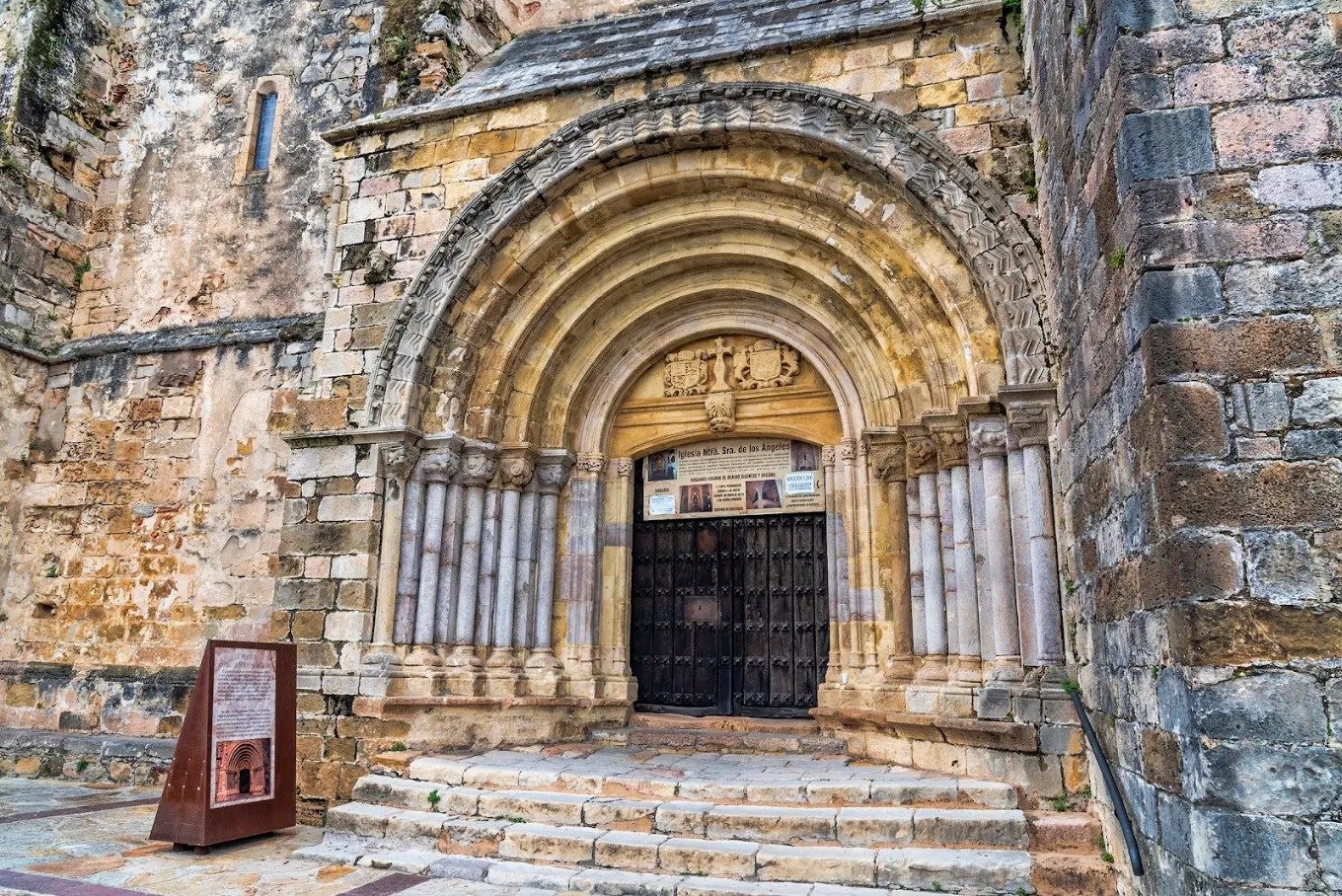
The Puebla Vieja quarter, listed as a site of cultural interest in 1987, preserves the medieval layout of narrow streets climbing from the harbour up to the castle. At the top, the fortress-church of Santa María de los Ángeles, Gothic in style and built from the 13th century onward, holds the Renaissance tomb of Inquisitor Corro, a work attributed to disciples of Michelangelo. It's best visited mid-morning, when the light comes in better through the apse windows.
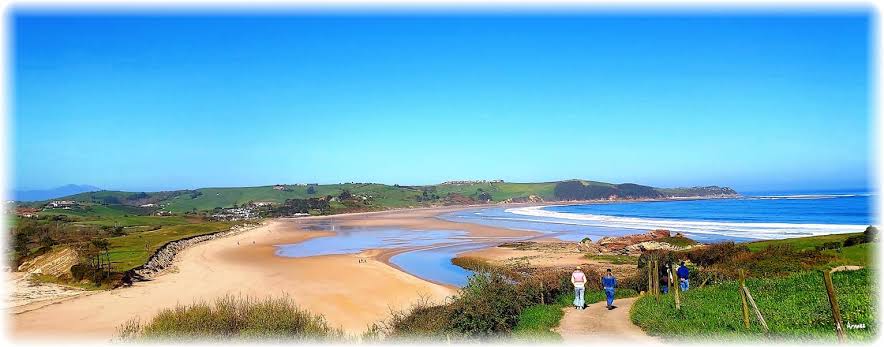
Oyambre Natural Park: the beaches on the other side of the bridge
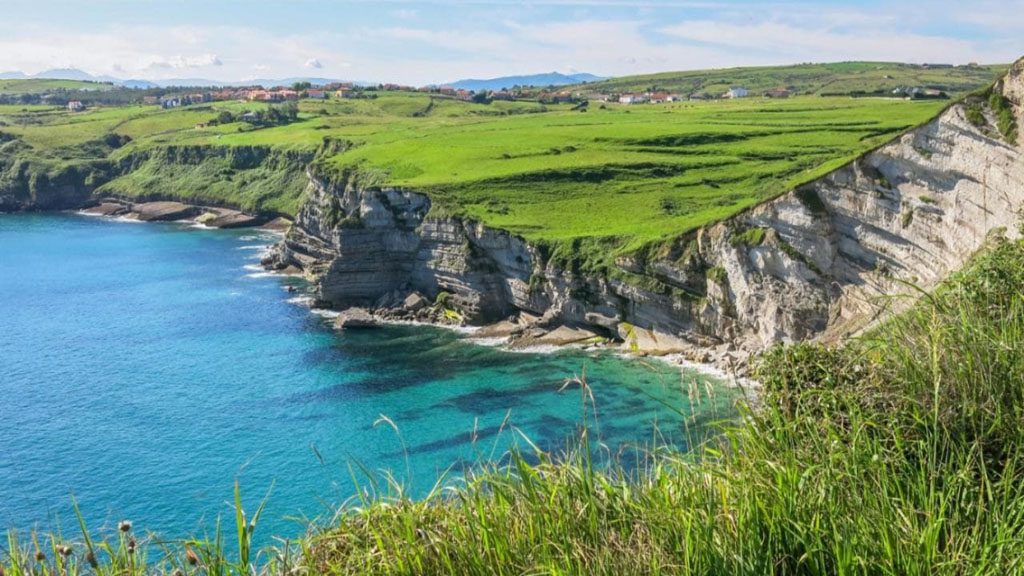
Right after crossing the Puente de la Maza, the Oyambre Natural Park begins, almost 6,000 hectares spread across San Vicente, Comillas, Udías, Valdáliga and Val de San Vicente. Merón beach reaches almost to the town's doorstep, while Oyambre beach, at the mouth of the Ría de la Rabia, offers a long stretch of fine sand and dunes that's far quieter in September than at the height of August. It's also a protected marshland area, so it's worth sticking to the marked trails rather than wandering off them.
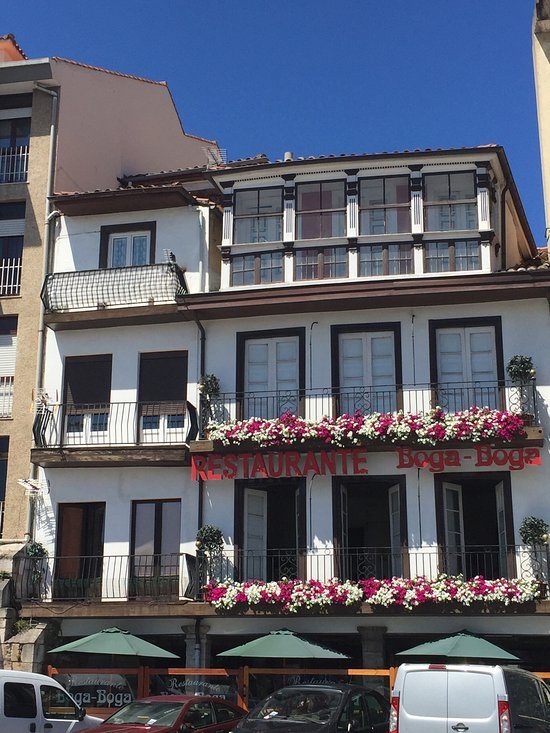
Where to eat in San Vicente de la Barquera: marmitako with harbour views
Under the arcades of the Plaza Mayor del Fuero, Boga-Boga has been serving market cuisine since 1963, using fish that comes in through the harbour that same morning. Marmitako is the house speciality, but they also make sorropotún, clams in marinera sauce, and anchovies in season. Booking is recommended for lunch, especially at weekends.
What you need to know
San Vicente de la Barquera is a little under an hour by car from Bareyo via the A-8. The Castillo del Rey and the church of Santa María de los Ángeles change their opening hours by season, so it's worth confirming before heading up. For parking, the harbour area and the car parks next to Merón beach are the most convenient options outside the historic quarter. And if you can choose, visit at low tide: the estuary is fully visible and the walk under the bridge is much better for it. Outside July and August, the town empties out considerably on weekdays, so September is a good time to see it without the crowds.
«Cross the Puente de la Maza and in five hundred metres you go from a medieval town to an entire nature reserve.»
San Vicente de la Barquera fits well into a full day trip from the Bareyo area, especially combined with another nearby town: if you've already worked through our guide to what to see in Santillana del Mar, add this fishing town to the same route, since both share that air of a village with history and the sea close by. Our two Bareyo Residences villas are a little over an hour from here.