What to see in Torrelavega: the neo-Gothic church of the Asunción, the Concha Espina Municipal Theatre and the Casa de los Escudos, the National Cattle Market with its Thursday street market, and the viewpoints of Monte Dobra. And, to finish, try the city's puff pastry.
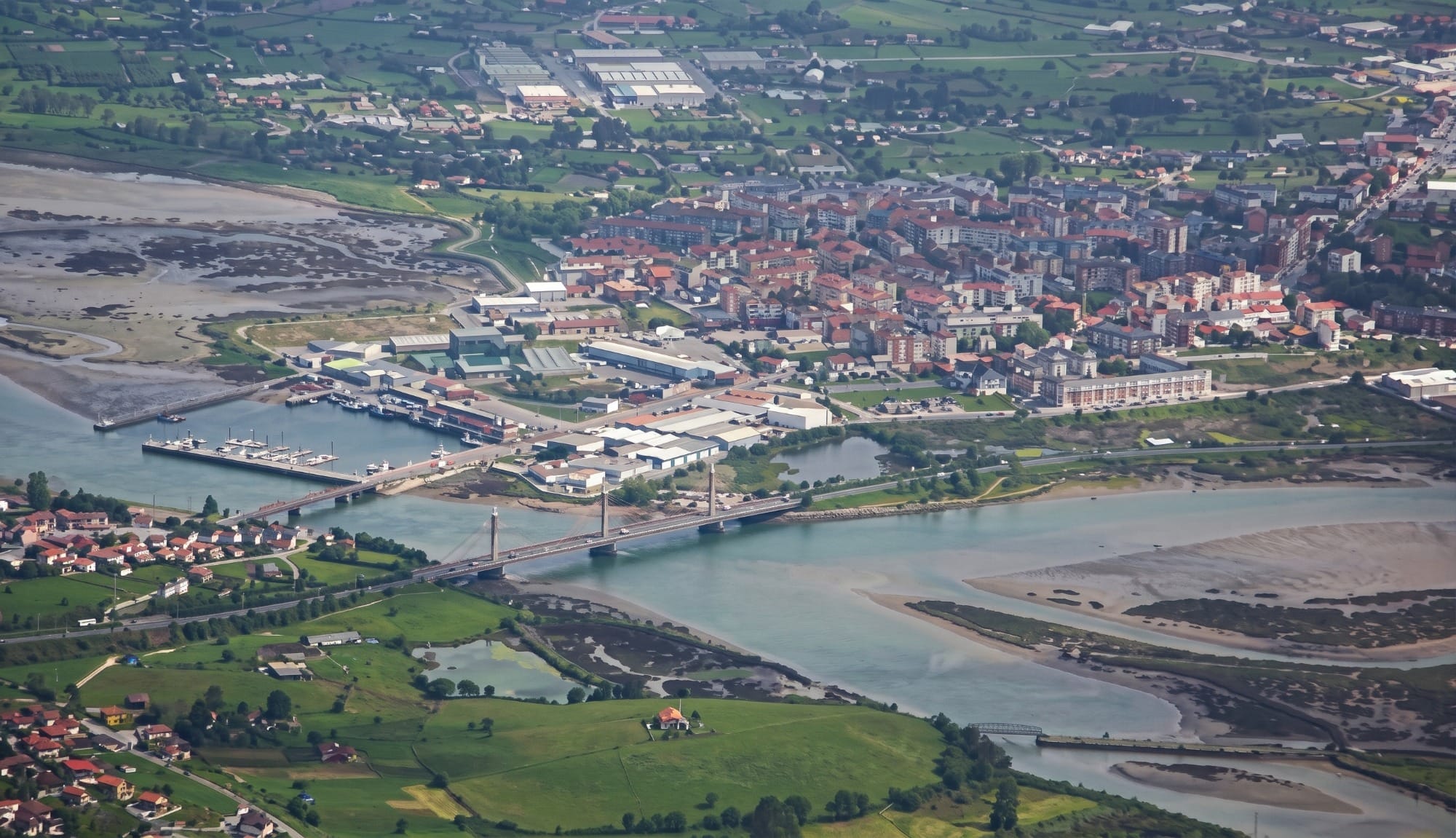
Torrelavega usually shows up on the map as a place you pass through: next to the motorway, on the way to Santillana, Comillas or the Picos de Europa. Those who stay a few hours find a city with a character of its own, living off industry, trade and livestock, and well aware of what it has.
It's not a postcard town. It's a working city, with a lively centre, a historic cattle market and a pastry tradition well known across Cantabria. That makes it a good plan for a grey day when the coast doesn't appeal, and a useful way to see another side of the region between beach and hiking days.
About 60 minutes from Bareyo, these are the stops that make the best use of the day.
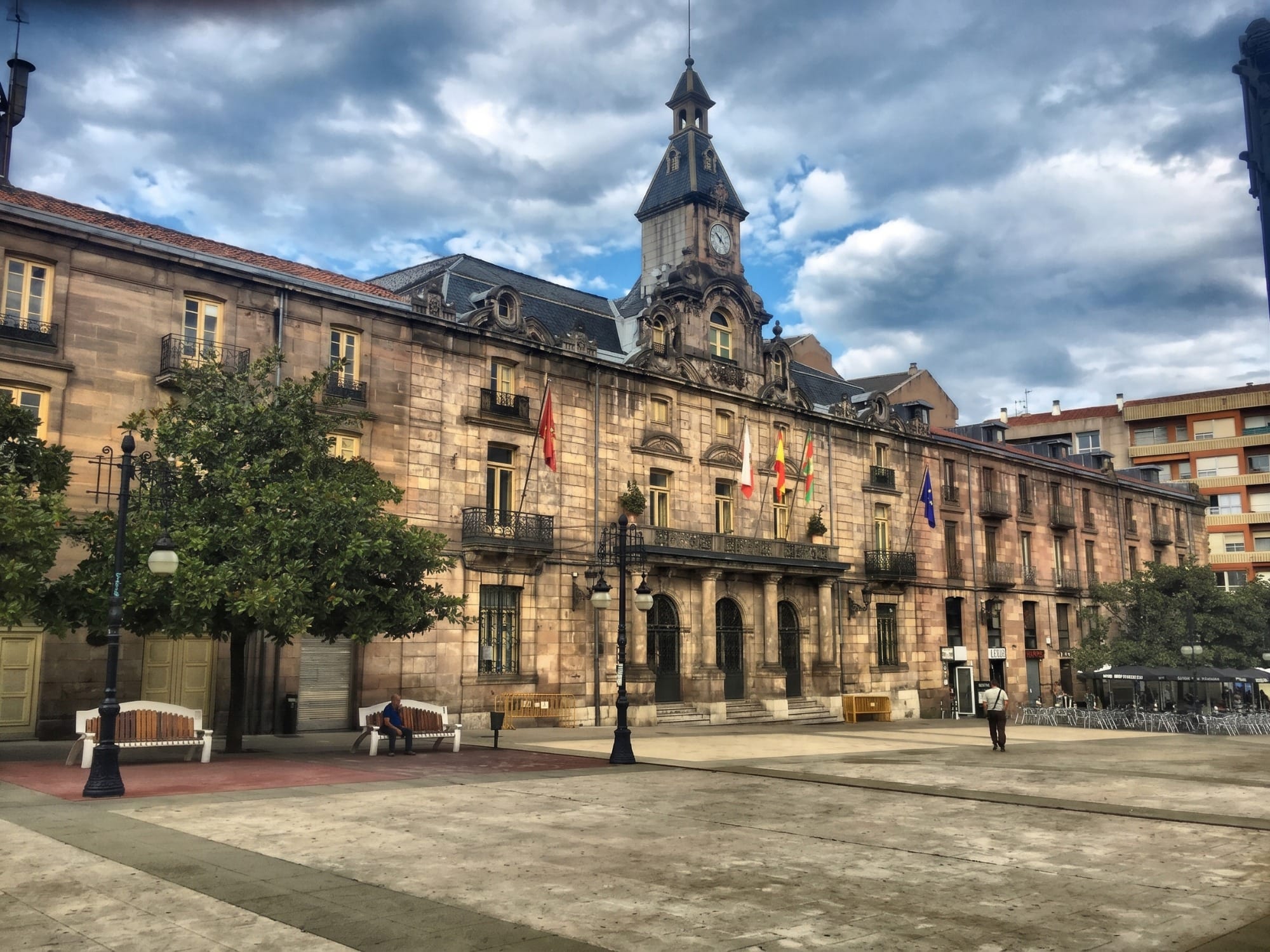
What to see in Torrelavega: Asunción church, theatre and Casa de los Escudos
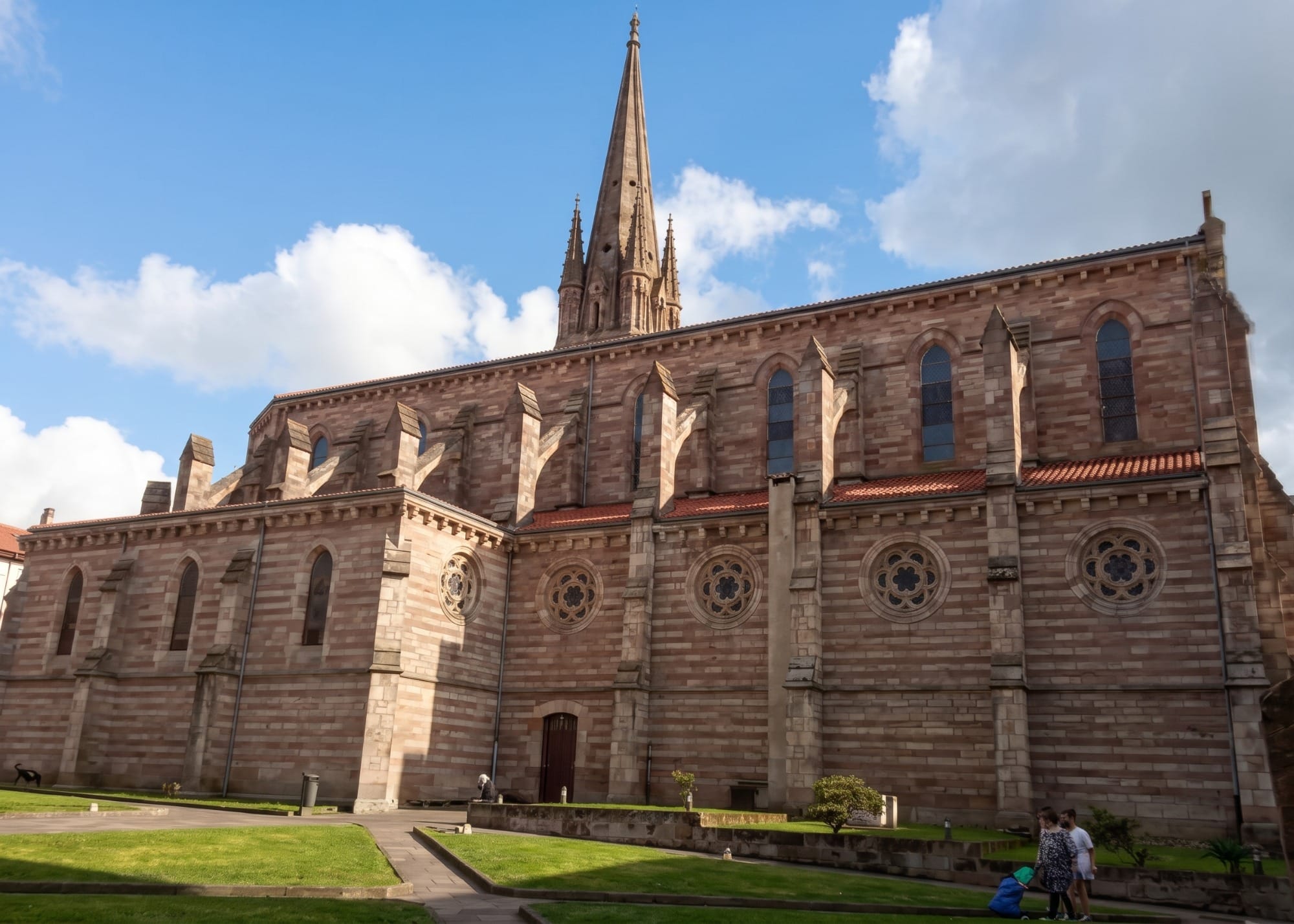
The most representative building is the church of Nuestra Señora de la Asunción, neo-Gothic and from the early 20th century. It stands out for its verticality and the careful ornamentation of the interior, divided into three naves separated by very tall arches. It's a good first stop because it's right in the centre and sets the order of your walk.
From there, the historic centre is easy to cover on foot. Two references to keep on your map: the Concha Espina Municipal Theatre and the Casa de los Escudos, a Modernist building. They aren't monuments you go into, so the usual approach is to see them from outside during your walk.
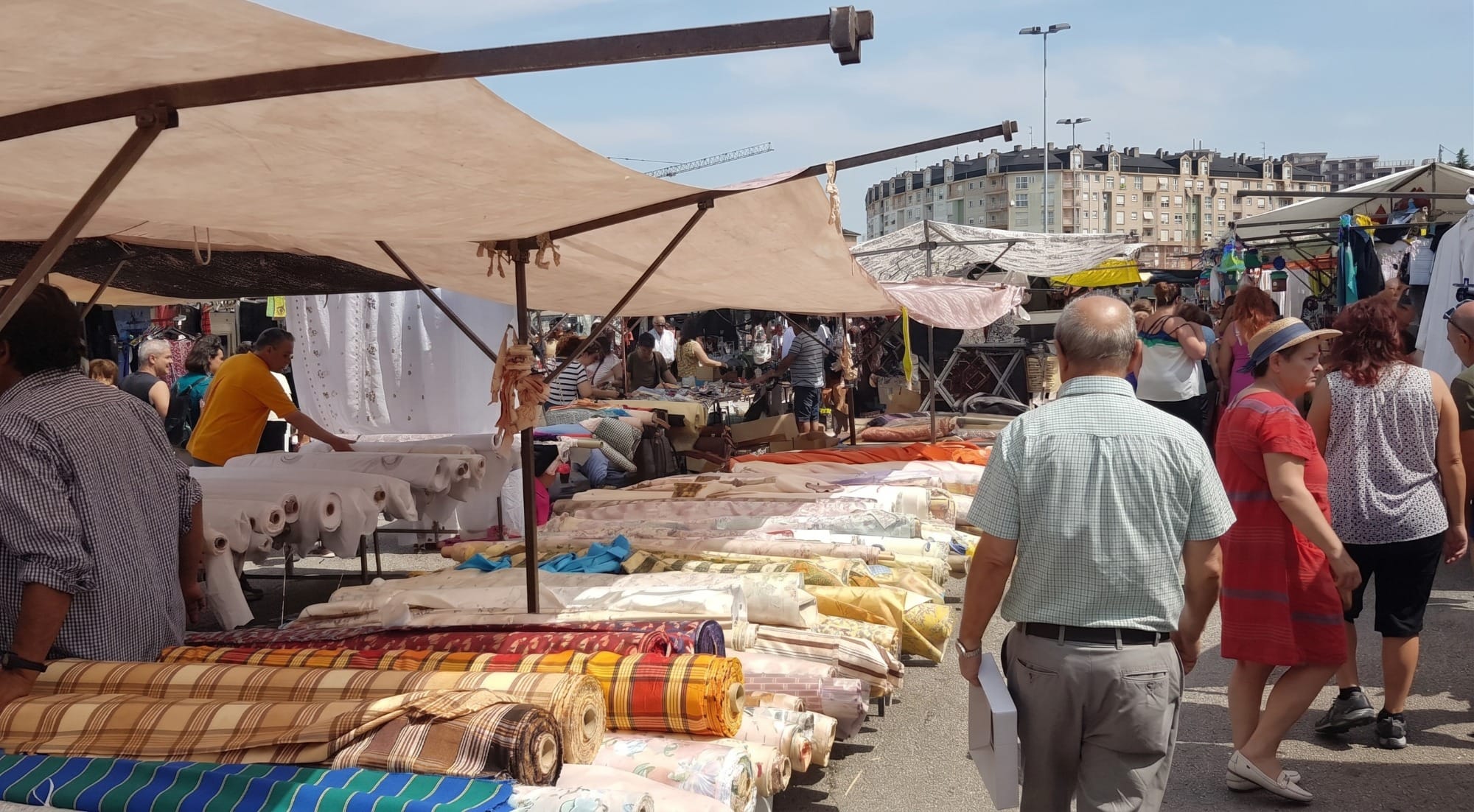
National Cattle Market and the Thursday street market
Torrelavega is synonymous with livestock in Cantabria. The National Cattle Market, opened in 1973 and named after Jesús Collado Soto, is remembered as the country's first cattle market, and it remains one of the city's hallmarks.
For visitors, the most convenient part is the Thursday street market: it is set up all year round in the outdoor area, next to the south façade of the building, on Avenida Fernando Arce. There are stalls selling clothes, food and local products, and it lets you see the city from the inside, among locals. Go with time and without a fixed shopping list: the fun is in walking the stalls, asking and comparing, just like the locals do.
The cattle auctions have their own calendar and aren't meant as a tourist attraction, so if you want to see them, confirm the days with the market beforehand.
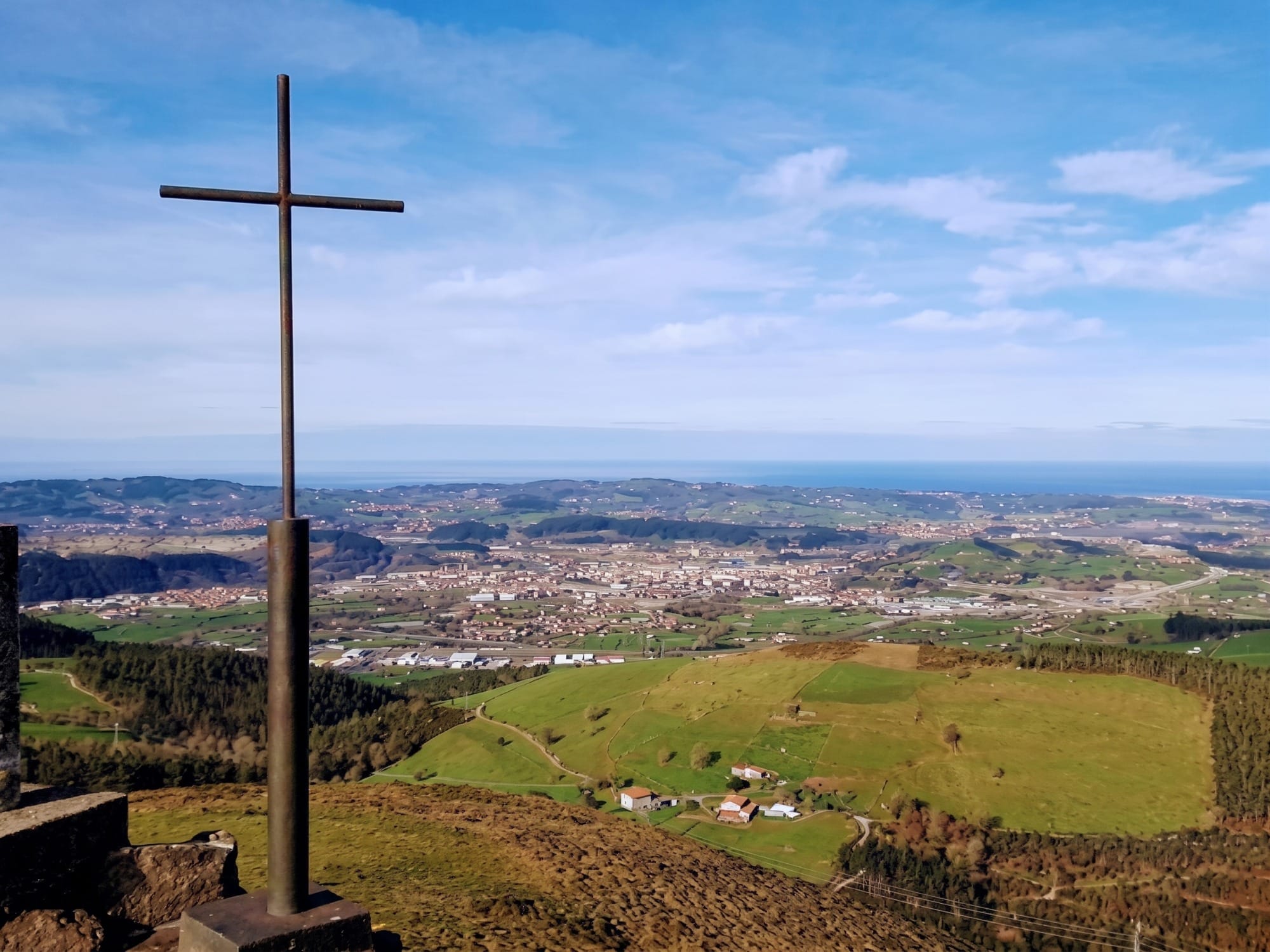
Monte Dobra and Viérnoles: views and manor houses
If you have time to spare, climb Monte Dobra, known as La Capía. From its summit you can see the city and the nearby villages, and it's the quickest way to understand how Torrelavega sits among valleys. Wear comfortable footwear and avoid days of thick fog, which take the point out of the climb.
At the other end, Viérnoles, a hamlet within the municipality, preserves palaces and manor houses of great historical value. It's a quiet, more rural stop that contrasts with the pace of the centre and can be done in an hour. The plan there is to walk among the houses and notice the stonework and coats of arms, nothing more ambitious.
Torrelavega puff pastry: the sweet stop
Torrelavega is considered the cradle of puff pastry in Cantabria, and you hardly need to look far to check: just step into a pastry shop in the centre. Polkas are its best-known sweet, and we've written about them in our guide to polkas and Torrelavega puff pastry, with the history of the sweet and tips for buying them.
Many pastry shops close early in the afternoon or rest one day a week, so it's best to leave the sweet stop for mid-morning, or for the end of your visit, and take a box home for the trip back.

What you need to know
Set aside half a day for the centre and the market, and a full day if you add Monte Dobra and Viérnoles. From Bareyo it's about 60 minutes by car. On market Thursdays there's more activity in the area.
The street market runs on Thursdays; pastry shops and local shops keep their own hours, so it's worth confirming them. For official information on the region and local events, see Turismo de Cantabria.
In autumn and winter, bring an umbrella: it's an area with frequent rain and the centre is best explored with the right clothes.
«Torrelavega doesn't boast a postcard look: it wins the visitor over at the market, at the pastry shop and in conversation with the people who live there.»
Torrelavega completes the picture of a Cantabria that isn't limited to the coast: a city of work, markets and sweets, an hour from the Ajo estuary. For anyone staying in Bareyo, it's a different kind of day, useful when the weather doesn't favour the beaches. If you liked this idea, add this visit to your list of inland outings.