What to see in Potes: you can walk around this Liébana town in a morning. The essentials are the Torre del Infantado, the church of San Vicente, the bridges over the Quiviesa and the Deva, and, a few kilometres away, the monastery of Santo Toribio de Liébana.
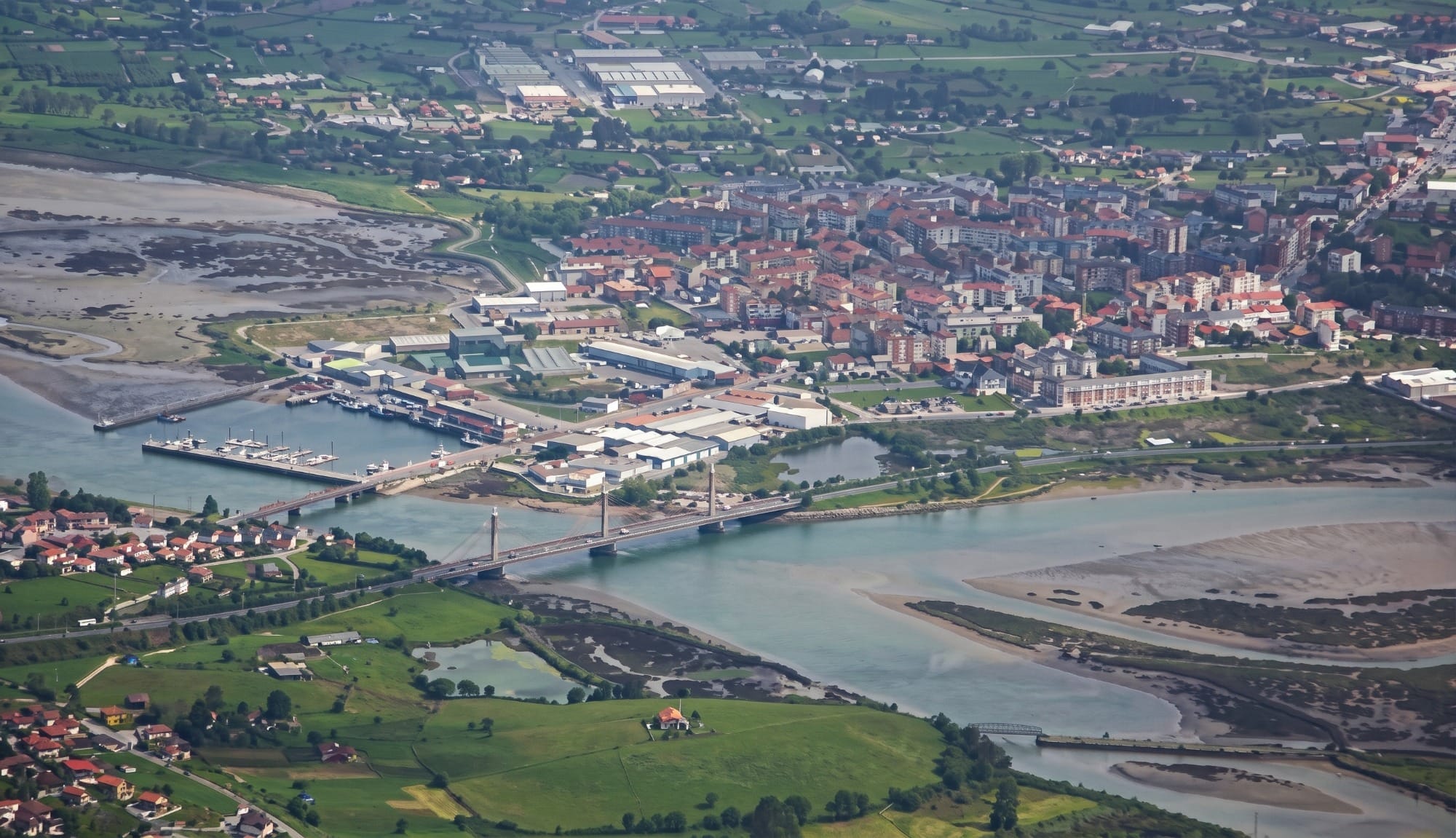
Potes is the capital of the Liébana region, 291 metres above sea level, where the river Quiviesa meets the Deva, surrounded by mountains. You can see the Picos de Europa from its streets, which makes it the natural gateway to the eastern massif.
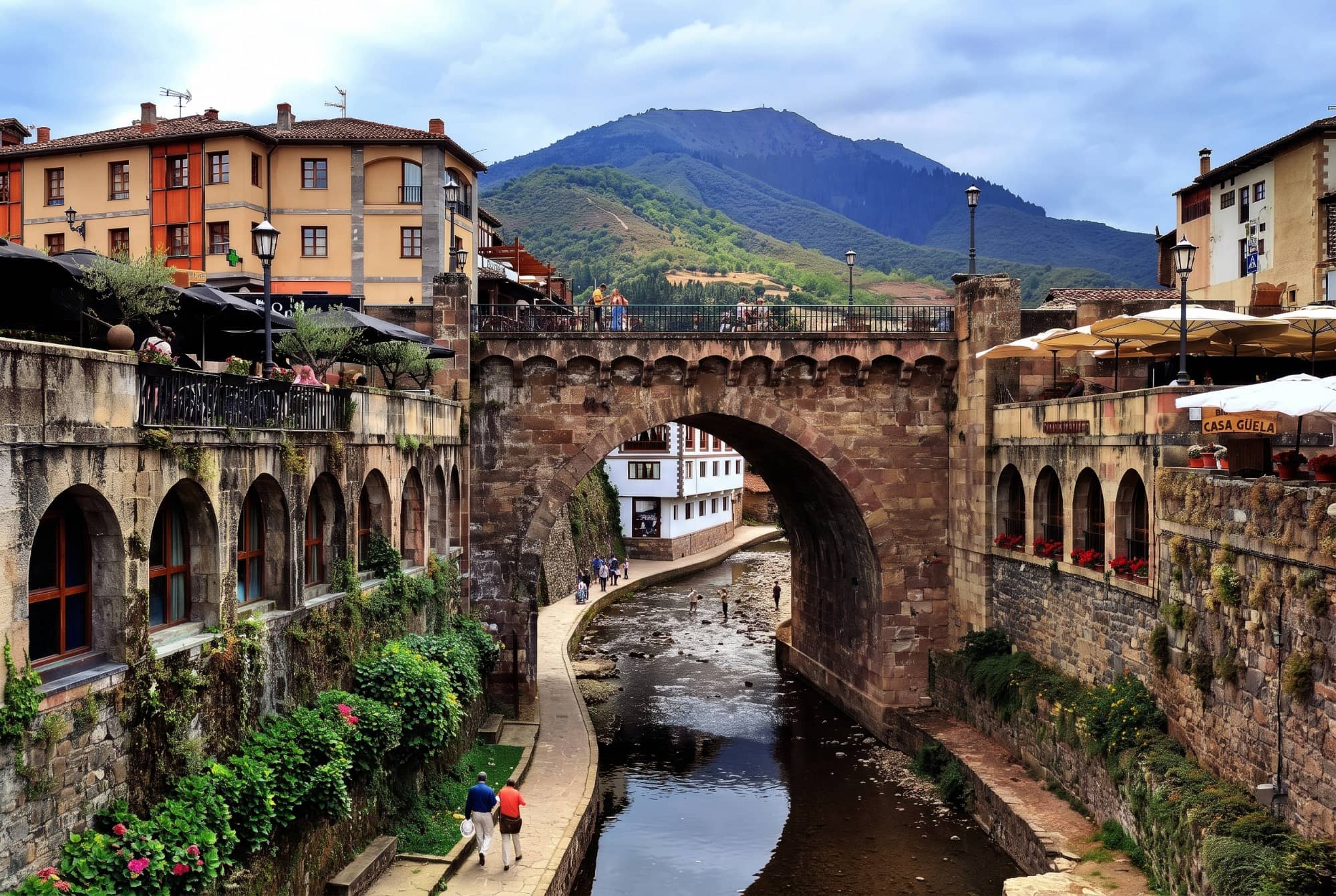
With just over 1,300 inhabitants, it is a small town that is quickly understood. You don't need a complicated plan: a stroll through the old town, a meal with local produce and the climb to the monastery fill a whole day. From Bareyo it is a full-day trip, so it's best to leave early.
What to see in Potes: the old town between two rivers
The old quarter has been a declared historic site since 1983 and can be walked in no time. Narrow streets, stone houses with wooden balconies and arcades give the centre the look of a mountain town that has been better preserved than most. The most practical thing is to leave the car on the outskirts and walk in: the layout wasn't designed for traffic. Mount Arabedes, at 694 metres, towers over the town and is a handy landmark for finding your way.
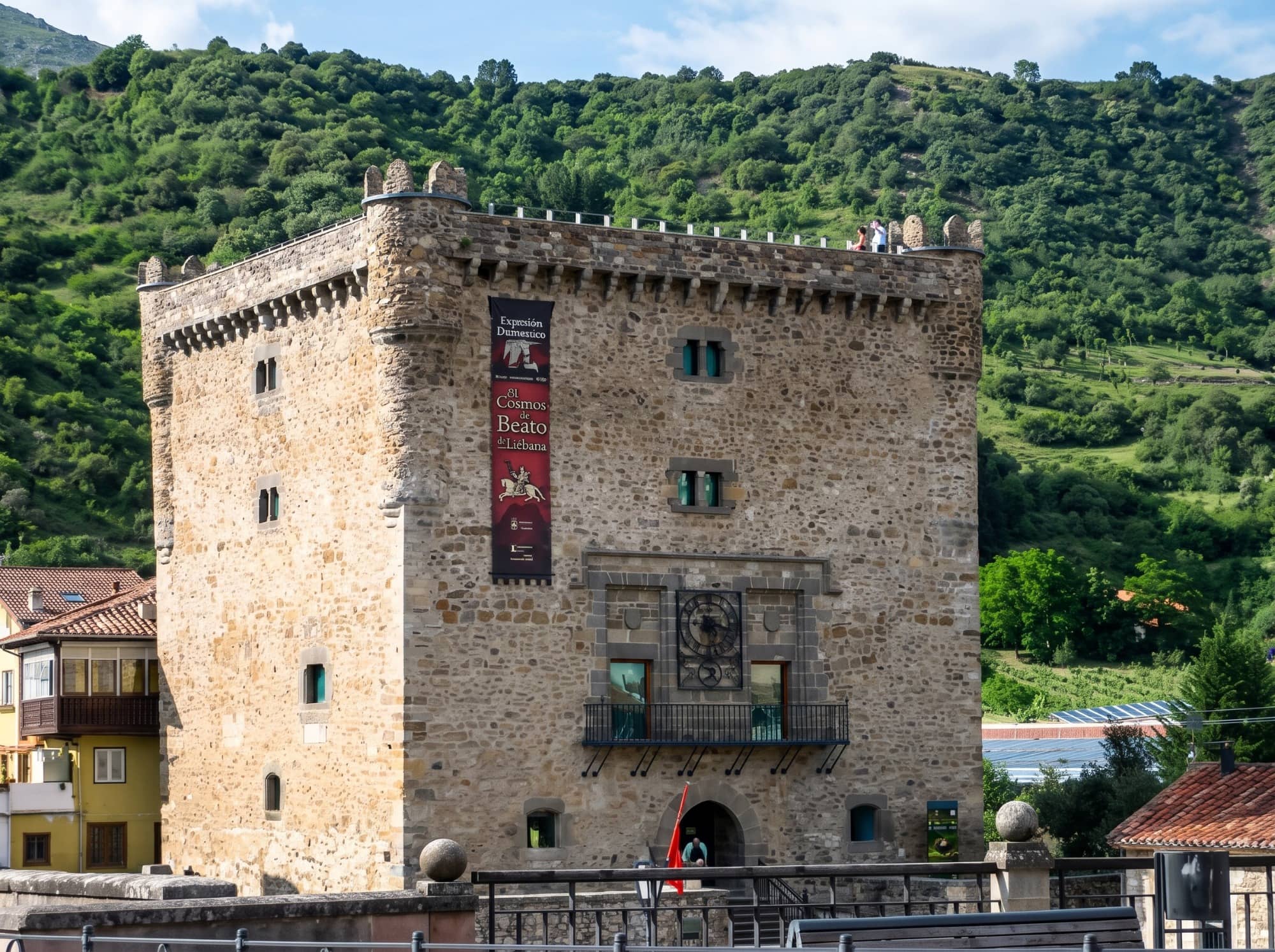
The Torre del Infantado
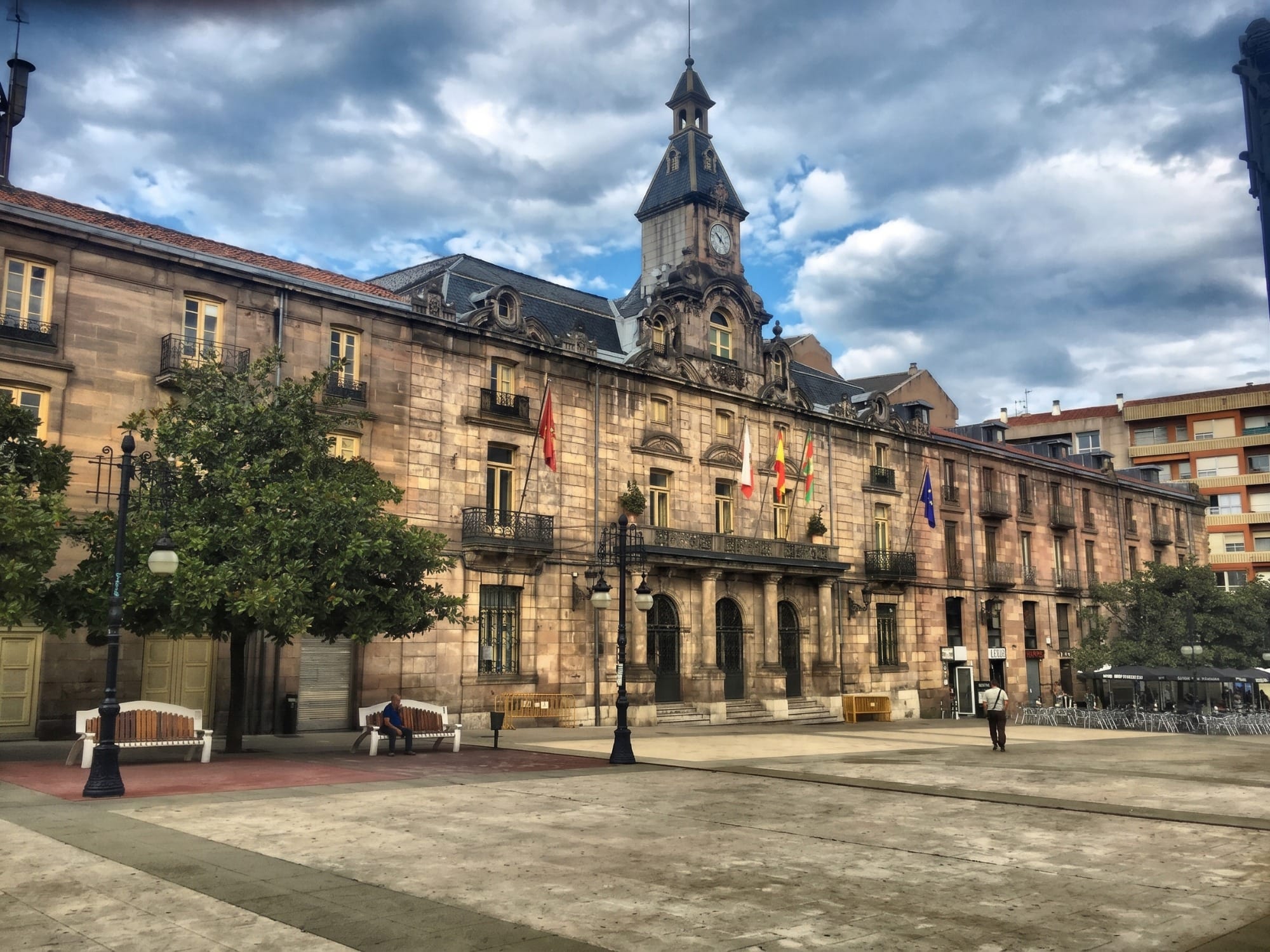
The most recognisable monument is the Torre del Infantado, built in the 15th century by the Mendoza family. Today it houses the Town Hall, so whether you can visit it depends on the moment; before you go, check with the Town Hall whether it is open or under works, because the published information doesn't agree. Even when it is closed, it is worth seeing from outside, with its stone bulk over the old town.
The church of San Vicente and the bridges
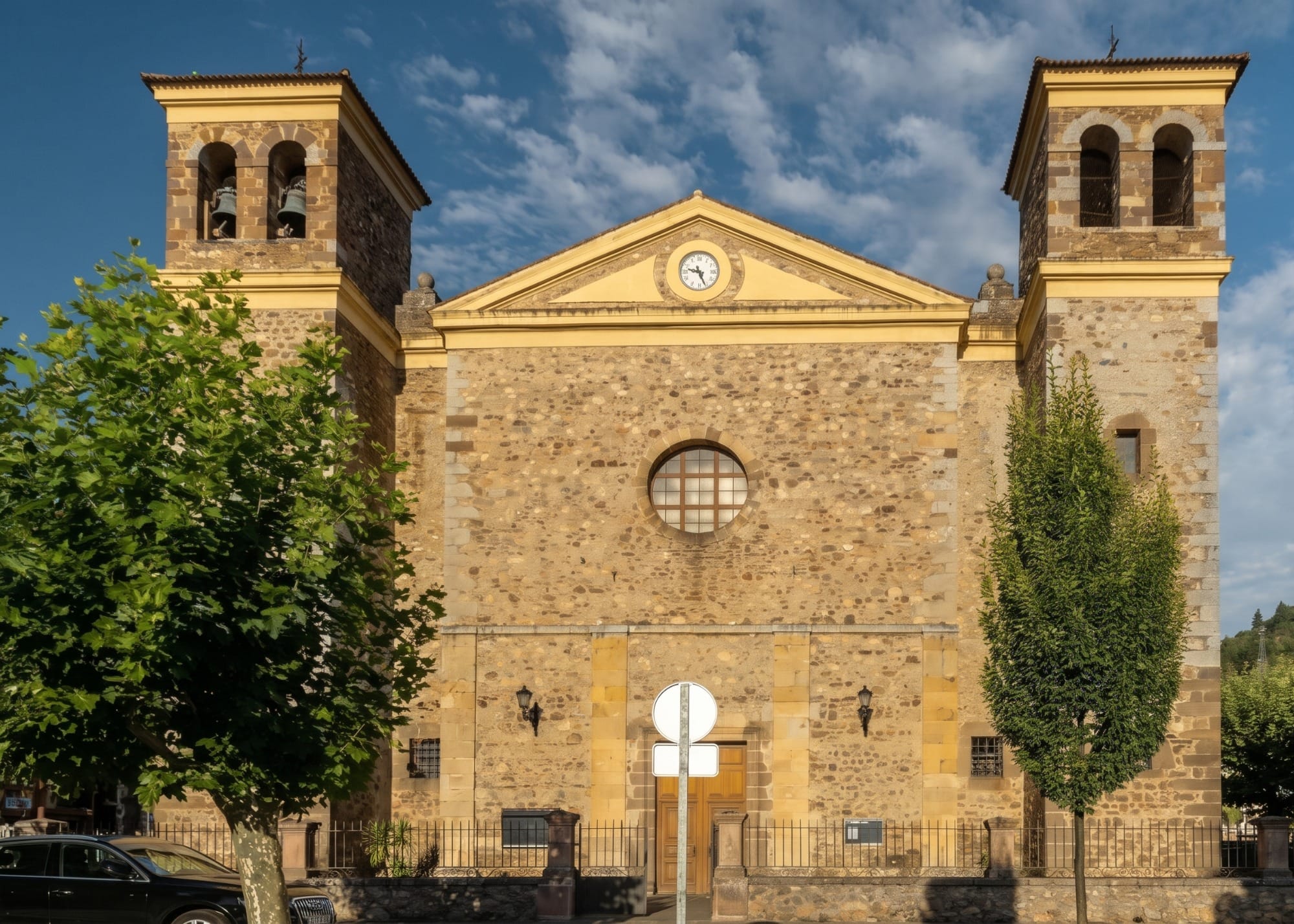
The church of San Vicente is a listed monument and is first mentioned in the year 947, when it belonged to the monastery of Santo Toribio. It is a good counterpoint to the tower: older and more sober. Then head down to the bridges. The San Cayetano bridge, from the time of the Torre del Infantado, and the other crossings over the Quiviesa and the Deva explain the nickname «town of bridges» and offer the best photos in town, especially with low water and mid-morning light.
Santo Toribio de Liébana
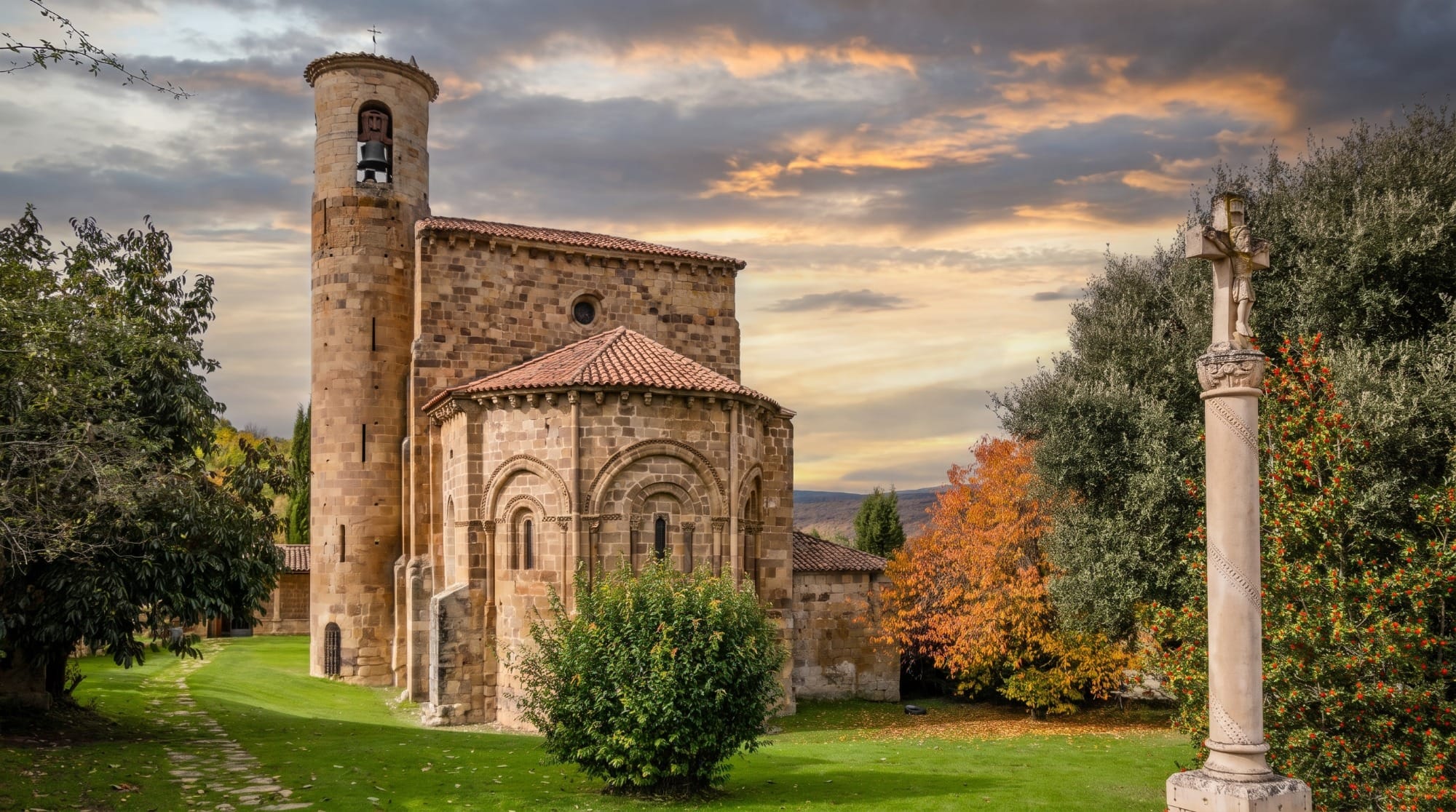
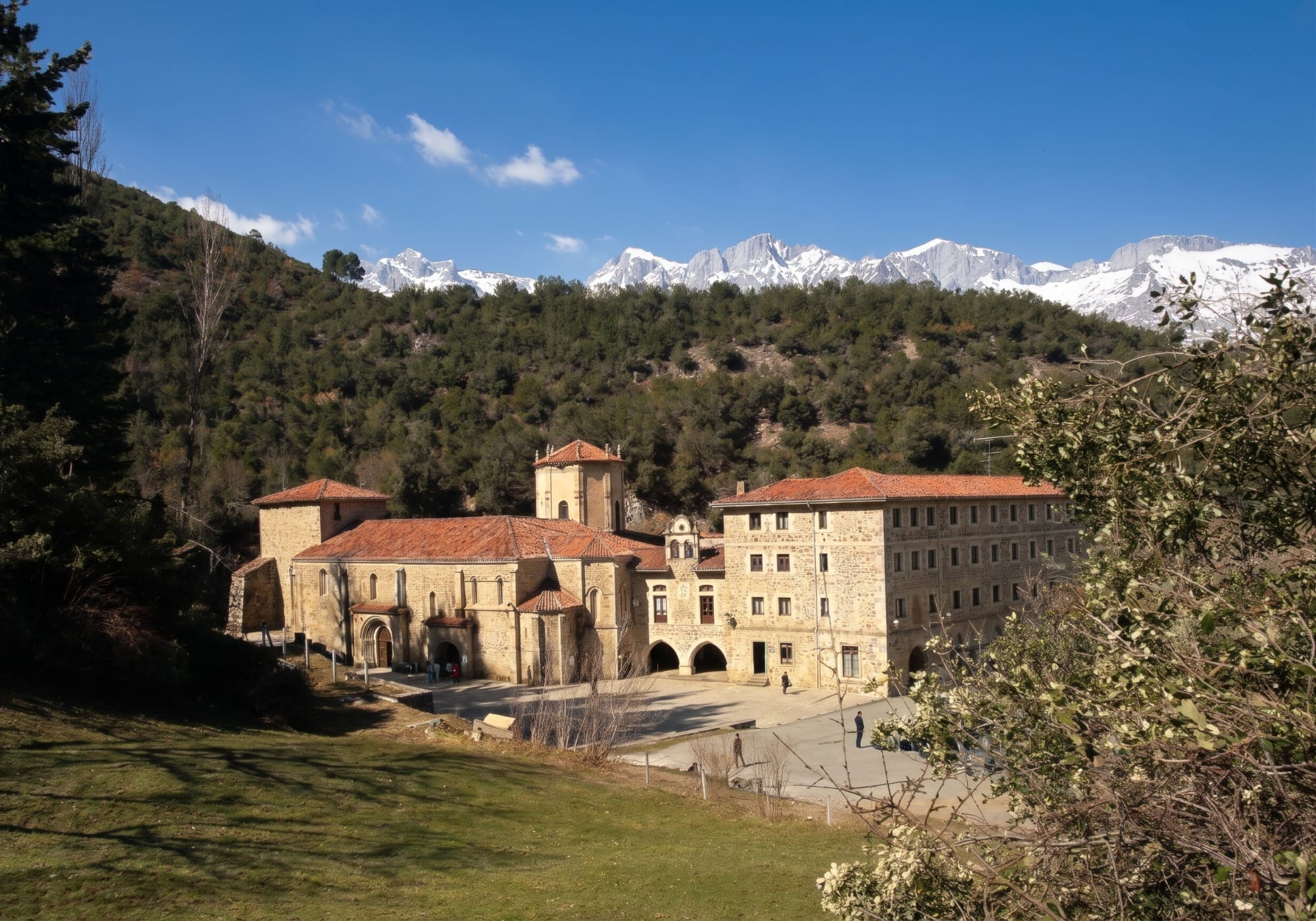
A few kilometres from Potes you can climb up to the monastery of Santo Toribio de Liébana, home to the Lignum Crucis, considered the largest surviving fragment of the cross of Christ. It is one of the most important pilgrimage sites in Christianity and the destination of the Camino Lebaniego, which we already cover in our guide. If you want to do the route on foot or understand how it is organised, the Camino Lebaniego, with its stages and the credential, tells you how to get here walking. The distance from Potes varies depending on the source, so it's best to check with the tourist office.
What to eat in Potes
Liébana has its own cuisine and Potes is the place to try it: cocido lebaniego, picón cheese, orujo and the region's sweets. On fair and market days, the square fills with stalls selling local products. If you'd rather plan your meal ahead, the Cantabria Tourist Office guide helps you organise food and visits in the area.
When to go: festivals and fairs
Potes has several big dates: the Fiesta del Orujo, of Regional Tourist Interest, the festival of La Cruz on 14 September, the Feria de Todos los Santos on 2 November and Santuca on 2 May, patron saint of Liébana. On festival days the town fills up, so get up early and park far away. Outside those dates, Potes is much quieter and more enjoyable.
What you need to know
Where: Potes, capital of the Liébana region, where the Quiviesa and the Deva meet. Altitude: 291 metres. Time needed: one morning for the town and another half day if you go up to Santo Toribio. What to visit: Torre del Infantado, church of San Vicente, bridges and the old town. Before you go: check opening hours and the status of the Torre del Infantado and the monastery. Parking: best on the outskirts, then walk in. Clothing: the mountains change quickly, so bring a coat even if the coast is sunny.
«Potes is best visited slowly: two rivers, a tower and plenty of reasons not to rush.»
Potes is one of those plans that is hard to sum up in an afternoon. From Bareyo it makes a comfortable day trip, with the Liébana region as a counterpoint to the Trasmiera coast. Guests at Bareyo Residences tend to appreciate exactly that: heading to the mountains in the morning and coming back at the end of the day to the calm of the village, with the sea a short walk away.