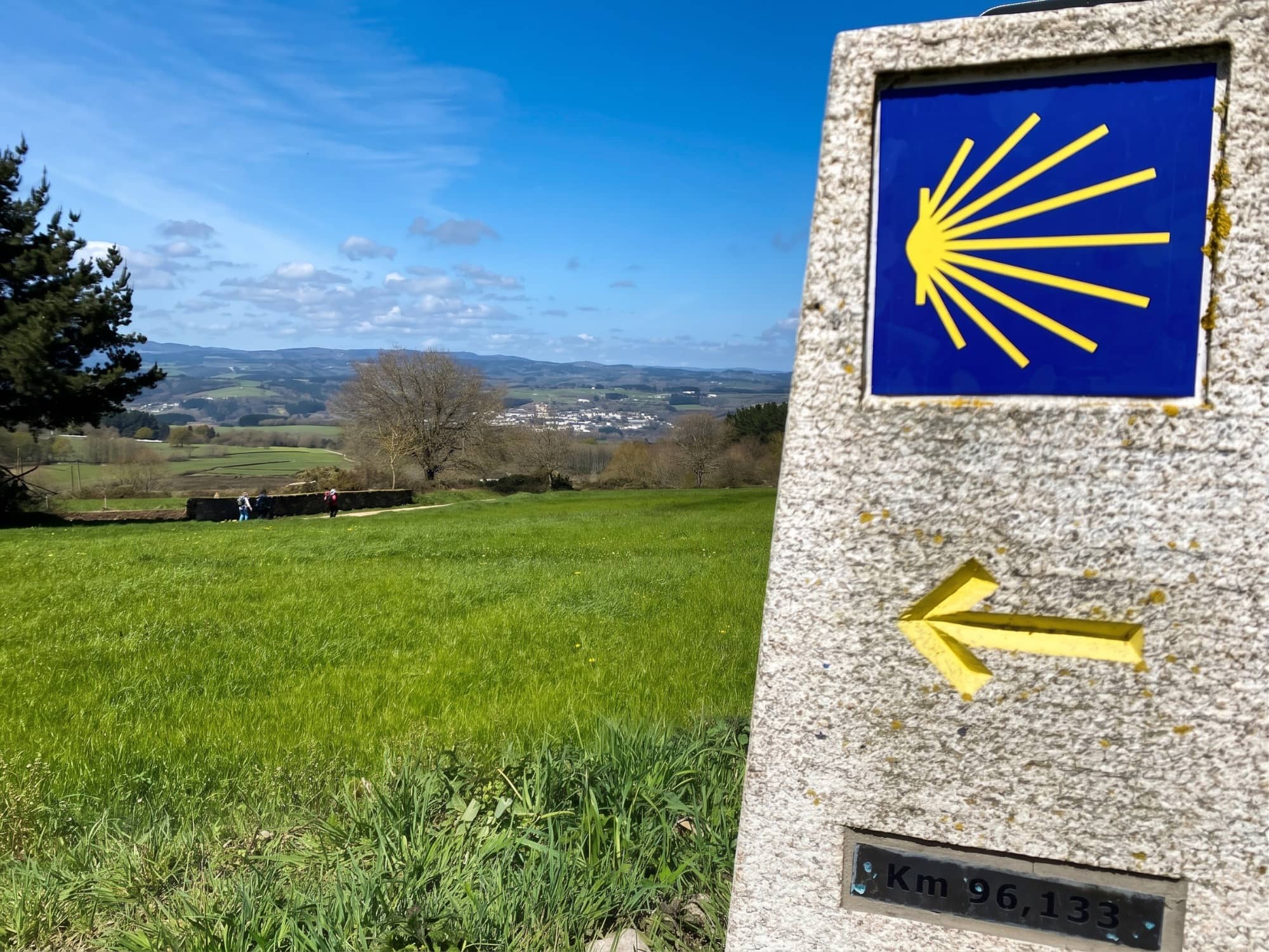
The Camino Lebaniego is a pilgrimage route of about 72 km that links San Vicente de la Barquera with the monastery of Santo Toribio de Liébana, in three official stages. You pick up the credential before you set off, sleep in pilgrim hostels and receive the Lebaniega when you arrive. From Bareyo, the starting point is less than an hour away.
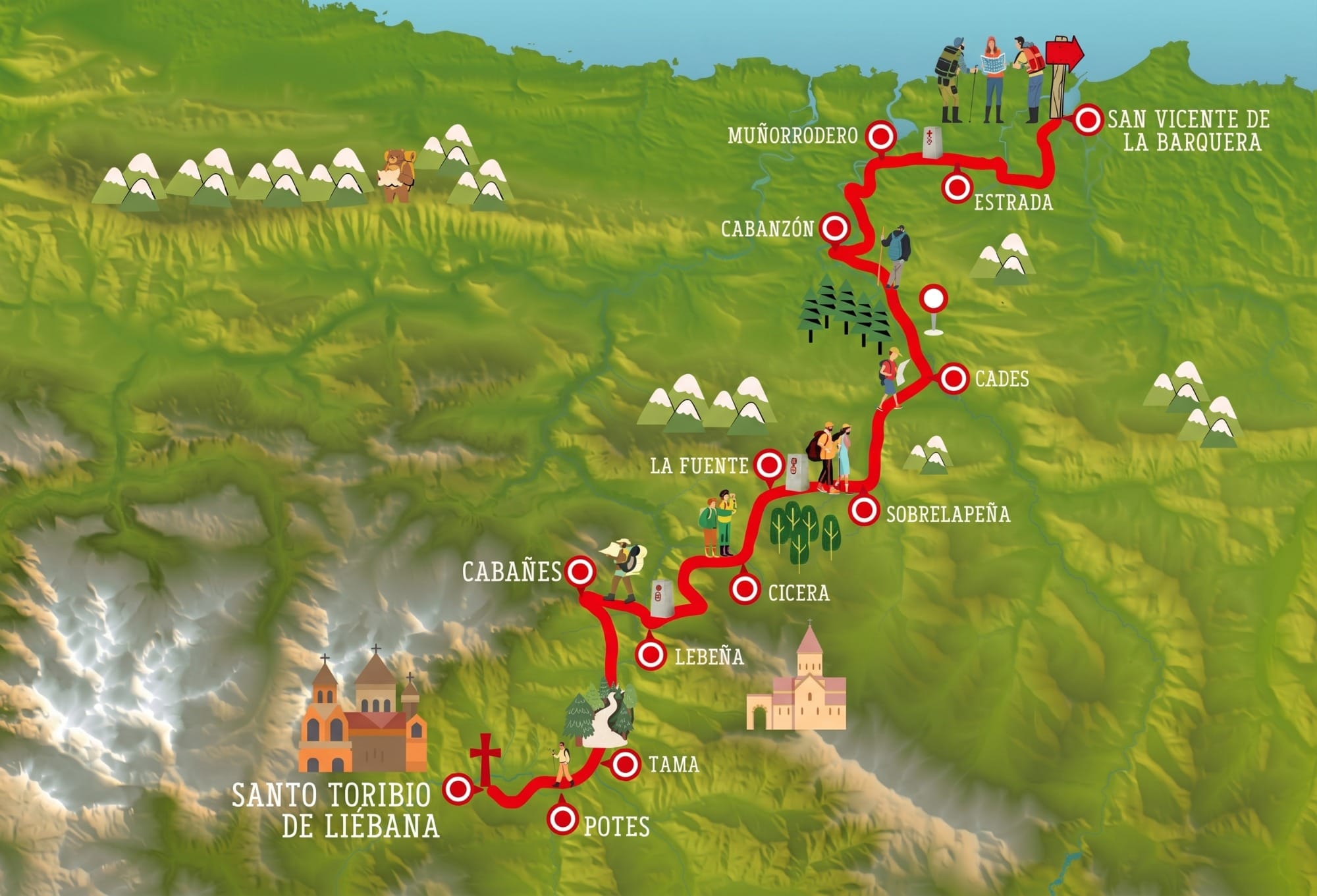
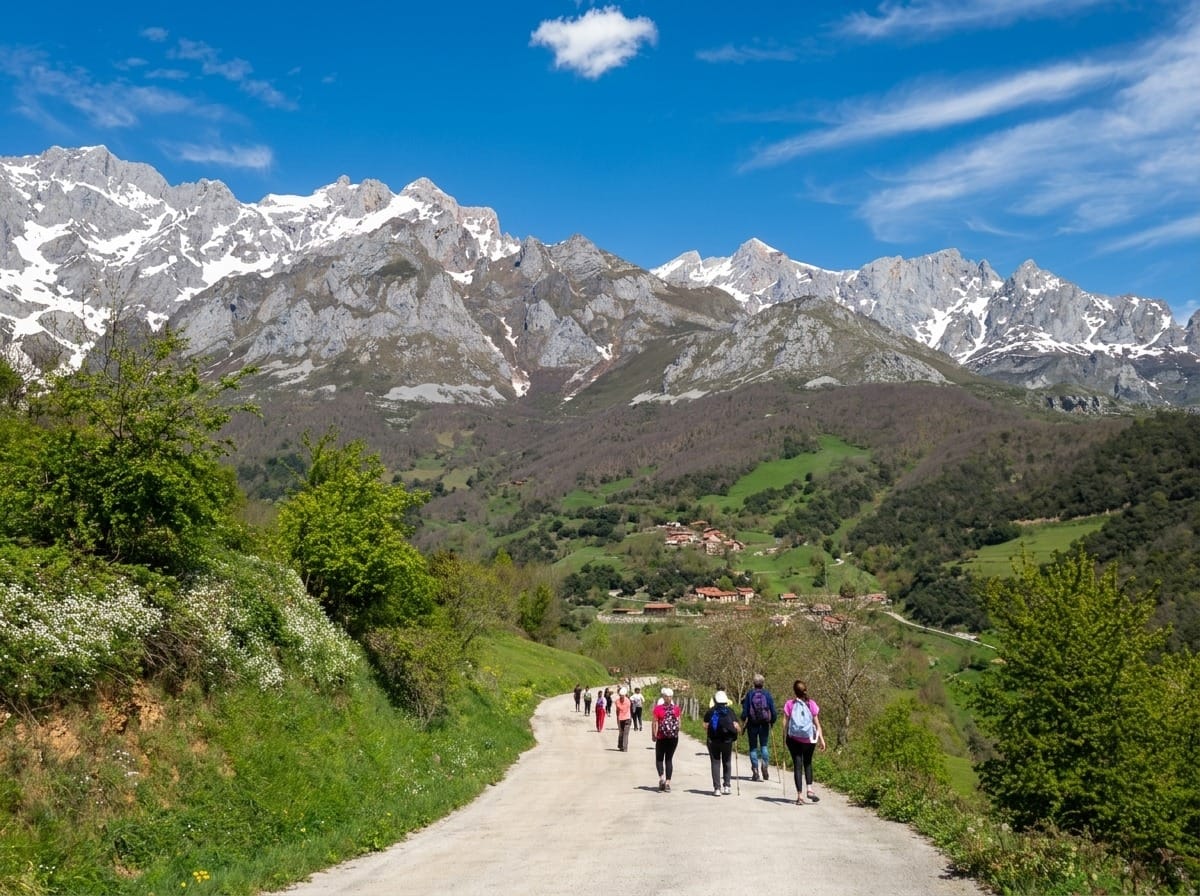
Anyone staying in Bareyo probably knows the Camino de Santiago del Norte, which crosses the municipality through Güemes. But less than an hour to the west, another camino begins with a destination of its own: the one that climbs from the coast to the Liébana valley, where the Lignum Crucis is kept, a fragment of the Cross of Christ that has drawn pilgrims for centuries.
We've laid it out the way a pilgrim walks it: first the stages, then the credential, then where to sleep and when to go. The distances come from the official Camino Lebaniego website; hostels and opening hours change, so call ahead before you book anything.
The stages of the Camino Lebaniego
The official route is 71.73 km long and is divided into three stages. The first runs from San Vicente de la Barquera to Cades and is 28.5 km; it follows the Nansa basin upstream and passes through Muñorrodero before reaching Cades. The second, from Cades to Cabañes, is the longest at 30.53 km, and the one your legs will feel the most. The third, from Cabañes to Santo Toribio, is the shortest at 13.7 km, and ends at the monastery.
A lot of people don't walk the official stages exactly as laid out. Instead they split the second one by sleeping at the Cicera hostel, covering the camino in four or five days instead of three. It's a good idea if you're not used to walking 30 km in a row: you arrive in better spirits and enjoy the scenery more.
The credential and the Lebaniega
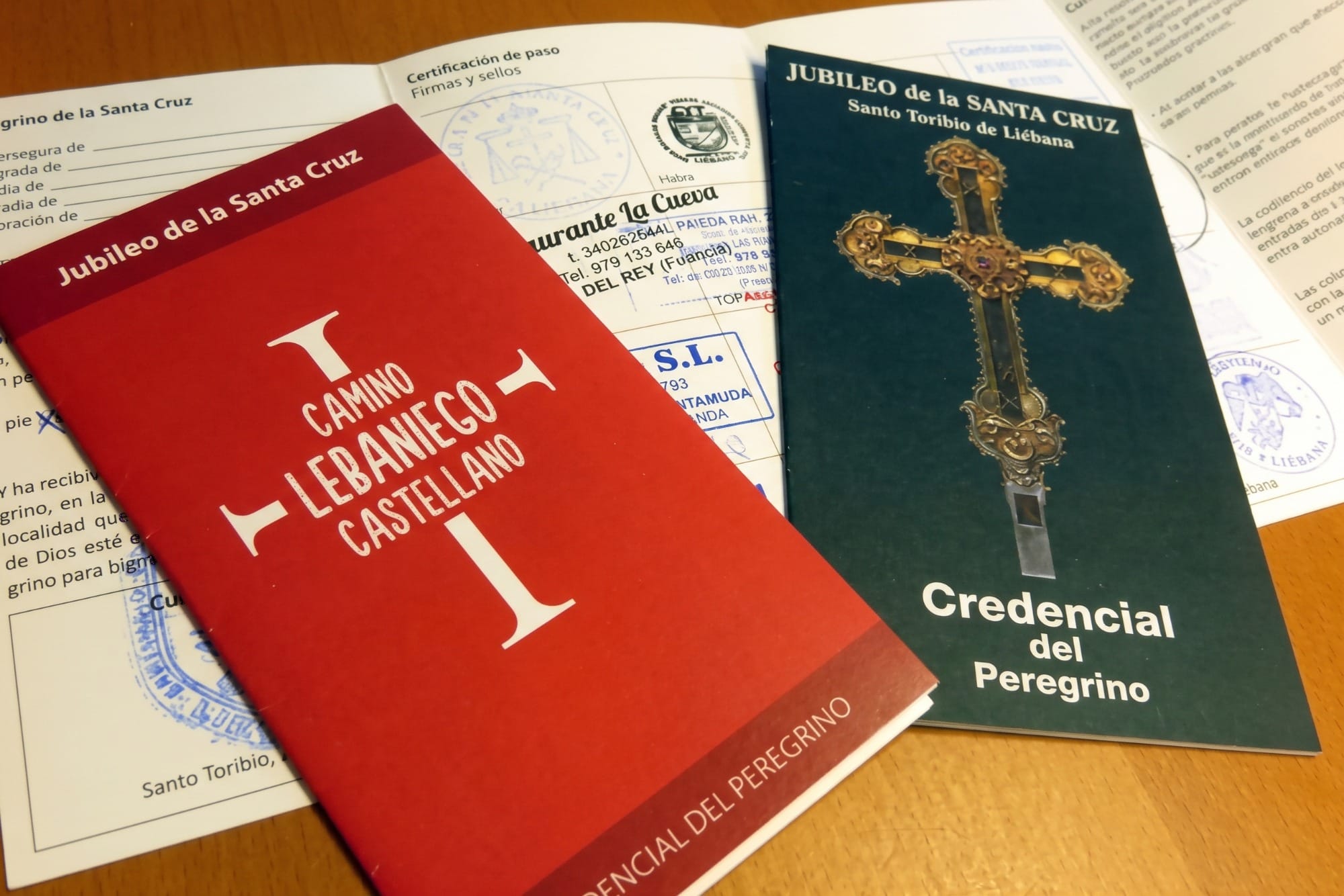
The Camino Lebaniego has its own credential. You can pick it up at the parish of Cristo in Santander, at the church of Nuestra Señora de los Ángeles in San Vicente de la Barquera and at tourist offices in the area. It gets you into the public hostels and lets you collect stamps along the way. According to the Government of Cantabria, the Camino de Santiago credential is also valid for sleeping in the official hostels.
On arrival at Santo Toribio, a credential full of stamps entitles you to the Lebaniega, the certificate for completing the pilgrimage. It isn't handed out in advance, so keep it safe and don't miss any stamp. If you walk the camino in sections, carry the credential from one trip to the next.
Where to sleep and when to go
According to pilgrim listings, there are hostels in San Vicente de la Barquera, Puente Arudo (Cades), Lafuente, Riclones, Cicera, Cabañes, Potes and Santo Toribio. Treat that as a rough guide: in high season they can fill up and in winter some close, so book or call before you leave home. If you'd rather have a place of your own, Potes has the widest choice at the end of the camino.
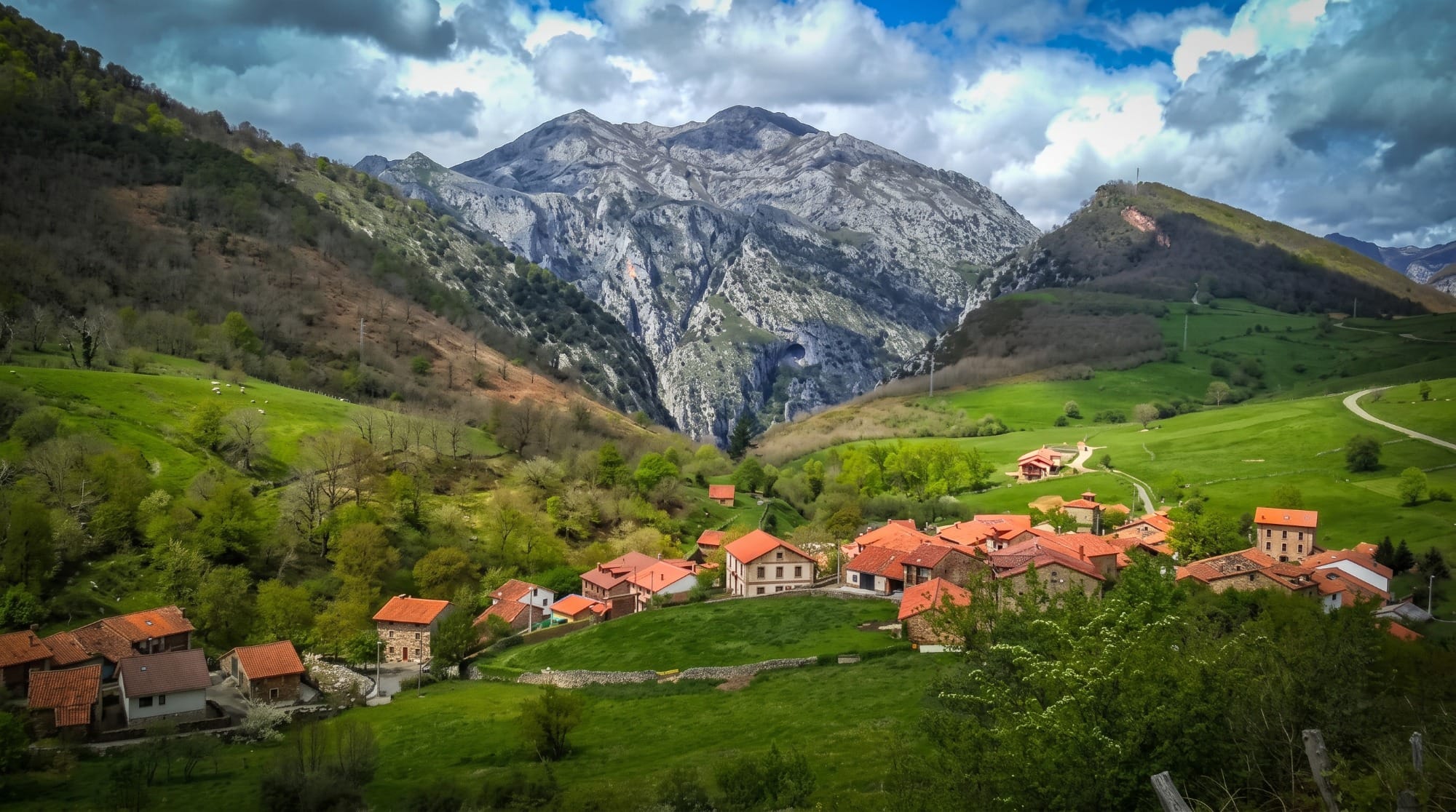
As for timing, the camino is mostly walked in spring and summer, but autumn has its appeal: fewer people, colour in the woods and mild temperatures. That said, in October and November it often rains in Cantabria and it gets dark earlier, so bring a rain jacket and shoes with good grip, and plan your stages so you arrive in daylight. In winter, the cold and the snow on the last stretch call for more care.
How to organise it from Bareyo
From Bareyo, San Vicente de la Barquera is a little under an hour along the A-8, so it's easy to go and sleep there the night before and start early. The trickiest part is the return: Santo Toribio is in Liébana, about two hours away by car, so plan how you'll get back before you set off, whether by public transport, taxi or a lift from someone you know.
If you don't have time for the full camino, you can take just one stage and combine it with a visit to Liébana by car. In that case, treat it as a day trip and leave the walking route for another visit.
What you need to know
The Camino Lebaniego is about 72 km in three stages, starts in San Vicente de la Barquera and ends at the monastery of Santo Toribio de Liébana. Bring a credential, comfortable shoes and rain gear, and check the hostels beforehand, because their opening times vary by season. For more on the Camino de Santiago del Norte, which passes through Bareyo, see our guide to walking the Camino de Santiago del Norte in September; if you already know that route, this one will round out your trip through Cantabria.
“On the Camino Lebaniego there's no hurry: the goal isn't a place to arrive at, but a valley to climb up to.”
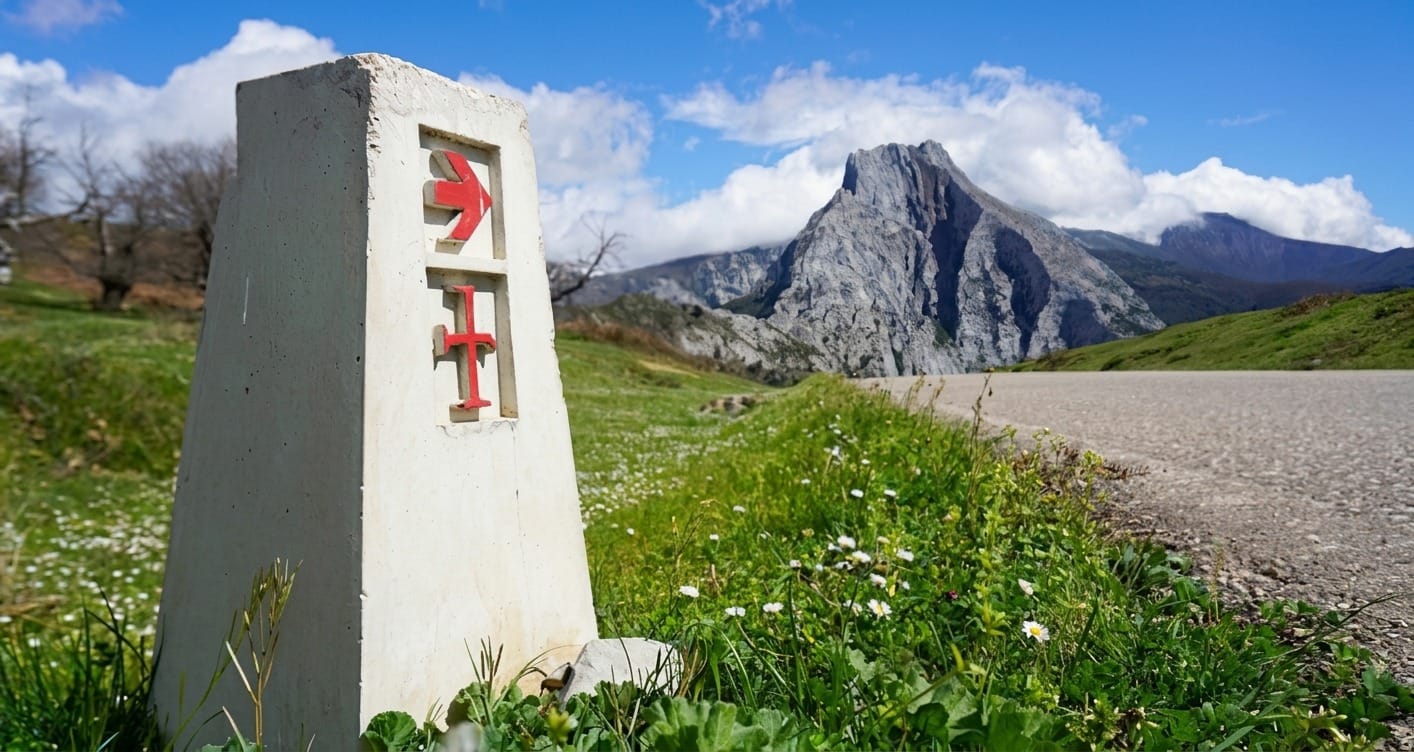
A camino like this is best enjoyed if, at the end of each day, there's a quiet place to come back to. It's part of what makes Bareyo a good starting point for exploring Cantabria: from here you can easily reach San Vicente de la Barquera and then return to somewhere you can rest.
Bareyo Residences is in the heart of that setting, with beaches, trails and villages full of history a short ride away.