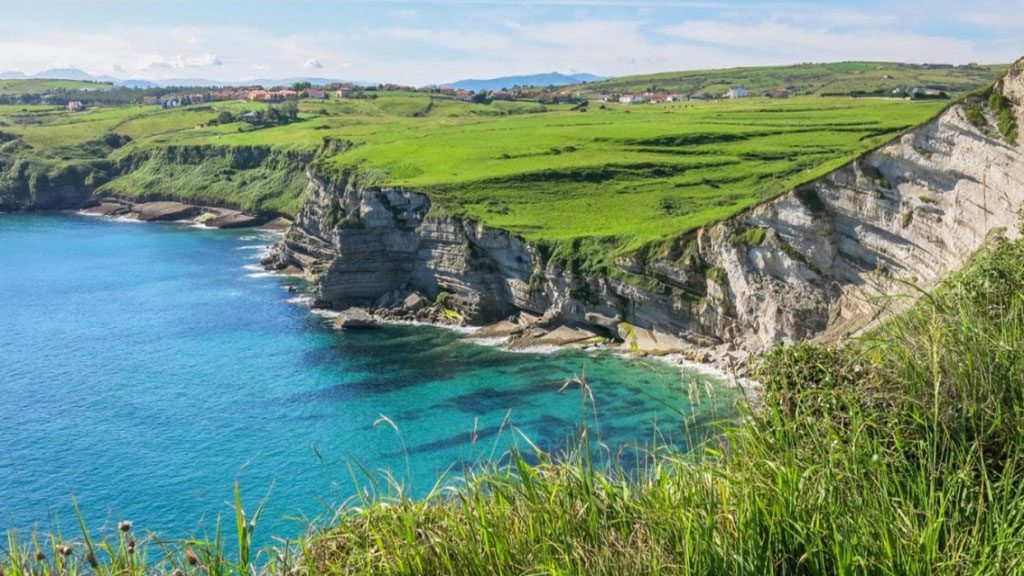
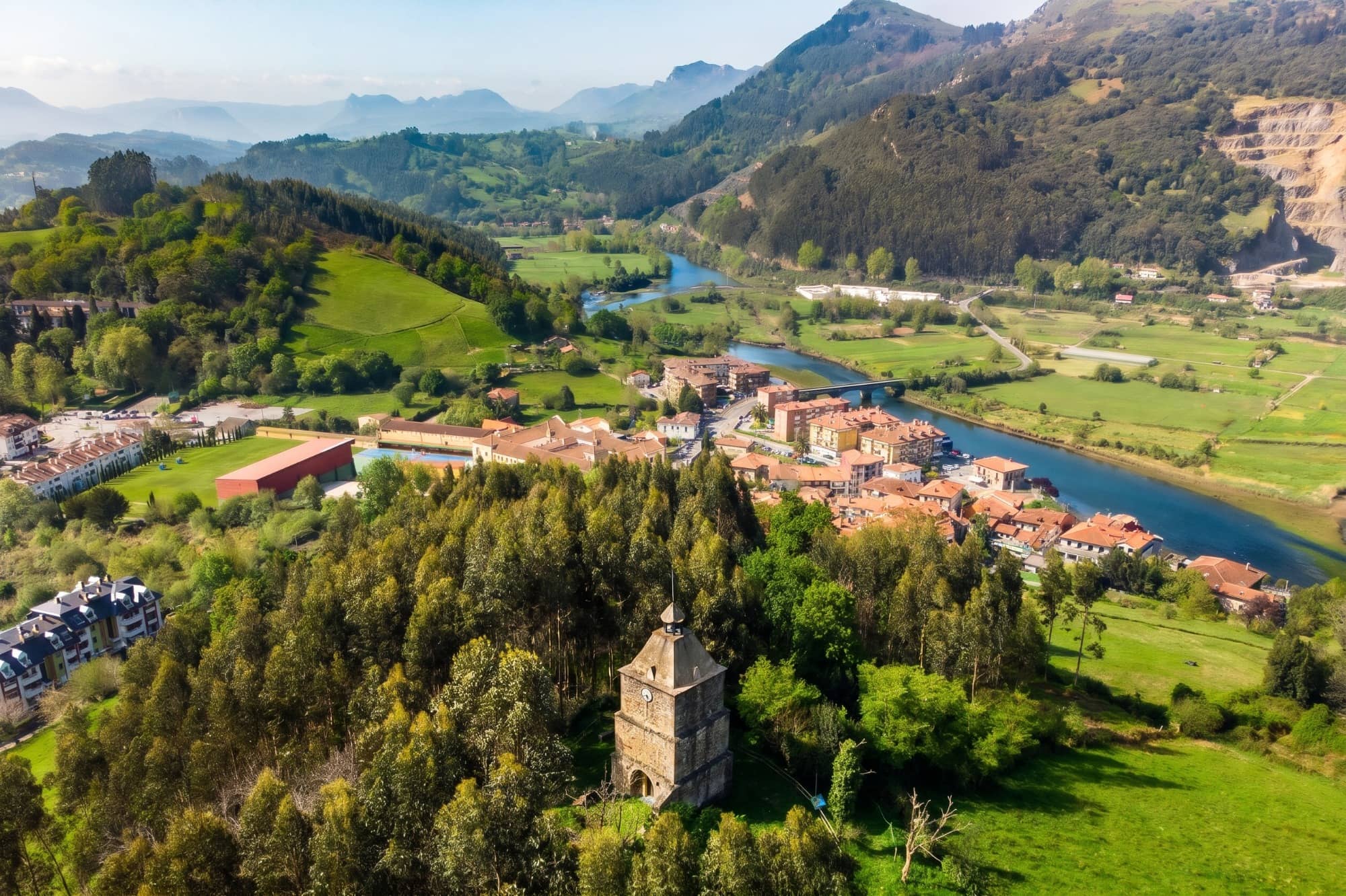
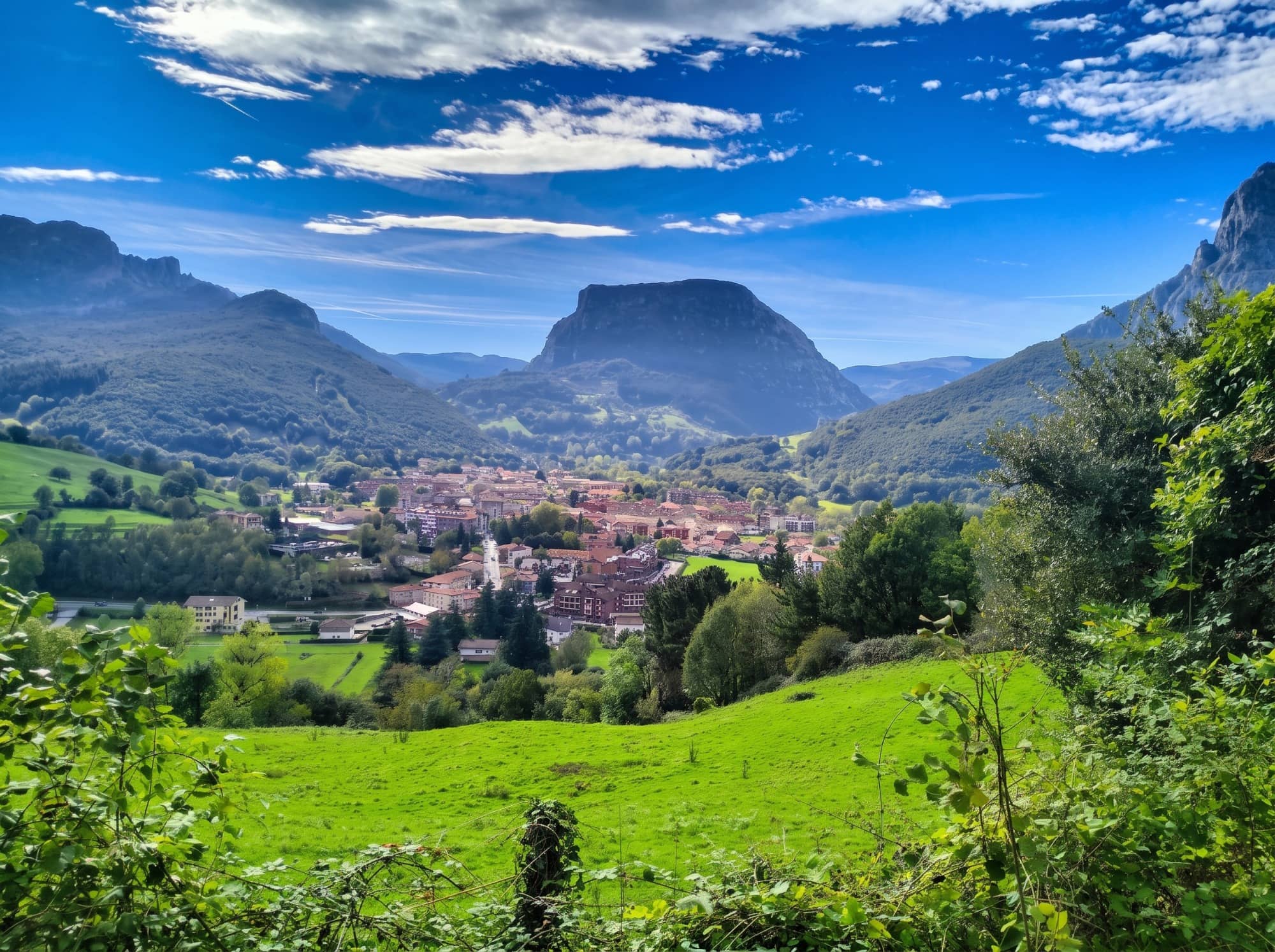
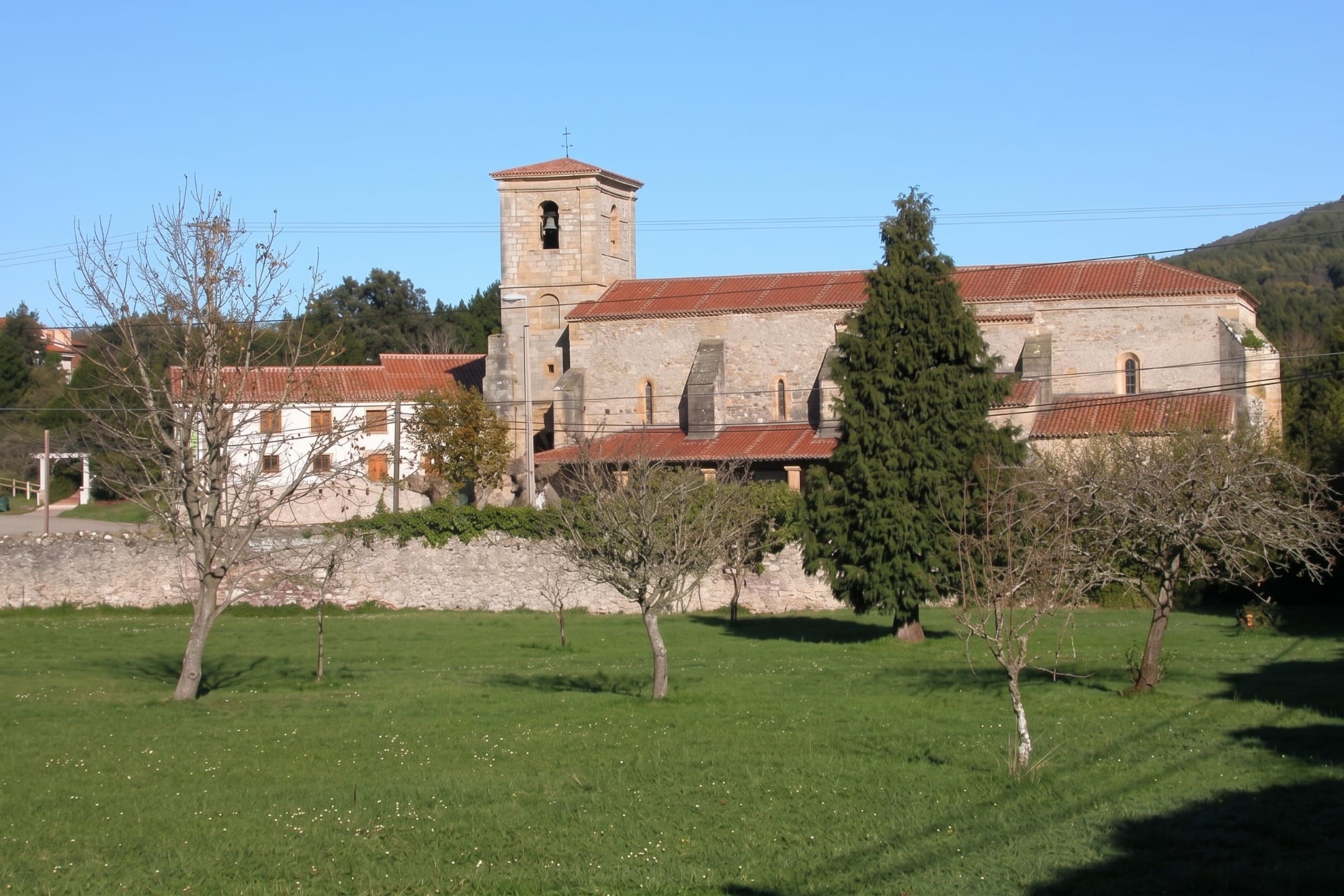
The Camino de Santiago del Norte in September brings together the best of both seasons: the heat has eased off but the good weather holds, the hostels that were packed to the limit in August have free beds again, and the stages are walked in softer light. It's simply the month preferred by those who have already done it more than once.
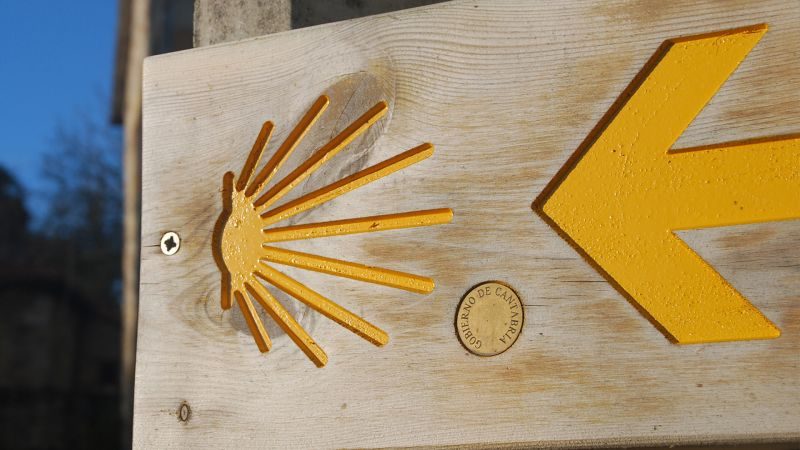
The same thing happens every year in the villages along the Camino del Norte: July and August fill the hostels to the last bunk, the fountains run out of plastic cups, and pilgrim bars run double shifts to serve the pilgrim's menu. And every year, as soon as September starts, something changes. Backpacks still pass by the houses of Bareyo and Güemes, but with less rush, fewer people, and a different kind of quiet along the way.
It's not just a feeling. September, and to a lesser extent October, are the months that pilgrims themselves and Jacobean associations point to as the year's sweet spot: neither the summer crowds nor the deep cold of the Cantabrian winter. For anyone thinking about setting off these days, or in September next year, it's worth knowing what to expect from the weather, the hostels and the backpack.
Weather and temperatures in September and October on the Cantabrian coast
Summer in Cantabria isn't scorching, but it is humid and heavy; in September that feeling melts away. Highs hover around 21°C and lows around 17°C, with barely a couple of rainy days on average for the whole month — ideal temperatures for walking six or eight hours without strain. In October the thermometer drops a little further, to highs of 19°C and lows of 15°C, and rain starts showing up more often. The practical takeaway is simple: if you can choose, the first half of September offers the best balance between mild temperatures and stable skies, while going beyond mid-October means accepting more rainy days.

Fewer pilgrims, more space in the hostels
The Camino del Norte has never been the busiest route — that title goes to the Camino Francés — and in autumn that calm is even more noticeable. Hostels that in the middle of August force you to arrive by noon to secure a bed give you room in September to decide the day's stage as you go. One caveat: not every hostel stays open the whole season, and several of the smaller ones start closing from October due to lack of demand, so it's worth confirming opening times if your plan runs well into the month.

If you're looking for somewhere to stop as you pass through Bareyo, our guide to Güemes and the most famous pilgrim hostel on the Camino del Norte tells its story in detail. And if you're still not sure about the full route through Cantabria, it's worth reviewing the stages before setting off.
What to pack for the changeable weather
Autumn in Cantabria is moody: a day can start with low fog, clear up by mid-morning and close in with a shower by the afternoon, all within the same stage. The key is layering: a technical base layer, a light second layer for the hours with less sun, and a genuinely waterproof jacket — not just a windbreaker — always kept within reach rather than buried at the bottom of the pack. Add a waterproof rain cover for the backpack, spare socks (damp feet are the main cause of blisters at this time of year), and something warm for the nights, which are noticeably cooler than in July.
Shorter days: how to plan stages without stress
The other side of September is that the sun sets earlier: you lose between 40 and 60 minutes of daylight compared to August, and the gap grows even more in October. It's not a problem if you adjust your schedule: set off early, while the light is still low and cool, and avoid planning to reach the hostel after seven in the evening. In exchange, you gain the best part of this time of year: lower, more slanted light that casts shade over stretches of the route where in August there was no escape from the midday sun.

What you need to know
- September: highs of 21°C, lows of 17°C, around 2 rainy days on average.
- October: highs of 19°C, lows of 15°C, and rain already averages around 9 days in the month.
- The smallest hostels on the Norte start closing from October due to low demand: confirm opening times if you're walking towards the end of the month.
- The Federación Española de Asociaciones de Amigos del Camino de Santiago directly recommends spring and autumn as the best times to walk, ahead of summer.
- Always keep the waterproof jacket within reach, not at the bottom of the pack.
"In August the Camino is walked with your head down, rushing to arrive. In September it's walked looking around."
Anyone who has walked through Bareyo knows that September changes the village too: the beaches empty out, the bars get their tables back for locals, and the Ría de Ajo is left for whoever wants to take it in calmly. It's the same low season that will become part of everyday life for those living in the Bareyo Residences villas: not a few days' autumn getaway, but the normal rhythm of the whole year.