The Joyel marsh trail, in Arnuero, is an easy walk of about 2.5 km and around 45 minutes along boardwalks and packed-earth paths, inside the Santoña, Victoria and Joyel Marshes Natural Park. It has bird-watching points and the old Santa Olaja Mill, and it is a few minutes from Bareyo.
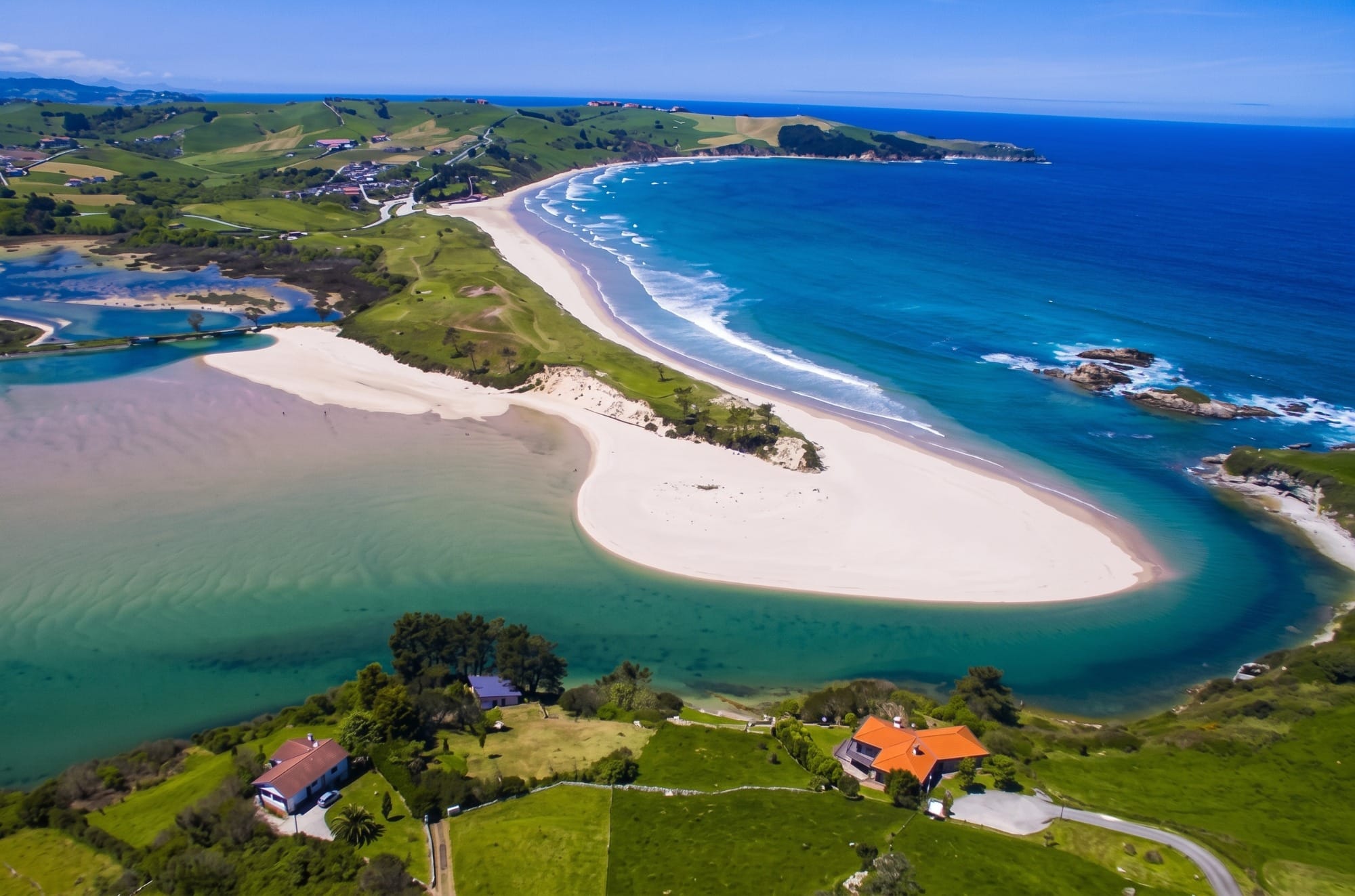
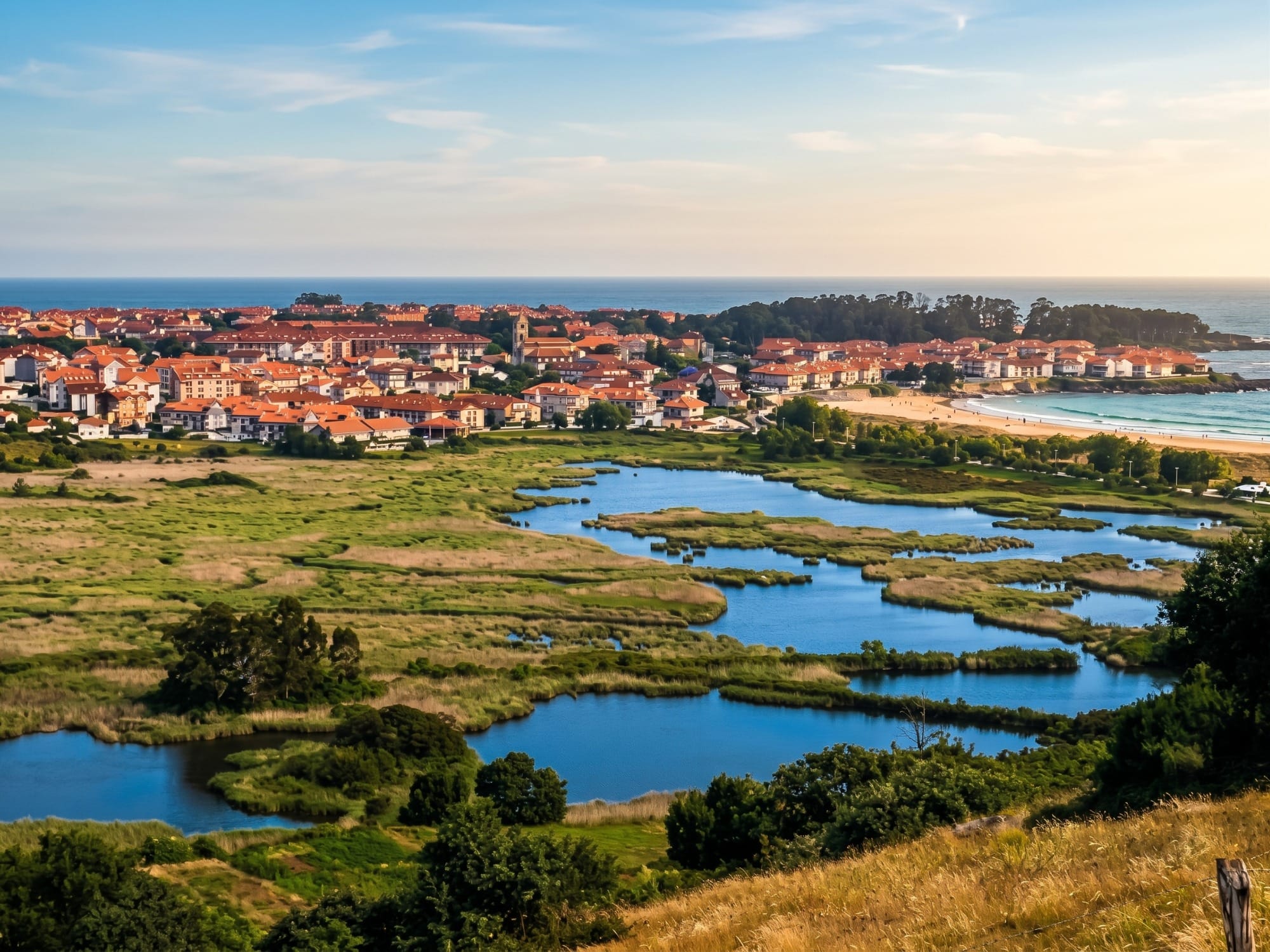
Joyel is the westernmost and least busy part of the natural park around Santoña, and the one that is best walked without hurrying. It lies in the municipality of Arnuero, next to Bareyo, and the Joyel marsh trail winds between marshes, lagoons and wooden boardwalks with hardly any slope.
The area matters more than the modest walk suggests: the Santoña, Victoria and Joyel complex is a Ramsar site and a Special Protection Area for birds (ZEPA), and an official document describes it as the most important wetland in northern Spain for waterbirds.
We suggest it for October and November, when the light is low, migratory and wintering birds are around and the walk doesn't compete with the summer beaches.
Where the trail starts and how long it takes
The start is next to a car park on the CA-449 road. The information sheet for the Marisma de Joyel Interactive Trail gives 2,450 metres, about 45 minutes and low difficulty. Other sources say a little over an hour and a half if you stop at the observation points, and the Noja Town Council describes a 4 km route linking Ris beach with the marsh, the Casa de las Mareas and the mill. The figures differ because they don't describe the same route, so decide beforehand whether you want the short trail or the long version.
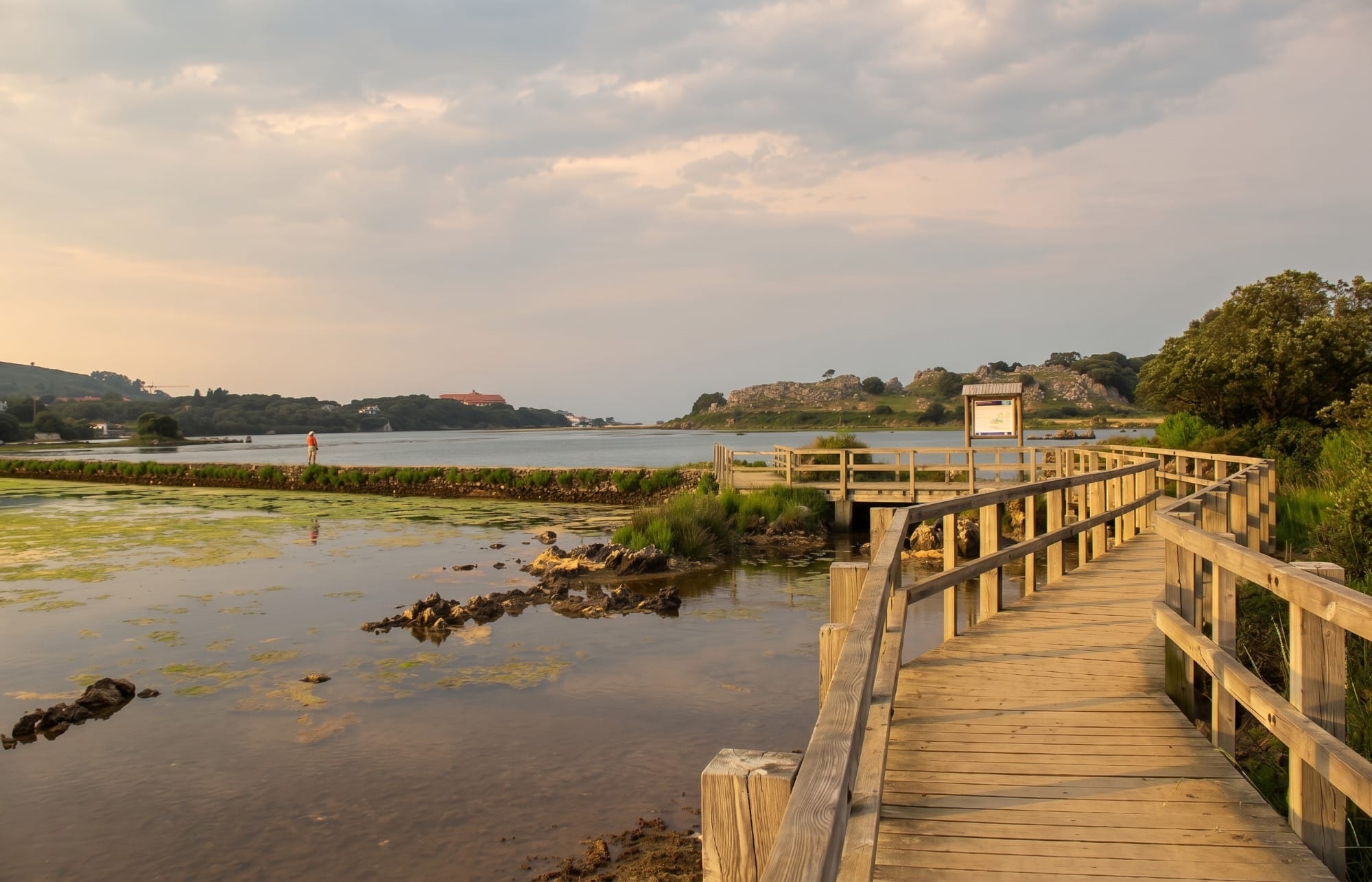
The surface alternates packed earth and wood, which makes it suitable for children or older people. After days of rain, check the condition of the boardwalks and wear shoes that can cope with mud.
What you'll see: birds, tides and the Santa Olaja Mill
The marsh changes with the tide, and what you see depends on it. At low tide, meadows of seaweed and mud are exposed where waders feed; as the water rises, it's the ducks' turn. So it's worth checking the tide table before setting out and bringing binoculars if you have them.
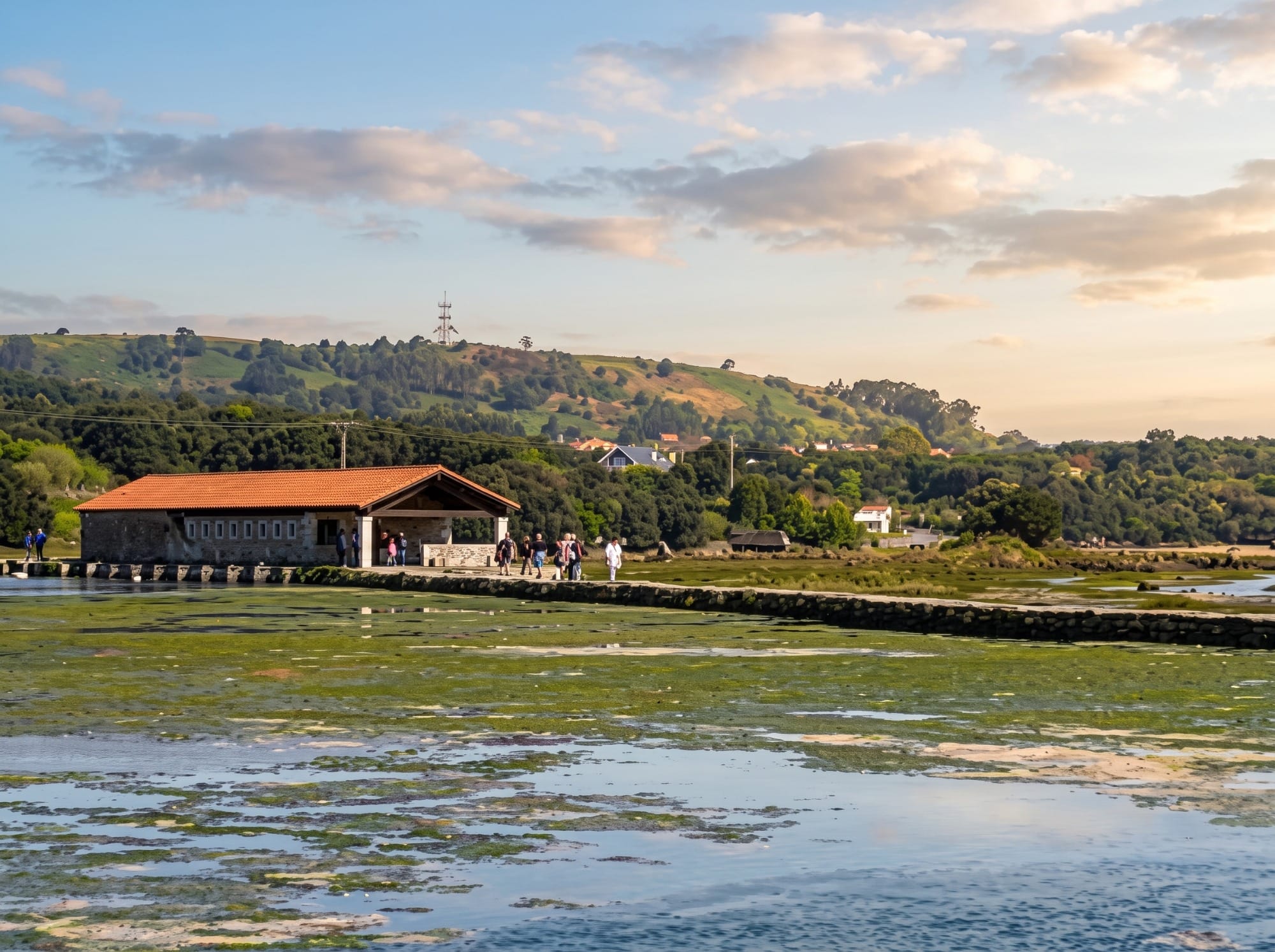
On the route you'll also find the Santa Olaja Mill, a tide mill that worked until 1953 and is now the Tide Observatory of the Trasmiera Ecopark. If you enjoyed the walk, add our guide to the Trasmiera Ecopark to your list: the Casa de las Mareas, in Soano, explains what you've just seen better than anything.
It pays to go quietly: birds come closer to the observation points when it's silent, and the best moments are usually early morning and late afternoon, when the light is softer and there are fewer walkers. If you're with children, turn the walk into an observation game: ask them to count how many different species they can tell apart without getting close to the water's edge.
How to round off the morning
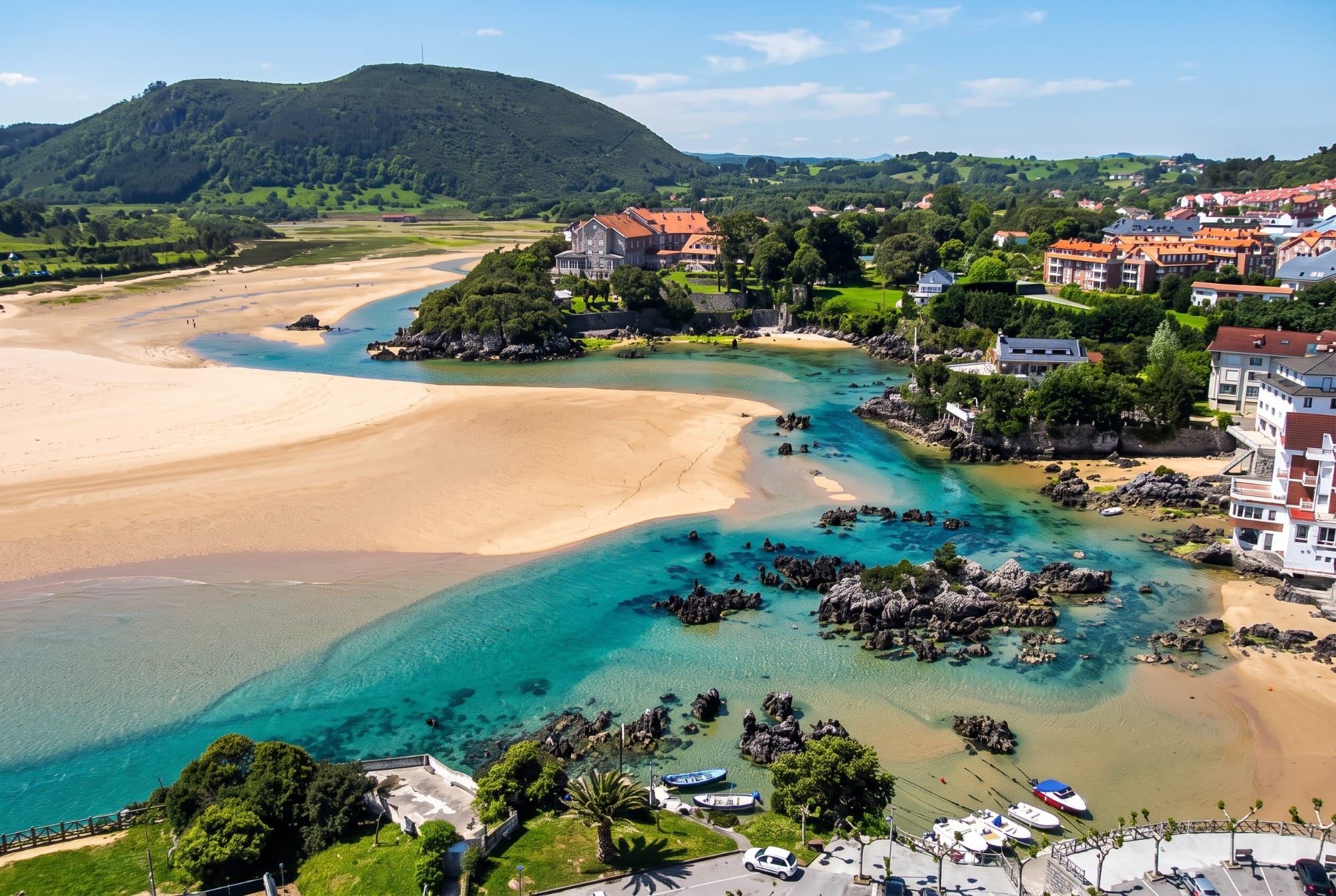
If you want more nature, Santoña has the Natural Park Interpretation Centre and guided bird-watching boat trips; times and prices change, so confirm them before booking. If you'd rather stay on foot, the Noja Town Council route adds Ris beach, and the Arnuero coast has beaches right next to the marsh.
For an autumn morning we suggest something simple: the short trail at an easy pace, a while by the water and, if the sky is clear, a stroll along the coast before lunch.
If the day dawns windy or with heavy rain, swap the plan for a visit to the indoor part of the Ecopark and leave the trail for another time: with wet boardwalks and no visibility, the walk loses much of its appeal. The advantage of Joyel is that it is so close you can wait for a spell of good weather without reorganising your trip.
What you need to know
Where: Arnuero, starting next to the CA-449 with a car park. Distance and time: 2,450 metres and about 45 minutes for the short trail; up to an hour and a half with stops; 4 km for the route with Ris beach. Difficulty: low, no noticeable slope. Surface: packed earth and wooden boardwalks. Best time: depending on the tide, low tide for waders and high tide for ducks; October and November for migratory and wintering birds. What to bring: closed shoes, binoculars and water. Before you go: check the tides and the condition of the boardwalks with the Arnuero Town Council.
The most important wetland in northern Spain for waterbirds, a few minutes from Bareyo.
A morning among marshes and birds is better enjoyed when you return somewhere quiet. The Bareyo Residences villas are a few minutes from Joyel, on this same Trasmiera coast, with a garden and silence for the rest of the day.