What to see in Colindres: the church of San Juan Bautista and the manor houses of its old town, the walk along the Asón estuary inside the Santoña, Victoria and Joyel Marshes Natural Park, and the atmosphere of its fishing port. You can do it in half a day.
Colindres sits between Laredo and Santoña, and almost everyone passing through the area drives straight past it. That's a shame, because in a municipality of just 5.94 km² you'll find an old town with tower-houses, an estuary of huge value for birds and one of the most important fishing ports in Cantabria.
With a little over 8,500 inhabitants, it's still a town that runs on its own, not a set built for visitors. You can tell at the port, in the bars at vermouth hour and in the way people live the estuary.
Here's what is worth seeing, how to organise the visit and how it fits with a stay in Bareyo, about 30 minutes away by car.
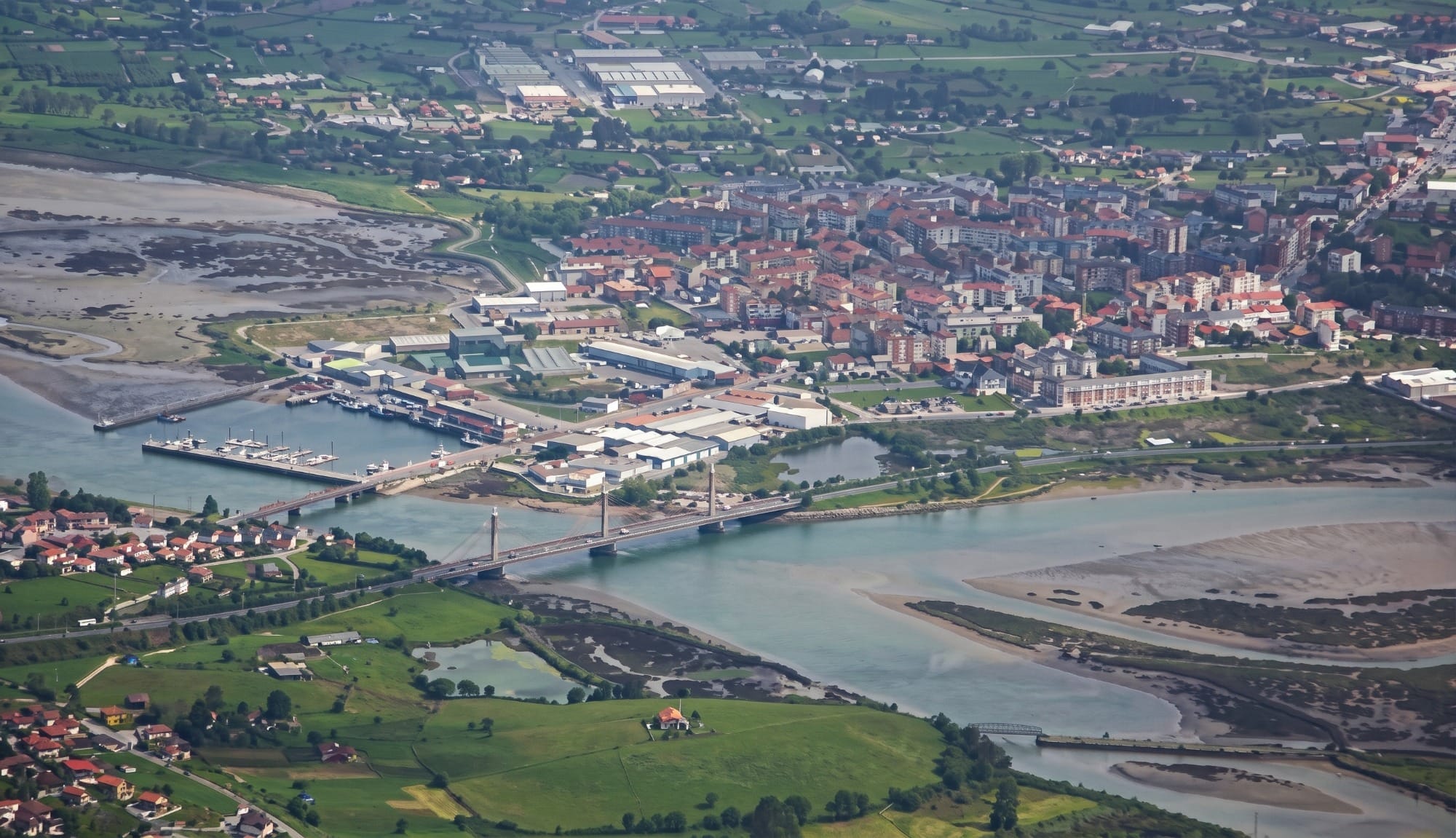
What to see in Colindres: the old town and the church of San Juan Bautista
The town is split into two very different areas: Colindres de Abajo, the modern, commercial part, and Colindres de Arriba, the old town. If heritage is what you're after, head up to the second.
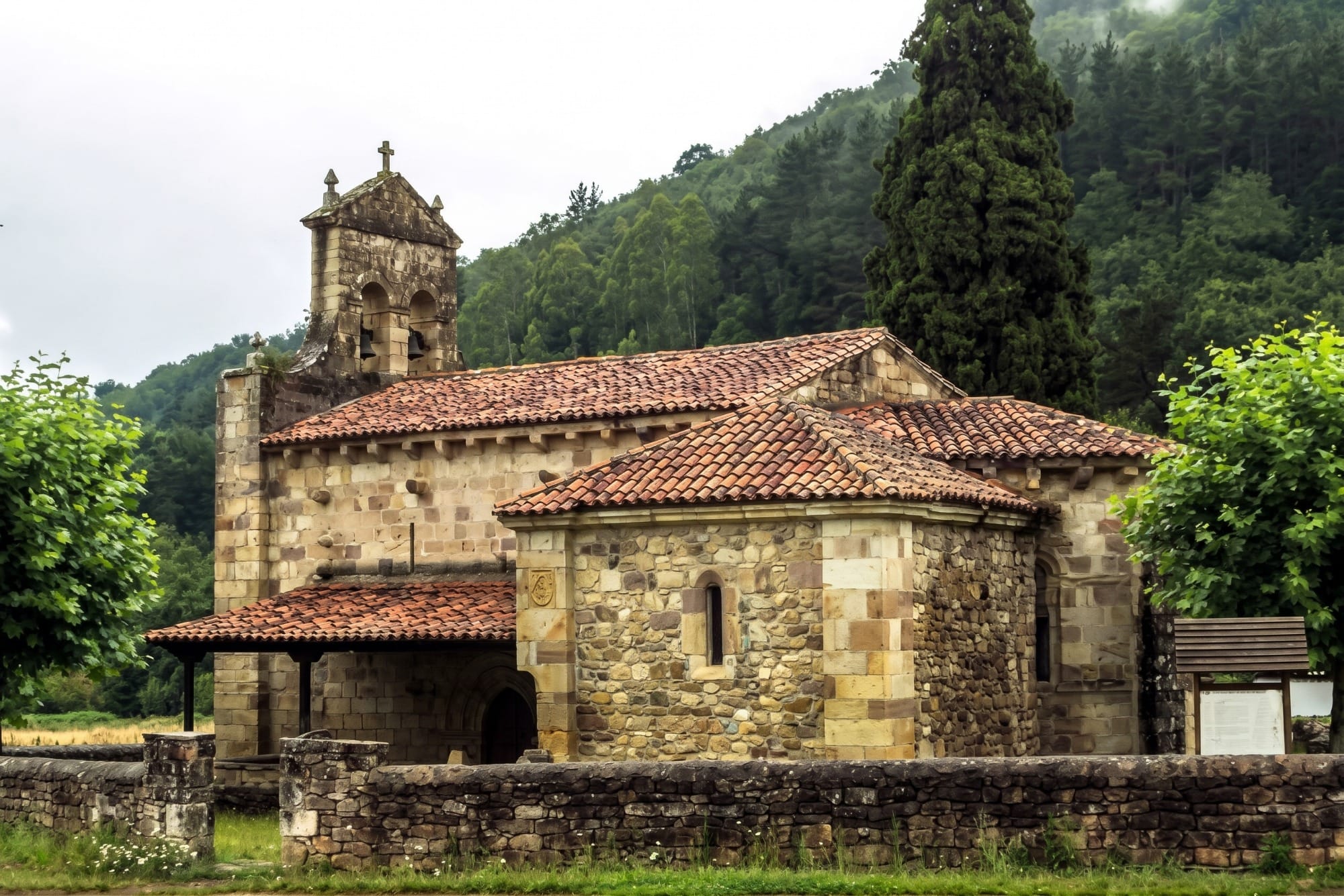
The standout building is the church of San Juan Bautista, built in the 16th century on the remains of an 11th-century monastery dedicated to San Jorge and San Juan. It's a single-nave church with a polygonal apse which, according to the Spain.info entry, was repaired in 1580. It's no great cathedral, and that's exactly why you'll enjoy it: you see it in ten minutes and it gives context to everything else.
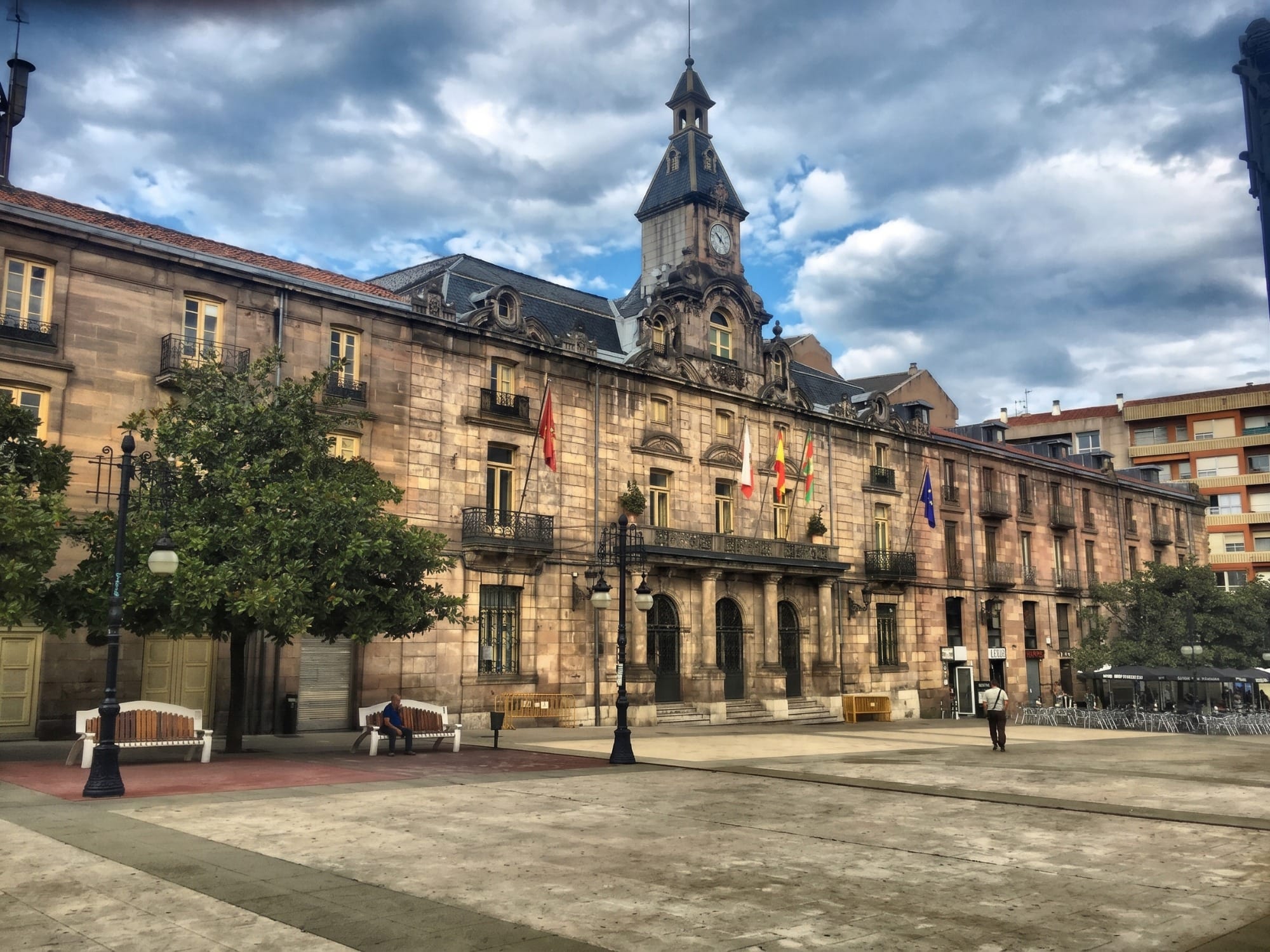
Around it are manor houses and tower-houses that recall the town's noble, seafaring past, such as the Casa-Torre de los Agüero, the Casa Gil de la Redonda y Velasco, the Casa-Torre de Santaolaja or the Cruz de Mori. Many are private homes and are seen from the outside, so plan on a relaxed stroll, not a guided visit. If you'd like to go inside any of them, ask at the town hall first.
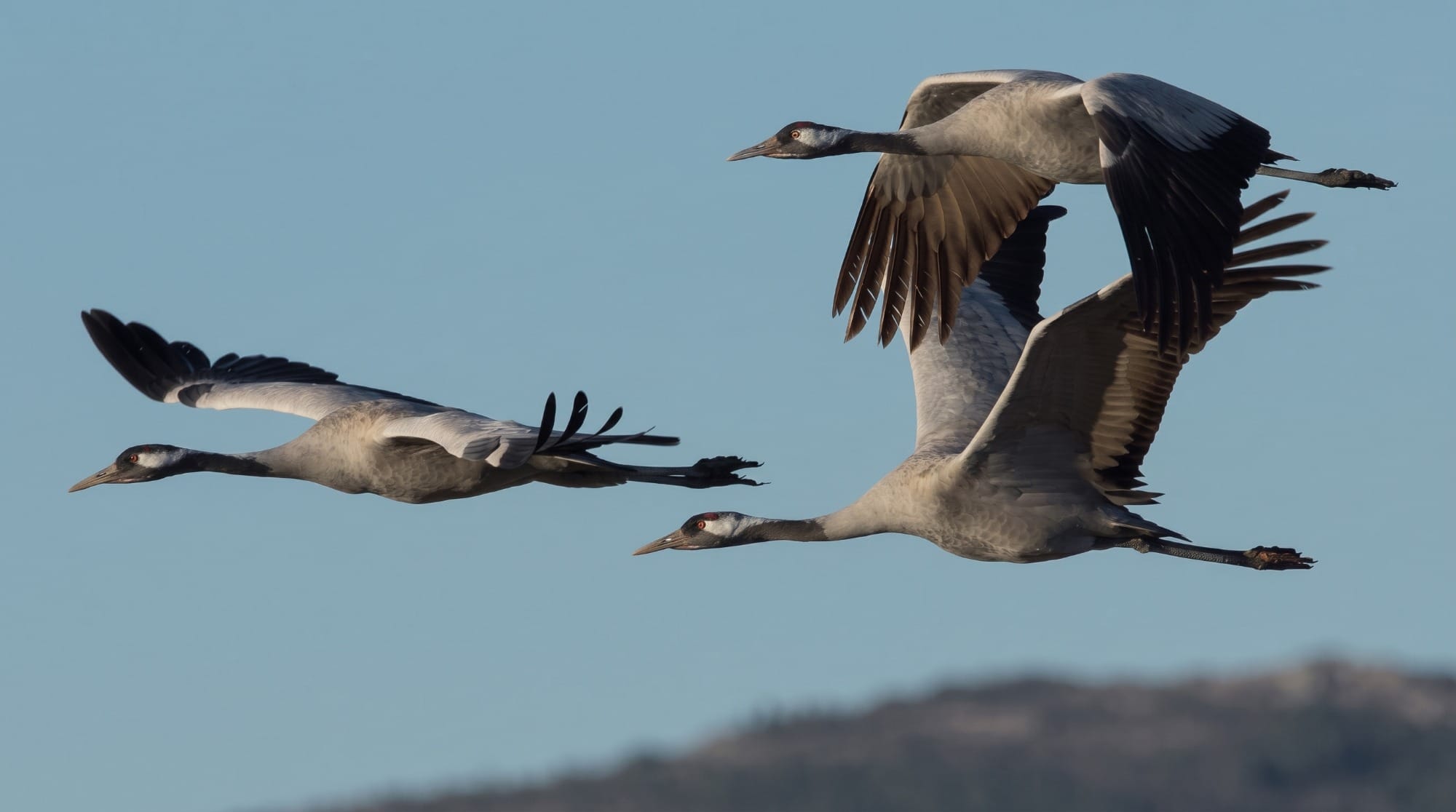
The Asón estuary and the marshes: the best of Colindres in autumn
Colindres is where the River Asón opens into the Santoña estuary, and it is part of the Santoña, Victoria and Joyel Marshes Natural Park. The Santoña marshes are listed as a wetland of international importance, and counts of wintering waterbirds have regularly exceeded 20,000 birds, a figure that explains why birdwatchers come here from all over Spain.
That's why autumn and winter are a good time: with the cold come the birds that spend the season in the estuary, and at low tide you can watch them feeding on the mudflats. There's a coastal route of roughly an hour along the Asón estuary that explains the wetland's biodiversity, and it's an easy way to understand it without leaving town.
Bring binoculars and footwear that can handle mud, and check the tide table before heading out. If the subject hooks you, we have a dedicated guide to birdwatching in the Santoña marshes. And a warning: shellfish gathering is still practised here in a controlled way, so don't collect anything yourself.
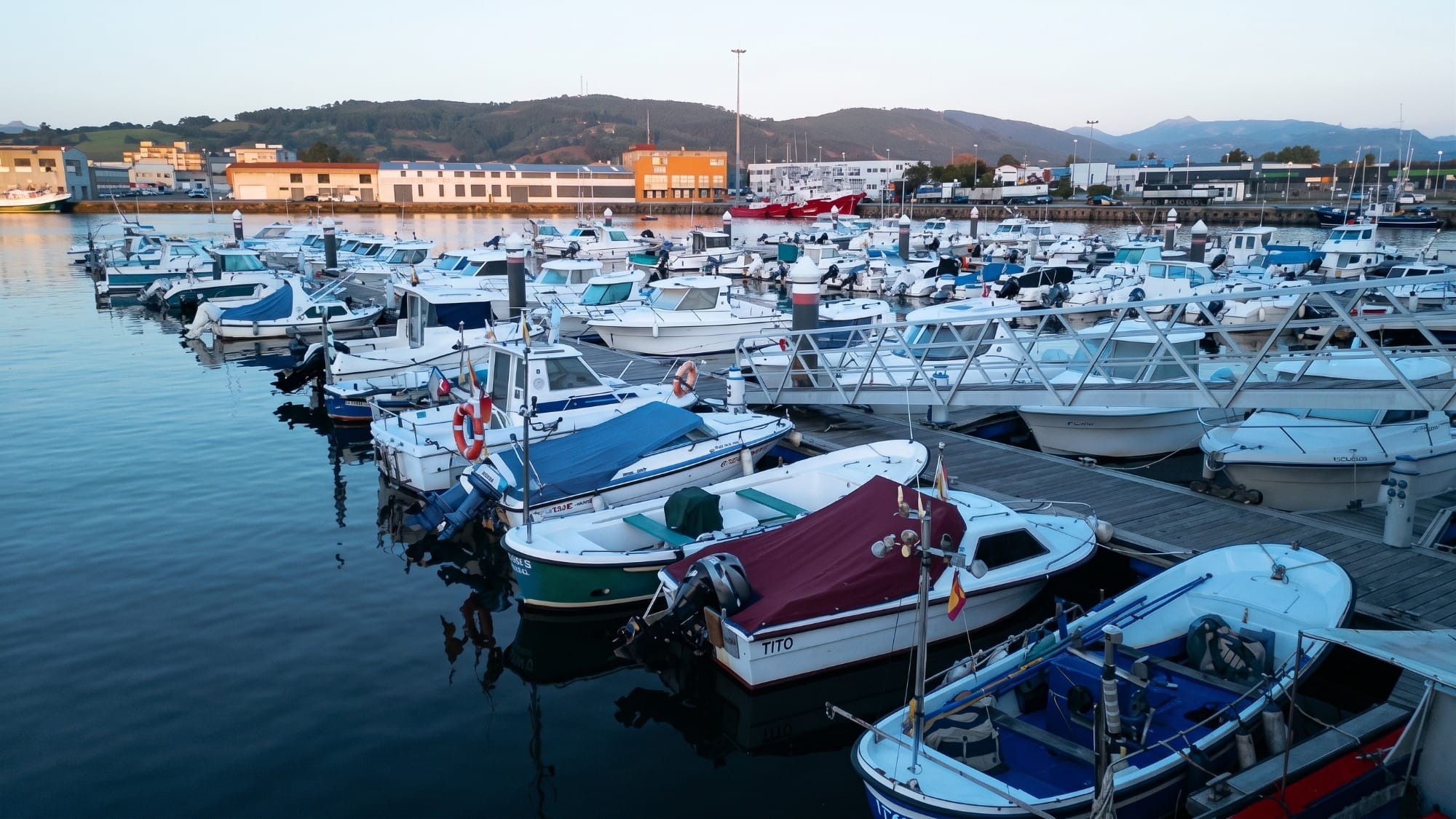
The fishing port and seafaring life
Colindres is listed as the second fishing port in Cantabria, and you notice it on your first walk along the quay. Activity changes with the tides and with each species' season, so there's no fixed time when things happen: the usual approach is to come mid-morning or early afternoon and see the work that's left, the nets, the crates and the moored boats.
The port is also the best place to understand why this area lives off fish and shellfish. If you want to taste it, look for a local eatery rather than a place built for passing trade, and ask what came in that day.
Colindres and the Camino de Santiago del Norte
Colindres is a regular stop on the Camino del Norte as it crosses Cantabria. Walkers between Laredo and Güemes tend to hurry through, but it deserves a few hours, especially if you take the stage easy. We have the Laredo–Güemes stage of the Camino del Norte explained with its variants and tips, in case you want to combine the walk with a visit to the town.
What you need to know
The full visit takes between two and three hours: old town, estuary and port. From Bareyo it's about 30 minutes by car, so it fits into a morning plus lunch.
The best conditions for the estuary are at low tide and in good light; check the tides before you go. Opening hours for the church and any guided visit may vary, so it's worth confirming with the town hall. Its summer festivals are well known in the region, but the dates change: check them there.
In autumn and winter bring a waterproof layer: the estuary is open and you feel the wind.
«Colindres doesn't ask for much time, but it gives back what you give it: a quiet morning among estuary, manor houses and port.»
Colindres is a good example of the Cantabria you discover without hurrying: small towns, a living estuary and modest but authentic heritage, a stone's throw from the Trasmiera coast. For anyone staying in Bareyo, it's one of those short outings you fit in between beaches. If this idea was useful, add this visit to your route around the Bay of Santoña and the Ajo estuary.