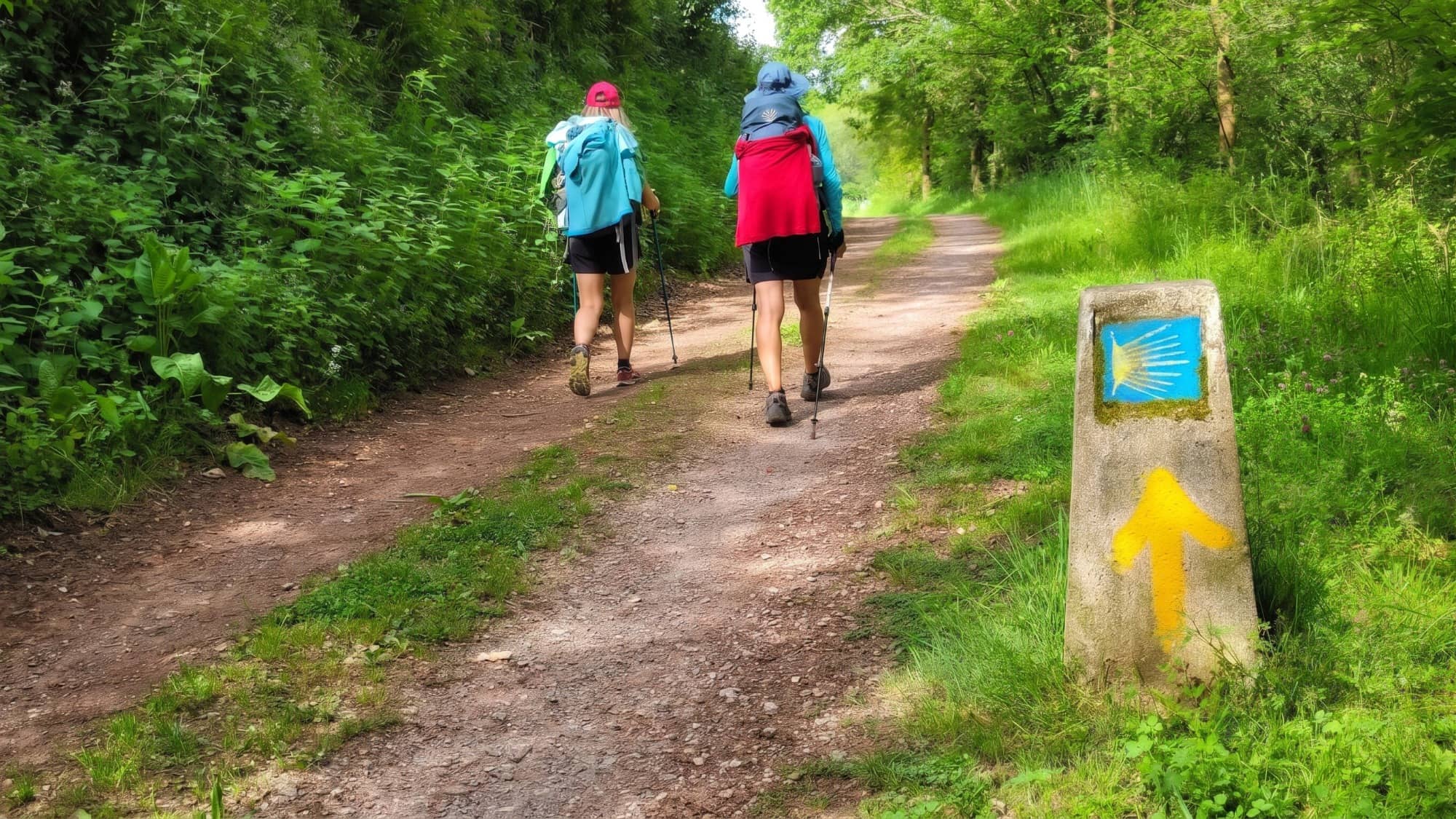
The Laredo–Güemes stage of the Camino del Norte is about 29 kilometres long and crosses three long beaches: La Salvé, Berria and Trengandín. It includes a ferry from Laredo to Santoña that doesn't run in winter, with a detour via Colindres as the alternative. It ends in Güemes, in the municipality of Bareyo.
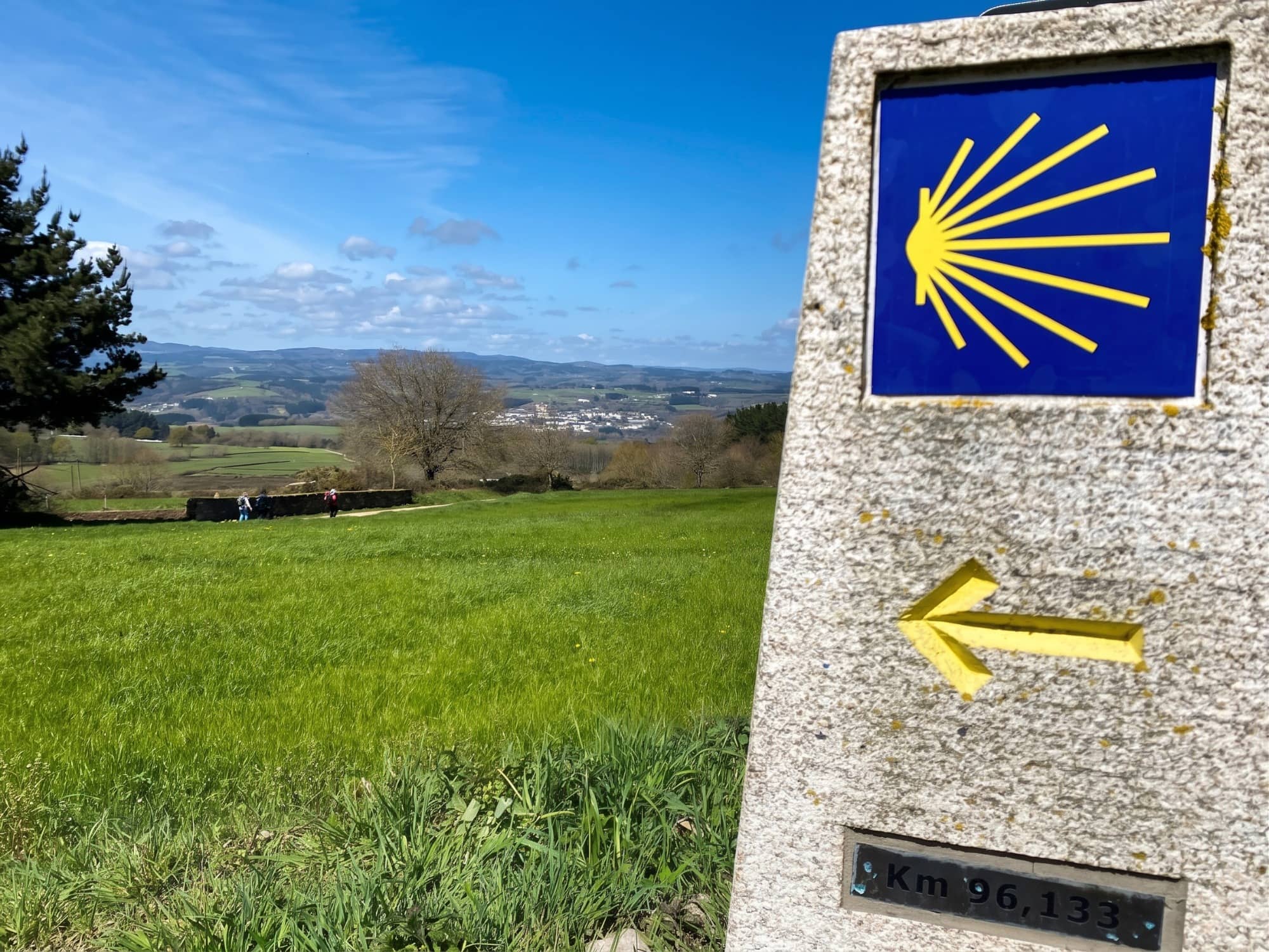
It's a long day but an easy one to picture: sand, a ferry crossing, an inland stretch and, at the end, the arrival in Bareyo. Almost everything is flat and much of it runs beside the sea.
We write about it from the finish line, because Güemes is in the municipality of Bareyo, just a few minutes from our villas. The guides we consulted give slightly different figures, so treat the kilometres as a reference rather than an exact number.
Here is the route section by section, the ferry decision, and what to know if you're walking outside summer.
The Laredo–Güemes stage step by step: from Laredo to Santoña
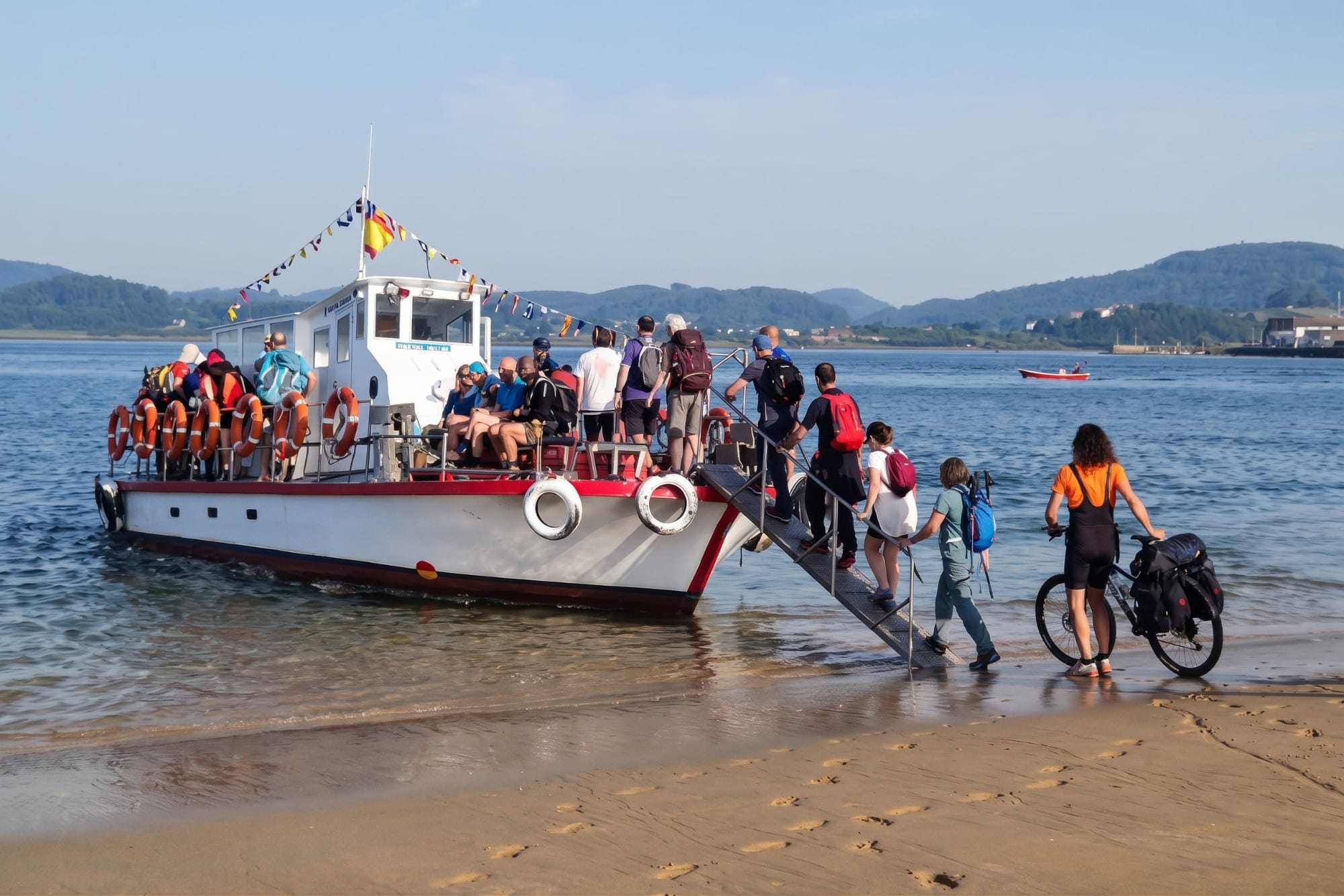
The day starts in Laredo's old town, near the Plaza de la Constitución, and heads down to La Salvé beach, which is best walked at low tide, when the sand is firm. At the end of the beach, at the port, is where you board.
The ferry crosses the bay and lands in Santoña, on the Paseo Pereda. It's the most unusual part of the stage and saves a good detour, but it comes with a condition: according to the pilgrim hostel guides, the service doesn't run in winter. Before setting out, check times and days with the boatman or at the hostel where you're staying.
If the ferry isn't running, the alternative is the inland detour via Colindres, which adds about 4.1 kilometres. It's not a bad option: you don't depend on a timetable and you get to see the head of the estuary. With the ferry, the Laredo–Santoña section adds up to about five kilometres according to the guides.
Santoña and Noja: two long beaches in the middle of the stage
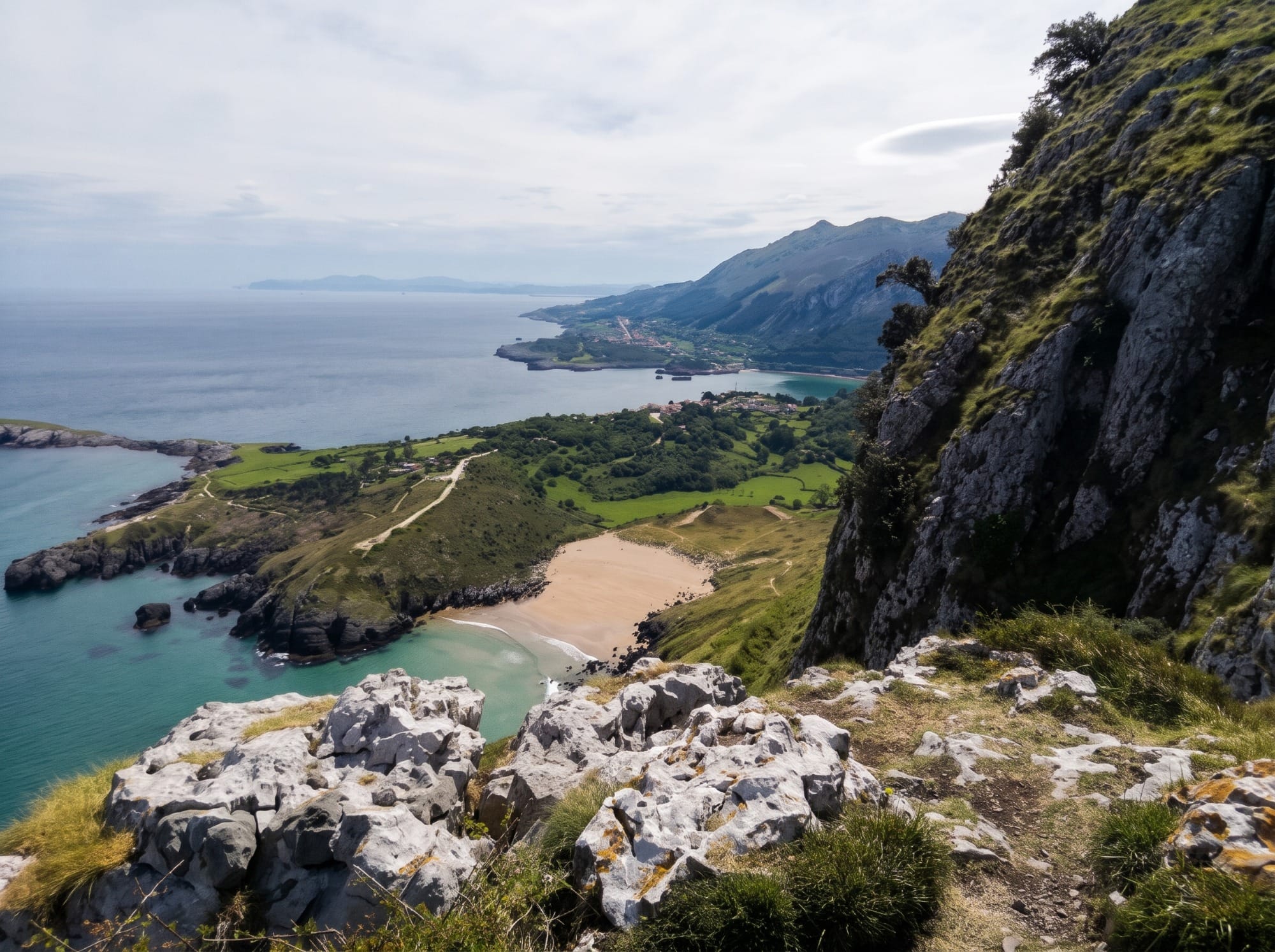
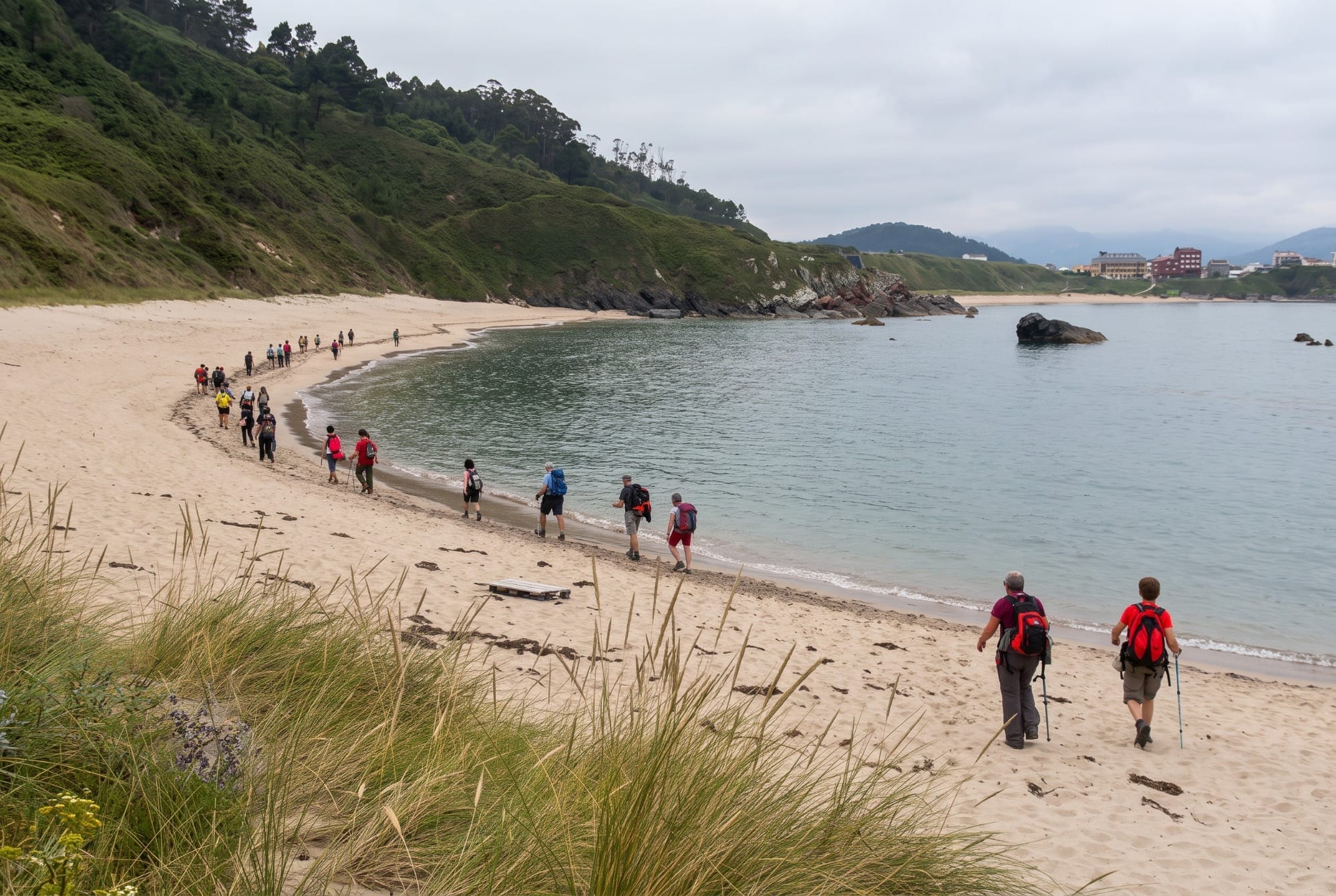
You pass through Santoña quickly, but it's worth a stop if you fancy a coffee. Beyond the town, the Camino continues to Berria beach, almost two kilometres long at the foot of Monte Buciero, which leads to the Faro del Caballo trail if you have energy left on another day. We have a guide to Berria beach with access and facilities.
From Santoña to Noja it's about eight and a half kilometres, mostly between sand and dunes. In Noja the stage goes through Helgueras and Trengandín, the third long beach of the day. By now you've covered more than half: Noja is the natural place for lunch, with restaurants near the promenade and benches where you can take your boots off.
This is where you start to feel it in your legs. The sand and the asphalt in the Noja section are tougher than they look on the map, so arrive with your feet in good shape and boots you've already broken in.
From Noja to Bareyo: Meruelo and the church of Santa María
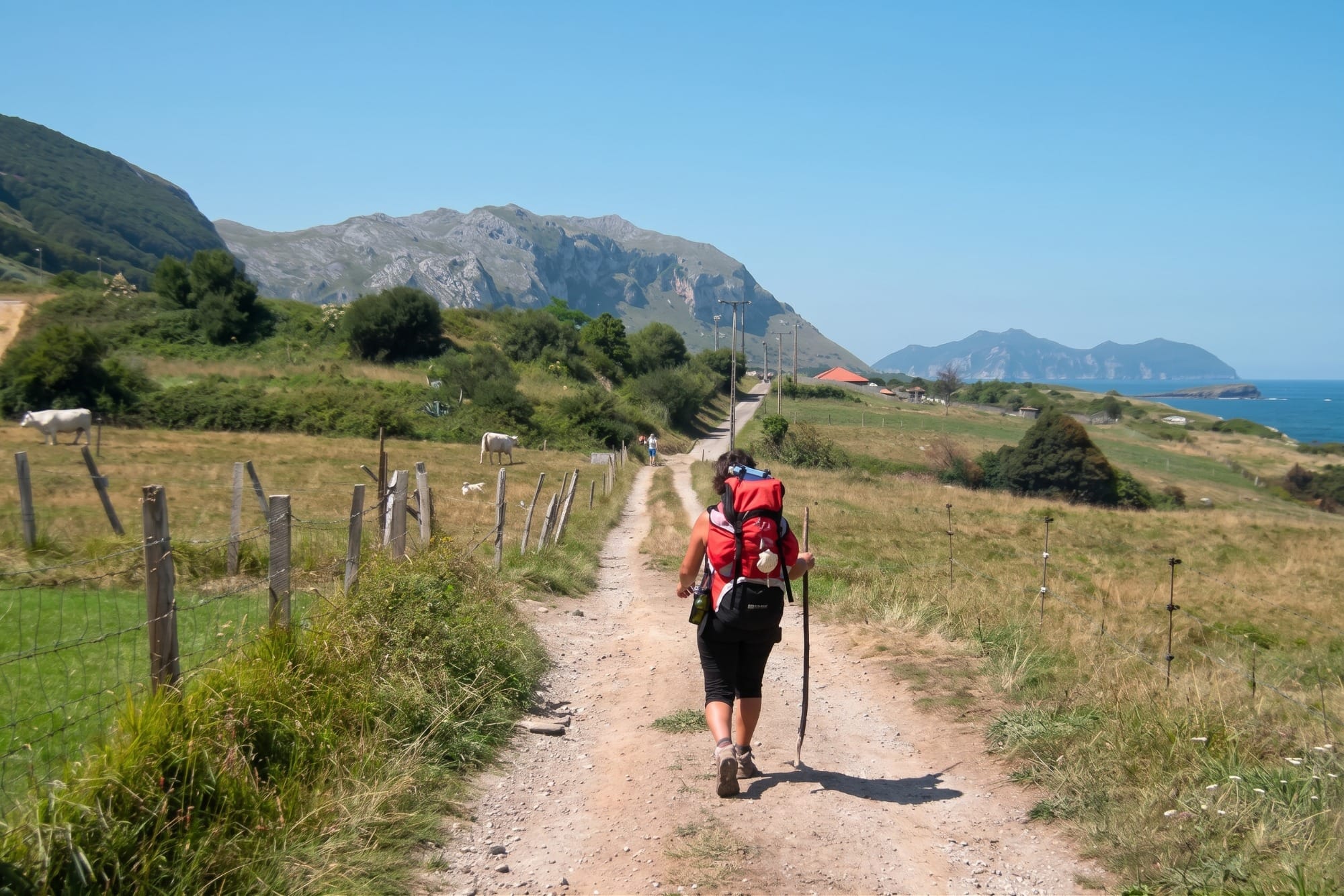
After Noja, the Camino leaves the sea and heads inland. You have to ford the Campiazo river, a crossing to look at carefully if it has rained, and then continue to San Miguel de Meruelo, about nine kilometres from Noja. It's the loneliest stretch of the stage: meadows, dirt tracks and little shade.
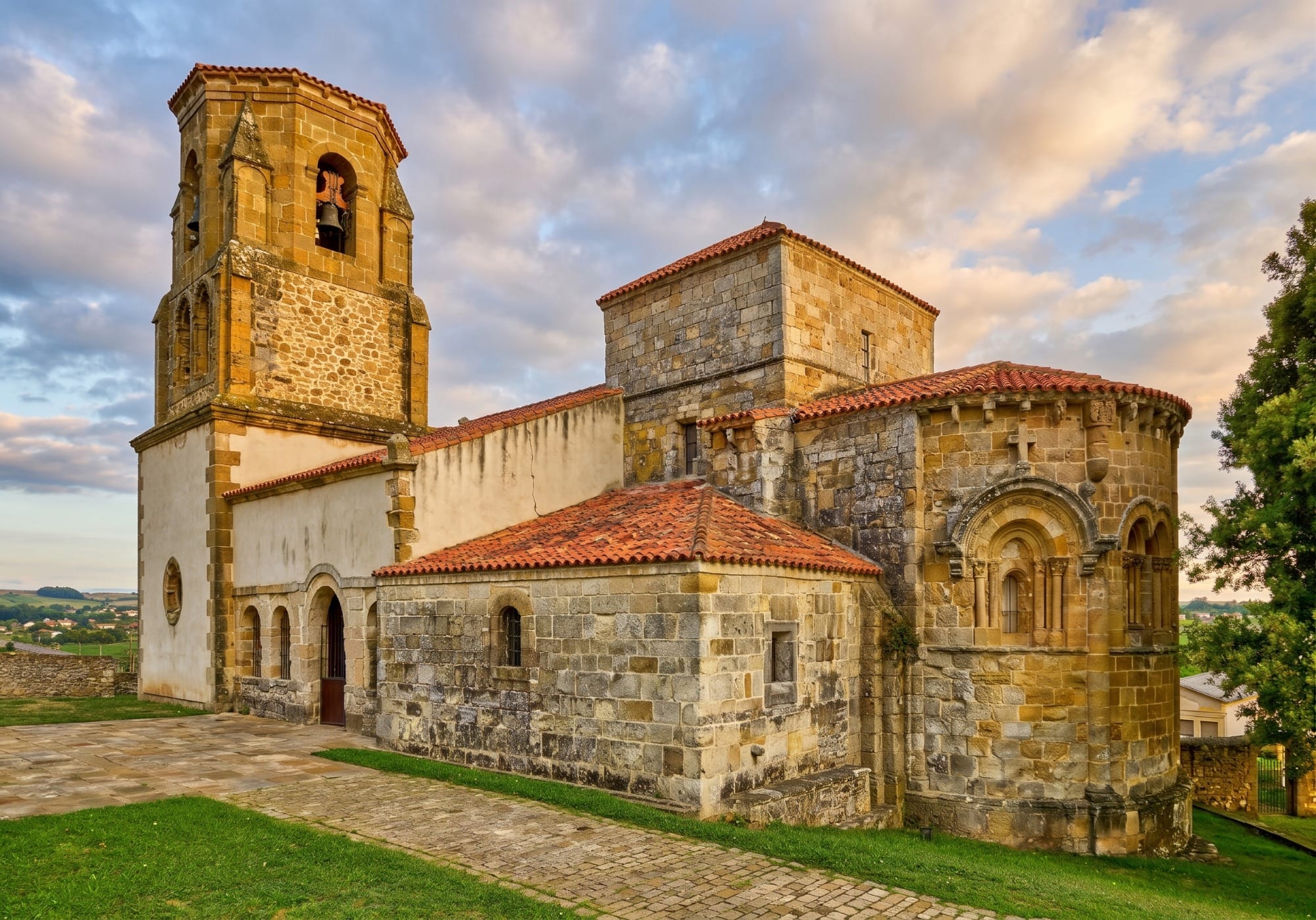
After Meruelo, the path climbs gently to Bareyo, and at the top the church of Santa María appears, declared a site of cultural interest. We've already covered it in our guide to the historic heritage of Bareyo, along with the tide mill and the Selorga bridge.
The climb is short, but it comes when you've already covered 23 kilometres. The usual thing is to stop here for ten minutes before the last half hour.
Güemes: arrival and the hostel
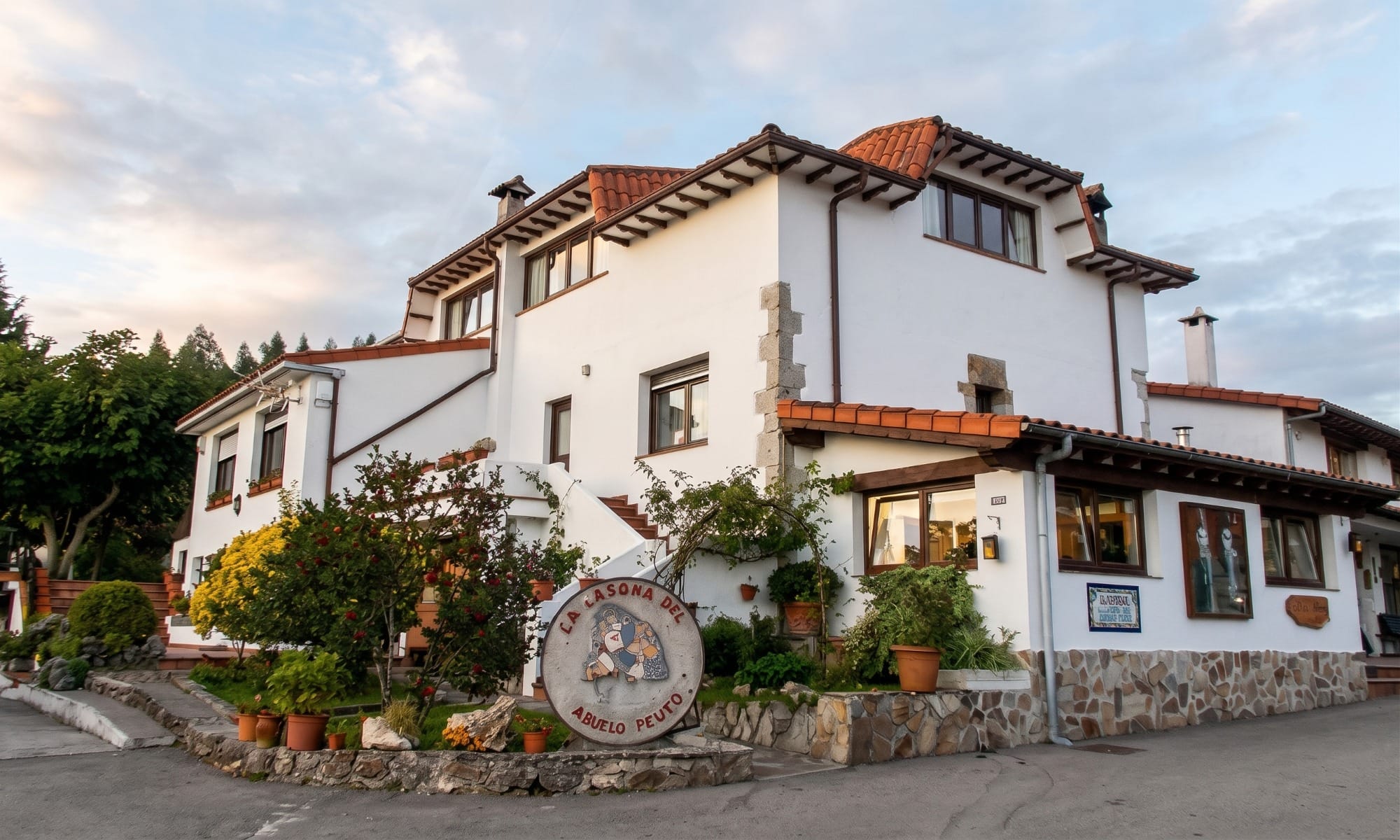
The last stretch, about six kilometres, drops from Bareyo to Güemes between meadows and scattered houses. The Güemes hostel, La Cabaña del Abuelo Peuto, run by Ernesto Bustio, is a landmark on the Camino del Norte and has its own story: we tell it in the guide to Güemes and the Camino de Santiago.
Many pilgrims choose to stay here because the next stage, to Santander, is shorter and can be done at an easy pace. You can read about it in the guide to the Güemes–Santander stage, including the Somo ferry.
What you need to know
Distance: about 29 km based on the sum of the sections in the hostel guides (Laredo–Santoña 5.0; Santoña–Noja 8.6; Noja–Meruelo 8.8; Meruelo–Güemes 6.3). Some guides give slightly different figures.
Duration: allow between seven and eight hours of walking at an easy pace, not counting stops or the ferry (our estimate).
Laredo–Santoña ferry: according to the guides, it doesn't run in winter. Check the timetable before you set out; the Colindres detour adds about 4.1 km.
Difficulty: low in terms of climbing, medium because of the distance and the sand and asphalt. There are few shady spots on the inland stretch.
Autumn and winter: it gets dark early, so it's best to set out early. For more official information about the Camino in Cantabria, see the Turismo de Cantabria website.
Three beaches, a ferry and a ford: that sums up this stage of the Camino del Norte between Laredo and Bareyo.
Finishing this stage in Güemes means arriving somewhere the Camino becomes a community. If you'd rather do it in sections, the area around Bareyo has plenty of places to walk without hurry and come back to a quiet base, just minutes from the route.