The Camino del Norte stage between Santander and Santillana del Mar is between 36 and 39 km depending on the source, and is one of the longest in Cantabria. Many pilgrims split it in two, sleep in Boo de Piélagos or take the train to Boo or Mogro to shorten the first section.
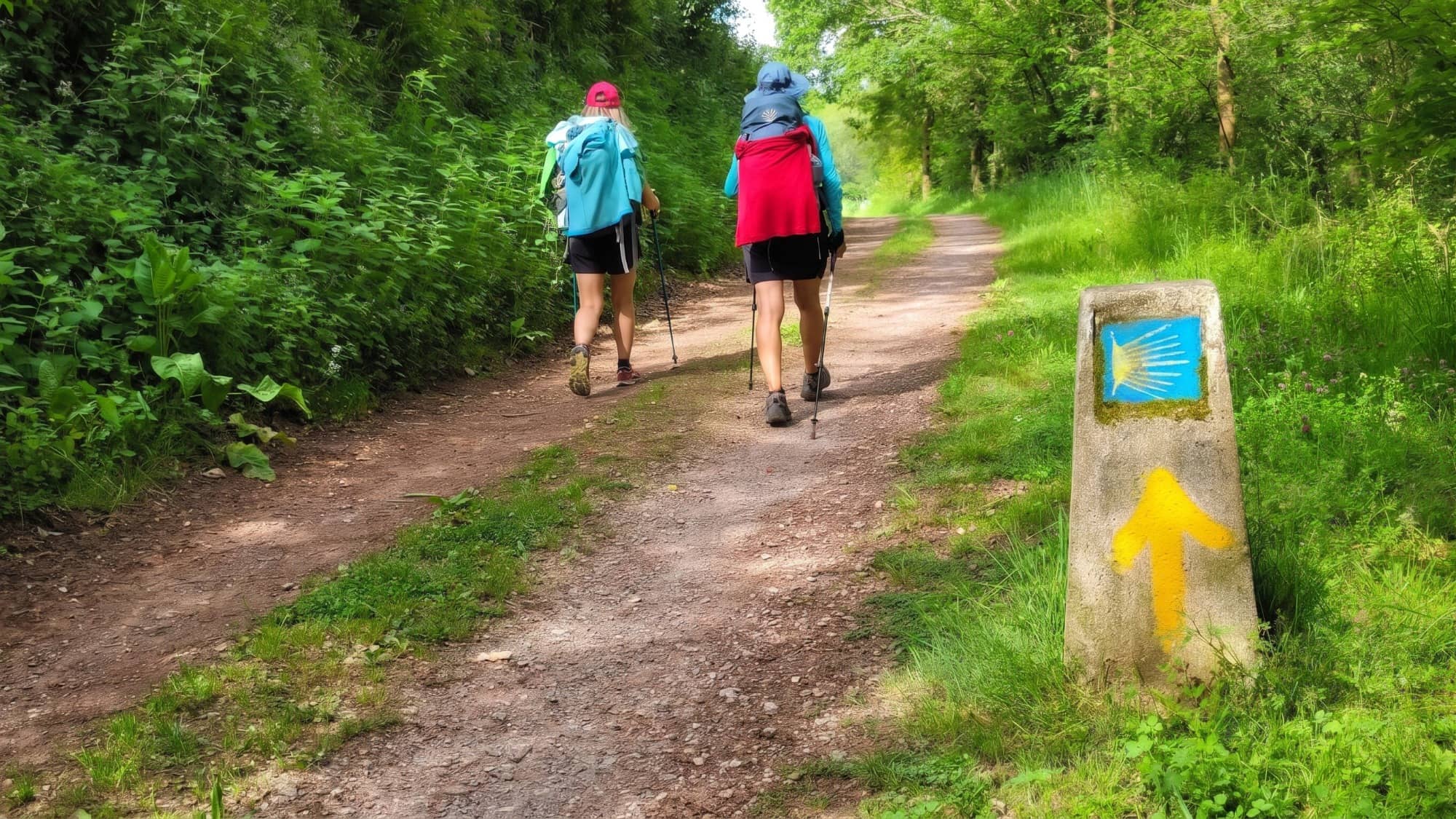
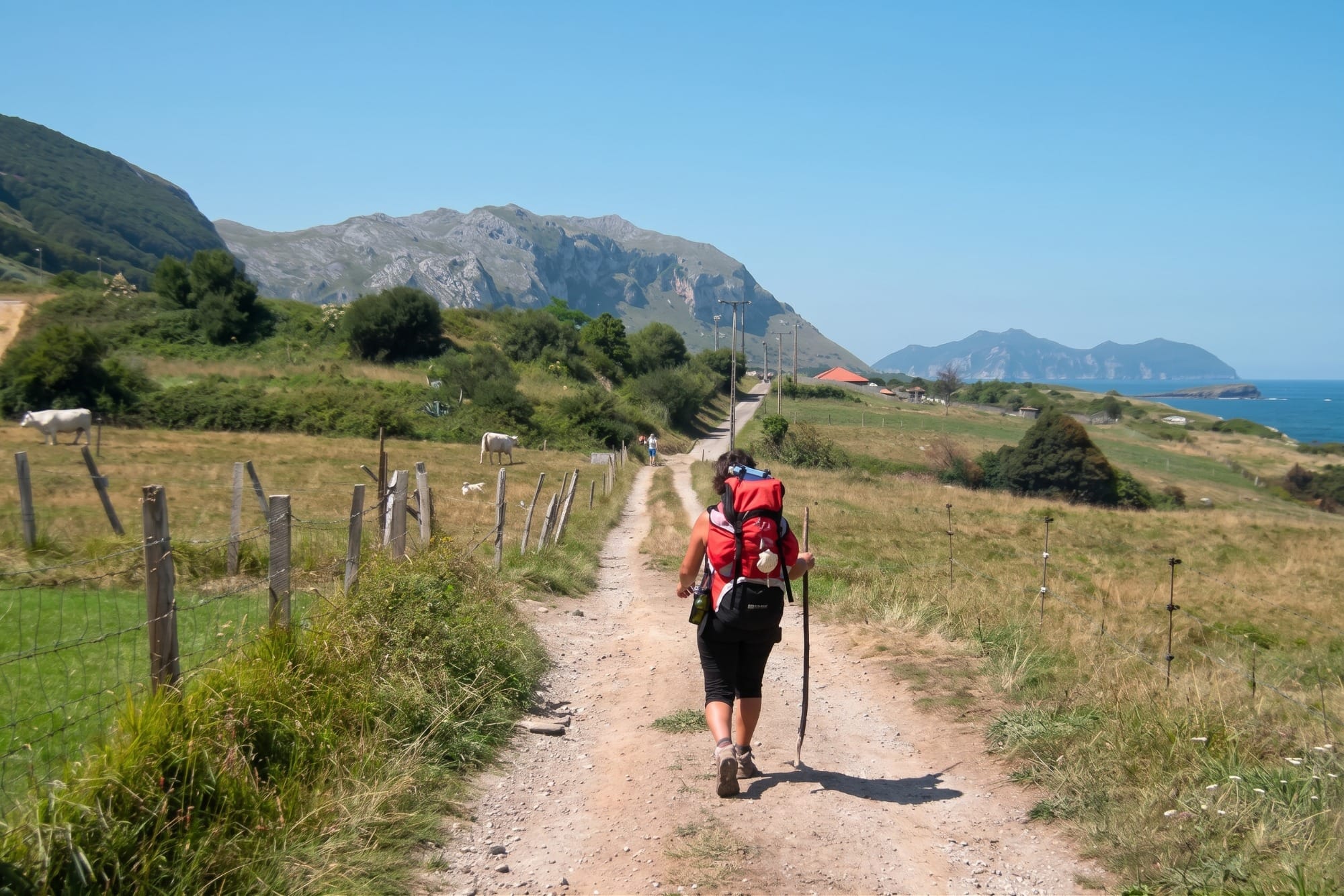
It's a less showy stage than those on the western coast: much of the route crosses urban areas, industrial estates and villages in Piélagos and Polanco before entering the town of Santillana. In return, the ending makes up for it, and arriving in Santillana del Mar is one of the most memorable arrivals on the whole Camino in Cantabria.
After the Güemes–Santander stage, this is the next day if you continue towards Santiago. Here we go over the sections with their distances, the options for shortening it and what you need to know about hostels and route. We designed this guide for people walking with a backpack who want to decide, with facts, whether to do the whole stage, part of it, or part of it by train.
Route and sections of the Santander–Santillana stage
According to the Camino del Norte hostel guide, the route breaks down into about 8.8 km to Santa Cruz de Bezana, 4.8 km more to Boo de Piélagos, 10.5 km to Polanco, 6.5 km to Hinojedo, 5.1 km to Queveda and 3.1 km to Santillana, adding up to about 38.8 km. Other sources give 36.3 or 36.6 km, so the figures are a guide. Between Boo and Polanco you cross an industrial area towards Requejada, the least attractive stretch of the day. That's why, if you want a more enjoyable day, it makes sense to combine leaving Santander with a train section and save your energy for the last stretch to Santillana. Another option is to leave the stage for a clear day: in rain, the asphalt and the verges of local roads become uncomfortable, and visibility drops.
How to shorten the stage
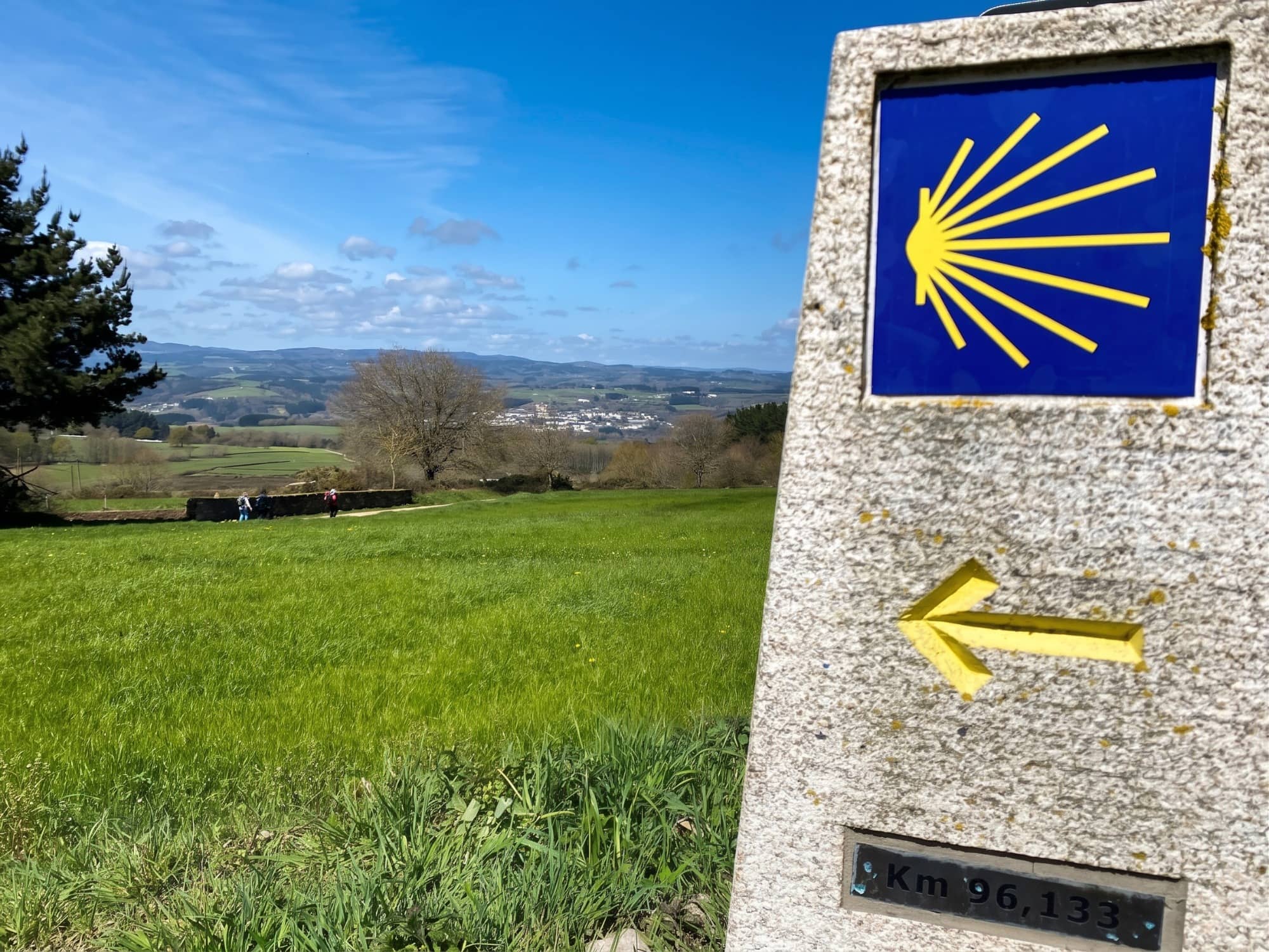
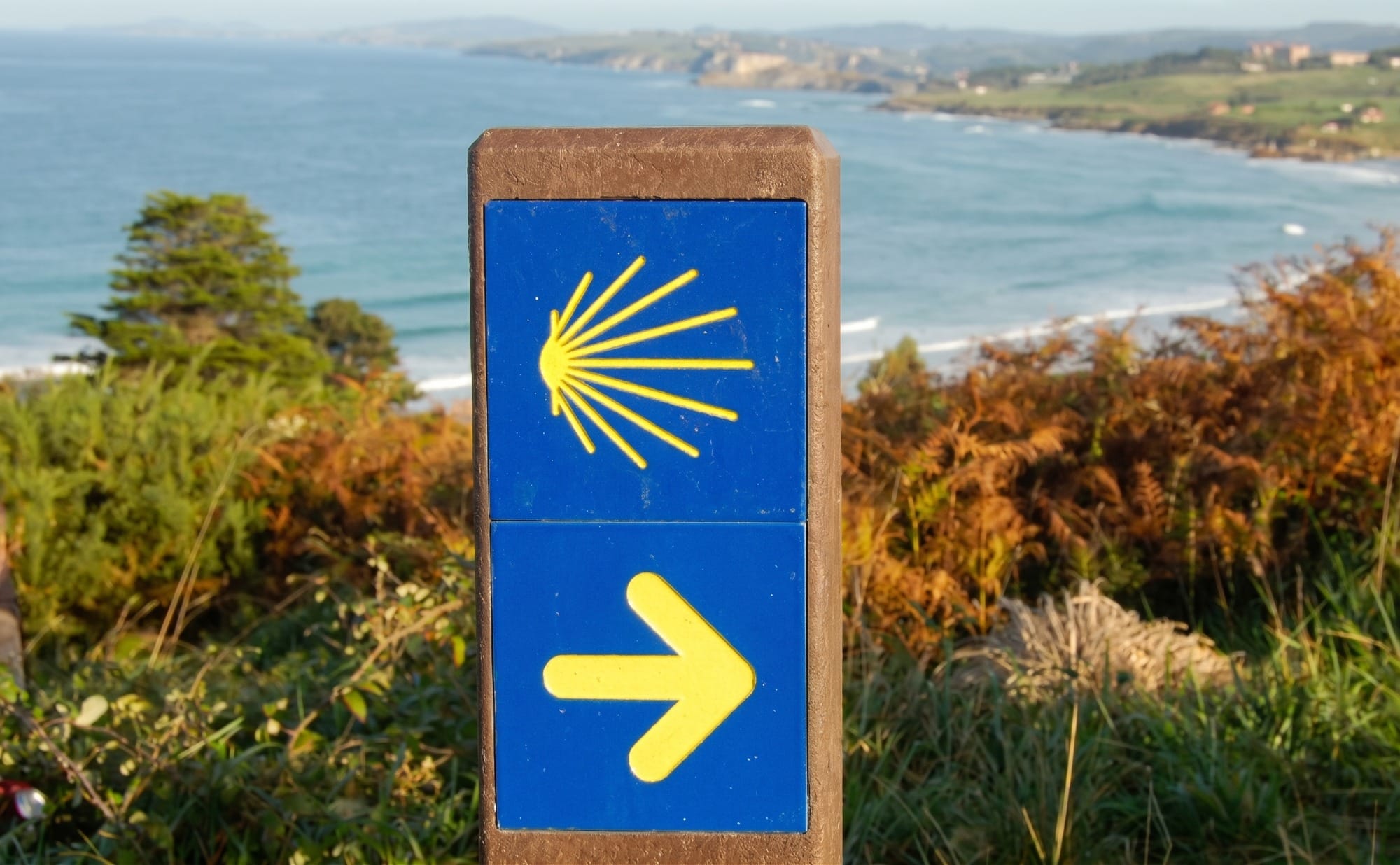
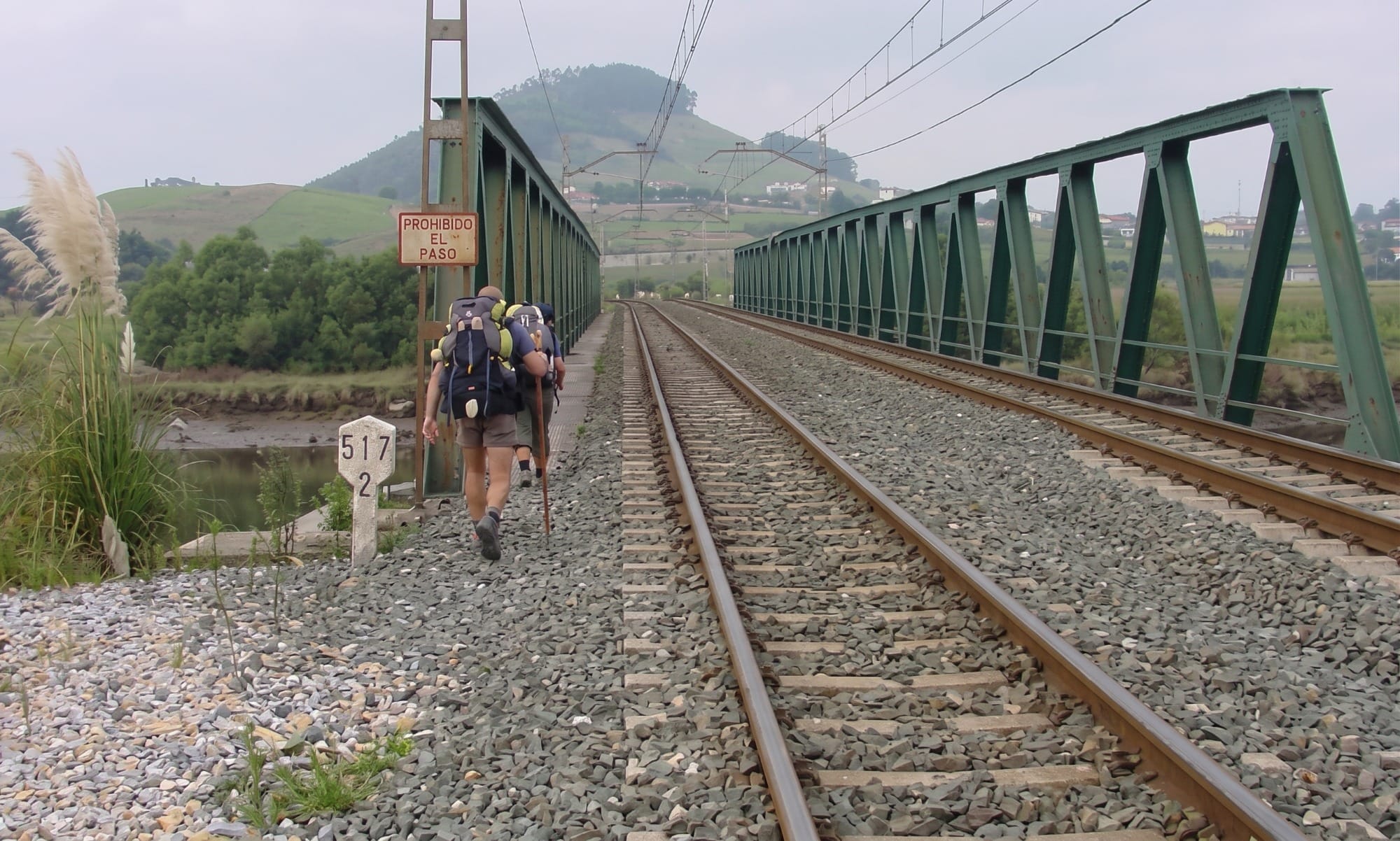
Many pilgrims take the train from Santander to Boo or Mogro to skip the first urban section. There is also a shortcut from Boo crossing the River Pas by the railway bridge, but crossing the tracks is dangerous and forbidden, so we don't recommend it. According to the hostel guide consulted, the official route has gone through Oruña since 2016, whereas before the path went via Boo, Mogro and Cudón. If you come with an old guide, check that it doesn't take you along the previous route, and compare the track with the yellow arrows on the ground. The Cantabrian Government publishes a guide map of the Camino de Santiago and Lebaniego routes with the current route.
Hostels and where to sleep
The Piedad Villa Salva hostel, in Boo de Piélagos, is listed as open all year, with 18 bunks and 4 rooms, and an approximate price of about 17 euros per bunk. In Santillana there is the Santos Mártires hostel. Prices and availability change with the season, so confirm by phone before setting off, especially outside summer, when some hostels cut days or close for holidays. If you prefer a bed of your own, Santillana has rural accommodation and village houses, although at weekends and long weekends they fill up with visitors who aren't walking the Camino.
Arriving in Santillana del Mar
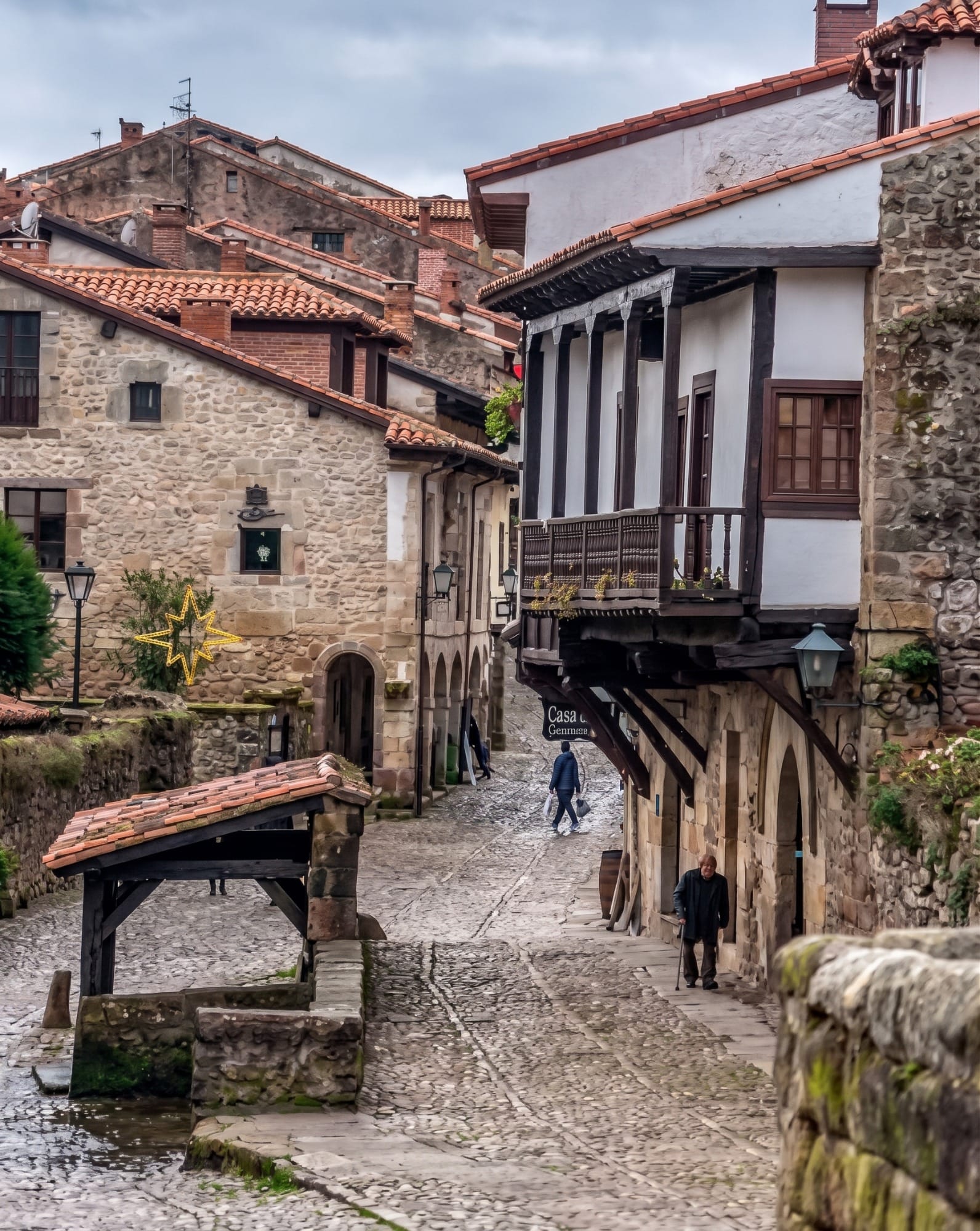
Santillana del Mar is the reward of the stage and, at the same time, one of the most visited towns in Cantabria, so in mid-afternoon and at weekends it can be full. Its historic centre of stone and balconies takes an hour to walk, and if you arrive with daylight it's worth spending an afternoon seeing it at leisure. To plan your visit, you have all the information in our guide to Santillana del Mar: what to see. If you want to link the stage with the previous one, go over Güemes–Santander of the Camino del Norte, which explains the Somo boat.
What you need to know
Distance: between 36 and 39 km depending on the source. Long section: from Boo to Polanco, 10.5 km with an industrial area towards Requejada. Shortcuts: train to Boo or Mogro; don't cross the tracks of the Pas bridge. Hostels: Boo de Piélagos and Santillana. Light: from November to February it gets dark early, and 38 km on foot take 9 or 10 hours, so split the stage into two days. More context on the Camino in the region in our guide to the Camino de Santiago del Norte in Cantabria.
Thirty-eight kilometres are better done in two days than in one.
Arriving in Santillana del Mar on foot has something that arriving by car doesn't: you know what you've covered. And if the trip includes a few rest days on the coast, Bareyo is close by, with beaches and trails to stretch your legs without a backpack. Many pilgrims use that pause to wash their clothes, stretch and check their footwear before the next day, which is especially welcome if the weather has been wet for several days in a row.