The Camino del Norte stage between Castro Urdiales and Laredo is between 25 and 30 km depending on the variant. The official route via Liendo is prettier but has more climbing; the alternative via Guriezo is flatter and quicker. There are hostels in Castro Urdiales, Islares and Laredo, and none in Liendo.
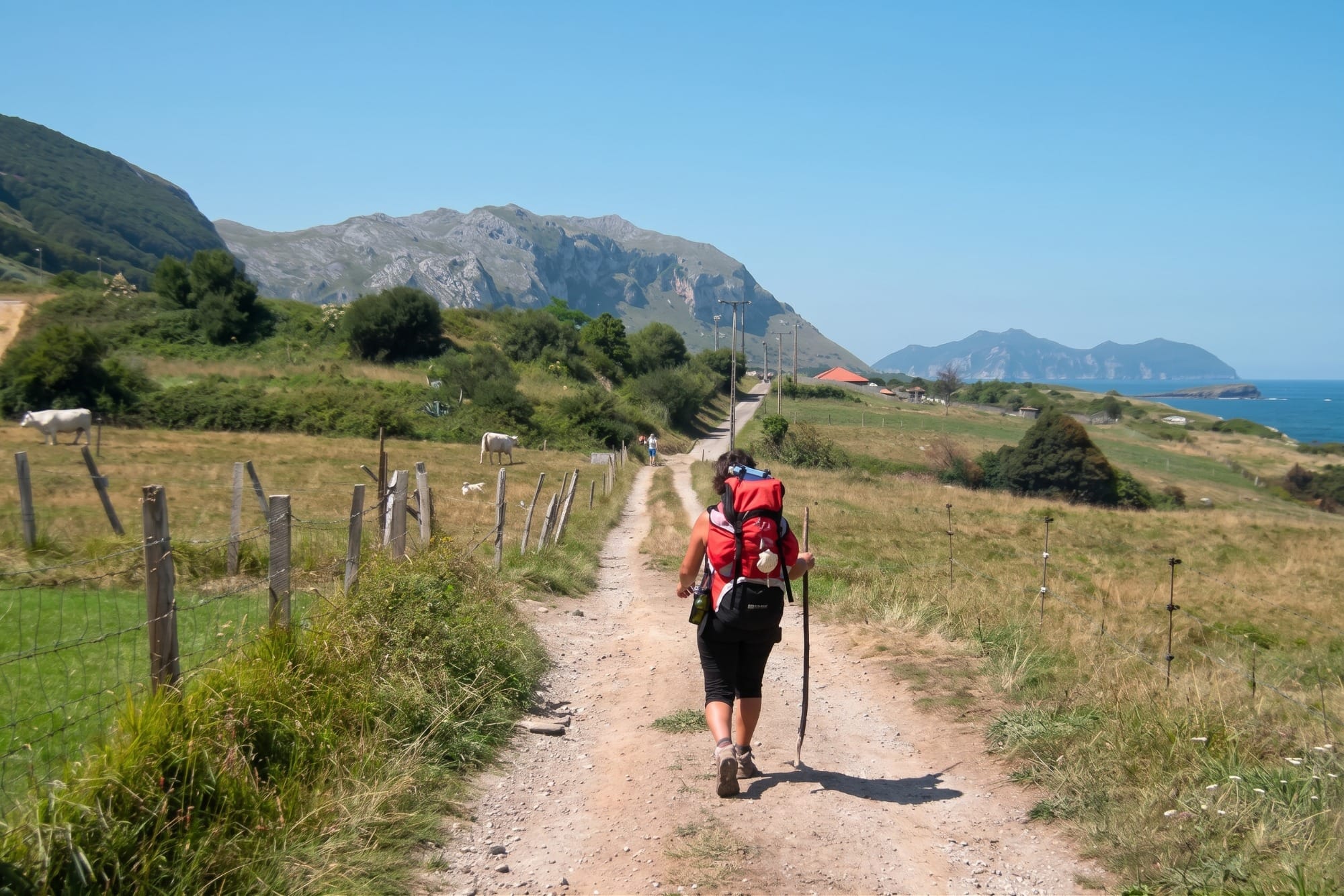
This stage opens the Camino del Norte through Cantabria for anyone arriving from the Basque Country. It's long but not one of the toughest: it alternates stretches of coast, forest and local road, with specific climbs rather than constant elevation gain. That makes it manageable for regular walkers, and demanding for anyone arriving untrained, especially with a backpack and bad weather. It's best to set off early, keep rain gear handy and not leave eating until the last moment.
For those staying in Bareyo, Laredo is a stage away to the east, and this day is the one immediately before the Laredo–Güemes stage we've already described. Here we go over the route, the two variants and what's worth sorting out before you set off.
Route of the Castro Urdiales–Laredo stage
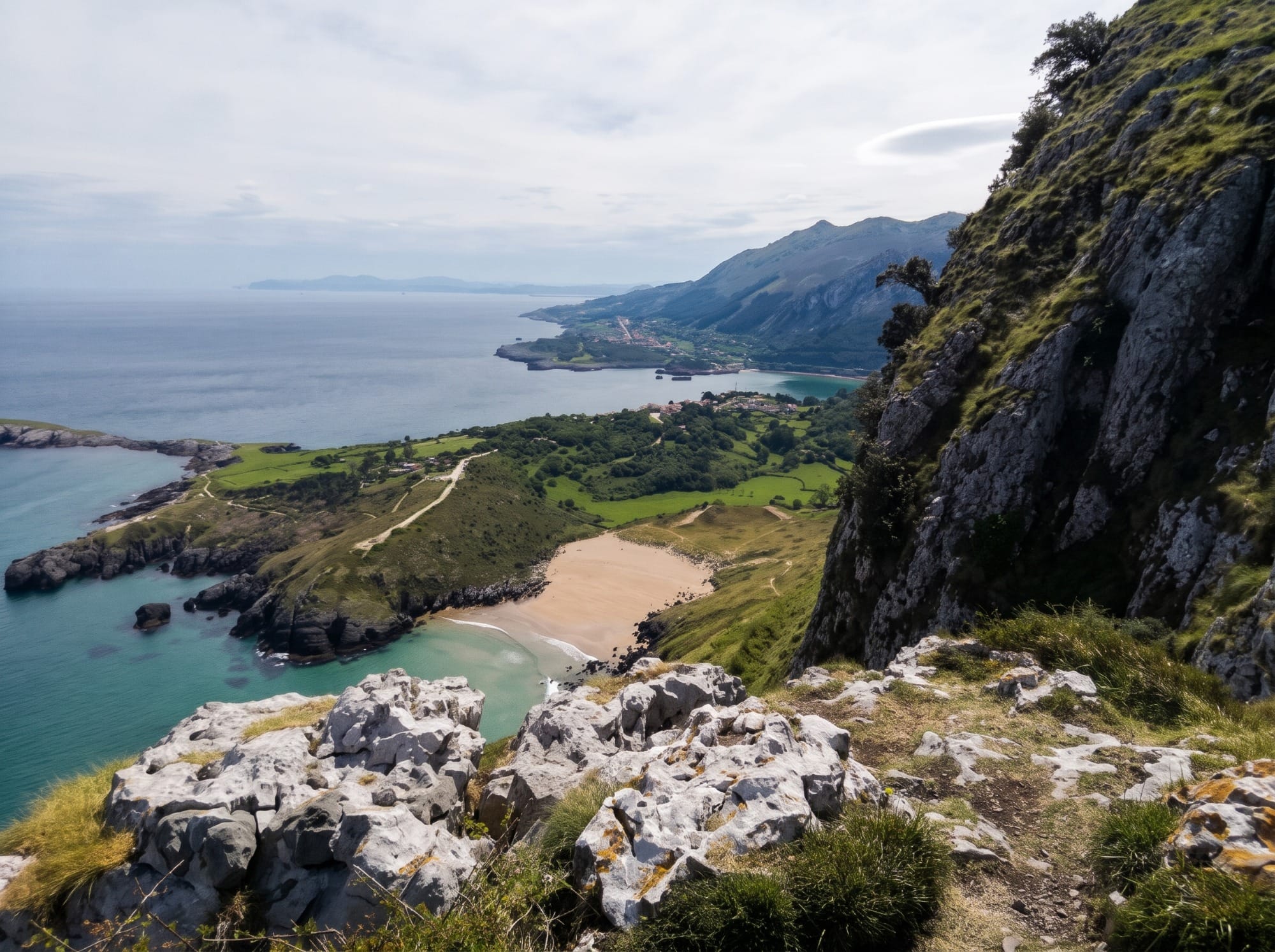
The path leaves Castro Urdiales and soon parts from the built-up area to follow the coast via Cérdigo and Islares, two small villages where you can stop for breakfast or to refill water. The sources consulted give different distances, from about 25 to 30.6 km, depending on the exact starting point, the variants and how it's measured, so treat the figure as a guide and check your own track. On the stretch from La Magdalena towards Lugarejos there is a demanding climb of about 200 metres over 2.5 km, and that's the point to pace yourself.
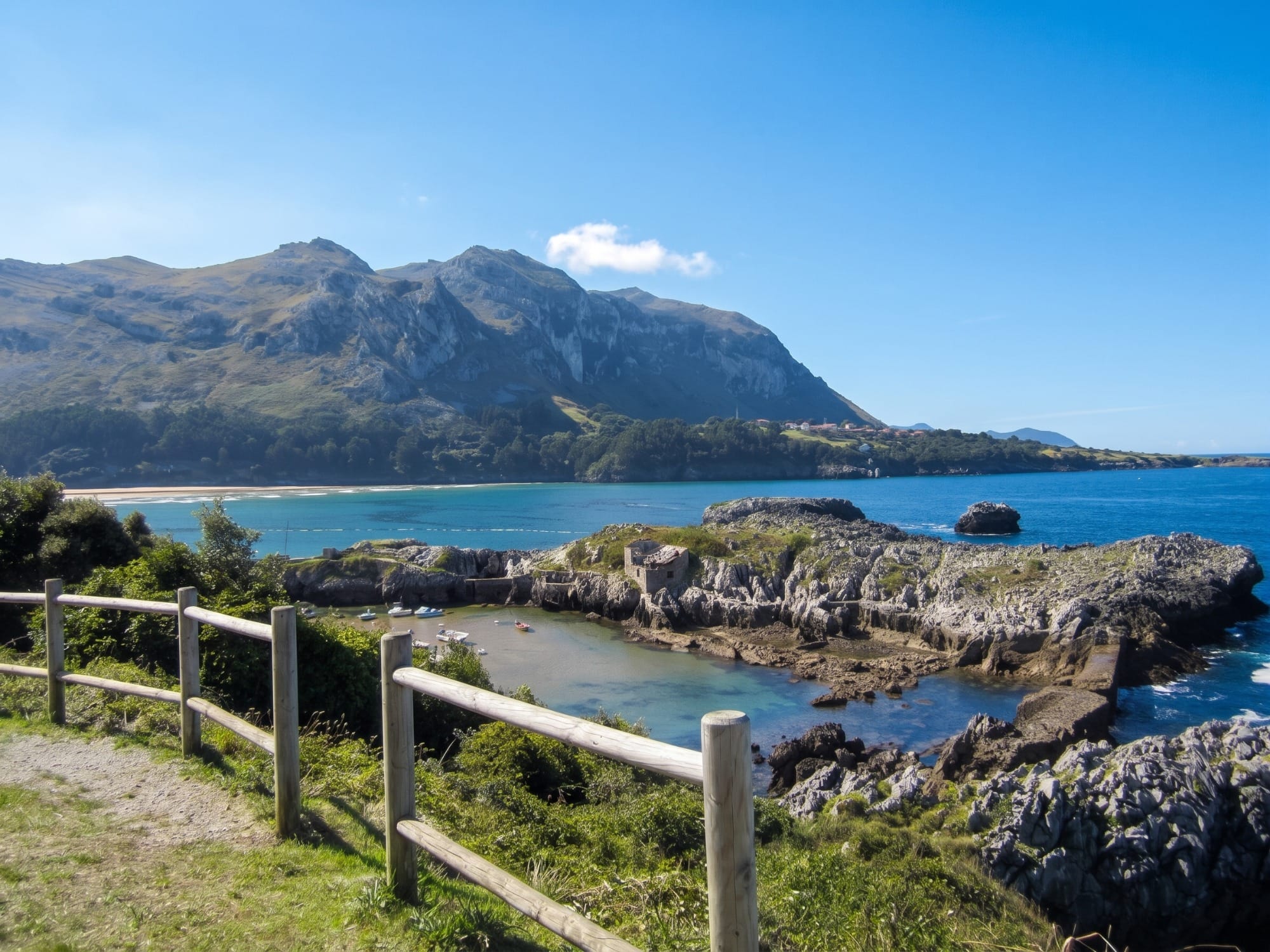
Official variant via Liendo or alternative via Guriezo
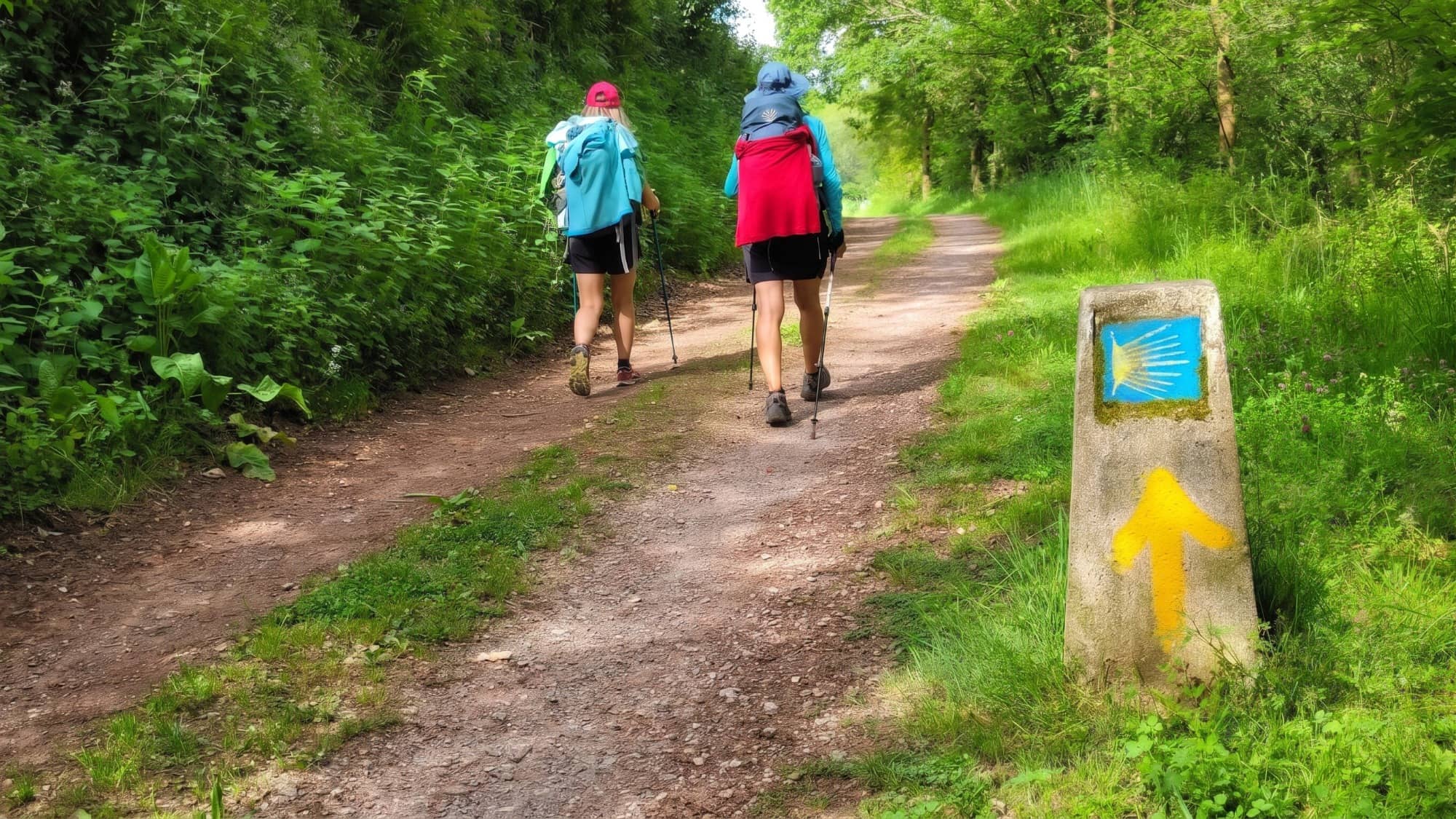
After Islares the path splits. The official route goes through Liendo: it has more climbing but is more authentic, with tracks between meadows, trees and views of the hills. The alternative via Guriezo is flatter and quicker, and is recommended when the day is getting short or there's a lot of mud. If you want to get to know the area at leisure, the Liendo surroundings deserve a separate visit: there's the circular route of Monte Candina and the Ojos del Diablo from Sonabia and the Liendo Arboretum, very close to the route.
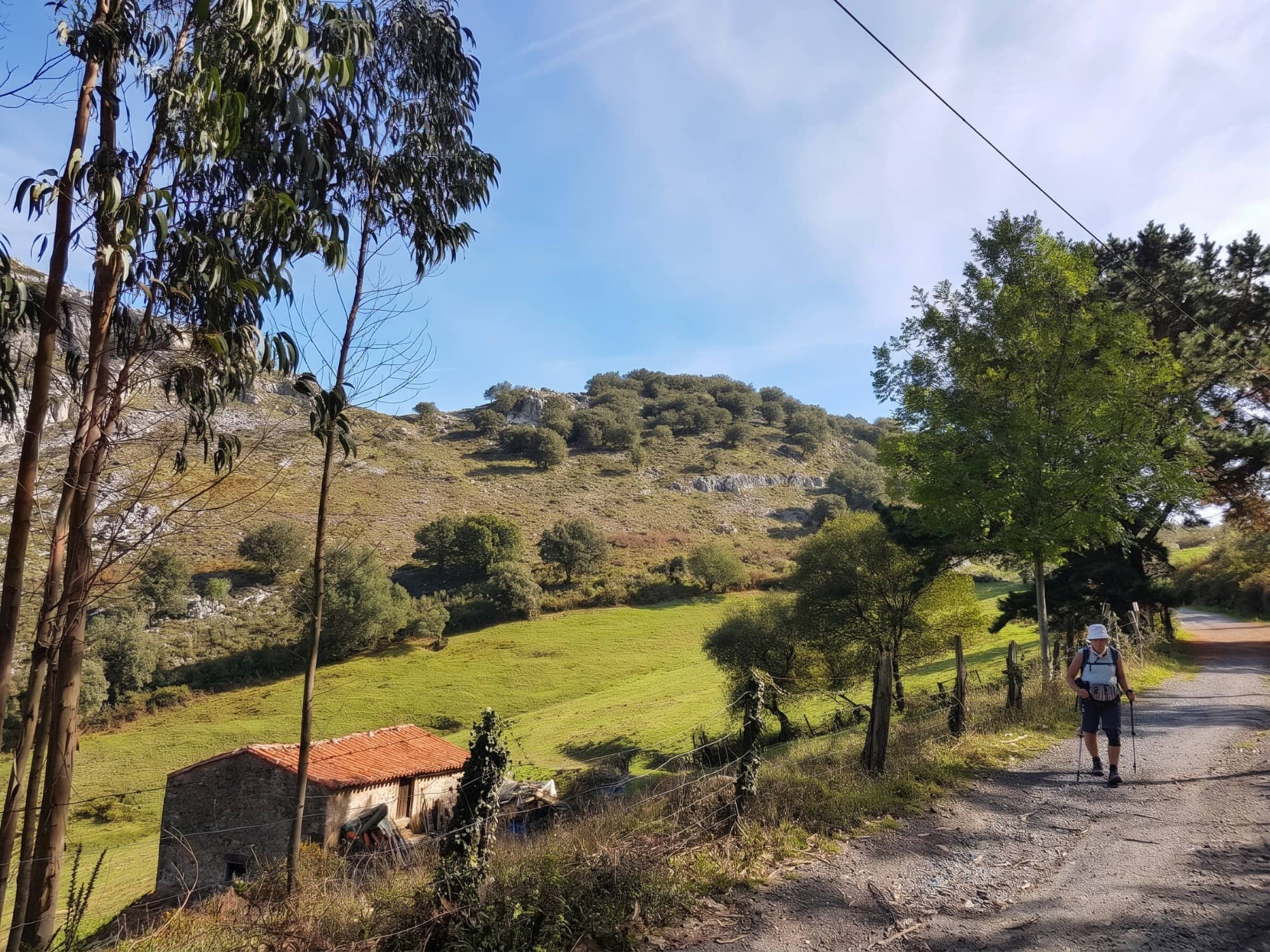
Where to sleep and where to stop
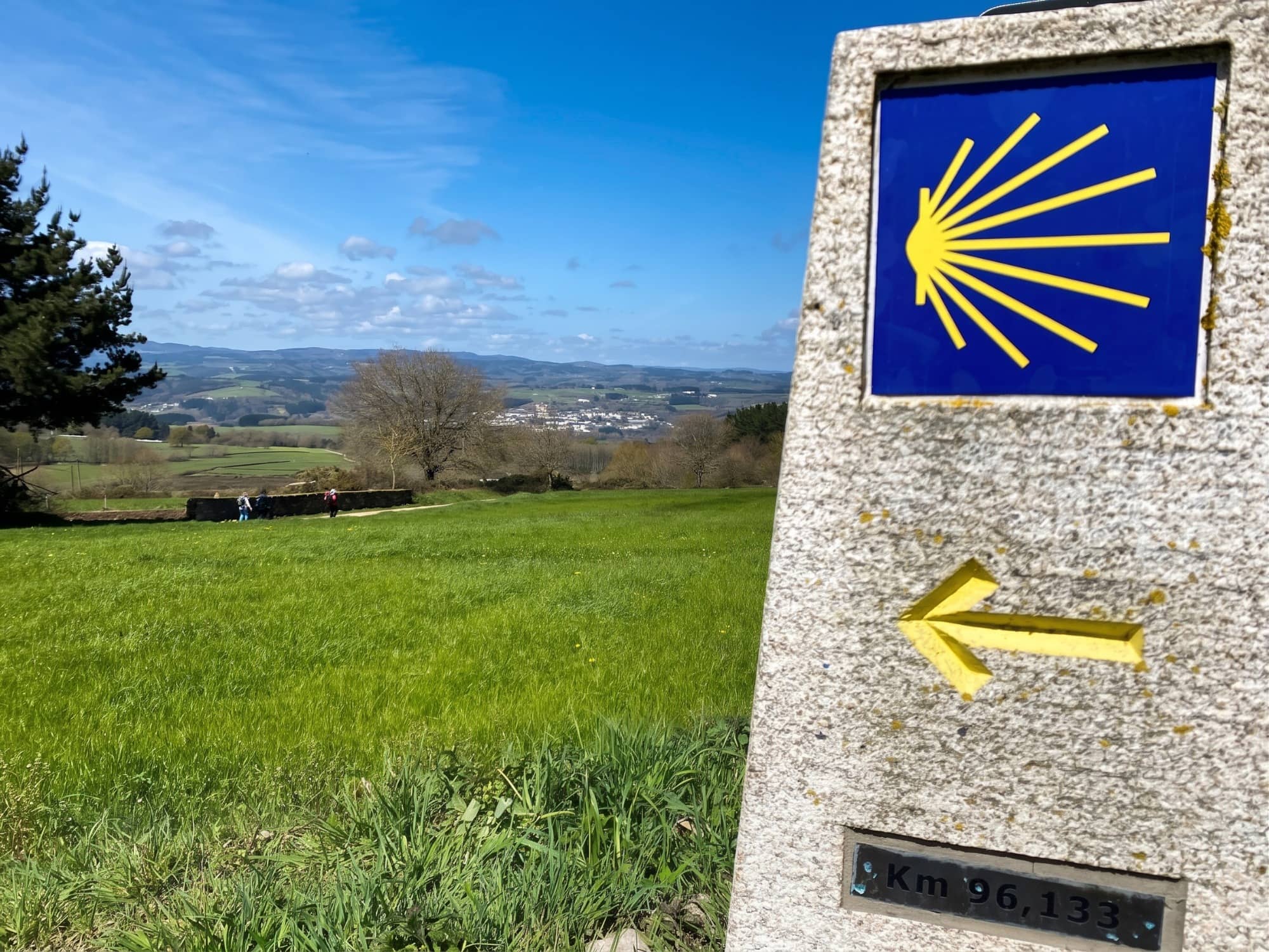
There are hostels in Castro Urdiales, Islares and Laredo; there are none in Liendo. This shapes your planning: if you leave Castro and want to split the stage, Islares is the only intermediate stop with a bed. The rest of the route has bars and shops in villages, but they don't always open daily out of season, so it works better to carry enough food and water. Also keep your credencial handy to get stamped at hostels, bars or open churches, and allow margin in your pace: between stops, photos and climbs, most people take six to eight hours. Before you start, or if you have time to spare in Castro, it's worth seeing what to see in Castro Urdiales and the nearby Oriñón beach.
Arriving in Laredo
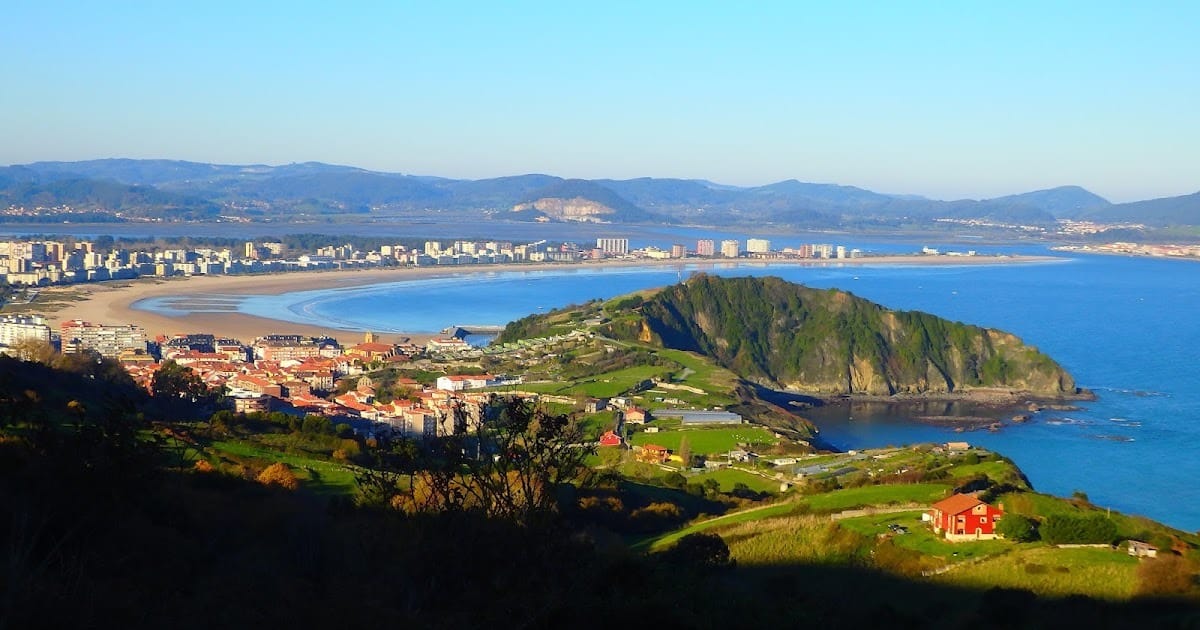
The stage ends in Laredo, a town with a long beach and an old quarter you can walk in an afternoon. After the day's effort, a stroll along the beach is a gentle way to slow down. Before dinner, stretch, look after your feet and check the next day's forecast, because the stage to Güemes includes a boat and depends on the sea. If you stay an extra day, what to see in Laredo gives you ideas for resting, and the next day you continue with the Laredo–Güemes stage of the Camino del Norte, which includes the boat to Santoña.
What you need to know
Distance: between 25 and 30 km depending on variant and source. Elevation: the toughest climb is around 200 m over 2.5 km, from La Magdalena towards Lugarejos. Variants: official via Liendo (prettier, more climbing) or via Guriezo (flatter and quicker). Hostels: Castro Urdiales, Islares and Laredo; none in Liendo. Footwear: boots or shoes with good grip, because the track sections turn to mud in the rain. Official information: the Cantabrian Government publishes a guide map of the Camino de Santiago and Lebaniego routes that helps you check the route. Light: in autumn and winter it gets dark early, so set off with margin. See also our general guide to the Camino de Santiago del Norte in Cantabria.
On this stage the coast isn't watched from a viewpoint: you walk it, climb it and sweat it.
Anyone walking the Camino del Norte through Cantabria ends up at some point on this stretch of coast, and anyone then looking for a place to stay a few days has in Bareyo a quiet base, with beaches and trails a few kilometres away. It's a good way to extend the stage instead of closing it in a rush. Resting a whole day between stages, with hot food and dry clothes, is usually what best protects your feet and your desire to keep walking.