What to see in Comillas in a day: Gaudí's Capricho, the Palacio de Sobrellano with its Capilla Panteón (Pantheon Chapel), the Pontifical University, the Cemetery of the Exterminating Angel, the monument to the Marquis, the Fuente de los Tres Caños and the beach. It can all be covered on foot and is about 45 minutes by car from Bareyo.
Comillas went from fishing village to a whim of Spanish high society in the late 19th century, when the first Marquis of Comillas, Antonio López, decided to make it his summer residence and commissioned Catalan architects to build an ensemble unlike anything else in Cantabria.
For this list we've chosen eight stops that complement each other without repeating: four buildings that explain Cantabrian modernism, two corners of sculpture and memory, and two places to slow down. The order follows a logical route through the town, starting with what you shouldn't miss if you only have half a morning. Each item has its place for what it adds to the day: first what impresses most, then what explains it, and finally what rests the eyes.
If you're coming from Bareyo, plan a full day: the morning for the Sobrellano complex, lunch in the old town and the afternoon for the cemetery and the beach. With that split you never have to rush.
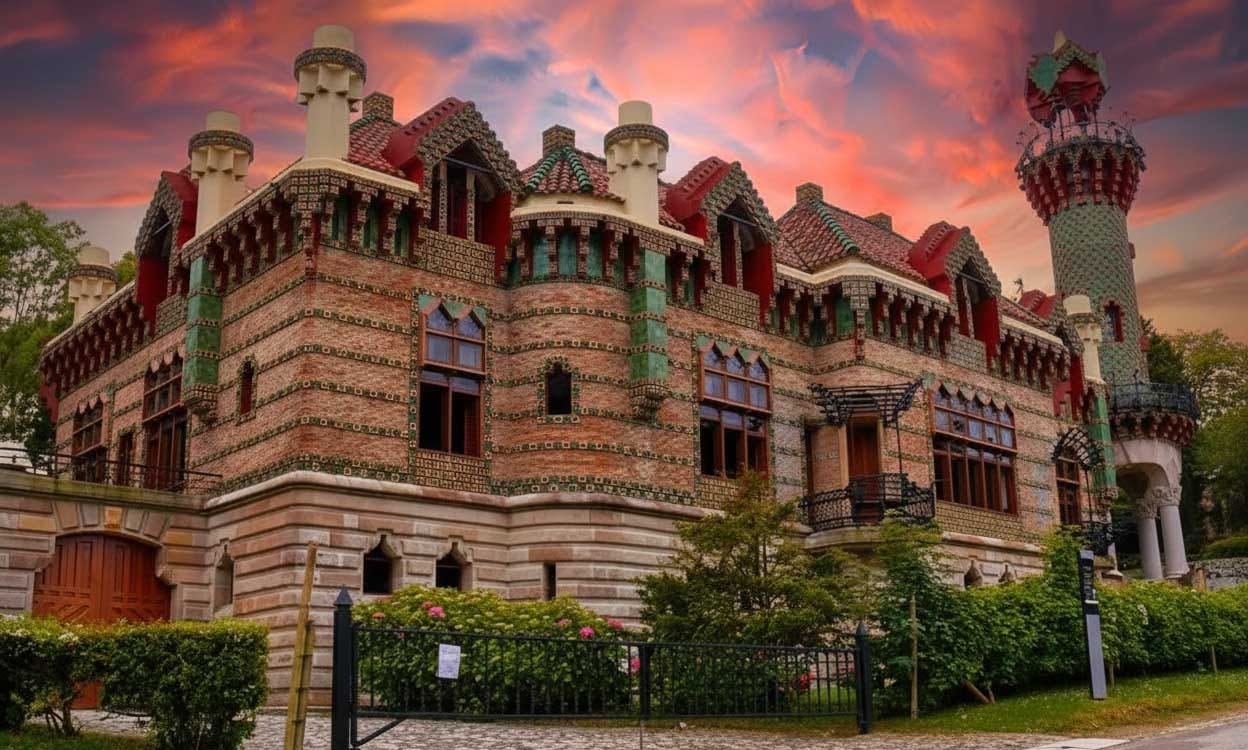
Gaudí's Capricho
It opens the list because it's the reason many people come to Comillas: a villa of exposed brick and sunflower ceramics built between 1883 and 1885 by Cristóbal Cascante from a design by Gaudí, who never saw it. The cylindrical tower imitating a minaret and the tile frieze of sunflowers are the first thing people photograph, but the best part is inside, where the rooms, designed on a human scale, keep the playful spirit of the whole. You can go inside and there is an admission charge, with longer opening hours in summer and shorter ones in winter. Allow about three quarters of an hour to see it at a relaxed pace, and leave some margin if you coincide with groups.
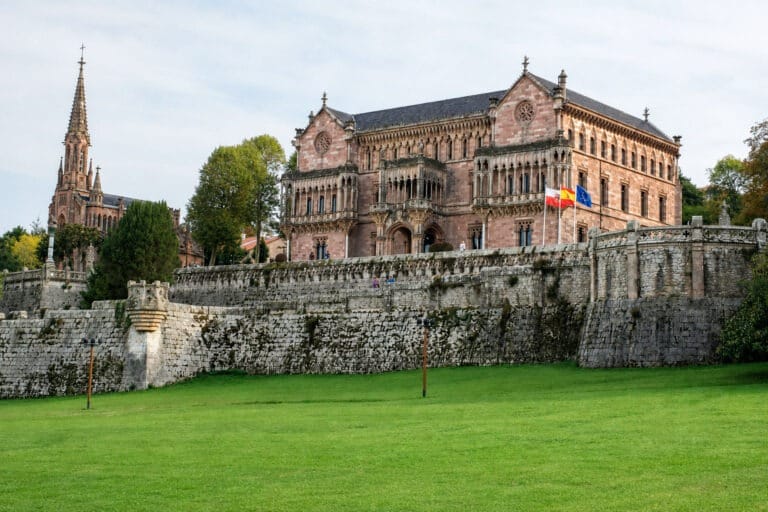
Palacio de Sobrellano
It comes second because it is the counterpoint to the Capricho: where Gaudí plays, Joan Martorell builds with solemnity. The neo-Gothic palace of 1888 was the Marquis's residence and is now a museum and venue for cultural activities. From outside you can admire it for free, with its tower and the gardens at its feet; to see the interior you need to join a guided tour, so it's wise to book a time slot before climbing the hill.
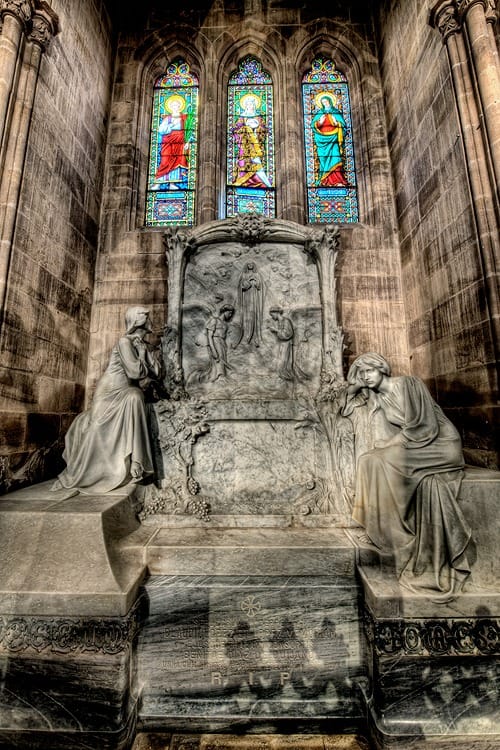
Capilla Panteón
A few steps from the palace, the López family's neo-Gothic chapel works as a sculpture museum without the museum sign. Above, the chapel; below, the pantheon with tombs by Josep Llimona and the Vallmitjana brothers, among others. It's the quietest stop on the list, and that's why it comes right after Sobrellano: it's better understood just after you've seen the house of the man who had it built. Here, too, it's worth paying attention to the details: the faces on the tombs, the folds of the sculpted fabrics and the way the light falls into the pantheon.
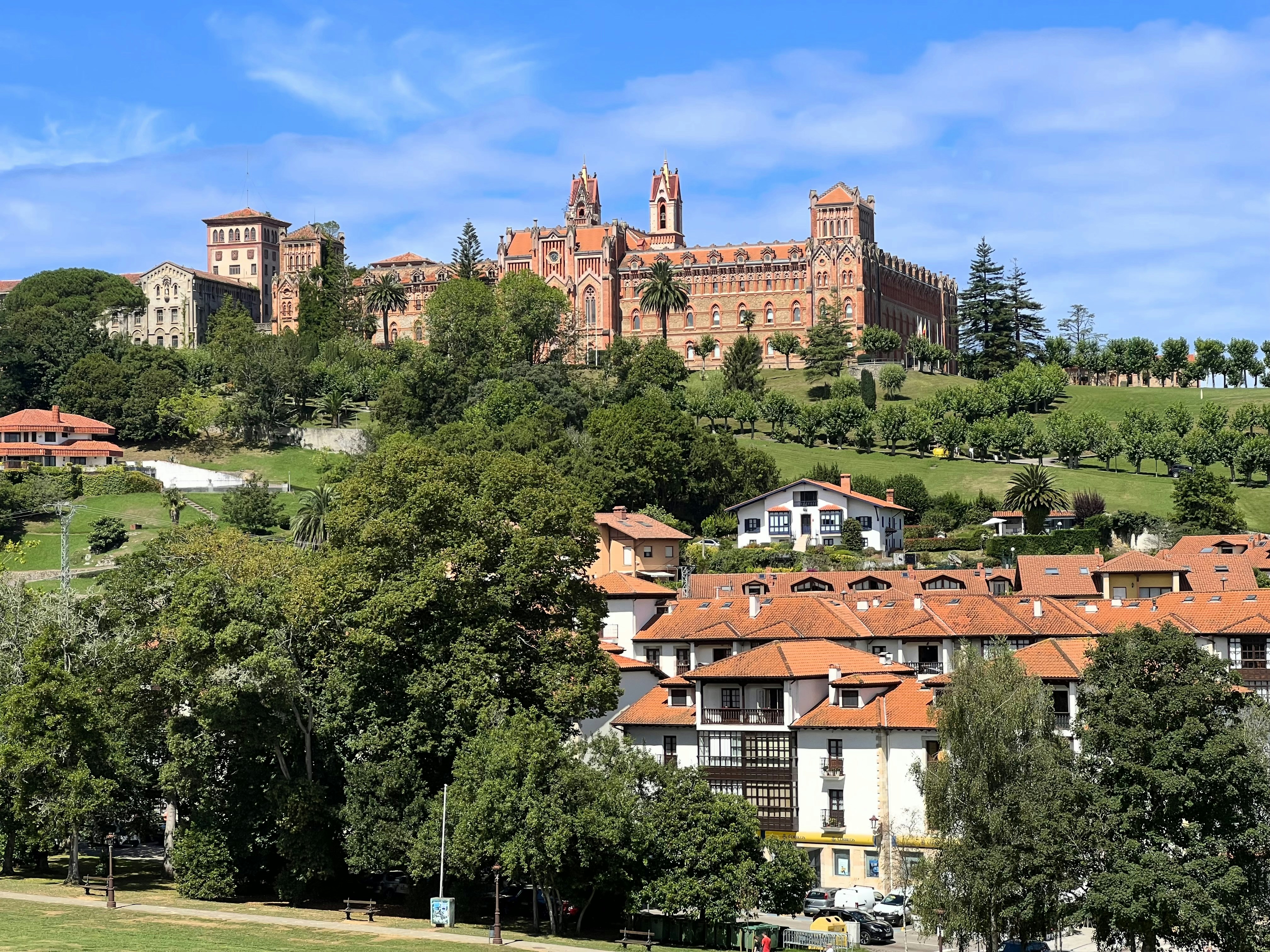
Pontifical University
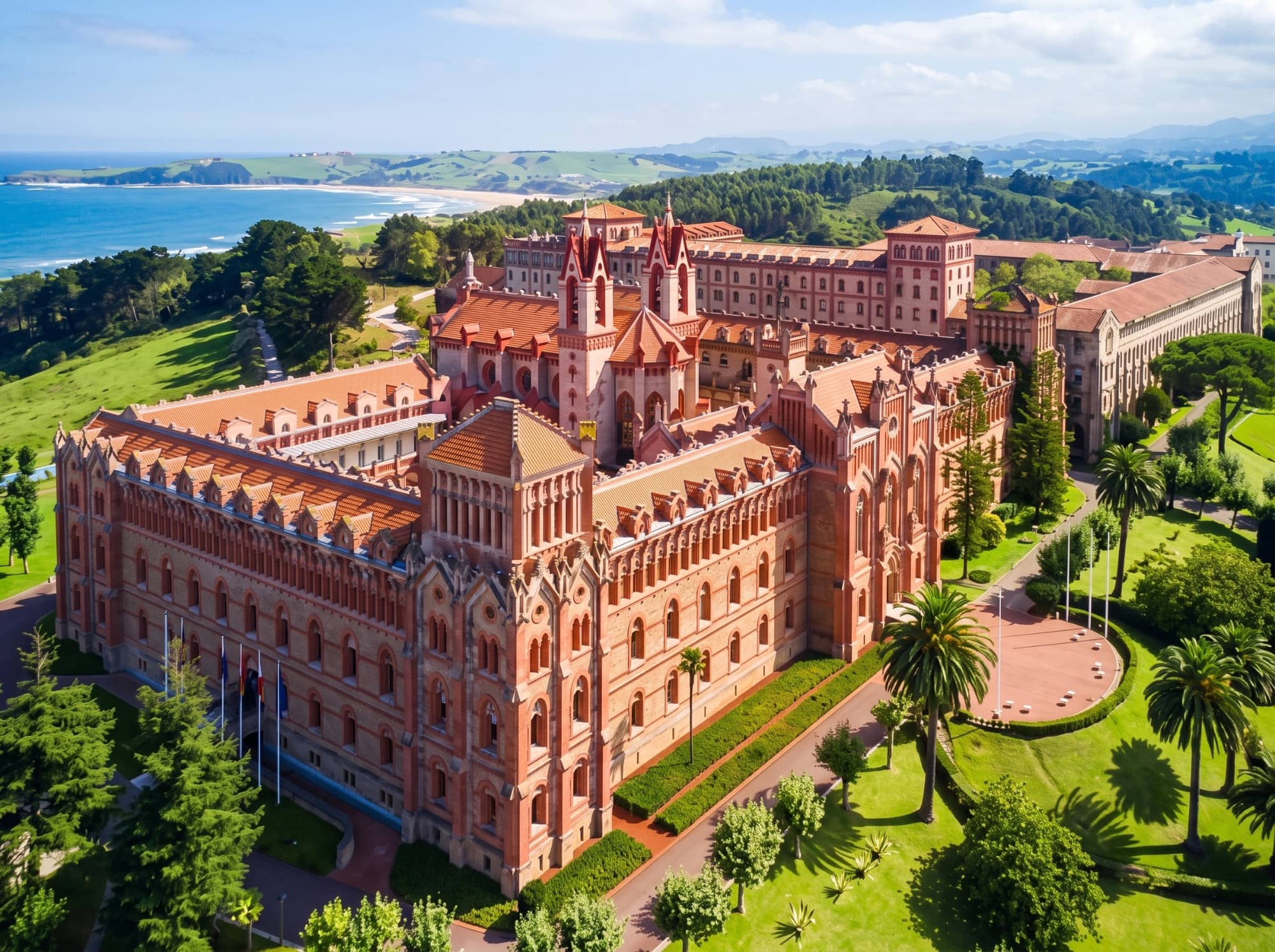
It dominates the hill opposite and can be seen from half the town. The work of Lluís Domènech i Montaner, it is organised in two large wings separated by a central church, around inner courtyards. It is the largest building in Comillas and the least visited by those in a hurry, so it deserves time to walk around it and see the viewpoints from which you can understand how the complex dominates the town. It takes fourth place because you've already seen the surroundings that give it meaning. If you're short on time, it's enough to walk around it and look out from its viewpoints without going into detail; if you have the whole morning spare, it's the place to sit on a bench and take in the complex from a distance.
Comillas Cemetery
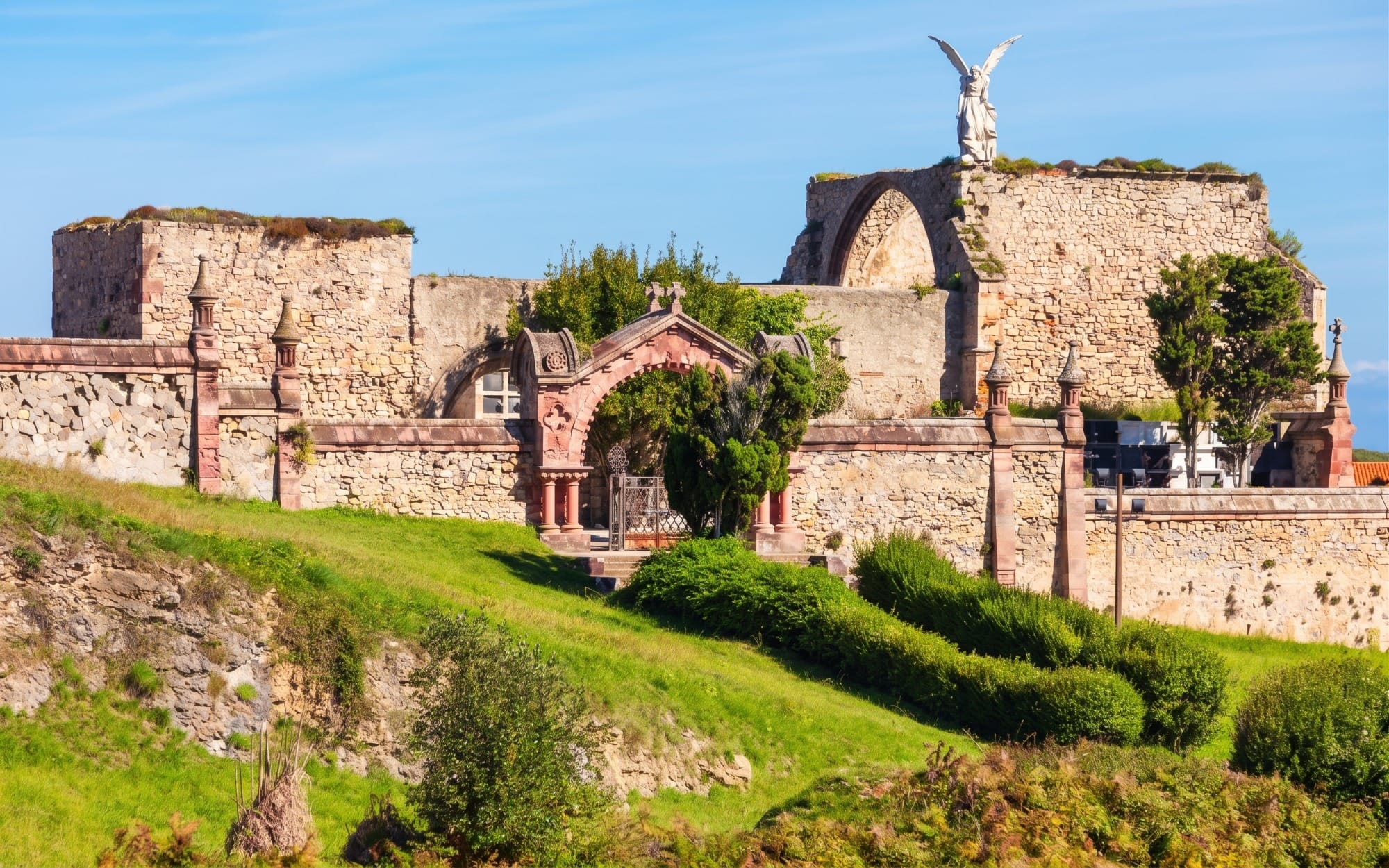
Another Domènech i Montaner project, and the surprise of the list: Gothic ruins turned into a cemetery, with Josep Llimona's Exterminating Angel presiding over the enclosure from above. There's nothing to pay here and no times to coordinate with anyone; you just walk up from the old town. We climb to fifth place because the atmosphere changes: after the palaces, a place to stop and look calmly, which is almost always remembered more than the University itself. The climb is short and the reward is double: the sculpture and the views towards the sea and the rest of the town, which you see all together from here.
Monument to the Marquis of Comillas
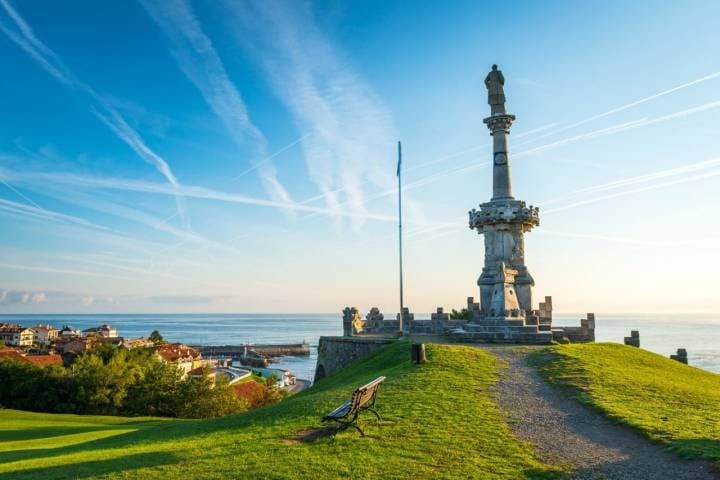
In the gardens of Parque Güell, the townspeople raised a monument to the Marquis in gratitude for everything his family gave the town. It doesn't have the drama of the previous stops, but it sums up the history of Comillas better than any information panel: without the López name, this town would still be a fishing village and not the destination of the elites of Madrid and Barcelona. It's a short stop that fits between one visit and the next: ten minutes is enough to see it, read the inscription and understand why everything here bears his name. It goes in sixth place because it helps tie together the four monumental stops before it.
Fuente de los Tres Caños
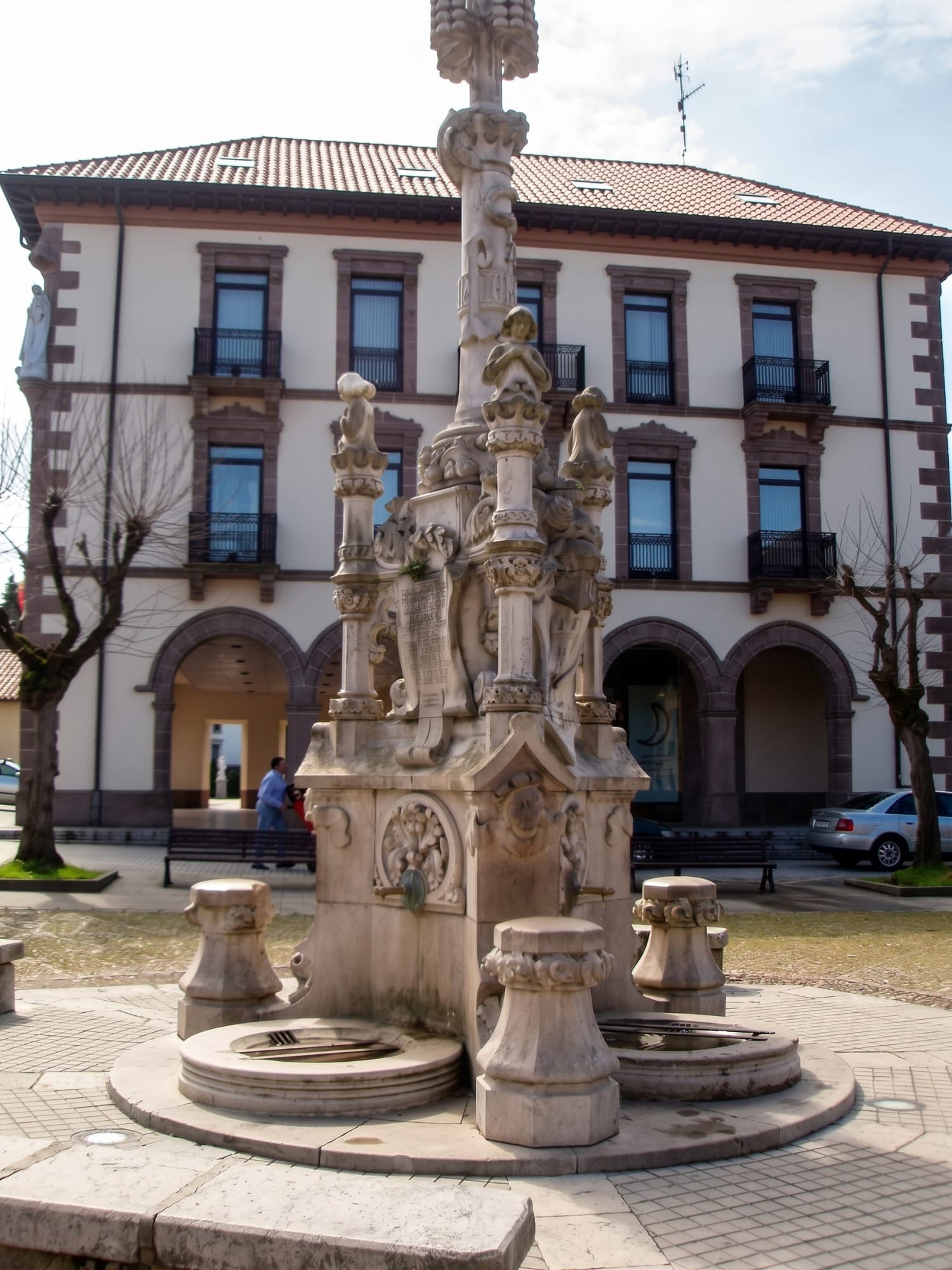
We come down from the monumental level to the old town, where life in Comillas carries on as it always has: cobbled lanes, mansions with coats of arms and a three-spout fountain that serves as a meeting point. We put it in seventh place because it serves a different purpose from the others: it's the place to stop for a drink of water, look at the façades and decide where to eat before moving on.
Comillas Beach
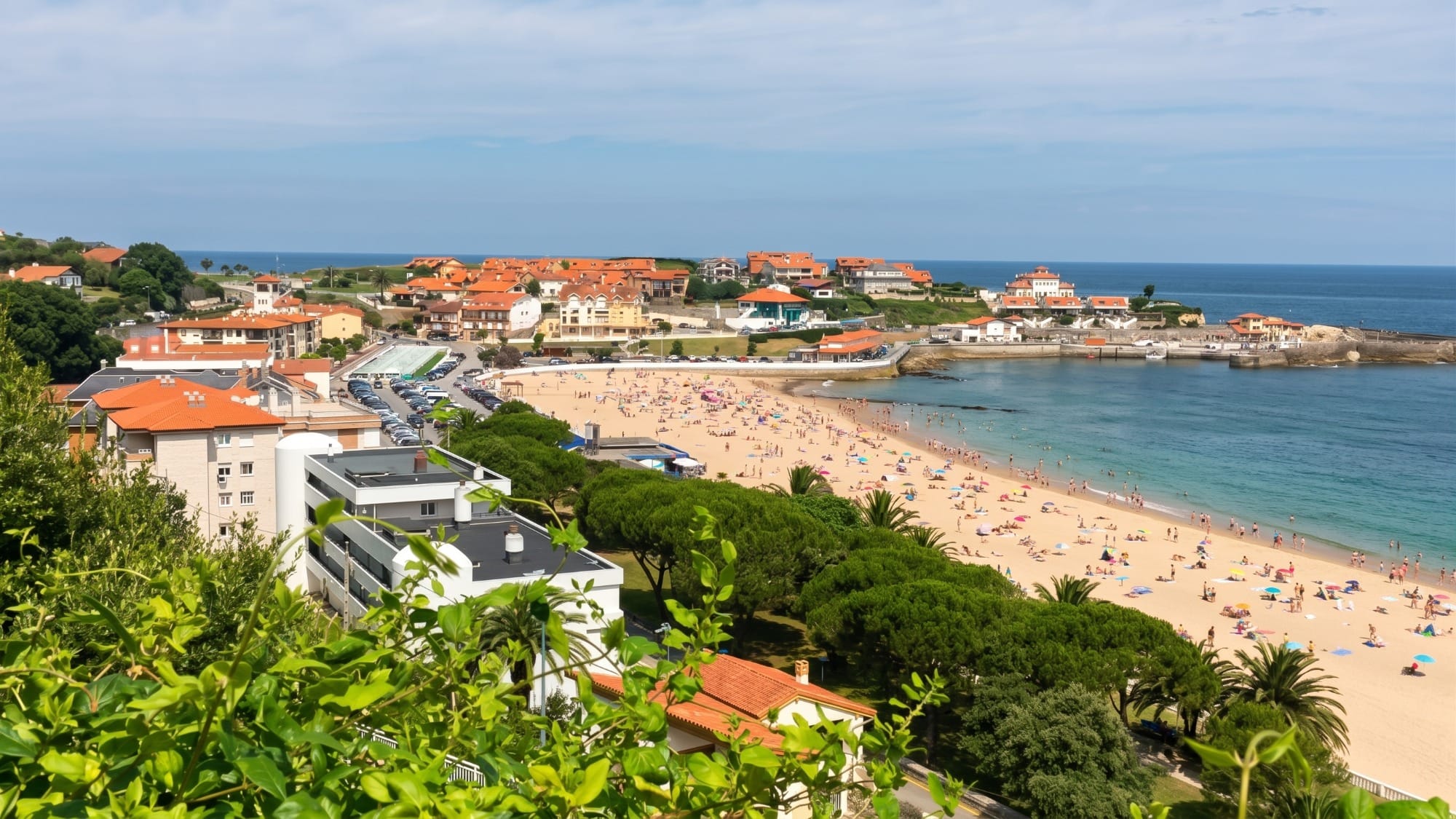
It closes the list because it's what we recommend doing at the end of the day, when your feet are asking for rest: a fine-sand beach a few minutes' walk from the old town, with the town in the background. Check the tide before you go down, because at high tide the beach narrows a lot. Also, in autumn and winter it's a pleasant walk, without the summer crowds, and it finishes the route with sea air after so much stone and brick.
What you need to know
If you're wondering what to see in Comillas with little time, prioritise the Capricho, Sobrellano with its chapel and the cemetery; the rest fits in as you go. From Bareyo it's about 45 minutes by car along the A-8; the most convenient thing is to park once and walk around the town, because the stops are a few minutes from each other.
Opening times change by season: in winter the Capricho closes earlier, so it's best to check the official ticket website before you go. For the interior of Sobrellano you'll need a guided tour, and for the rest of the monuments and general information on the municipality you have the Comillas page on Turismo de Cantabria. If you want to prepare the first stop in depth, we have a visitor's guide to Gaudí's Capricho with all the practical details.
«Comillas is the only town in Cantabria where Gaudí, Domènech i Montaner and Llimona fit into a single walk.»
Comillas is best enjoyed without rushing and with a comfortable base nearby, about 45 minutes by motorway. It's part of what makes Bareyo a good starting point for getting to know the Cantabrian coast: from here you reach towns like this one and come back to a quiet place where you can leave the car and rest.
Bareyo Residences is in the heart of that area, with beaches, trails and towns full of history a short drive away.