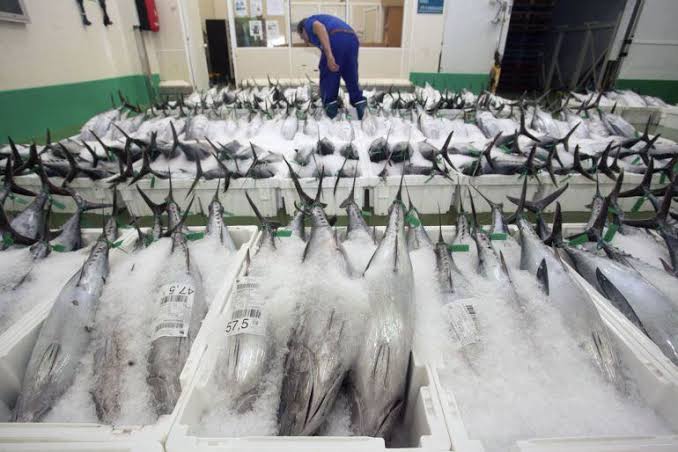
The albacore tuna season in Cantabria runs from late June to late September, with July and August as the busiest months. In 2026 the season started earlier than usual and will run until the official quota is used up, so there are still weeks left to buy it fresh at fishmongers in Laredo, Santoña and Colindres.
In the fishing villages around Bareyo, summer isn't marked by tourism — it's marked by the tuna. When the fishermen's guilds in Santoña, Laredo and Colindres start unloading albacore tuna every day, everyone knows it, from the corner bar to the neighbourhood fishmonger. It's a fish caught from June to September that, fresh, barely lasts a few days out of the water, so anyone who wants to try it at its best has to move fast.
This season has also been different. The tuna's natural cycle came early, with the first catches arriving as far back as May, so the season has been running longer than usual and will continue until the fleet uses up this year's quota. For anyone staying near Bareyo, that means something very concrete: in September there's still fresh tuna in the local ports, even though the countdown has already begun.

When the albacore tuna season runs in Cantabria
Under normal conditions, the albacore tuna season runs from late June to late September or early October, with July and August as the busiest stretch for Cantabria's small-scale fleet. The International Commission for the Conservation of Atlantic Tunas sets a total annual quota for the entire Spanish and international fleet fishing this species in the Bay of Biscay; for 2026 the limit was set at 26,000 tonnes.
That detail matters more than it might seem: the season doesn't end on a fixed calendar date, but when that quota runs out. This year, having started earlier, activity is likely to stay alive through much of September, although each passing week leaves fewer fishing days ahead. You can check this with the Consejería de Desarrollo Rural, Ganadería, Pesca y Biodiversidad, the Cantabrian regional government department that regulates fishing activity in the region.
How it's caught: the art of trolling
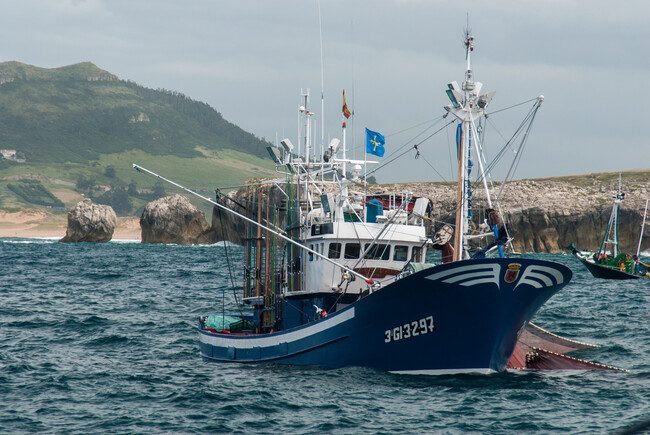
The albacore tuna that reaches Cantabrian fish markets isn't caught with industrial nets, but by trolling: several long rods are cast from the stern of the boat with lures that imitate small fish, and the boat moves slowly forward while the tuna bite the hooks almost one at a time. It's small-scale fishing, done in single-day trips, out of ports such as Santoña — the largest in Cantabria, with annual catches of over 12,000 tonnes that feed the town's strong canning industry — and Colindres, with a fleet landing around 5,000 tonnes a year.
From Bareyo, Santoña is just over 20 minutes by car and Colindres half an hour, so watching the boats come in during the late afternoon, when the day's work ends, is a plan that costs nothing to arrange.
Where to buy it fresh near Bareyo
Fishermen's guilds don't sell to the public: they're fish markets where the catch is auctioned by weight between wholesalers and fishmongers, not an open market. To bring fresh tuna back to your villa, the most practical option is to go straight to a fishmonger that buys daily at those auctions.
One option just over 20 minutes from Bareyo is Pescados Julio, with two shops in Laredo that receive fish landed in Laredo, Santoña, Colindres and Castro Urdiales, and which also offers home delivery and online ordering with delivery in under 24 hours if you'd rather not go out.
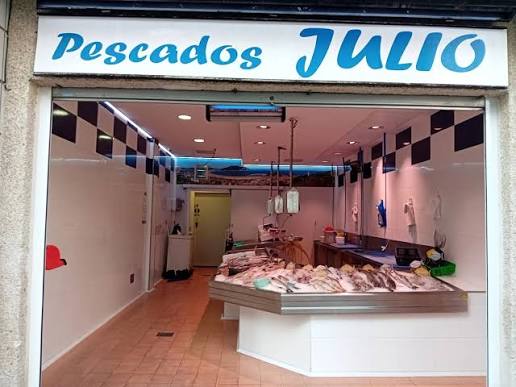
Fresh or canned: how to choose
If you're cooking it the same day, fresh tuna in loins or steaks works best with very little fuss: pan-seared with a splash of oil, cooked with onions, or marinated a few hours before grilling. It doesn't keep long in the fridge — a day or two at most — so it's not worth buying more than you'll eat.
Outside the season, the alternative is artisanal canning in olive oil, a tradition with generations of history in Santoña, where several factories still pack it by hand, loin by loin. It's no substitute for fresh, but it explains why Cantabrian tuna is famous well beyond the region all year round.
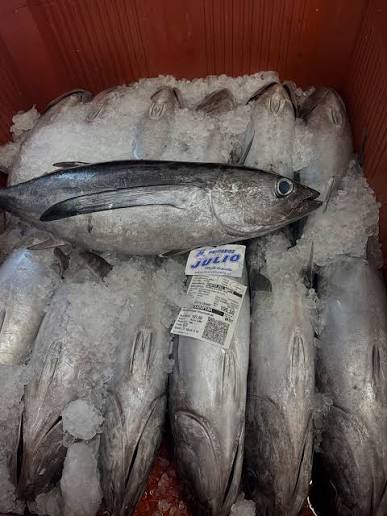
What you need to know
- Season: from late June to late September or early October; in 2026, the season started earlier and will run for as long as quota remains.
- Where to buy it fresh: fishmongers in Laredo, Santoña, Colindres and Castro Urdiales that stock up daily at the fish market.
- The guild doesn't sell to the public: it's a wholesale auction, not an open market.
- Storage: fresh tuna keeps for one or two days in the fridge; frozen and well packed, several months.
- If you'd rather not go out, several local fishmongers offer home delivery or online ordering with delivery within 24 hours.
In Santoña and Laredo, people say it almost as an aside: summer isn't really over until the tuna season is.
If you're staying in Bareyo during these weeks, there's still time to catch the tail end of the season: the ports of Santoña and Laredo are less than half an hour away by car, and coming back with a couple of fresh loins for dinner is one of those plans that never make it into any guidebook but stay in the memory. And if you're more into buying the day's catch than cooking it yourself, our guide to the markets of Santander has more fresh fish stalls to fill out your basket.
Villa Camino and Villa Monte, Bareyo Residences' two villas, are that same distance from the fishing ports of the eastern coast.