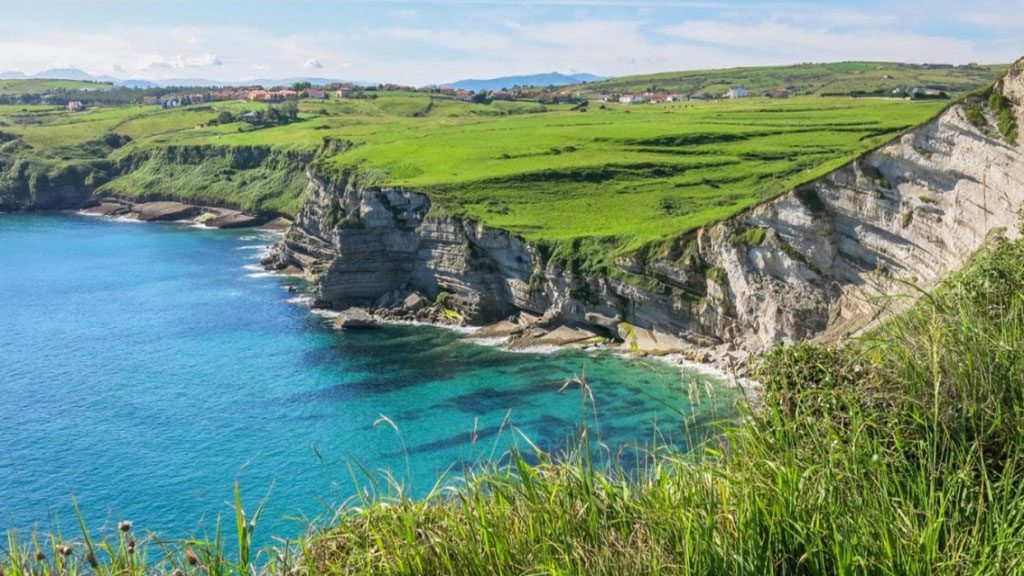
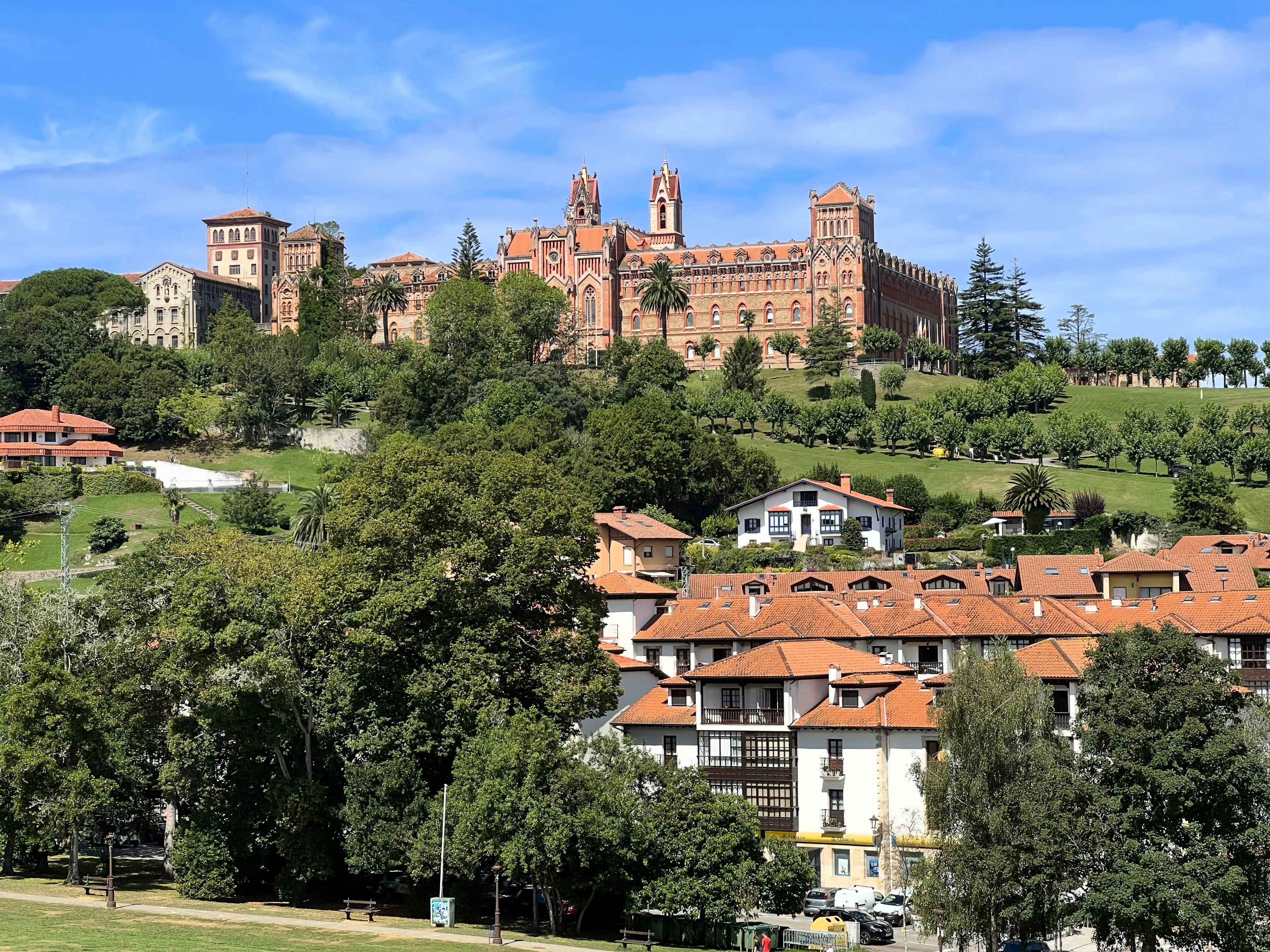
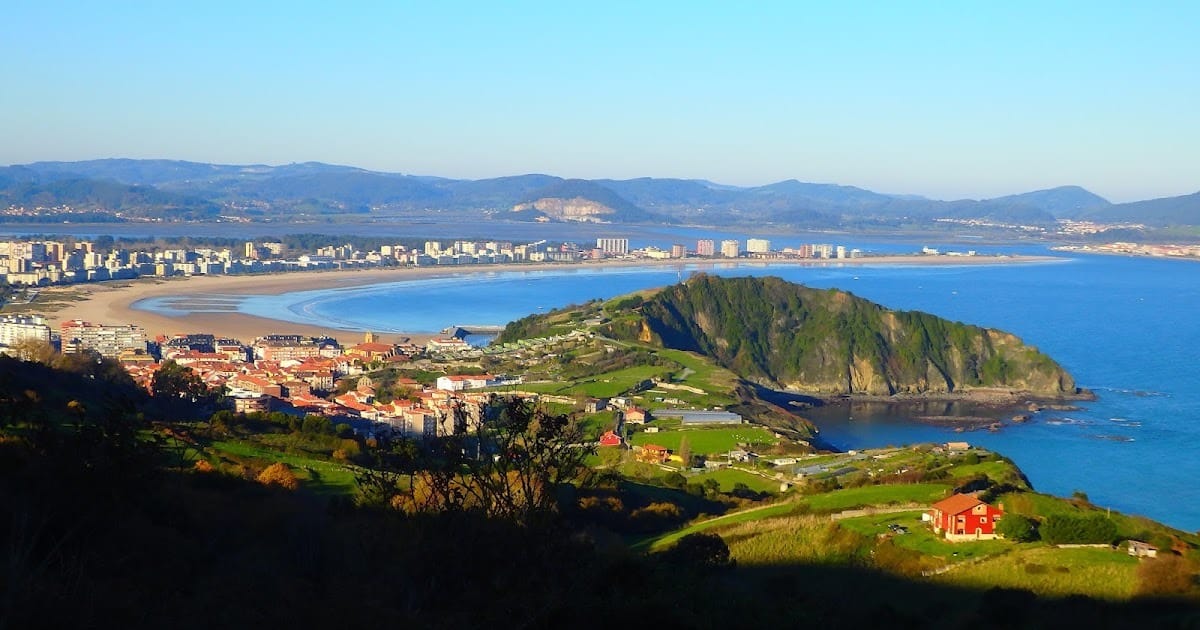
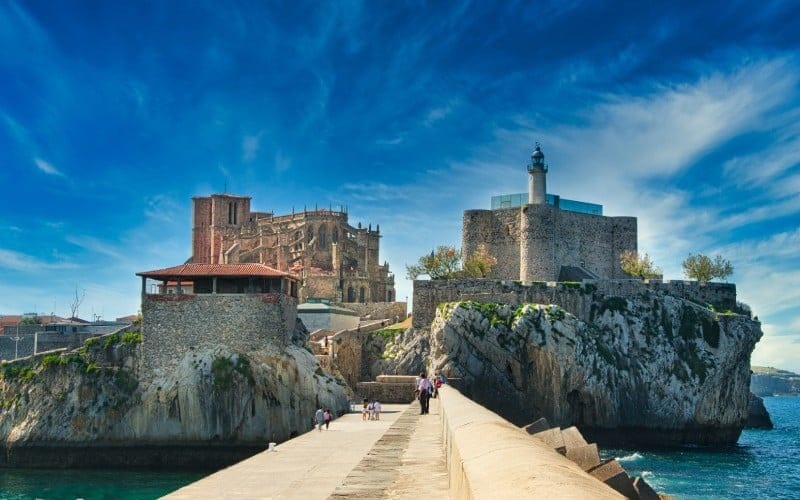
The Seven Villages of Trasmiera are Bareyo, Arnuero, Noja, Meruelo, Argoños, Escalante and Santoña, the old medieval alliance of municipalities between Santander Bay and the Asón estuary. Less than half an hour by car from Bareyo Residences, each one holds beaches, marshes or historic centres worth exploring at a relaxed pace.
Trasmiera is the name of the region stretching between the Miera river and the Asón estuary, a strip of coast and countryside where, in the Middle Ages, seven municipalities formed a neighbourhood council to manage woodland, fisheries and common defence. That alliance — Bareyo, Arnuero, Noja, Meruelo, Argoños, Escalante and Santoña — still exists on the map today, though each village has taken a different path: some live off beach tourism, others off shellfish, and a few have barely changed since Trasmieran stonemasons travelled across half of Spain building churches. Today that Council of the Seven Villages still meets symbolically, and much of its communal woodland is still managed jointly by the seven town councils.
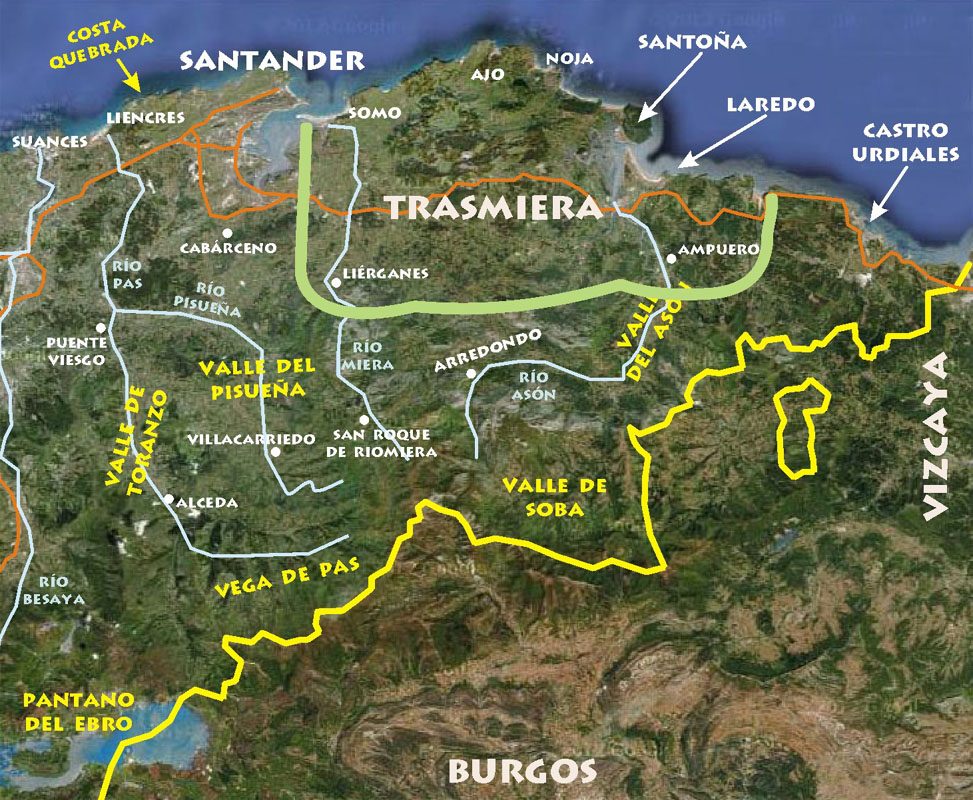
The interesting thing about touring the Seven Villages, as Cantabria Tourism describes them, isn't racking up kilometres, but understanding how a single territory produces such different landscapes: cliffs battered by the northern sea, marshes where migratory birds nest, and fishing towns with over five hundred years of history. The route we suggest follows the coast from west to east, starting in Bareyo — the municipality where you'll probably be staying — and ending in Santoña, the largest and most monumental of the seven.
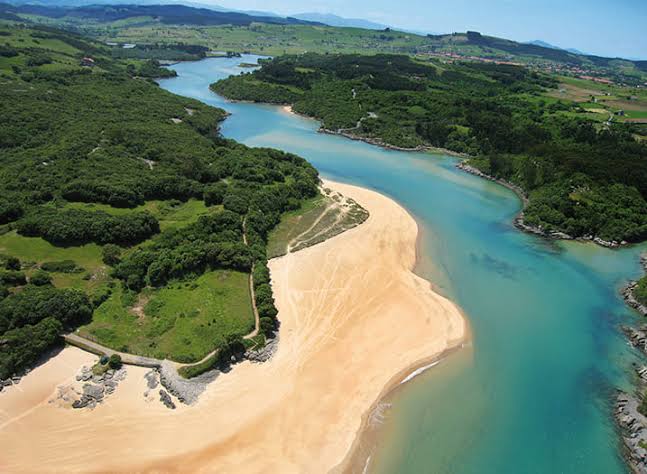
Bareyo
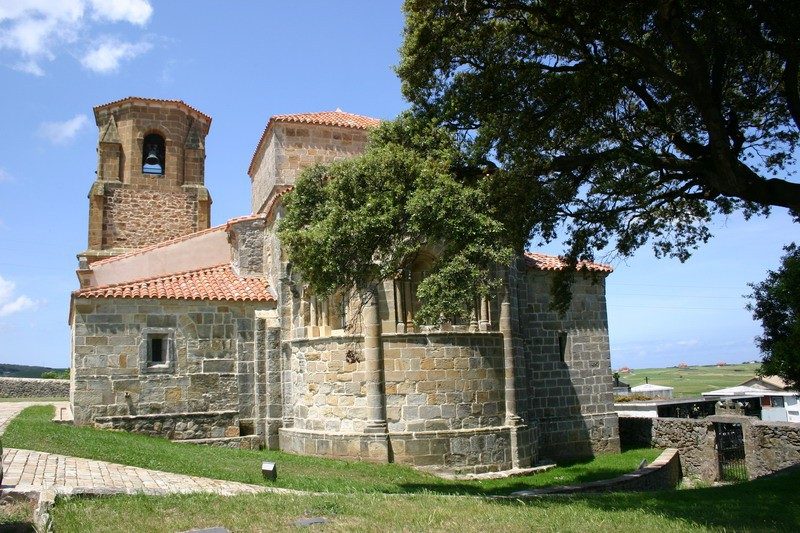
Bareyo gives its name to both the village and the municipality, whose parishes are spread across Ajo, Güemes, Helguera, Pumar and Soano, among others. Its historic heart is the church of Santa María de Bareyo, one of the most complete Romanesque complexes in Cantabria, with a double-arcaded apse that few rural churches can match; it's free to visit from Tuesday to Sunday, 10:00 am to 1:30 pm and 4:00 pm to 7:30 pm. From here the municipality opens out to the sea in Ajo, with its lighthouse and surf breaks, and to the Camino de Santiago in Güemes, where the pilgrim hostel has been welcoming pilgrims since the 1970s.
Arnuero
Arnuero occupies the Isla peninsula, the strip of land between Isla-La Arena beach and Isla-La Cirera beach, with the Isla islet off the coast giving it its name. The town centre still has 19th-century Indiano mansions, built by locals who made their fortune in the Americas and returned to raise mansions with gardens and towers, a pattern repeated in several Trasmiera villages. Outside high season it keeps the relaxed feel of a summer town, with a seafront promenade, a small fishing harbour and views of Cabo de Ajo well worth catching at sunset.
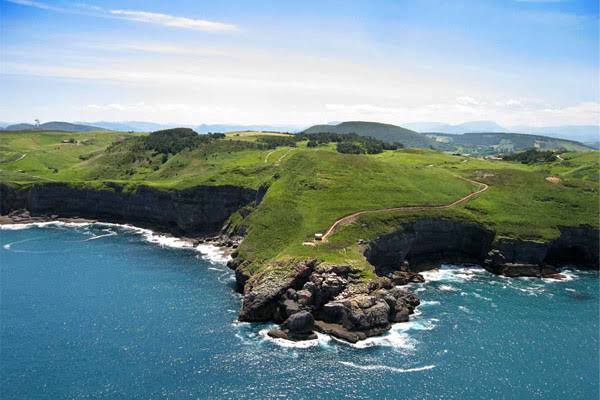
Noja
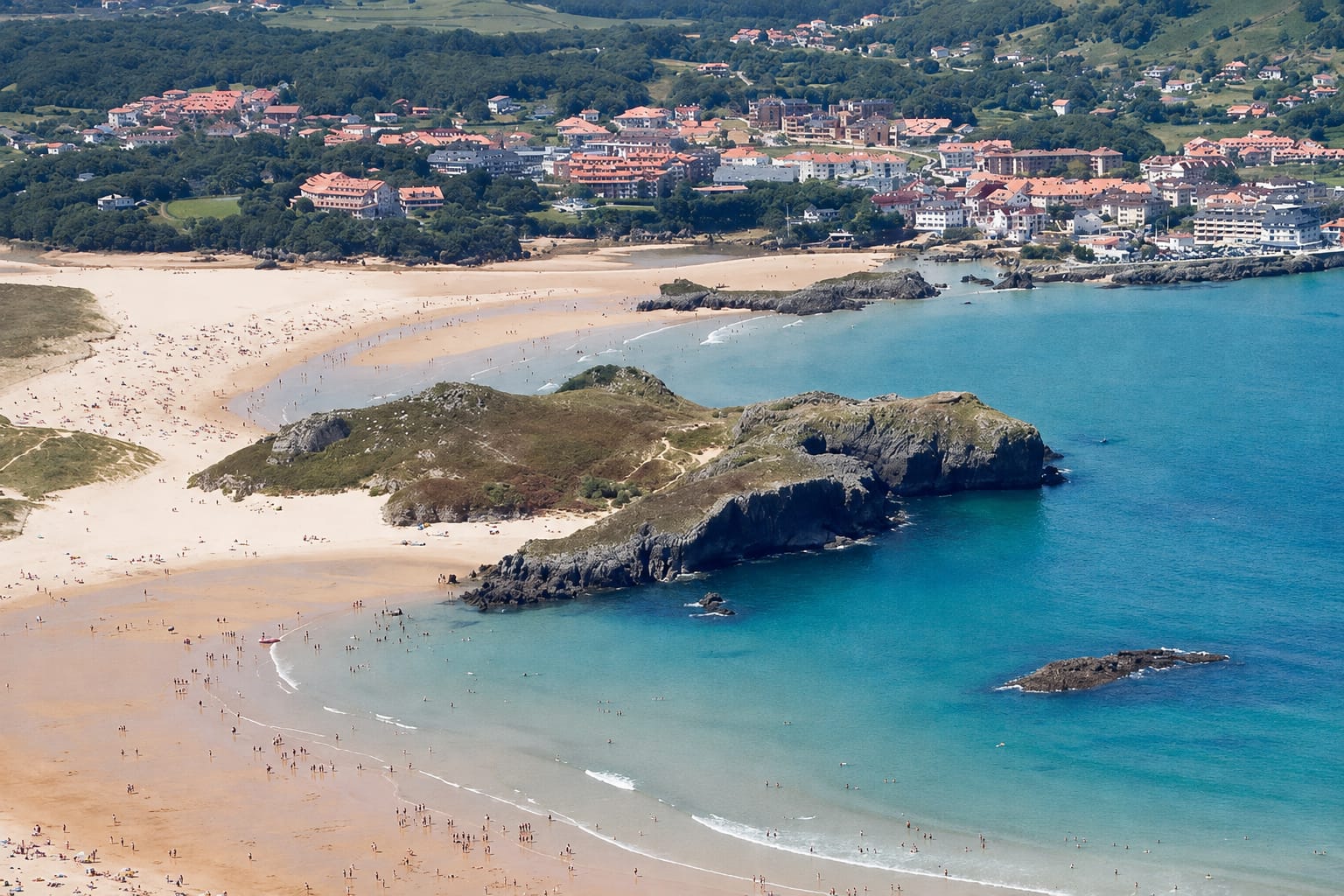
Noja is the most beach-focused of the Seven Villages, with almost four kilometres of sand between Ris and Trengandín, linked by a seafront promenade that holds much of the area's hotel offer. In high season its population multiplies by ten, so it's best visited on weekdays or outside August if you're after some peace and quiet. Beyond the beach, it has an old quarter with the Ermita de la Virgen del Puente and a clifftop trail to Cabo Quintres that takes just over an hour on foot.
Meruelo
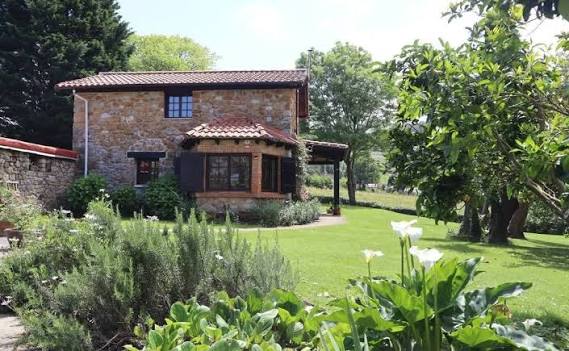
Meruelo is the most rural and inland of the seven, a patchwork of meadows and scattered farmhouses among gentle hills, with barely any coastline of its own. Its heritage lies in its architecture: 18th-century palaces and manor houses bearing coats of arms, and a bell-founding tradition it shared with Bareyo, Ajo and Güemes for centuries, which sent Trasmieran craftsmen to set up foundries across Spain and the Americas. It's the ideal stop for anyone who wants to see the agricultural side of Trasmiera, the one that never makes it onto beach postcards. One of its most recognisable manor houses is the Palacio de los Marqueses de Villapuente, with its own chapel.
Argoños
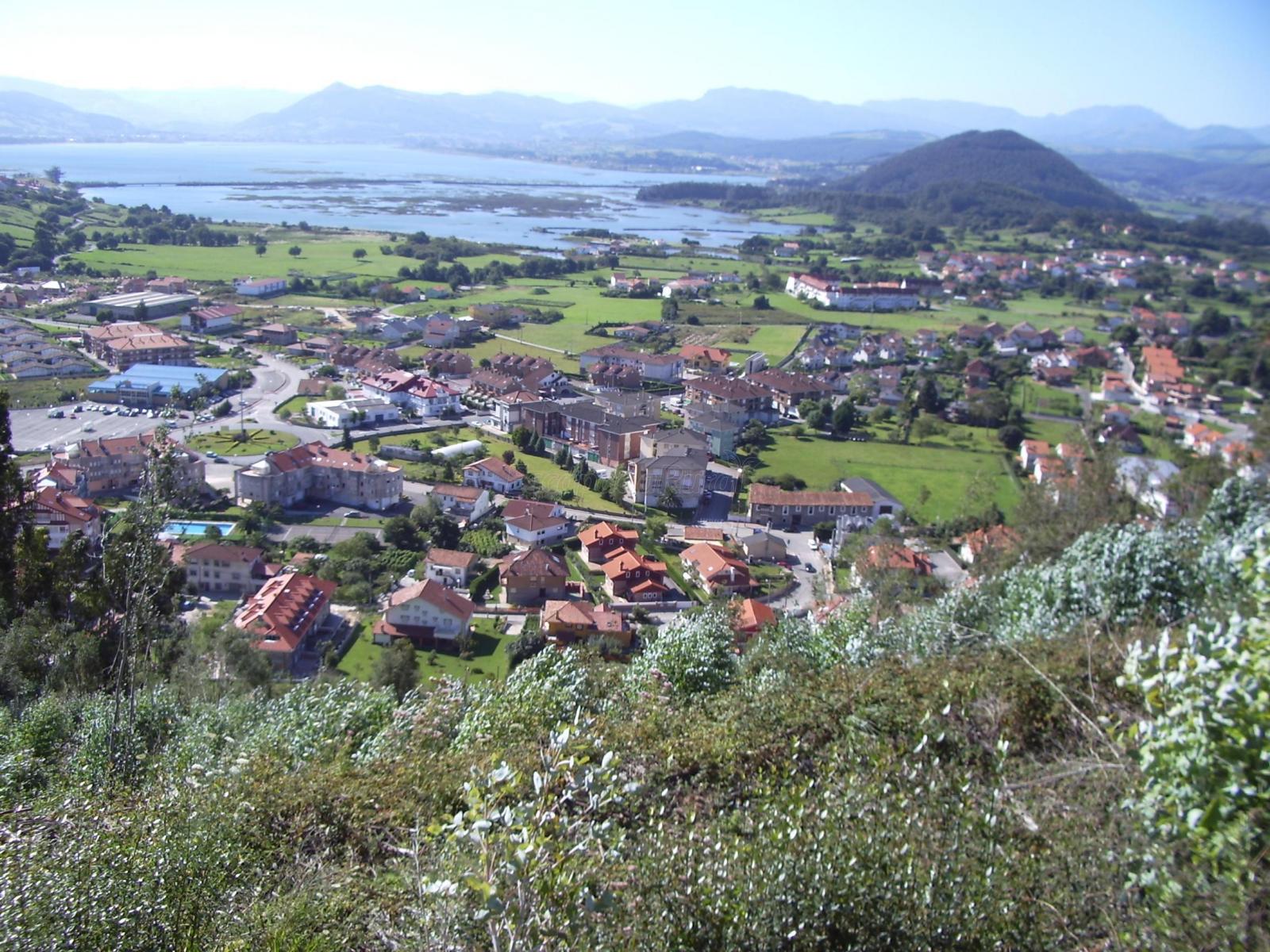
Argoños is the village that looks out most directly over the Marismas de Santoña, Victoria y Joyel Natural Park, the protected wetland where thousands of migratory birds arrive from northern Europe every winter. Much of the municipality borders the natural park, and boat trips set out from its coast along the channels between reed beds and mudflats where herons, sandpipers and ospreys feed. You don't need to be a birdwatcher to enjoy it: a good pair of binoculars and arriving at mid-tide, when the food is more exposed and bird activity peaks, is enough.
Escalante
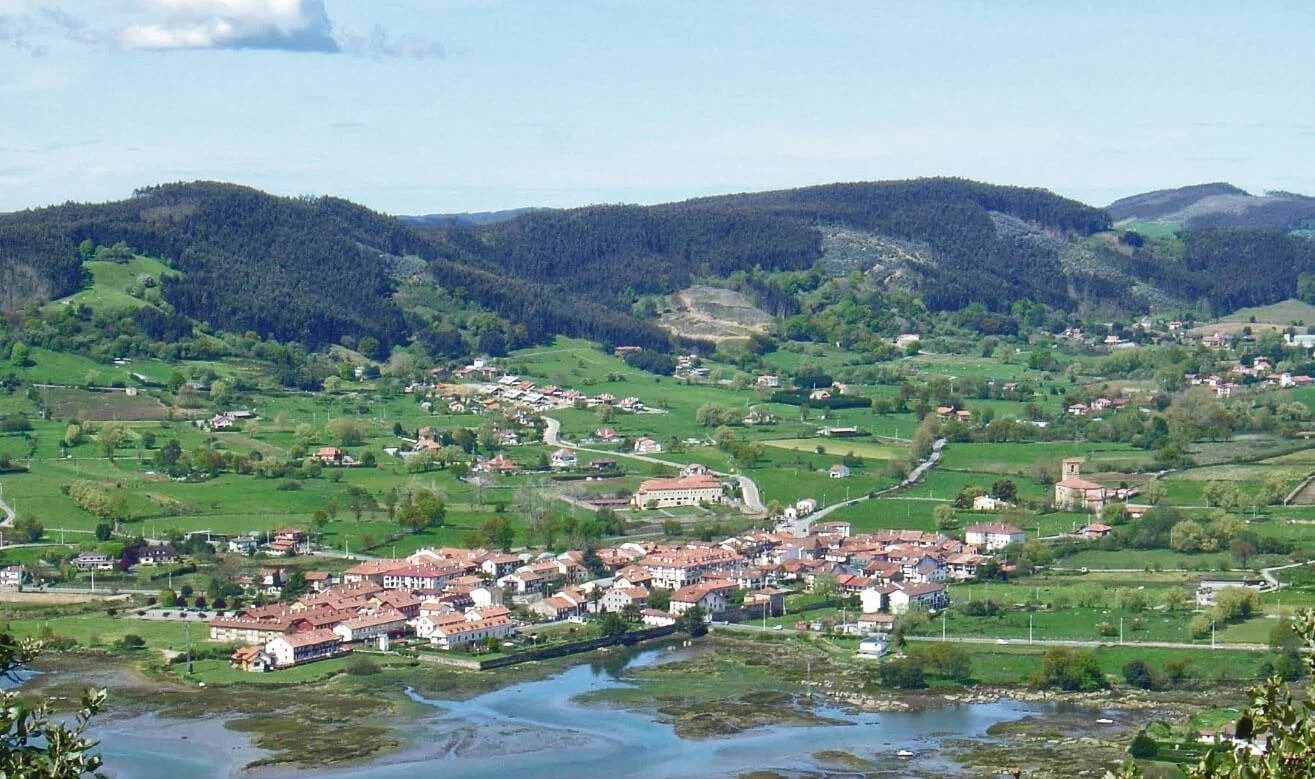
Escalante is, along with Meruelo, the quietest village in the region: a compact centre of narrow streets and coat-of-arms manor houses, built on a slight rise that spares it from the flooding of the nearby marshes. Its parish church and several 17th- and 18th-century palaces can be walked in half an hour, without cars or crowds. It's also, together with Argoños, one of the lesser-known entry points to the Santoña marshes, and a logical stop between Meruelo and Santoña. Some façades still bear the coats of arms of families who emigrated to the Americas and came back to build their family home here.
Santoña
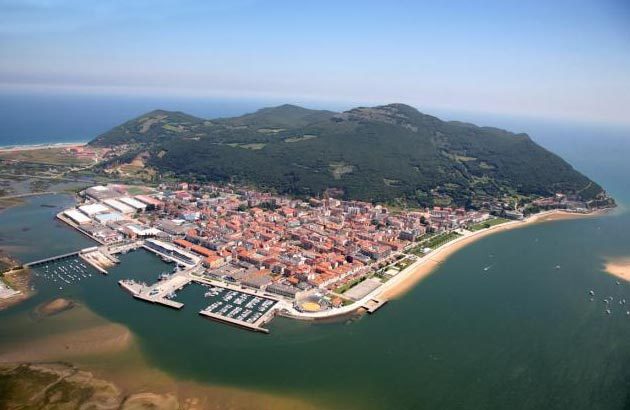
Santoña closes the route as the largest, most monumental and liveliest of the seven villages, looking out over the bay that shares its name with the marshes and crowned by Monte Buciero, with its military forts and one of the best clifftop trails on the Cantabrian coast. It's also Spain's anchovy capital, with half a dozen canneries you can visit or buy directly from, and it's home to Playa de Berria, almost two kilometres of sand beneath the Buciero that we've already covered in detail in our guide to Playa de Berria. The old quarter, with the Basílica de Santa María del Puerto and its 18th-century arcaded streets, can comfortably be walked in a couple of hours before or after the beach.
What you need to know
The Seven Villages of Trasmiera can be covered in a day by car, though it's worth setting aside at least two if you want to linger in Santoña and on the beaches of Noja or Arnuero. The N-634 links Bareyo with Arnuero, Noja, Meruelo and Argoños in just over twenty minutes between villages; to reach Escalante and Santoña it's best to take the A-8 motorway or the CA-141 road. The church of Santa María de Bareyo and most of the hermitages and palaces can be seen from outside for free; only a few museums or occasional guided tours charge admission. In high season, parking in Noja and Santoña can get tricky, so it's best to arrive early or leave the car on the outskirts. The Camino de Santiago del Norte runs through Bareyo and skirts Güemes, so it's not unusual to cross paths with pilgrims along the way.
"In Trasmiera, every village looks at the sea in a different way: some with a beach, others with a marsh, others only with memory."
Staying in Bareyo isn't just about being close to a beach: it's having the Seven Villages spread out around you, each one less than twenty minutes away. From Villa Camino and Villa Monte, the whole region is within reach of an unhurried afternoon, with the added bonus of coming home to sleep just steps from the sea.