The monasteries and sanctuaries in Cantabria most worth a visit are these eight: Santo Toribio de Liébana, La Bien Aparecida, the abbey of Viaceli, Las Caldas de Besaya, Montesclaros, El Soto, Valvanuz and the ruins of San Sebastián de Hano. Most are free to enter and combine heritage, scenery and a quiet drive.
When the weather is less inviting for the beach, Cantabria shows another side: the valleys where, for centuries, friars, monks and hermits built churches, convents and sanctuaries. Some are still home to religious communities; others are pilgrimage sites with their own romería (festive pilgrimage), and one is a ruin among the greenery overlooking the marshes. All of them help you understand how rural life in the region was organised.
To choose these monasteries in Cantabria we followed three criteria: the place has recognised historical or artistic value, you can visit it, or at least see it from outside, without special arrangements, and it's a reasonable distance for a day trip from Bareyo. That's why we've left out enclosed convents that are closed to the public and churches we already cover in other guides. The order reflects their historical weight and what each one adds compared with the next.
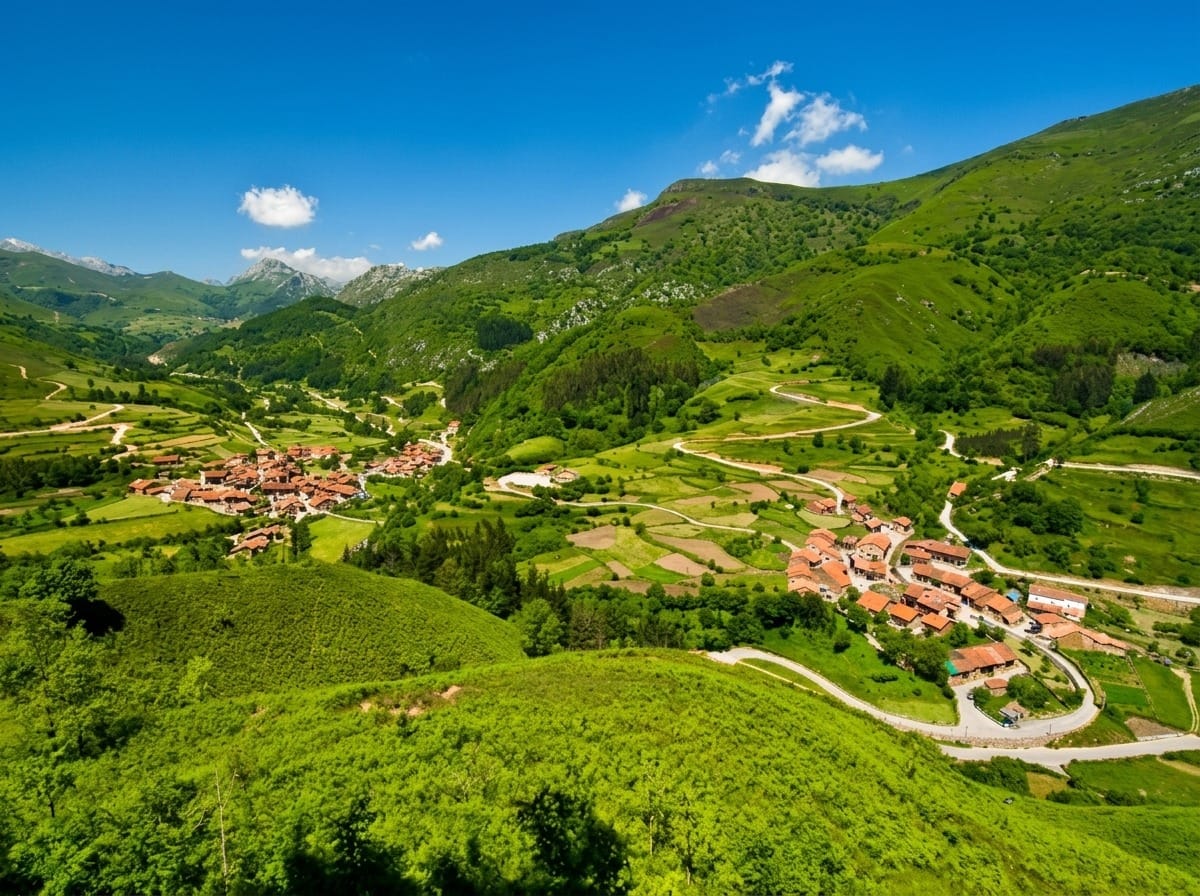
Monastery of Santo Toribio de Liébana
It tops the list for a reason few places in the world can claim: it holds the Lignum Crucis, considered the largest known fragment of the cross of Christ. That makes it one of the great pilgrimage centres of Christendom and the end point of the Camino Lebaniego. It's in Camaleño, about three kilometres from Potes, with a signposted turn-off on the CA-185, the road that climbs towards Fuente Dé.
The current building is Gothic and plain, with the austerity typical of Cistercian influence. Since 1961 it has been looked after by a community of Franciscan friars. In the 8th century it was home to Beatus of Liébana, author of the Commentaries on the Apocalypse. The Puerta del Perdón (Door of Forgiveness) opens in Jubilee Years, which are held when 16 April, the feast of Saint Toribio, falls on a Sunday. The official Turespaña page sums up its history. Entry is free and, on a clear day, the esplanade has one of the best views of the Picos de Europa.
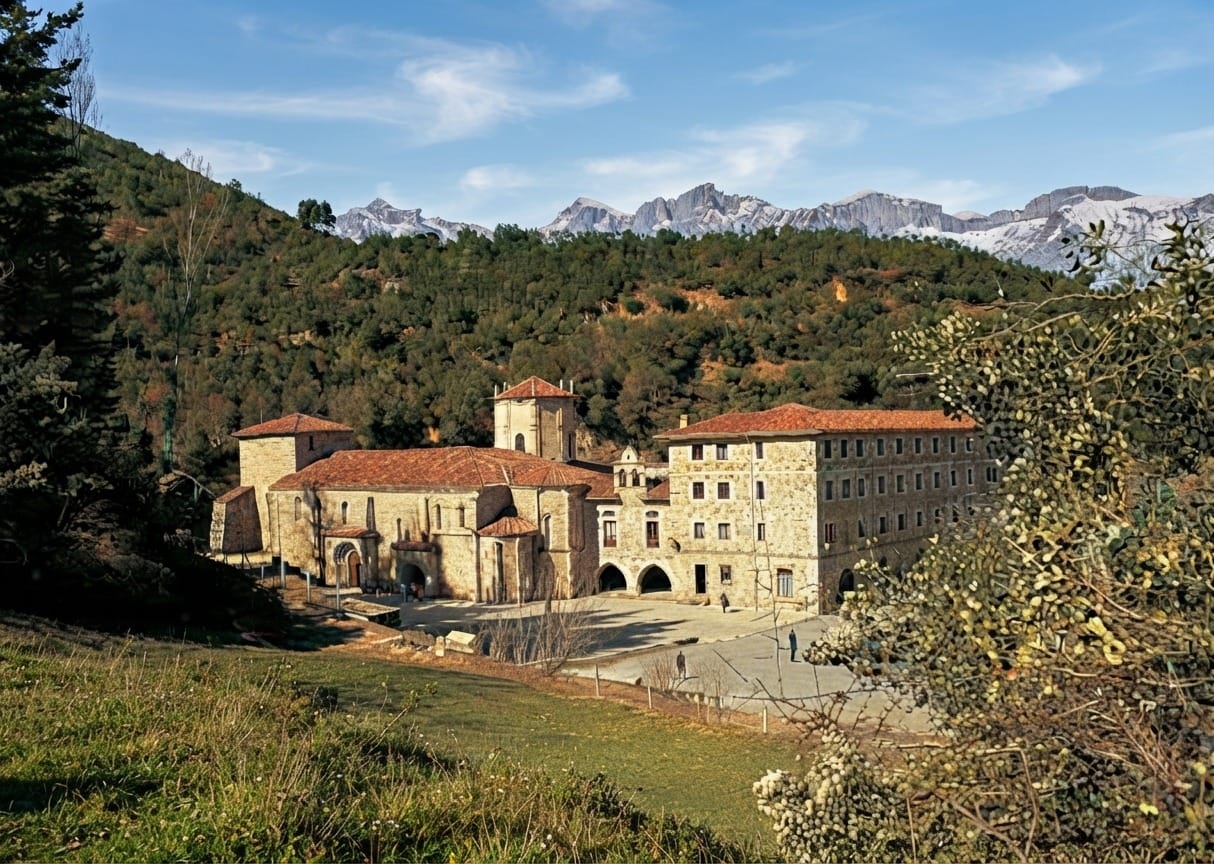
Sanctuary of La Bien Aparecida
If Santo Toribio matters for its relic, La Bien Aparecida matters for what it means to Cantabrians: its Virgin has been the patron saint of Cantabria since 1905 and the statue was canonically crowned in 1955. It also takes second place for being close by, as it's one of the easiest to visit from the eastern coast. The sanctuary stands in Hoz de Marrón, in the municipality of Ampuero, on the Somahoz pass, with the Asón valley at its feet.
Tradition has it that in 1605 some children herding animals on the heights of Marrón saw a glow in a nearby hermitage and found the statue there. Today it's run by the Trinitarian fathers and is listed as a Bien de Interés Cultural (a protected heritage site). Its feast day is 15 September, with mass and a romería; the rest of the year it's very quiet, and the drive up is worth it for the view over the valley alone.
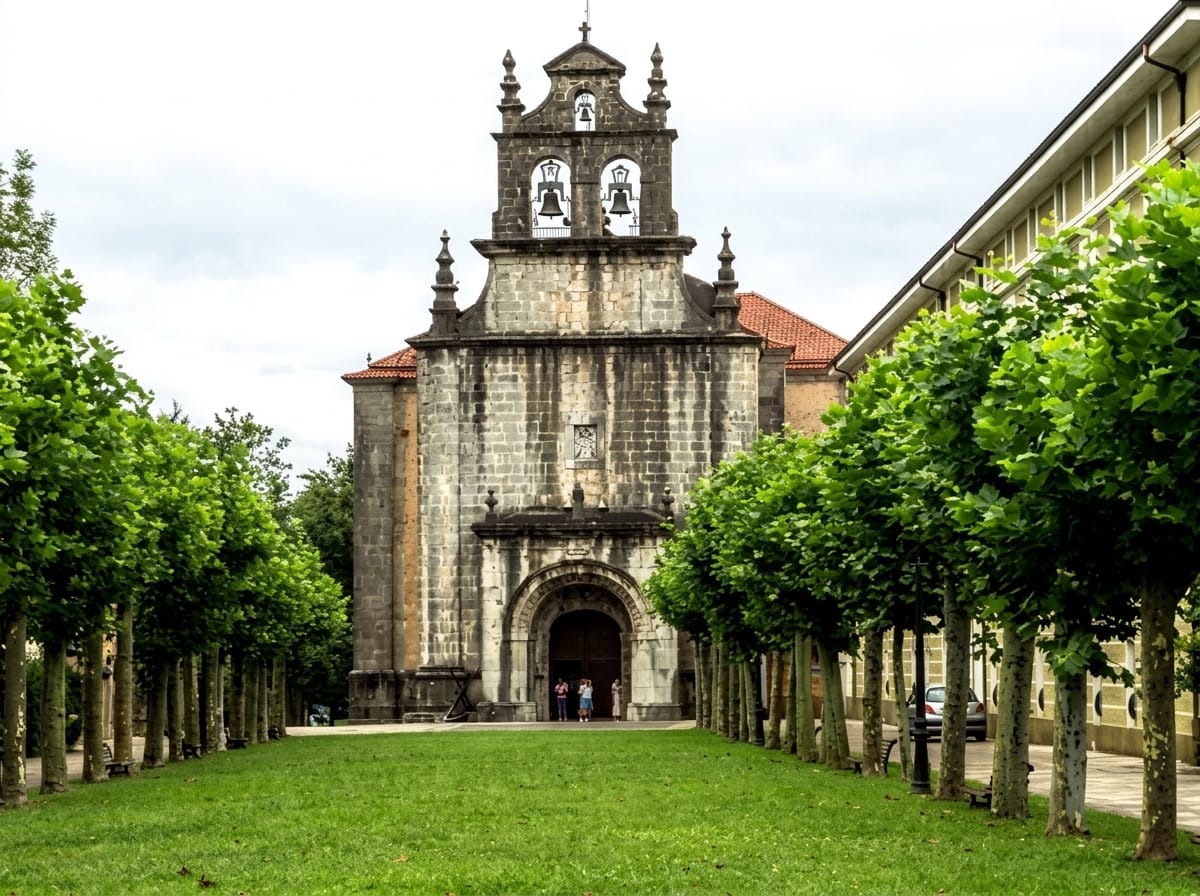
Cistercian abbey of Santa María de Viaceli
Viaceli is the architectural surprise on the list. Unlike the previous ones, it isn't a medieval building: its church went up in the early 20th century and is considered one of the first reinforced concrete buildings in Spain, with a neo-Gothic look that sits comfortably among the meadows of Cóbreces. That's why it earns this spot: it brings something none of the others have.
The abbey lies between Comillas and Santillana del Mar, a stone's throw from the coast, and is home to a community of Cistercian monks of the Strict Observance, better known as Trappists. For decades it also had its own cheese dairy. It's a working monastery, so respect the times of worship; contact details are on the Cistercian Order website. Next to the abbey is the parish church of San Pedro ad Vincula, and both were declared a Bien de Interés Local in 2013.
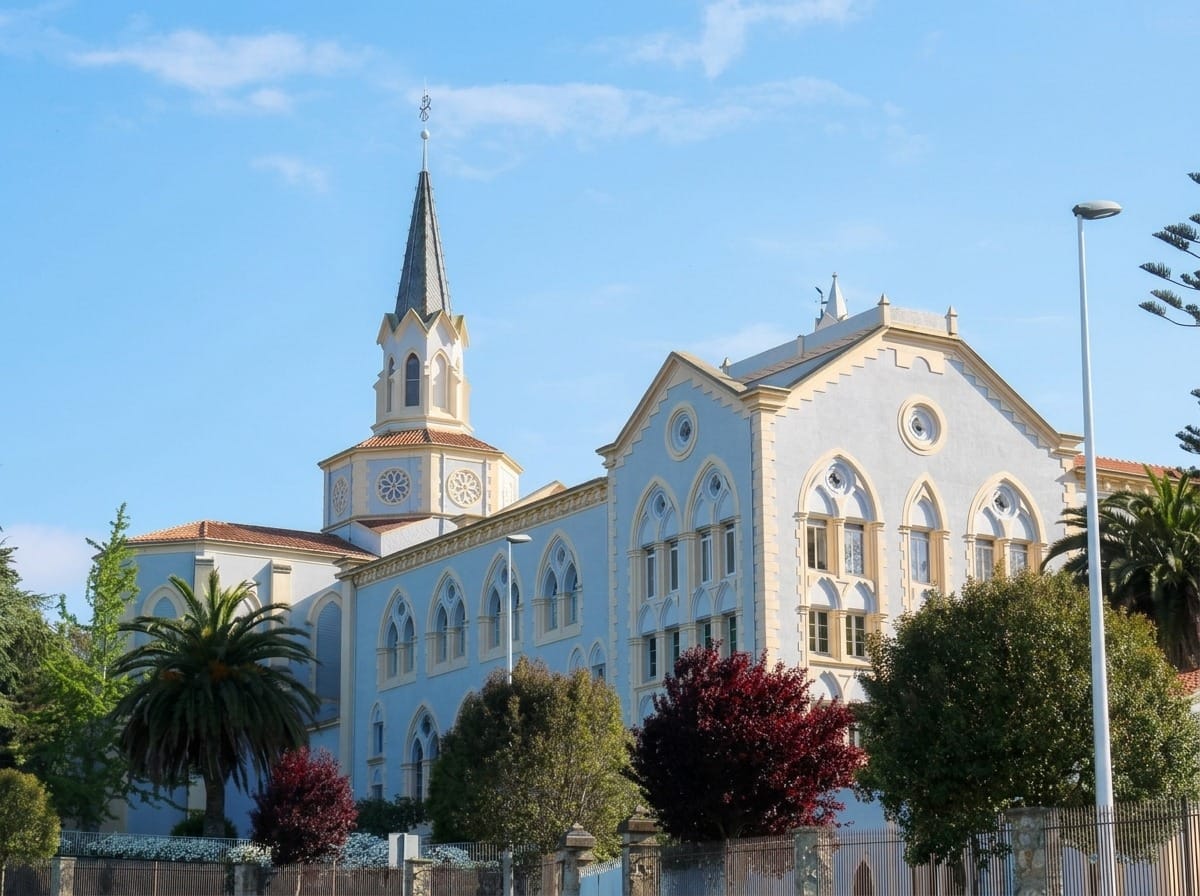
Sanctuary of Nuestra Señora de Las Caldas
About four kilometres from Los Corrales de Buelna, in Caldas de Besaya, the Dominican convent of Las Caldas shares its setting with the spa that gives the place its name, thanks to its thermal springs. It earns its place for the ensemble as a whole: a Latin-cross church with side chapels and a collection of Baroque altarpieces that led to it being declared a Bien de Interés Cultural, as set out in the decree published in the BOE.
The main altarpiece is dedicated to Nuestra Señora de Las Caldas, a Gothic statue venerated in a camarín (a small chapel behind the altar), and the side ones, largely from the 17th century, to Saint Dominic de Guzmán. The old Baroque convent once served as a Dominican major seminary and still has its cloister. It's an easy stop if you're heading to or from the Meseta motorway, and you can round it off with a walk along the river Besaya.
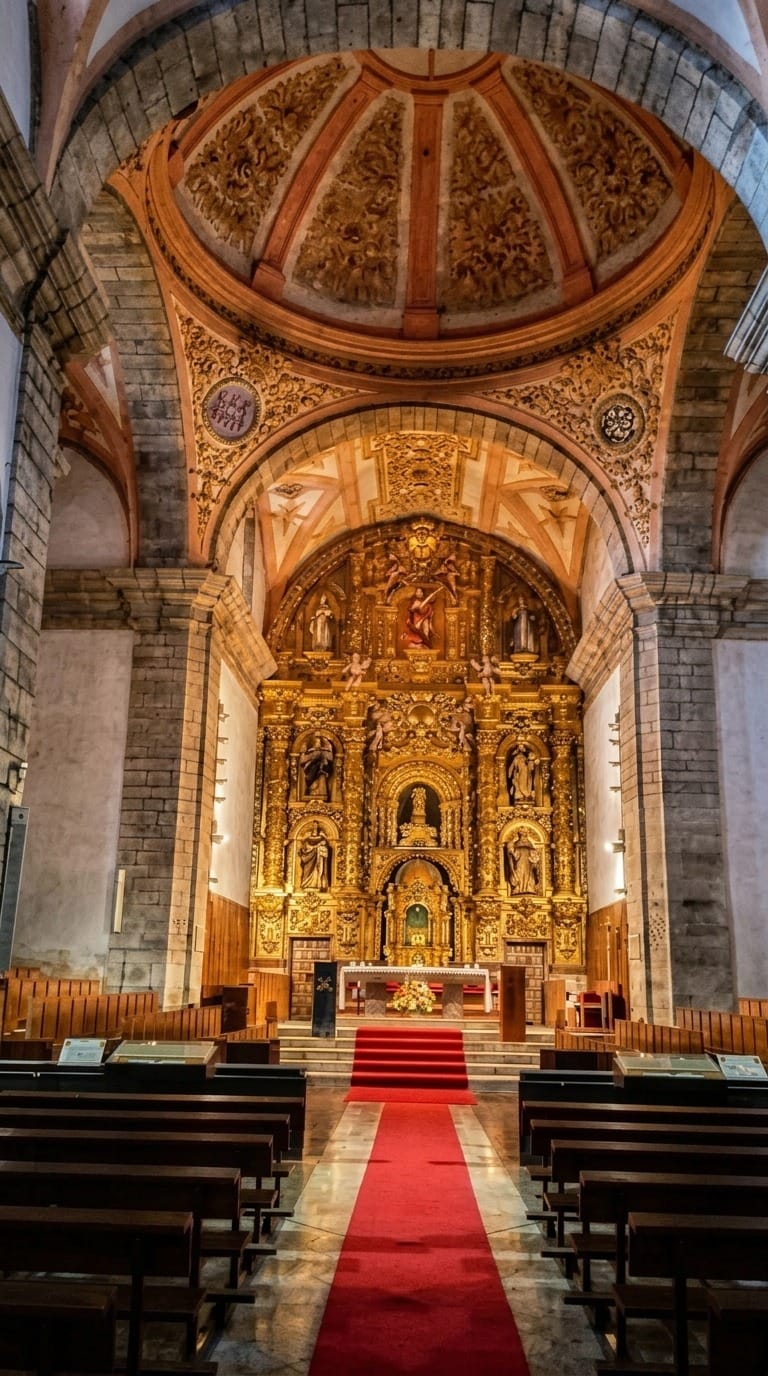
Sanctuary of Montesclaros
Montesclaros is the most remote of the eight, which is why it sits in the middle of the list and not higher up: it takes a full-day trip south. In return, it offers something the others don't, a cave. According to tradition, the statue of the Virgin of Montesclaros appeared in that grotto, and the church was later built over it; inside, the sanctuary still has a rock-cut church.
It's in the municipality of Valdeprado del Río, about 12 kilometres south-east of Reinosa, signposted from Arroyo, and its history goes back at least to the 11th century. It's looked after by a small community of Dominican friars, so don't expect organised tourist services. The views over the Ebro valley make the trip worthwhile. In winter, Campoo can wake up to snow or ice: check road conditions before you set off.
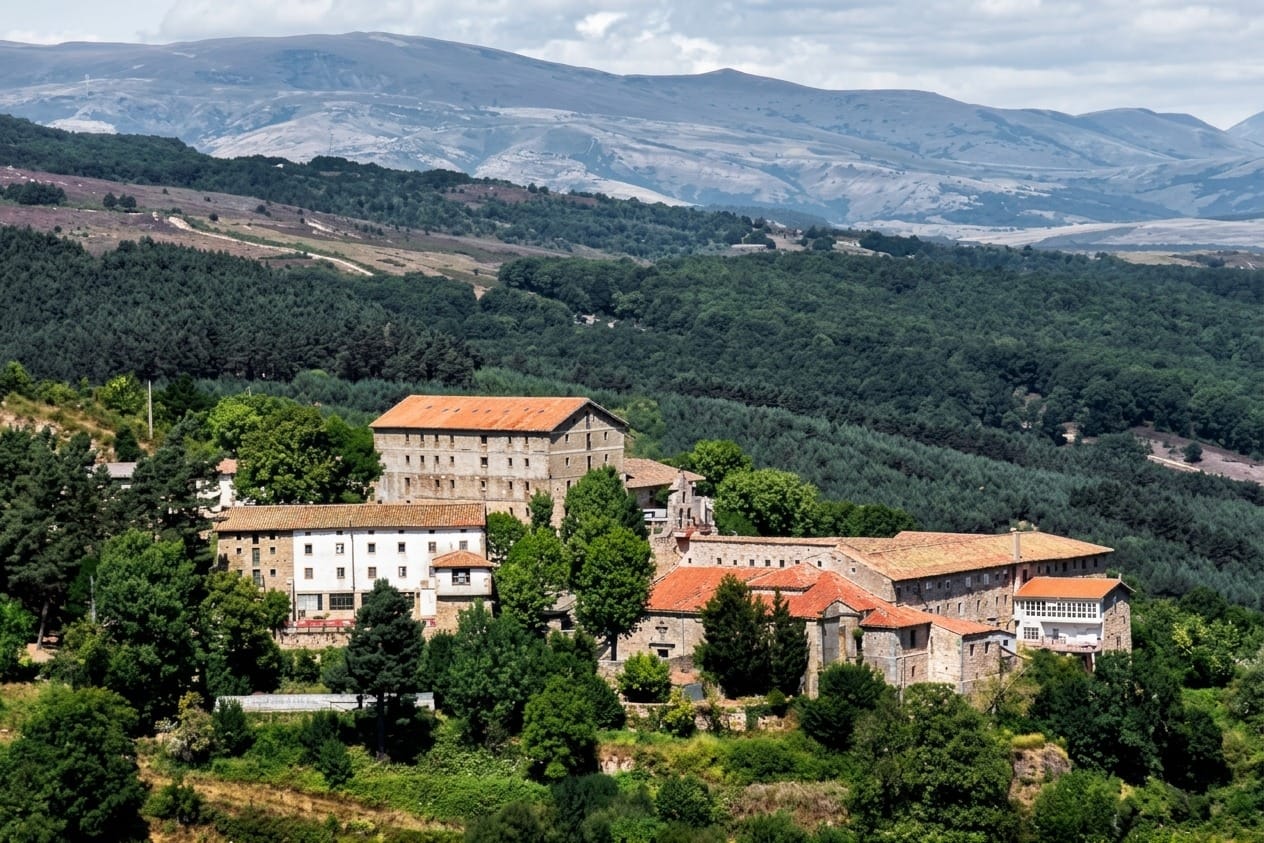
Monastery of Nuestra Señora del Soto
In the Toranzo valley, in the municipality of Santiurde de Toranzo, this convent was built in 1608 over earlier Gothic and Renaissance buildings. It doesn't have the fame of Santo Toribio or the mass devotion of La Bien Aparecida, which is why it's in sixth place, but it has one of the richest interiors on the list.
Its real treasure is inside: the Baroque altarpieces, including a main altarpiece from the late 17th century that houses a Gothic statue of the Virgen del Soto, patron saint of the Toranzo valley. The setting, between meadows and the river Pas, fits nicely into a day spent in the inland valleys. Before you go, check whether the church is open: outside religious celebrations it isn't always.
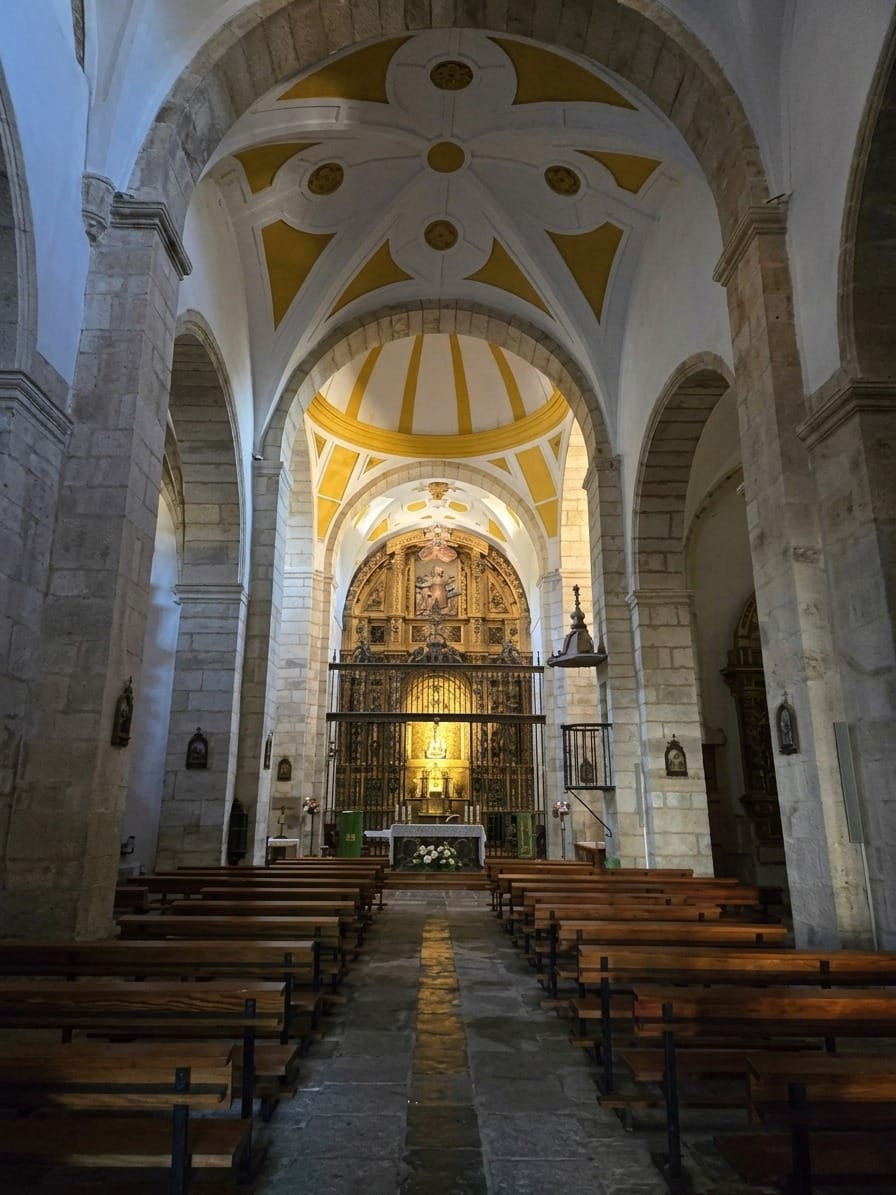
Sanctuary of the Virgen de Valvanuz
On the outskirts of Selaya, the sanctuary of Valvanuz is the religious heart of the Valles Pasiegos: its Virgin is the patron saint of the Pasiegos and its mid-August festivities have been declared of Regional Tourist Interest. The current church may derive from a 12th-century one and keeps a medieval statue of the Virgin.
We've put it here because it becomes more interesting when combined with what's next door: the Museo de las Amas de Cría Pasiegas, in the Casa de la Beata, devoted to the women who left the valley to wet-nurse the children of wealthy families. Together they tell a social story you won't find anywhere else on the list. Selaya is also the home of sobaos and quesadas, so your afternoon snack is sorted.
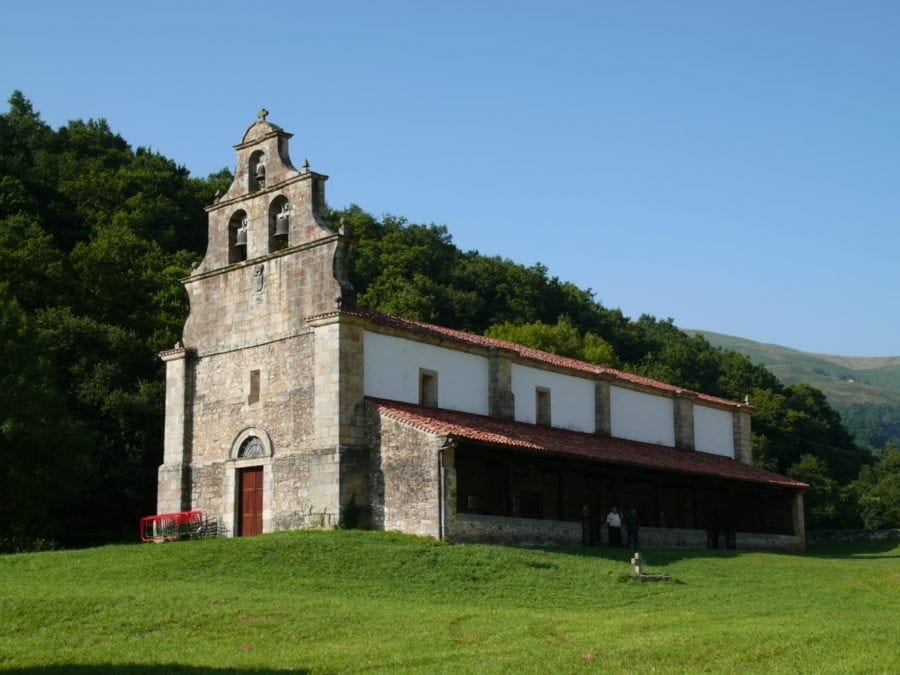
Ruins of the monastery of San Sebastián de Hano
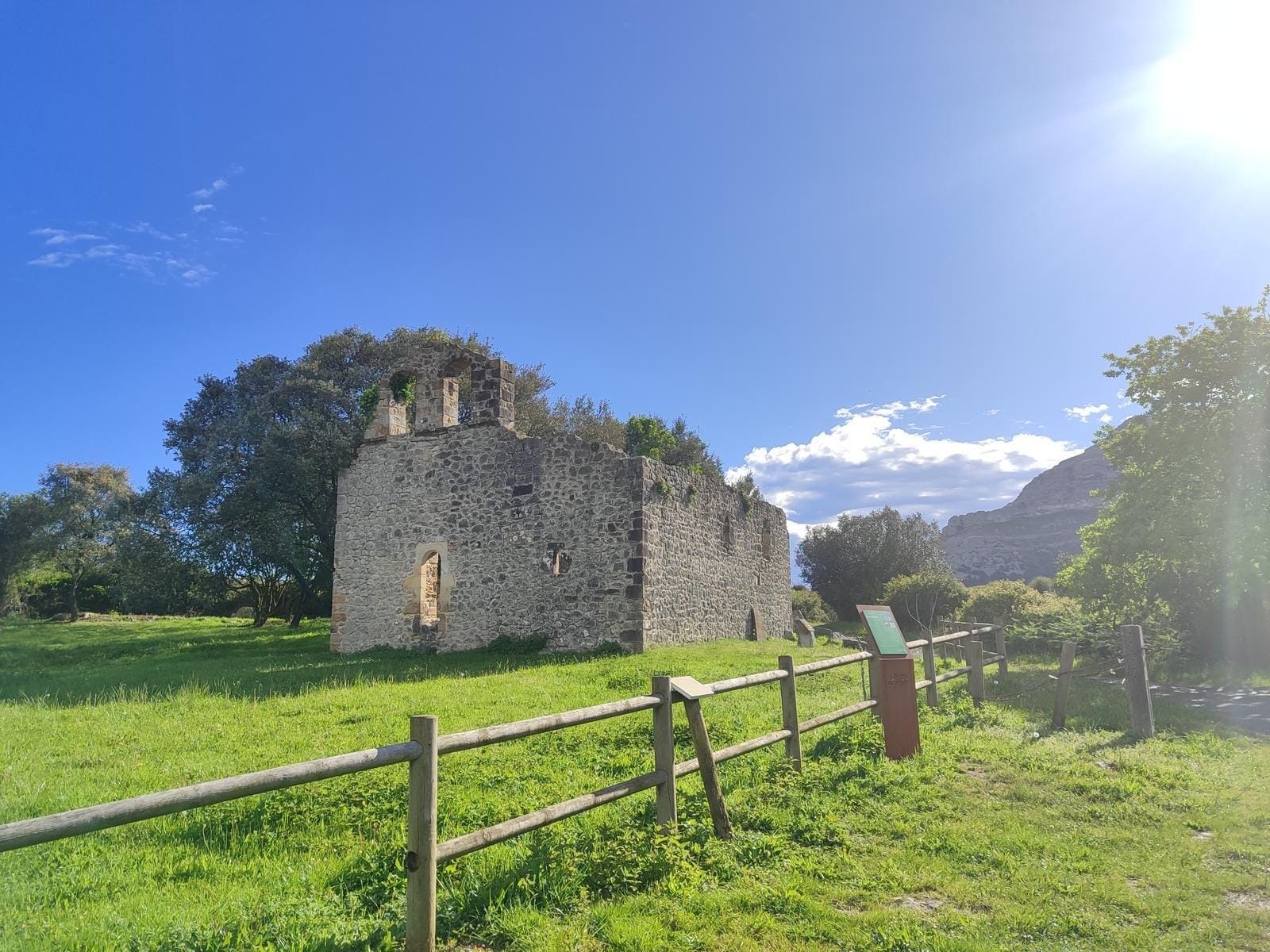
We finish with the closest to Bareyo, less than half an hour away by car, and the only one that's a ruin. The monastery of San Sebastián de Hano was founded in 1441 on the slopes of Montehano, in Escalante, under the patronage of the lord of Escalante. It was rebuilt in the 17th century and abandoned in 1835, with the desamortización (the state seizure of church property).
Declared a Bien de Interés Cultural in 1981, today it keeps walls and arches among the greenery, looking out over the marshes of Santoña, Victoria and Joyel. There are no opening hours or ticket office: it's a visit to do on foot, unhurried and in comfortable shoes, ideally at high tide to see the marsh full. If you like the plan, round off the morning with our guide to what to see in Escalante and take your time exploring the rest of the village.
Good to know
Price: most of these monasteries and sanctuaries in Cantabria have free entry to the church; if there's a guided tour or an attached museum, it may be charged separately.
Opening hours: these are places of worship, and several are looked after by small communities. Times change with the season and religious celebrations, so confirm them by phone or on their website before you set off, especially on weekdays in winter.
Respect: religious communities live at Viaceli, Las Caldas, Montesclaros and Santo Toribio. Avoid visiting during mass and services, keep your voice down and ask before taking photos inside.
Roads: Montesclaros and Santo Toribio are in mountain areas. If snow or ice is forecast, check road conditions and carry the right equipment.
How to combine them: Santo Toribio goes well with Potes; Viaceli with Comillas or Santillana; Las Caldas and El Soto with a day inland; Valvanuz with the Valles Pasiegos; La Bien Aparecida and San Sebastián de Hano with a morning close to home.
“In winter, when the coast falls silent, the monasteries of Cantabria tell the story of the valleys better than any museum.”
These visits have a rhythm of their own: a valley road, a church in half-light, a cloister where all you hear is water and, on the way out, a view that makes you stop. Afterwards you feel like heading back to the coast, lighting the fire and going through your photos at leisure. From Bareyo, La Bien Aparecida and San Sebastián de Hano are right on the doorstep, and the rest fit into day trips that end back by the sea, at the Bareyo Residences villas.