What to see in Carmona: the Palacio de los Díaz Cossío y Mier, the stone streets of the San Pedro quarter, the albarca makers and the Mirador de la Asomada del Ribero viewpoint. It's a listed historic village of around 150 residents, 67 km from Santander, that you can explore on foot in a morning.
Some Cantabrian villages you know from a photo; others you only get by walking through them. Carmona is one of the second kind. Tucked into the Nansa valley, although it belongs administratively to the municipality of Cabuérniga, in the neighbouring Saja valley, it keeps a cluster of stone and timber houses that has barely changed in the last two centuries. It was declared a Conjunto Histórico-Artístico (a protected historic ensemble) in 1985 and, since 2019, has been a member of the Most Beautiful Villages in Spain association.
In winter, with smoke rising from the chimneys and the cows in the lower meadows, Carmona shows its most authentic side: fewer visitors, low light on the wooden balconies and hearty stews on the tables. Here's what to see, how to get there from Bareyo and what to keep in mind so the visit goes smoothly.
What to see in Carmona: the Palacio de los Díaz Cossío y Mier
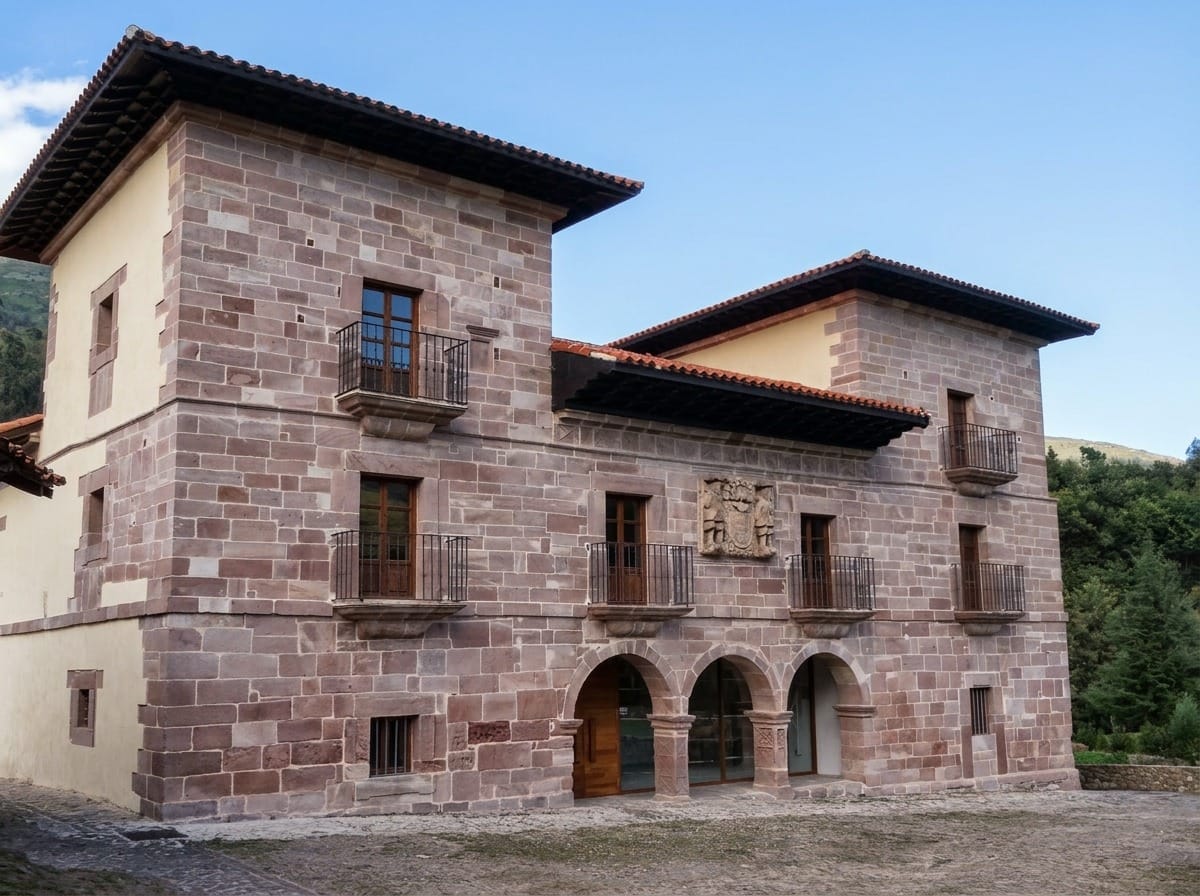
The building that gives the village its standing is the Palacio de los Díaz Cossío y Mier, a Baroque manor house that, according to Turismo de Cantabria, was commissioned by Francisco Díaz de Cossío and finished in 1715. Its façade is arranged around a central section flanked by two three-storey towers, with projecting iron balconies. It's a courtly style of Baroque that's unusual in the Cantabrian mountains, which is why it catches your eye as soon as you arrive.
You admire it from outside, like most of the village's manor houses, which are still lived in. From the viewpoint at the entrance you can also make out the Palacio de Rubín de Celis, another of the family names that left their mark on Carmona.
The San Pedro quarter and mountain architecture
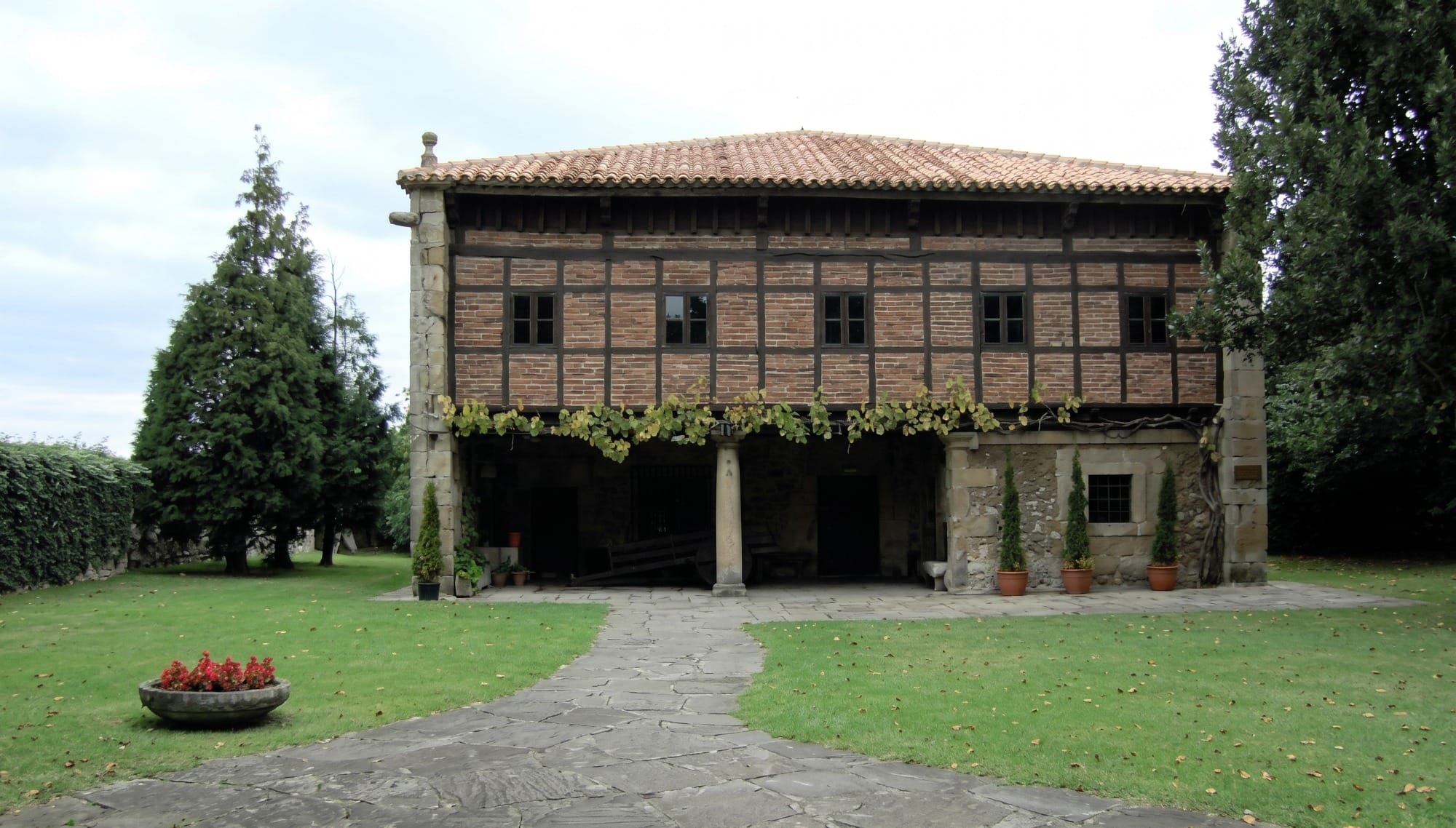
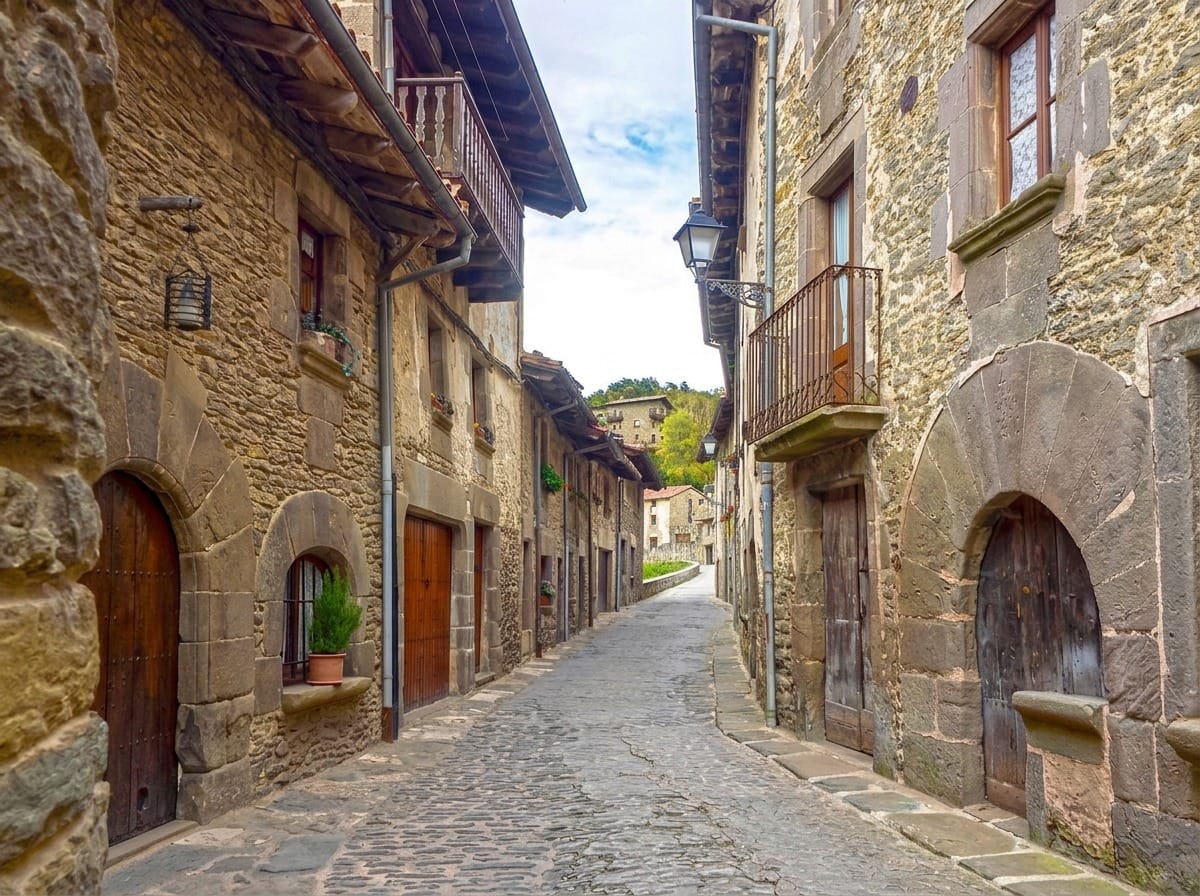
The historic core takes in Carmona and the San Pedro quarter, and the best thing to do is leave the car in the car park and wander with no plan. The houses show the classic repertoire of Cantabrian mountain architecture: rubble-stone walls, wide eaves, wooden solanas (sun balconies) facing the sun and large doorways where the cart and the hay were kept. Many still have coats of arms and the cowshed on the ground floor, a reminder that life here revolved around livestock.
The parish church is dedicated to San Roque. Around the village are two hermitages dating from the 18th century or earlier: Nuestra Señora de Guadalupe and Las Lindes, up on the mountain, reached by a walking route that's very popular with hikers in the area.
The albarca makers and the Tudanca cow
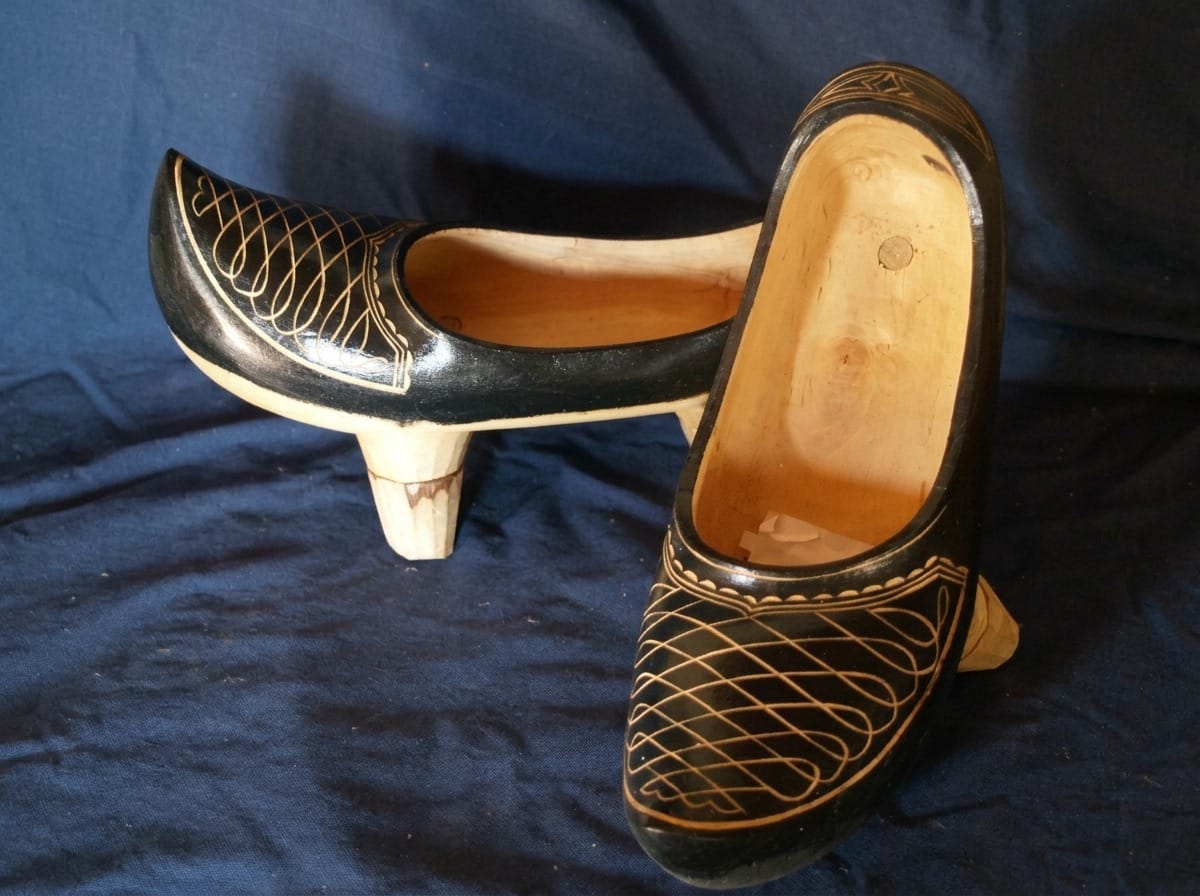
Carmona is known as «la flor de los albarqueros», the flower of the albarca makers, because it's one of the few villages where people still make albarcas, the one-piece wooden clogs farmers wore to walk through the mud. The valley's woodworkers also make utensils and the rabel, the traditional string instrument of the mountains. If you find a workshop open, it's worth stepping in to watch a log being hollowed out with a gouge.
The village's other hallmark is the Tudanca cow, the native breed of these valleys, which has its own monument here. At the end of September the village celebrates La Pasá, when the cattle are brought down from the high pastures, the festival that best sums up the bond between the village and its animals.
The Mirador de la Asomada del Ribero
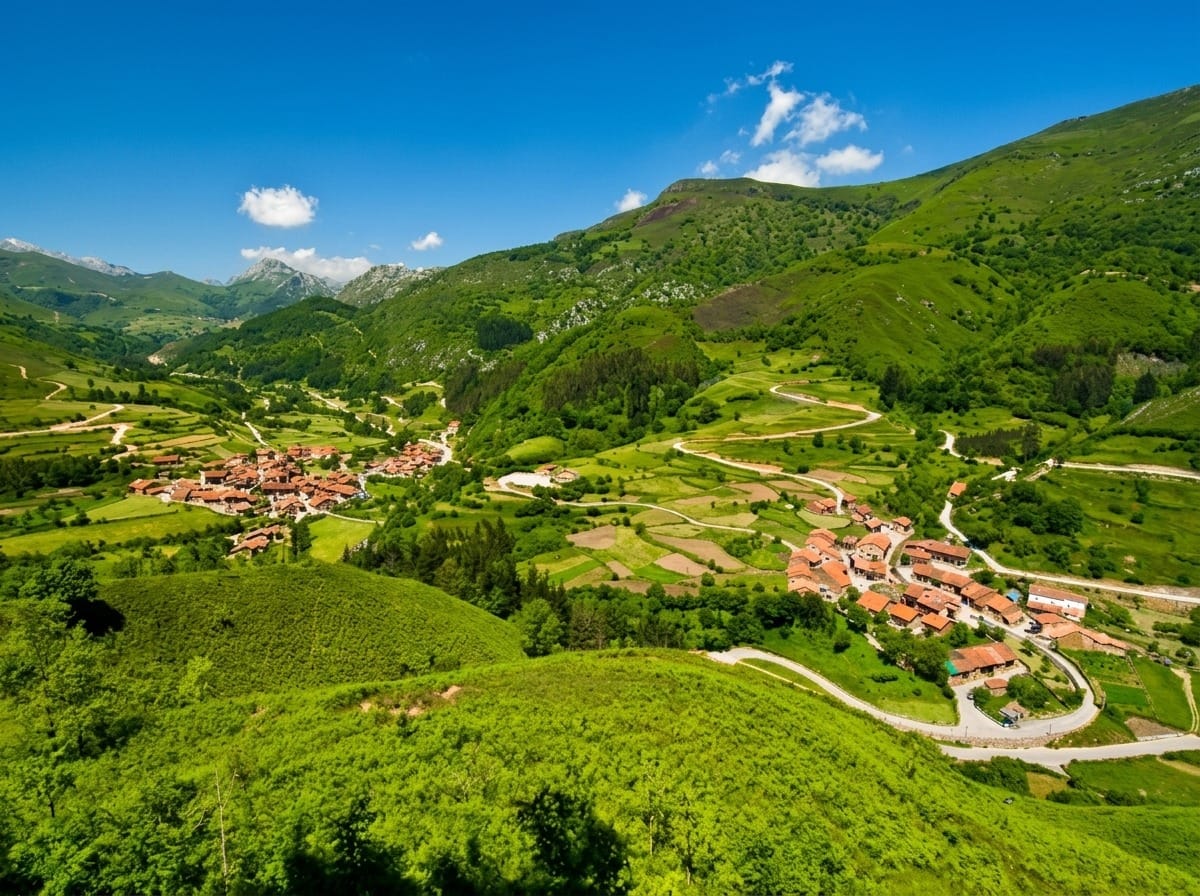
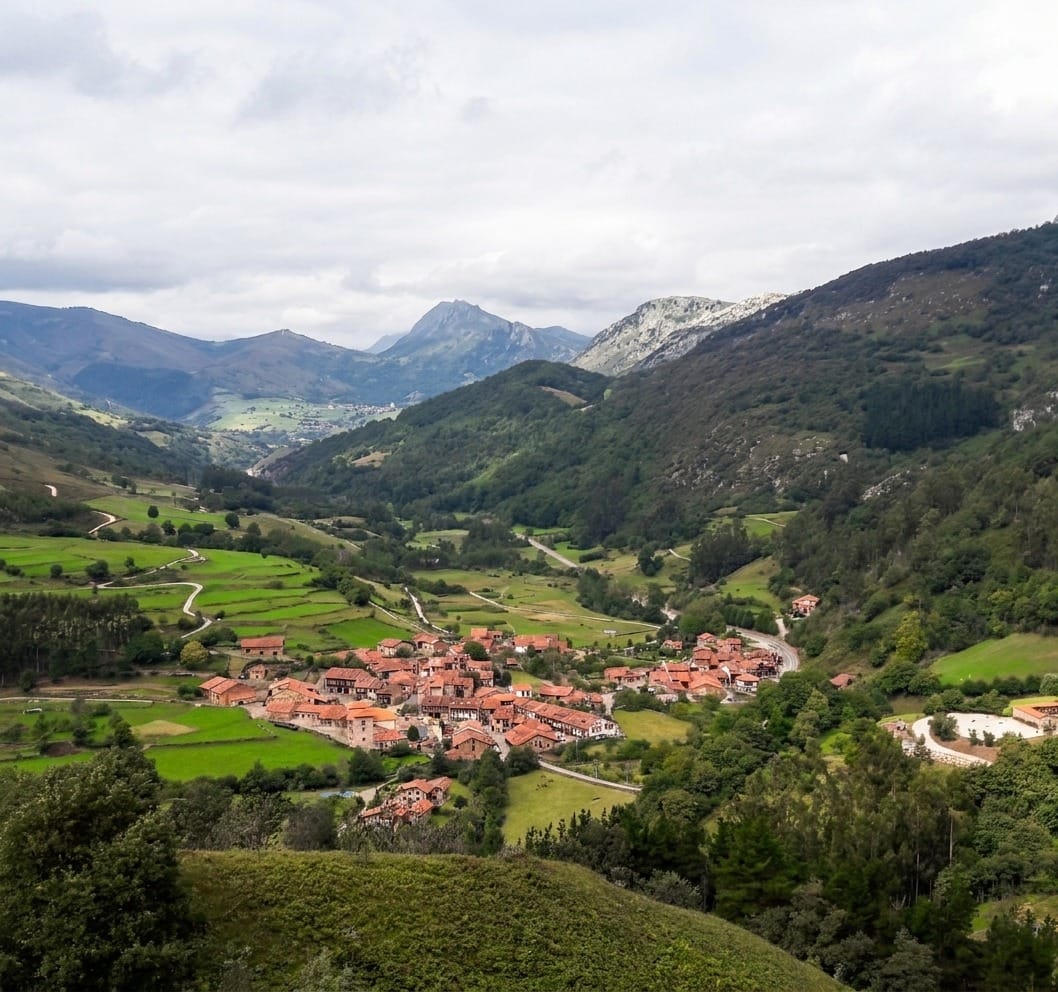
The best view of Carmona isn't from inside the village but from the road. The Mirador de la Asomada del Ribero is a must-stop on the way in or out over the Collada de Carmona, a pass at just over 600 metres where the CA-182 links the Nansa and Cabuérniga valleys. From there, the houses appear huddled at the bottom of the valley, framed by the Sierra del Escudo de Cabuérniga.
On a clear day, the contrast between the rooftops, the meadows and the wooded hills is one of the most photogenic sights in western Cantabria. If you want to keep walking in the area, our guide to the Nansa river path suggests an easy stroll downstream, perfect for rounding off the day.
Where to eat in Carmona
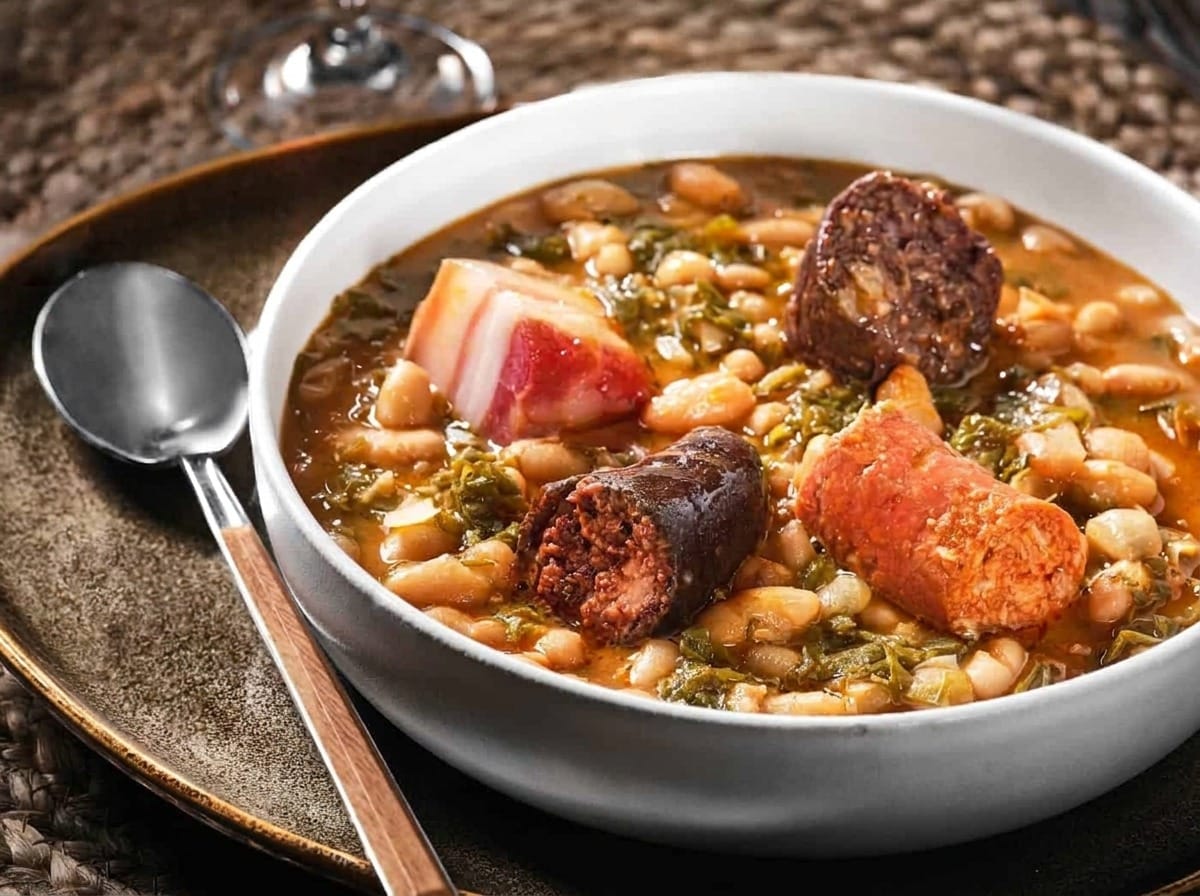
At the entrance to the village, El Puente is the place to eat: a family-run restaurant known for serving one of the best cocidos montañeses (Cantabrian bean and meat stew) in Cantabria, made with produce and meat from its own garden and livestock. It fills up easily at weekends and on public holidays, so book ahead.
Good to know
Getting there: Carmona is 67 km from Santander and 43 km from Torrelavega. From Bareyo, take the A-8 west and, after Cabezón de la Sal, head for the Cabuérniga valley to cross the Collada de Carmona, or come in via Puentenansa. Allow a little over an hour and a quarter by car.
Parking: the historic core is best explored on foot; leave the car in the designated area at the entrance.
Respect: almost all the manor houses are people's homes. Admire the façades from the street and don't go into doorways or cowsheds.
Winter: the Collada de Carmona can be icy early in the morning on cold days. Check the road conditions and go in the middle of the day if you can.
More information: the Turismo de Cantabria page on Carmona covers the historic ensemble and its main buildings.
“You don't rush Carmona: you walk it, you breathe in the woodsmoke and you finish around a pot of cocido.”
Carmona is one of those places that ask you to slow down: a morning among stone and timber, a long lunch and the drive home with the valley changing colour. From Bareyo, the trip fits into an unhurried day, with time to be back by the sea as evening falls, in the calm of the Bareyo Residences villas.