What to see in Escalante: the Cerroja tide mill, already mentioned in 1047, the ruins of Montehano castle, the convent of San Sebastián de Hano and the Santoña marshes. It's a small village in Trasmiera, and you can see it comfortably in a morning.
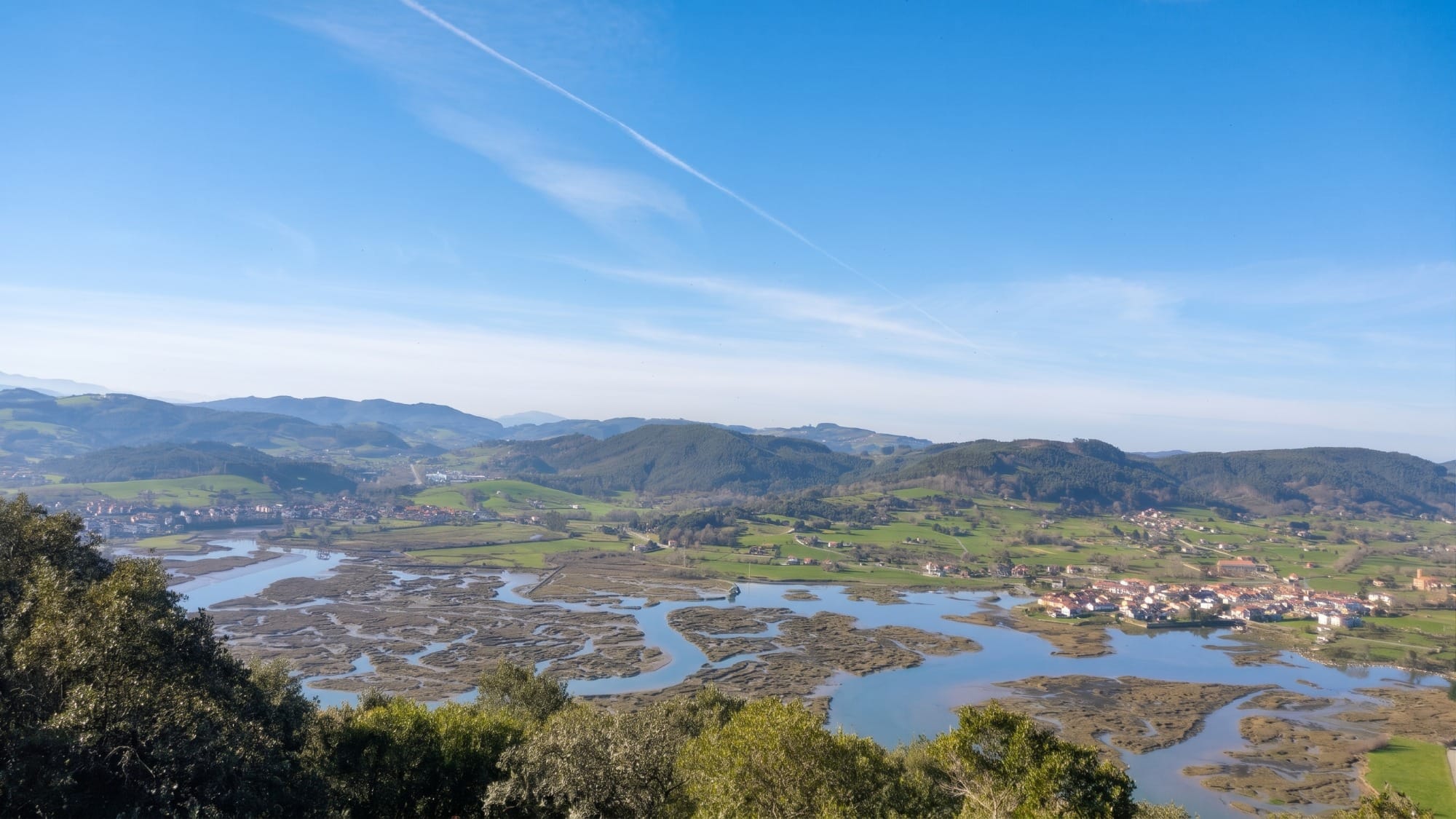
Escalante has about 750 inhabitants and almost nobody puts it on their route. It lies 6 kilometres from Santoña and 38 from Santander, in a valley by the source of the Fuentona, and most people pass through on the way to somewhere else. That's an understandable mistake: it has no beach and no grand façade to announce it.
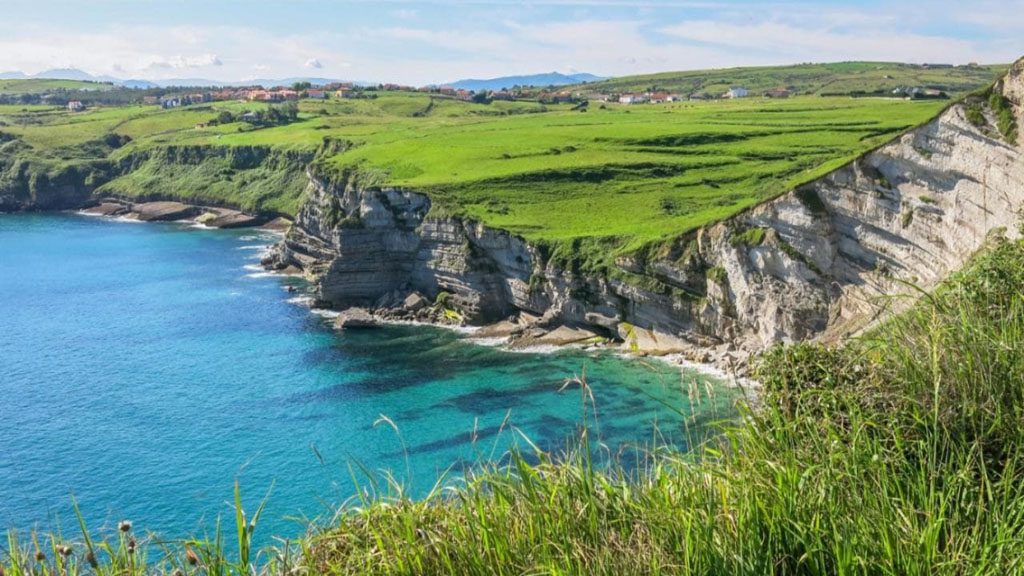
What it does have is a lot of history packed into a few kilometres: a mill that grinds with the tide, a medieval tower on a 186-metre hill, a Franciscan convent where the mother of Don Juan of Austria is buried, and one of the finest wetlands on the Cantabrian coast at the foot of it all. In November, with the winter bird migration under way, it's also a good time to go.
What to see in Escalante: the village and its convents
Escalante's old centre is small and best done on foot. The Virgen de la Cama, the village's patron, has been venerated since 1638 in the Poor Clares' convent of San Juan de Monte Calvario, founded in 1603 and inaugurated in 1618. It's a simple single-nave church whose altarpiece dates from around 1665. Whether the convent is open depends on the community, so don't count on getting in. The municipality also includes the neighbourhoods of El Alvareo, Baranda, Cornoció, Montehano, Noval and Rionegro, and its economy is still mostly farming and livestock: cider even has its own festival here, and the other big local event is the one for the Virgen de la Cama.
The Cerroja tide mill
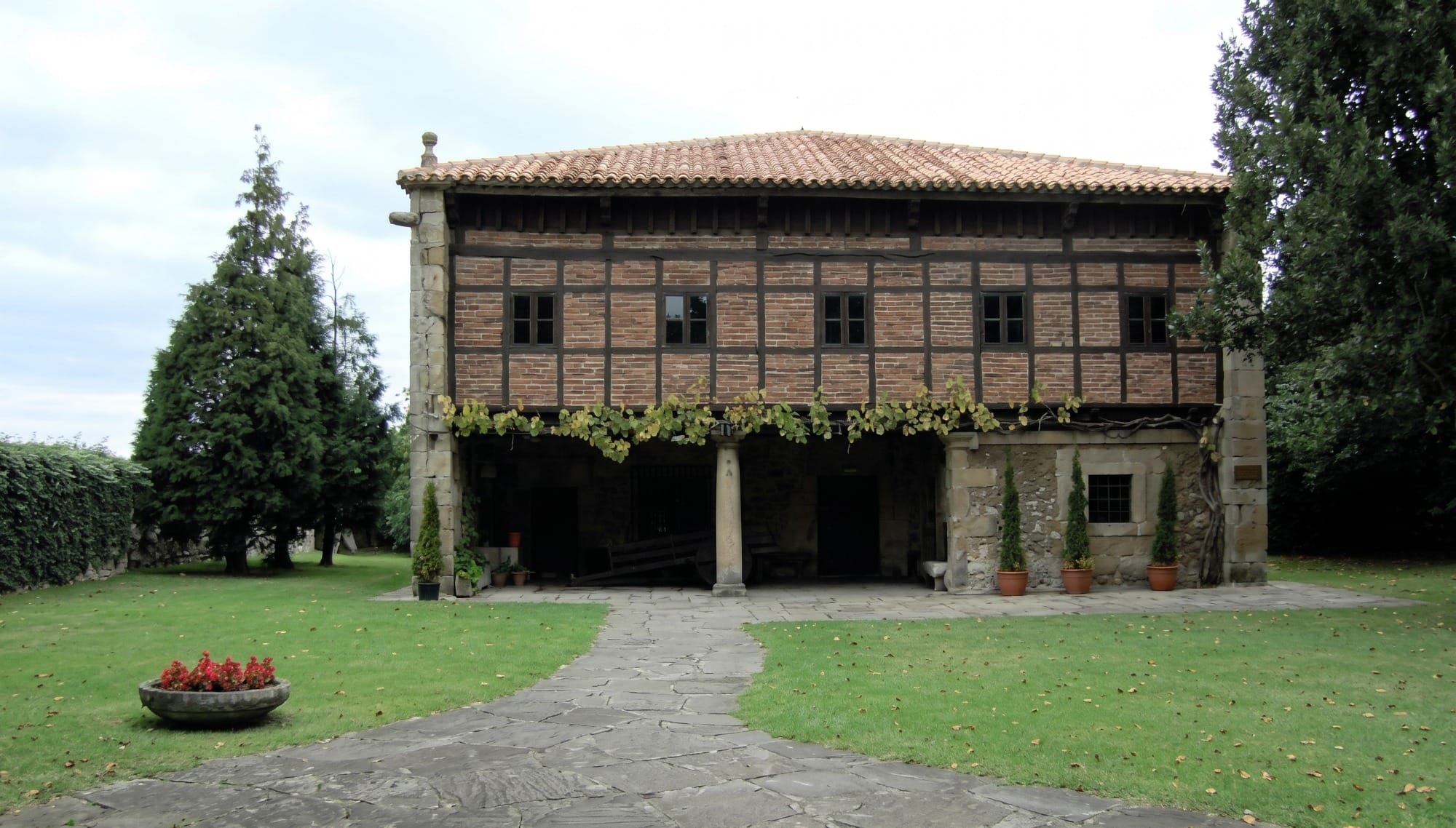
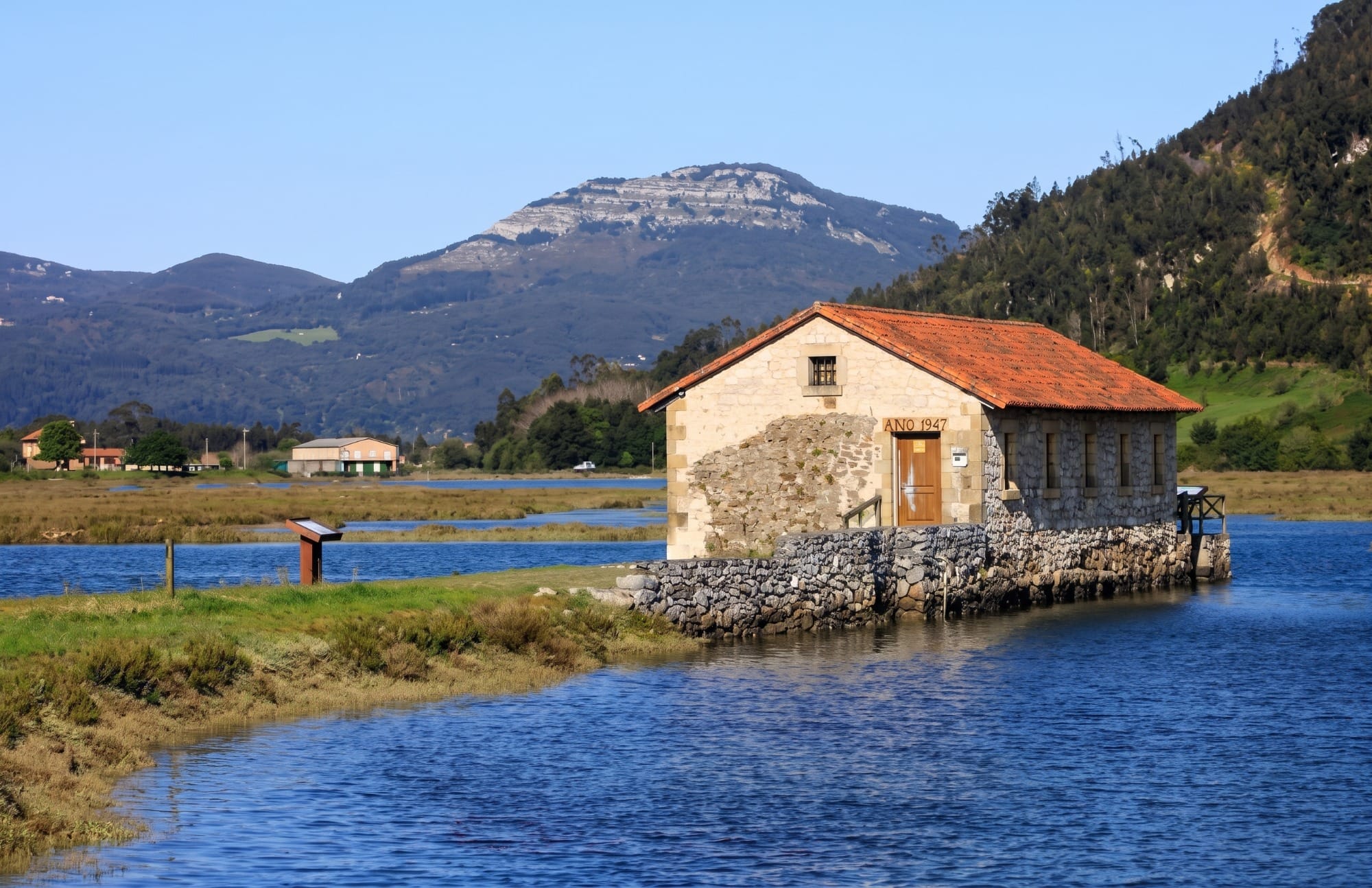
The Cerroja Mill, also known as El Viejo, is one kilometre south-east of the town centre, facing Montehano. It is documented as already existing in 1047, which makes it one of the oldest tide mills in Europe. It works on a simple principle: a pond is filled at high tide and the water is released at low tide to turn the wheel. On the Cantabrian coast the difference between the two can exceed four metres, which is why the system worked. It was restored in 2011 as an interpretation centre for the nature, history and culture of Escalante, with explanations about the mill, the tides and life in the marsh. Check opening hours with the town hall before you go: we don't give them here because they change.
Monte Hano and Montehano castle
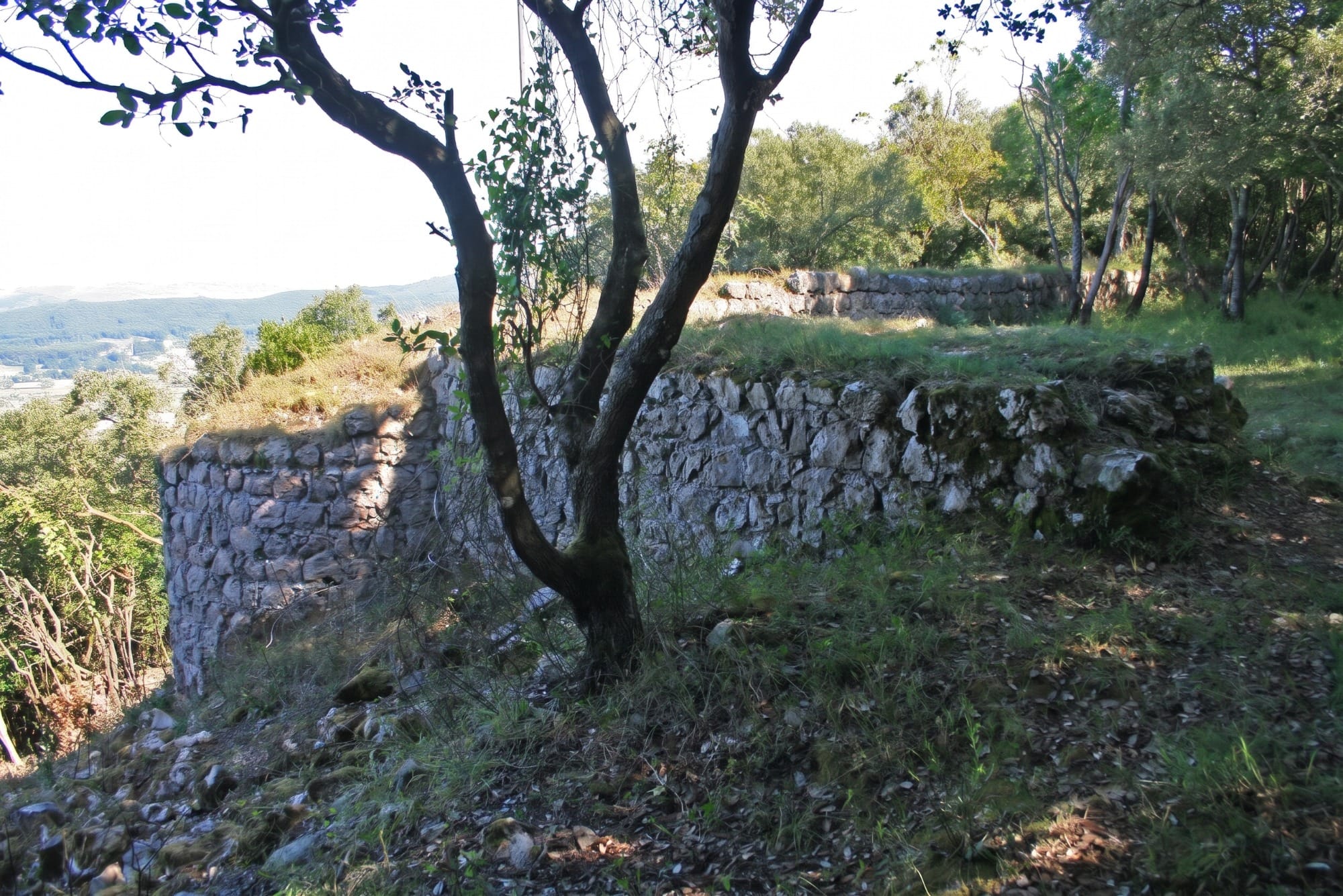
On top of Monte Hano, 186 metres high and almost right on the sea, stand the ruins of the so-called Montehano castle. It was less a castle than a fortified tower inside a stone wall measuring 41 by 20 metres, with four corner turrets. It was built by the lords of Haro and Vizcaya between 1243 and 1254, and has been abandoned since the 16th century. It has been a Site of Cultural Interest since 1993. The climb starts from the mountain's old quarry. At the top, besides the views over the marshes, there are Civil War bunkers and trenches: they were dug in August and September 1937 and never used, because the war ended in Escalante eleven days after the works were finished.
The convent of San Sebastián de Hano
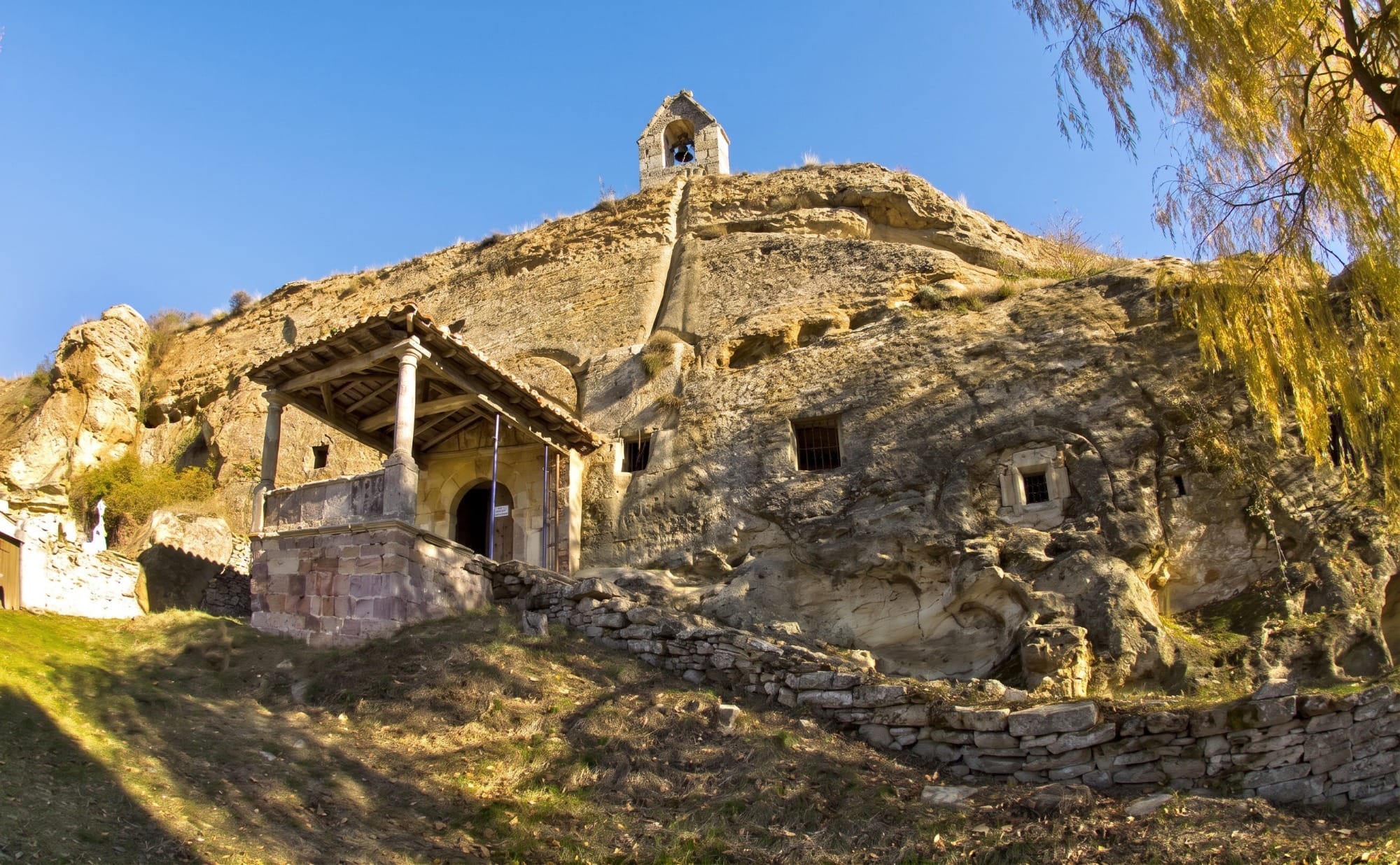
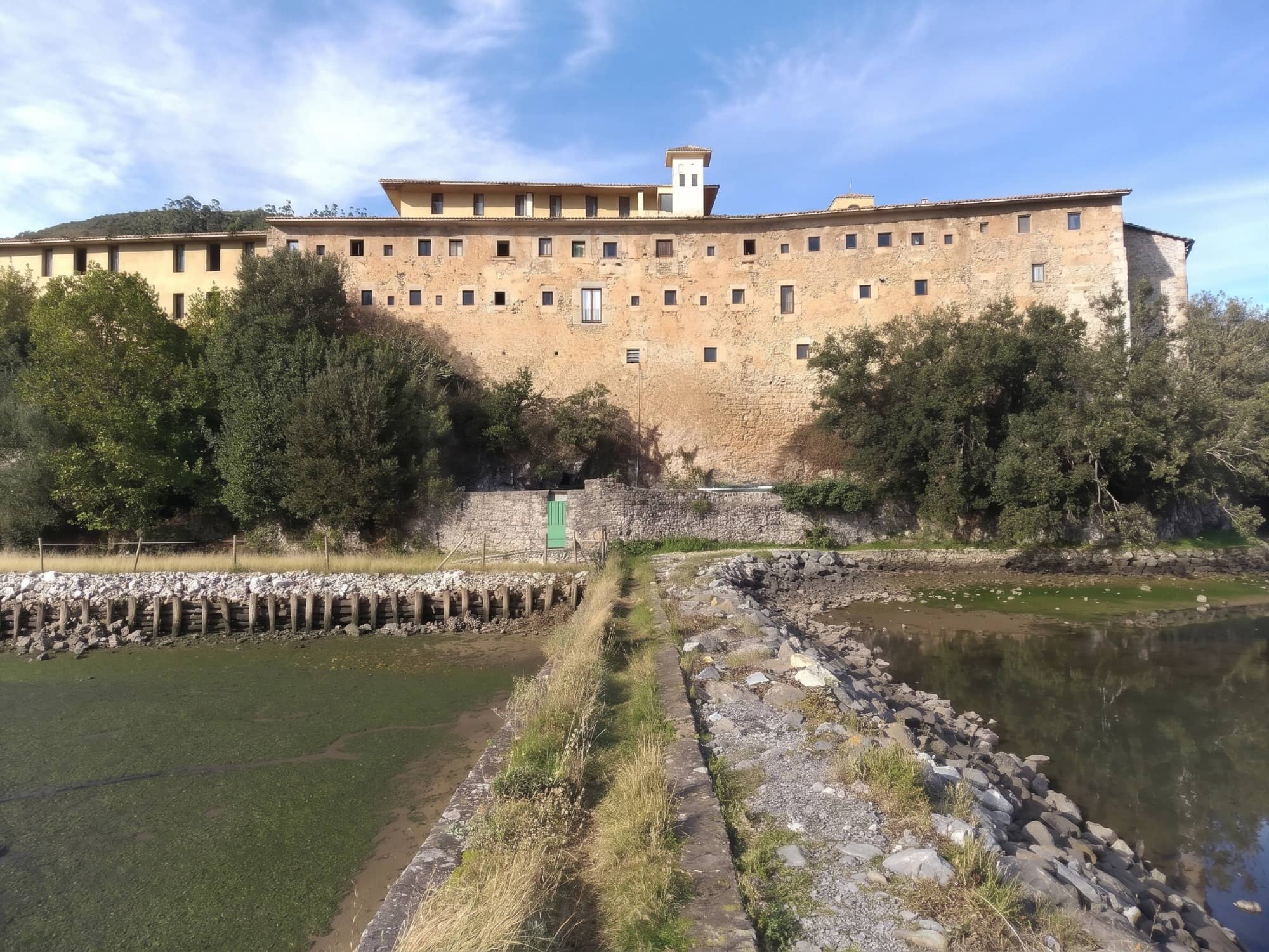
At the foot of the hill, across the CA-241, is the convent of San Sebastián de Hano, or Montehano. It was founded in 1441 under the patronage of Beltrán Ladrón de Guevara, lord of Escalante, for the Franciscans, and at the time it stood on an islet surrounded by marsh. In 1491 the Catholic Monarchs granted it the privilege of keeping a boat to cross the estuaries. In 1597 Bárbara Blomberg, the mother of Don Juan of Austria, was buried here. Today it is home to the Capuchins, and it has been a National Monument since 1981. Almost all of its current architecture dates from the 17th century. It is still a working convent, so it's best to confirm opening hours and be discreet.
The Santoña, Victoria and Joyel marshes
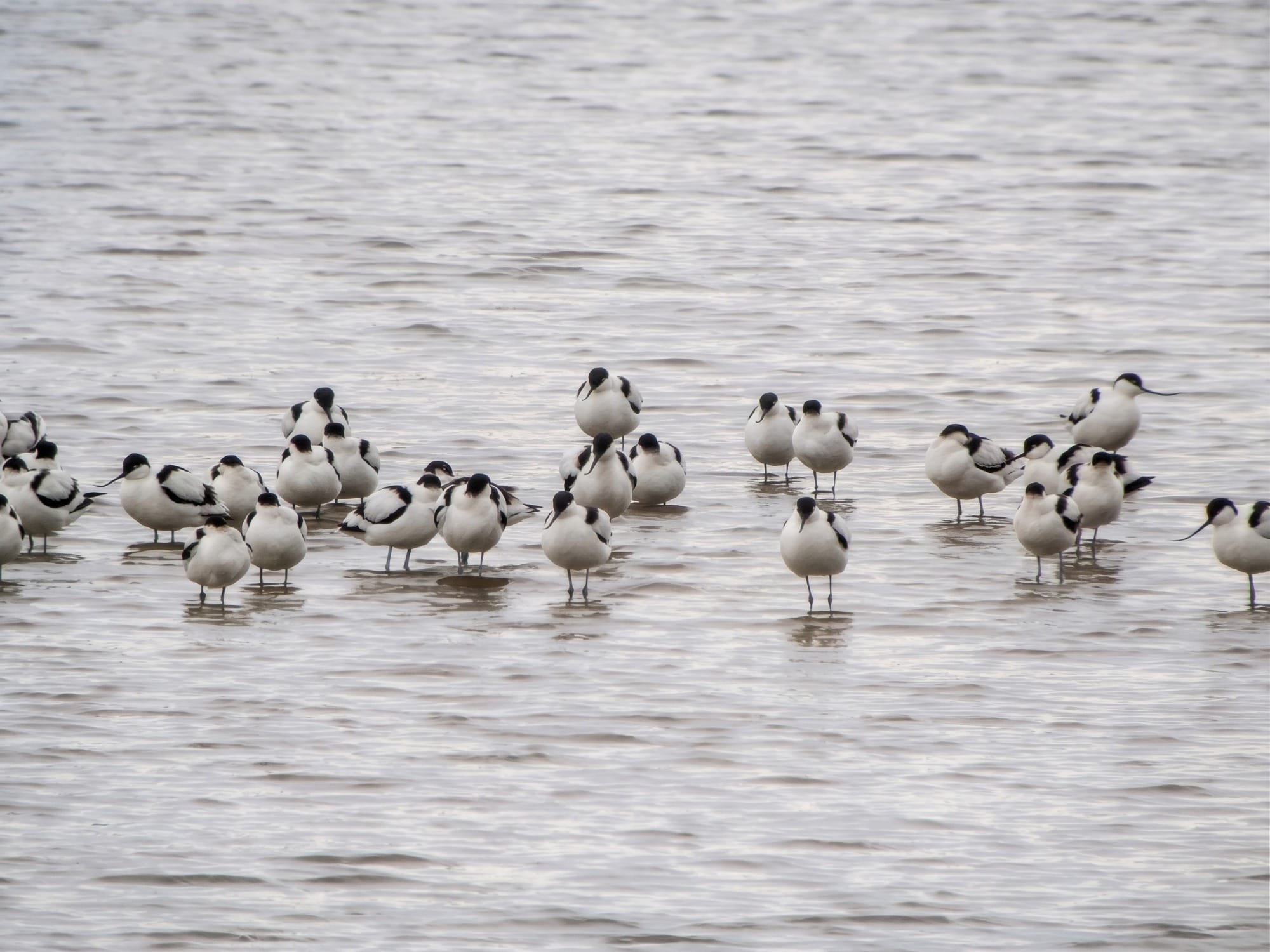
Escalante is part of the Santoña, Victoria and Joyel Marshes Natural Park, 6,678 hectares spread over eleven municipalities. It is the main wetland on the Cantabrian coast, and 121 species of water-related birds have been recorded there. Declared a nature reserve in 1992, it became a natural park under the Cantabrian law of 2006. In autumn and winter it receives the most birds, as a wintering and migratory stopover site. If you go with binoculars, do it from the marked paths and observatories and without getting close to the birds: the marsh is their winter refuge.
Good to know
A morning is enough to see the essentials of what to see in Escalante: the mill, the climb to Montehano and a stop at the convent. Wear closed shoes, because the path to the top is a mountain trail and can be muddy at this time of year, and dress warmly: the wind is noticeable by the marsh. The best light for photographing the mill and the marshes is late in the afternoon. For up-to-date opening hours, activities and routes, the most reliable source is the website of the Escalante Town Hall. The tide changes the look of the whole area, so check the tide tables before setting out.
“Escalante has no great postcard view, but it has a thousand years of history at marsh level.”
Escalante fits well into a day in Trasmiera that combines history and nature at an easy pace, a short distance from Bareyo. For guests of Bareyo Residences, it's a plan that fits between two swims or two meals, with the marsh as a backdrop. If you enjoyed this visit, you'll find similar ones in our guide to the seven villages of Trasmiera.