Chestnuts can be picked near Bareyo from early October through December, especially in the chestnut groves of the Valles Pasiegos (Castañeda, Soba, Ruesga) and in the Valle de Buelna, the birthplace of the Cantabrian magosta. All it takes is heading to communal woodland, respecting private land, and only picking what has already fallen to the ground.
In Cantabria, autumn doesn't just announce itself with the forests changing color: it also arrives with the distinctive weight of burrs dropping from the chestnut trees and the smell of roasted chestnuts starting to fill the villages of the interior. The custom of going out to pick them is so old it has given its name to entire villages, like Castañeda, in the Valles Pasiegos.

You don't need to travel far from Bareyo to find real chestnut groves: in a little over half an hour by car you reach areas where the chestnut tree is still part of everyday scenery, not a tourist attraction. This guide gathers where to find those groves, when it's worth going, and what to keep in mind before filling your basket.
The chestnut groves of the Valles Pasiegos: Castañeda, Soba and Ruesga
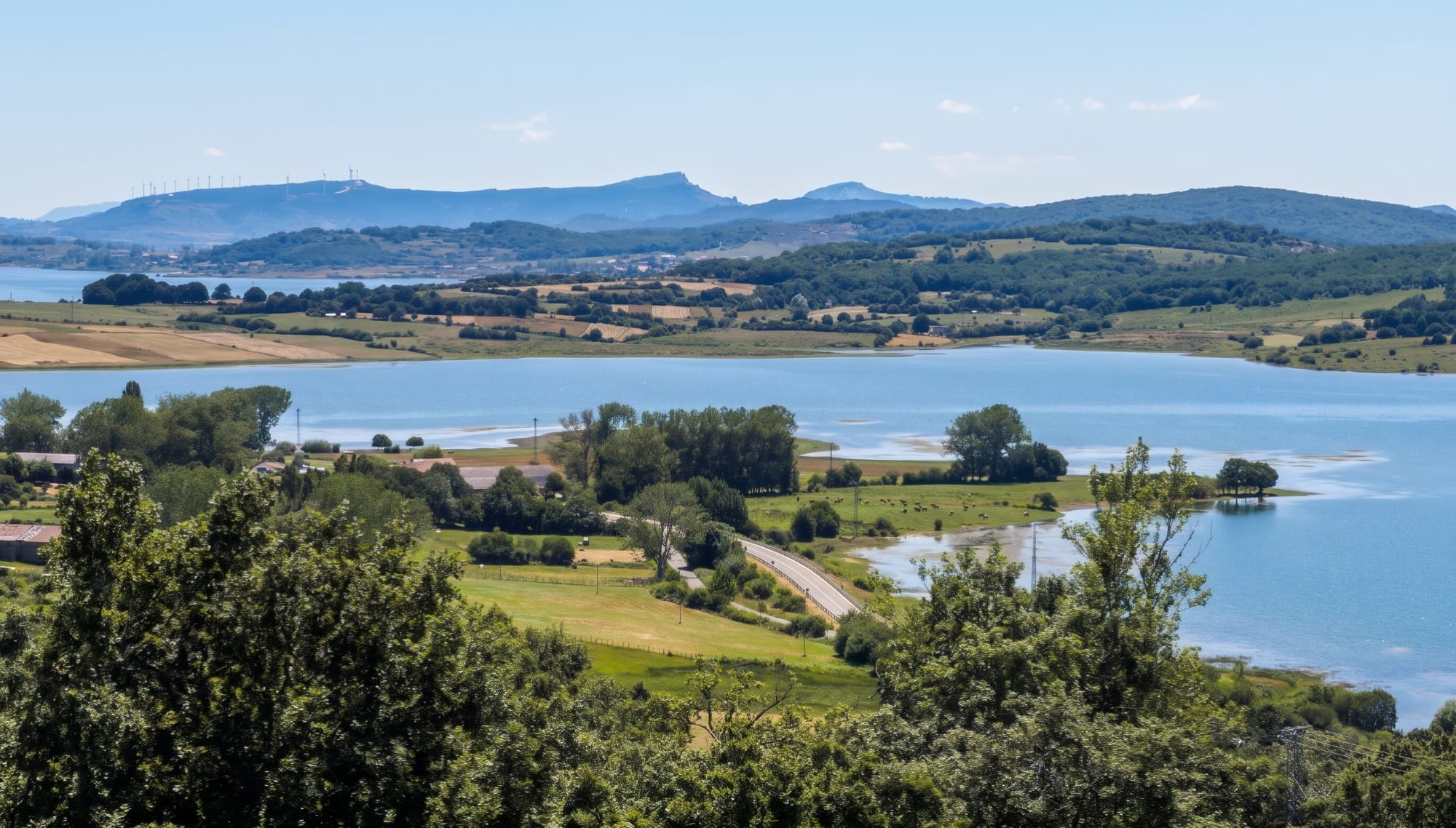
The Valles Pasiegos, south of Santander, hold some of Cantabria's most recognizable chestnut groves. The municipality of Castañeda owes its very name to these trees, and alongside it, Soba, Ruesga and Luena preserve woodland where chestnut trees grow together with oak and beech. These are low-mountain areas, with narrow but well-signposted roads and numerous stretches of communal woodland where picking for personal use has been common practice among locals for generations. You can find more details about the area on the Cantabria Tourism website on the Valles Pasiegos.

The Valle de Buelna, Cantabria's chestnut heartland
If there's one district in Cantabria associated with the chestnut, it's the Valle de Buelna. This is where the tradition of the magosta — the autumn chestnut-roasting festival — has its deepest roots, precisely because picking chestnuts had been one of the most eagerly awaited activities of the year in the area's villages for centuries. The valley's chestnut groves are still abundant, and many locals use the weekend to head out as a family and fill their baskets before the local wildlife does. If this tradition interests you, don't miss our article on the Cantabrian magosta, the festival that turns these same chestnuts into the star of autumn.
When the season starts: from October to December
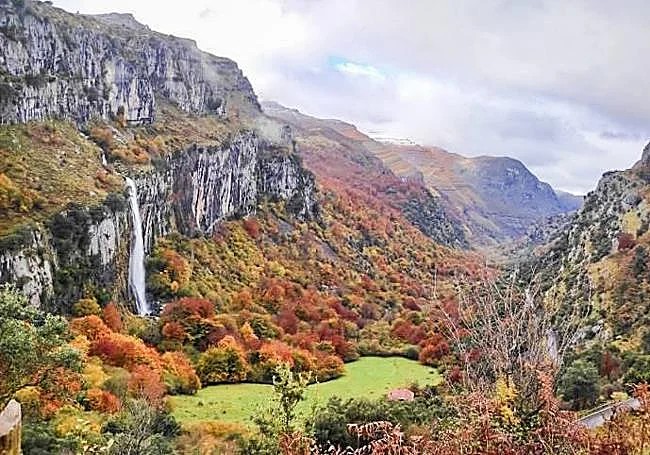
Chestnut season in Cantabria starts in early October and can run until December, with its most productive stretch between mid-October and mid-November, when the burrs start opening on their own with the first autumn rains. It's best to head out after a windy or rainy day, which is when the most chestnuts fall to the ground, and to avoid the middle of the afternoon in the denser wooded stretches, where light fades early under the tree canopy.
How to pick them: the stick, the burr, and respect for the woods
The usual approach is to pick only the chestnuts that have already fallen, whether inside or outside the burr, and let the rest finish ripening on the tree. In some areas people still practice vareo, striking the branches with a long stick to speed up the drop, though it's best done sparingly so as not to damage the tree or next year's harvest. Unlike mushroom picking, chestnut gathering in Cantabria has no single unified regional permit, but it's important to tell communal woodland apart from private land: many chestnut groves belong to individuals, and the right thing to do is ask permission before entering. Thick gloves are essential for handling the burrs without getting pricked.

Good to know
The chestnut groves of the Valles Pasiegos and the Valle de Buelna are between 30 and 50 minutes by car from Bareyo. The most productive period runs from mid-October to mid-November, after windy or rainy days. There's no single permit covering all of Cantabria the way there partly is for mushrooms, so if in doubt, the simplest thing is to ask at the local town hall or directly to the landowner. Bring gloves, footwear that can get wet, and if you're going with children, watch out for fallen burrs on the ground.
«In the Valles Pasiegos and the Valle de Buelna, autumn is still measured in baskets of chestnuts, not guided tours.»
Coming back from the chestnut groves with a full basket is one of those autumn customs that connects with Cantabria's most rural side, the same one that later turns into an impromptu magosta or chestnuts roasted by the fireplace. If this plan makes you want to stretch autumn near Bareyo, the Trasmiera coast also holds forests, estuaries and villages worth discovering outside the high season. Bareyo Residences is designed precisely as a base for enjoying this inland Cantabria at any time of year.