Six lakes in Cantabria are really worth the visit: the Ebro reservoir, the Lloroza pools at Fuente Dé, La Cohilla reservoir, Pozo Tremeo, Alsa reservoir and the Pozón de la Dolores. Two are natural lagoons, one is a flooded mining pit and three are mountain reservoirs.
Cantabria is known for the sea, and rightly so, but inland it hides a collection of still waters that hardly anyone puts on the itinerary. There are no big glacial lakes like on the Asturian side of the Picos de Europa: what you get is more varied and more low-key. Lagoons born when the limestone collapsed, dams that flooded whole valleys in the middle of the 20th century, and old mine workings that nature has taken back.
We picked these six lakes in Cantabria using three criteria: you can visit them without permits or technical skills, the walk around them is worthwhile in its own right, and each one offers something the others don't. We left out irrigation ponds and pools with no signposted access. The list runs from the most complete day trip to the quietest spot, for anyone who just wants to walk without bumping into a soul.
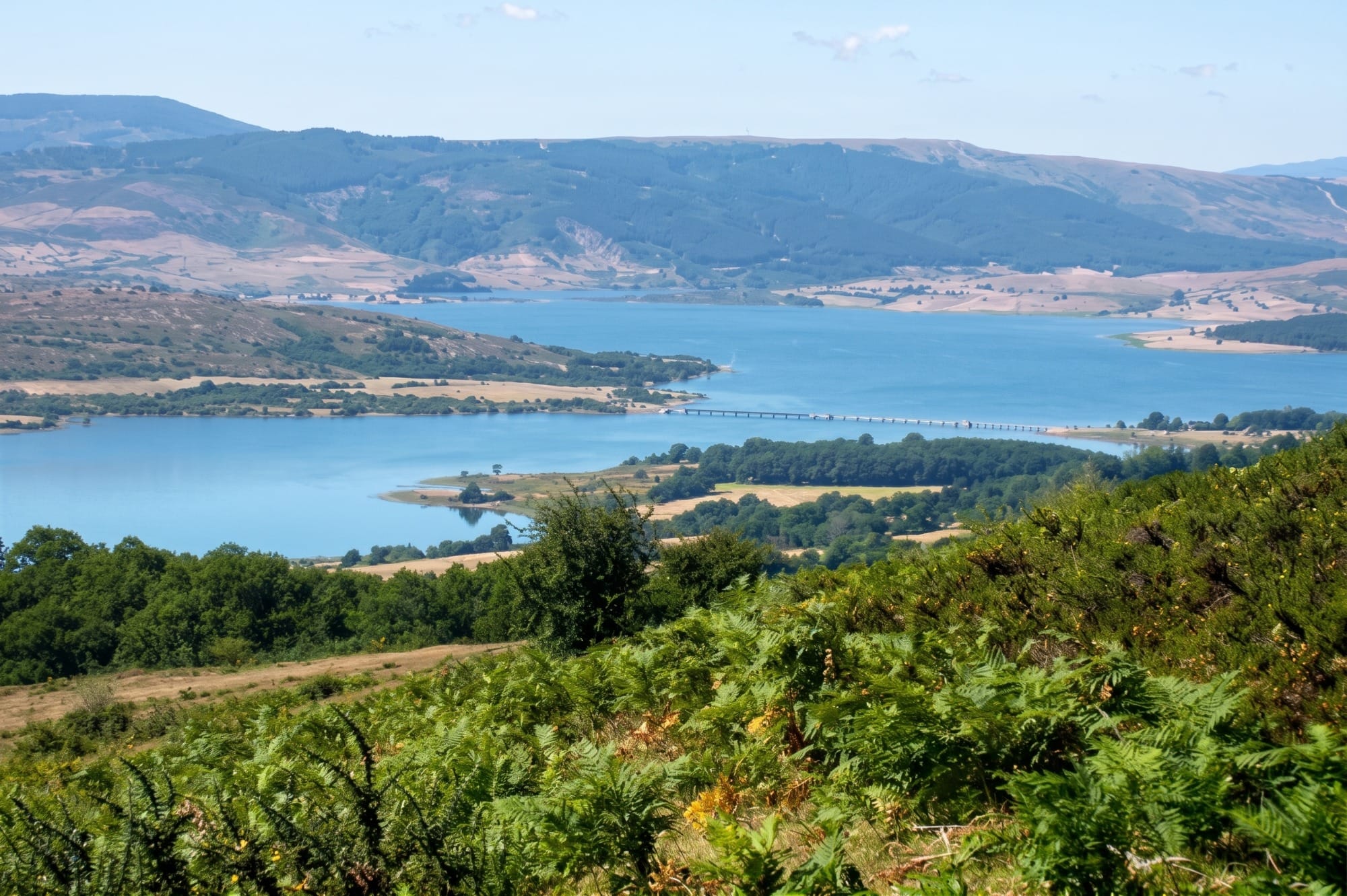
Ebro reservoir
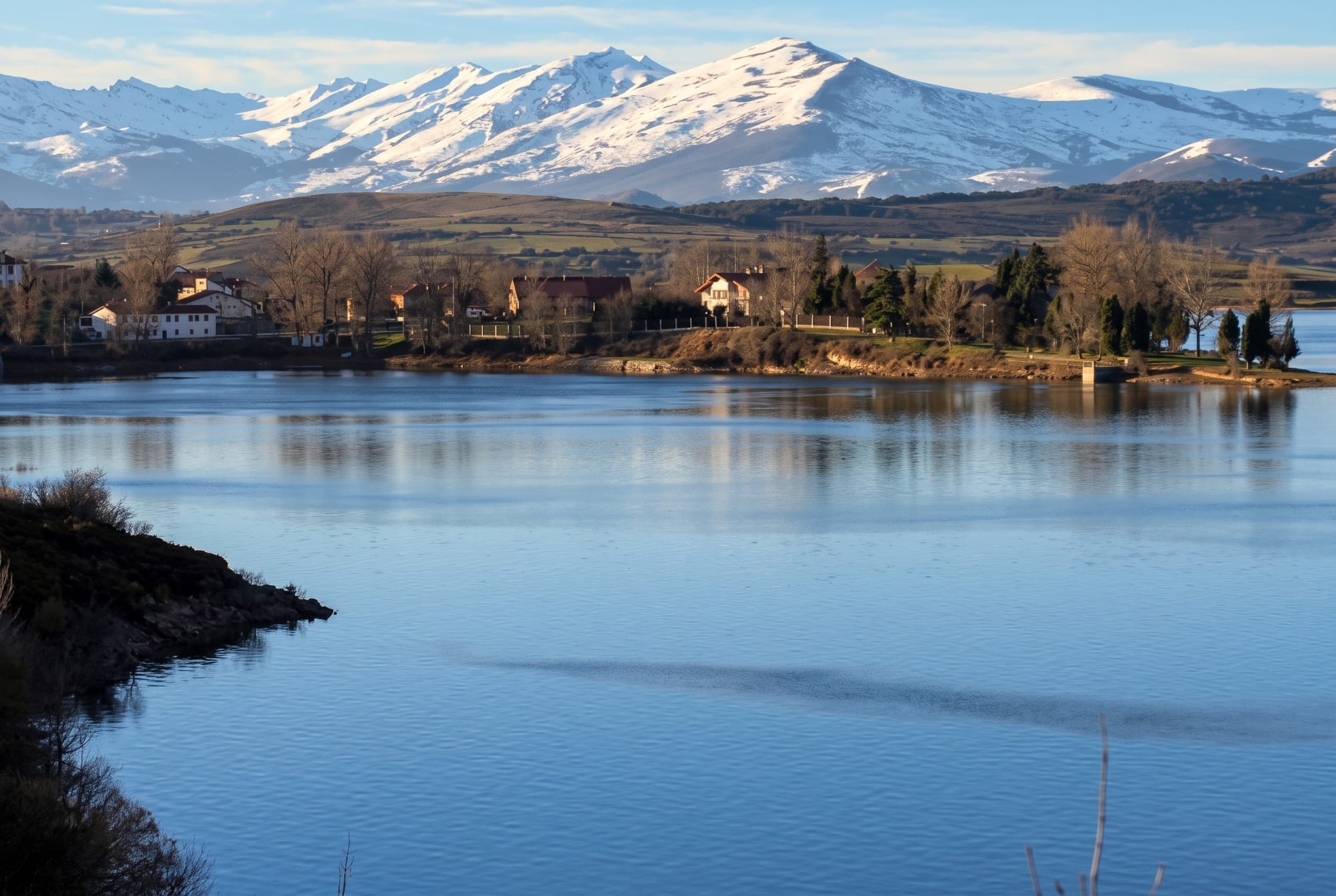
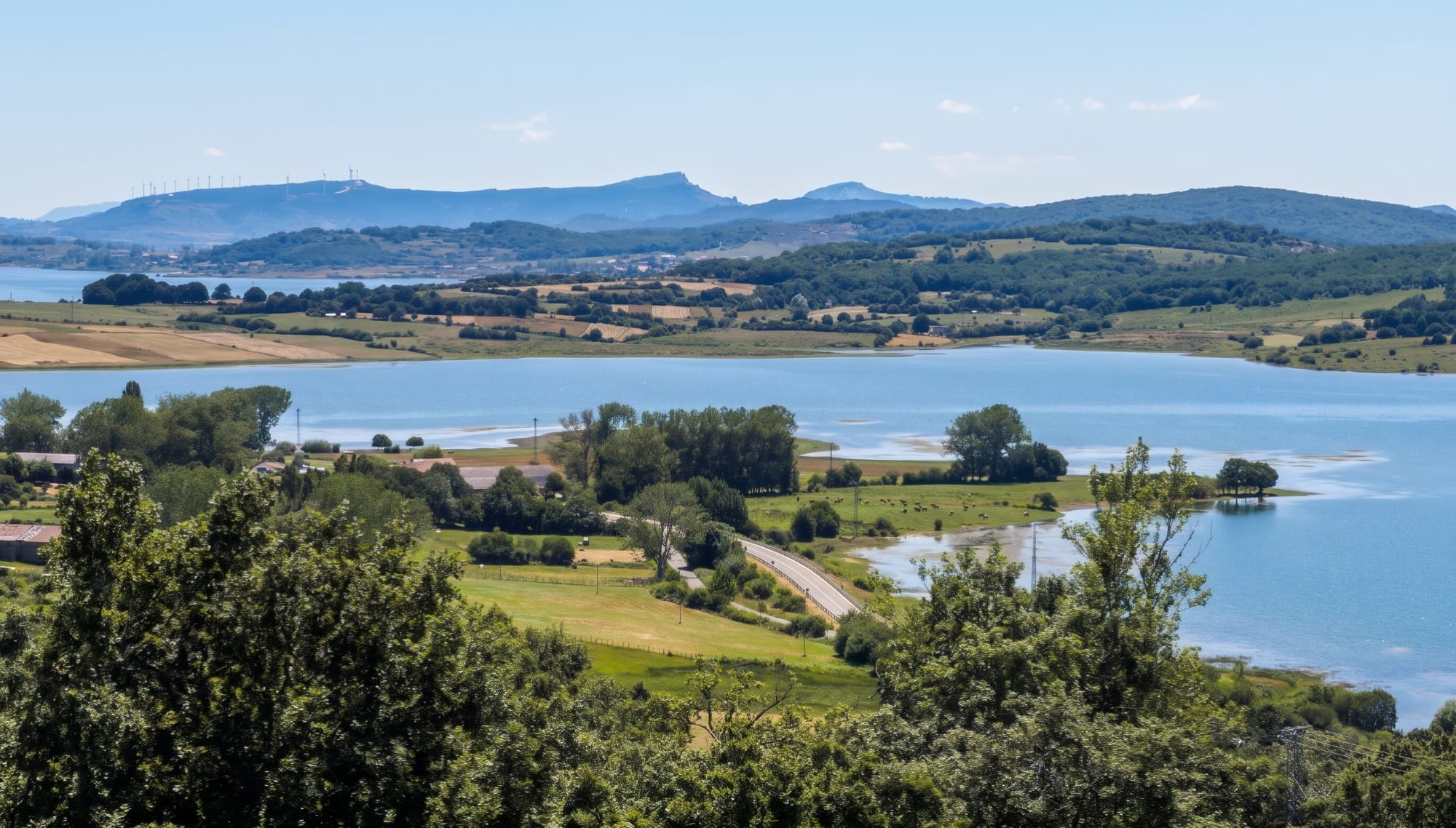
It tops the list because no other place packs so much into one destination. It's the largest body of fresh water in the region, a man-made lake on the Campoo plateau that stretches into northern Burgos and, in winter, becomes a refuge for ducks, coots and herons flying down from northern Europe. The church tower of Villanueva de las Rozas, left poking out of the water when the dam was filled and known to everyone as the Catedral de los Peces (the Cathedral of the Fish), can be reached along a wooden boardwalk from the shore. Corconte has an interpretation centre and flat paths along the north shore. Turismo de Cantabria lists the lakeside villages and how to get there. If you want to spend the whole day there, you'll find all the details in our guide to the Ebro reservoir in winter, with the birds you can see right now and how to plan the outing.
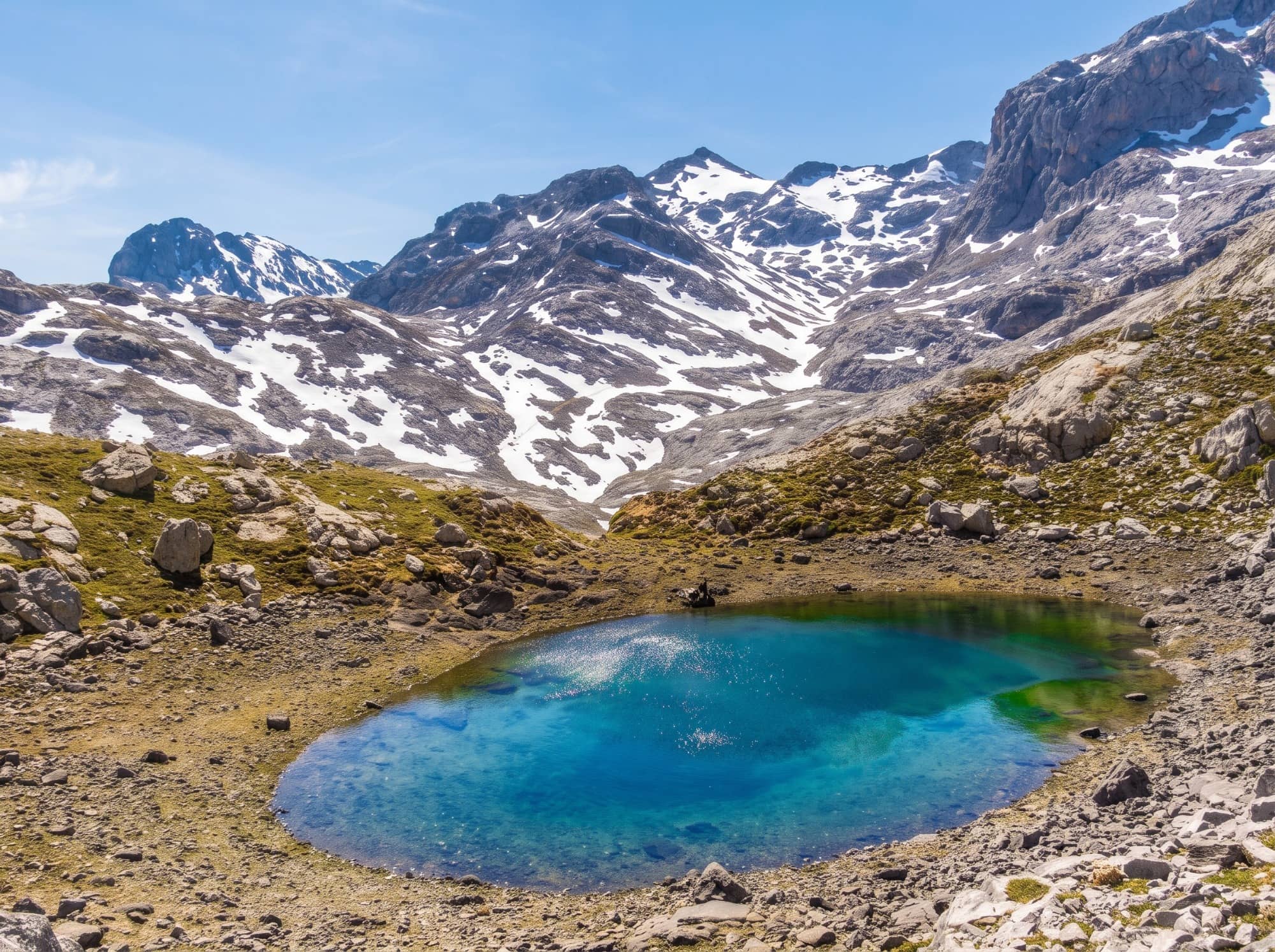
Lloroza pools
If the Ebro wins on scale, Lloroza wins on scenery. These small high-mountain lagoons are in Camaleño, a short distance from the top station of the Fuente Dé cable car, tucked into a meadow ringed by limestone peaks. They're snowmelt held in karst terrain, and their size changes a lot with the season: full in spring, much smaller by the end of summer. The walk from the Mirador del Cable is short with no big climbs, which is why it's often recommended for families. The flip side is winter: between November and April snow can cover the path and the lagoons themselves, and then it only makes sense to go up with proper footwear and after checking the mountain forecast. Check the Cantur website too for cable car times, which vary by season, and note that it closes on some Christmas holidays.
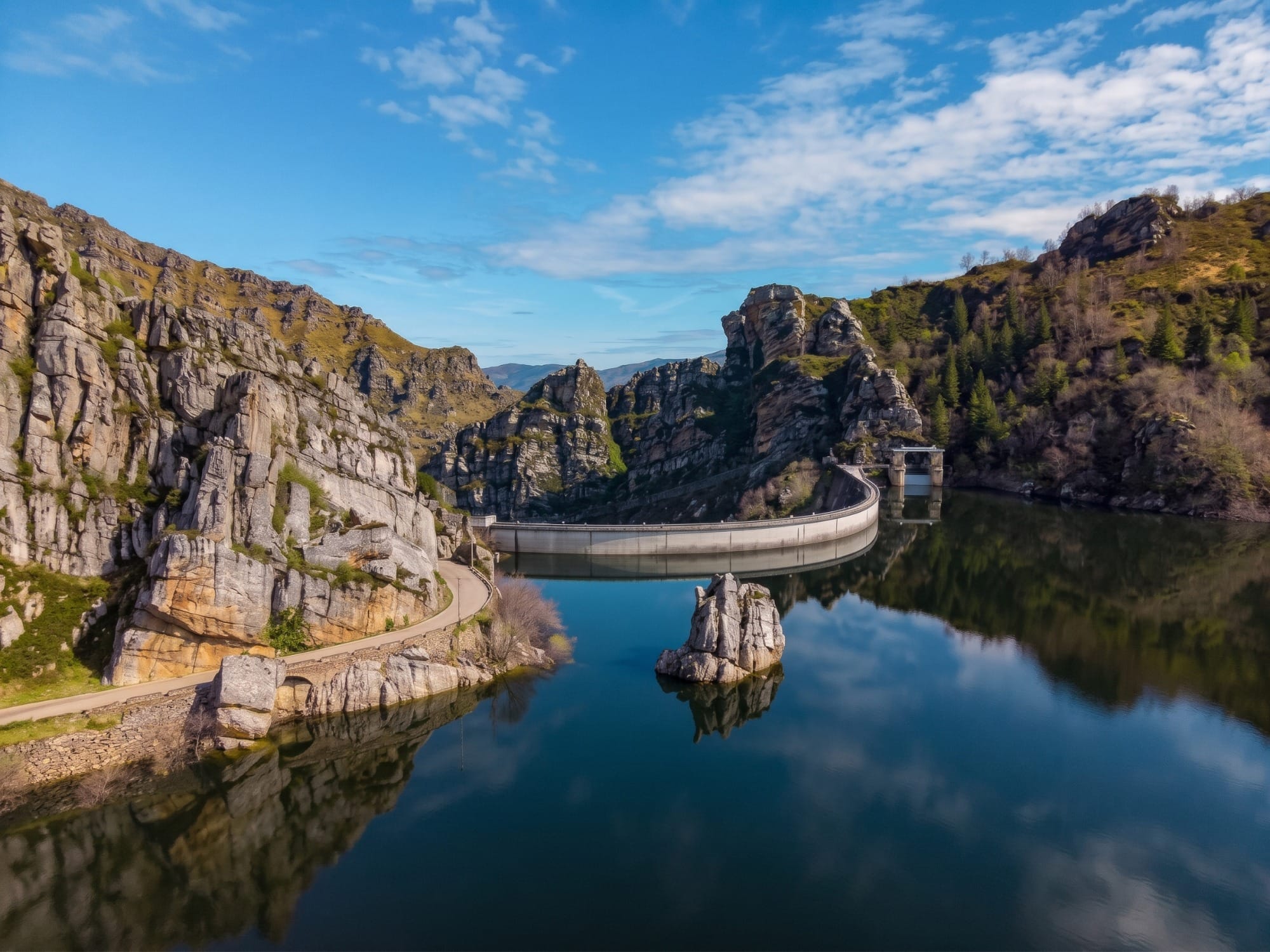
La Cohilla reservoir
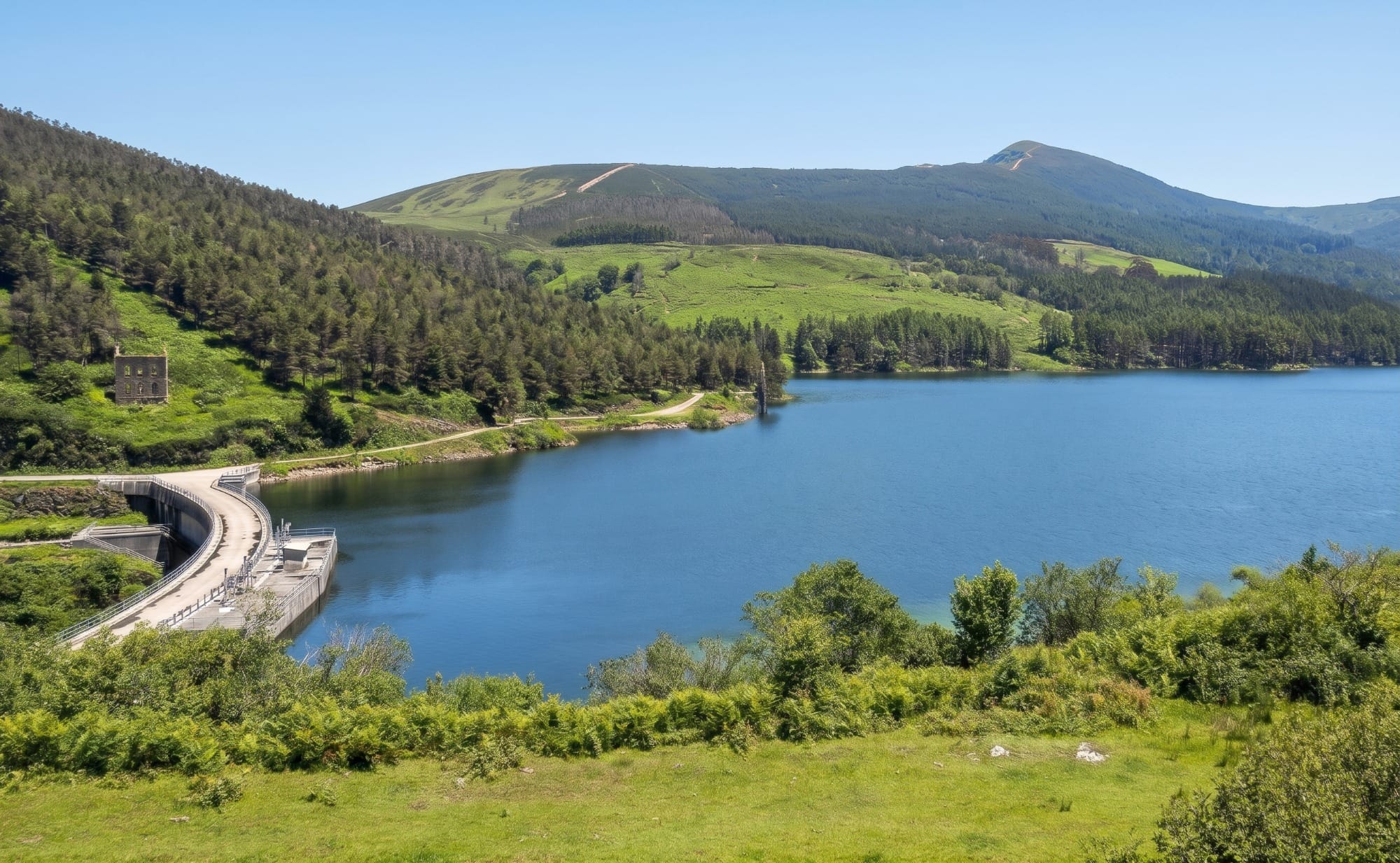
La Cohilla takes third place for something none of the others have: its dam. It's a concrete arch 116 metres high over the river Nansa, on the border between Tudanca and Polaciones, and when it opened in 1950 it was the tallest in Spain. Behind it lies a narrow green reservoir squeezed between slopes, looking more like a mountain lake than a piece of hydraulic engineering. Next to the dam there's a viewpoint over the Nansa gorge, and paths lead from the area to the villages of the Polaciones valley. It's the most remote spot on the list, and you'll notice it on the road: long bends up the Nansa valley and very little traffic. It pairs well with a stop in Tudanca, one of the best-preserved stone villages in the area.
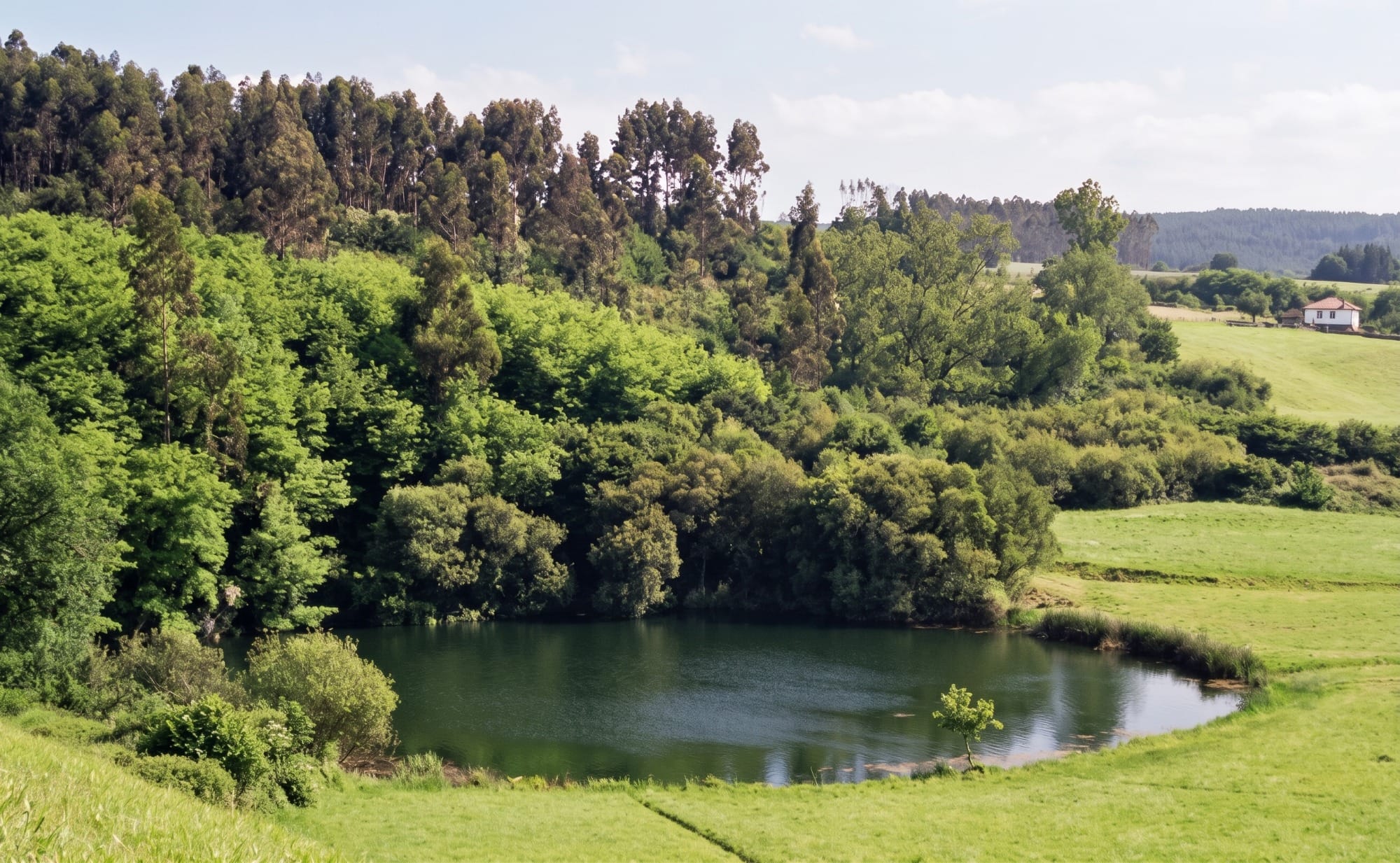
Pozo Tremeo
Small, yes, but one of a kind. Pozo Tremeo, in Rumoroso (Polanco), is the only permanent natural lake in Cantabria. It formed when the limestone collapsed and the hollow filled with water, and it's about eleven metres deep. Since 2016 it has been protected as an Área Natural de Especial Interés (Natural Area of Special Interest), the second site of this kind approved in the region, and the protected area covers just over twelve hectares. You reach it on foot along a wooded trail that ends at a viewing platform over the lagoon. Around it grows a belt of reeds where marsh birds nest, so spring is the best time to see them, though in autumn the forest reflected in the water has its own charm. The last stretch of the trail can be awkward for people with reduced mobility.
Alsa reservoir
In the Aguayo valley, Alsa reservoir holds back the river Torina among meadows and beech woods. We put it fifth because its appeal is more about walking than gazing: it's part of a pumped-storage hydroelectric system with another reservoir, El Mediajo, higher up, and the route linking the two from the car park by Alsa is one of the most enjoyable mid-mountain walks in the area. From the top you can see the Aguayo valley and, on clear days, the ranges that separate Cantabria from the Castilian plateau. Outside summer weekends it's usually a quiet walk. It's close to San Miguel de Aguayo and fits into the same day out as a visit to the Besaya basin.
Pozón de la Dolores
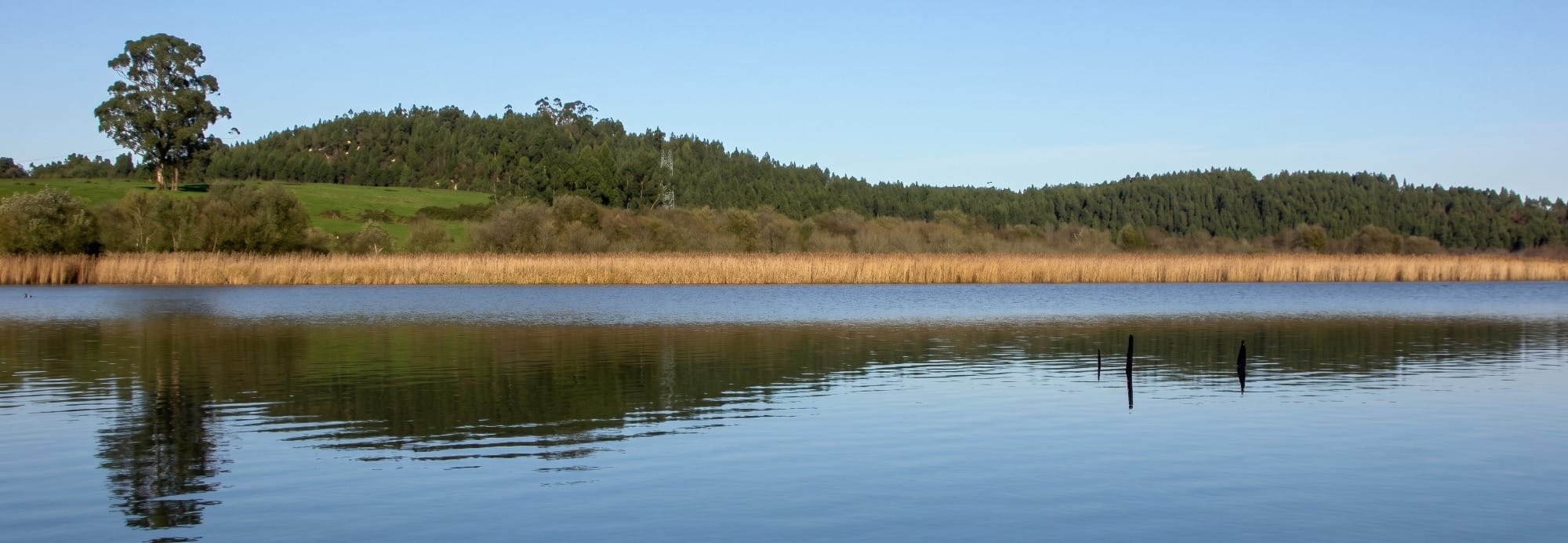
We finish with the closest one to Bareyo: just over half an hour by car. The Pozón de la Dolores, in the El Tojo neighbourhood of Revilla de Camargo, is a lagoon filling the basin of an old mining pit. Today it's a municipal nature reserve and, although it's surrounded by built-up areas, migratory birds winter on its banks and can be watched from a small hide. It's not a place to spend the day, but it's great for an hour's stop with binoculars, especially now, between November and February, when there's the most bird activity. Its real value is the story it tells: a landscape scarred by mining that has become a wildlife refuge a few minutes from Santander.
Good to know
Distances from Bareyo: the Pozón de la Dolores is just over half an hour away; Pozo Tremeo, about 45 minutes; the Alsa and Ebro reservoirs, between an hour and a quarter and an hour and a half; La Cohilla, nearly two hours; and Fuente Dé, about two and a half hours. Best time to go: autumn and winter for the birds at the Ebro and the Pozón de la Dolores; spring for Pozo Tremeo and for going up to Lloroza without snow. Cold water: in autumn and winter these lakes in Cantabria are for looking at and walking around, not for swimming. High mountains: at Lloroza and on the heights above Alsa the weather changes fast. Bring a warm layer, a waterproof and footwear with a firm sole, even if the sun is shining on the coast. Respect: in protected areas you must stay on the trails and not disturb the wildlife, especially during the breeding season.
«Inland, Cantabria swaps the sound of the waves for still water, and in winter that silence is the best part of the trip.»
There's something welcome about heading back to the coast after a morning by a mountain lake and seeing the sea again. From Bareyo, almost all these places are less than two hours away, so you can set off early for the interior and be back for sunset over the Ajo estuary. It's the simplest way to get to know both sides of Cantabria on one trip: the still water and the Cantabrian Sea.