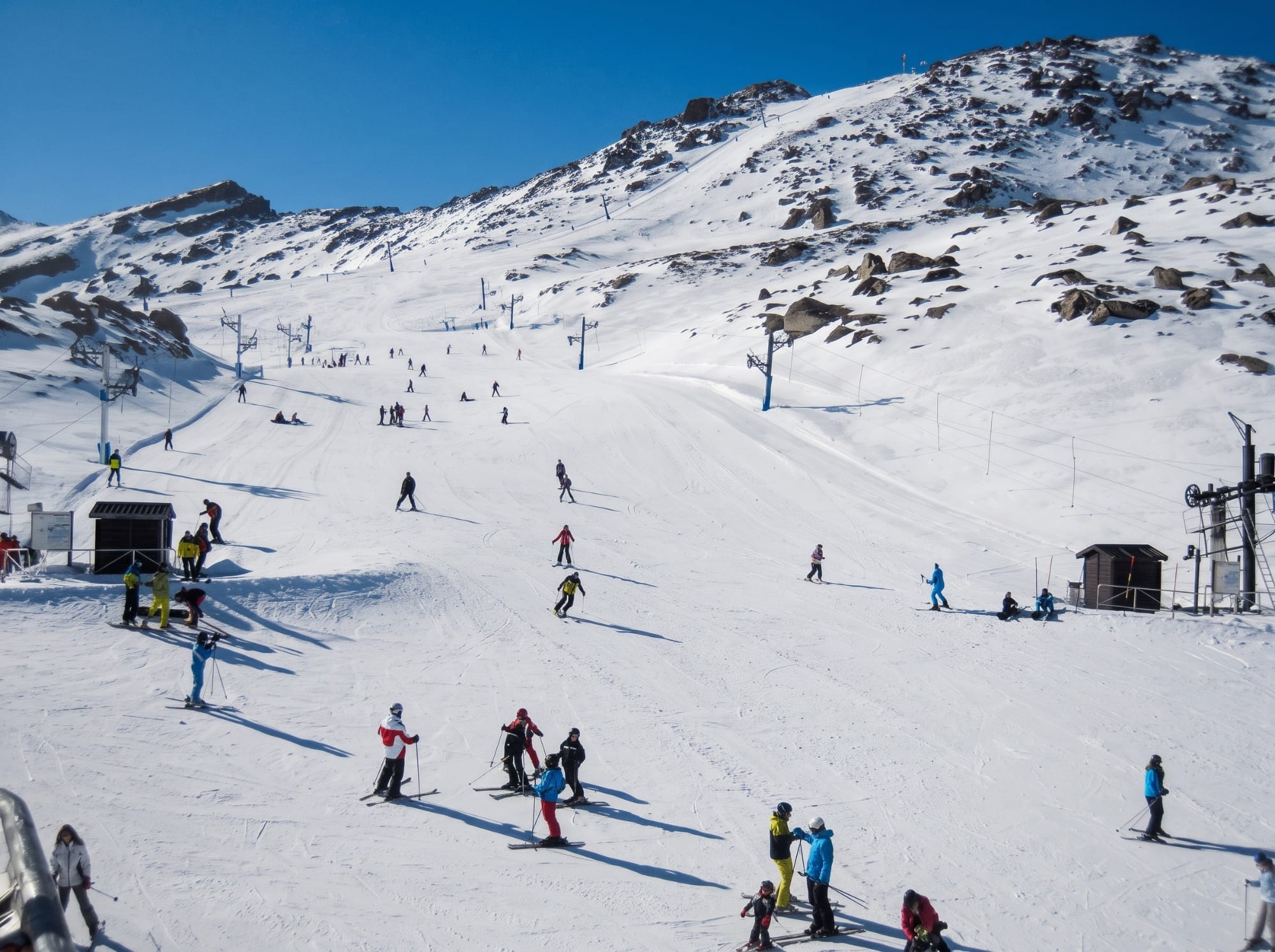
Alto Campoo is Cantabria's only ski resort. It sits in Brañavieja, about 140 km from Bareyo, roughly an hour and three quarters by car. It usually opens in early December if the snow cooperates and has around twenty runs for beginners and intermediate skiers.
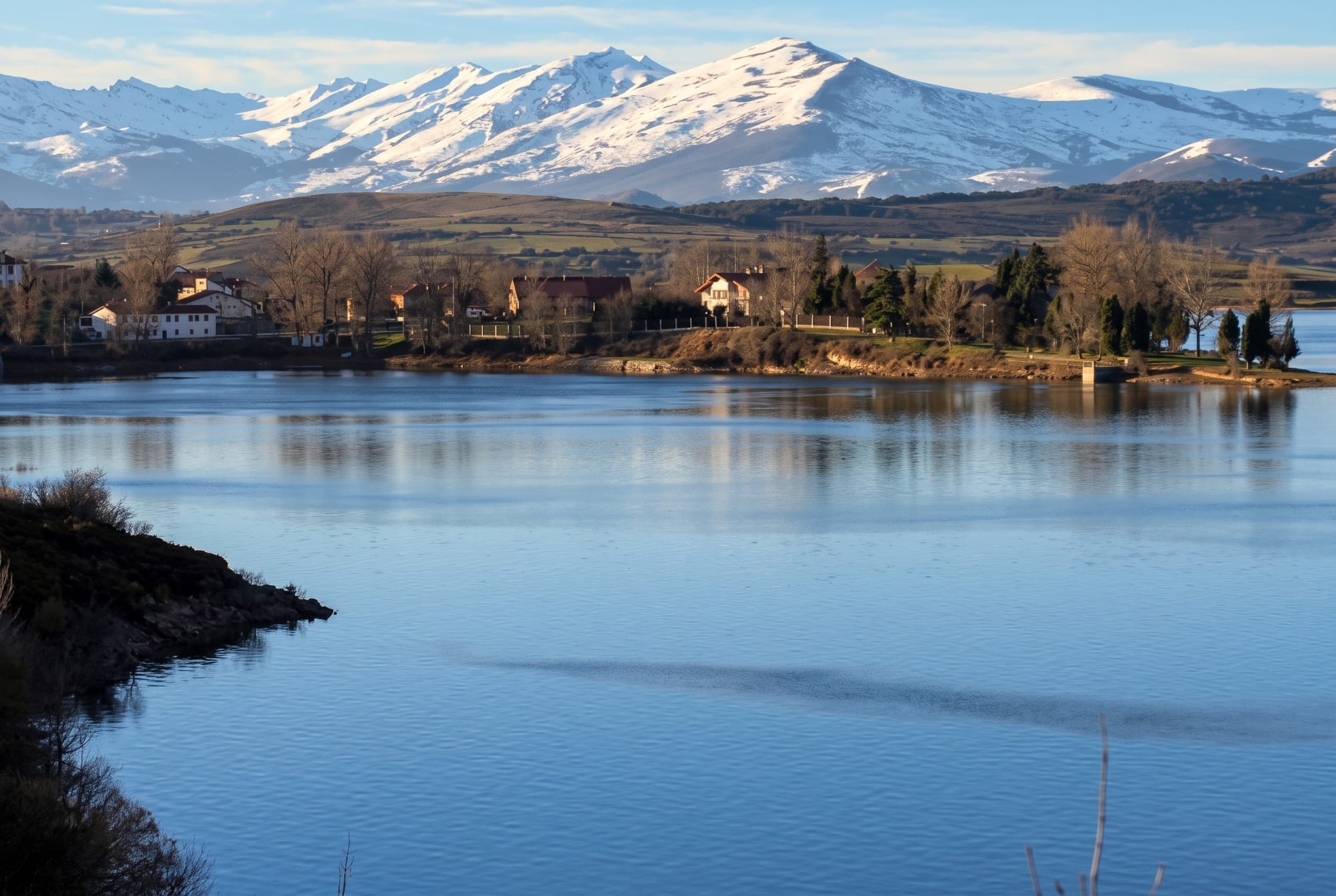
From the Trasmiera coast it's hard to picture, but there are ski slopes less than two hours from the sea. On clear winter days, the top of Alto Campoo looks out over a horizon of snow-capped peaks that has little to do with the beaches of Ajo or the estuary you left behind that morning. That combination, sea and snow in the same weekend, is one of Cantabria's quirks.
The resort sits at the head of the Híjar valley, in the municipality of Hermandad de Campoo de Suso, and is run by Cantur, the regional public tourism company. It isn't a big Alpine resort and doesn't try to be: it's an easygoing ski area with a family feel, where you can go and come back in a day.
In this guide we cover how to get there from Bareyo, what kind of runs you'll find, when there's usually snow and what to do if you don't ski or the weather won't let you get up there.
How to get to Alto Campoo ski resort from Bareyo
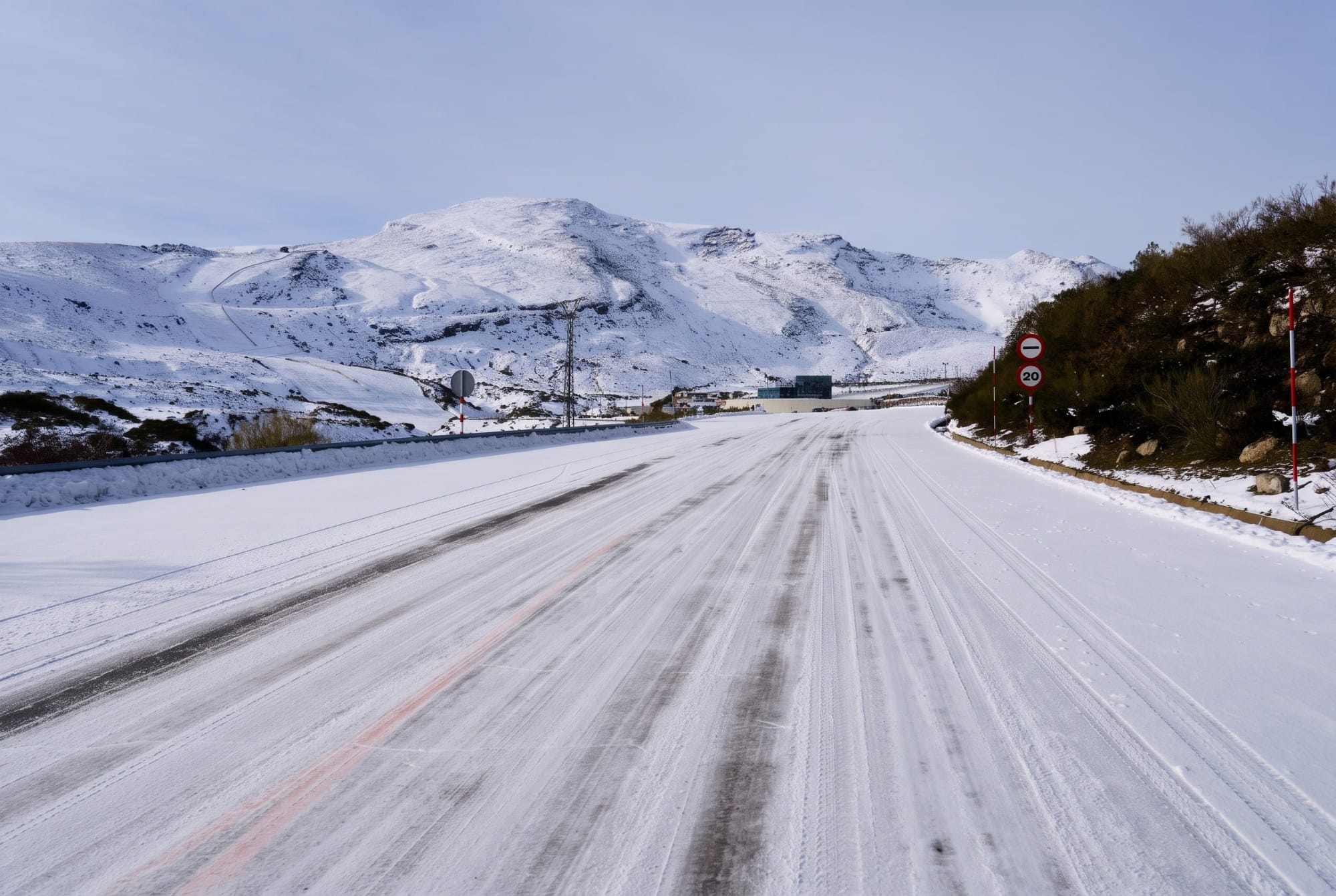
The most direct route takes the Cantabrian motorway (autovía del Cantábrico) towards Santander and, from there, the A-67 towards Reinosa. In Reinosa, take the CA-183, which climbs through Espinilla and the Híjar valley to Brañavieja, the small cluster of apartments and car parks one kilometre from the slopes. It's about 140 km in total; on a dry road, allow an hour and three quarters. The last few kilometres are mountain road and, after a snowfall, may require chains or winter tyres, so check road conditions before you leave and set off with plenty of fuel in the tank.
Runs, altitudes and levels
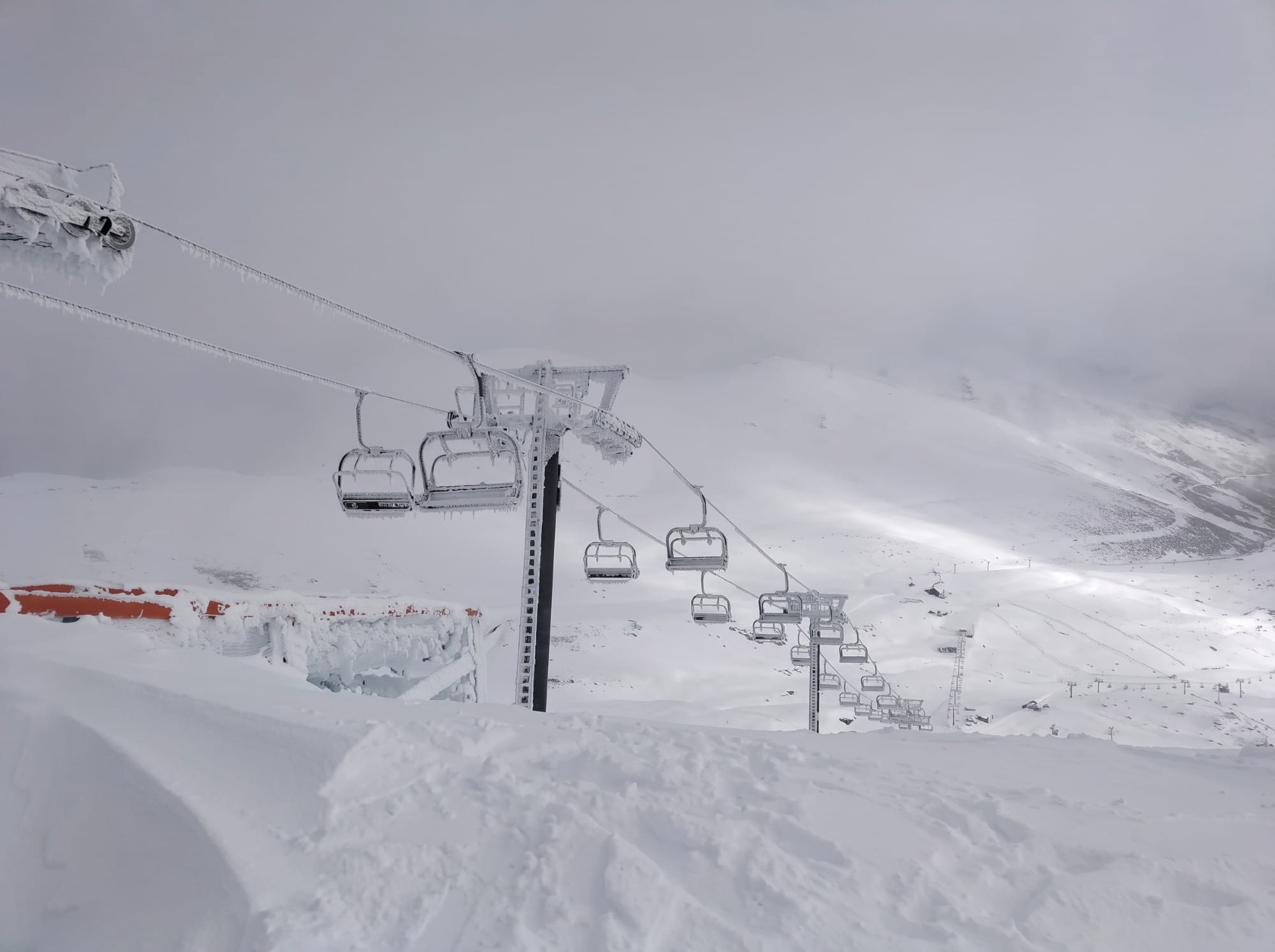
The ski area starts at around 1,650 metres and tops 2,100 at its highest point, below Pico Tres Mares, the ‘Three Seas Peak’, so called because its slopes drain into the Cantabrian Sea, the Mediterranean and the Atlantic. Figures vary by season and source, but the resort has around 23 runs and between 25 and 30 skiable kilometres, mostly blues and reds with a handful of greens for beginners. La Fuente del Chivo, at about 1,850 metres, is where you'll find the café and the on-mountain services. For intermediate skiers it's a very rewarding area; anyone after long, challenging pitches will get through it quickly.
“Alto Campoo doesn't compete with the Alps: the beauty of it is that you can have breakfast looking at the sea and be on the slopes before noon.”
When is there snow at Alto Campoo?
The season depends entirely on snowfall. The resort usually tries to open in early December, as it did in the 2025-26 season, when it opened on 5 December with about seven kilometres of runs and added more afterwards. January and February tend to bring the best conditions, and March can stretch the season if the winter has been generous. Being close to the sea, the snow here is wetter and more changeable than in the Pyrenees: an Atlantic storm can drop half a metre overnight and a spell of southerly wind can take it away in a few days. So the rule is simple: check the snow report the night before and check it again in the morning.
If you don't ski: snowshoes, walks and Reinosa
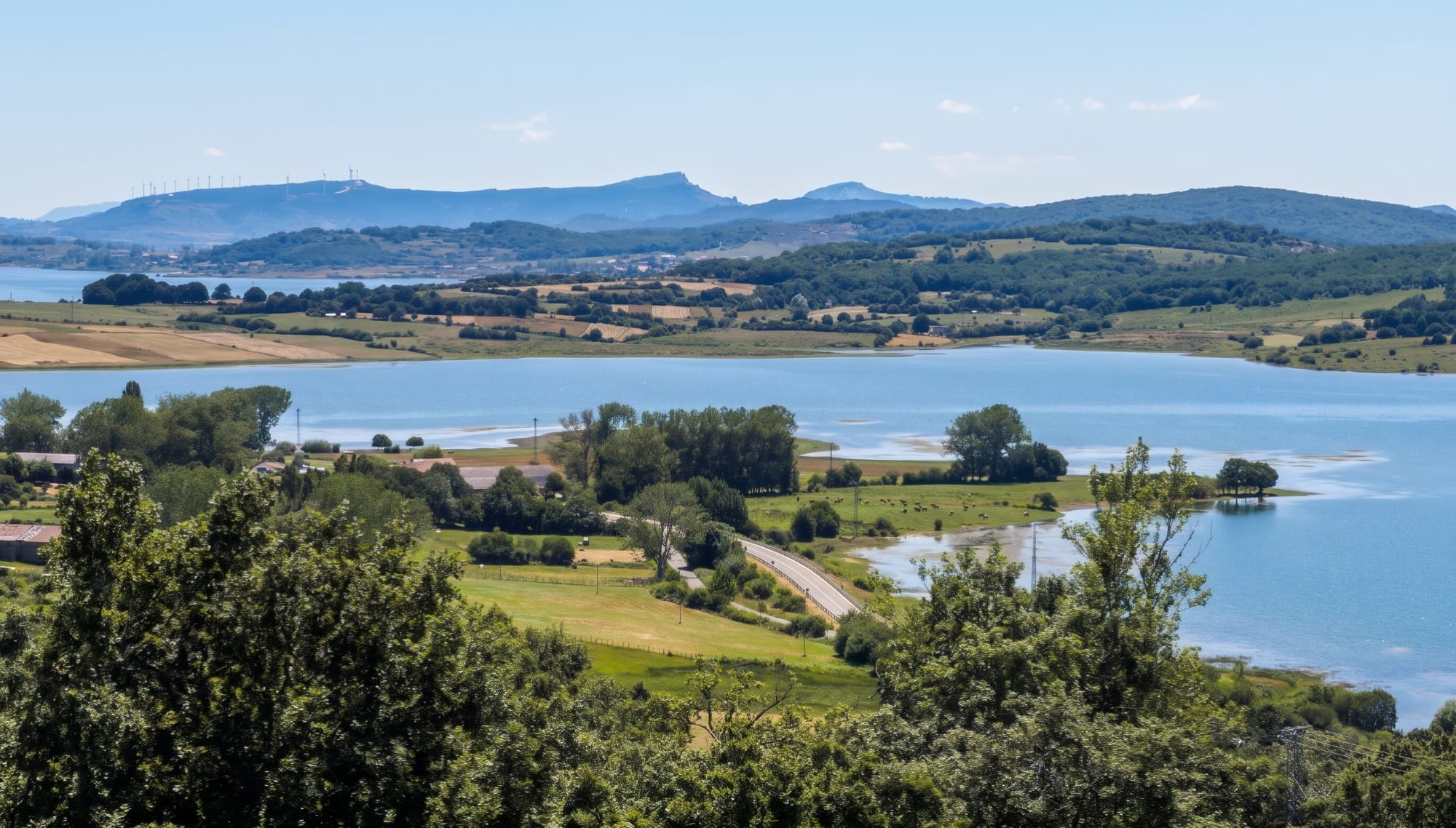
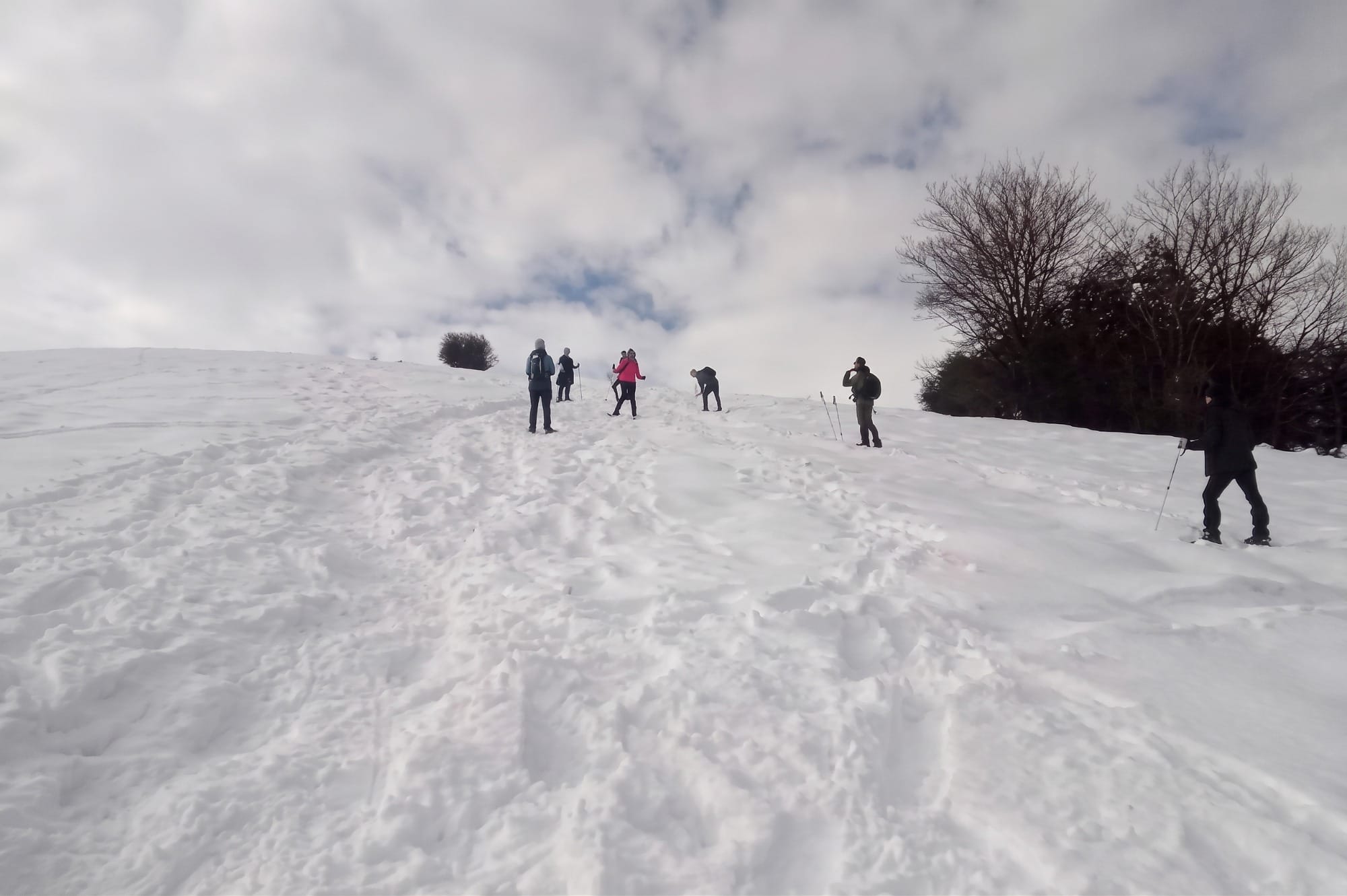
The resort isn't just for people on skis. Once the snow has settled, the area around Brañavieja and the Híjar valley is good for snowshoeing, ideally with a guide if you don't know the area or if there's a risk of fog. Without enough snow, the day can be reshaped: Reinosa is twenty minutes away, with its old town and houses bearing coats of arms, and the Ebro reservoir, with the Catedral de los Peces walkway, is close by. The Romanesque churches of Campoo, collegiate churches and chapels scattered through the valley's villages, round off an inland day that doesn't depend on the snow report.
What to know before going to Alto Campoo ski resort
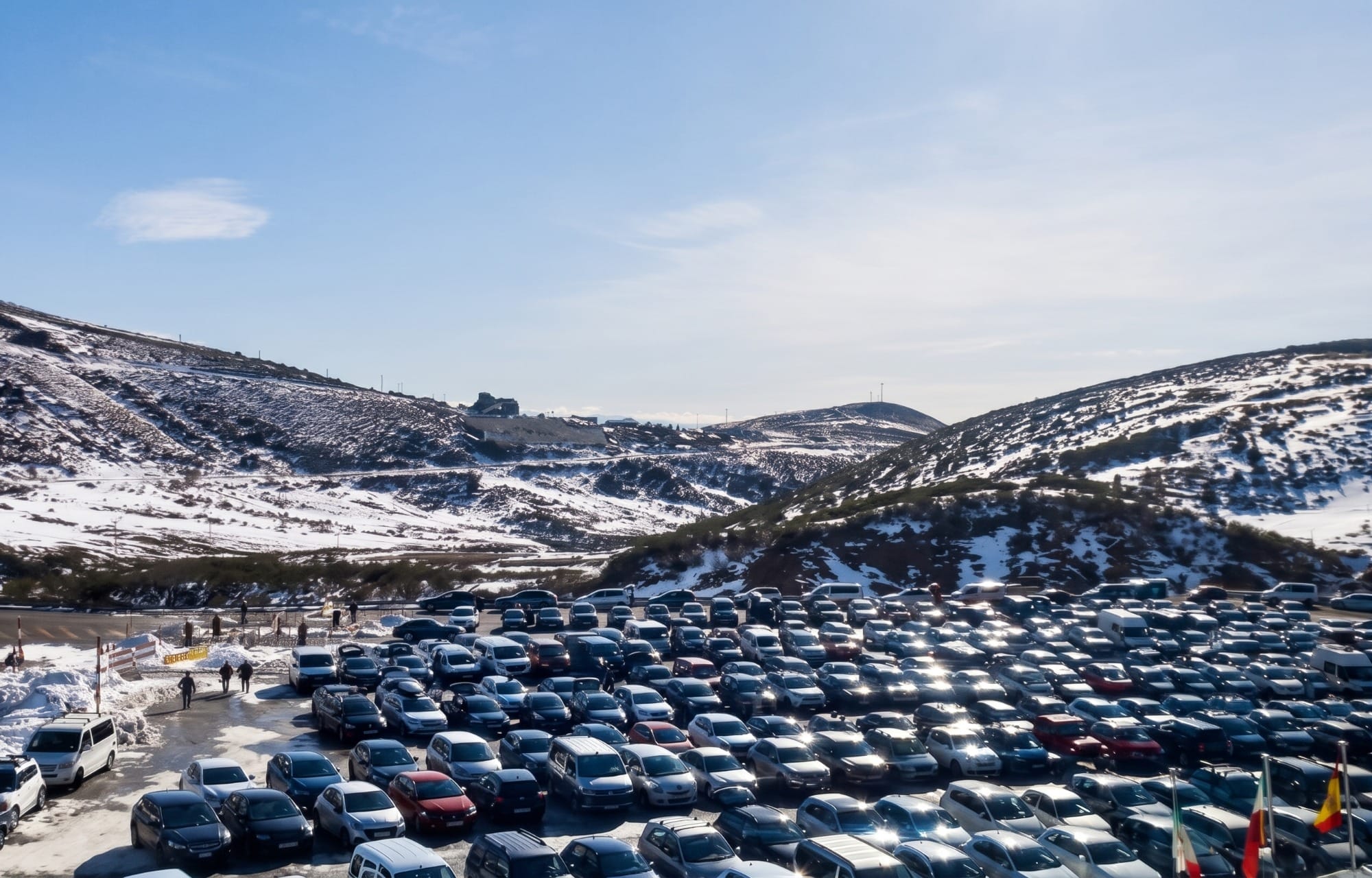
Before you set off, check the official Alto Campoo website for which runs and lifts are open and current prices; the resort sells lift passes at the ticket office and online. The child pass covers ages 7 to 12 and the adult pass 13 to 69, according to the conditions published by the resort. In Brañavieja there's parking, equipment hire and a ski school. Leaving early avoids queues at the hire shop and gives you some leeway if the road is tricky. At this altitude, the winter sun burns even when it's cold: goggles, sunscreen and lip protection. And if you're not sure what to pack, our guide on what to wear in Cantabria in autumn and winter will help you plan your layers for the mountains and the coast. Official information about the resort and the region's other public facilities is on Cantur.
From snow to sea in the same day
Coming back from the snow to the coast feels like a change of scene: you leave behind the dry cold of Campoo and, in under two hours, the air smells of salt again. A roomy house in Bareyo, with space to dry boots and gloves and a kitchen for a hearty stew, is the natural counterpoint to a day on the slopes. The next day, the tide and the empty winter beach await anyone who prefers a quiet walk.