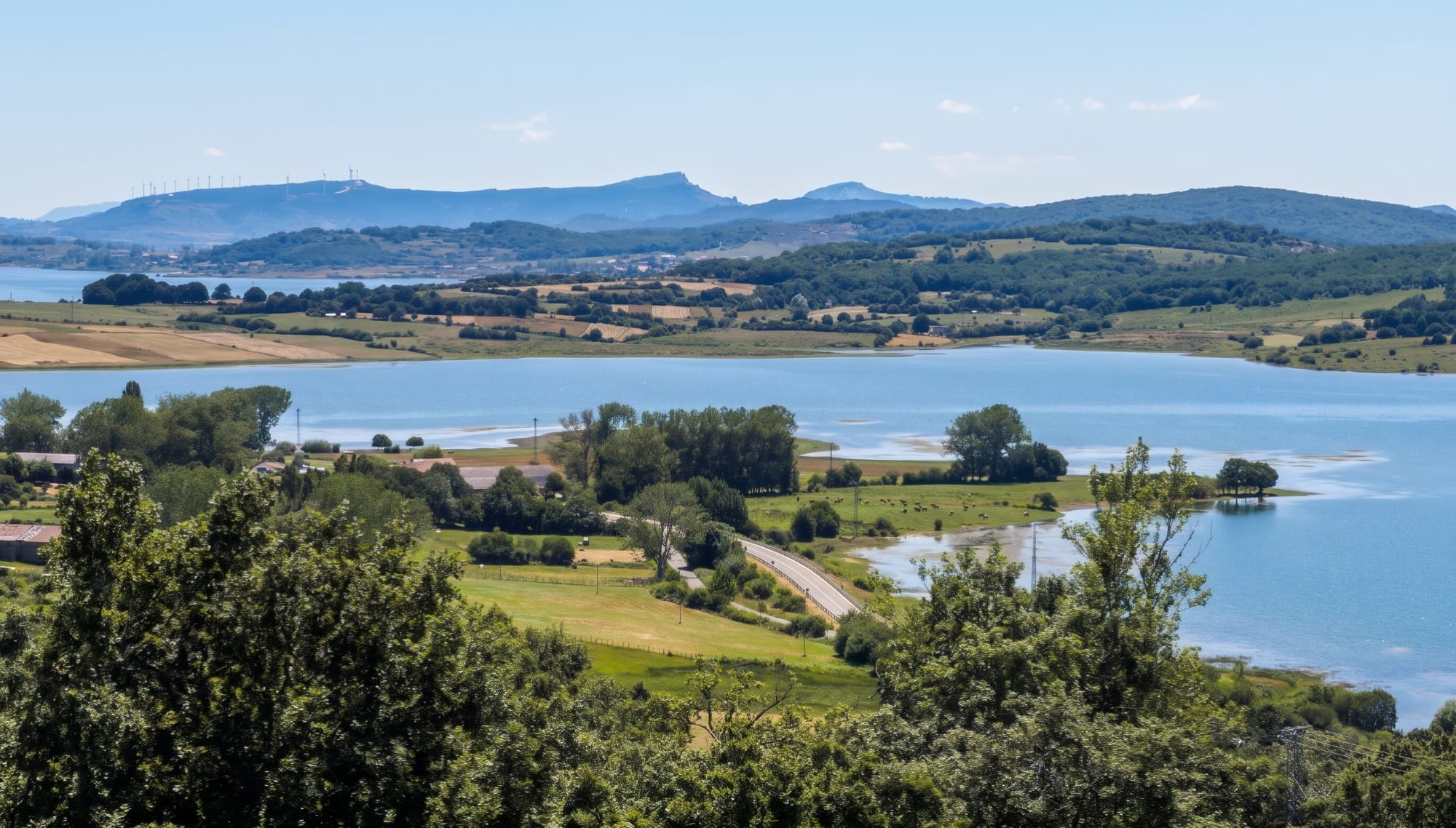
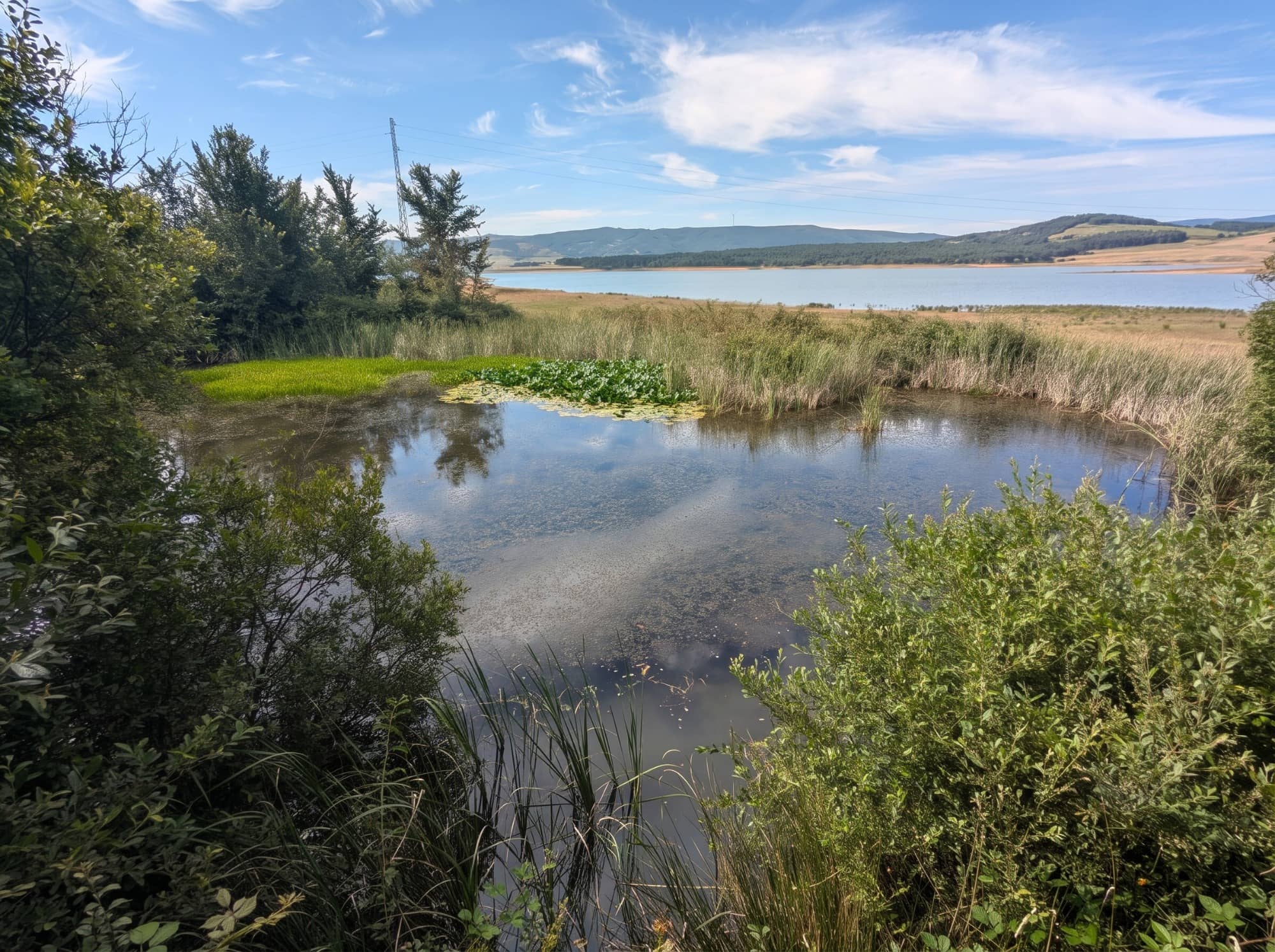
The Ebro reservoir is the largest body of fresh water in Cantabria: around 22 kilometres long and 6,253 hectares between Campoo and northern Burgos. In winter it's a refuge for waterbirds, and it makes an easy day trip from Bareyo: the submerged tower at Villanueva, the Corconte visitor centre and walks along the shore.
An hour and a bit from the Trasmiera coast, the landscape changes all at once. The estuary and the meadows running down to the sea give way to an open plateau more than 800 metres up, with a man-made lake so big that from some shores you can't see the far end. In winter it goes almost silent, with frost on the fields and flocks of ducks on the water.
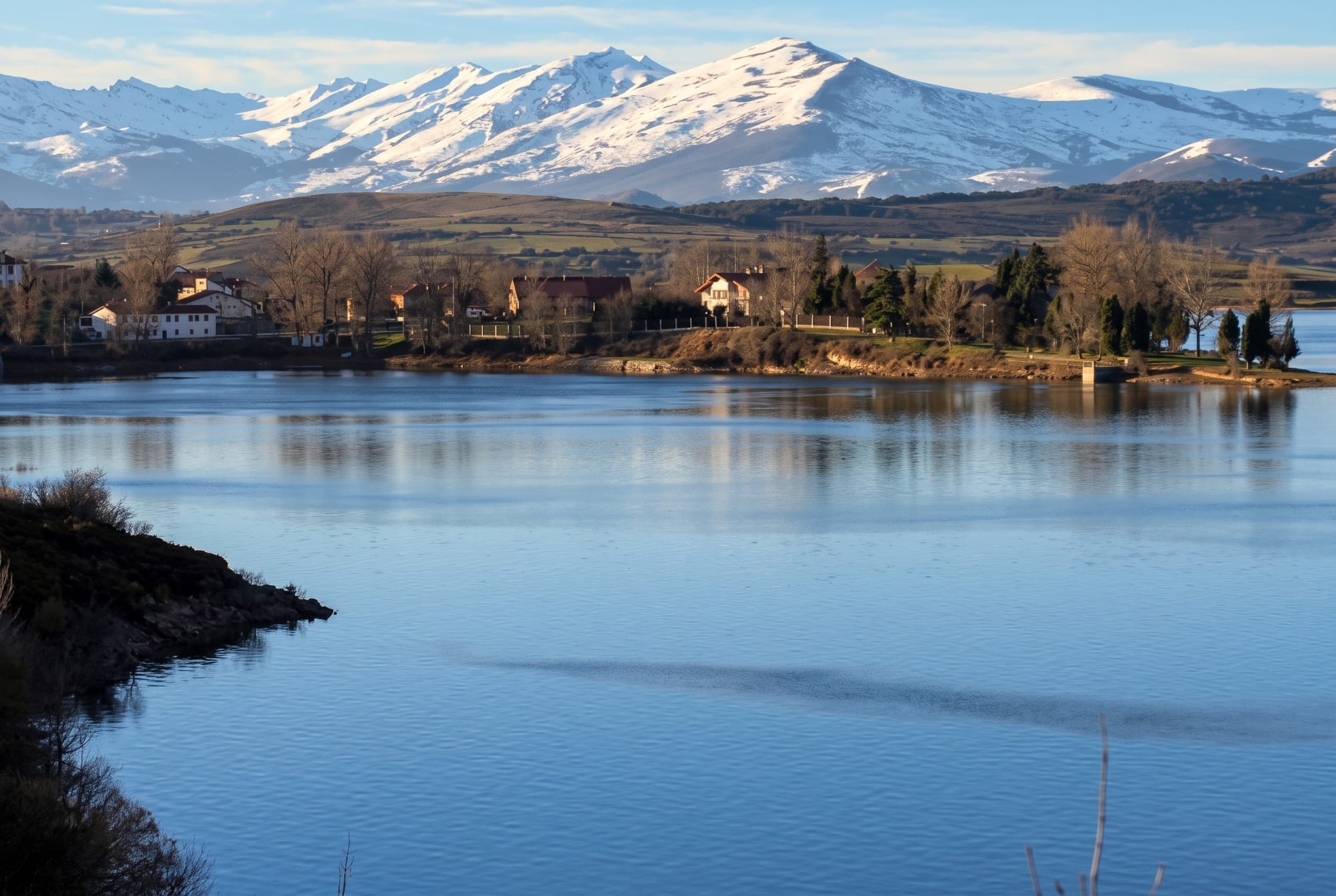
That's exactly the season we like best for going. There are fewer people, the light is clear once the fog lifts, and the wintering birds show themselves even if you're no birdwatcher. This guide covers what to see, where to stop and how to plan the trip so you're not any colder than you need to be.
What the Ebro reservoir is and where to find it
The reservoir holds back the upper Ebro a few kilometres after its source at Fontibre. According to Turismo de Cantabria, it can hold 541 cubic hectometres behind a dam 34 metres high, and it sits at about 838 metres above sea level. Around 70 % of the water surface lies in Cantabria, split between Campoo de Yuso and Las Rozas de Valdearroyo, and the rest in Burgos, where the main town is Arija. Construction dragged on from 1928 to 1947, and the water ended up covering several hamlets, among them Quintanilla, Bustamante, Medianedo and La Magdalena. That history gave the reservoir its most photographed landmark.
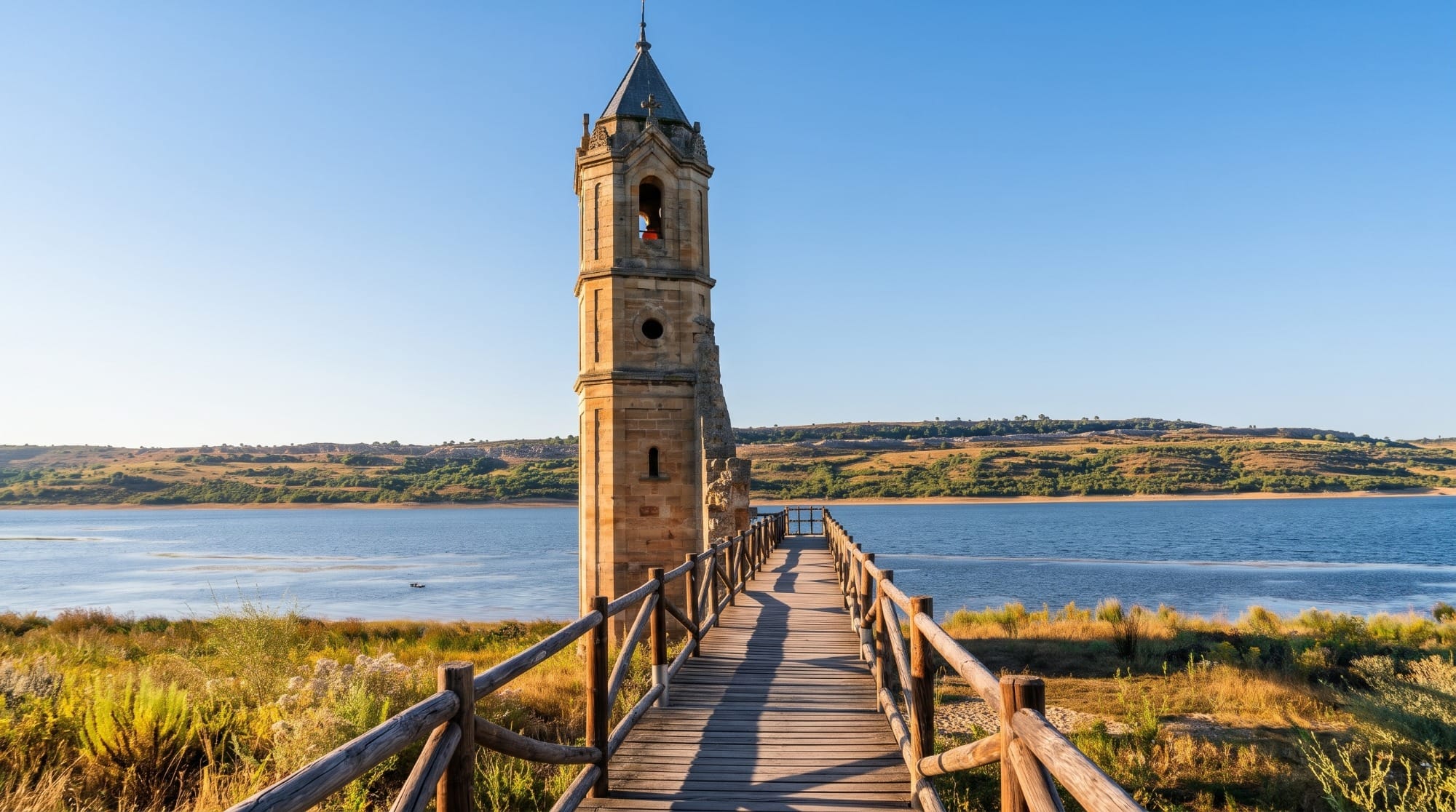
The Cathedral of the Fish: the tower of Villanueva de las Rozas
Only the tower survived from the church at Villanueva de las Rozas: it was tall enough to stay above the waterline. It's known as the Cathedral of the Fish (Catedral de los Peces), and today you reach it along a 54-metre wooden boardwalk from the shore. When the reservoir is high, the tower seems to float; when the level drops, remains of walls and the old layout of the village come into view. In winter the reflection on the still water is especially beautiful in the early afternoon, when the sun comes in low and from the side. It's a short stop, half an hour, but it sums up in a single image what the reservoir meant for the valley.
Birds of the Ebro reservoir in winter
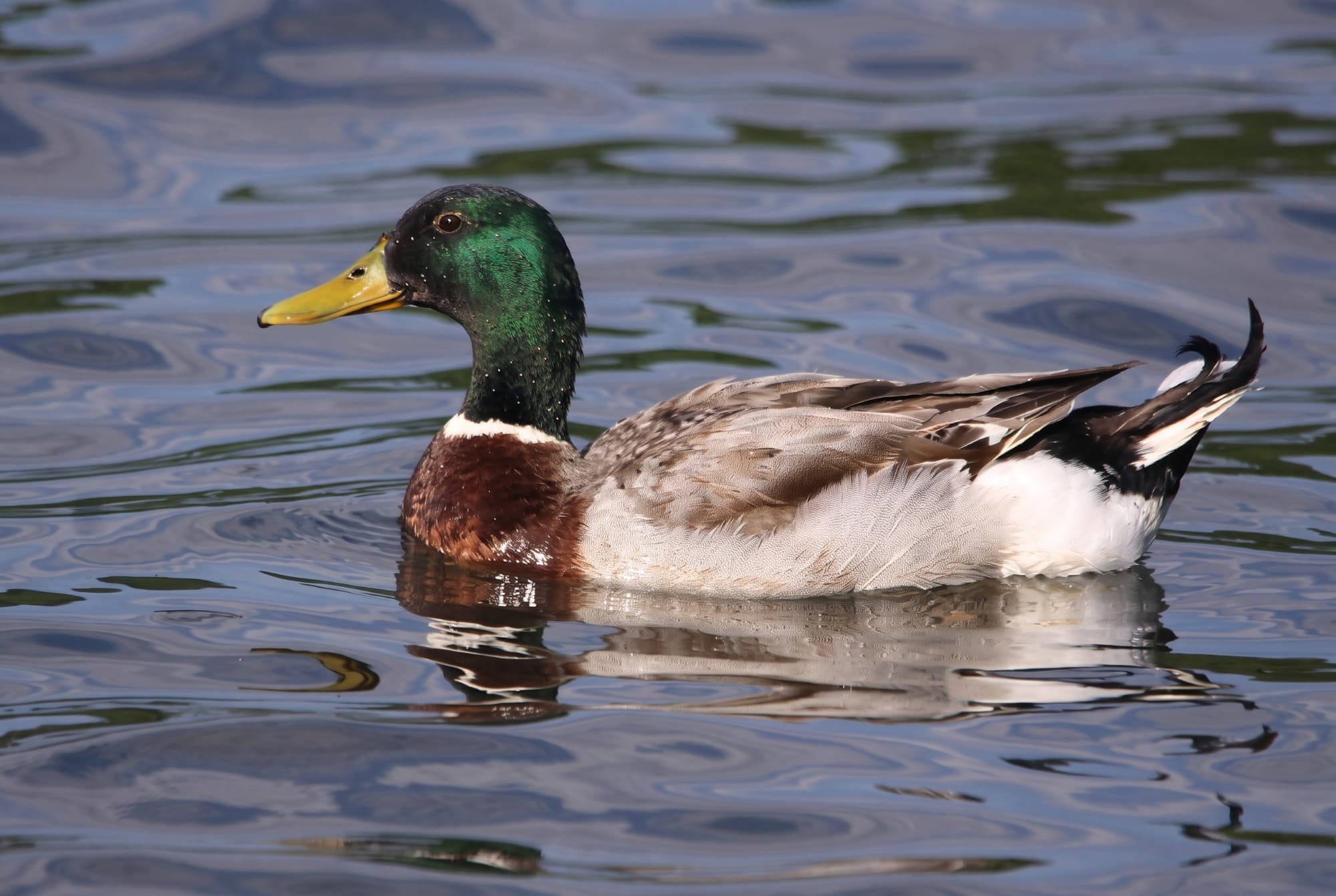
The reservoir is a designated National Waterbird Refuge and hunting is banned, which makes it a peaceful place for the species that come down from northern Europe to spend the winter. On eBird, the Arija observation point has more than 200 species recorded, and in the Burgos part of the reservoir alone the official wintering waterbird count of January 2024 tallied 3,240 birds. Among the easiest to spot are mallard, common teal, coot and pochards, plus herons and cormorants at the tail ends of the reservoir. A basic pair of binoculars is all you need. If this gets you hooked, note down the Santoña bird migration festival too: it turns the marshes twenty minutes from Bareyo into the best birdwatching spot on the coast.
Corconte and the north shore: visitor centre and walks
In Corconte, on the north-eastern shore, is the Ebro Reservoir Interpretation Centre, which offers guided or self-guided visits on the history of the project, the submerged villages and the wetland's wildlife. It's a good starting point on grim days. From there and from other lakeside villages, such as La Población or Arija, flat paths run along the water and make for one- or two-hour walks with no climbing. By bike you can ride a stretch of the circuit around the reservoir, although in winter the wind off the moor makes any long route hard going.
Getting there from Bareyo and when to go
From Bareyo there are two routes, depending on which shore you want to visit. For Corconte, the most direct is to head up the N-623 towards Burgos and over the Escudo pass; for Villanueva de las Rozas and the dam area, take the A-67 to Reinosa and then the local roads around the reservoir. Allow between an hour and a quarter and an hour and a half by car either way (an estimate; it depends on the route and the road conditions). In winter, mornings start with frost and fog: arriving mid-morning and staying until four gets you the best of the light. With snow or ice, check the state of the mountain passes before you set off.
Good to know
Distance: between an hour and a quarter and an hour and a half by car from Bareyo, depending on the shore. How long: a full day for the tower, the Corconte centre and a walk along the shore. Best time for birds: November to February, when the Ebro reservoir receives most of its wintering species. What to bring: properly warm clothes, hat and gloves, waterproof footwear and binoculars; at this altitude sub-zero temperatures are normal in winter. Fishing and boating: fishing only with a licence and in the designated beats during the open season, and boats need a special permit. Before you go: check the opening hours of the Corconte interpretation centre and the state of the mountain roads.
“In winter the Ebro reservoir belongs to the birds, and to anyone who knows how to wait with a pair of binoculars and a flask of coffee.”
Coming back from the Campoo moorland to the coast means dropping, in little more than an hour, from dry cold and still water to the mild damp of the Cantabrian Sea. That double Cantabria, inland lake and open sea, is one of the reasons Bareyo works so well as a base: you head for the mountains in the morning and come back in the afternoon to a quiet spot by the Ajo estuary.