In Cantabria, from October to March, dress in layers: a long-sleeved base, a fleece or sweater, a hooded rain jacket and shoes that can handle water. Temperatures are mild, but it rains often and the coastal wind feels colder than the thermometer says.
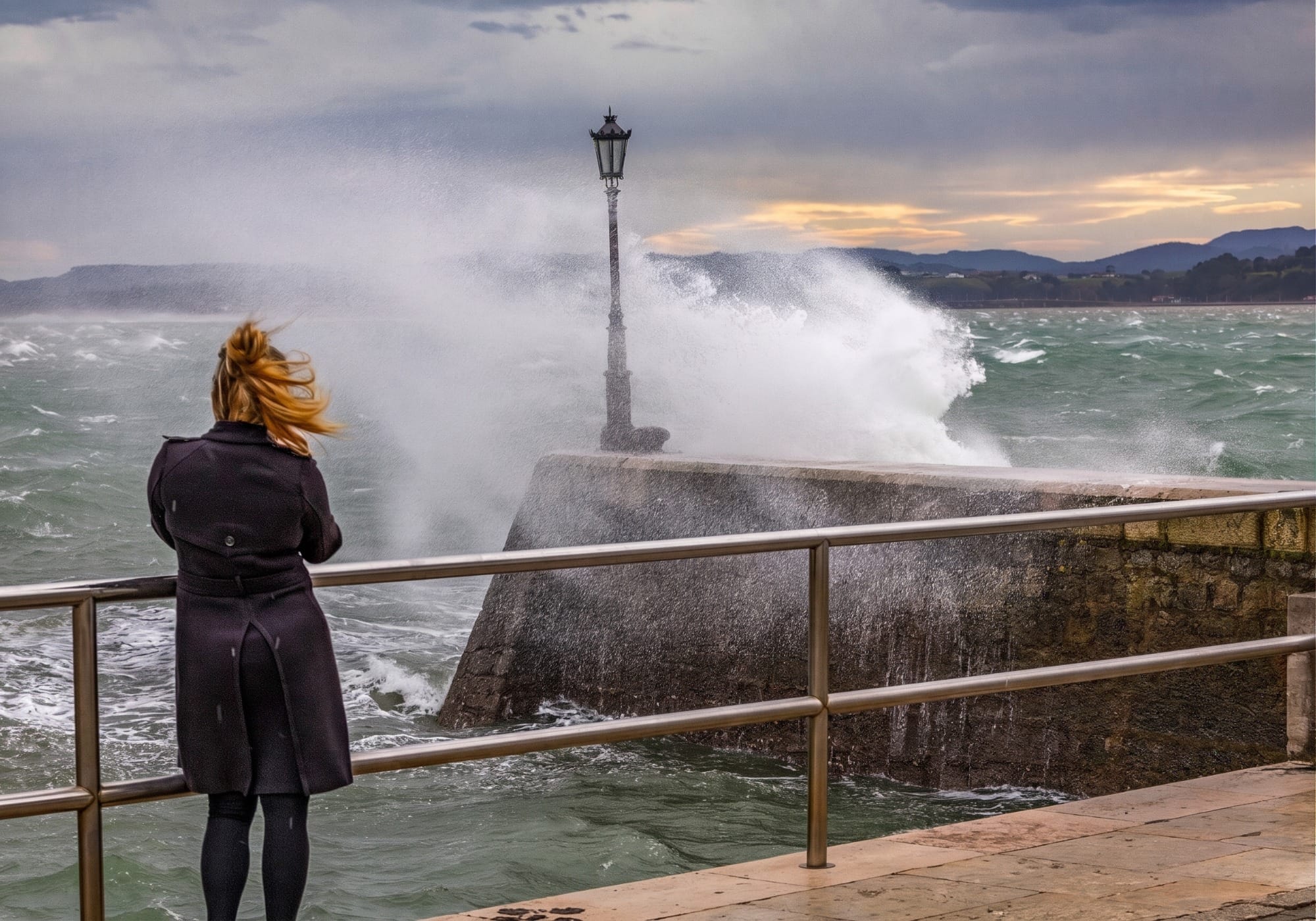
People packing for Cantabria in autumn or winter usually make one of two mistakes: bringing too heavy a coat, thinking of the cold of the Spanish plateau, or bringing almost nothing waterproof, thinking of a mild north. Neither works. The cold here is moderate and almost never extreme; what wears you down is the damp.
This guide is for trips from October to March and focuses on what you will actually use: which clothes, which shoes and which small extras keep an afternoon of coastal rain from ruining your plans.
What to wear in Cantabria in autumn and winter: the layering system
Santander's climate is oceanic and mild. According to the normal values from AEMET for Santander airport, November averages around 13 °C and December around 11 °C, with more than 100 mm of rain a month in both cases. Exact figures vary by station and reference period, but the idea holds: not much cold, a lot of water.
That favours layering. A long-sleeved shirt as a base, a fleece or knit sweater on top, and an outer jacket that blocks wind and rain. With three thin layers you can handle a sunny midday at the beach and a foggy afternoon at a mountain pass, putting them on or taking them off as needed. A single thick coat forces you to choose between being too hot or too cold.
The rain jacket: the item you will use most
If you can only pick one good piece, make it a hooded rain jacket. Breathable is better than plastic: walking in clothes that don't let sweat out leaves your base layer as soaked as the rain would. A light, packable windbreaker with a membrane fits in a backpack and solves most days.
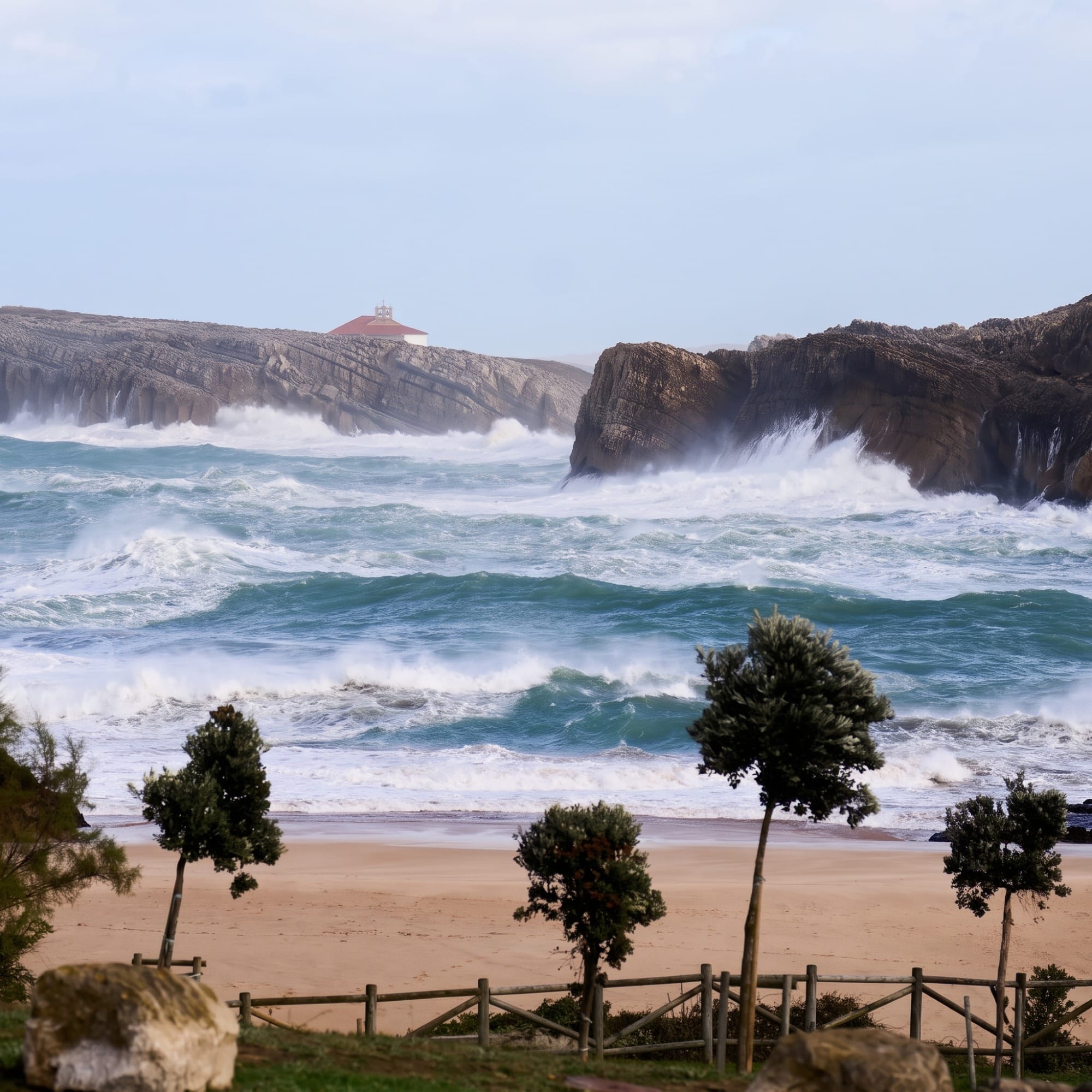
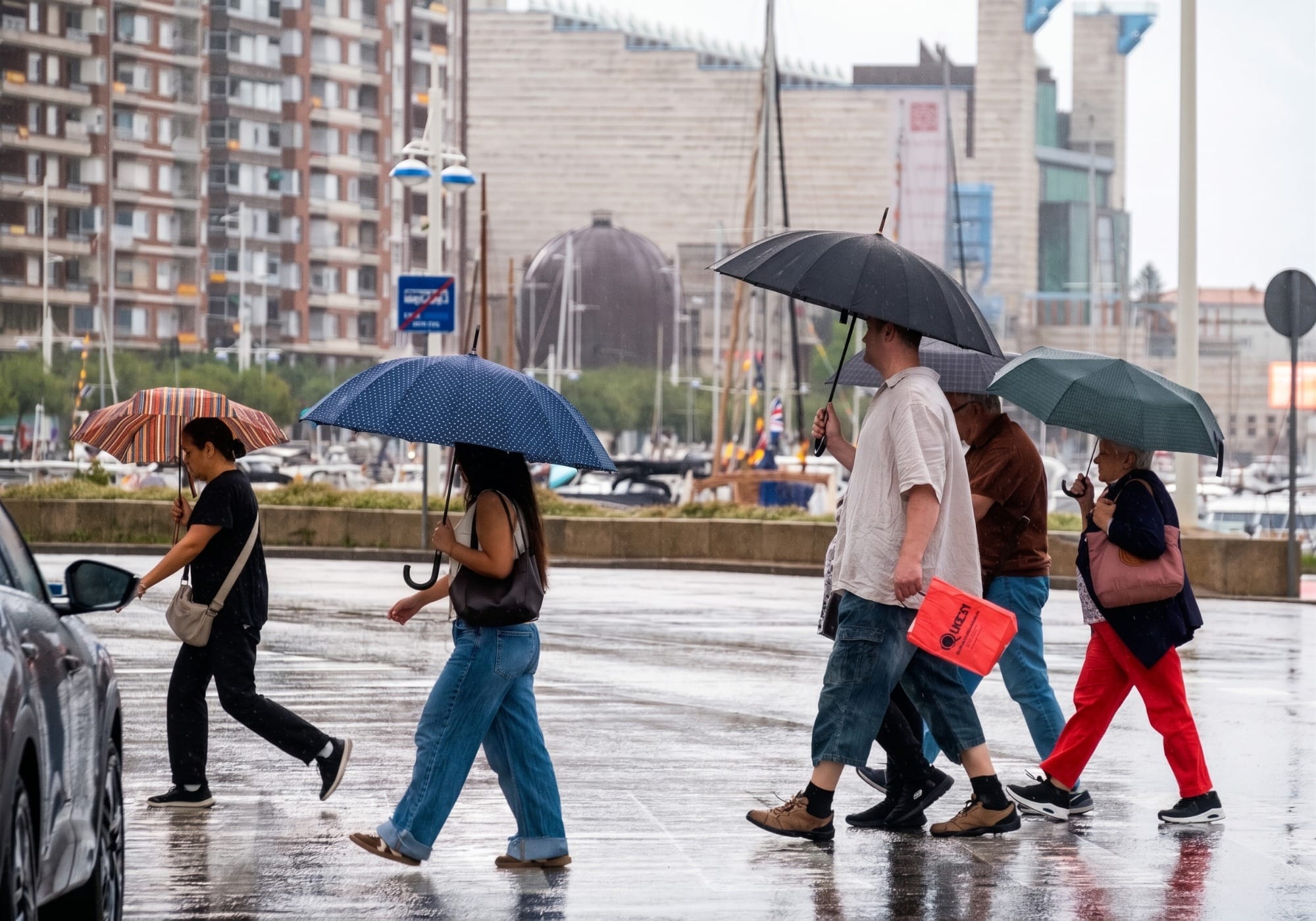
An umbrella works in towns and cities, but on the coast the wind takes it apart easily. For a stroll along the seafront or a cliff trail, a hood is more practical. If your plan involves watching the sea during a storm, first check how to read the weather warnings in Cantabria and decide calmly.
Footwear: what you notice most at the end of the day
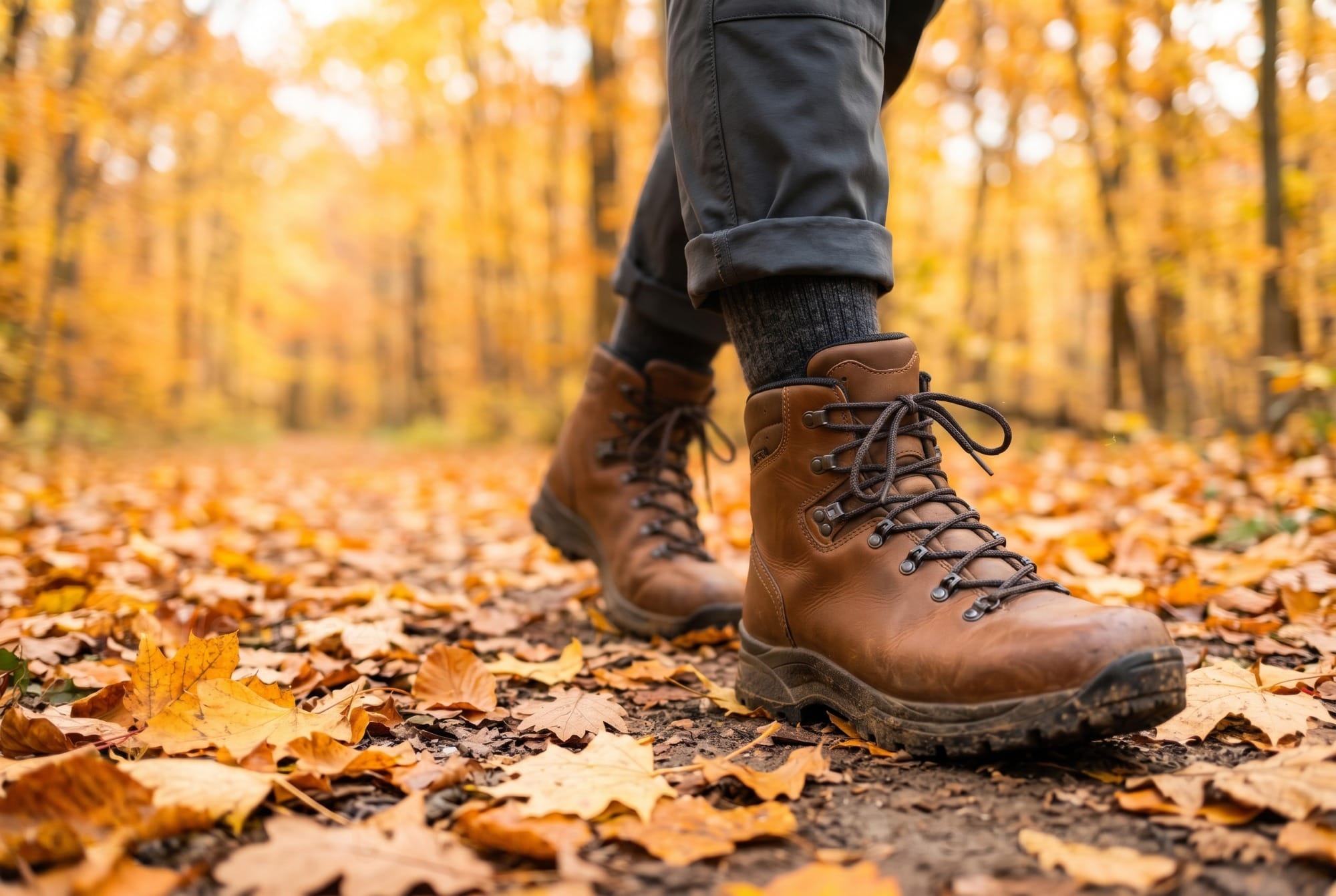
Canvas sneakers soak through in five minutes on wet grass. For an autumn or winter getaway, bring shoes that hold up against water: light hiking boots if you will walk on dirt paths, in forests or on marshland, and waterproof-membrane sneakers or city boots for the rest of the days.
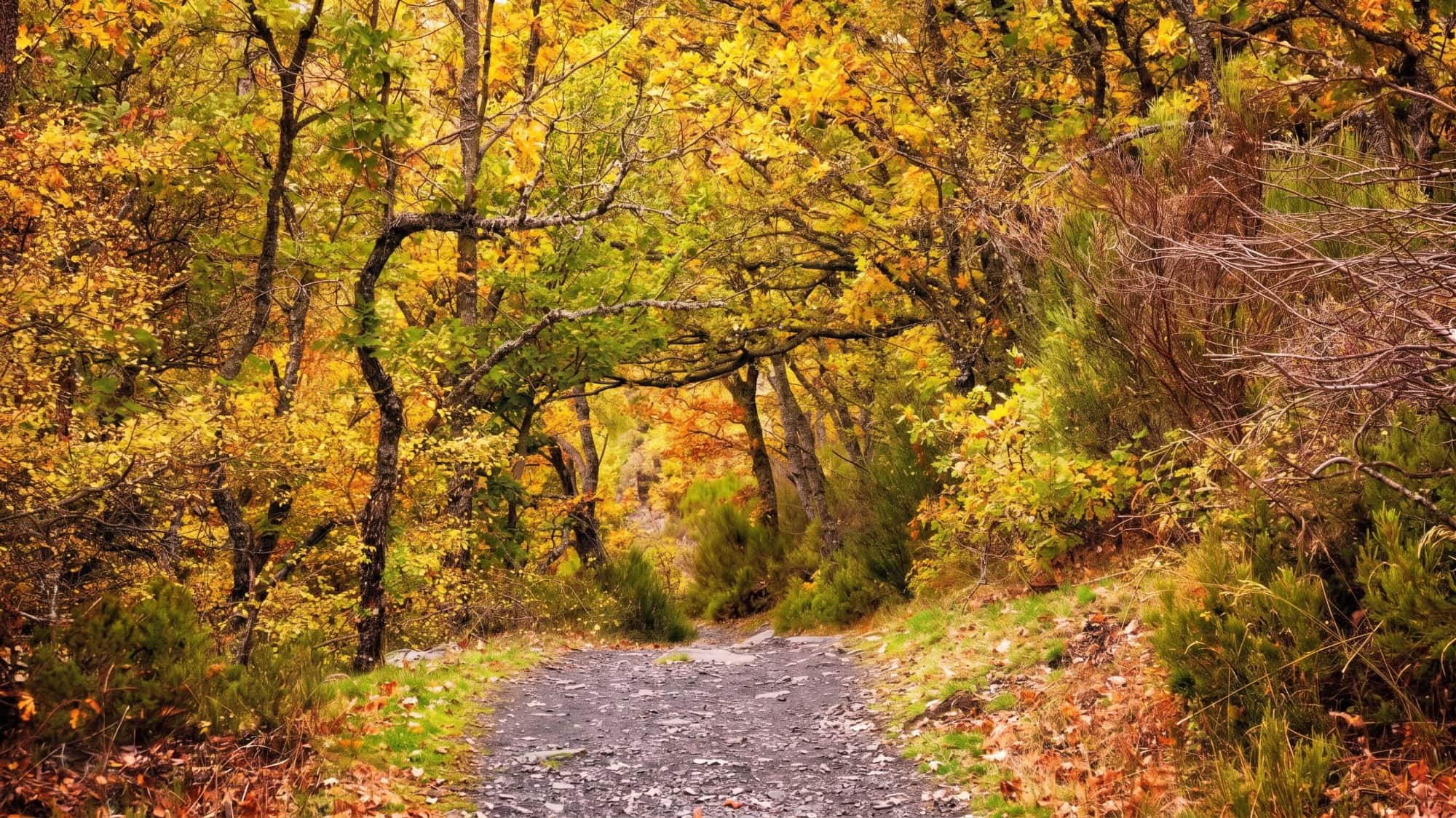
A good tread matters more than it seems. In autumn, wet leaves and mud make trails slippery, and the paving stones along the seafront become dangerous in the damp. Thin wool or technical-blend socks, and a spare pair in your backpack or car, are a small detail you will be very glad of when a foot gets wet.
Small accessories that make a difference
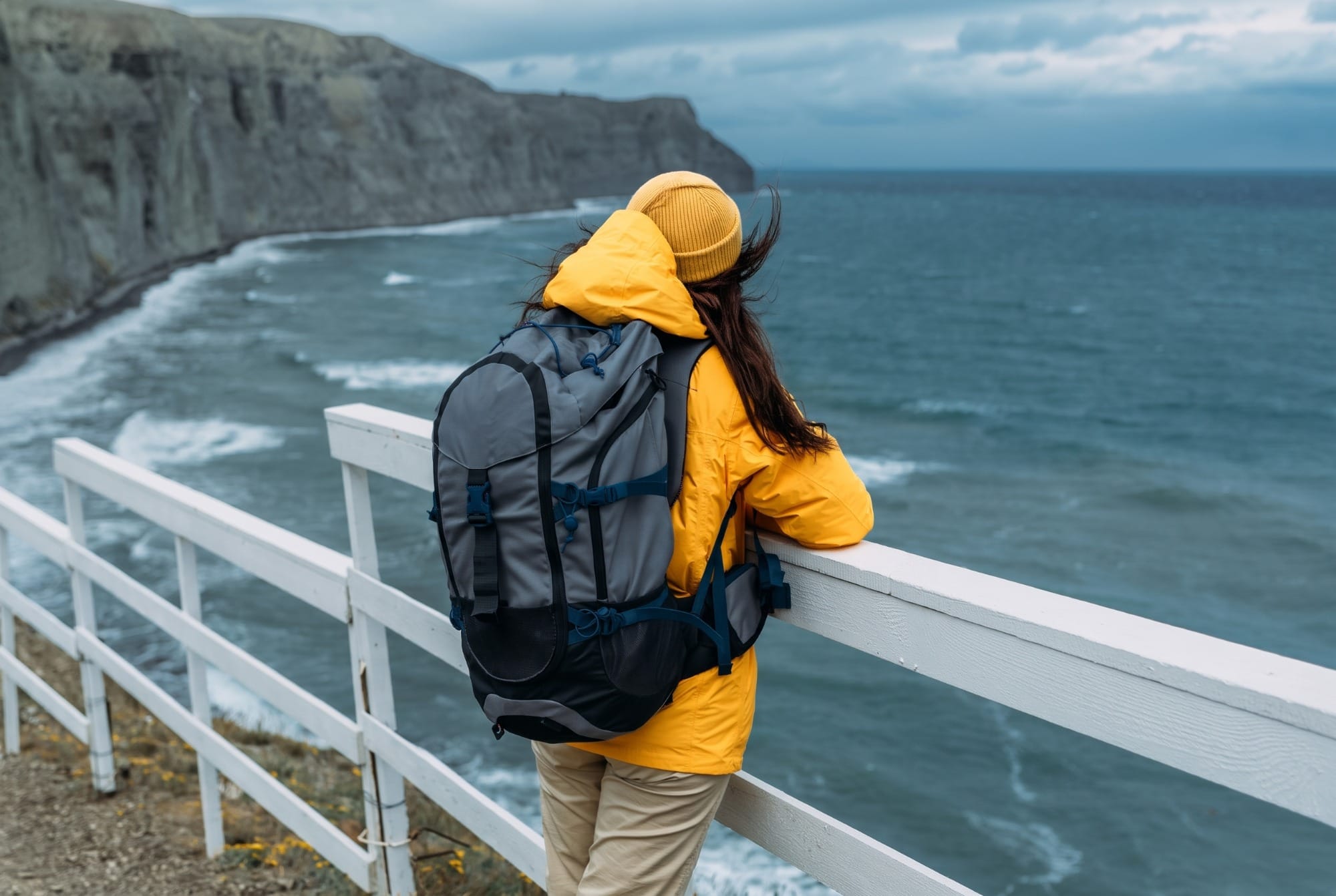
A thin hat and light gloves weigh almost nothing and change how the temperature feels at viewpoints, lighthouses and coastal walks, where the wind blows unobstructed. A buff or neck gaiter works as a scarf and covers your ears.
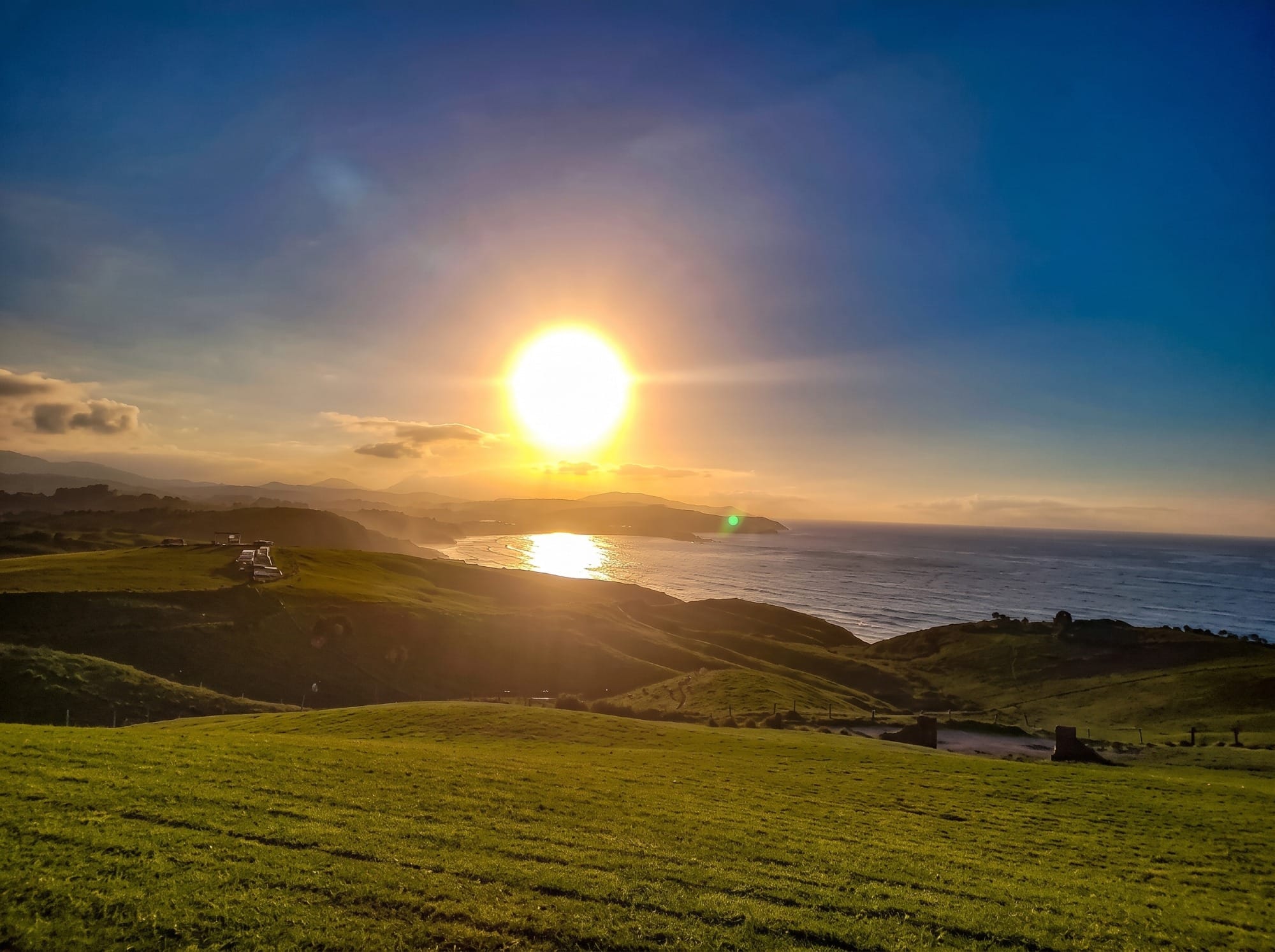
A small backpack with a waterproof cover, or a plastic bag inside it, protects your phone and camera. And a full change of shirt in the car saves you from going home wet after a hike. Sunglasses have their place too: on clear November days the low sun dazzles, especially when driving back in the afternoon with the road ahead of you.
What you need to know
Approximate average temperature: about 13 °C in November and about 11 °C in December in Santander, according to AEMET normal values; it is colder inland and at altitude. Rain: abundant, spread throughout the month. Key item: breathable hooded rain jacket. Footwear: waterproof boots or sneakers with a good sole. For the mountains: add a thermal layer and keep in mind that it gets dark early, around 18:00 in November. Before heading out, always check the AEMET forecast for that day and that specific area.
«In Cantabria the cold rarely scares you; what really matters is not getting wet.»
When the weather doesn't cooperate, the best part of spending the day outdoors is coming back. In Bareyo, after a walk along the coast or through the valley, the house is where boots get dried, the rain jacket gets hung up and dinner is unhurried while you decide tomorrow's plan. The right clothes won't make it rain less, but they make a rainy day still a good day.