Before heading out in Cantabria in bad weather, check the AEMET weather warnings for the province. Yellow calls for attention, orange means significant risk and red means extreme risk. If there's a warning for coastal phenomena, stay away from cliffs, breakwaters and seafront promenades, even if the sun is shining where you are.
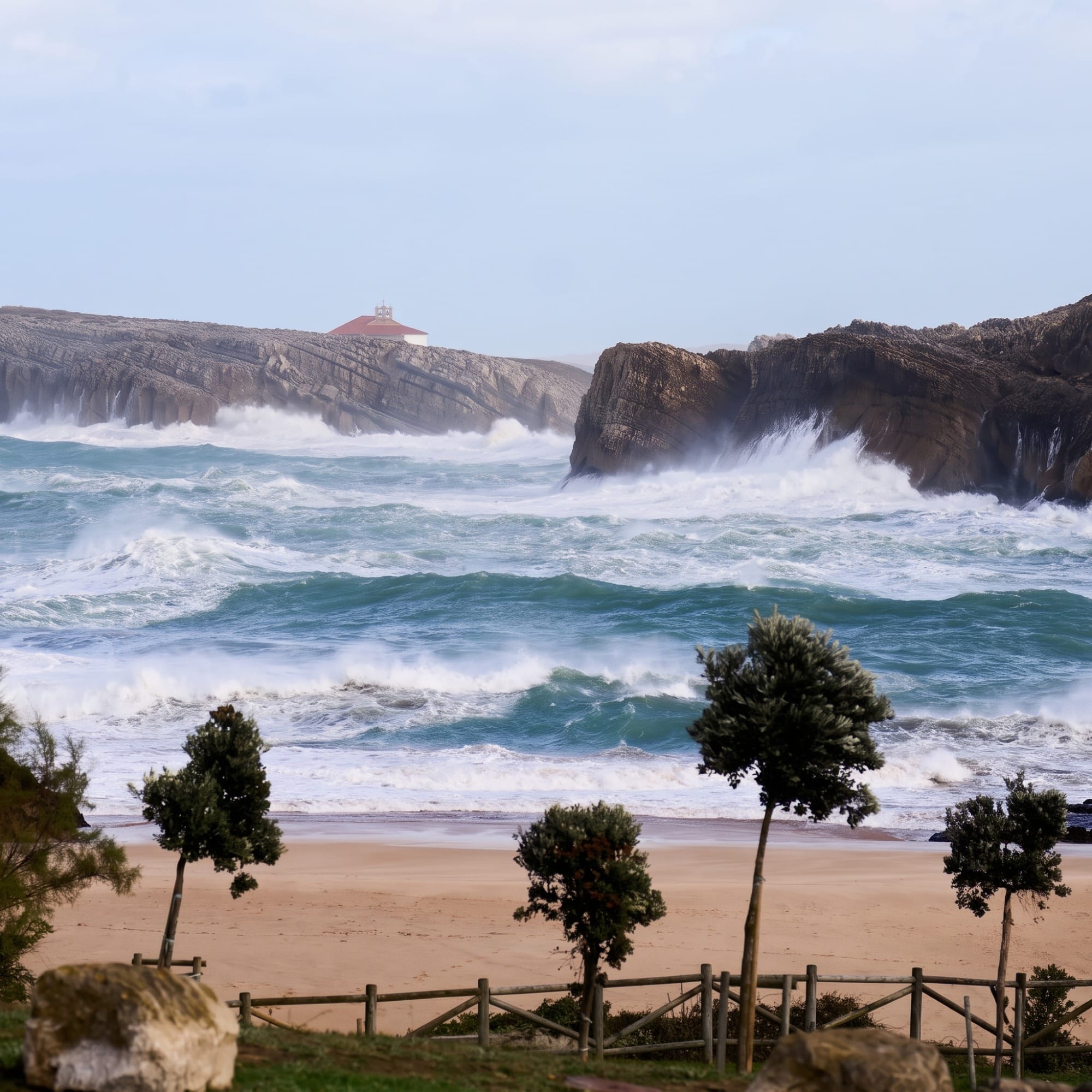
Autumn and winter on the Cantabrian coast bring days of fine drizzle and others of real storms. The difference matters: the same walk along the coast can be a pleasant plan or a bad idea depending on the sea that morning.
You don't need to be a meteorologist to decide well. It's enough to know where to look, what each colour means and what changes in your plans when a warning appears. This guide sums up the essentials for anyone staying near Bareyo who wants to get around the coast and mountains sensibly.
The three colours of weather warnings in Cantabria
AEMET works with the Meteoalerta plan, which reports adverse phenomena up to 72 hours in advance and tracks how they develop. Warnings are issued by zone and by type of phenomenon, and are ranked in three levels.
Yellow: no risk to the general population, but there is for some specific activity or for anyone in an exposed place. Orange: significant risk; it's best to change or postpone outdoor plans. Red: extreme risk; the recommendation is not to expose yourself. What's useful is always to look at the type of phenomenon, not just the colour: rain, wind, snow or sea.
Coastal phenomena: the warning that affects the coast most
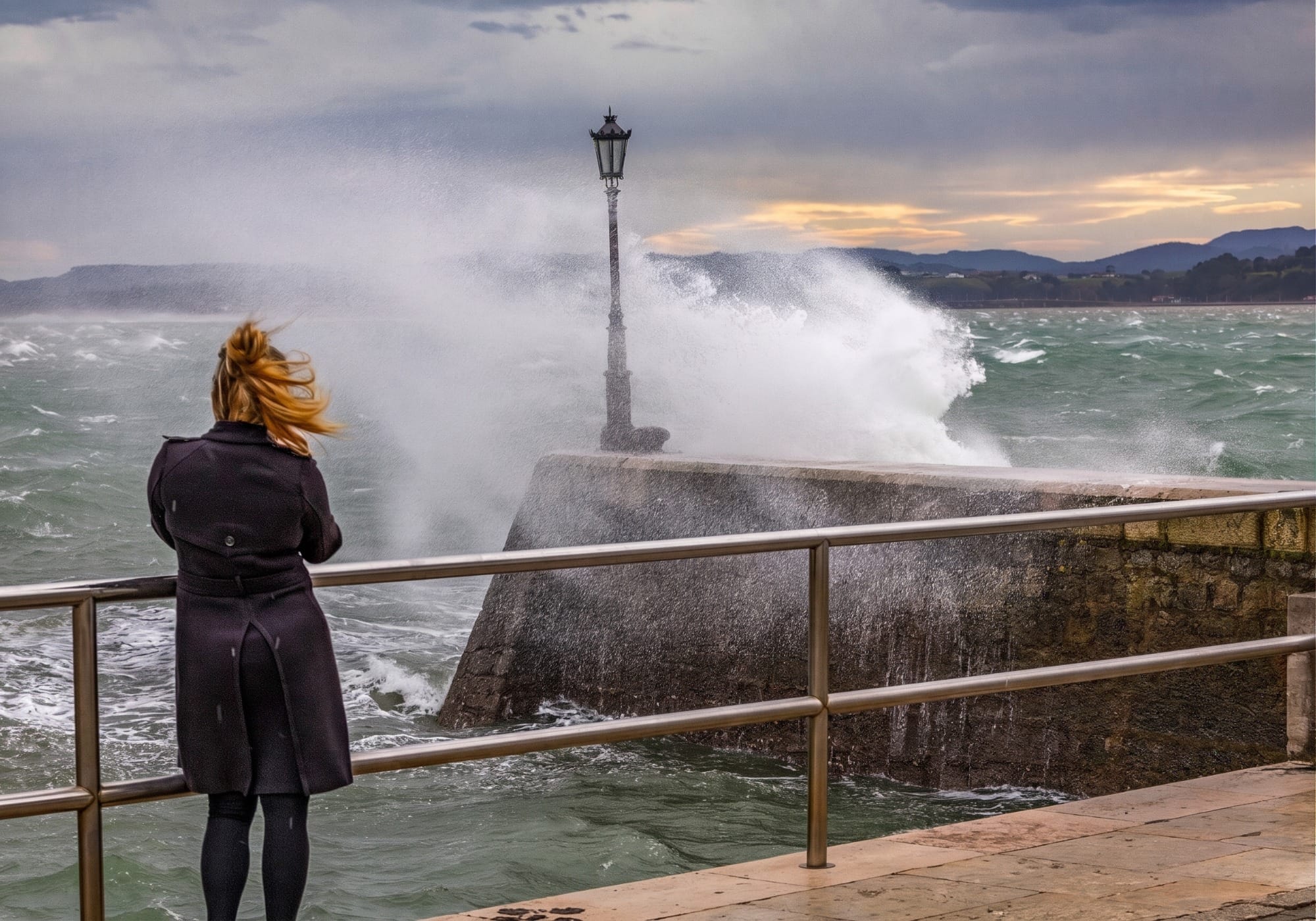
On the coast, the key warning is the one for coastal phenomena, issued when swell or wave height outside the normal range is forecast. It can be in force even when it's a calm day inland, and that's the trap: a clear sky is deceptive.
In late January 2026 there was a red warning for coastal phenomena on the Cantabrian coast, with a combined sea forecast of 8 to 10 metres according to AEMET, which advised against going near the front line of the coast because the sea can reach seafront promenades and nearby areas. When warnings like that are issued, forget the sea viewpoints and the long beaches.
The warning usually states the time window and the expected wave height. Note them down: often the worst moment comes with the afternoon high tide, and in the morning the sea may still allow a short walk. Even so, if in doubt, don't go near the edge and choose an inland plan.
Spring tides and storms: the combination to avoid
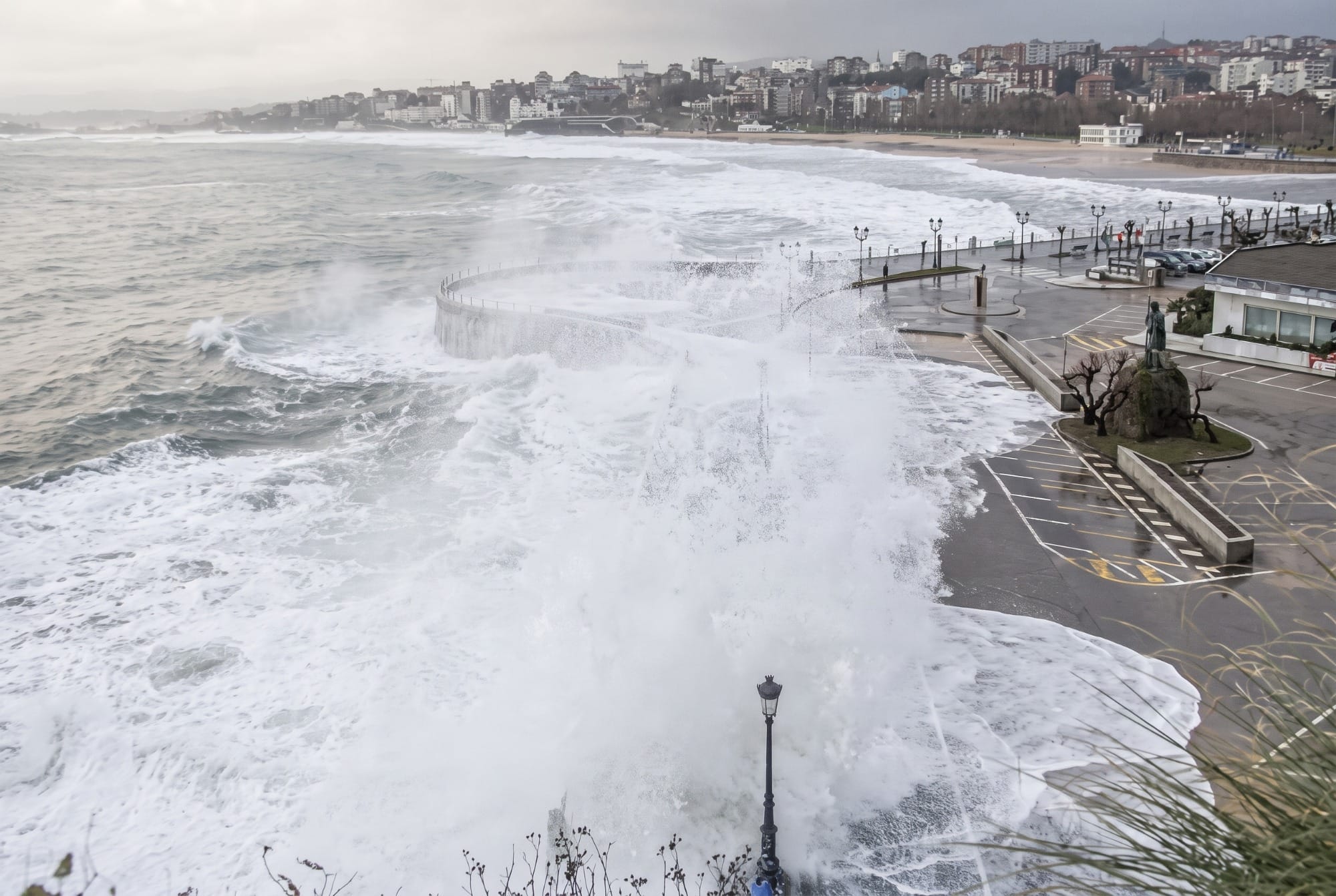
Waves become more dangerous if they coincide with a spring high tide, because the water reaches higher and further than you'd expect. That's why, before walking on a beach or breakwater in winter, also check the tide table.
In our guide to tides on Cantabria's beaches we explain how to read it. If what draws you is the spectacle of a rough sea, enjoy it from a distance and from a high, safe spot: don't lean over a cliff or cross a promenade that the waves are reaching.
Rain, wind and fog on the road and in the mountains
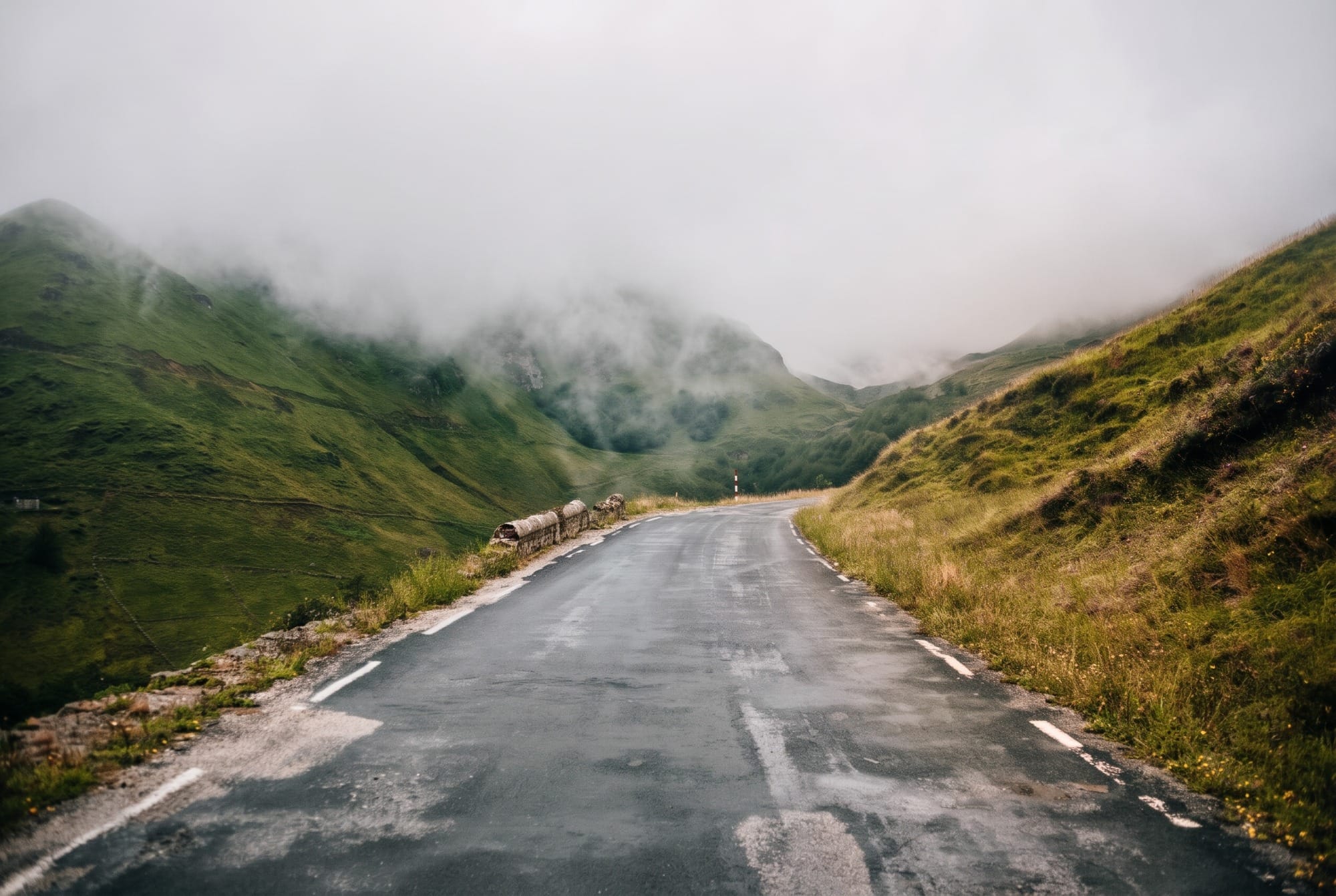
Inland, the usual warnings are for rain, wind and, at high altitude, snow. With low visibility, mountain passes get complicated; if you enjoyed our guide to Cantabria's mountain passes by car, remember that these routes are best done in stable weather and not with a warning in force.
For walking routes, a heavy rain warning means slippery ground, swollen streams and less light. Choose short, easy routes that you can abandon, or leave them for another day.
How to reorganise your day when there's a warning
A warning doesn't ruin your holiday, it reshuffles it. Check the forecast in the morning and again at midday, because forecasts get updated. Have a plan B under cover: our list of rainy-day plans near Bareyo covers museums, caves and markets. And work out your daylight hours carefully; with the guide to daylight hours in autumn and winter you'll know how late you can plan a route with a safety margin.
If you're travelling with children, avoid long car trips when there's a wind or heavy rain warning, set out with a full tank and your phone battery charged, and tell someone your route if you're heading to mountain areas with little coverage.
What you need to know
Where to check: AEMET warnings for Cantabria, with the warning map by zone. Levels: yellow, orange and red. Emergencies: 112. At sea: Salvamento Marítimo, 900 202 202. With a coastal warning: no cliffs, no breakwaters, no seafront promenades, no long beaches. Frequency: check the forecast in the morning and at midday. Plan B: museums, caves, markets and long lunches.
“A clear sky doesn't mean a calm sea: on the coast, always look at the warning before you look out the window.”
A good base matters when the weather changes. From Bareyo, the coast and the interior are a short distance away, and having a comfortable house to wait for it to clear is part of the trip: a quiet while, a book and an up-to-date forecast. That's what we aim for at Bareyo Residences: for bad weather to be enjoyable too.