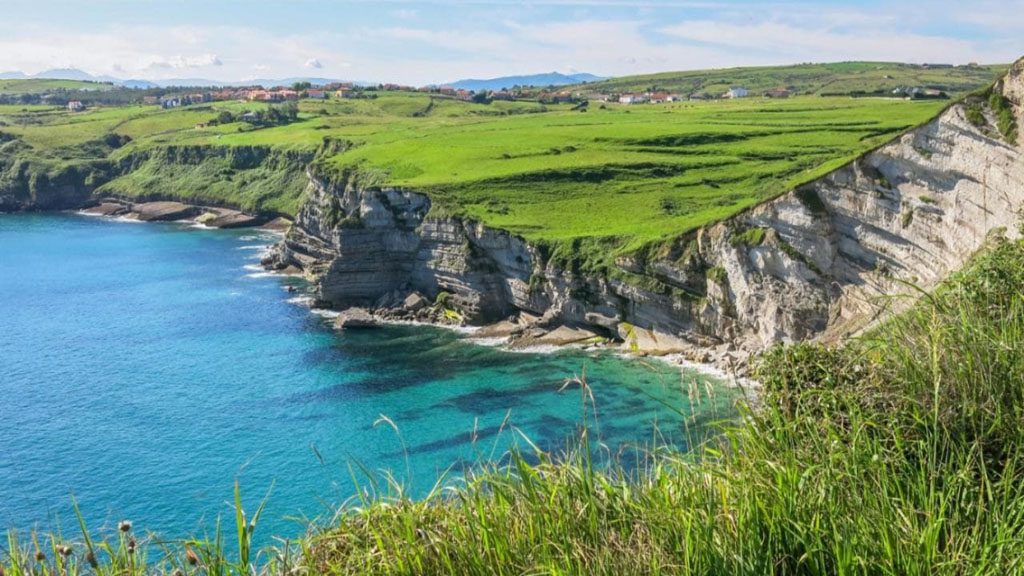
One day is enough to see Noja: its Ris and Trengandín beaches, the old town with the tower of the Marqueses de Velasco, the Albaicín palace, the church of San Pedro and the estuary marshes. It is about 20-25 minutes by car from Bareyo and almost everything can be done on foot.
Noja is known for its sands, but the town has more than a beach. Between the seafront promenade and the old town there are buildings from the Cantabrian nobility, a parish church with centuries of history and an estuary that fills with birds in autumn. With a morning and an afternoon to spare, you can see everything without a car once you've parked. These are the stops in order of the route, starting with the sea.
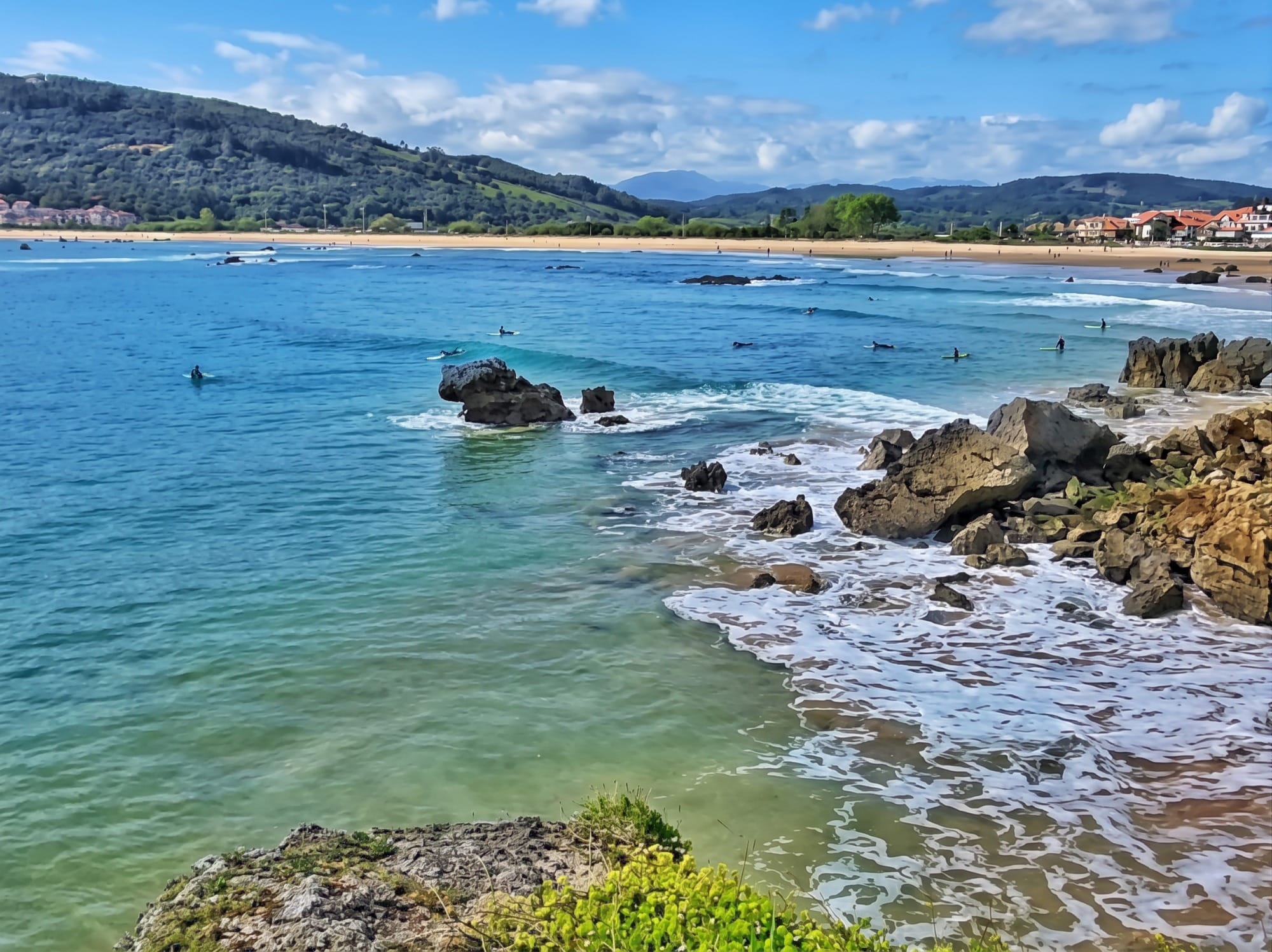
Ris and Trengandín beaches
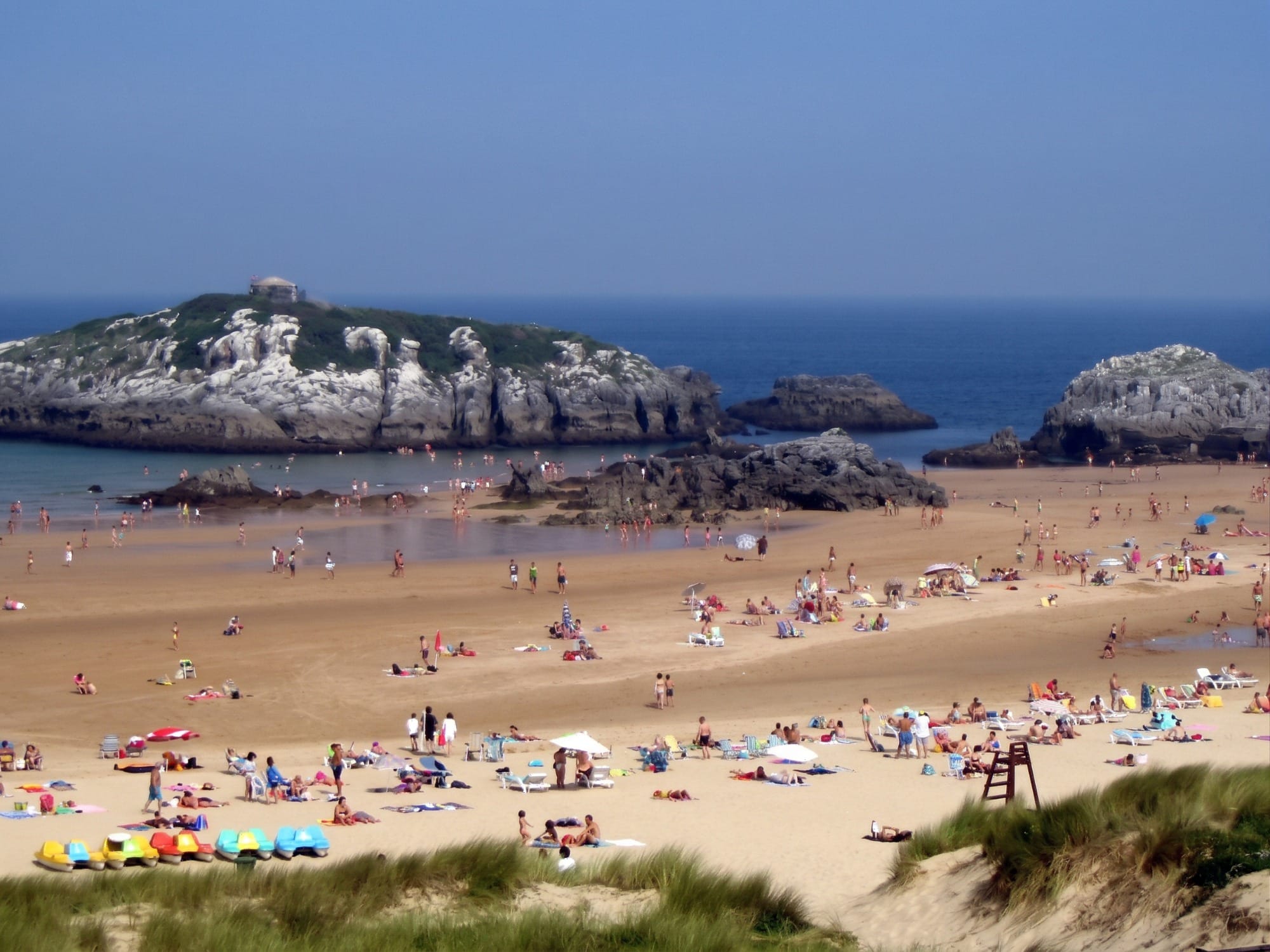
They are the two halves of the same stretch of sand. Ris is about 2,200 metres long and 100 wide on average, has a Blue Flag and adapted access; Trengandín, according to the Town Council, is around 1,330 metres long and reaches 200 wide at low tide. At low tide they join and form a strip of more than three kilometres. In October the beach is for walking, with the lifeguard already gone, so watch the tide and avoid swimming far from the shore. Ris gets more swell and is the one surfers prefer; Trengandín is calmer. We describe them in more detail in our guides to Ris and Trengandín.
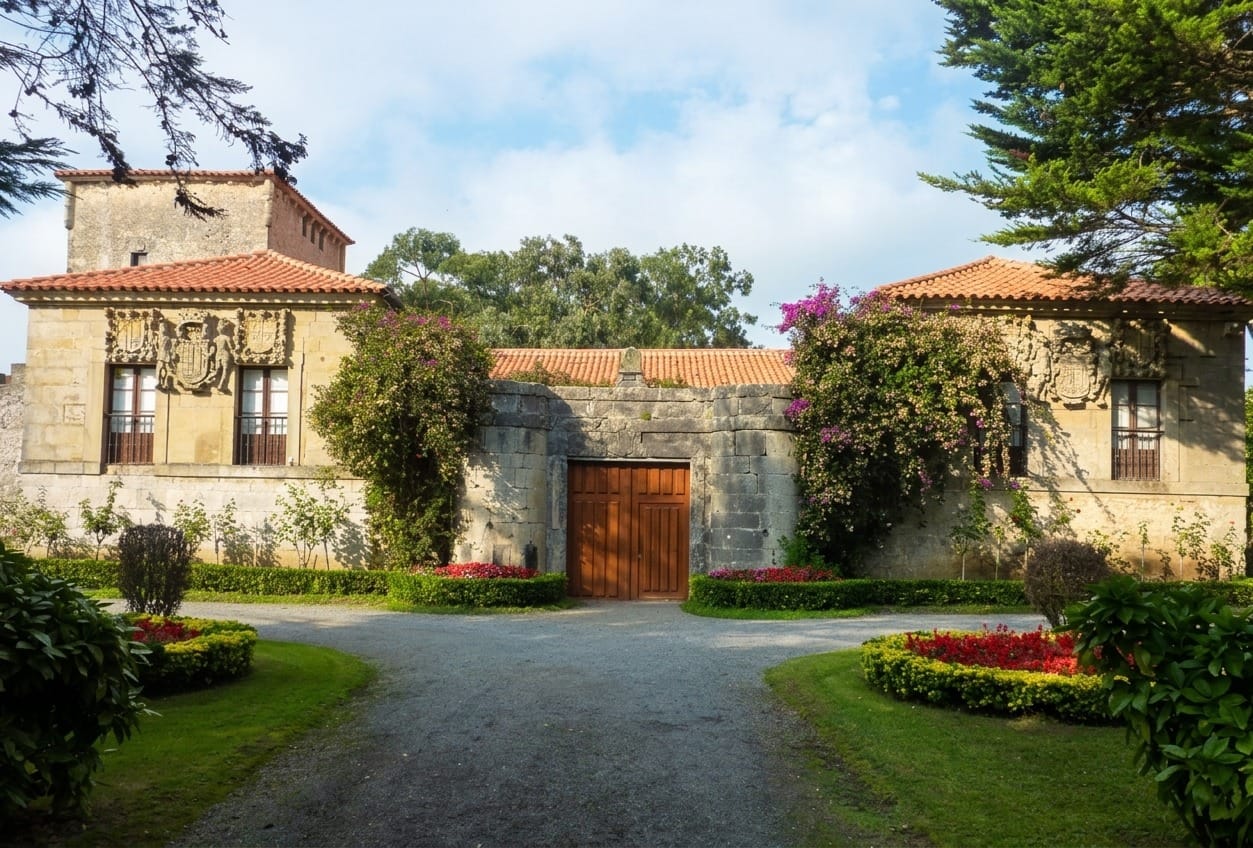
Plaza de la Villa and the tower of the Marqueses de Velasco
The historic centre revolves around the Plaza de la Villa. Here stand the palace and tower of the Marqueses de Velasco, declared a Site of Cultural Interest in 1992: a square tower with corner turrets, to which the house was later attached. On the same square is the Tourist Office, where it's worth asking about current exhibitions and routes.
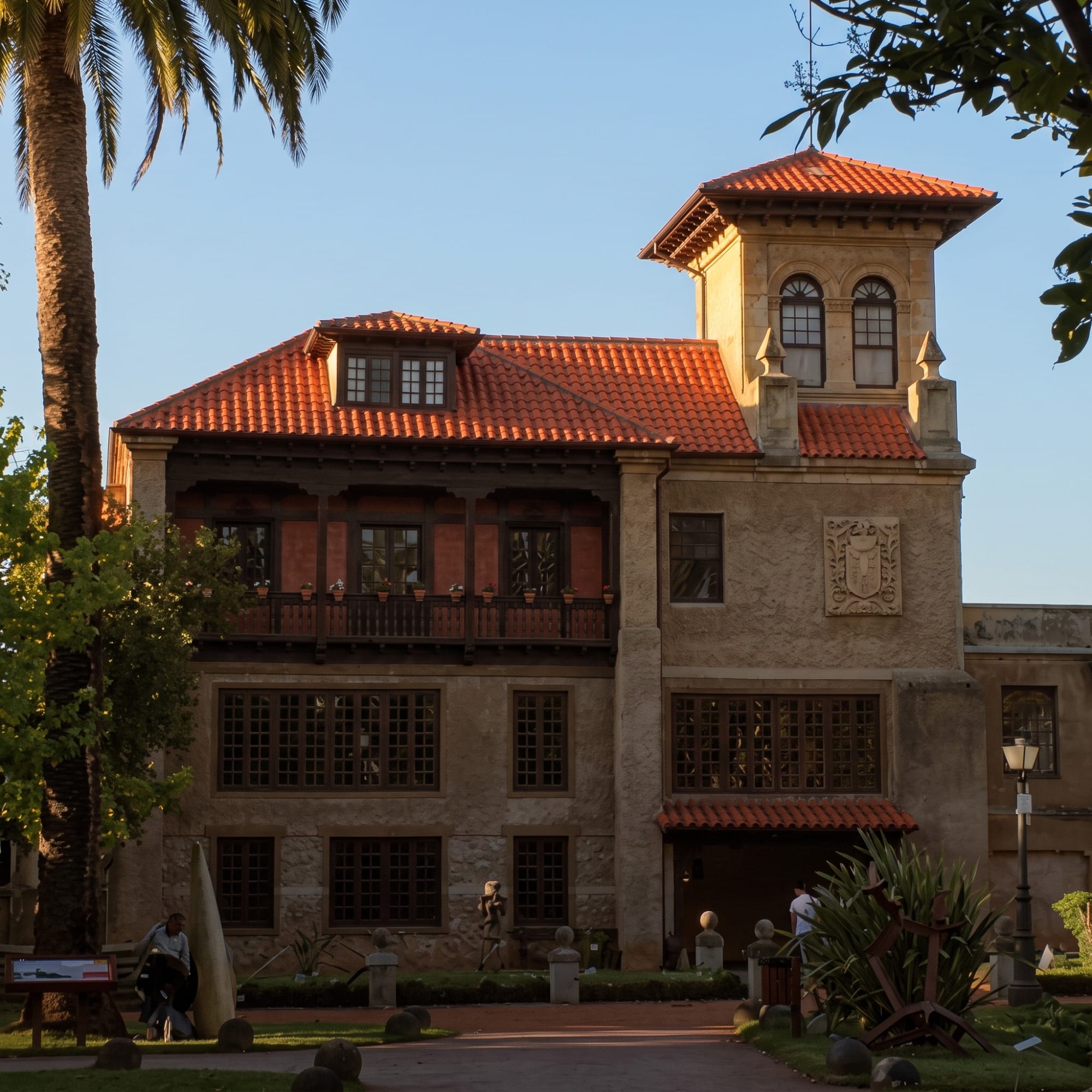
Palace of the Marqueses de Albaicín
A few minutes' walk away, this palace was renovated between 1914 and 1916 to a design by the architect Leonardo Rucabado, one of the names of Cantabrian regionalism. Today it works as a Casa de la Cultura and hosts exhibitions, and around it there is a botanical garden to visit at a relaxed pace, especially in autumn, when the leaves start to fall. Opening hours change with the programme, so it's best to ask at the tourist office first.
Church of San Pedro
The parish church can be seen from almost anywhere in the town. Its high altar holds a Baroque image of San Pedro, patron of the parish, flanked by San Emeterio and San Celedonio, patron saints of Noja. The festivals of these two saints are held at the end of August, with a procession on the 30th. Sources don't agree on the date of construction, so we don't give an exact century: what is certain is that it deserves a short stop.
The estuary and the marsh
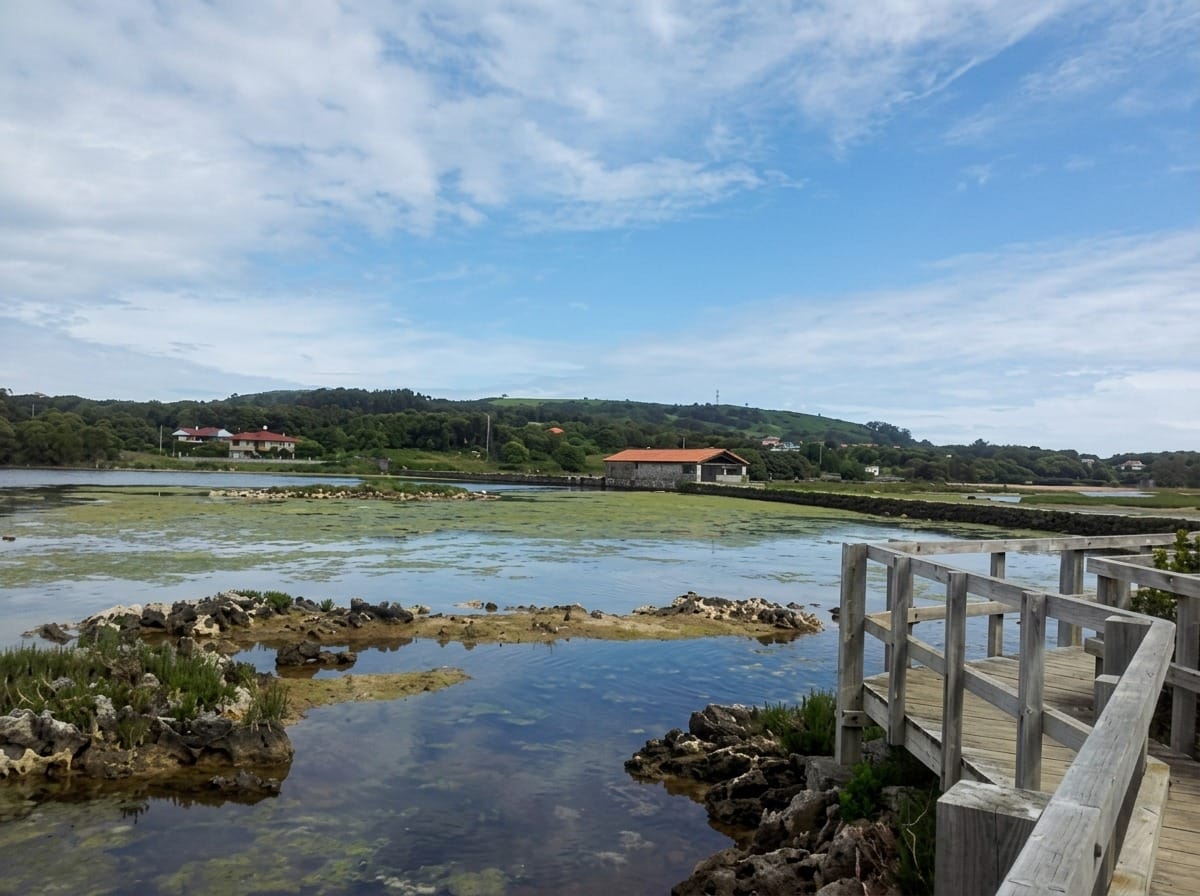
Noja looks out onto the Ajo estuary and the Joyel marsh, inside the Marismas de Santoña, Victoria y Joyel Natural Park, the most important wetland on the Cantabrian coast for waterbirds. Between September and October the migratory passage begins and it is easier to see waders and herons on the mudflats. If you prefer to paddle, there are rental kayaks on the seafront promenade and guided paddleboard routes: we cover it in our guide to kayaking and paddleboarding near Bareyo.
What to see in Noja in a day: suggested route
Park near the seafront promenade and walk Ris and Trengandín in the morning, at low tide if you can. Then go up to the old town to see the Plaza de la Villa, the Albaicín palace and the church of San Pedro, and have lunch in the town. In the afternoon, spend an hour at the estuary or on a walk to the marsh before sunset, which in October comes a bit earlier each week.
What you need to know
- Distance: about 20-25 minutes by car from Bareyo via the CA-141 and the N-634.
- Parking: there are areas next to the seafront promenade; on weekends with good weather it's best to arrive early.
- Lifeguards: the usual season ends in mid-September; afterwards the beaches stay open, but unsupervised.
- Information: the Noja Municipal Tourist Office is in the Plaza de la Villa and its phone number is 942 630 306.
- What to bring: comfortable shoes, binoculars if you like birds and an extra layer for the seafront promenade.
In Noja, the sands get the fame, but the old town and the estuary are what make it worth staying the whole day.
Noja combines well with other seaside towns in the area: if you liked this guide, add our tour of what to see in Laredo to your list, about twenty minutes by car. Going back afterwards to the Bareyo Residences villas, with the Ajo estuary a short walk away, is a good end to a day on the coast.