Beyond the usual beaches-and-charming-villages route, Cantabria hides family-run farms, centuries-old cheese dairies, a distillery with one of the largest gin collections in the world, a forest of giant sequoias and a stretch of coast recognised by Unesco. These ten authentic experiences are lived, tasted and walked outside the usual circuit, in real businesses and places you can visit today.
When someone asks us what to do in Cantabria, the easy answer is always the same: the beaches of Somo, the village of Santillana del Mar, maybe a stretch as far as Picos de Europa. All of that is great, and we've already covered it in other guides in this series. But after years of hosting guests in Bareyo, we know that what people actually remember are the places that don't show up on the first page of Google.
That's why we've chosen these ten: places with an owner, real opening hours, and someone behind the counter who'll explain why they do things the way they do. No generic viewpoints, no "hidden gems" that actually turn up in every guide. These are family businesses, a forest planted eighty years ago, and a stretch of coast the Unesco has just recognised as a Geopark. The order we follow traces, roughly, a route from west to east that you can do over a long weekend or spread across several trips.
Granja Cudaña
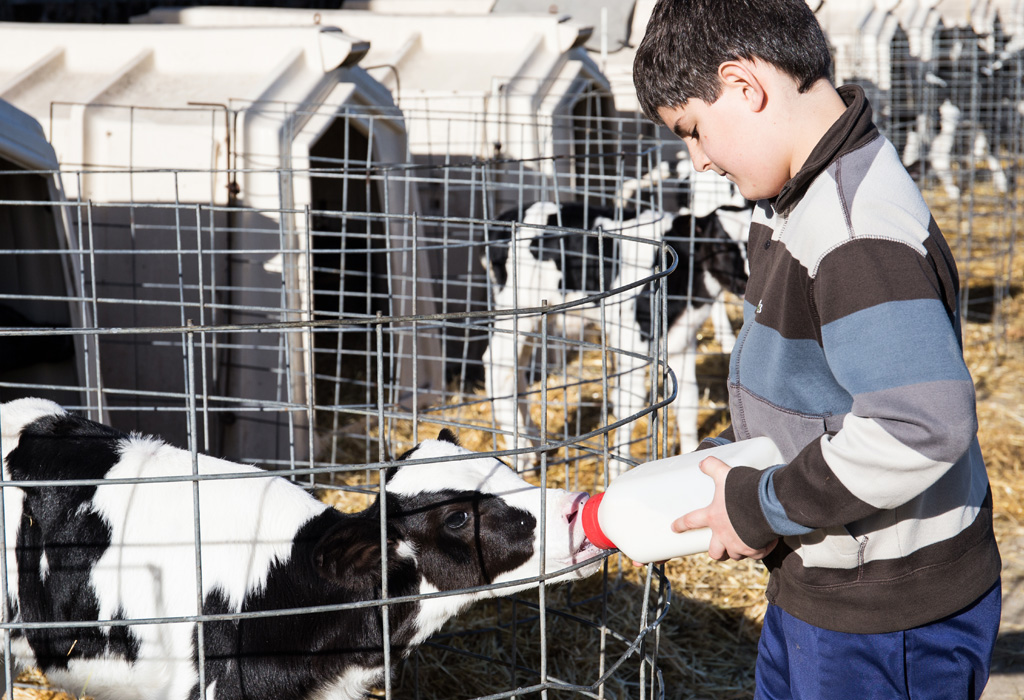
In Labarces, a small hamlet in western Cantabria, several generations of the same family have been raising cows, and today they open the farm to anyone who wants to get properly stuck into the trade. The guided visit includes bottle-feeding the calves — the highlight for the youngest visitors — and ends with a tasting of the cheeses, yoghurts, sobaos and quesadas they make with their own milk. In summer there are two sessions, morning and afternoon, and it's worth booking since capacity is limited. It's a good first stop if you're heading from Bareyo towards western Cantabria, with Comillas and Santillana as your next port of call.
Quesería La Jarradilla
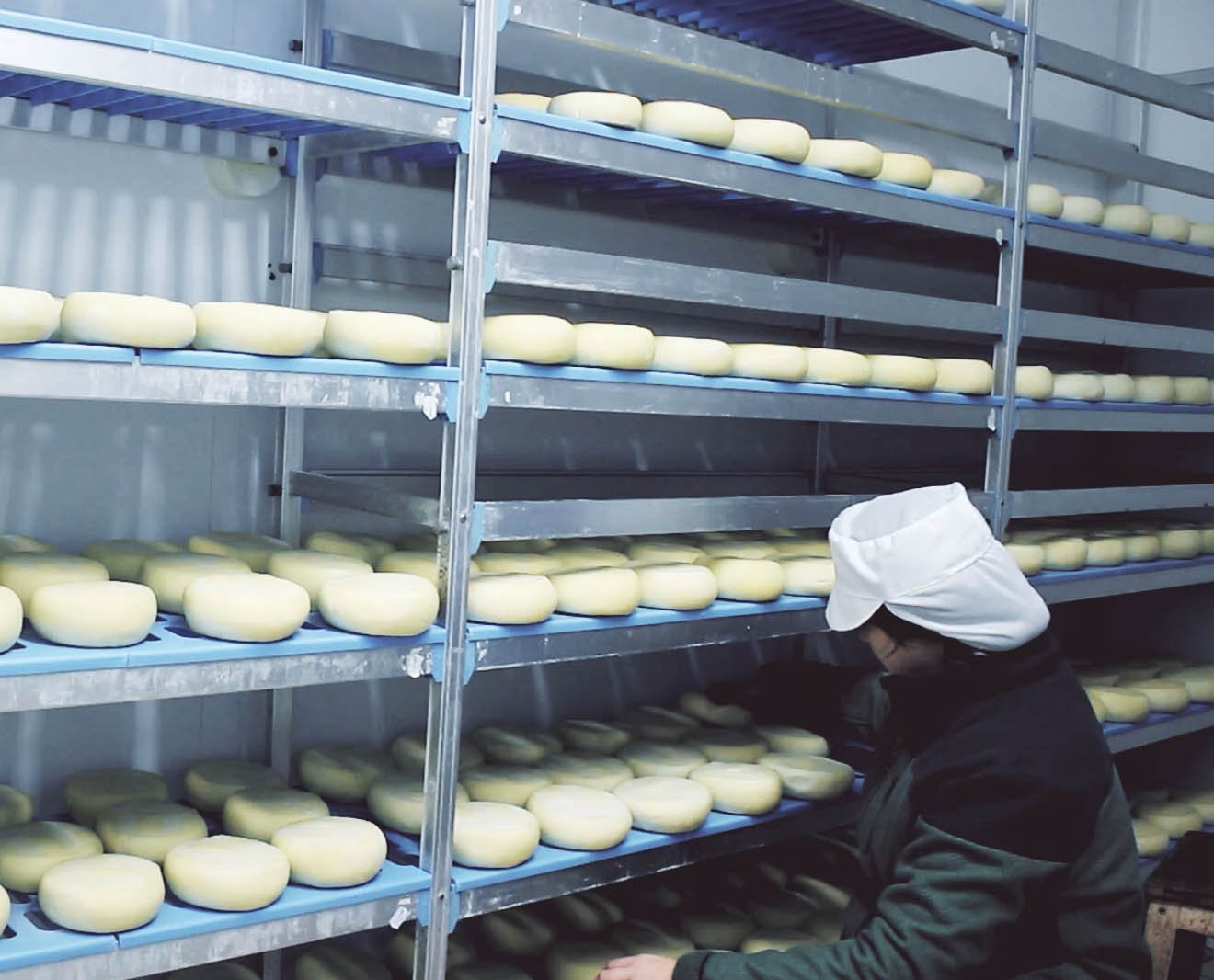
A fair distance from Labarces, already in the Valles Pasiegos, the La Jarradilla dairy has been handcrafting artisan Pasiego cheese since the post-war years, when the family started out in a mountain hut. The guided visit covers the history of the business, the workshop and the ageing cellars, and ends with a commented tasting of their cheeses. They also run cheese- and butter-making workshops, and the indoor route is fully accessible, with no steps or level changes. If Granja Cudaña left you wanting more milk and more cheese, this is the place to go deeper.
Casa El Macho
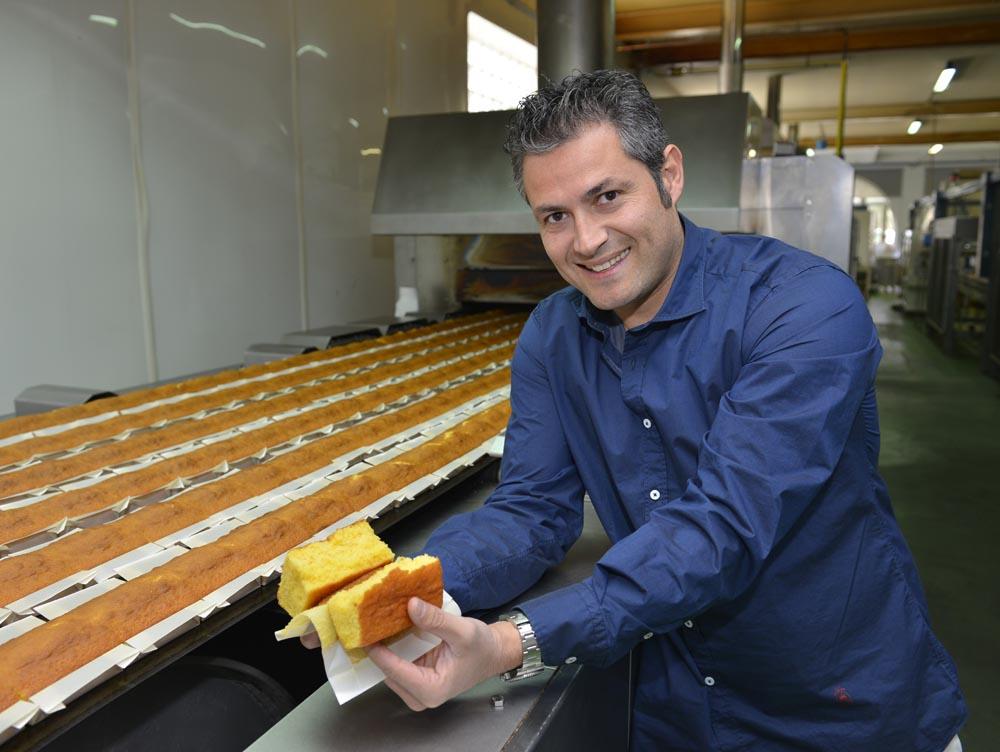
A few minutes from La Jarradilla, in Selaya, Casa El Macho has been baking sobaos and Pasiego quesadas for more than fifty years. What a lot of people don't know is that inside the shop there's a small museum dedicated to the sobao — the Museo Joselín — and that you can take workshops to learn how to make one. Afterwards, sit down in the café with homemade jams and freshly baked quesadas, worlds away from the vacuum-packed ones sold at any petrol station. Selaya and Villacarriedo are close together, so these two stops can easily be strung into the same morning.
Cabezón de la Sal Sequoia Forest
Leaving the Valles Pasiegos behind, on the way to central Cantabria, there's a forest that doesn't look like it belongs here: almost 850 giant sequoias, some over 40 metres tall, planted in the 1940s as a forestry experiment to find alternatives to imported timber. It's been a Natural Monument since 2003, according to the official Turismo de Cantabria listing; admission is free, and the two-kilometre circular route — with a wooden boardwalk at the start, suitable for buggies and wheelchairs — takes just over an hour to complete. It's a five-minute drive from the centre of Cabezón de la Sal; it's worth going early or late in the day if you want photos without crowds.

Laberinto de Villapresente
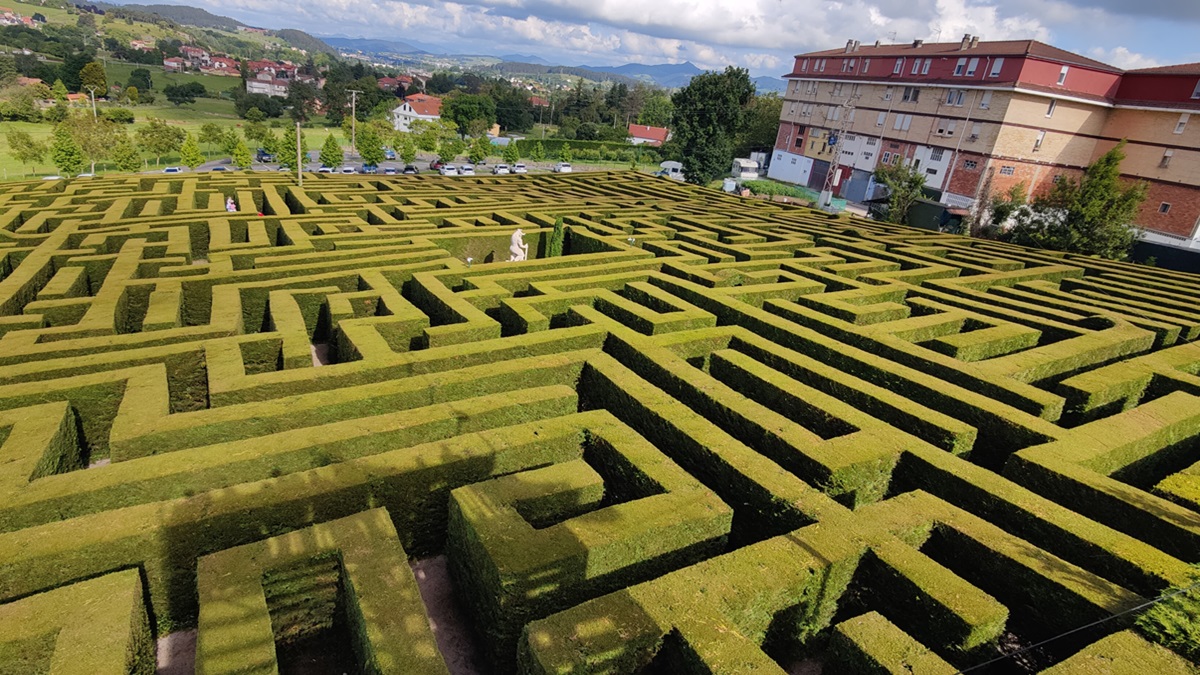
Very close to the sequoias, in the municipality of Reocín, there's a hedge maze of almost 5,700 square metres made of two-metre-tall cypress trees — the largest of its kind in Spain. Inside there are over five kilometres of paths, and staff on hand to give clues if you're properly lost, though getting lost for a while is part of the fun. It's open from late March to mid-October and admission costs a few euros. It's a great plan with kids; with adults, go prepared to laugh at yourself once you've spent twenty minutes circling the same hedge.
Costa Quebrada Geological Park
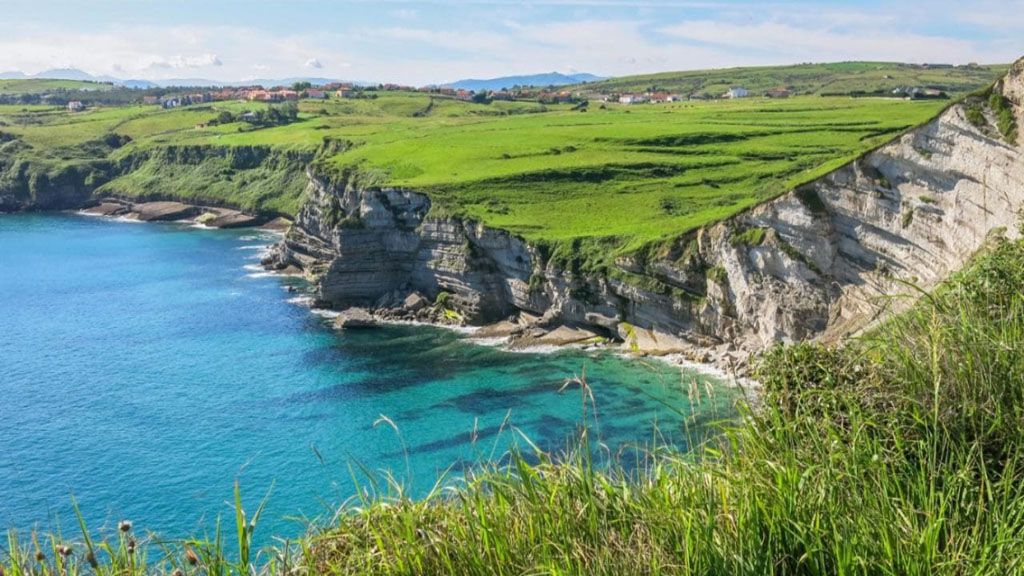
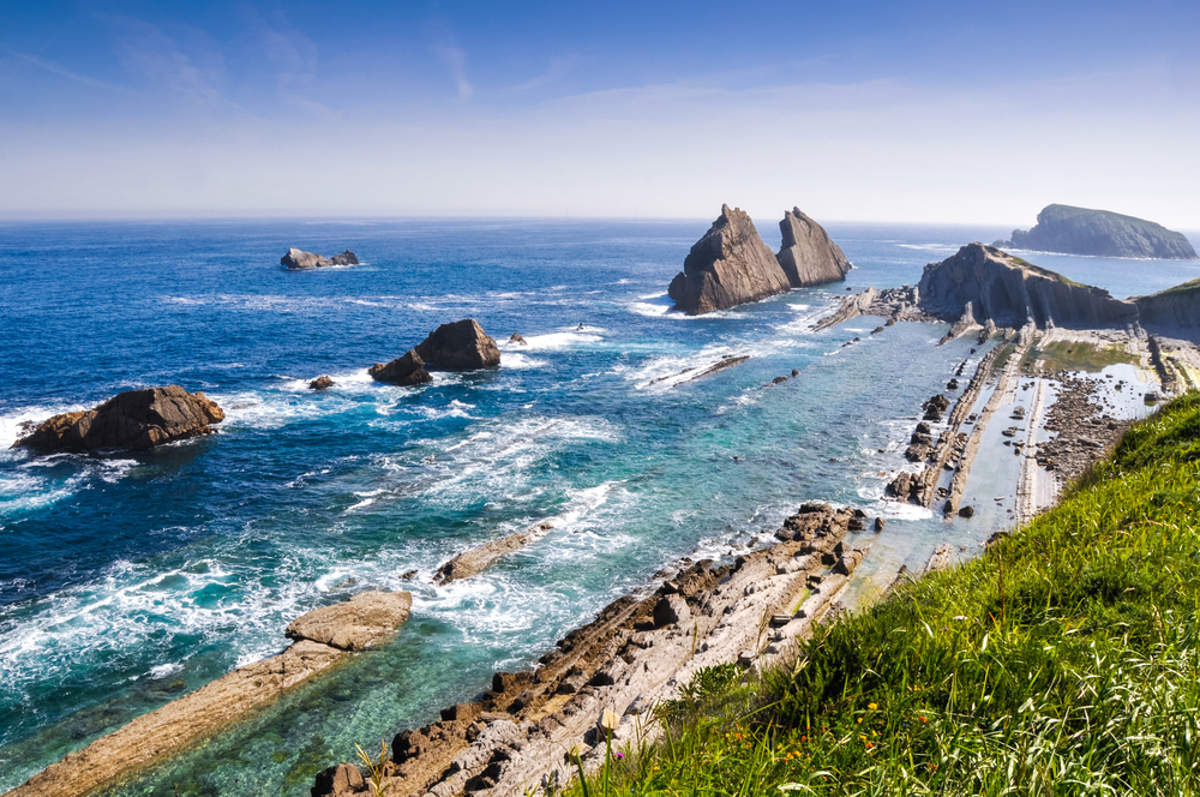
Heading down towards the coast, between Santander, Suances and Santillana del Mar, stretches a twenty-kilometre run of cliffs, arches, islets and coves that joined the Unesco Global Geoparks Network in 2024. There are fourteen themed routes, both linear and circular, plus official guided visits of around four hours designed for all ages from five up. You don't need to book anything if you just want to wander on your own with the route map from the Costa Quebrada Geopark, though the guided visit explains things about the landscape that are easy to miss at first glance.
Destilería Siderit
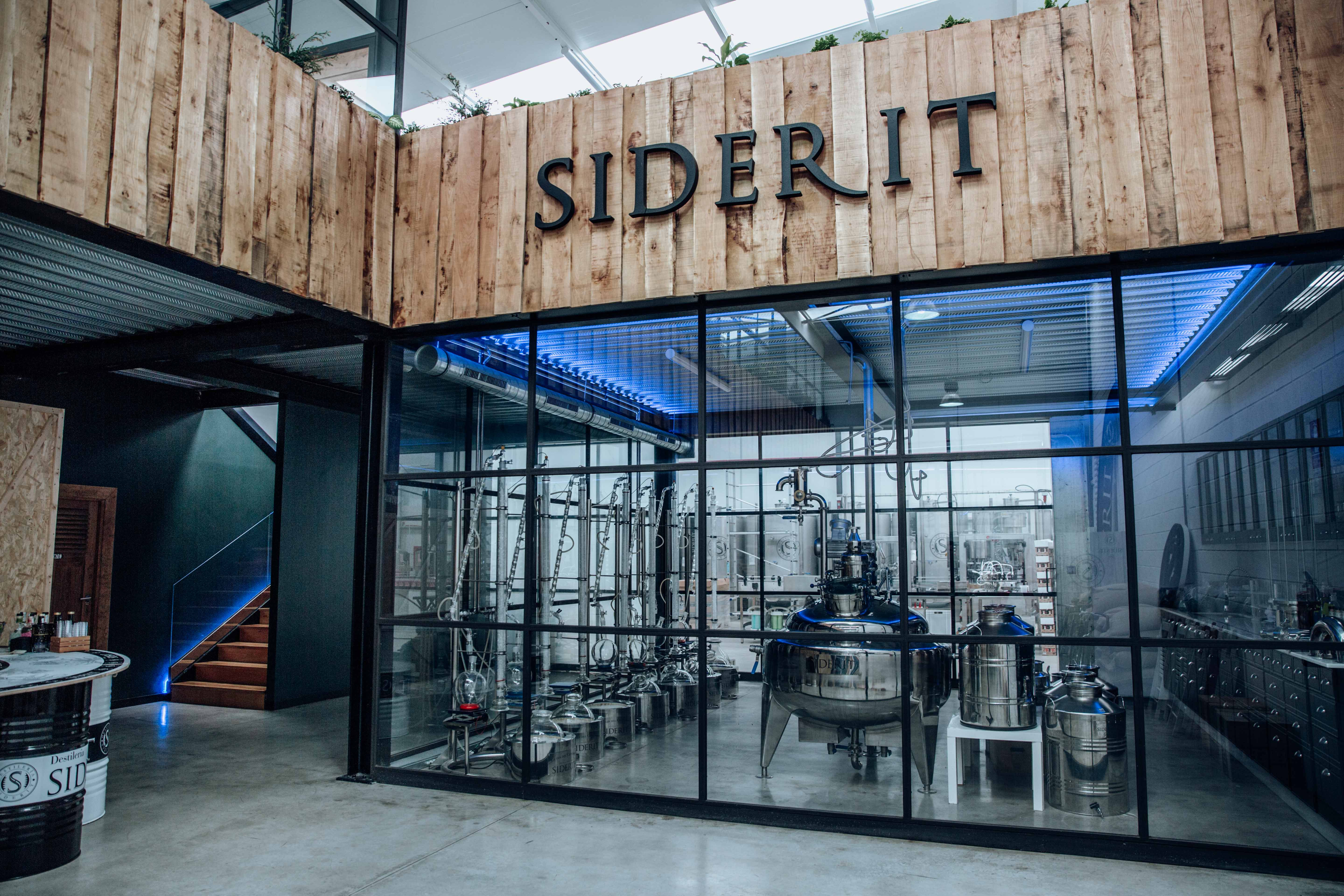
A quarter of an hour from Costa Quebrada, in Polanco, the Siderit distillery makes gin, vodka and vermouth using glass stills, alongside a collection of vintage bottles they claim is the largest in the world dedicated to gin, with pieces from the fifties and sixties. The visit lasts around an hour: it starts by smelling the botanicals one by one, continues through the distillation room and ends with a tasting. Spaces are limited, so it's worth booking ahead by phone or email.
Finca El Mazo
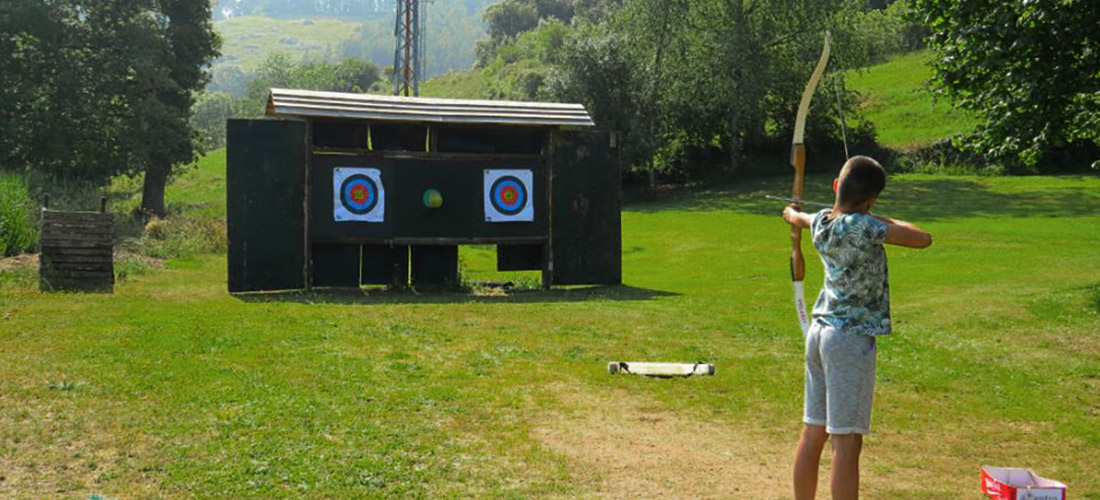
Crossing Cantabria towards the east, in the Santoña, Victoria and Joyel Marshes Natural Park, Finca El Mazo has spent more than thirty years running outdoor activities on a 32,000-square-metre estate: canoeing, caving, climbing and its own jetty on the river. You don't need to stay overnight to sign up for an afternoon of multi-adventure; they also run one-off days for groups and families. It's a complete contrast to the inland visits: here you sweat, get wet, and head back to Bareyo genuinely hungry.
La Cabañuca
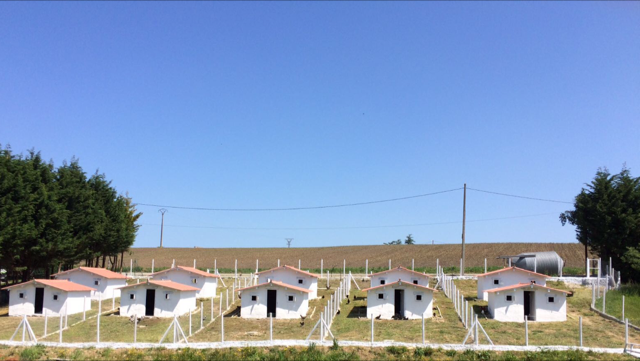
Heading back towards Santander Bay, in Suesa, La Cabañuca has turned the restaurant concept on its head: you choose your eggs by the breed of hen that laid them — you can watch them roaming in the farm's little chicken houses, even feed them yourself — and pair them with two side dishes of your choice. The idea, which won an award for hospitality innovation in 2019, turns something as simple as a fried egg into a full experience with kids in tow. There's no long menu and no pretensions: just fresh produce and a farm you can actually see.
Dougall's Brewery
We close the route in Liérganes, up the valley from the bay, where Dougall's has been brewing craft beer since 2006, with recipes that blend Scottish tradition and Cantabrian produce. Brewery visits run on weekends, by prior booking, guided by Andrew Dougall himself or Enrique Cacicedo, who tell the story of the project among hops and anecdotes. At the end, you get to try every beer on offer alongside a selection of local cheeses, in a ninety-minute session that has nothing to envy in a wine tasting. If mixing routes with pairings is your kind of thing, our guide to wineries near Bareyo has more stops to keep drinking well around the area.

The best thing about these ten plans isn't what they cost — it's that almost none of them show up in the photos of Cantabria you've already seen a thousand times.
What to know
Almost all of these places work by prior booking, especially in summer: Granja Cudaña, La Jarradilla, Siderit and Dougall's have limited capacity and guided visits at fixed times, so it's worth writing or calling a couple of days ahead. The Sequoia Forest and Costa Quebrada Geological Park are open access and free year-round, while the Laberinto de Villapresente closes in low season, from mid-October to late March. Guided visit prices run roughly between 4 and 12 euros per person, and the rest — Finca El Mazo, Casa El Macho and La Cabañuca — work more as a free drop-in stop than a visit with fixed hours. To string several together over a few days, the geography helps: west (Cudaña) on one day, Valles Pasiegos (La Jarradilla, El Macho) on another, centre-coast (the sequoias, the maze, Costa Quebrada, Siderit) next, and the bay (La Cabañuca, Dougall's) on the way back to Bareyo. It's one of those authentic Cantabria experiences that works best spread across several days rather than trying to see it all at once.
None of these ten plans needs more than half a day, so they can be combined with each other or with the beaches and villages you already know, without giving anything up. When we have guests at Bareyo Residences who've already done the classic route, these are exactly the places we start recommending: the ones that genuinely spark conversation once people get home. If you're thinking about a future trip, it's worth knowing that September 2027 availability is already starting to move, so it doesn't hurt to plan ahead.