The route along Cantabria's eastern coast works well over 3 days: the first between Bareyo, Ajo and Noja; the second at the Santoña Marshes with a boat crossing to Laredo; the third in Laredo, Islares and Castro-Urdiales. It's about 60 km by car, ideal for July and August with beaches along the way.
For anyone living in Bareyo, Cantabria's eastern coast begins practically at the front door: from here eastward, the coast changes pace, with uncrowded cliff-top beaches, a nature reserve with more birds than bathers, and villages that still live off the harbour before tourism. It's barely 35 km in a straight line to Castro-Urdiales, yet with enough variety for three days without repeating a single plan: cliffs, protected marshes, a century-old boat crossing, and two old towns with centuries of seafaring history.
This itinerary covers that coast from west to east over three days, with Bareyo as the starting point and Castro-Urdiales as the finish, right on the border with the Basque Country. Each day combines a wild beach with a cultural or culinary plan, by car and with short stops, with no leg longer than 30 minutes between one point and the next. The only stretch that breaks the pattern is day two, which crosses Santoña Bay to Laredo by boat instead of by road.
Day 1: Bareyo and Ajo, the start of Cantabria's eastern coast
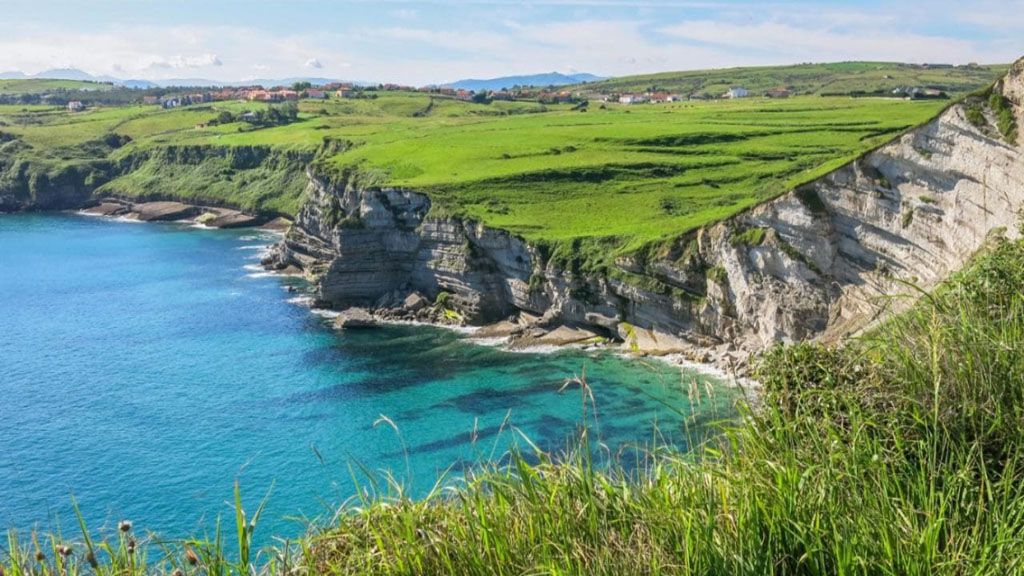
The morning starts close to home: Playa de Antuerta, in Ajo, can only be reached on foot — about 300 metres from the Cuberris car park — and has no lifeguard or facilities, which explains why it's rarely crowded even in August. Following the coast towards Galizano brings you to Playa de Langre, split into two coves that only join at low tide; access is down a flight of 113 steps carved into the cliff, so it's worth checking the tide before heading down.

For lunch, Noja has the best seafood on offer in the area, and Restaurante Mijedo, right by the beach, is the local classic — grilled velvet crabs as the signature dish, in an exposed-brick dining room just steps from the sand. In the afternoon, on a full stomach, Playa de Trengandín (or Playa de Ris, if parking allows) closes the day with fine sand and calm waters, better suited for swimming with children than the morning's cliff-side coves.
Day 2: Santoña, the Marshes and the boat crossing to Laredo
Day two starts at the Santoña, Victoria and Joyel Marshes Nature Park, more than 6,500 protected hectares since 1994 and one of the most important bird-wintering areas in northern Spain. The Visitor Centre, next to Santoña's harbour, is the best starting point before heading out on foot. Anyone wanting a longer walk can climb up to the Faro del Caballo lighthouse, on Monte Buciero, along a roughly 12 km round-trip trail from the seafront promenade next to Fuerte de San Martín — the final stretch is almost 700 steps — though it can also be shortened to just the lighthouse viewpoint.
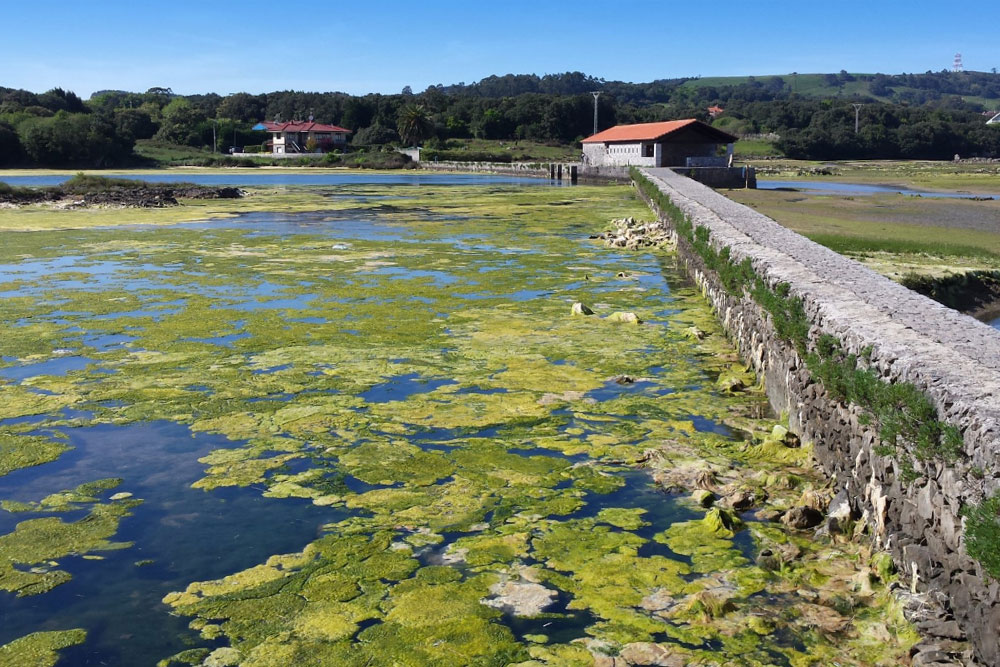
After lunch in Santoña, the itinerary's most distinctive plan: crossing the bay to Laredo on the Barca del Puntal, a passenger service that has been running for more than a century. The crossing takes about 10 minutes and costs around €2 per person — more direct, and considerably prettier, than driving around the bay. For dinner in Laredo, Restaurante Orio, right in the town centre, is a no-surprises option for Cantabrian cooking, with a weekday set menu.

Day 3: Laredo, Islares and Castro-Urdiales
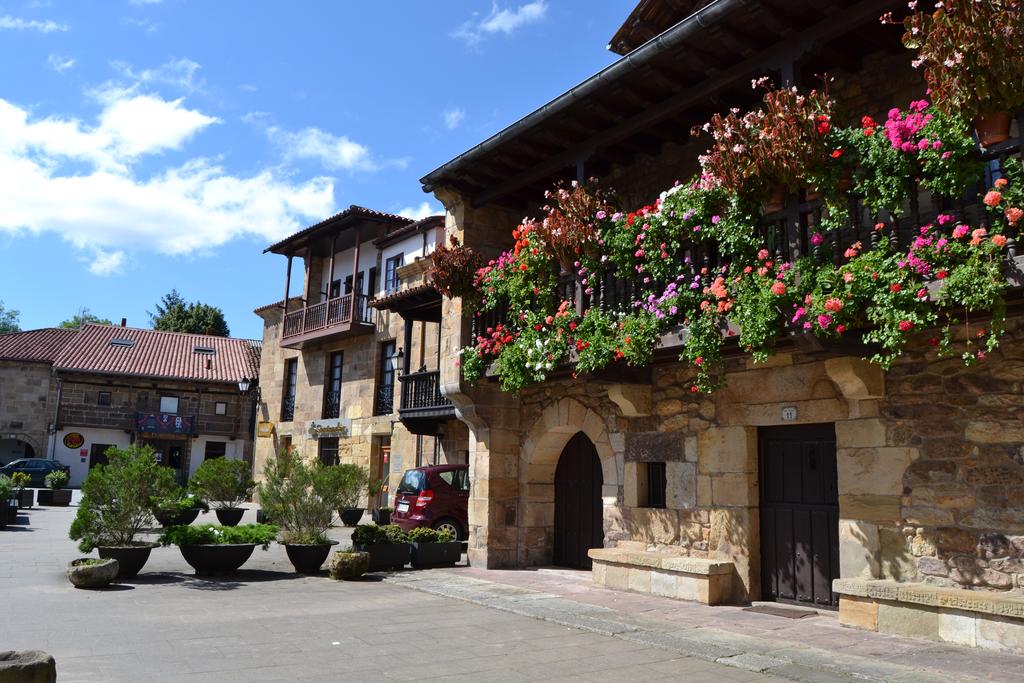
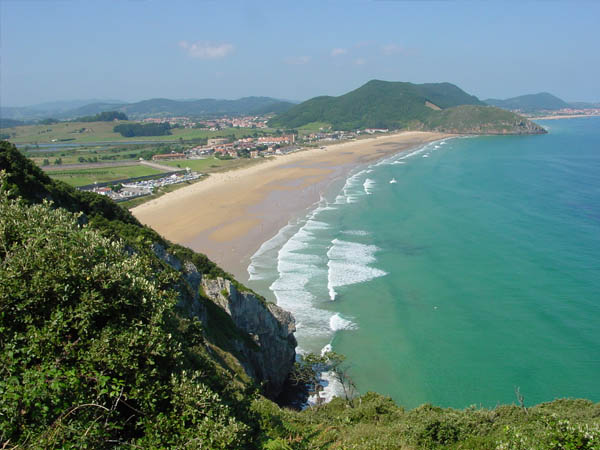
The morning belongs to Laredo: the Puebla Vieja, with its cobbled streets and arcades, and Playa de Salvé, Blue Flag–awarded with over 4 km of sand, one of the longest in Cantabria. Before continuing east, it's worth checking the tide at Playa de Oriñón, already in Liendo — it's one of the beaches with the biggest difference between high and low tide on the Cantabrian coast, with up to 500 metres of sand appearing or disappearing depending on the hour, and at low tide you can walk to Playa de las Arenillas, in Islares. Right above it, Monte Candina is home to the only sea vulture colony in all of Europe, visible from the viewpoint.
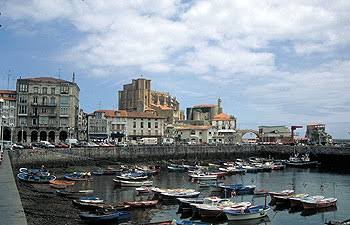
The day — and the route — ends in Castro-Urdiales, a stone's throw from the Basque Country. The Puebla Vieja, with the Iglesia de Santa María (Gothic, 13th–15th centuries) and the Castillo-Faro de Santa Ana, which in summer opens from 11:00 to 13:30 and 18:00 to 20:00, sums up why this fishing town was a medieval stronghold before it was a summer destination. To close with a meal above average, Restaurante Origen, by chef Borja Moncalvillo, has a weekday menu and a weekend tasting menu — it's worth booking ahead in high season.
What you need to know
The itinerary is done by car, with short legs between stops, without needing to change accommodation. The Barca del Puntal (Santoña–Laredo) doesn't take cars, only foot passengers, and it's worth checking the day's timetable since it varies by season. Tides shape much of the route — Langre, Oriñón and Las Arenillas are best crossed at low tide — so it's worth checking the puertos.es tide table the night before setting out. In Laredo, the last week of August coincides with Semana Grande and the Battle of Flowers, with more traffic and higher occupancy than usual.
Cantabria's eastern coast doesn't need an ambitious plan — it needs you to check the tide table before leaving home.
These three days fit into a long weekend, or work as the opening days of a longer stay, adding on a beach or two further west, towards Santander, afterwards. If the plan includes quieter beach days between stages, we already have a complete guide to beaches near Bareyo with options for staying close to home. Bareyo, right at the centre of this route, remains the base that makes the most sense for not losing beach time on the road — the Bareyo Residences villas open their first full season in September 2027.