There's no fixed spot in Santoña for seal watching — Cantabria doesn't have a resident colony. They turn up occasionally, almost always in winter after storms, when young seals from northern Europe arrive exhausted at the estuary and the harbour. According to Revarca, sightings recur almost every year, but nothing is ever guaranteed.
Searching for where to see seals in Santoña suggests there's a viewing spot, the way there is for birds in the same marsh. There isn't. Cantabria has no settled seal colony — unlike the French Atlantic coast or northern Europe — and no operator runs seal-watching trips. What does exist is a real, documented pattern: every winter, with some regularity, young seals turn up in the region's estuaries and harbours, and Santoña is one of the places where it happens most often.
The phenomenon is tracked by the Cantabria Stranding Network (Revarca), which responds to and monitors marine wildlife that reaches the coast. According to its records, the grey seal (Halichoerus grypus) and the harbour seal (Phoca vitulina) are the species most frequently observed in the region — almost always pups recently separated from their mothers, disoriented during their southward dispersal and ending up exhausted in estuaries like Santoña's.
Why seals show up on the Cantabria coast
The seals that reach Cantabria aren't residents: they come from colonies in northern Europe and the French Basque coast. When pups separate from their mothers, they begin a dispersal that in some cases takes them much further south than usual, and winter storms — with heavy swell and wind — push the weakest ones toward the coast. The Cantabria Wildlife Recovery Centre has treated more than twenty grey and harbour seals over the last decade, most with signs of malnutrition or injuries from the swell. The season with the most sightings is winter, between December and March, coinciding with the Cantabrian Sea's strongest storms.
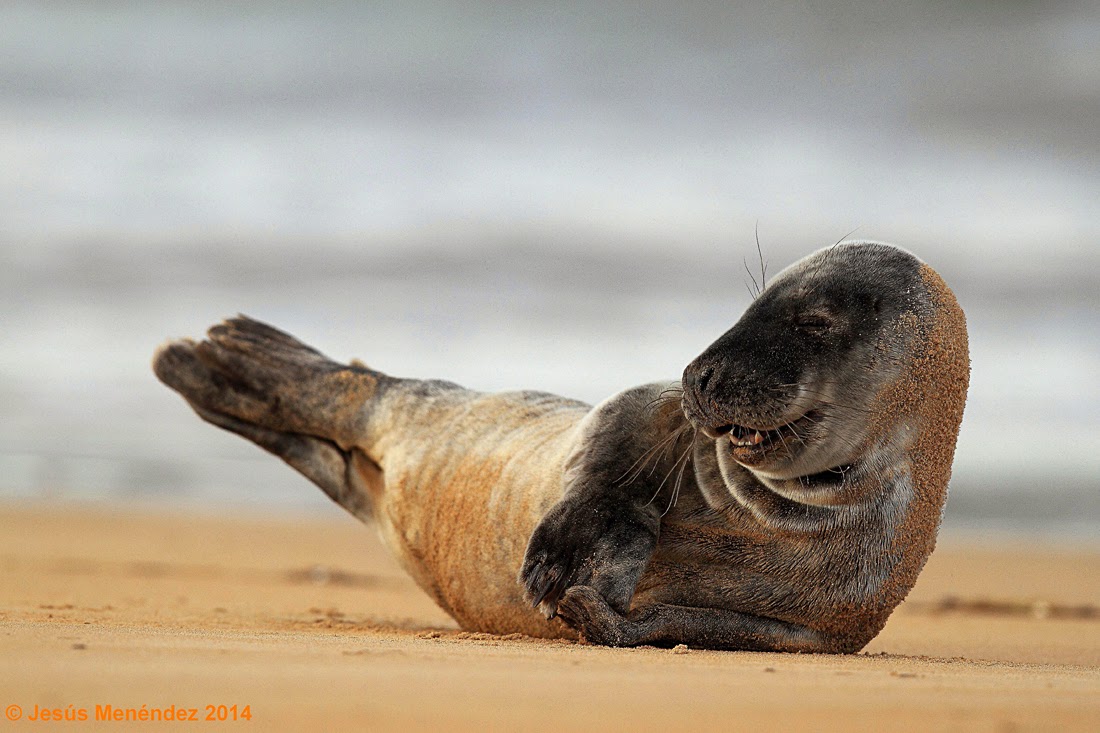
Santoña, one of the places where sightings recur most
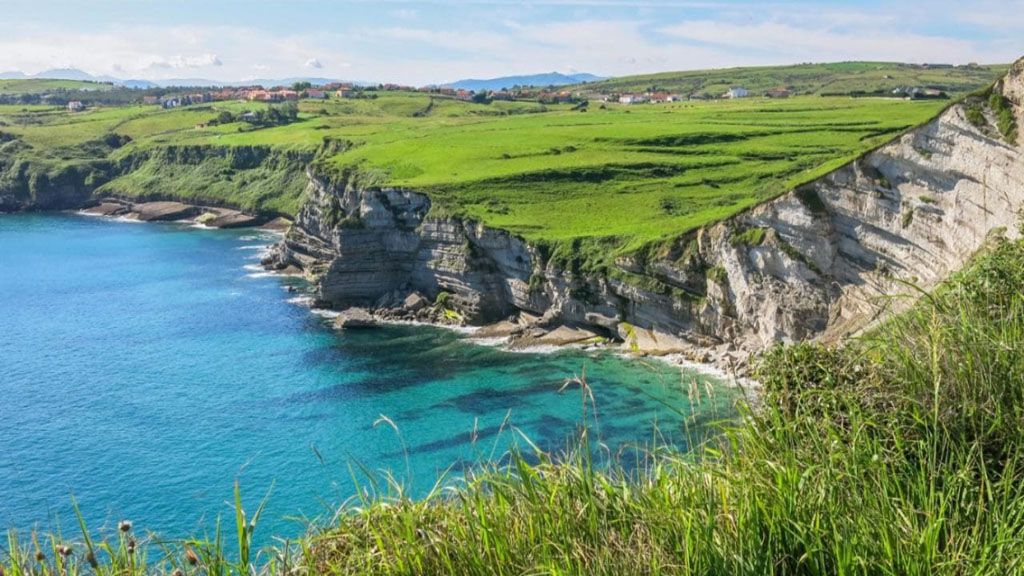
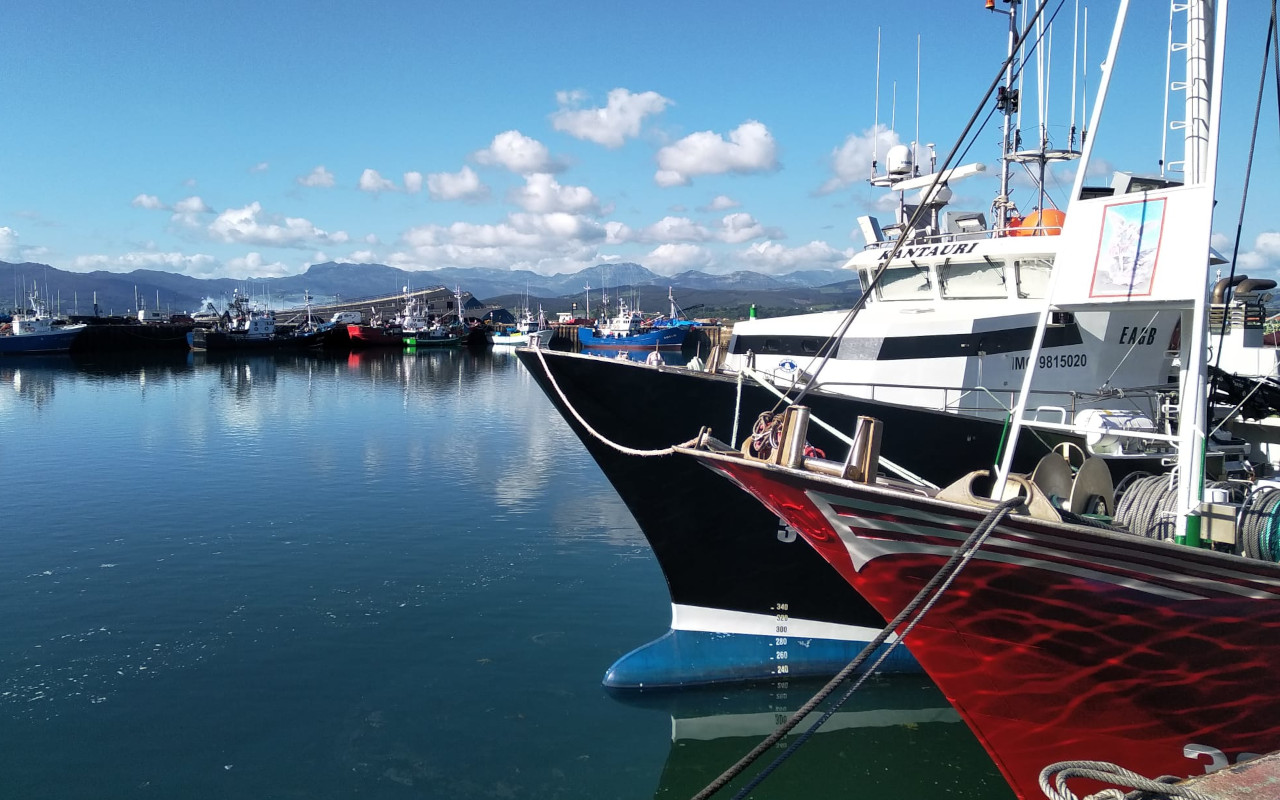
The estuary and fishing harbour of Santoña offer the conditions these exhausted animals look for: sheltered waters, little current and resting spots away from the open swell. That's why, according to Revarca, almost every year an animal is recorded along this stretch of the eastern coast, along with other estuaries and harbours in the region. There's no fixed spot within the harbour or the marsh to head for — sightings are one-off events, and word gets around, when they happen, through locals or through Revarca's own network. If you travel to Santoña expecting to see a seal, the honest advice is not to count on it: it's a lucky sighting, not something you can plan a trip around.
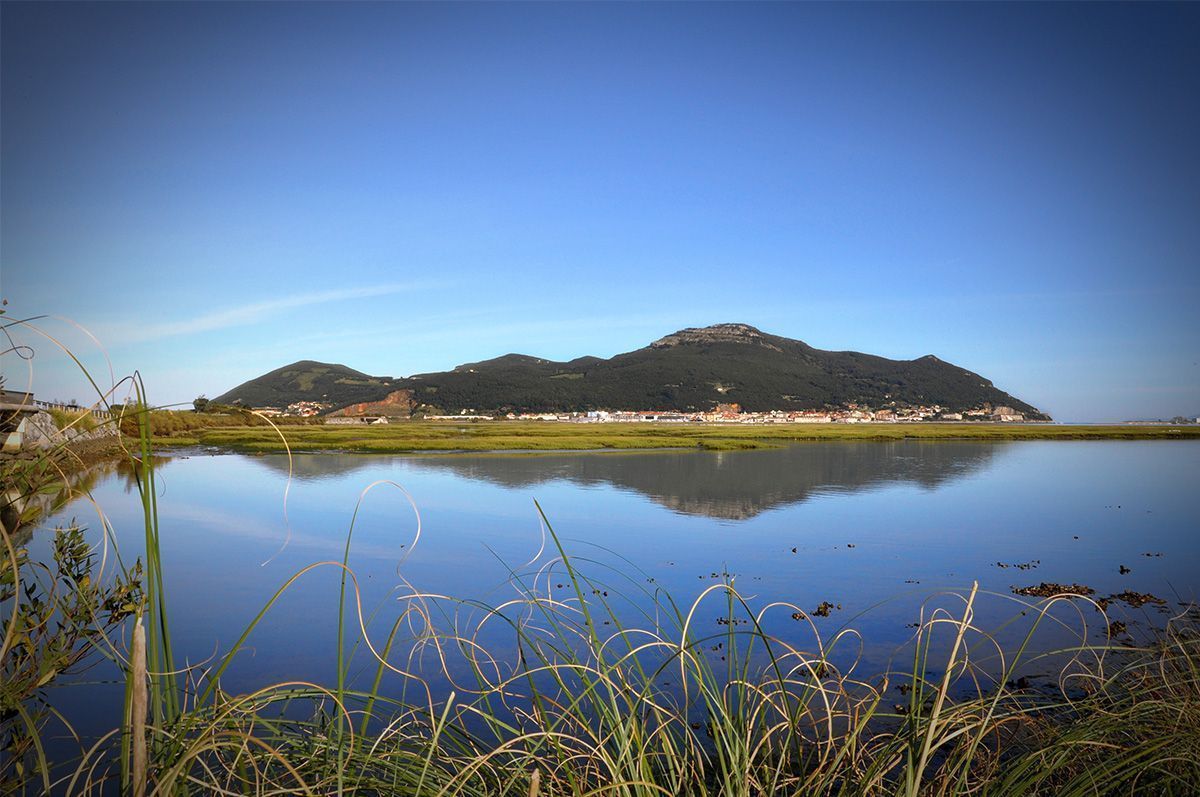
What to do if you see a seal on the Cantabrian coast
If you come across a seal on a beach or in the harbour, the first thing is to keep your distance — at least 50 metres — and not let dogs or children approach. It may look stranded or in distress and still be behaving normally: many young seals come out of the water to rest on shore, which is common and doesn't always call for intervention. The right move is to call 112 Cantabria and let environmental officers or technicians from the Recovery Centre assess the animal's condition. Don't try to touch it, feed it or put it back in the water yourself.
Other unexpected sightings in the sea off Santoña
Seals aren't the only surprise the sea has produced off Santoña in recent years. In 2025, a blue shark nearly two metres long was spotted near the jetty, and weeks later a humpback whale was seen from the harbour itself — two events that, like the seals, don't follow any route or predictable pattern, but reflect how rich the bay and the open Cantabrian Sea are in this stretch of coast. If what you're after is guaranteed marine wildlife rather than one-off sightings, the Santoña marshes offer something far more reliable: in our guide to birdwatching in the Santoña marshes we cover the best viewpoints and the best season, between October and January.
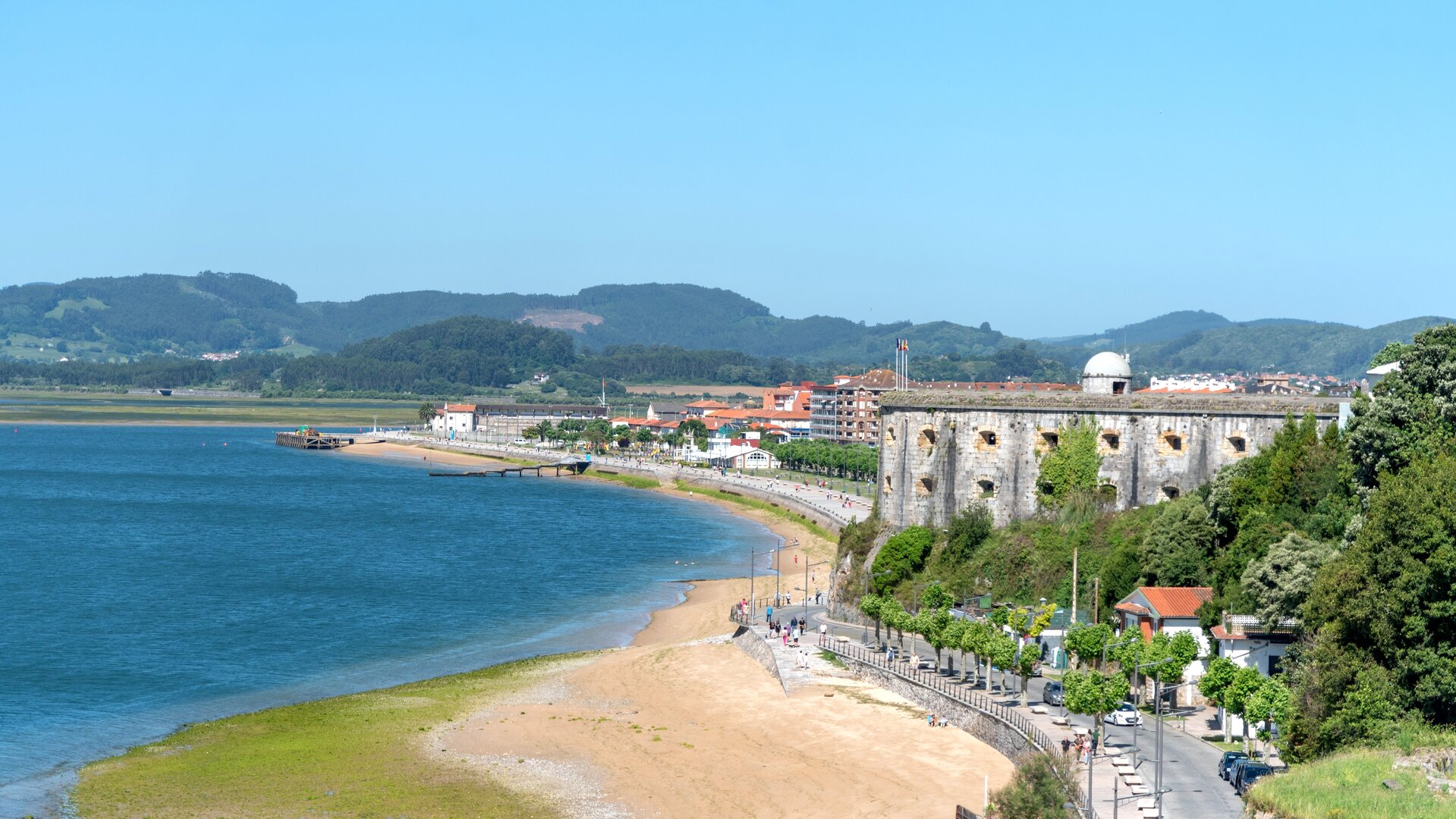
What you need to know
Is there a seal colony in Santoña? No. Cantabria has no settled population; the animals you see are occasional visitors.
Best season: winter, between December and March, after storms — with no guarantee of a sighting.
Most common species: grey seal (Halichoerus grypus) and harbour seal (Phoca vitulina).
What to do if you see one: keep at least 50 metres of distance and call 112 Cantabria.
What not to do: don't touch it, don't feed it, don't try to put it back in the sea yourself.
Guaranteed wildlife alternative: the Santoña marshes for birdwatching, especially from October to January.
In Cantabria there's no seal colony to go and watch — only the chance, every winter, of crossing paths with one that's ended up much further from home than it should be.
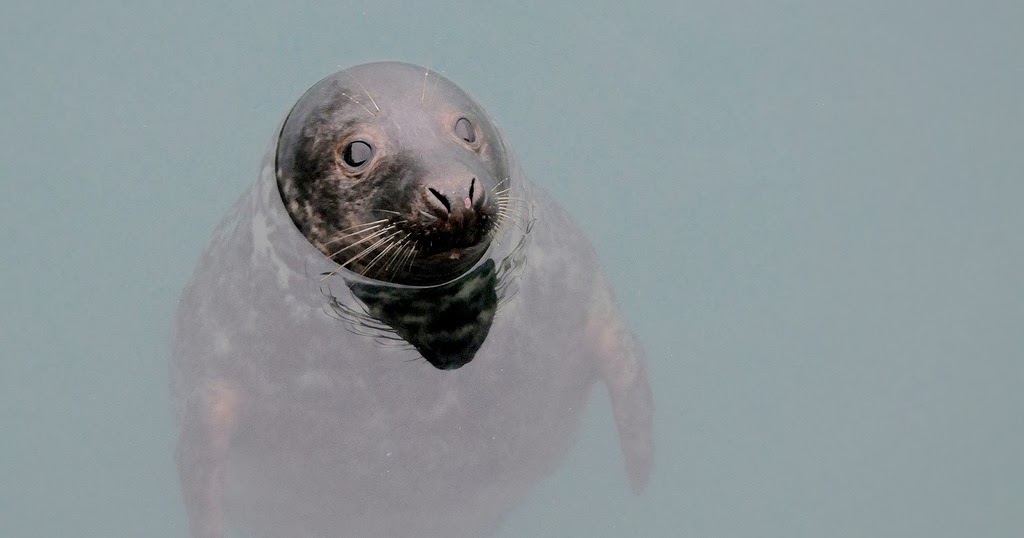
Santoña is just over twenty minutes from Bareyo, so if word ever gets around that a seal has turned up in the harbour, you can go and check it out without planning the trip in advance. In the meantime, the safest bet for spotting wildlife in the area is still an early start at the marshes with a pair of binoculars.
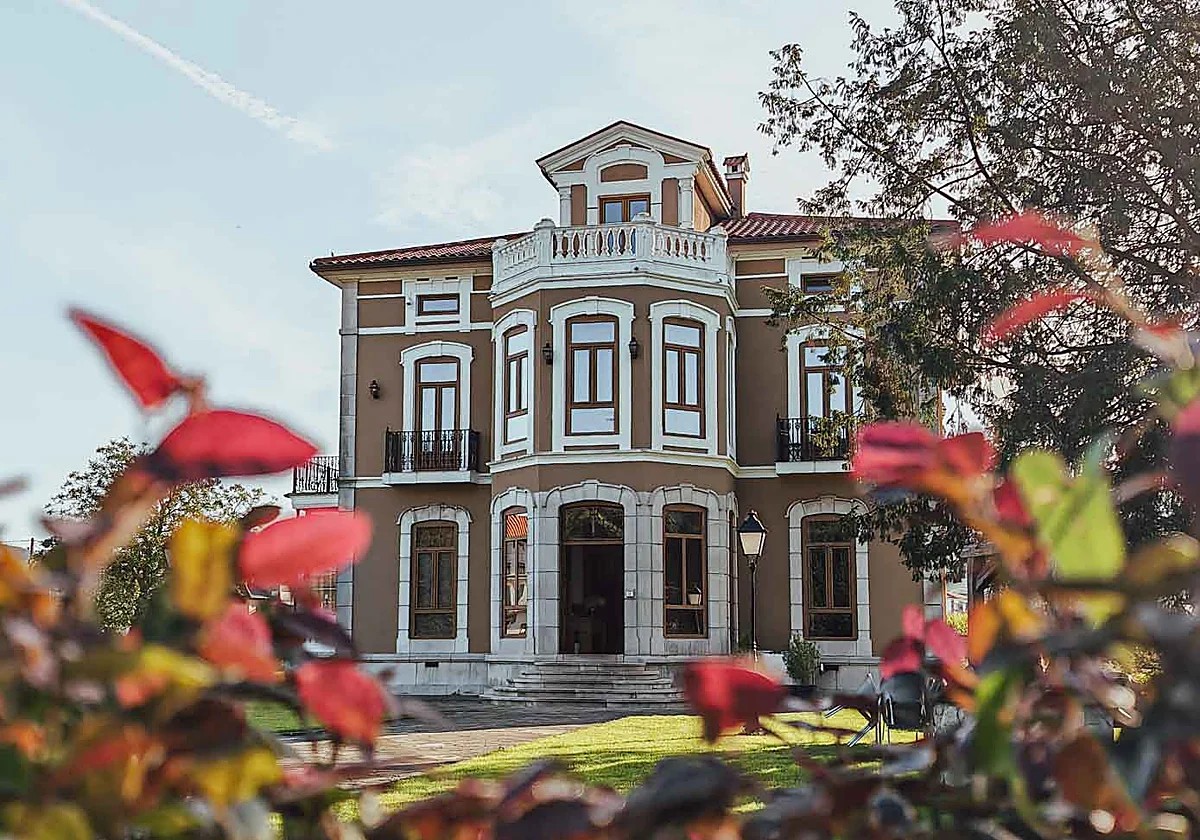
Bareyo Residences is that same distance from Santoña and its marshes. Available to book from September 2027.