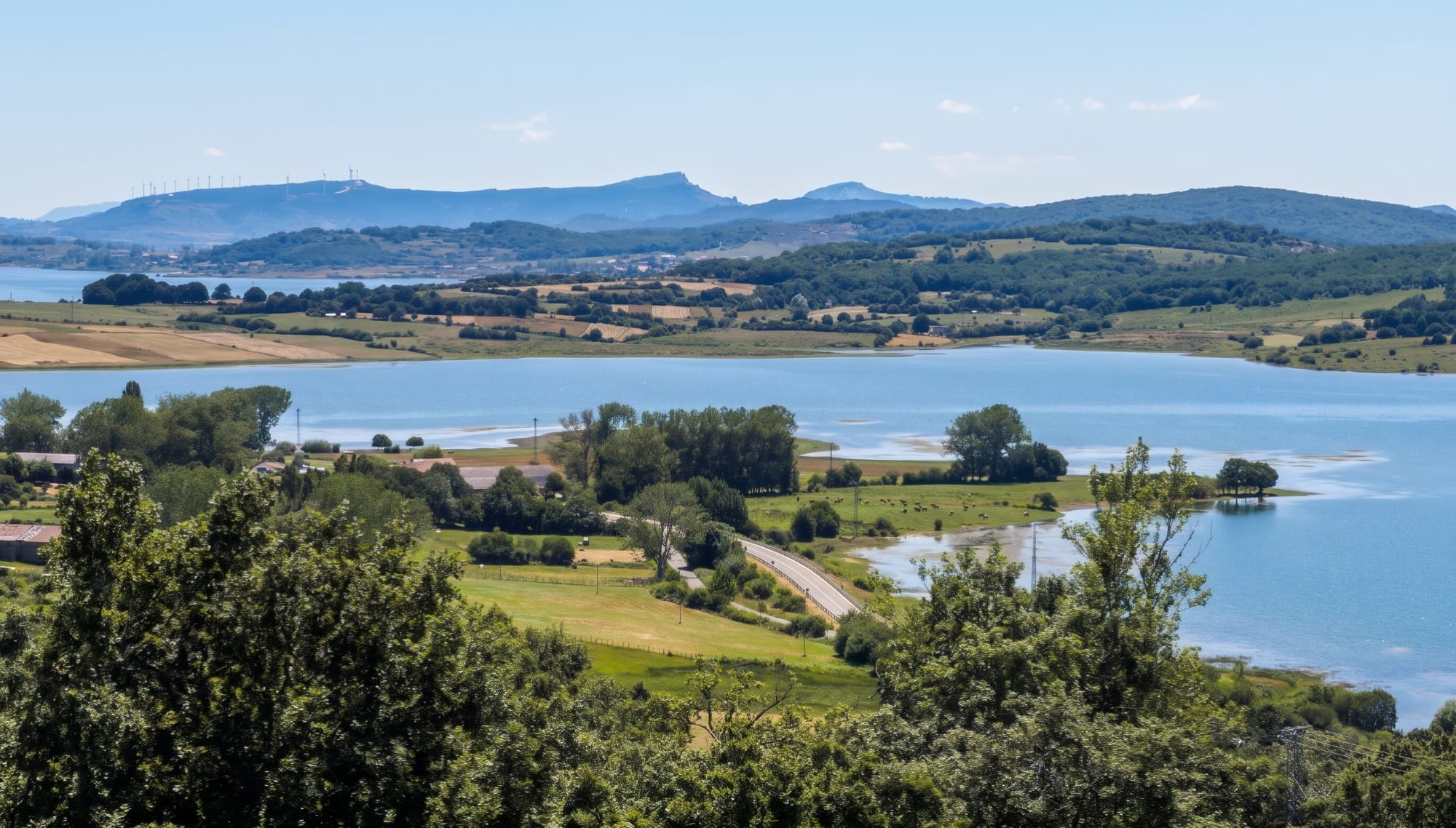
La Hermida Gorge is a cleft of about 22 kilometres cut by the River Deva between Panes and Lebeña, and the N-621, the road from the coast up to Liébana, runs through it. You can drive it in under an hour, better with a few stops, and from Bareyo it's just over two hours away.
If you're heading to Liébana from the coast, you don't have many options: the road enters at Panes and squeezes between limestone walls that in places rise above 600 metres. It's the natural way to Potes and the Picos de Europa, and also one of the most photogenic drives in Cantabria, especially in autumn, when the slopes turn copper.
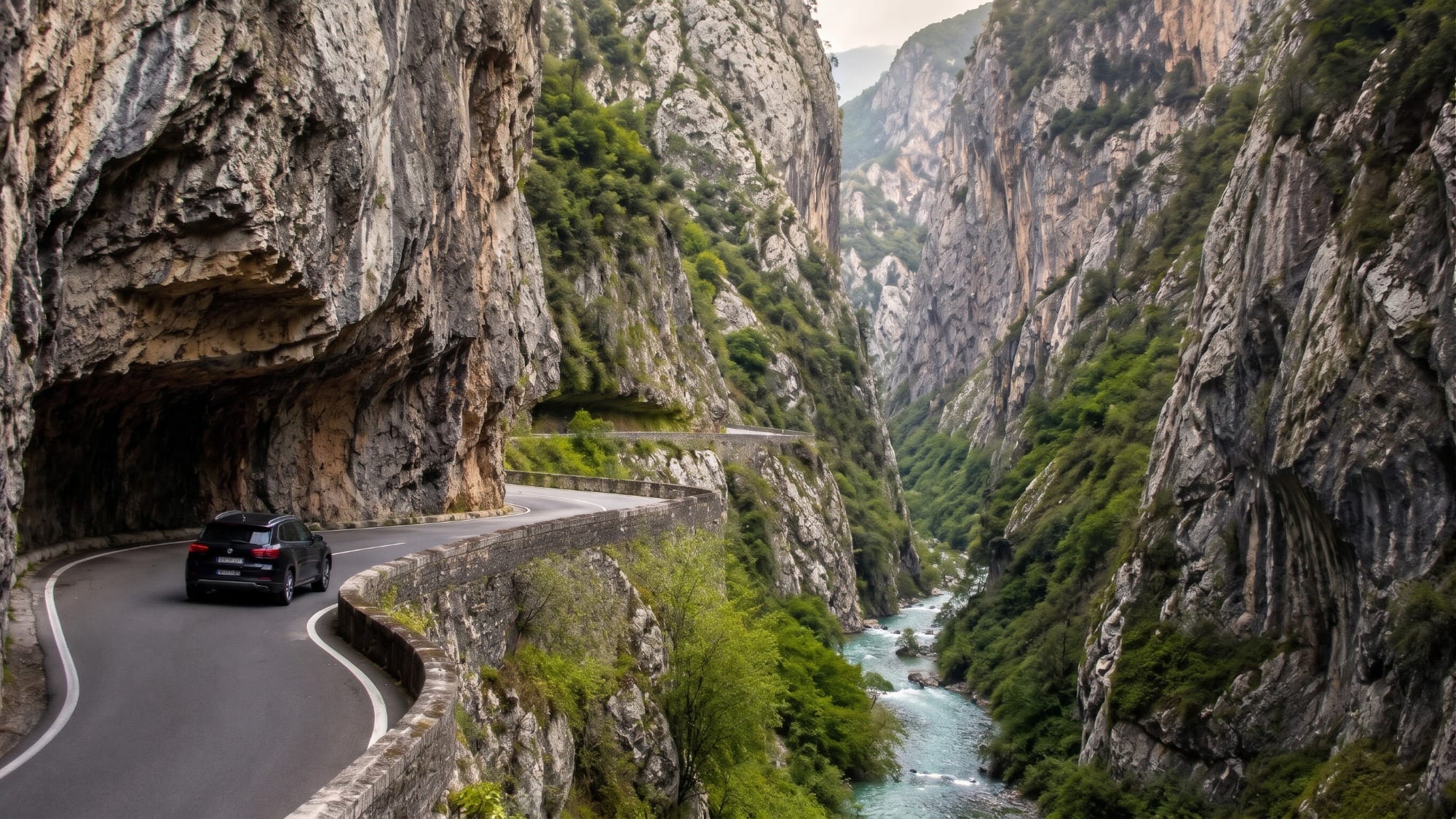
This is no place to rush. The road is narrow, with tight bends and little room to pull over, so it makes sense to treat it as a route in its own right and not as a chore between two villages. Set off early, with a full tank and no tight schedule: haste is a poor adviser here.
What La Hermida Gorge is and where it is
The Deva, which rises in the glacial cirque of Fuente Dé, at the foot of the central massif of the Picos de Europa, has carved through the rock to form one of the longest gorges in Spain. At its northern entrance it marks the border between Asturias and Cantabria, and it is the only access corridor to the Liébana region from the Cantabrian coast. The sources we consulted give between 21 and 22 kilometres in length, depending on where you place the start and the end, and limestone walls that in places exceed 600 metres.
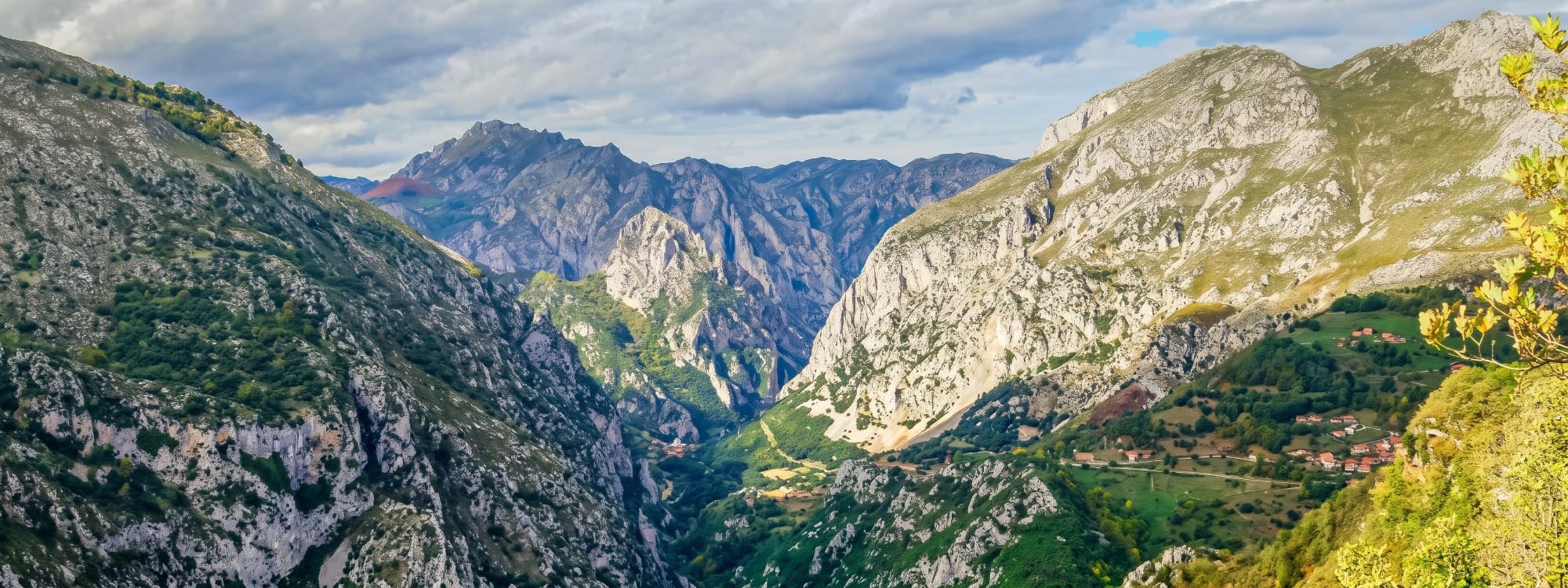
The route from north to south, from Panes to Lebeña
Coming in from Panes, the road follows the course of the Deva and gradually narrows. Urdón, where the river of the same name meets the Deva and where a hydroelectric plant built between 1909 and 1912 stands, marks the start of the most enclosed stretch. Then come La Hermida, Caldas and Linares, small hamlets clinging to the hillside, and the valley slowly opens up as far as Allende and Lebeña. If you do it the other way round, from Potes, you'll see the same gorge in a different light, with the coast waiting for you at the end.
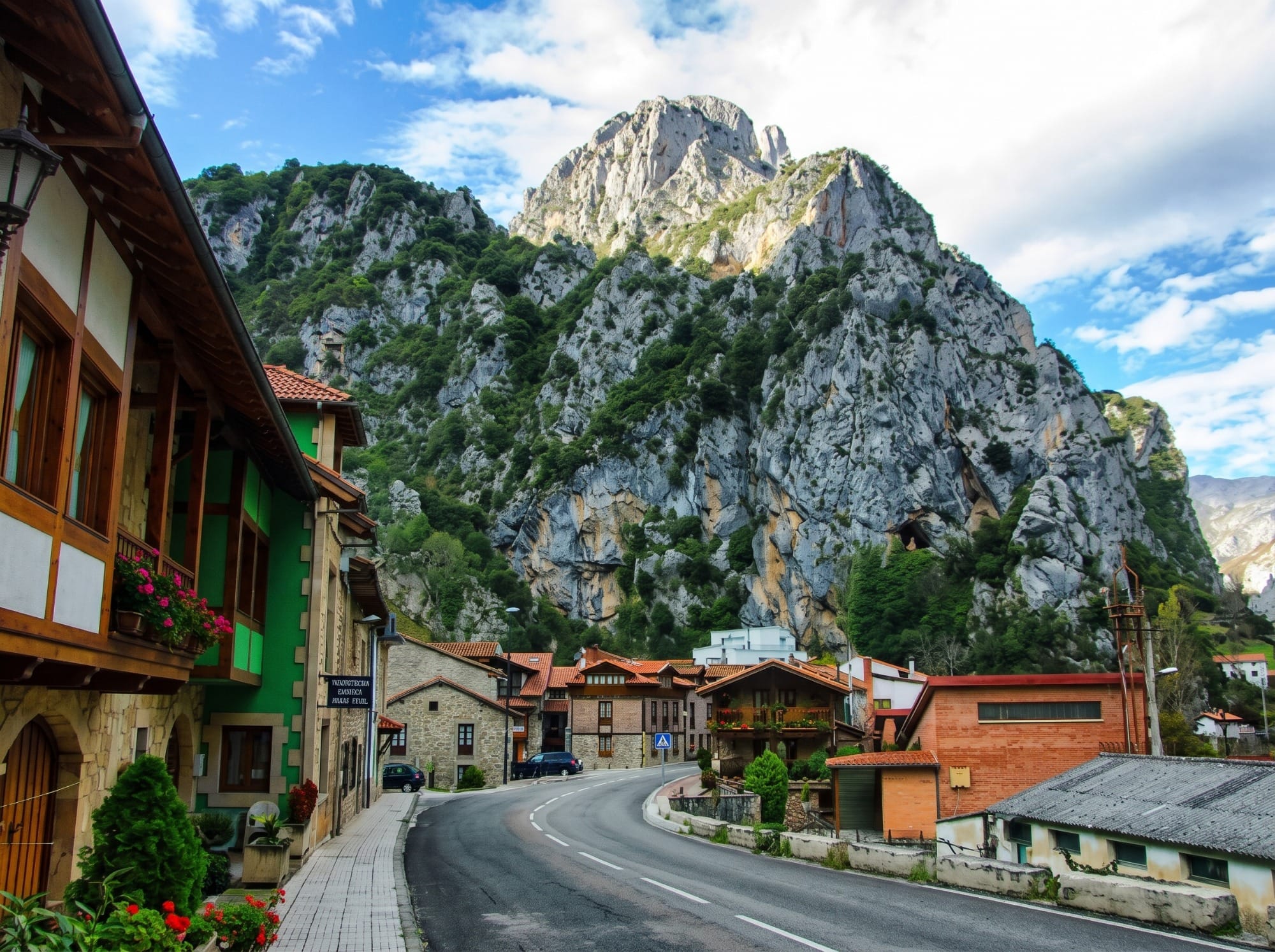
How to get there from Bareyo
From Bareyo, the most direct way is to take the A-8 towards Oviedo as far as Unquera and continue on the N-621 towards Panes and the gorge. Allow a little over two hours to Lebeña, not counting stops. The road is narrow in many sections and shared with lorries and buses, so don't run on fumes or plan with no time to spare. If you're staying at Bareyo Residences, this is a full-day outing, not a half-morning one.
What to see in the gorge and in Lebeña
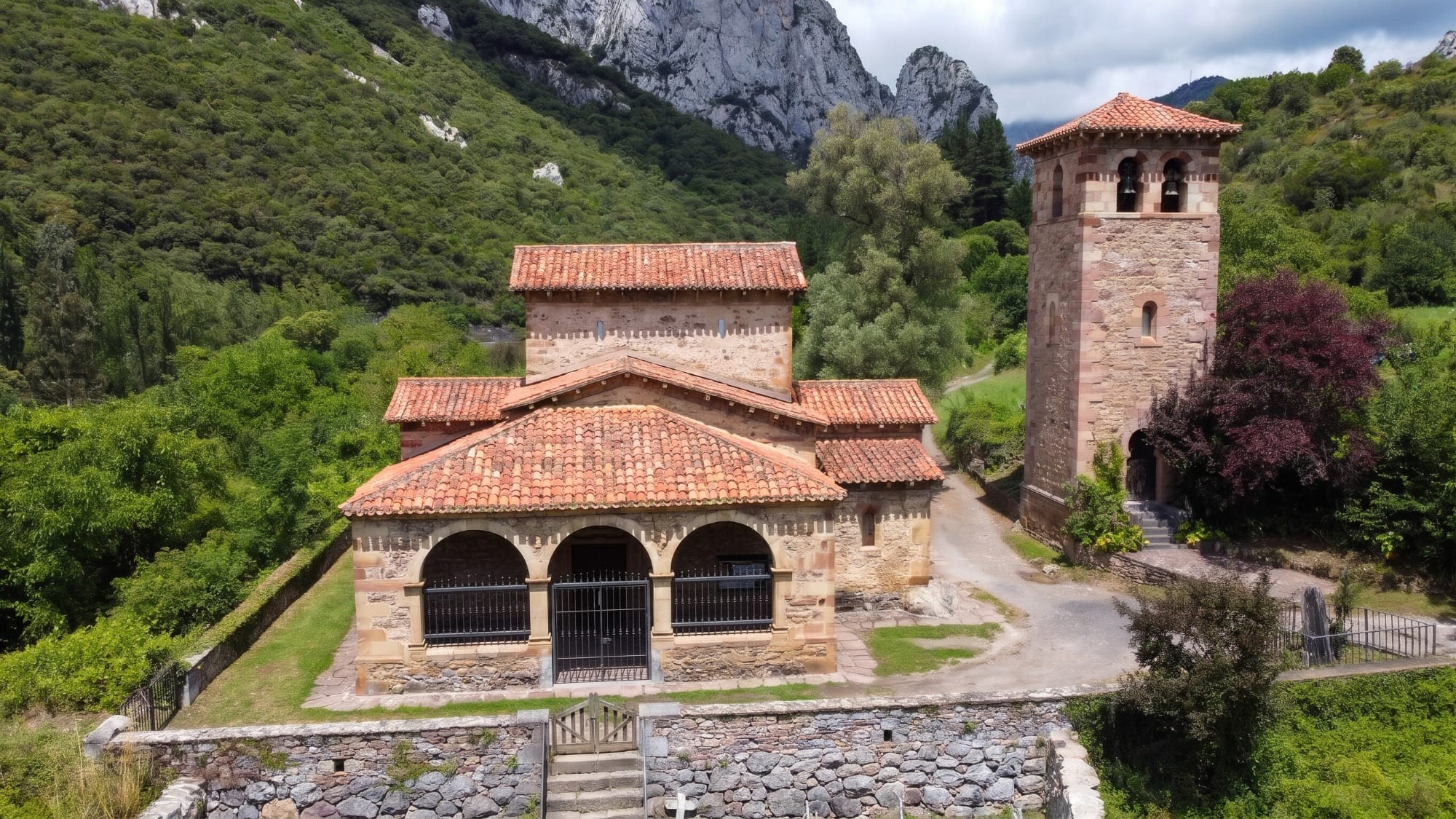
The best part is stopping. There are small lay-bys from which you can see the Deva far below the road and the walls closing off the sky, and every village along the way offers a breather. At the end of the stretch, in Lebeña, stands the Mozarabic church of Santa María, a pre-Romanesque temple from the 10th century that few visitors expect to find in such a small village. Twenty minutes is plenty to see it from the outside. To carry on to the historic centre of Potes, our guide to what to see in Potes is a good follow-up if you're planning to have lunch in Liébana.
When to go to La Hermida Gorge
Autumn is the best season for the colour of the slopes, and with shorter days it's wise to do the drive before the afternoon draws in. In winter there is a risk of ice and the odd temporary closure, and after heavy rain stones can fall from the slopes. We can't give you a reliable road status here, because it changes: before setting off, check the road alerts and the weather forecast. On bank-holiday weekends and in summer, a line of cars stuck behind a bus can add quite a bit to the journey.
What you need to know
Length: about 21 or 22 kilometres, depending on the source. Road: the N-621, narrow and winding, which has had improvement works in recent years, so check before you go whether any sections have alternating traffic. Time: under an hour of driving, plus stops. What to bring: a full tank, water and comfortable shoes for Lebeña. In fog or heavy rain, it's better to postpone the trip. For information on the region and its sights, the Turismo de Cantabria website is the most reliable starting point. La Hermida Gorge is best enjoyed slowly, and it's worth saving the afternoon so you can head back without hurrying.
«La Hermida Gorge isn't something you cross: you travel it with the windows down and without looking at the clock.»
A day between the Deva and the walls of La Hermida changes the rhythm of a holiday on the coast. From Bareyo Residences you set off in the morning with the sea behind you and come back at dusk with your head full of mountains, and that contrast is exactly what makes the trip worthwhile. One road, one river and a village with a 10th-century church are enough to fill the day.