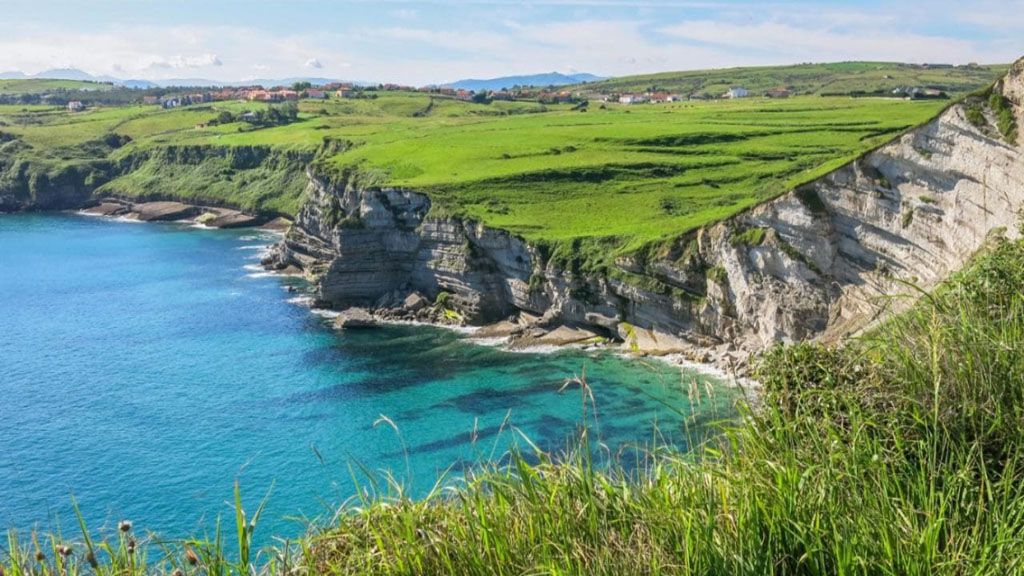
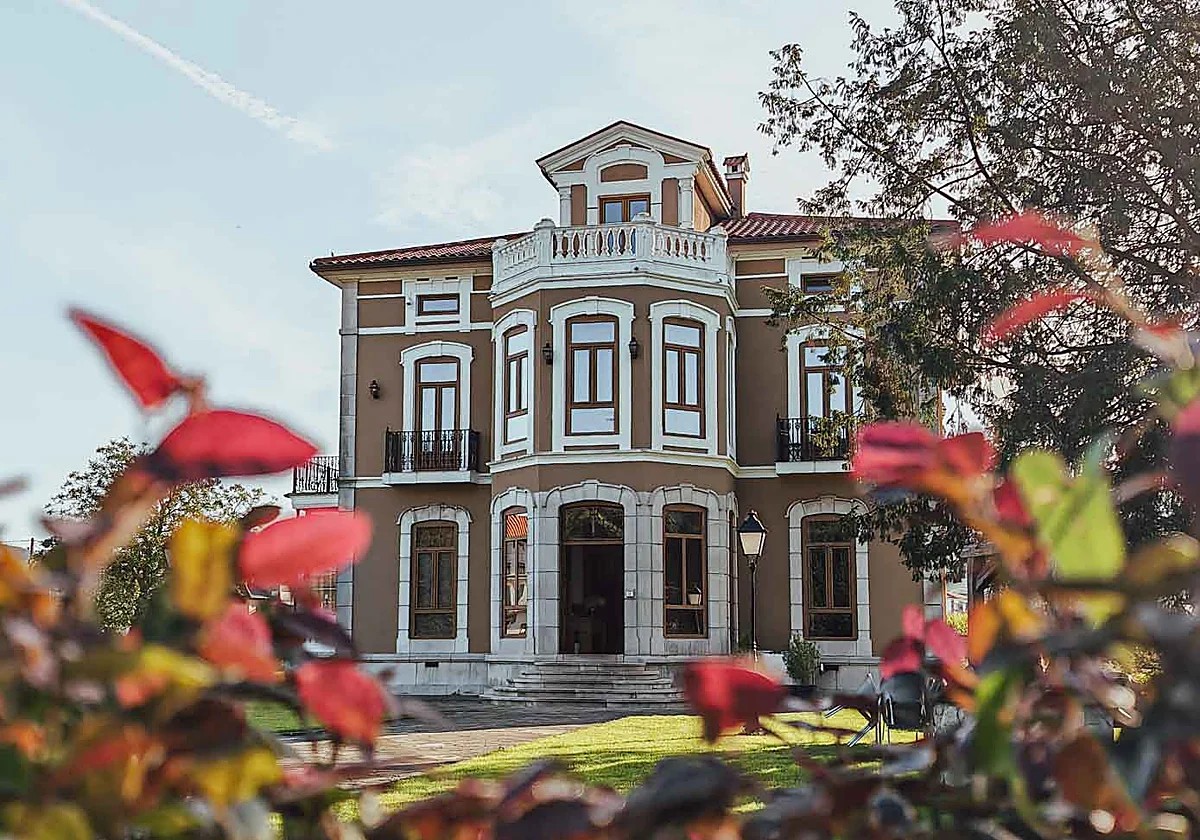
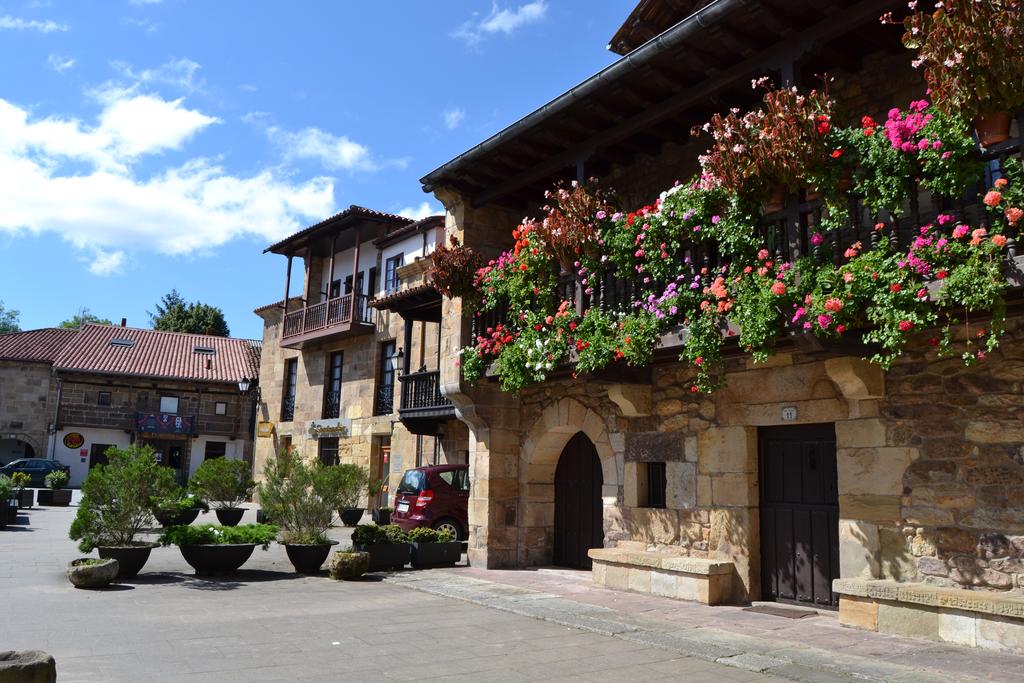
Cantabria's living traditions bring together ancient rites like La Vijanera in Silió, patron saint festivals like the Coso Blanco in Castro-Urdiales, rural trades that refuse to disappear — albarcas (wooden clogs), the pito montañés (a shrill folk clarinet) — and the summer cattle drive up to the mountain pastures. None of this is staged for tourists: locals still organize it themselves, year after year.
Cantabria doesn't need to dress up its culture to show it off. Show up for a weekend of patron saint festivities, cross paths with a pair of piteros at a village romería, or ask around an inland town who still makes albarcas, and you'll find that much of what defines this land keeps running with no tourist sign and no visiting hours.
In this guide we look at some of the region's most representative traditions: the ones with a fixed date on the calendar, the ones that depend on a trade almost nobody practices anymore, and the ones — like transhumance — that still set the rhythm of the year in the inland valleys. This isn't a festival calendar (that deserves its own space), but a look at what makes rural and coastal Cantabria different from what the passing visitor sees. If you liked our guide Discover Cantabria Like a Local, this piece follows the same thread, focused on the traditions that keep that authenticity alive.

La Vijanera: Europe's First Carnival
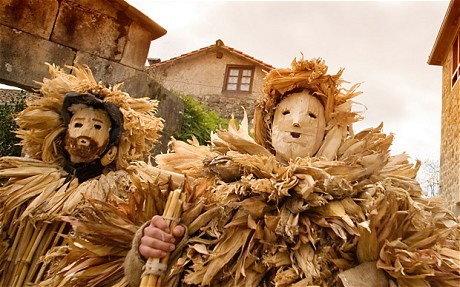
Every first Sunday of January, the village of Silió, in the Iguña valley, holds La Vijanera, a masquerade many historians rank among the oldest in Europe, with roots reaching back to pre-Christian new year rites. More than eighty different characters — the Bear (el Oso), the Madama, the Trapajones, the Blind Man (el Ciego) — parade through the streets to the clang of cowbells, acting out a fight between good and evil before the farming year begins. It's been declared a Fiesta of National Tourist Interest and, since 2021, an Asset of Cultural Interest. Worth flagging: this isn't a summer festival — come in July and you'll miss it — but it's well worth marking down for a winter trip.
The Coso Blanco and the Coast's Patron Saint Festivals
In summer the festival scene changes register. On the first Friday of July, Castro-Urdiales holds the Coso Blanco, a night parade of floats covered in white tissue paper that began in 1948, inspired by a similar celebration in Havana, and today draws thousands of people to the Amestoy park amid confetti and streamers. Weeks earlier, in San Vicente de la Barquera, La Folía carries the Virgen de la Barquera out on a flower-decked boat in a maritime procession — a tradition that, according to legend, commemorates the miraculous arrival of her image by sea. And in small towns like Orejo, in Marina de Cudeyo, the July patron saint festivities are organized just as they've always been: a local festivities committee, a romería, and dancing in the square, no official program needed.

Trades and Craftsmanship: Traditions That Refuse to Disappear
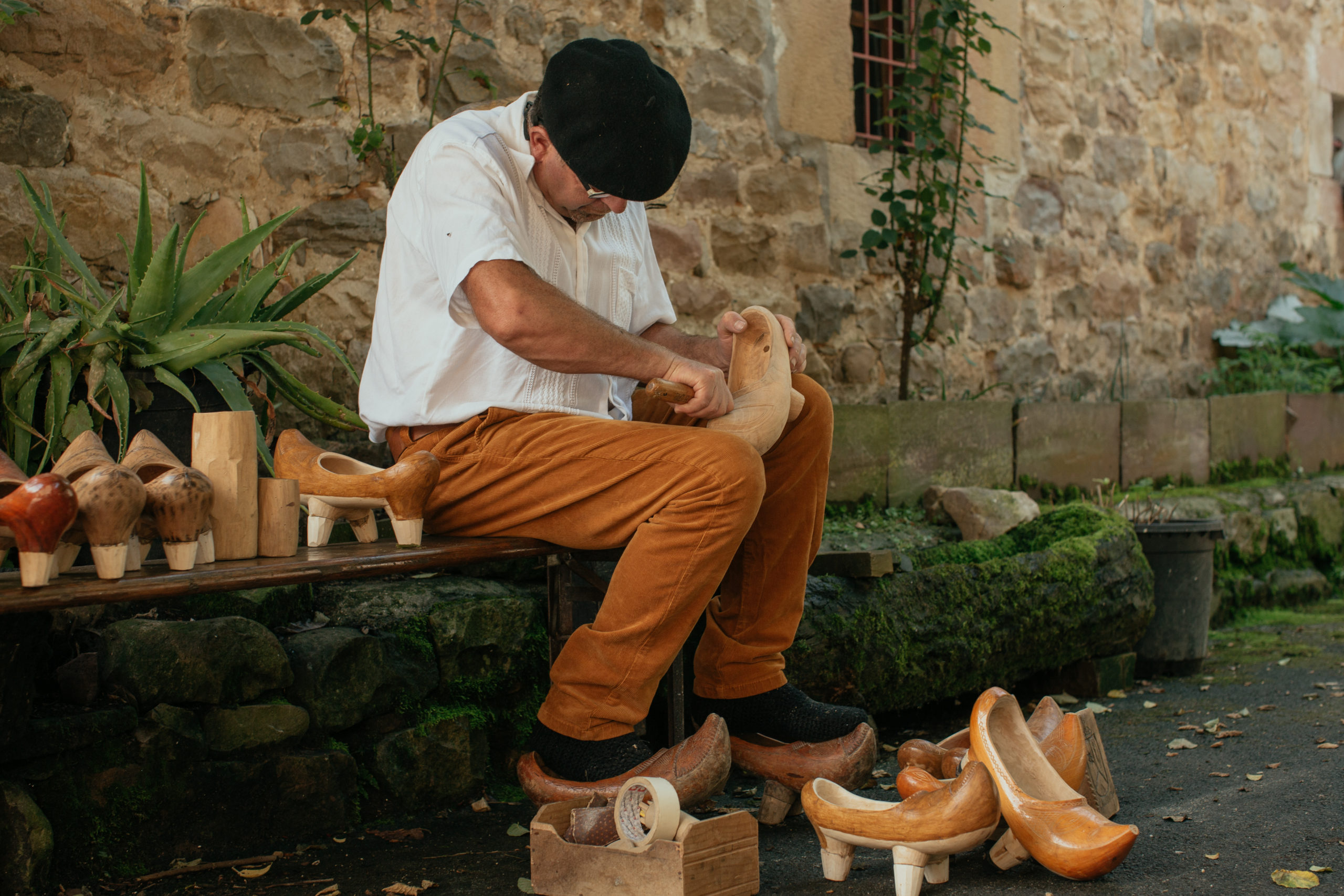
Not all of Cantabria's traditions show up on a marked date. Some rest on the quiet work of a handful of artisans. That's the case with albarcas cántabras, wooden clogs carved from a single piece of birch, beech, or chestnut — already recorded in 18th-century land registries — which the region's last albarqueros (clog-makers) still make to order. Or the pito montañés, the high-pitched clarinet that, together with the drum, accompanies the dances at any romería: the pair of piteros is probably the most recognizable sound of Cantabrian folklore, and they still play at village festivals with no stage and no sound system.
Transhumance: The Rural Cantabria That Still Climbs to the Mountain Pass
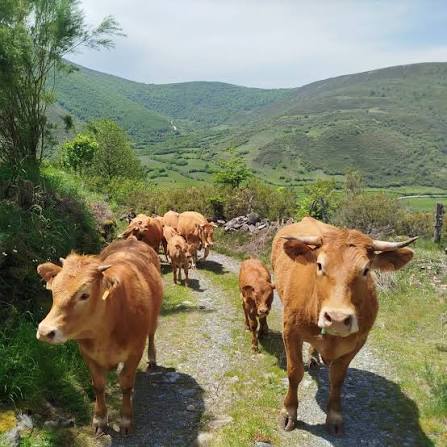
Every summer, thousands of head of livestock — cows, horses, and mares — climb from the valleys of Campoo and Cabuérniga up to high mountain passes like Sejos, where they'll graze on common land until autumn. It's a short-distance transhumance, unlike the routes that cross half the peninsula, but it follows the same logic: make the most of high pasture while the valley rests. It's not staged for visitors — nobody stops working for a camera — but crossing paths with a herd coming down or going up a mountain track, cowbells ringing before you even see them, is one of the most authentic experiences inland Cantabria has to offer.
What to Know
If you want to see any of this in person, keep the calendar in mind: La Vijanera is in January, the Coso Blanco is in early July, and La Folía is in spring, so not everything lines up with a summer trip. The patron saint festivities of the villages around Bareyo — Ajo, Güemes, Galizano, and Bareyo itself — do cluster between June and September, and are usually announced ahead of time on town hall noticeboards and websites, and in the Cantabria tourist-interest festival calendar. To see craftwork like albarcas, your best bet is to ask at craft fairs or producers' markets, where some artisans display and sell directly. And if you cross paths with a herd coming down from a mountain pass, the best move is to stop the car, be patient, and give them room: they're still working animals, not a tourist attraction.
"None of this is staged for the visitor: rural Cantabria keeps running the same way when nobody's watching."
Living near all this — not just visiting for a weekend — changes your relationship with the place. Once you settle in Bareyo, you stop chasing festivals marked on a calendar and start hearing about things from a neighbor, a poster at the bar, or the sound of cowbells coming down from the hills. It's one of the reasons we designed the homes at Bareyo Residences for staying, not just for summering: with delivery set for September 2027, there's plenty of time for the eastern coast — and its traditions — to stop being a destination and start feeling more like a place to live.