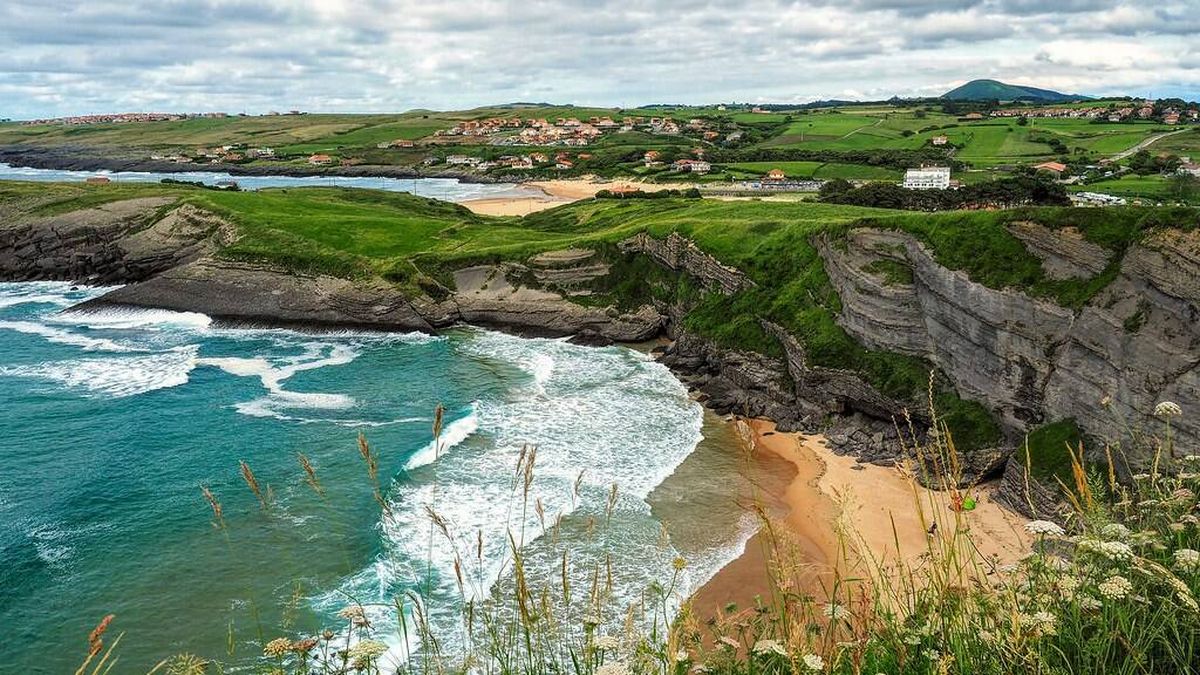
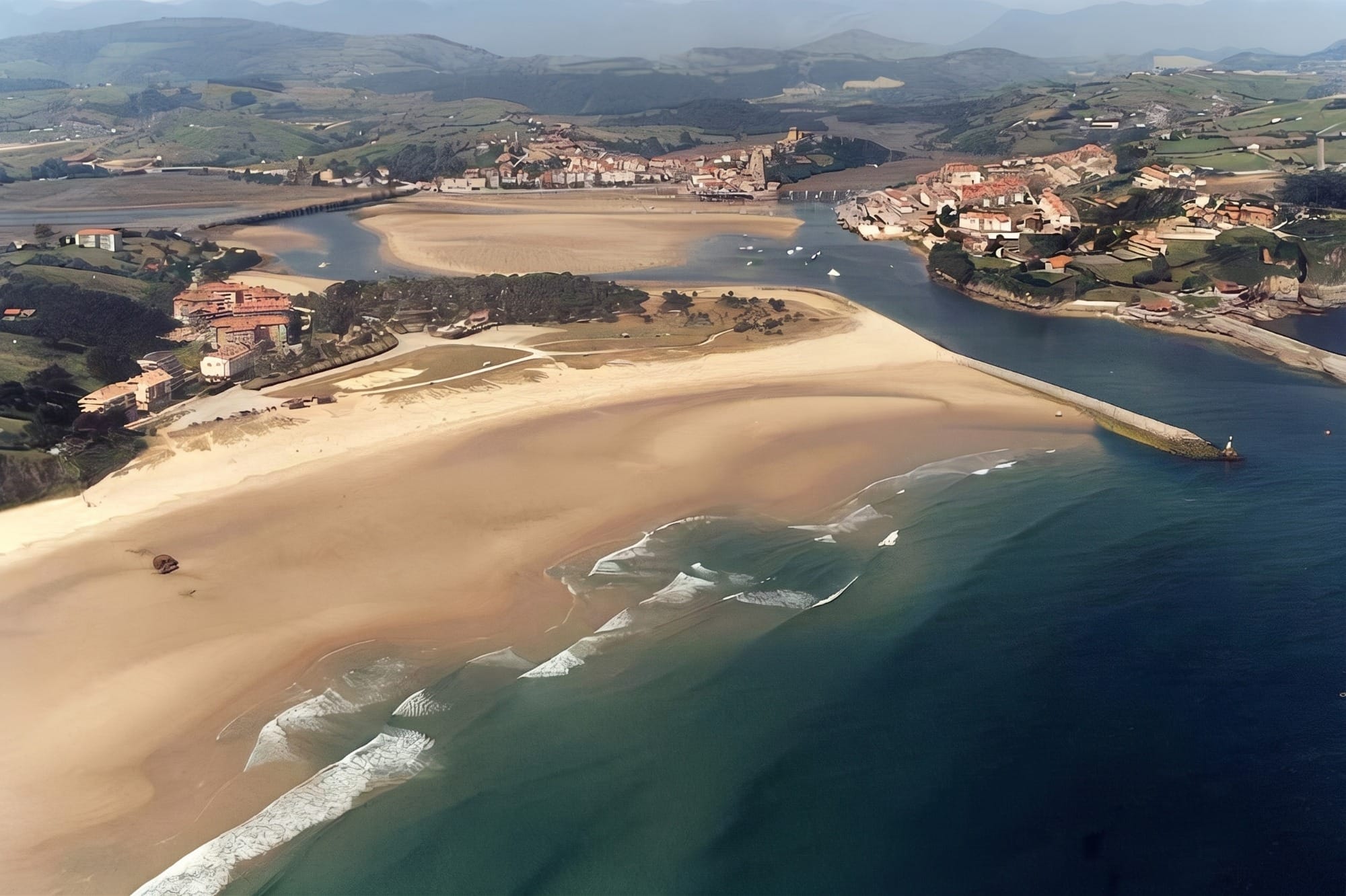
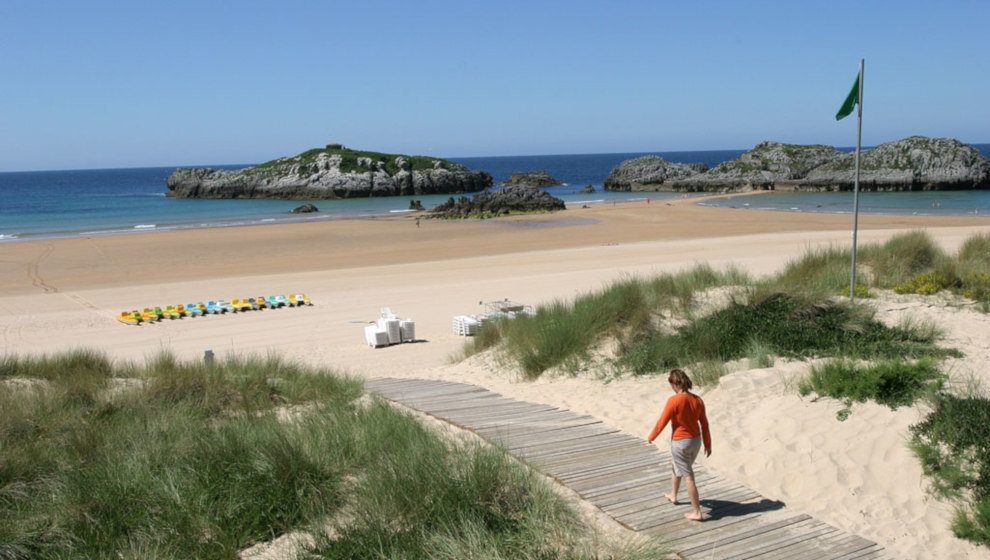
On the guarded beaches near Bareyo, a green flag means you can swim as normal, yellow calls for caution, and red means no swimming. Cruz Roja Cantabria patrols from 1 June to 30 September, daily between 16 June and 15 September. If you spot jellyfish, always tell the lifeguard before going into the water.
Every summer, between the splashing and the spread-out towels, the same question comes up on the shore: can you swim today? The answer changes from one day to the next and from one beach to another, and depends on three things worth knowing before you head down to the sand: the flag colour, whether a lifeguard is on duty that day, and whether there are jellyfish warnings.
This summer the warning matters more than ever. Cruz Roja Cantabria had carried out more than 2,800 interventions by July 2026, 40% more than the year before, and most were for jellyfish stings. It's not a reason for alarm — the beaches near Bareyo are still perfectly enjoyable — but it is a good reason to know how to read the flags and know what to do if something happens.
What each beach flag means
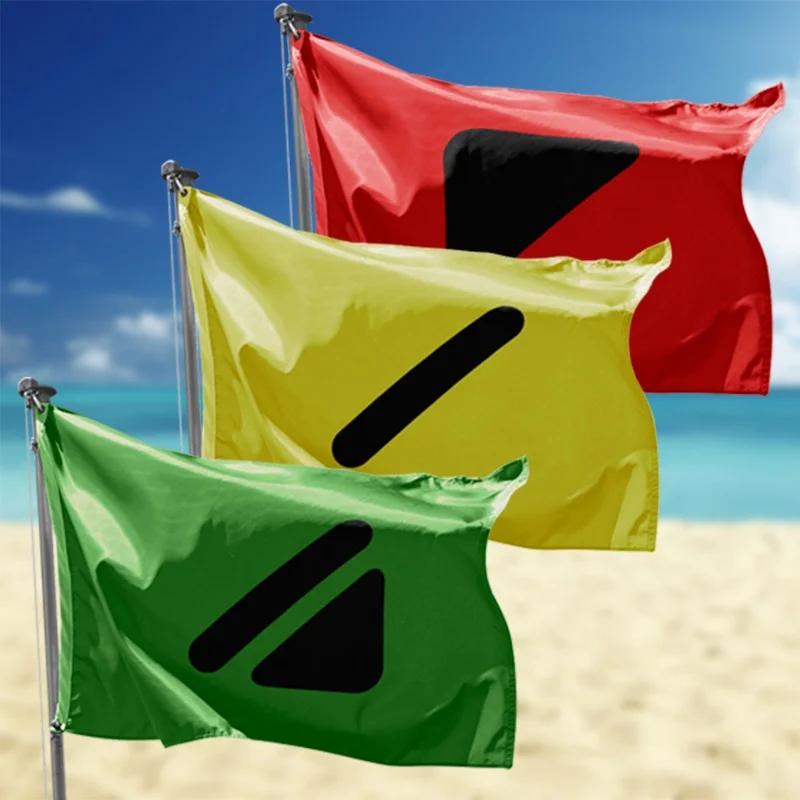
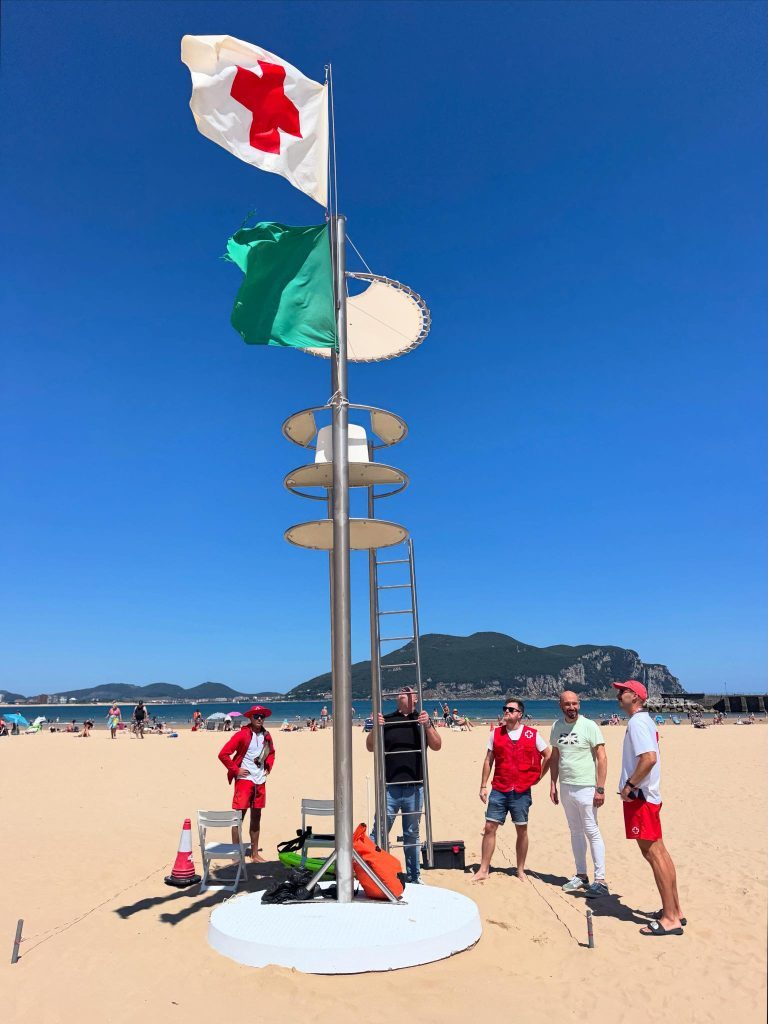
The flag system is the same across all of Spain, and the beaches near Bareyo are no exception. Green means the sea is calm and you can swim as normal. Yellow calls for caution: there may be swell, currents or reduced visibility, so it's best to stay close to shore and keep an eye on children. Red means no swimming, almost always because of heavy swell, rip currents or poor water quality, and it has to be respected even if the sea looks calm from the sand. Recently, to make the flag easier to identify for colour-blind people, the flags may include pictograms. The lifeguard on duty decides the flag status, and it can change several times in the same day, so it's worth checking the flagpole when you arrive rather than trusting what the app said that morning.
When there's a lifeguard on the beaches near Bareyo
Bareyo is part of the eastern zone covered by Cruz Roja Cantabria along with Laredo, Noja and Santoña, within a service that this summer totals 71 lifeguard posts and around 300 professionals spread across 14 coastal municipalities. The service doesn't run the same way all summer: from 1 to 15 June and from 16 to 30 September, cover is weekends only, from 11:30 am to 7:30 pm. Between 16 June and 15 September, peak season, the service runs daily, at the same hours. Outside those windows, the beach stays open but unguarded, so swimming is at your own risk. Beaches like Trengandín, in Noja, and La Salvé, in Laredo, also have adapted bathing services for people with reduced mobility, also run by Cruz Roja.
Jellyfish on Cantabria's beaches in 2026: what to do if one stings you
This summer's rise in interventions has a specific cause: more jellyfish than usual in the Cantabrian Sea. The Government of Cantabria keeps an official protocol for these cases that's worth knowing before you need it. If a sting has already happened, the first step is to remove any visible tentacle remains with tweezers or a rigid object, never with your fingers, and rinse the area with salt water or saline solution, never fresh water, which can trigger more venom. Then apply cold indirectly, with a cloth in between and never ice straight on the skin, for about 15 minutes, and disinfect with antiseptic. No ammonia, vinegar or urine, whatever popular legend says. If the pain doesn't ease, dizziness appears, or the reaction spreads beyond the sting area, go to a medical centre. And if you see a jellyfish in the water or on the shore, tell the lifeguard: it's the fastest way to warn other swimmers.

What you need to know
- Red is the only flag that bans swimming; with yellow you can go in, but with extra care.
- The beach emergency number is 112, available even when there's no lifeguard on duty.
- Lifeguard hours (11:30 am–7:30 pm) are the same across the whole eastern zone, from Bareyo to Laredo.
- Outside peak season (before 16 June or after 15 September), there's only a lifeguard on weekends.
- If there's a jellyfish warning, avoid walking barefoot on the shore too: loose tentacles can still sting out of the water.
- If quality certification matters to you as well as safety, our guide to Blue Flag beaches in Cantabria 2026 covers them zone by zone.
"The red flag is respected even when the sea looks calm from the sand: it's decided by the person watching it up close, not the one seeing it from a towel."
None of this should take a single minute of enjoyment away from a beach day near Bareyo: it's simply the information worth having to hand before you put your feet in the water. With the right flag and clear lifeguard hours, the rest of the day is beach, towel and the slow-rising tide. It's exactly what we aim for guests staying at Villa Camino and Villa Monte, a short walk from the Trasmiera coast: that the only decision left is which beach to go to.