Travelling to Cantabria with kids means dressing in layers — the weather changes several times a day even in summer — and packing a raincoat, closed shoes as well as beach sandals, high-factor sunscreen and a basic first-aid kit with an antihistamine. The rest of the suitcase depends on age, but this holds true in every season.
The most common mistake when packing for Cantabria with kids is thinking only of a summer destination: swimsuit, flip-flops and little else. Cantabria's climate doesn't work that way, not even in July and August — it can dawn foggy, climb to 28 degrees by mid-morning, and cool down suddenly by evening, especially near the coast. With young children those swings are felt twice as much: a spell of extra cold or unprotected sun can quickly spoil a good beach day.
There's no need to overload the suitcase or buy specialised gear. A clear list and a few items suited to the local climate are enough to stay comfortable both at the beach and on an afternoon inland excursion. If you're also travelling during the hottest stretch, it's worth checking our guide to Cantabria's summer climate first to know what to expect week by week.
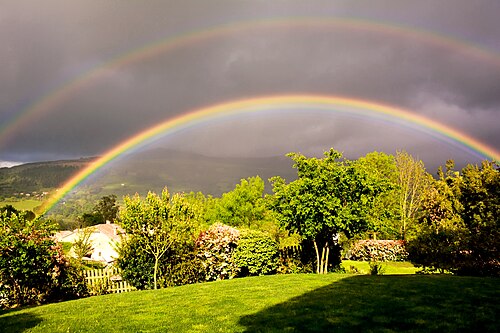
Layered clothing: what to pack for changing weather
The advice you'll hear most often from people who live on the Cantabrian coast is to dress "in layers," and it's not just a saying. For each child, it's worth packing several short-sleeved t-shirts, a couple of light sweatshirts or jumpers, a light, foldable raincoat (better than an umbrella, which is hard to manage with young kids and the coast's usual wind), and at least one pair of long trousers, even if the trip is in the middle of August. Nights cool down in Cantabria even in high season, so long-sleeved pyjamas and socks won't go to waste. According to Spain's State Meteorological Agency, July and August are the least rainy months of the year in the region, but that doesn't rule out the odd downpour — it just makes them less frequent.
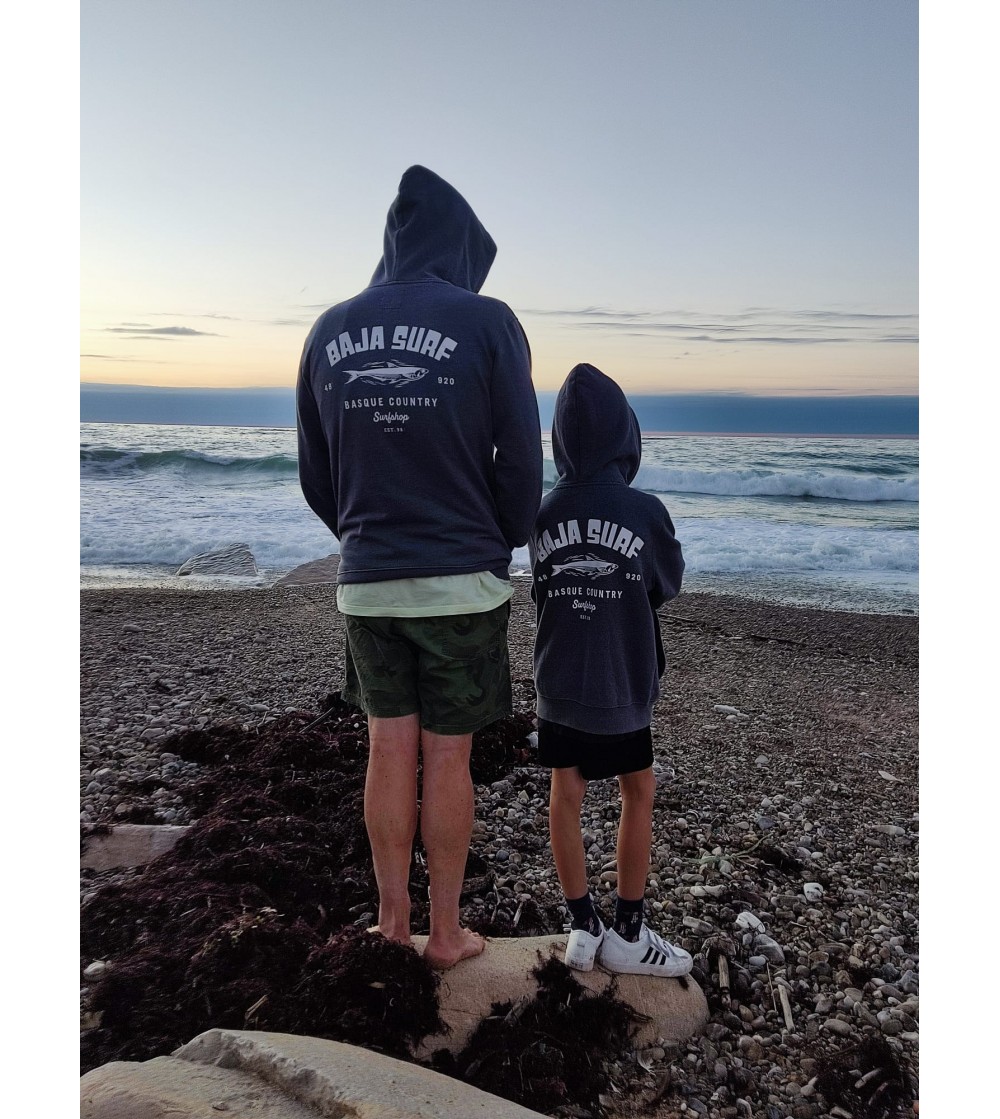
For the beach: more than just a swimsuit and towel
The Cantabrian Sea isn't the Mediterranean: the water is colder, there's more swell on the open beaches, and there's a tide, so the amount of dry sand available changes a lot over the course of the day. Besides swimwear and a towel, it's worth packing closed shoes for rocks and pebbles — crocs or water shoes do the job — a windbreaker for the shoreline, where there's usually more breeze than further inland, and a bucket and spade if the kids are little, since on many beaches in the area the firm sand near the water offers plenty to play with. To know when there's more dry beach depending on the tide, we have a dedicated guide to tides on Cantabria's beaches.
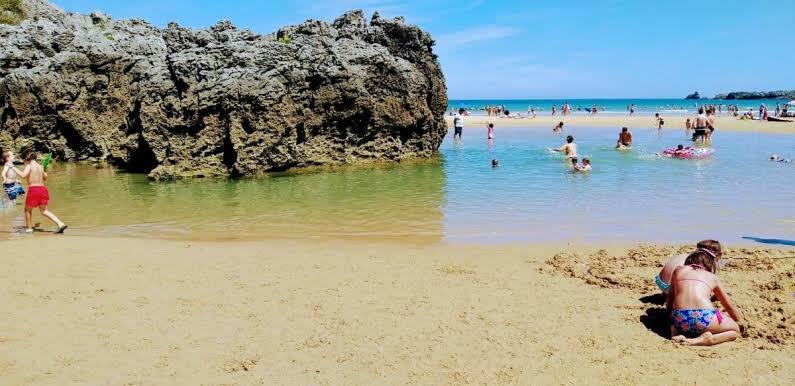
First-aid kit and sun protection
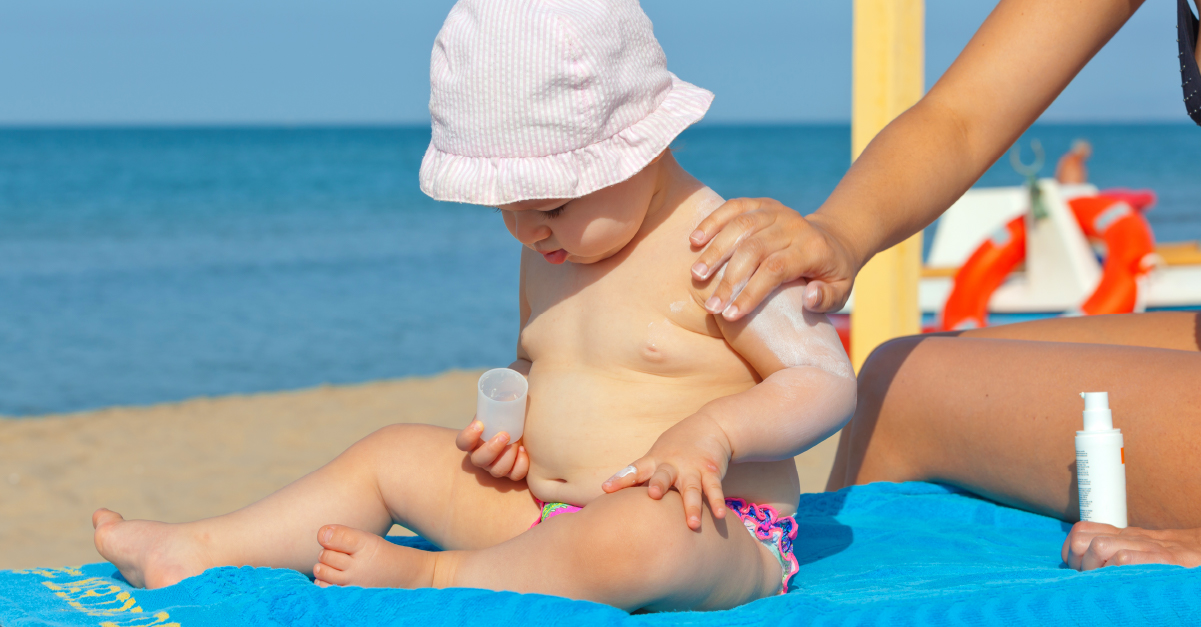
The Cantabrian sun is deceptive: there's more cloud cover than on the Mediterranean, but UV radiation in high summer can be just as intense, so high-factor sunscreen — 50 for the youngest — is non-negotiable, and it's worth reapplying after every swim. To the basic first-aid kit, add something for insect bites — there are marsh and meadow areas where mosquitoes appear at dusk — a children's antihistamine, large plasters for blisters from new shoes, and SPF lip balm, which tends to get forgotten and is needed both at the beach and on inland routes.
For the car and the downtime
Cantabria is mostly explored by car, and some trips — to the Picos de Europa, to Cabárceno, or to the western part of the region — run over an hour. It's worth putting together a small entertainment kit for those stretches: a sticker book, a drawing pad, and if your child gets carsick on mountain roads, motion sickness tablets or wristbands are better bought before leaving home than in whatever village you end up spending the day in, where a pharmacy isn't always open.
What you need to know
Essential year-round: a raincoat, a warm layer and closed shoes, even if the trip is in August. In summer: SPF 50 sunscreen, a cap, and water shoes for rocky beaches. Minimal first-aid kit: children's antihistamine, something for bites, plasters and SPF lip balm. Pharmacies: bring the essentials from home — the smaller coastal villages don't always have one open outside business hours.
The mistake isn't forgetting the swimsuit. It's leaving the raincoat behind because it's August.
With this starting list, adjusted to each child's age, packing for Cantabria with kids is sorted in no time — what's worth taking your time over is where you're going to stay, because a house with room to spare changes the experience with little ones a lot.
Villa Camino and Villa Monte, at Bareyo Residences, are designed for families: private pool, their own garden and plenty of bedrooms so nobody has to share a bed with half-unpacked suitcases. Available for booking from September 2027.